🌟 Best in Travel 2026 is here!
Bonaire
countryNorth America
4.92 / 5.0

Bonaire

A pristine diver's paradise where pristine marine life meets untouched desert wilderness.

Editorial Guide

About Bonaire

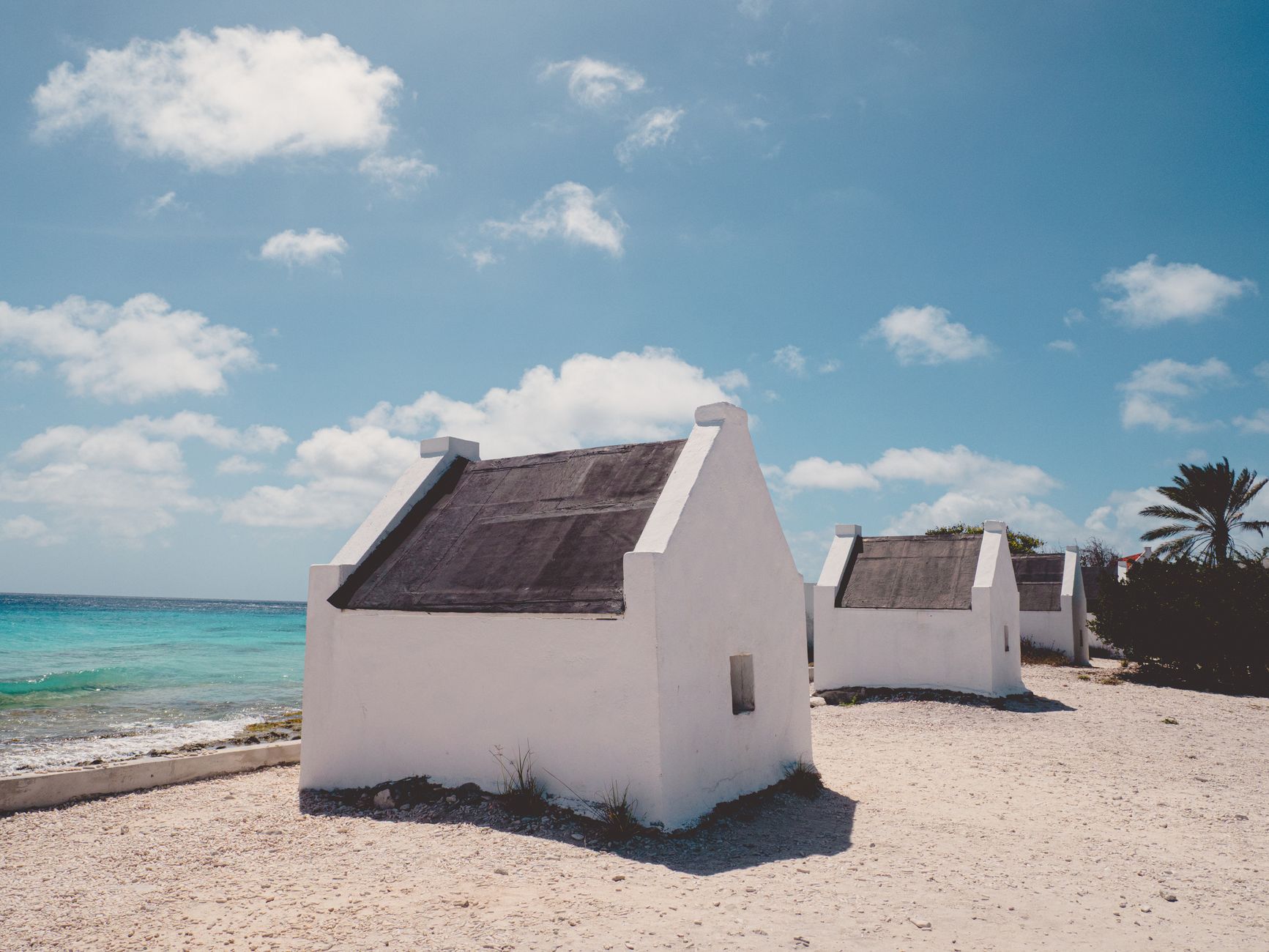
Rising from the turquoise depths of the southern Caribbean, Bonaire is an island defined by radical preservation and raw, wind-swept beauty. As part of the Leeward Antilles and a special municipality of the Netherlands, it has cultivated a pioneering conservation ethos that has protected its surrounding waters for over half a century, resulting in the pristine Bonaire National Marine Park. History whispers through the colonial pastel storefronts of Kralendijk and the haunting, stark stone slave huts at Lac Bay, reminding visitors of a complex colonial past under Spanish and Dutch rule.

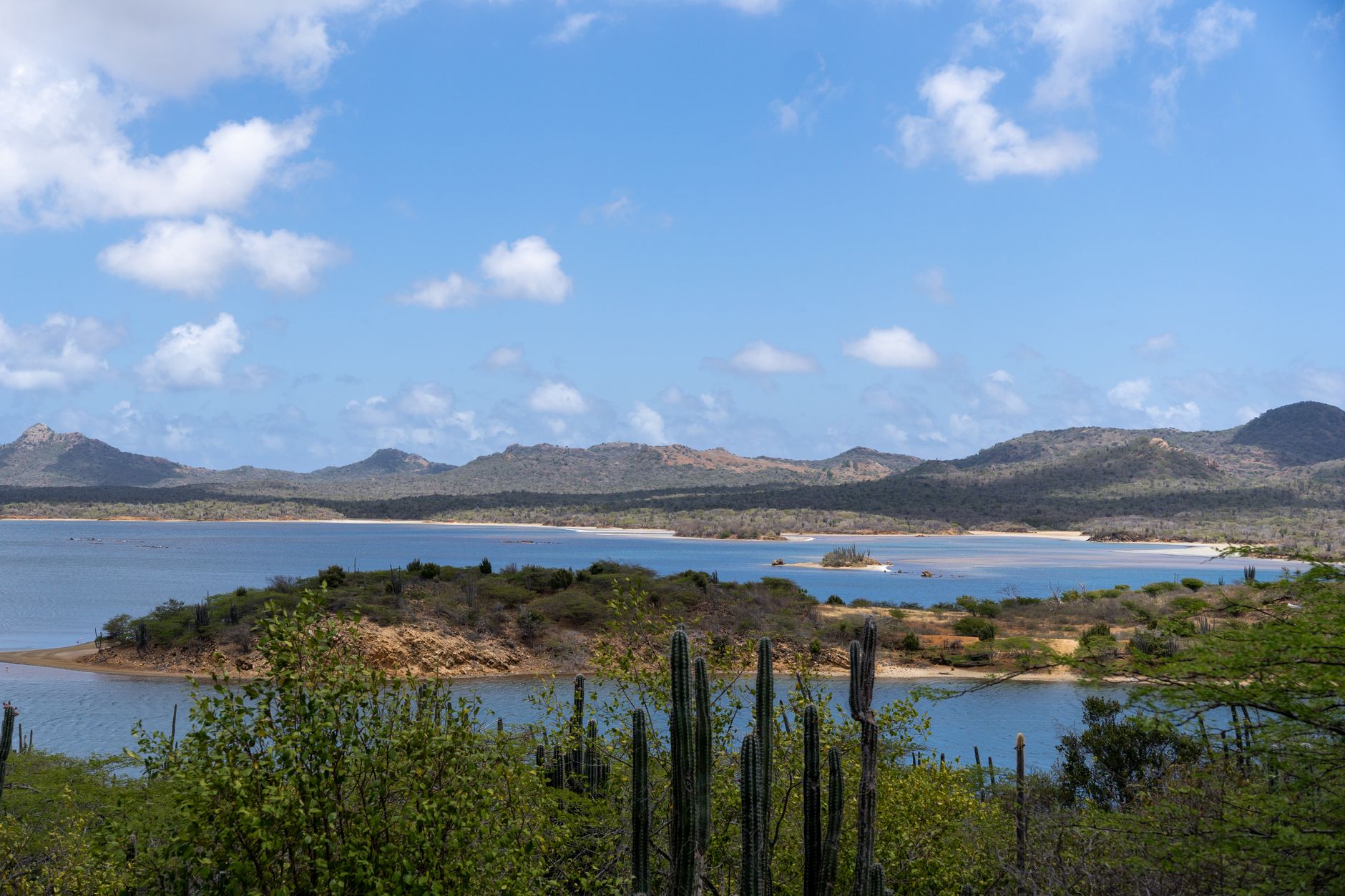
Culturally, Bonaire is a vibrant mosaic shaped by indigenous Caiquetio roots, African heritage, and European influences, all harmonized through the local Papiamentu language. The island's geography is strikingly dualistic: the leeward coast drops off into coral gardens teeming with seahorses, turtles, and rays, while the windward eastern shore crashes wildly against limestone cliffs. Inland, Washington Slagbaai National Park unfolds as an arid sanctuary of towering cacti, ancient salt flats, and roaming flocks of wild Caribbean flamingos.

The atmosphere is effortlessly unpretentious, defined by a slow, deliberate pace where cars yield to donkeys and iguanas, and days are dictated by the rhythm of the tides and the trade winds. Local life revolves around the water, outdoor adventure, and community gatherings over fresh catch and local stews. Whether you are shore-diving off a coral-fringed reef, kite-surfing across the emerald shalloons of Lac Bay, or stargazing under exceptionally clear desert skies, Bonaire offers an immersive escape that feels worlds away from mass tourism.

Visual Impressions & Moments

Bonaire photo 1
Bonaire photo 2
Bonaire photo 3
Bonaire photo 4
Bonaire photo 5
Bonaire photo 6
Unmissable Moments

Top Things to Do in Bonaire

Must-Do

Shore Dive at 1000 Steps

Descend the iconic limestone staircase carrying your dive gear to enter one of Bonaire's most legendary shore-diving sites. Submerge into crystal-clear water where elkhorn coral forests shelter sea turtles, spotted eagle rays, and vibrant clouds of creole wrasse. Timing your dive for early morning offers the best light and calmest surface conditions; look out for friendly tarpon lingering under the ledges.

Adventure

Windsurf at Lac Bay

Glide across a breathtaking, shallow turquoise lagoon protected by a natural barrier reef, widely considered one of the finest windsurfing locations on earth. Consistent trade winds and waist-deep, crystal-clear water create a dream environment for both beginners taking their first water starts and pros practicing freestyle maneuvers. Rent equipment from Jibe City and relax at their barefoot beachside cafĂŠ afterward.

Scenic

Explore Washington Slagbaai National Park

Embark on an off-road safari through a rugged 13,000-acre ecological reserve that covers the island's northwestern tip. Navigate rocky dirt tracks leading to dramatic blowholes, secluded swimming coves like Playa Chikitu, and inland salt pans where flocks of pink Caribbean flamingos gather. Pack plenty of water, a spare tire, and start early to beat the midday desert heat.

Culture

Kayak Through the Mangroves of Lac Bay

Paddle a transparent-bottom kayak through an ancient, twisting labyrinth of red mangrove forests that serve as the critical nursery for Bonaire's marine ecosystem. Glide silently past juvenile reef fish, upside-down jellyfish, and elusive herons in water so clear you can watch stingrays scoot across the sandy bottom. Book a guided tour to learn about the intricate biology protecting this Ramsar wetland site.

Must-See Highlights

Top Places & Things to Do in Bonaire

Curated attractions and cultural landmarks with local insider advice.

Cadushy Distillery
culture
4.78

Cadushy Distillery

Nestled in the historic village of Rincon, the Cadushy Distillery is an artisanal craft distillery that captures the soul of Bonaire in a bottle. Set inside a charming historic courtyard shaded by tropical trees, the distillery produces unique spirits inspired by the flora and fauna of the Dutch Caribbean. Their flagship product, Cadushy of Bonaire, is the world's only liqueur made from cactus. Visitors can enjoy a guided tasting session in the shady garden, sampling handcrafted rums, vodkas, and liqueurs infused with local lime, sorghum, and aromatic herbs. The passionate owners share fascinating stories about island history, distillation techniques, and local botany.

Monday to Friday: 10:00 AM – 5:00 PM
Admission: $$
Insider Tip: Try the Rom Rincon rum aged in oak barrels and purchase a bottle of Cadushy liqueur as an authentic souvenir to take home.
Bonaire National Marine Park
nature
4.98

Bonaire National Marine Park

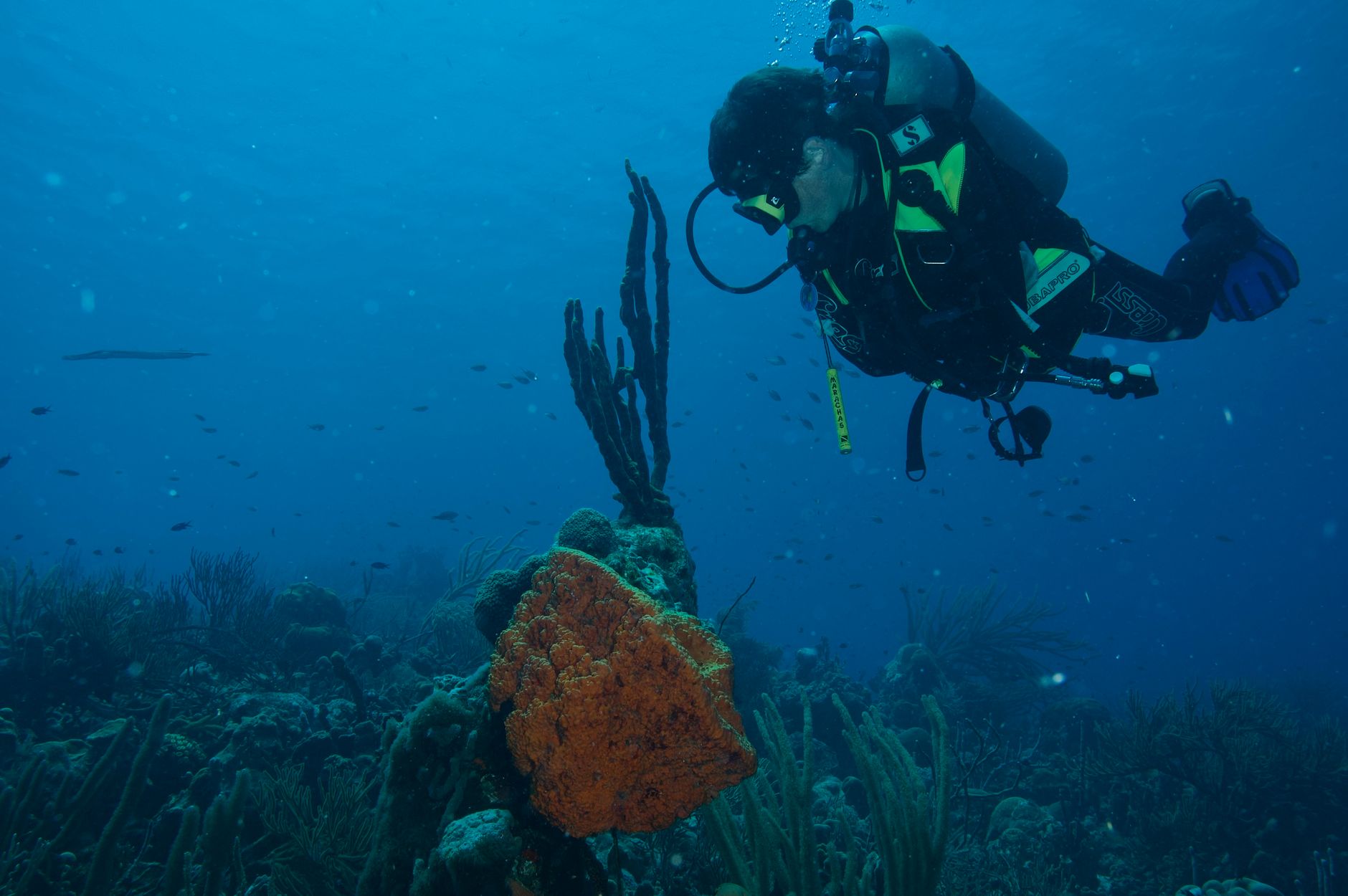
Spanning the entire perimeter of Bonaire and uninhabited Klein Bonaire from the high-water mark down to a depth of 60 meters, this is the oldest marine reserve in the world. Its legendary status is earned through strict, community-backed conservation that has preserved lush coral gardens, mangrove forests, and seagrass beds in immaculate condition. Divers and snorkelers encounter over 350 species of fish, sea turtles, and endangered corals in warm, crystal-clear waters. Accessing the park requires purchasing a Nature Tag, which directly funds reef preservation efforts and park rangers. Every shore dive site is clearly marked with a painted yellow stone along the coastal road, making independent underwater exploration uniquely accessible. Whether night-diving with bioluminescent ostracods or floating above a sweeping drop-off, the park offers an unmatched aquatic wilderness.

Open 24/7
Admission: $40 Marine Park Tag
Insider Tip: Wear reef-safe sunscreen only, do not touch or stand on corals, and complete the mandatory online orientation prior to your first dive.
Salt Pier
attraction
4.9

Salt Pier

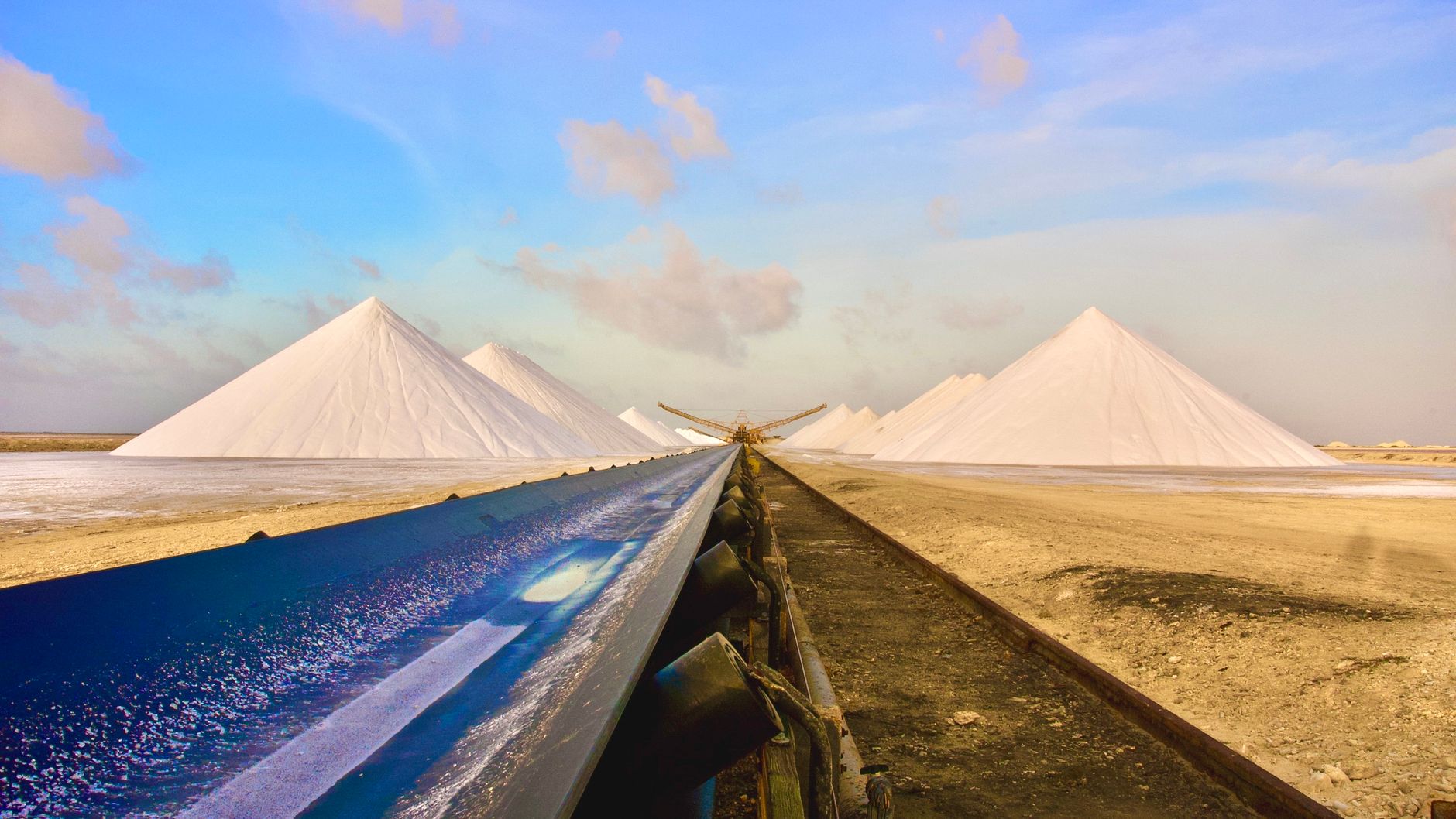
Rising starkly against the brilliant blue Caribbean, the Salt Pier is an architectural marvel and one of Bonaire's most famous photography and dive locations. Massive concrete pillars draped in vibrant orange sponges extend into deep water where cargo ships dock to load high-purity salt harvested from the dazzling pink evaporation pans nearby. The complex geometric structure creates an artificial reef teeming with marine life. Beneath the pier, schools of grunts, barracudas, and large green sea turtles find sanctuary among the pillars. The play of light filtering through the overhead wooden planks creates cathedral-like beams underwater that mesmerize underwater photographers.

Open 24/7 (Access restricted when cargo ships are actively loading)
Admission: Free (Marine Tag required)
Insider Tip: Always check with your dive shop to ensure no commercial cargo ship is scheduled before entering the water; never swim under a docked ship.
Washington Slagbaai National Park
nature
4.85

Washington Slagbaai National Park

Occupying the rugged northern fifth of the island, Washington Slagbaai is a sprawling ecological sanctuary that preserves Bonaire's wild desert terrain. Once comprised of two massive colonial plantations, the park now protects nesting grounds for sea turtles, brilliant pink flamingos, parakeets, and wild goats. Visitors traverse dramatic limestone terraces, cactus-studded plains, and secluded blowholes via rugged backcountry tracks. Highlights include climbing Mount Brandaris—the island's highest point offering panoramic views all the way to Curaçao on clear days—and snorkeling in the sheltered waters of Playa Slagbaai. The park operates under strict conservation rules to protect its fragile desert and coastal ecosystems.

Daily: 8:00 AM – 5:00 PM (Entry closes at 2:30 PM)
Admission: $40 Marine/Nature Tag
Insider Tip: Rent a high-clearance 4x4 vehicle, bring at least two gallons of drinking water per person, and pack lunch as there are no food vendors inside.
Area Guide

Where to Stay & Best Neighborhoods

Kralendijk

Best for: First-time visitors, culinary enthusiasts, shopping, and easy access to downtown dive operators.

Vibe: Historic pastel architecture, lively seafront promenades, artisanal cafes, and open-air seaside dining.

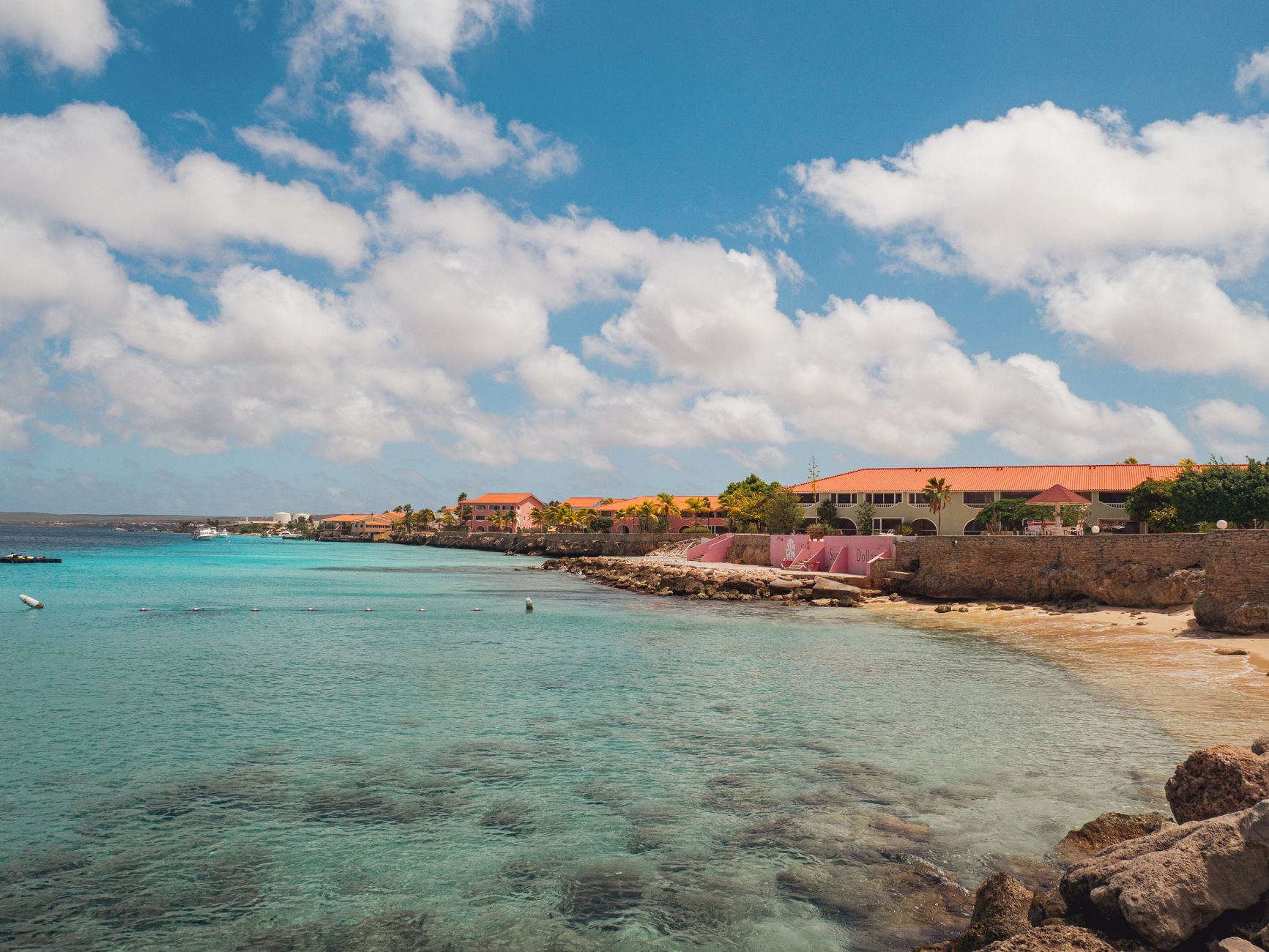
Kralendijk—meaning 'coral reef' in Dutch—serves as the vibrant, walkable heart of Bonaire. Wandering down Kaya Grandi reveals brightly colored Dutch-colonial buildings housing boutique shops, art galleries, and gelato parlors. The waterfront promenade comes alive at sunset as locals and travelers gather along the seawall to watch pelicans dive and luxury yachts bob gently in the harbor.

Sabadeco & North Coast

Best for: Luxury travelers, photographers, and those seeking absolute tranquility away from crowds.

Vibe: Dramatic oceanfront cliffs, upscale cliffside villas, rugged wilderness, and secluded tide pools.

Stretching north of Kralendijk along the rugged coastal road, Sabadeco and the northern reaches offer dramatic elevations rare in the Caribbean. Here, waves crash violently against ancient fossilized coral cliffs, kicking up dramatic salt spray. It is a scenic haven of luxurious private estates, hidden dive spots like Front Porch, and sweeping vistas of Klein Bonaire across the channel.

Rincon

Best for: History buffs, cultural immersion, and sampling authentic local cuisine and cactus liqueur.

Vibe: Historic inland village, deep cultural heritage, traditional folkloric music, and quiet desert charm.

Tucked away in a desert valley in the island's northern interior, Rincon is the oldest settlement in the Dutch Caribbean, established by the Spanish in the 16th century. Life here moves at an even slower pace, anchored by colorful historic homes, shady tamarind trees, and tight-knit community bonds. It is the cultural soul of Bonaire, home to the Cadushy Distillery and historical museums detailing the island's indigenous roots.

Food & Drink Scene

What to Eat in Bonaire

Karni Stoba

A comforting, rich beef stew slow-cooked for hours with onions, garlic, bell peppers, tomatoes, and local herbs until the meat melts on the tongue. Served alongside fried plantains, funchi (cornmeal polenta), or rice, it represents the ultimate home-cooked comfort food of Bonairean households.

🍴 Top spot: It Rains Fishes

Fresh Caught Wahoo & Mahi-Mahi

Sourced daily from local fishermen who bring their catch straight to the docks in Kralendijk, reef and pelagic fish are prepared simply with creole sauces, garlic butter, or blackened spices. The freshness elevates every bite, capturing the pure essence of the surrounding Caribbean Sea.

🍴 Top spot: Capriccio

Cadushy Liqueur

Distilled from the edible Giant Cardon cactus that dominates Bonaire's arid landscape, blended with local limes, herbs, and secret spices. It pours a striking emerald green and carries a unique, herbal-citrus flavor profile unlike any other spirit in the Caribbean.

🍴 Top spot: The Cadushy Distillery in Rincon
Excursions

Best Day Trips from Bonaire

Klein Bonaire Untouched Island Escape

15 minutes by water taxi from Kralendijk

Board a local water taxi for a short 15-minute crossing to Klein Bonaire, an uninhabited, flat coral island resting off the coast of Kralendijk. Spend the day lounging on No Name Beach—frequently ranked among the world's best strands of sand—or embark on a world-class drift snorkel along the pristine reef where sea turtles graze effortlessly in the shallows.

Rincon Cultural & Heritage Expedition

20 minutes by car from Kralendijk

Venture inland to Bonaire's historic cradle to explore traditional homes, visit the Mangazina di Rei cultural park to learn about slave history and agriculture, and sample craft cactus spirits at the Cadushy Distillery. Complete the day with a traditional lunch at a local rural eatery.

When to Go

Best Time to Visit & Seasonality

Editor’s Pick: May through October offers the calmest weather, warmest water temperatures, and optimal conditions for diving and snorkeling, while December through April brings steady trade winds that draw windsurfers and kiteboarders from across the globe.

Spring Overview

(March to May)
Moderate
Average Temperature & Climate26°C to 30°C (78°F to 86°F)

Warm, dry, and exceptionally sunny with gentle trade winds.

Crowd & Travel ConditionsModerate Tourist Traffic

Fewer lines and better deals.

✨ Seasonal Highlights:Ideal for diving and snorkeling with peak visibility; coral spawning events often occur.
Travel Smarter

Practical Travel Essentials

CurrencyUSD ($)
LanguageDutch, Papiamentu (English and Spanish are widely spoken)
Time ZoneAST (UTC-4)

Visa & Entry

Bonaire is a special municipality of the Netherlands. Citizens of the US, Canada, EU, and UK do not need a visa for stays up to 90 days, but all visitors must complete the digital Bonaire visitor entry tax form online prior to arrival.

Getting Around & Transit

Renting a pickup truck with a double cab is the island standard, especially for divers carrying gear. Taxis are available in Kralendijk, but public transit is virtually nonexistent.

Daily Budget Expectation

$180 - $350 USD per day including accommodation, car rental, dining, and diving.

Safety & Health

Extremely safe with very low violent crime rates. Standard precautions against petty theft from rental vehicles should be practiced; never leave valuables inside parked cars.

Local Etiquette & Customs

Greet locals with a warm 'Bon dia' (good morning) or 'Bon tardi' (good afternoon) in Papiamentu. Conservation is paramount: never touch coral, respect wildlife distances, and drive slowly when donkeys or goats cross the road.

Questions & Answers

Frequently Asked Questions about Bonaire

Not at all! While Bonaire is world-famous as a shore-diving mecca, it offers exceptional snorkeling, world-class windsurfing at Lac Bay, kayaking through mangroves, hiking in Washington Slagbaai National Park, and relaxed beach lounging.