2026 GuideVoyage Roams Best in Travel: Top 10 Bucket List Destinations
Read Rankings
Boston Neighborhoods
cityNorth America
4.88 / 5.0

Boston Neighborhoods

A mosaic of historic cobblestones, revolutionary secrets, and distinct cultural enclaves.

Advertisement
Editorial Guide

About Boston Neighborhoods

Boston is not merely a single city, but a brilliant patchwork of distinct urban villages, each retaining its own fiercely guarded identity, architectural vernacular, and cultural microclimate. From the gas-lit brick alleyways of Beacon Hill to the bustling, espresso-scented corridors of the North End, crossing a single street in Boston can feel like stepping into an entirely different era or continent. Founded in 1630, this 'Cradle of Liberty' seamlessly fuses its deep-seated Revolutionary War history with a restless, cutting-edge intellectual energy fueled by dozens of world-class universities.

To understand Boston is to explore its geography of reclamation. Much of the flat, elegant land of Back Bay and the South End was once a marshy estuary, systematically filled during the 19th century to accommodate a rapidly growing population. This grand engineering feat created the sweeping, Parisian-style boulevards and Victorian brownstones that now stand in stark, beautiful contrast to the chaotic, medieval street patterns of the historic Downtown. The city’s relationship with water—from the winding Charles River to the salty expanse of Boston Harbor—remains its defining physical characteristic, shaping both its recreation and its climate.

Local life here is dictated by the seasons, the academic calendar, and an intense, almost religious devotion to local sports teams. In the autumn, a crisp breeze rolls off the Atlantic, carrying the scent of fallen leaves and fresh apple cider as hundreds of thousands of students return to revitalize the city's cafes and bookstores. In the spring, the city erupts in a celebration of survival, marked by the blooming of magnolias along Commonwealth Avenue and the collective triumph of the Boston Marathon. It is a city that demands to be explored slowly and on foot, rewarding those who stray from the main tourist paths with hidden courtyard gardens, historic taverns, and quiet waterfront piers.

Beneath its historic veneer lies a modern, diverse metropolis undergoing a culinary and artistic renaissance. While traditional New England fare like clam chowder and lobster rolls remains sacred, neighborhoods like Dorchester, East Boston, and Roxbury infuse the city’s dining scene with rich Vietnamese, Salvadoran, and Cape Verdean flavors. Bostonians may have a reputation for a gruff, no-nonsense exterior, but tap into their local pride, ask for directions to a historic landmark, or join them in debating the merits of a local bakery, and you will discover a warm, deeply passionate community that is fiercely proud of the unique corner of New England they call home.

Visual Impressions & Moments
Boston Neighborhoods photo 1
Boston Neighborhoods photo 2
Boston Neighborhoods photo 3
Boston Neighborhoods photo 4
Boston Neighborhoods photo 5
Unmissable Moments

Top Things to Do in Boston Neighborhoods

Must-Do

Walk the Historic Freedom Trail at Sunrise

To truly appreciate Boston's revolutionary history without the suffocating crowds, start walking the 2.5-mile red-brick Freedom Trail just as the sun rises. Beginning at the Boston Common, the trail guides you past 16 historically significant sites, including the Old State House, Paul Revere's House, and the USS Constitution. Walking it at dawn allows you to hear the echo of your own footsteps on the cobblestones of the North End, offering an atmospheric, almost ghostly connection to the patriots of 1776. Finish your walk with a hot espresso and cannoli at an early-opening bakery in the North End.

Scenic

Sail the Harbor Islands on a Vintage Pilot Schooner

Escape the city concrete by boarding a historic wooden sailing vessel, such as the Schooner Liberty Star, from Central Wharf. As you hoist the sails and glide past the modern skyline of the Seaport, you'll enter the Boston Harbor Islands National Recreation Area. This archipelago of 34 islands offers a wild, rugged contrast to the manicured mainland. An insider tip: book a sunset sail to watch the sun dip behind the Custom House Tower, painting the city skyline in dramatic hues of orange and violet while the harbor breeze cools the summer heat.

Culinary

Indulge in an Off-the-Beaten-Path Pastry Crawl

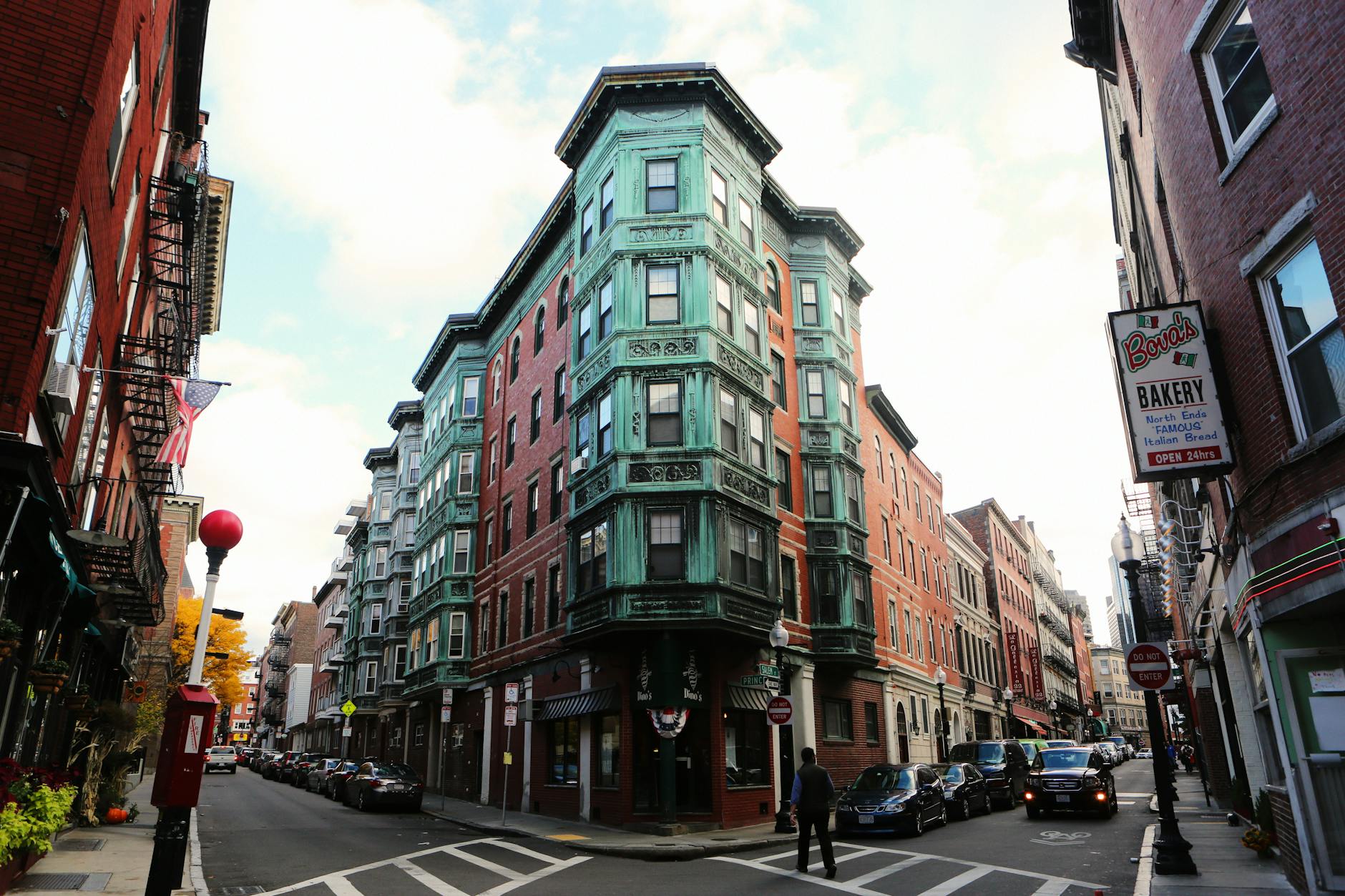
While tourists line up for blocks outside Mike's Pastry or Modern Pastry on Hanover Street, locals know the real secrets of Boston's sweet tooth lie tucked away in quiet neighborhood corners. Seek out Bova's Bakery, open 24 hours a day, for their legendary Florentines and warm, ricotta-stuffed sfogliatella. Then, head across town to the South End for exquisite French pastries at Tatte or caramelized kouign-amann at Banyan. Understanding Boston's neighborhood rivalries is best done through its flour, butter, and sugar.

Culture

Explore the Hidden Courtyard of the Boston Public Library

Step inside the McKim Building of the central Boston Public Library in Copley Square, a majestic 'palace for the people' completed in 1895. Beyond the grand marble staircase guarded by sculpted lions lies an exquisite, Italianate open-air courtyard. Modeled after the Palazzo della Cancelleria in Rome, it features a bubbling central fountain, elegant arcades, and quiet stone benches. Bring a book, grab a tea from the library's Map Room Tea Lounge, and sit in silence in one of the most serene architectural sanctuaries in North America.

Must-See Highlights

Top Places & Things to Do in Boston Neighborhoods

Curated attractions and cultural landmarks with local insider advice.

Acorn Street
attraction
4.7

Acorn Street

Tucked away in the heart of Beacon Hill, Acorn Street is widely considered the most photographed street in the United States. This narrow, steeply sloping lane is one of the few remaining streets in Boston to retain its original, authentic cobblestone paving—craggy, uneven stones harvested from nearby beaches rather than the flat, rectangular granite pavers found elsewhere. Flanked by pristine Federal-style row houses with black shutters and glowing gas lamps, walking down this street feels like stepping directly into the late 18th century. Historically, Acorn Street was home to the coachmen and artisans who served the wealthy families living in the grand mansions on nearby Mt. Vernon and Chestnut Streets. Today, it remains a quiet, highly coveted residential street. Visitors should tread lightly and respectfully, as these beautiful brick houses are private homes. The street is particularly magical during the autumn, when golden leaves frame the brickwork, or immediately after a fresh snowfall when the gas lamps cast a warm, flickering glow over the white drifts.

Open 24/7 (Public street, respect residents' privacy)
Admission: Free
Insider Tip: Wear flat, sturdy shoes; the genuine cobblestones are highly uneven and incredibly slippery when wet or icy. For the best photographs without crowds, arrive before 8:00 AM.
Isabella Stewart Gardner Museum
culture
4.9

Isabella Stewart Gardner Museum

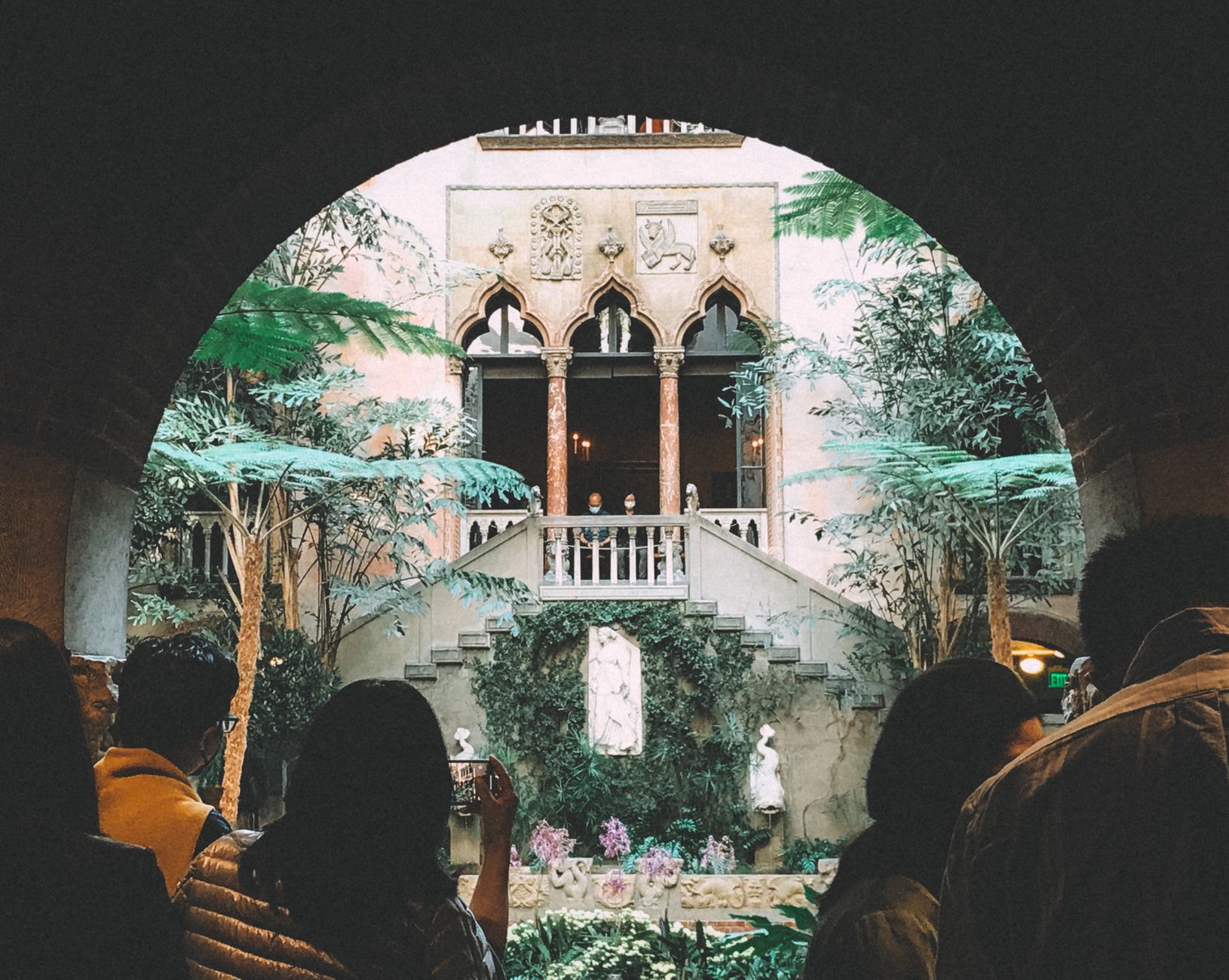
The Isabella Stewart Gardner Museum is an extraordinary monument to one woman's singular, eccentric artistic vision. Modeled after a 15th-century Venetian palazzo, the museum was built by Isabella Stewart Gardner, an avant-garde Boston socialite and art collector, to house her immense collection of world-class paintings, tapestries, sculptures, and decorative arts. The building itself is a work of art, designed around a breathtaking, four-story glass-covered central courtyard filled with blooming seasonal flowers, ancient Roman ruins, and elegant Gothic arches. Gardner's will decreed that the arrangement of the collection must never be altered, meaning the art is displayed exactly as she intended—juxtaposed by theme and personal aesthetic rather than chronology or geography. This creates an incredibly intimate, atmospheric viewing experience. The museum is also famous as the site of the greatest unsolved art theft in modern history; in 1990, thieves disguised as police officers stole 13 priceless works, including masterpieces by Rembrandt, Vermeer, and Manet. Today, the empty frames still hang on the walls, serving as a poignant, haunting tribute to the lost art.

11:00 AM - 5:00 PM (Monday, Wednesday, Friday), 11:00 AM - 9:00 PM (Thursday), 10:00 AM - 5:00 PM (Saturday - Sunday), Closed Tuesday
Admission: $20
Insider Tip: Timed-entry tickets must be reserved online in advance. If your name is Isabella, you get in free for life! Don't miss the modern wing designed by Renzo Piano, which houses temporary exhibitions and a world-class concert hall.
Boston Public Garden
nature
4.8

Boston Public Garden

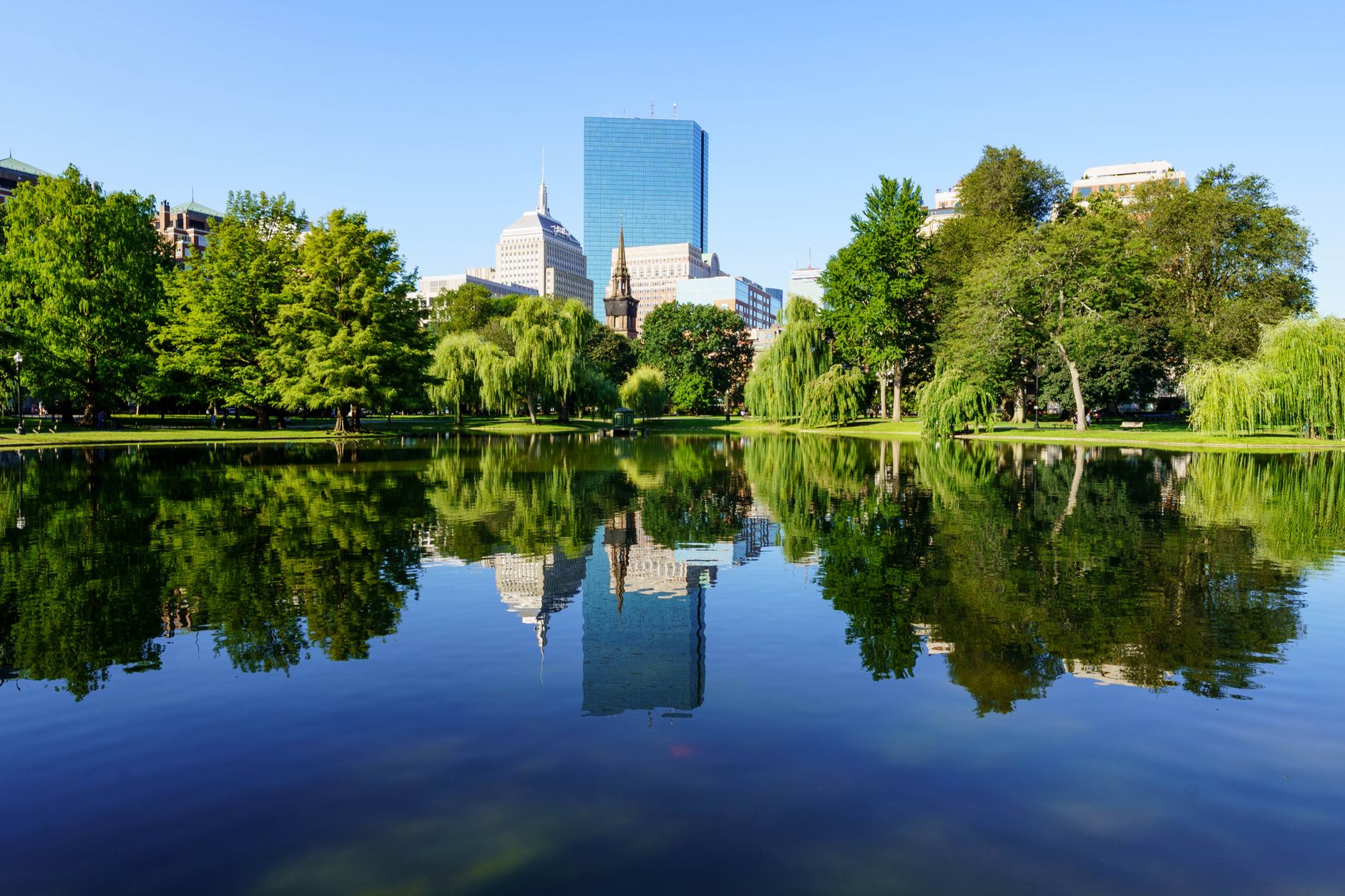
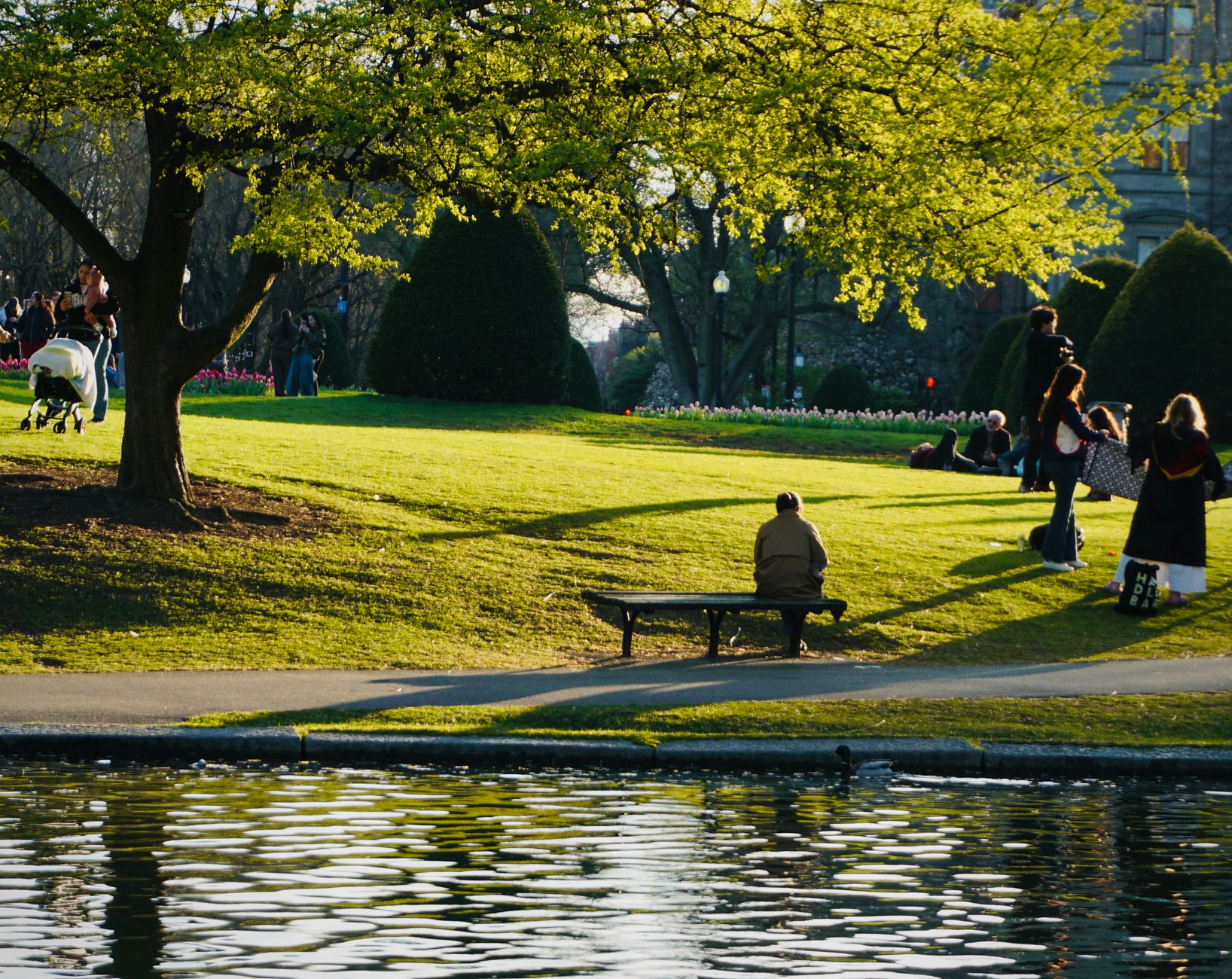
Established in 1837, the Boston Public Garden was the first public botanical garden in the United States. Located adjacent to the historic Boston Common, it represents a dramatic shift from its neighbor's utilitarian, pasture-like origins to a highly refined Victorian aesthetic. The park features winding pathways, weeping willows draping over a tranquil four-acre lagoon, and meticulously manicured Victorian flowerbeds displaying vibrant, exotic floral patterns that change with the seasons. The garden's most famous icons are the Swan Boats, which have operated on the lagoon every summer since 1877. These elegant, foot-pedaled pleasure boats allow visitors to drift peacefully under the world's shortest suspension bridge. The park is also home to the beloved 'Make Way for Ducklings' bronze statue, representing Mrs. Mallard and her eight ducklings from Robert McCloskey's famous children's book. It serves as a peaceful sanctuary in the absolute center of the city, beloved by locals reading on benches and travelers admiring the specimen trees.

6:00 AM - 11:30 PM daily
Admission: Free
Insider Tip: Visit in mid-May to see the tulips in full, spectacular bloom. It is also an exceptional spot for birdwatching during the spring and fall migration seasons, as many rare species stop over in the garden's diverse canopy.
Old North Church
culture
4.7

Old North Church

The Old North Church, officially known as Christ Church in the City of Boston, is the city's oldest active church building, constructed in 1723. Its soaring 191-foot steeple has long served as a crucial landmark for ships entering Boston Harbor. The church secured its place in American revolutionary mythology on the night of April 18, 1775, when church sexton Robert Newman climbed the steeple stairs and hung two lanterns. This signal warned patriots across the Charles River that British troops were marching to Lexington and Concord by water, prompting Paul Revere's legendary midnight ride. Inside, the church features a beautifully preserved colonial interior, characterized by white box pews that were rented by wealthy congregants to keep warm during freezing winter services. The church also houses the oldest church bells in North America, cast in Gloucester, England, in 1744. Visitors can take guided tours that explore the historic sanctuary, descend into the brick crypts beneath the church floor where over 1,100 people are buried, or climb the bell tower to see the historic bells and look out over the North End.

10:00 AM - 5:00 PM daily
Admission: $5 (Suggested Donation)
Insider Tip: Book the 'Behind the Scenes' tour to gain access to both the historic bell ringing chamber and the subterranean crypts, which are not open to general admission.
Area Guide

Where to Stay & Best Neighborhoods

Beacon Hill

Best for: Architecture enthusiasts, literary history buffs, and romantic evening strolls.

Vibe: Federal-style row houses, gaslit streets, brick sidewalks, and hidden carriage houses.

Beacon Hill is the quintessential postcard image of historic Boston. Bound by Beacon Street, Bowdoin Street, Cambridge Street, and Storrow Drive, this affluent enclave is famed for its steep, narrow streets lined with 19th-century brick row houses, decorative ironwork, and brass door knockers. Walking through Beacon Hill feels like stepping back into the era of Louisa May Alcott and Henry James, both of whom once walked these very streets. Charles Street, the neighborhood's commercial spine, is lined with upscale antique shops, independent boutiques, and cozy bistros. Don't miss Mount Vernon Street, often cited as one of the most beautiful streets in America, or the historic Black Heritage Trail, which winds through the north slope of the hill, highlighting the pre-Civil War Black community that led the abolitionist movement.

The North End

Best for: Foodies, history lovers, and vibrant street life.

Vibe: Energetic, aromatic, historic, and densely packed Italian enclave.

As Boston’s oldest residential neighborhood, the North End has been continually inhabited since the 1630s. Though initially home to successive waves of Irish, Jewish, and Portuguese immigrants, it became famously Italian in the early 20th century, a character it proudly retains today. Entering the North End is a sensory overload: the rich aroma of roasting garlic, fresh basil, and espresso clings to the narrow, winding streets. Hanover and Salem Streets serve as the main arteries, packed shoulder-to-shoulder with family-owned trattorias, salumerias, and pasticcerias. Amidst the culinary indulgence lies incredible history, including the Paul Revere House and the Old North Church, where the famous 'one if by land, two if by sea' lanterns were hung in 1775.

Back Bay

Best for: Fashionistas, architecture fans, and luxury seekers.

Vibe: Grand Victorian brownstones, Parisian-style boulevards, and high-end shopping.

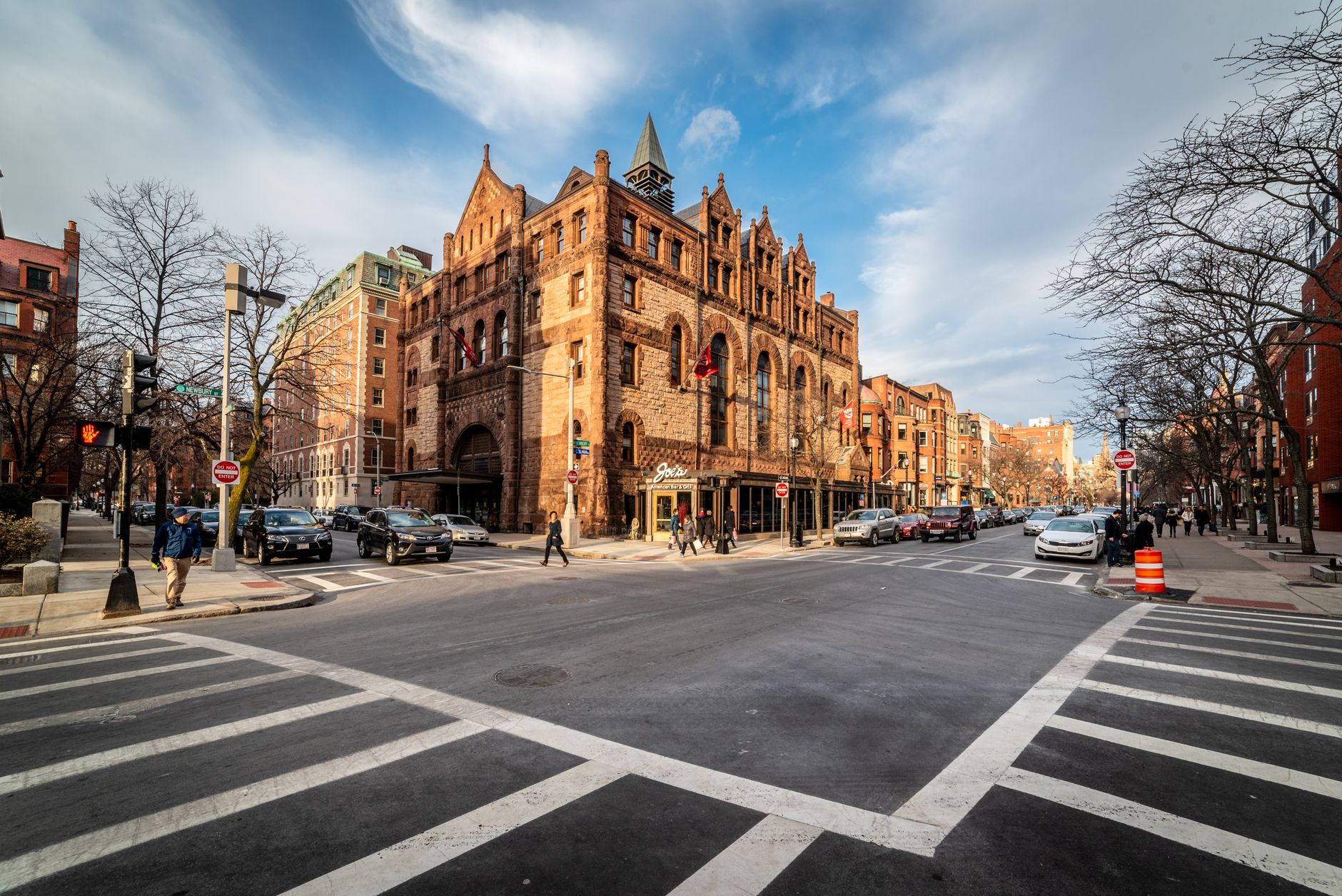
Back Bay is a masterpiece of 19th-century urban planning. Modeled after Georges-Eugène Haussmann’s renovation of Paris, the neighborhood features wide, parallel streets (alphabetically ordered from Arlington to Hereford) flanked by some of the finest examples of Victorian brownstone architecture in the United States. Commonwealth Avenue, with its wide, grassy central mall lined with statues, forms the neighborhood's elegant spine. Parallel to it lies Newbury Street, an eight-block stretch of high-end fashion boutiques, art galleries, and sidewalk cafes housed in beautiful brownstone basements and parlor floors. At the eastern edge lies Copley Square, anchored by the architectural titans of Trinity Church and the Boston Public Library.

South End

Best for: Art gallery hopping, trendy dining, and LGBTQ+ culture.

Vibe: Artistic, diverse, culinary-forward, with Victorian bowfront homes and quiet parks.

Located just south of Back Bay, the South End boasts the largest intact Victorian brick row house district in the world. Characterized by beautiful bowfront homes, cast-iron railings, and pocket parks centered around elegant fountains, the neighborhood has a distinctly artistic and community-oriented feel. It is the heart of Boston's LGBTQ+ community and a culinary hotspot, home to some of the city's most innovative restaurants along Tremont Street (known locally as 'Restaurant Row'). The SoWa (South of Washington) Art + Design District is a major draw, where former industrial warehouses have been converted into artist studios, galleries, and craft boutiques, coming alive every Sunday with an open-market and food truck bazaar.

Food & Drink Scene

What to Eat in Boston Neighborhoods

New England Clam Chowder

A rich, velvety cream-based soup loaded with tender, freshly shucked Atlantic surf clams, diced potatoes, salted pork or bacon, and sweet onions. Unlike its tomato-based Manhattan counterpart, authentic Boston chowder is thick (but never pasty) and served piping hot with a handful of crispy oyster crackers.

🍴 Top spot: Neptune Oyster in the North End, where they serve a decadent, masterfully balanced version alongside their famous raw bar.

Warm Buttered Lobster Roll

While Maine popularized the cold, mayo-dressed lobster roll, Boston excels at the warm, Connecticut-style alternative. Fresh, sweet chunks of lobster claw and tail meat are gently poached in clarified butter, then piled high into a split-top New England hot dog bun that has been generously buttered and griddled to a golden crisp.

🍴 Top spot: Row 34 in the Fort Point/Seaport district, renowned for its pristine sourcing and flawless execution of both warm and cold lobster rolls.

The Original Boston Cream Pie

Despite its name, this classic dessert is actually a cake. It consists of two layers of airy, golden sponge cake filled with a rich, velvety vanilla custard, then draped in a glossy, decadent dark chocolate glaze. It was invented in Boston in 1856 by French chef Sanzian at the historic Parker House Hotel.

🍴 Top spot: Parker's Restaurant at the Omni Parker House, where you can eat the legendary dessert in the very dining room where it was created.
Excursions

Best Day Trips from Boston Neighborhoods

Salem: Maritime History & Witch Trial Lore

30 minutes by MBTA Commuter Rail from North Station

Venture north of Boston to the coastal city of Salem. While famous worldwide for the tragic Witch Trials of 1692, Salem is also one of America's most historic deep-water ports. Explore the Salem Maritime National Historic Site, step inside the House of the Seven Gables (which inspired Nathaniel Hawthorne's classic novel), and visit the world-class Peabody Essex Museum, which houses an extraordinary collection of Asian export art and an entire imported 18th-century Chinese merchant's house.

Provincetown & Cape Cod Coastal Escape

90 minutes via high-speed passenger ferry

Skip the notorious Cape Cod vehicular traffic by boarding a high-speed passenger ferry from Boston's Long Wharf straight to Provincetown, located at the extreme tip of Cape Cod. Known for its spectacular sand dunes, vibrant art galleries, bohemian spirit, and historic LGBTQ+ community, 'P-town' offers a perfect day of coastal exploration, whale watching, and fresh seafood dining along Commercial Street.

When to Go

Best Time to Visit & Seasonality

Editor’s Pick: The absolute prime window to visit Boston is from September to November. Autumn transforms the city into a stunning showcase of classic New England foliage, with the trees of the Boston Public Garden and Back Bay turning brilliant shades of amber, crimson, and gold. Temperatures during these months are crisp and ideal for walking, ranging from the mid-50s to high 60s Fahrenheit. Furthermore, the return of the massive student population injects a vibrant, youthful energy back into the neighborhoods, and major cultural events like the Head of the Charles Regatta take place. Spring (late April to May) is a close second, offering blooming magnolias and cherry blossoms, though the weather can be highly unpredictable.

Spring Overview

(March - May)
Moderate
Average Temperature & Climate35°F - 65°F (2°C - 18°C)

Unpredictable and transitional, ranging from late-season snow flurries to warm, sunny days.

Crowd & Travel ConditionsModerate Tourist Traffic

Fewer lines and better deals.

✨ Seasonal Highlights:Magnolia trees blooming on Commonwealth Avenue, the Boston Marathon energy, and the return of the Swan Boats to the Public Garden.
Travel Smarter

Practical Travel Essentials

CurrencyUSD ($)
LanguageEnglish
Time ZoneEastern Standard Time (EST / EDT)

Visa & Entry

Foreign travelers entering the United States require a valid passport and must obtain either a visa or an approved Electronic System for Travel Authorization (ESTA) under the Visa Waiver Program prior to arrival.

Getting Around & Transit

Boston is famously known as 'The Walking City.' Its compact size makes it incredibly easy to navigate on foot. For longer distances, use the MBTA (known as the 'T'), America's oldest subway system. It is clean, safe, and divided into color-coded lines (Red, Blue, Orange, Green). Avoid driving at all costs; parking is astronomical, streets are chaotic, and local drivers are notoriously aggressive.

Daily Budget Expectation

$150 - $350 USD per day (depending highly on accommodation choices and dining preferences)

Safety & Health

Boston is highly safe compared to most major US cities. Normal urban precautions apply: be aware of your surroundings at night, particularly around major transit hubs like Downtown Crossing or South Station, and avoid walking alone through poorly lit parks after midnight.

Local Etiquette & Customs

Bostonians are direct, fast-talking, and fiercely proud of their city. Stand on the right and walk on the left of escalators. When riding the T, let passengers exit the train completely before you attempt to board. Never insult local sports teams, and don't try to mimic the famous Boston accent—locals will find it cringe-worthy.

Questions & Answers

Frequently Asked Questions about Boston Neighborhoods

Yes, Boston is exceptionally walkable. In fact, walking is often faster than taking a taxi or public transit during rush hour. Most major historic neighborhoods—including Beacon Hill, the North End, Downtown, and Back Bay—are contiguous and can be traversed seamlessly on foot.