🌟 Best in Travel 2026 is here!
Brazil
countrySouth America
4.88 / 5.0

Brazil

A sprawling tropical masterpiece of samba rhythms, pristine rainforests, and golden coastlines.

Editorial Guide

About Brazil

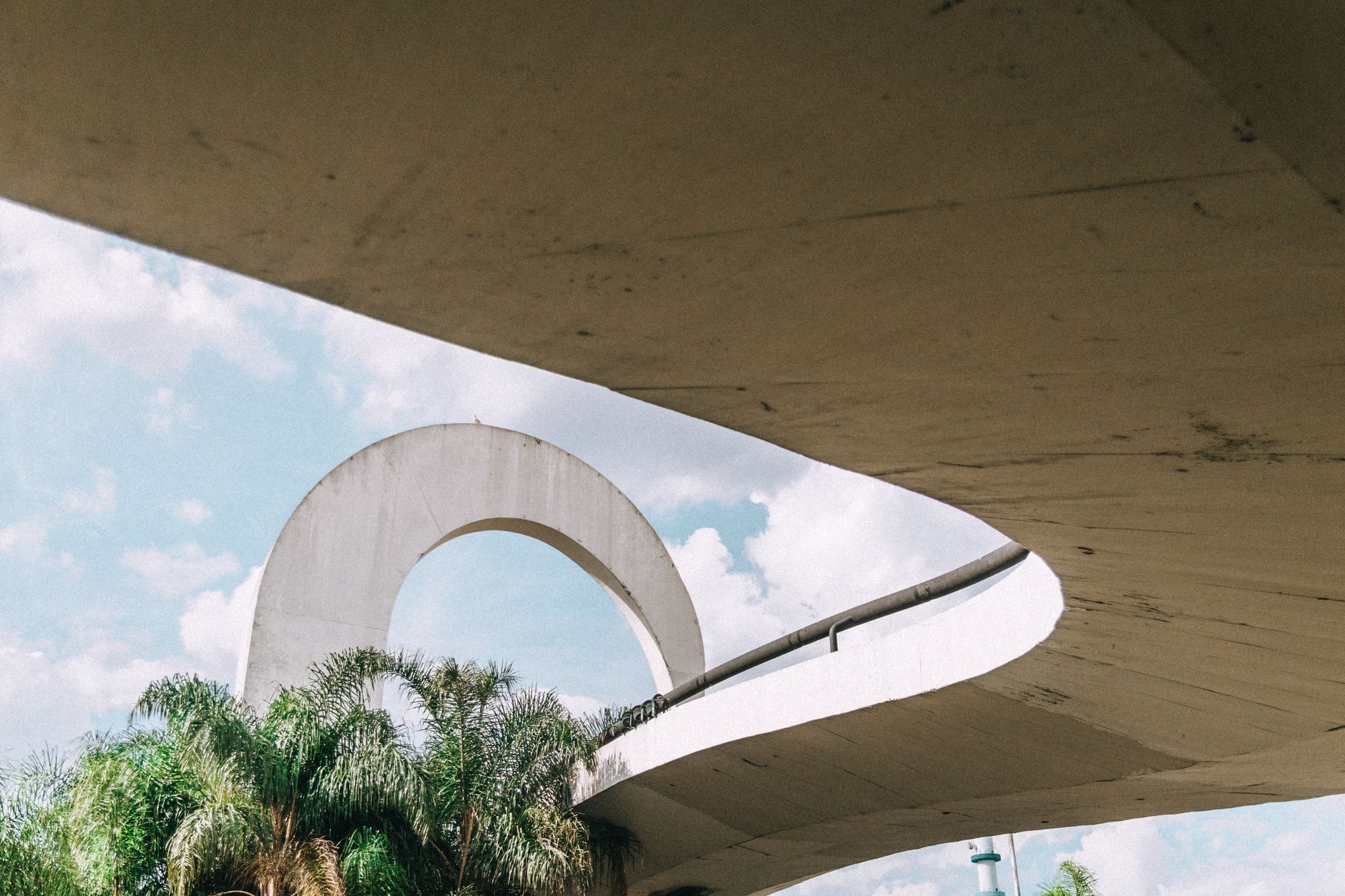
Brazil occupies nearly half of South America, staking its claim as a continental titan of staggering geographic and cultural diversity. From the emerald canopy and winding waterways of the Amazon basin to the stark, arid expanses of the Sertão and the rhythmic, sun-drenched beaches of Rio de Janeiro, the country is a sensory overload in the best possible way. Its history is a complex tapestry woven from Indigenous roots, Portuguese colonial heritage, and the enduring resilience and traditions brought by millions of enslaved Africans. This historic convergence forged a culture that vibrates with intense energy, visible in everything from the architecture of Salvador da Bahia to the modernist concrete dreams of Brasília.

Culturally, Brazil is synonymous with joyous celebration and profound introspection. The national identity pulses to the syncopated beats of samba and bossa nova, while the martial art of capoeira dances on the boundary between fight and folk dance. Yet, away from the glittering urban metropolises and world-famous coastal strips lie wild frontiers. The Pantanal wetlands teem with jaguars and caimans, while the dramatic red-rock canyons of Chapada Diamantina conceal hidden waterfalls and crystalline pools. Daily life is characterized by a warm, welcoming openness known as 'cordialidade,' where strangers chat effortlessly over cold draft beers and endless servings of grilled meat.

Geographically, the country spans multiple time zones and climate regimes, encompassing the world's largest tropical rainforest, an extensive coastline stretching over 7,400 kilometers, and rolling highland plateaus. This vastness has fostered incredible biodiversity, making Brazil one of the premier destinations on earth for wildlife enthusiasts and eco-travelers. National parks protect fragile ecosystems that harbor rare species found nowhere else on the planet, offering travelers a chance to witness nature in its rawest, most untouched forms.

Navigating Brazil requires an appreciation for its scale and regional nuances. The southern states of São Paulo and Rio Grande do Sul offer a cooler climate and a more industrialized, European-influenced tempo, while the northern and northeastern regions retain a deep Afro-Brazilian heritage and a slower, tropical pace. Throughout it all runs a unifying thread of hospitality, culinary richness, and a deeply ingrained philosophy that prioritizes human connection and the enjoyment of life's simple, vibrant pleasures.

Visual Impressions & Moments
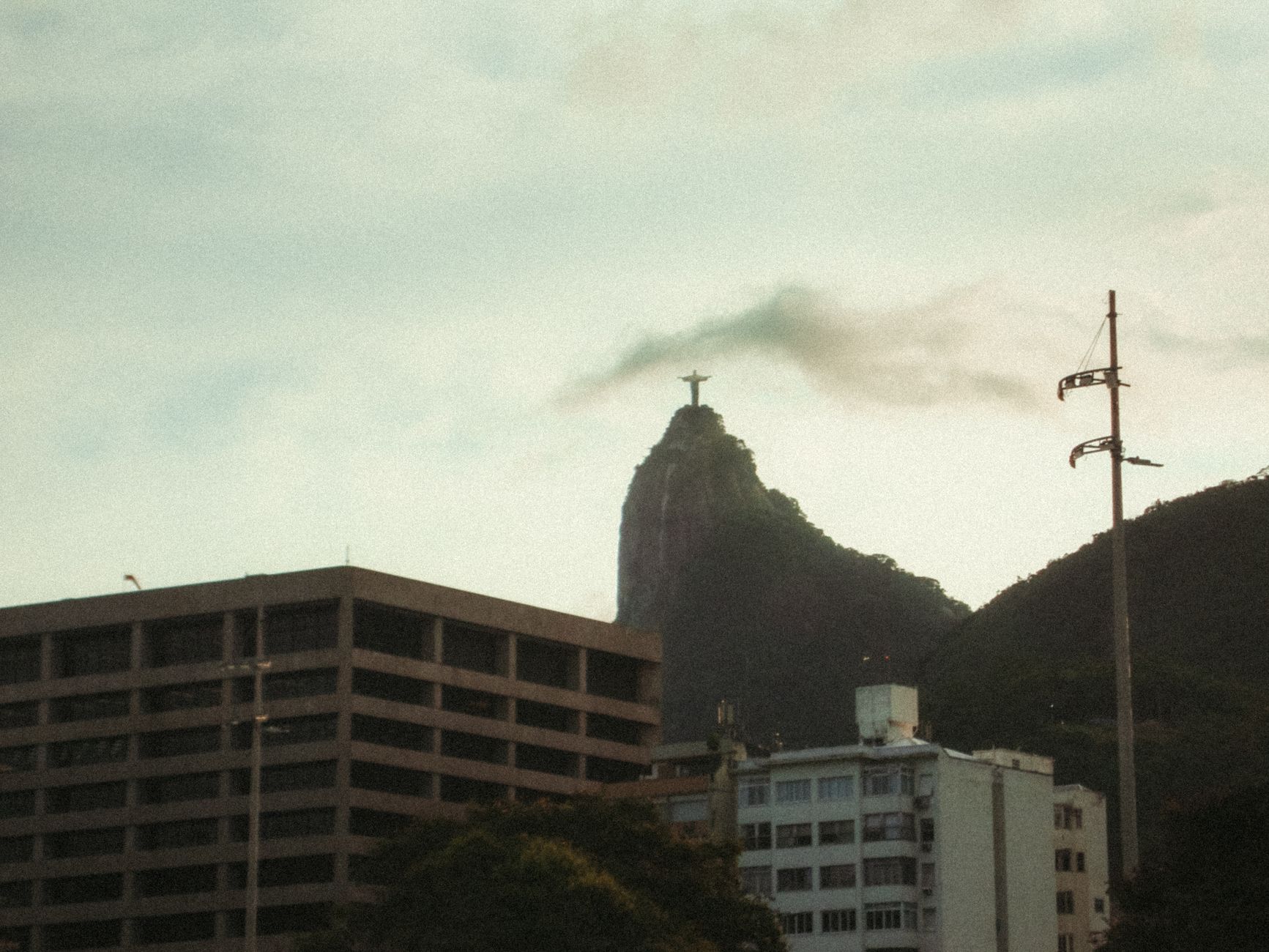
Brazil photo 1
Brazil photo 2
Brazil photo 3
Brazil photo 4
Brazil photo 5
Brazil photo 6
Unmissable Moments

Top Things to Do in Brazil

Must-Do

Witness the Thunderous Power of Iguaçu Falls

Straddling the border between Brazil and Argentina, Iguaçu Falls is a breathtaking network of 275 individual waterfalls plunging into the subtropical jungle. Walk the panoramic Brazilian boardwalks for the ultimate wide-angle view, and take the catwalk out over the roaring Devil's Throat to feel the mist envelop you. Insider tip: Book the early morning park access ticket to experience the falls before the tour buses arrive, and take the thrilling Macuco Safari boat ride that drives directly beneath the roaring cascades.

Adventure

Immerse Yourself in the Magic of the Amazon Rainforest

Embark on an eco-expedition deep into the world's largest tropical jungle, navigating tea-colored tributaries by wooden canoe and trekking through dense canopies teeming with exotic birds, monkeys, and sloths. Staying at an authentic jungle lodge allows you to learn about medicinal plants from local guides and listen to the deafening, beautiful symphony of nocturnal wildlife. Insider tip: Choose a lodge located at least three hours away from Manaus to guarantee pristine wilderness and genuine encounters with local ribeirinho communities.

Culture

Dance to the Rhythm of Carnival in Rio or Salvador

Experience the greatest party on earth as entire cities transform into pulsating parades of color, glitter, and irresistible percussion. Whether you watch the elite samba school competition inside Rio's Sambadrome or join the street-level 'blocos' winding through the historic neighborhoods of Salvador, the energy is utterly intoxicating. Insider tip: Pick up a basic costume or adhere to the color themes of local street bands to blend in, and always wear a secure money belt underneath your clothing.

Scenic

Track Jaguars and Giant Otters in the Pantanal

Unlike the dense foliage of the Amazon, the open floodplains of the Pantanal offer some of the best wildlife viewing on the South American continent. Spend your days on safari trucks, horseback, or motorized boats spotting elusive jaguars basking on riverbanks, capybaras grazing in herds, and colorful macaws painting the sky. Insider tip: Visit during the dry season between July and October when animals concentrate around shrinking water sources, dramatically increasing your sighting success rate.

Must-See Highlights

Top Places & Things to Do in Brazil

Curated attractions and cultural landmarks with local insider advice.

Teatro Amazonas
culture
4.75

Teatro Amazonas

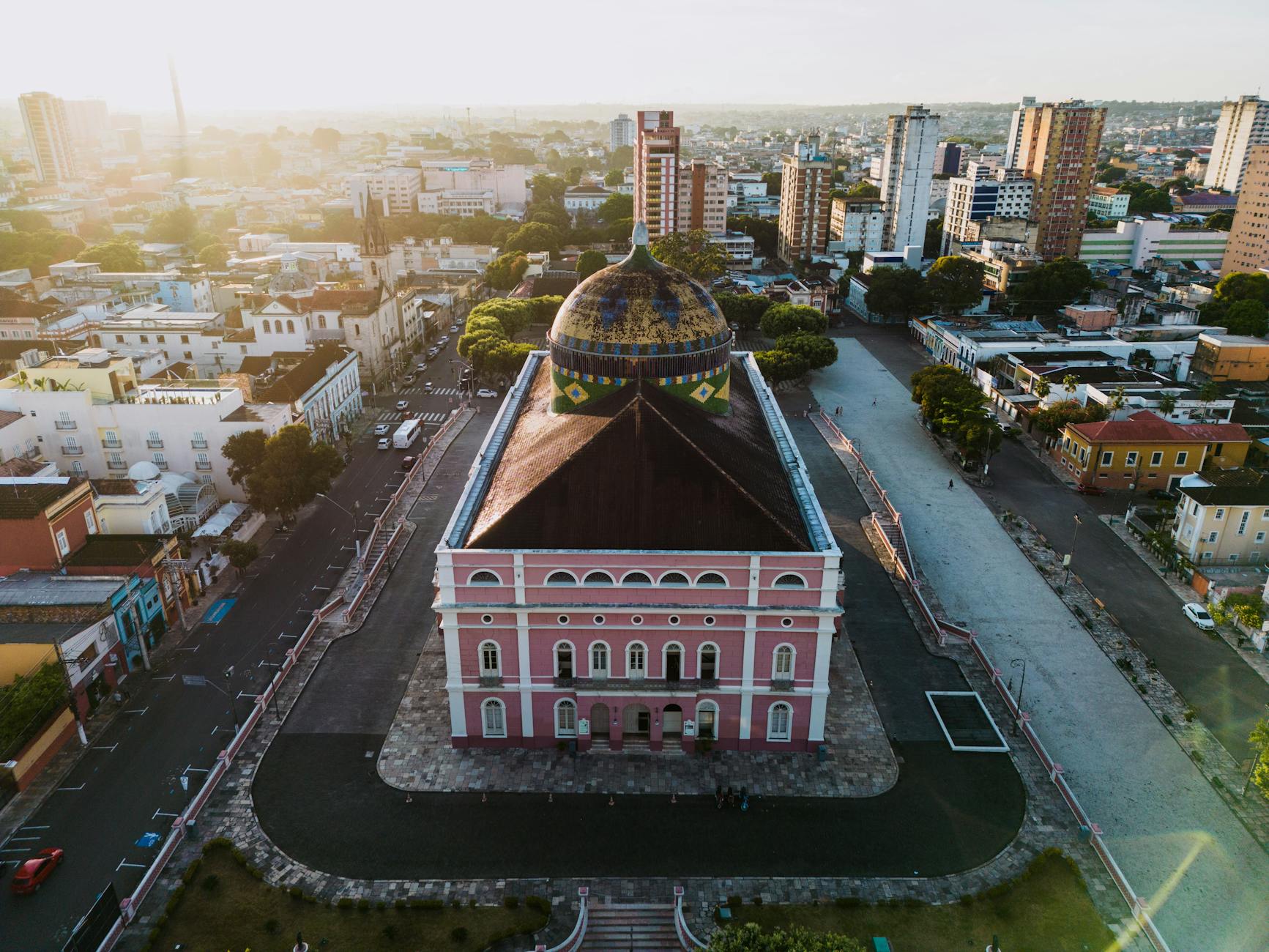
A magnificent monument to the late-19th-century rubber boom, Teatro Amazonas rises like a European opera palace in the heart of the sweltering Amazon jungle in Manaus. Its striking dome, covered in 36,000 imported ceramic tiles painted in the colors of the Brazilian flag, symbolizes the extraordinary wealth and ambition of the era. Inside, the auditorium features Italian Carrara marble, French furnishings, and delicate Murano glass chandeliers that once hosted world-class performers. Guided tours reveal fascinating stories of rubber barons who flew in European tailors and opera companies while ignoring the tropical realities outside their doors.

Tuesday - Saturday 9:00 AM - 5:00 PM
Admission: R$ 40
Insider Tip: Check the schedule in advance; attending a live concert by the Amazonas Philharmonic Orchestra inside the historic hall is an unforgettable experience.
Ouro Preto Historic Town
culture
4.89

Ouro Preto Historic Town

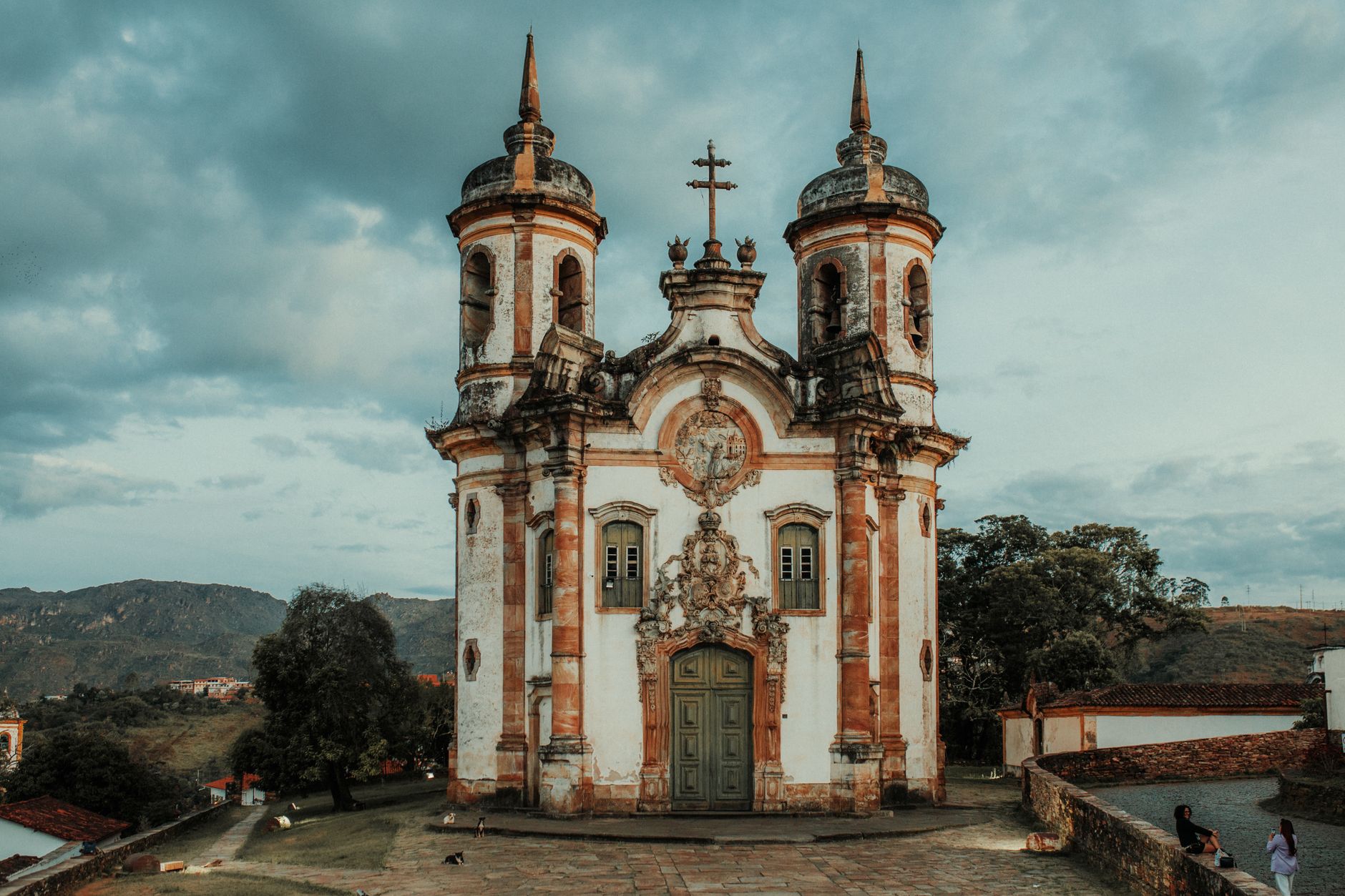
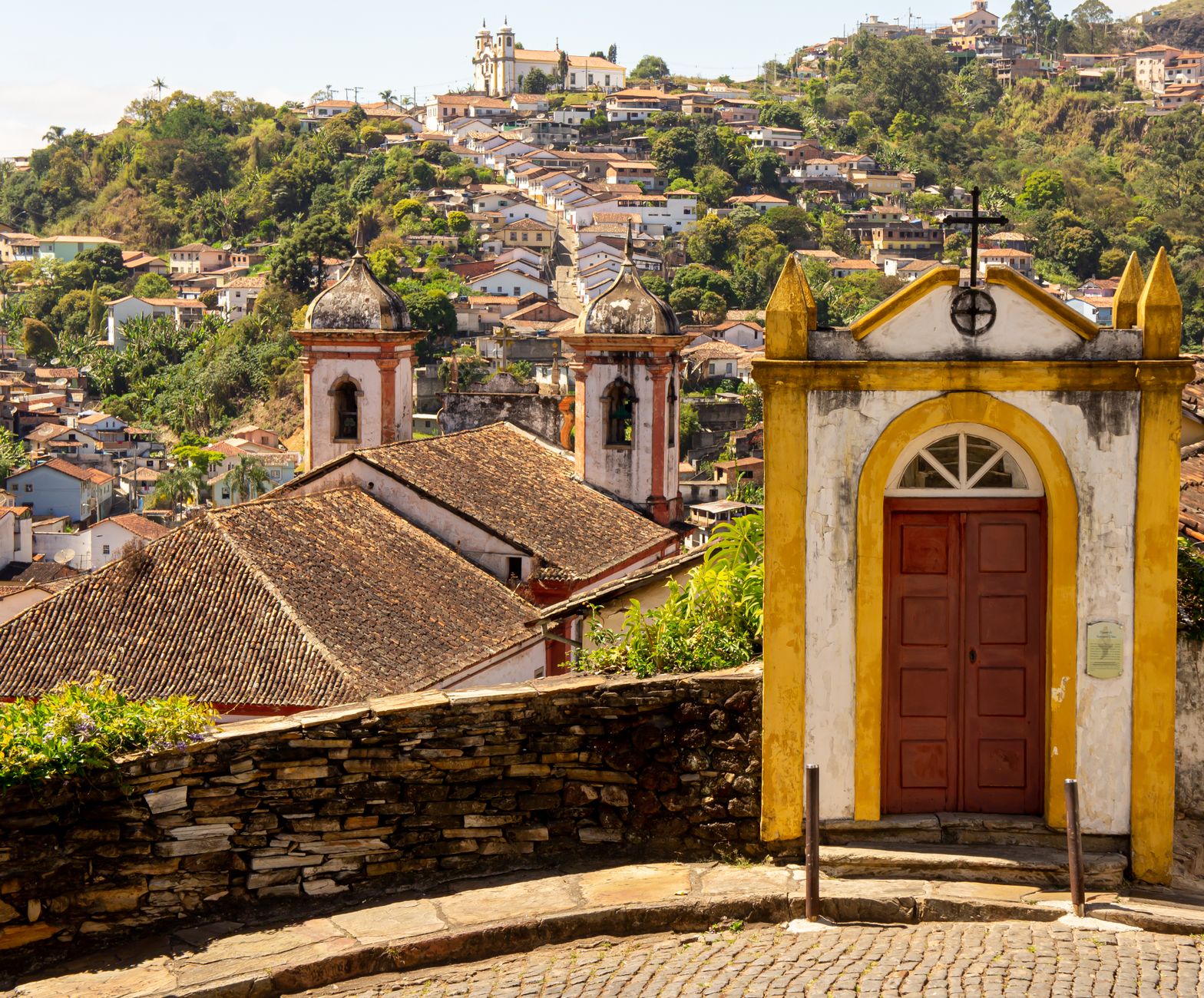
Nestled in the rolling hills of Minas Gerais, Ouro Preto is a breathtakingly preserved colonial mining town that served as the epicenter of Brazil's 18th-century gold rush. Its steep, winding cobblestone streets are flanked by whitewashed colonial mansions and ornate baroque churches adorned with intricate gold-leaf sculptures by the legendary artist Aleijadinho. The town's university-town atmosphere breathes vibrant life into its historic squares, where students, artists, and travelers mingle in traditional coffeehouses. Exploring the old mines and studying the architectural masterpieces provides a tangible connection to Brazil's dramatic colonial past.

Open 24/7
Admission: Free (Museums charge nominal fees)
Insider Tip: Wear sturdy walking shoes with good traction, as the steep cobblestone streets become very slippery when wet.
Lençóis Maranhenses National Park
nature
4.92

Lençóis Maranhenses National Park

Lençóis Maranhenses presents one of the most surreal and otherworldly landscapes on earth: a protected coastal sanctuary where rolling white sand dunes stretch as far as the eye can see. During the rainy season, rainwater collects in the valleys between the dunes, creating thousands of crystal-clear freshwater lagoons. Between July and September, these turquoise pools reach their maximum capacity and are miraculously populated by tiny fish swept in from nearby rivers. Visitors can hike across the dunes and swim in warm, private desert oases that defy traditional geographical logic.

Open 24/7 (Best accessed with a registered 4x4 guide)
Admission: Free (Guided tours vary)
Insider Tip: Visit between June and August when the lagoons are full and the temperatures are moderated by steady ocean breezes.
Area Guide

Where to Stay & Best Neighborhoods

Santa Teresa & Lapa (Rio de Janeiro)

Best for: Artists, architecture lovers, and nightlife seekers

Vibe: Bohemian hilltop sanctuary meets gritty, vibrant nightlife district

Winding cobblestone streets, colonial-era mansions, and vintage yellow streetcars define Santa Teresa, Rio's artistic heart. By day, explore hidden galleries and bohemian cafés overlooking the sprawl of the city; by night, descend the steep hills into Lapa to dance samba beneath the historic Arcos da Lapa aqueduct in packed open-air venues.

Pelourinho (Salvador da Bahia)

Best for: History buffs, culture enthusiasts, and food lovers

Vibe: A living museum of Afro-Brazilian history, pastel facades, and beating drums

Perched on a cliff overlooking the All Saints Bay, Pelourinho is Salvador's historic colonial core. Its steep, cobblestone squares are lined with brightly painted baroque churches and grand mansions. The air is permanently thick with the aroma of dendê oil and the rhythmic thrum of berimbau music, with capoeira circles forming spontaneously in the plazas.

Pinheiros & Jardins (São Paulo)

Best for: Foodies, design aficionados, and luxury shoppers

Vibe: Sophisticated urban cool, avant-garde gastronomy, and leafy avenues

São Paulo's trendiest districts offer a stark contrast to the beach culture of the coast. Pinheiros is packed with craft breweries, independent art spaces, and innovative bistros spearheading Brazil's modern culinary revolution. Neighboring Jardins provides upscale luxury shopping, manicured parks, and some of the country's finest fine-dining institutions.

Food & Drink Scene

What to Eat in Brazil

Feijoada (Black Bean and Pork Stew)

Considered Brazil's national dish, feijoada is a rich, hearty stew made with black beans, various cuts of pork and beef, and slow-cooked to absolute perfection. Traditionally served on Wednesdays and Saturdays, it is accompanied by white rice, farofa (toasted cassava flour), shredded collard greens, and fresh orange slices to cut through the richness.

🍴 Top spot: Casa da Feijoada (Ipanema, Rio de Janeiro)

Moqueca Baiana (Fish and Seafood Stew)

Originating from the coastal state of Bahia, this fragrant seafood stew features fresh fish and prawns simmered in a coconut milk, tomato, onion, garlic, and dendê (palm oil) broth. Thickened gently and served bubbling hot in traditional black clay pots with pirão (a savory paste made from fish broth and cassava flour) and rice.

🍴 Top spot: Restaurante Yemanjá (Salvador, Bahia)

Picanha (Prime Cut Brazilian Barbecue)

The undisputed king of the churrascaria, picanha is the rump cap cut of beef, seasoned simply with coarse rock salt and skewered into a characteristic 'C' shape before being slow-roasted over open charcoal flames. The result is a melt-in-your-mouth interior encased in a deliciously charred, fatty crust.

🍴 Top spot: Fogo de Chão (Various locations nationwide)
Excursions

Best Day Trips from Brazil

Ilha Grande Sailing Adventure

2.5 hours drive to Angra dos Reis, then 40 mins by speedboat

Escape the urban bustle of Rio for a day trip to the lush, car-free island of Ilha Grande. Cruise emerald bays on a schooner, snorkel in crystalline waters teeming with colorful reef fish, and relax on the powdery white sands of Lopes Mendes, consistently ranked among the world's finest beaches.

Petrópolis Imperial City

1.5 hours by bus or car from Rio de Janeiro

Journey up into the misty green mountains of the Serra dos Órgãos to visit Petrópolis, the historic summer retreat of Brazil's 19th-century emperors. Explore the opulent Imperial Museum housed in a neoclassical palace, tour the magnificent Crystal Palace, and stroll through quiet, tree-lined imperial avenues.

When to Go

Best Time to Visit & Seasonality

Editor’s Pick: The best time to visit Brazil depends heavily on your intended activities and destinations. For the Amazon, the dry season from July to December offers lower water levels for hiking and spotting wildlife on terra firma. For Rio de Janeiro and the southern coast, the summer months from December to March bring hot, sunny beach weather, though this coincides with peak holiday crowds and events like Carnival. If you prefer milder temperatures and fewer tourists, the shoulder seasons of April to June and August to October provide ideal weather for exploring cities like Salvador and natural wonders like the Iguaçu Falls.

Spring Overview

(September - November)
Moderate
Average Temperature & Climate20°C to 28°C (68°F to 82°F)

Warm and increasingly humid as summer approaches, with blooming flora across the central plateaus.

Crowd & Travel ConditionsModerate Tourist Traffic

Fewer lines and better deals.

✨ Seasonal Highlights:Excellent wildlife viewing in the Pantanal as water recedes; fewer crowds at major tourist sites.
Travel Smarter

Practical Travel Essentials

CurrencyBrazilian Real (R$)
LanguagePortuguese
Time ZoneUTC-2 to UTC-5

Visa & Entry

Citizens of the US, Canada, Australia, and New Zealand do not require a tourist visa for stays up to 90 days. Always check current Ministry of Foreign Affairs guidelines prior to departure.

Getting Around & Transit

Brazil is vast; domestic flights via LATAM, GOL, or Azul are essential for covering long distances. Within cities, use ride-hailing apps like Uber or 99 rather than hailing unmarked taxis on the street.

Daily Budget Expectation

$70 - $150 USD per day for a comfortable mid-range travel experience, covering boutique accommodations, dining, and internal excursions.

Safety & Health

Exercise a high degree of caution regarding petty crime. Avoid displaying expensive jewelry, smartphones, or cameras openly, especially in crowded tourist areas and at night.

Local Etiquette & Customs

Brazilians are tactile and warm; greetings often involve a handshake and a kiss on the cheek (sometimes two or three depending on the region). Punctuality is relaxed ('horário brasileiro'), so social events often start later than scheduled.

Questions & Answers

Frequently Asked Questions about Brazil

Yes, thousands of solo travelers explore Brazil safely every year by taking standard precautions. Stick to well-traveled tourist routes, use trusted transport, avoid walking alone on deserted beaches or unlit streets at night, and keep valuables secure.