About Budapest
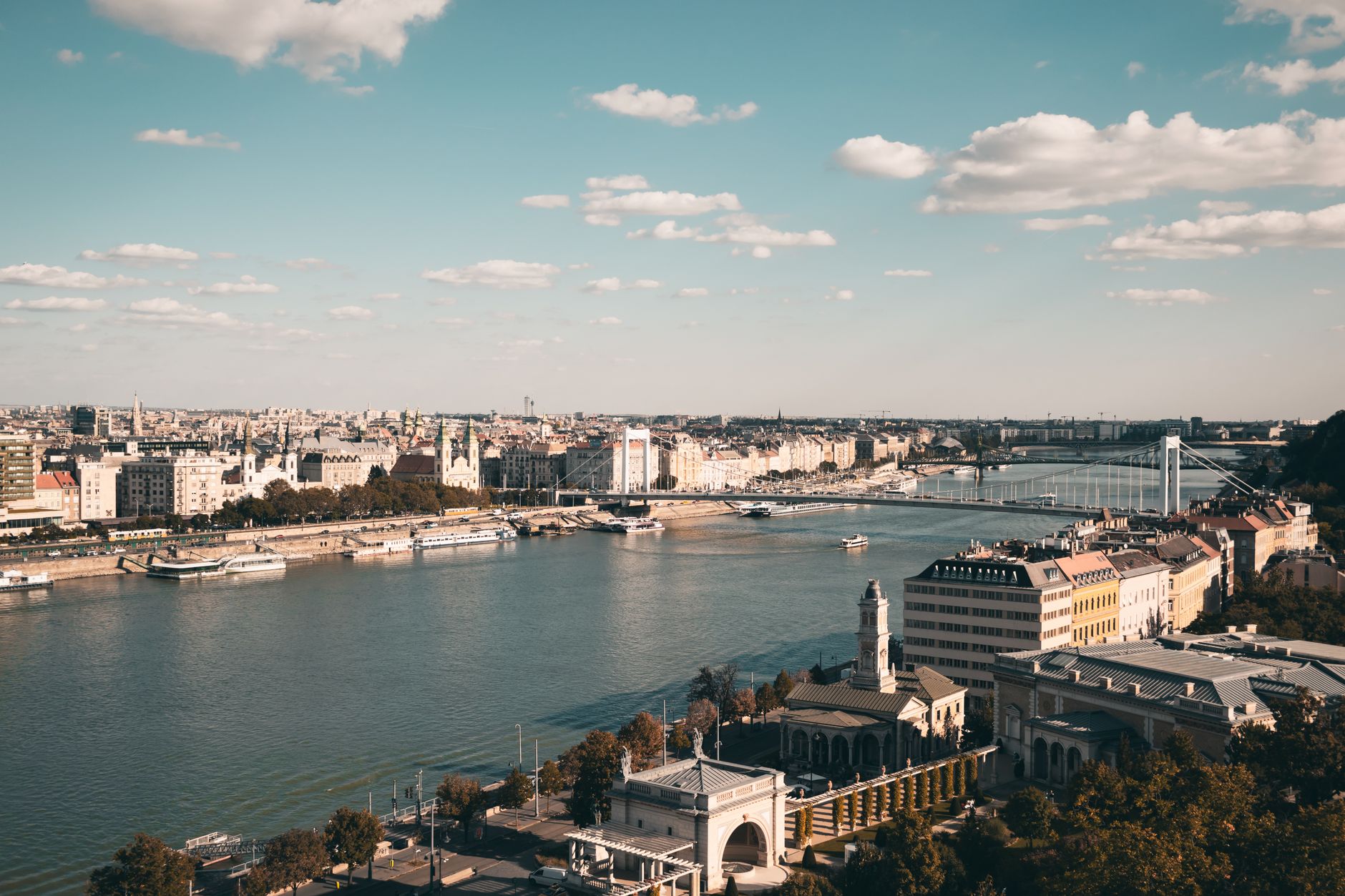
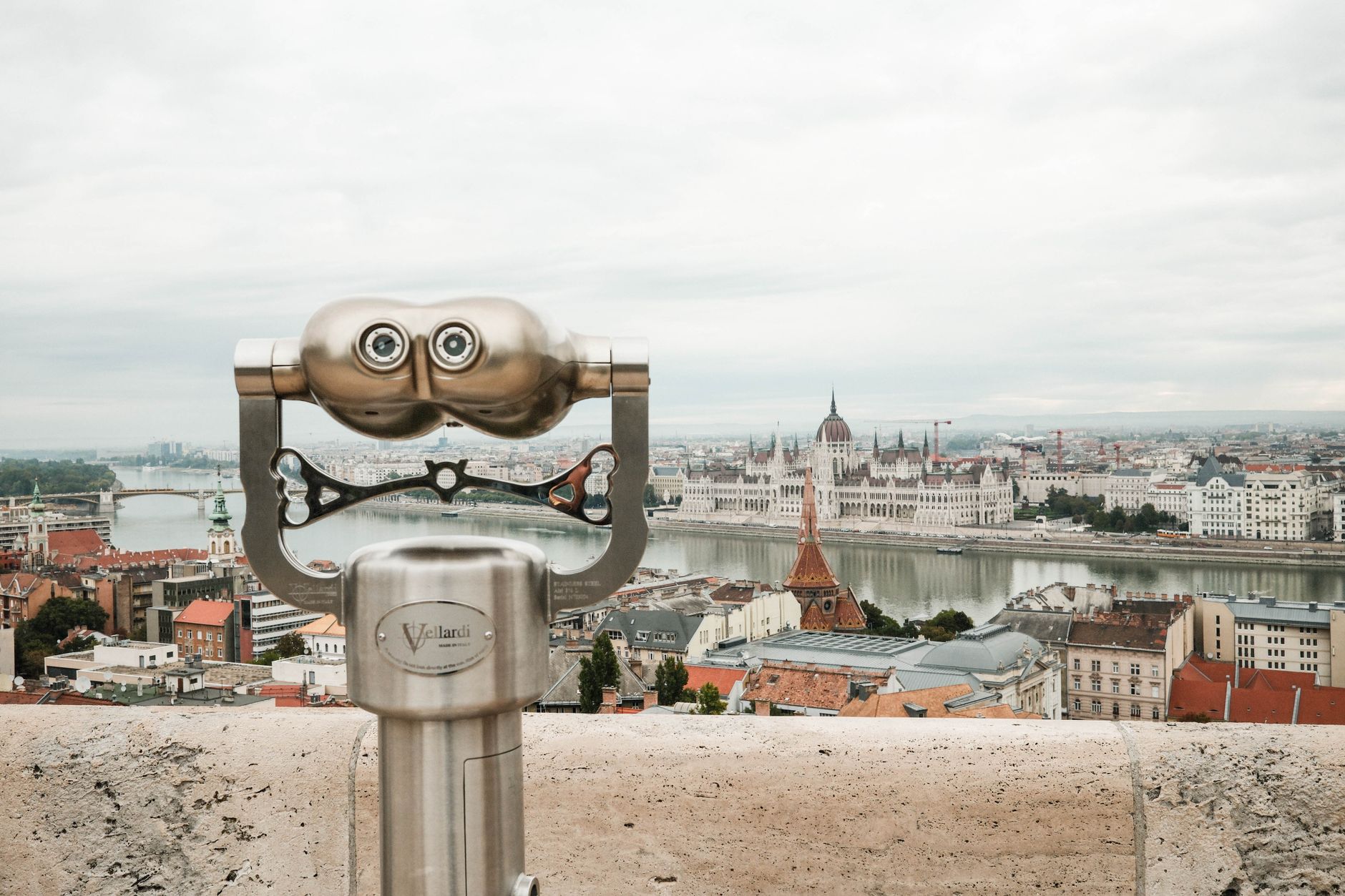
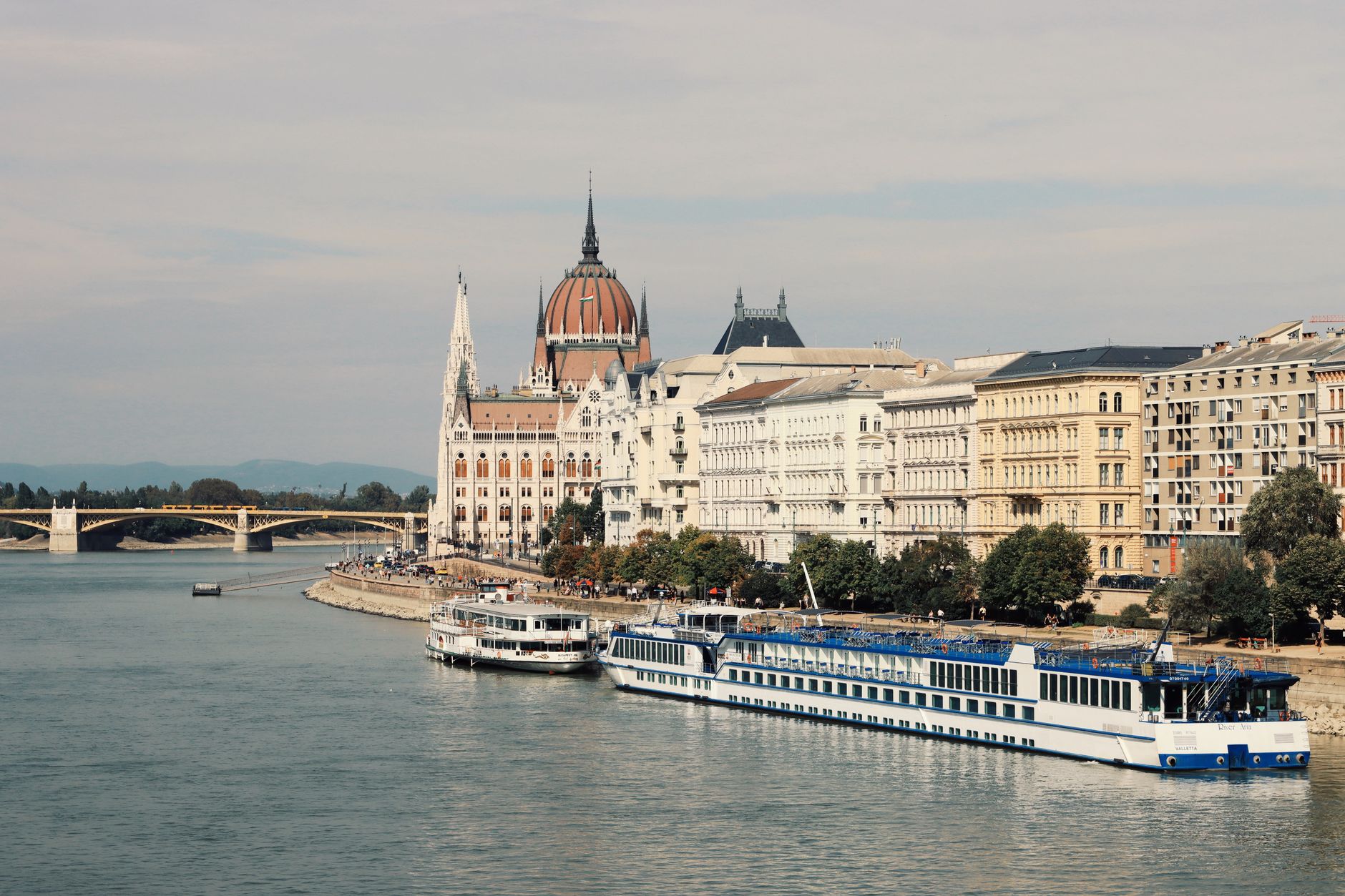
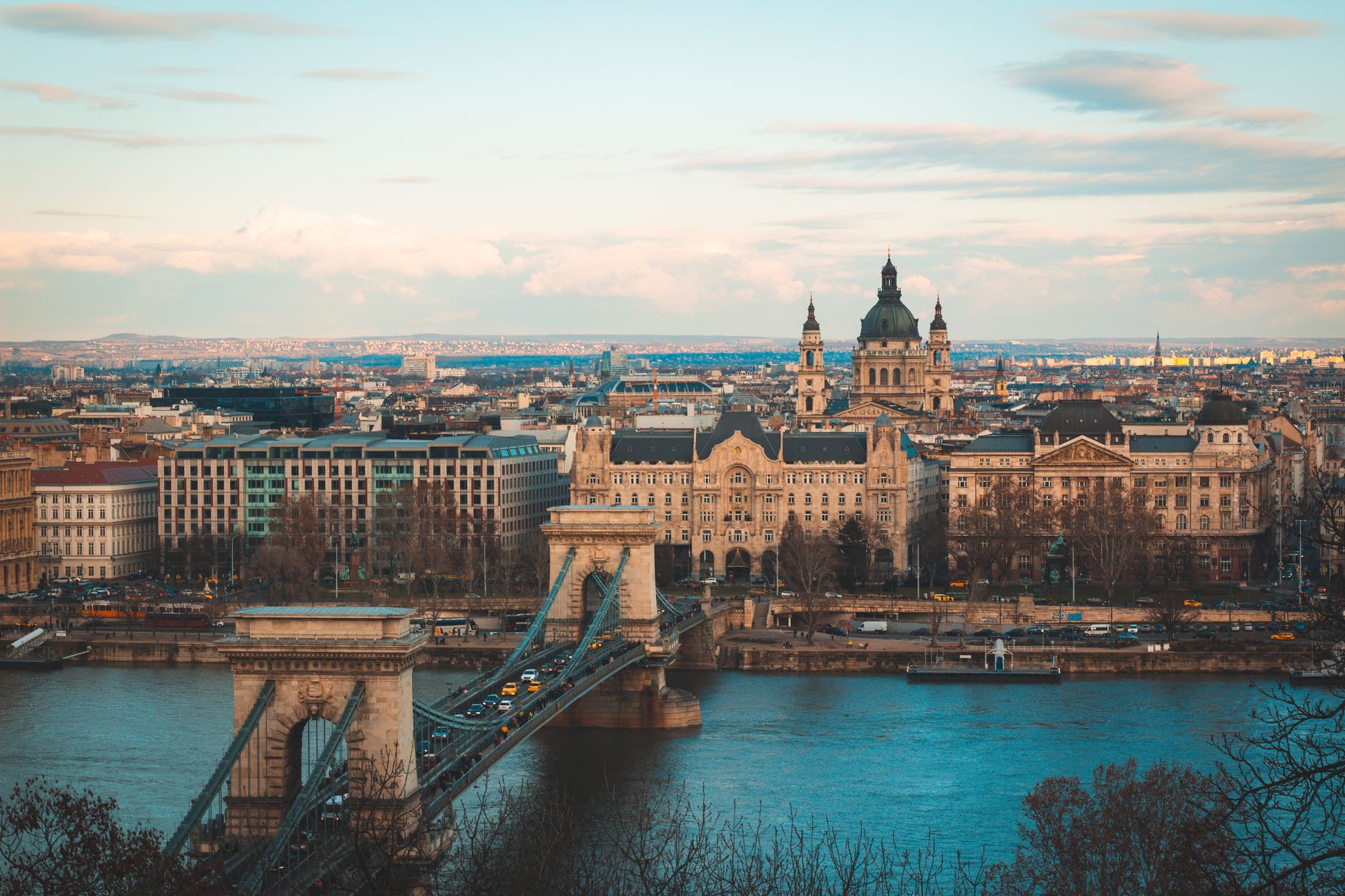
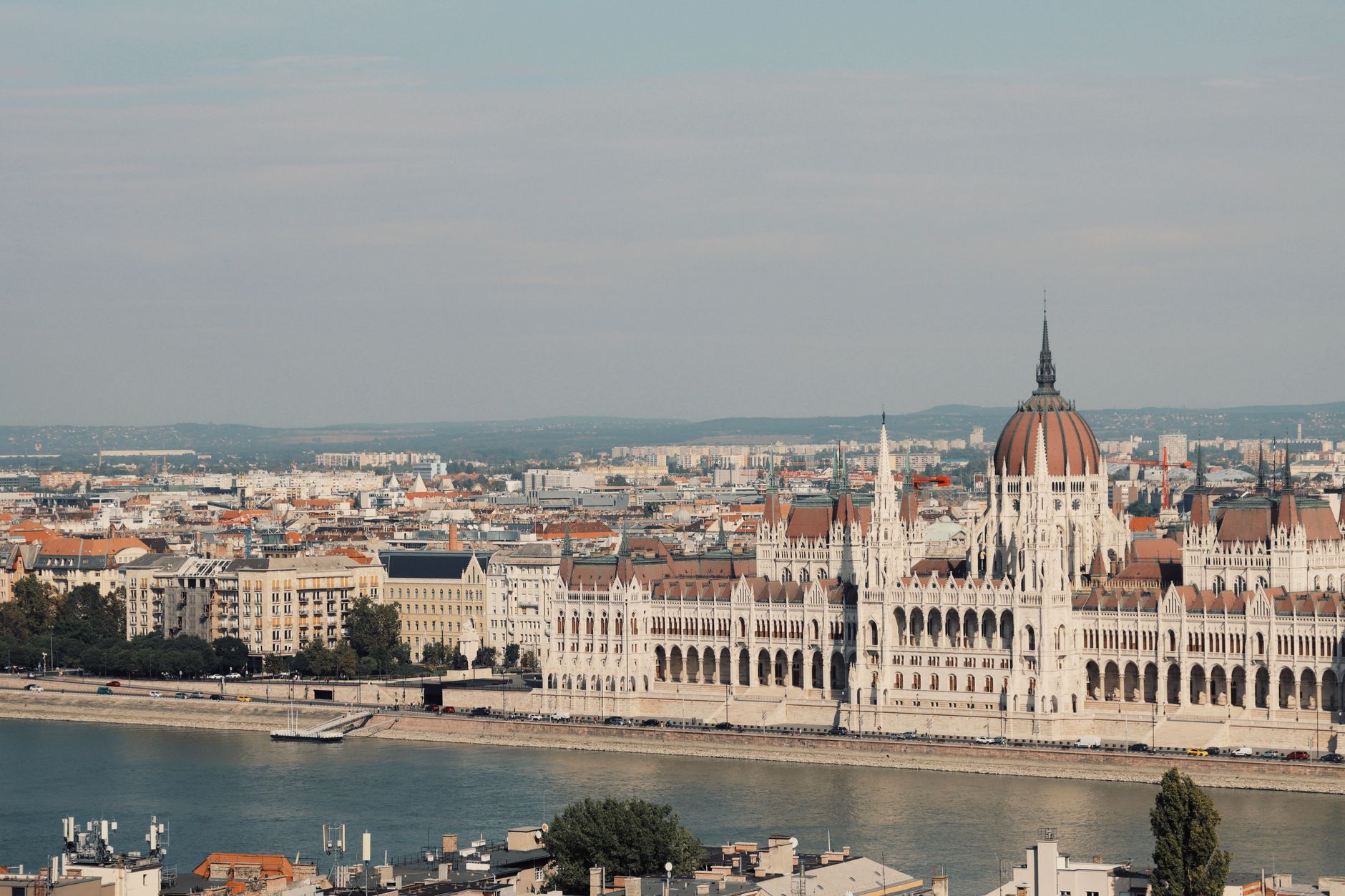
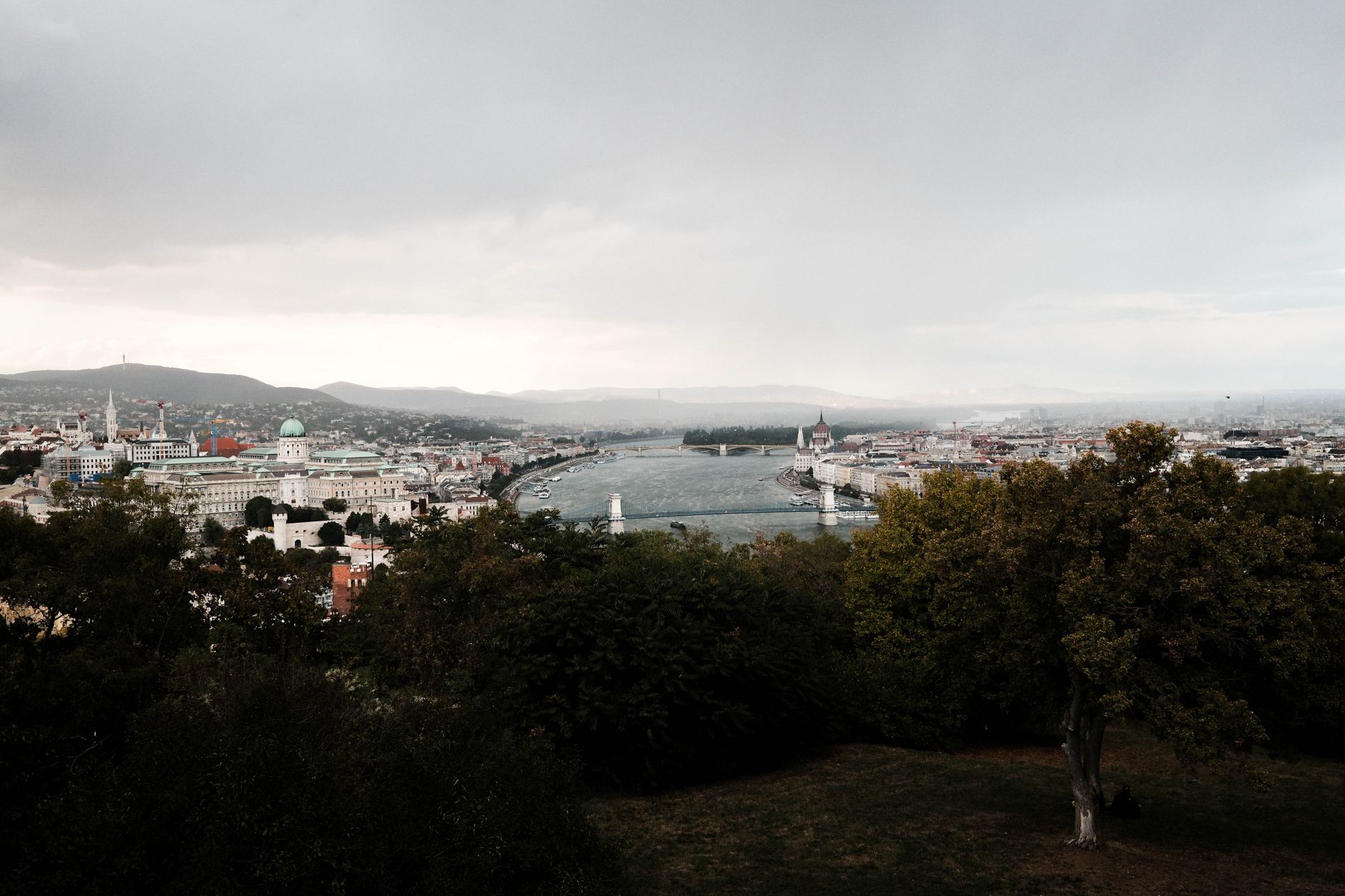
Budapest is a captivating tapestry woven from centuries of dramatic history, architectural bravura, and resilient spirit. Formed by the historic unification of hilly Buda, flat Pest, and ancient Óbuda across the majestic Danube River, the city wears its dual identity with pride. On the western bank, cobbled medieval streets wind up Castle Hill toward baroque palaces and the needle-like spires of Matthias Church, whispering tales of monarchs, Ottoman rule, and Habsburg splendor. Across the water, Pest pulses with late-19th-century grandiosity, defined by sweeping boulevards, neoclassical palaces, and the soaring, Gothic Revival Parliament building that mirrors the river's slow, timeless current.
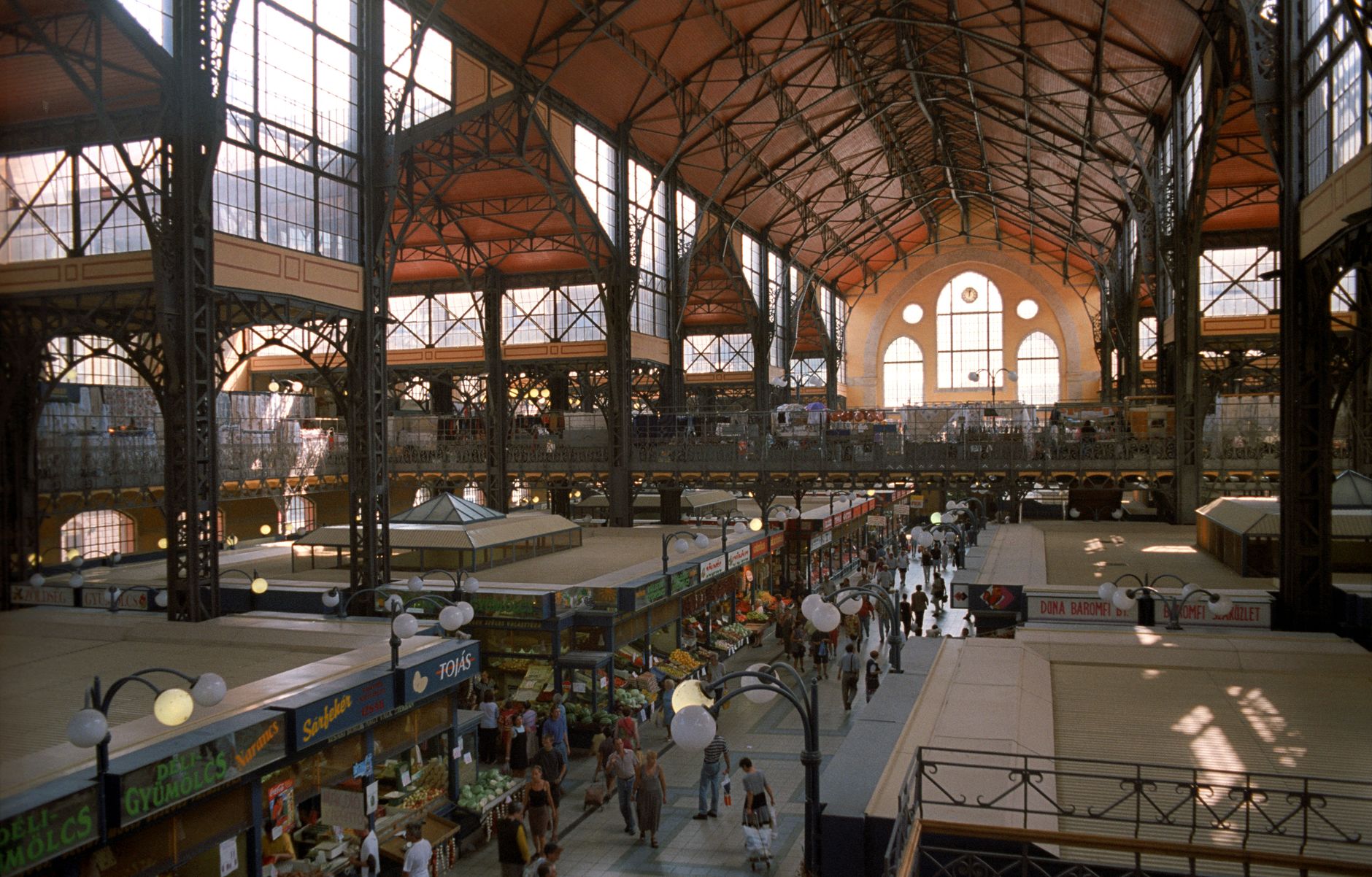
Yet, beneath the gilded neoclassical facades and thermal steam lies a city defined by its modern reinvention. The aftermath of the 20th century left abandoned courtyards and derelict buildings in the old Jewish Quarter, which visionary locals transformed into the world-famous ruin bars—eclectic, art-filled sanctuaries of nightlife that breathe creative chaos into crumbling spaces. This juxtaposition of imperial grandeur and gritty underground counterculture gives Budapest its intoxicating, unrepeatable energy. From the silent reverence of subterranean hospital bunkers to the clamor of bustling central markets, every corner reveals a city that has continually reinvented itself.
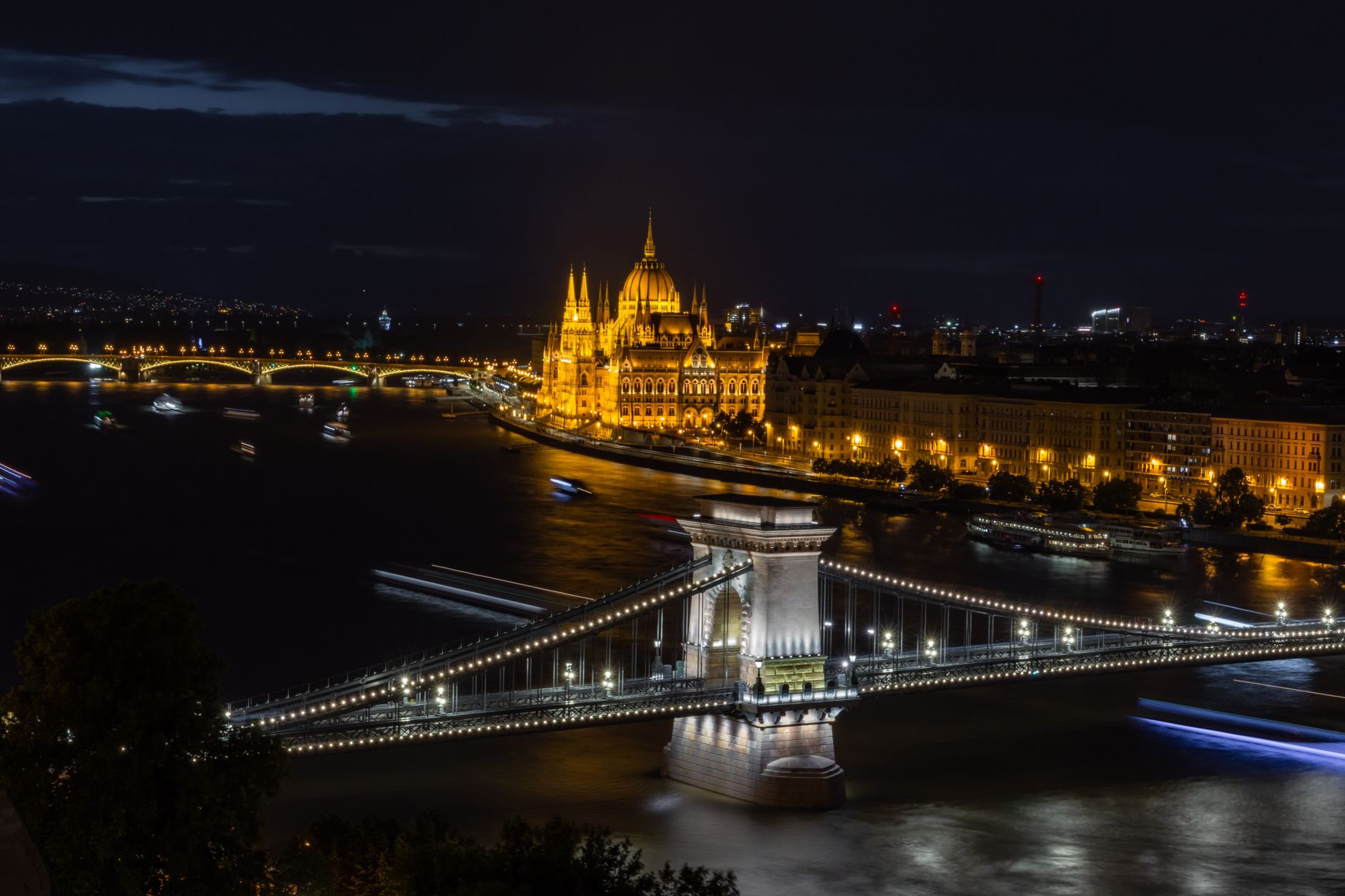
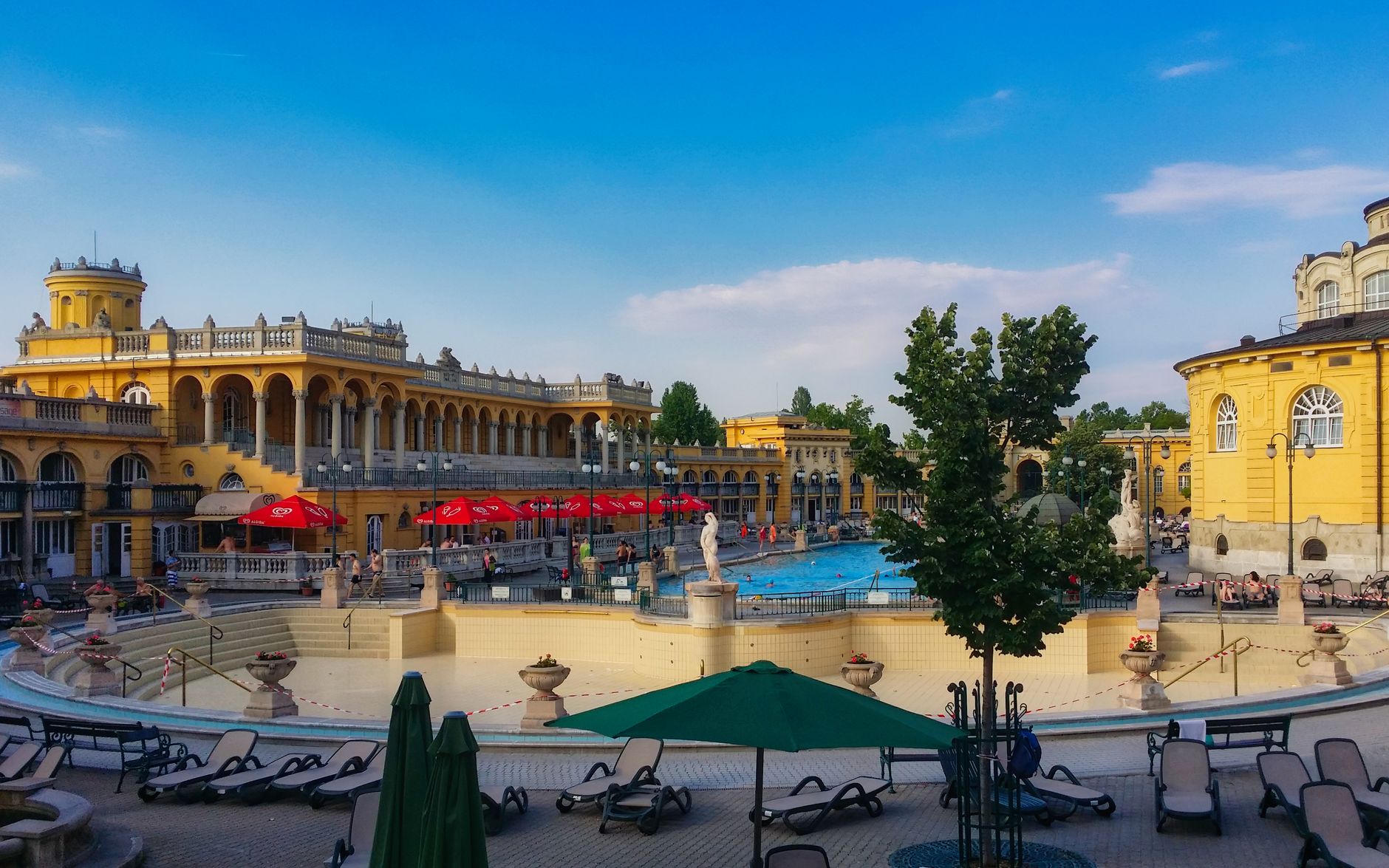
Geography dictates the rhythm of daily life here. The Danube acts both as a grand divider and a unifying artery, spanned by magnificent bridges like the iconic Chain Bridge and the delicate green Freedom Bridge. Thermal springs bubbling up from deep beneath the earth have shaped the city's identity since Roman times, turning bathing into a daily civic ritual rather than a mere luxury. Whether you are soaking in outdoor mineral waters while snow falls gently around you or sipping artisanal coffee in a century-old literary café, Budapest invites you to slow down and absorb its atmospheric depths.
Local life in Budapest is characterized by a rich cafe society, a passion for robust gastronomy, and an appreciation for artistic expression. Hungarians are fiercely proud of their language, heritage, and culinary traditions, which extend far beyond paprika-laced goulash into delicate pastries and world-class wines from regions like Tokaj and Villány. Navigating the city feels like stepping onto a living stage, where ornate art nouveau facades cast long shadows over modern street art, and where every sunset paints the river in hues of molten gold and amber, leaving an indelible mark on every traveler who crosses its bridges.
Visual Impressions & Moments