🌟 Best in Travel 2026 is here!
Buenos Aires Neighborhood Guide
citySouth America
4.92 / 5.0

Buenos Aires Neighborhood Guide

A sprawling mosaic of European elegance, passionate tango, and bohemian soul.

Editorial Guide

About Buenos Aires Neighborhood Guide

Buenos Aires is a city defined by its radical contrasts and distinct barrio identities, each functioning almost like a separate European capital fused with a relentless Latin American spirit. Stretching along the western shore of the RĂ­o de la Plata, the Argentine capital transitions seamlessly from the grand, French-inspired neoclassical facades of downtown and Retiro to the corrugated tin sheets and vibrant street art of working-class roots in La Boca. The geography of the city is mapped by wide, tree-lined avenues, hidden cobblestone alleyways, and sprawling green parks that breathe life into the urban core.

Historically, the city's urban fabric was shaped by waves of European immigration—predominantly from Italy and Spain—leaving an indelible mark on its architecture, colloquial speech (known locally as Rioplatense Spanish tinged with Neapolitan cadence), and culinary traditions. Today, this heritage blends with an unstoppable contemporary creative wave, evident in cutting-edge design boutiques, clandestine cocktail speakeasies, and avant-garde culinary spaces that reinvent traditional parrilla culture.

Culturally, Buenos Aires is a city that refuses to sleep. Life revolves around late dinners starting well past 10 PM, endless rounds of bitter herbal mate shared in sun-drenched parks, and the melancholic, seductive strains of bandoneĂłn music echoing from dimly lit milongas. It is a metropolis of passionate debates held in historic cafes, literary shrines dedicated to Jorge Luis Borges, and football shrines where the sport borders on religious fervor.

Navigating Buenos Aires requires understanding that you are not visiting just one city, but a constellation of neighborhoods. Whether you are strolling past the rose-tinted jacaranda trees in Palermo, admiring the aristocratic grandeur of Recoleta’s cemetery mausoleums, or exploring the antique markets of San Telmo, the city demands to be experienced on foot, with ample time allotted for lingering over a cortado at a sidewalk table.

Visual Impressions & Moments
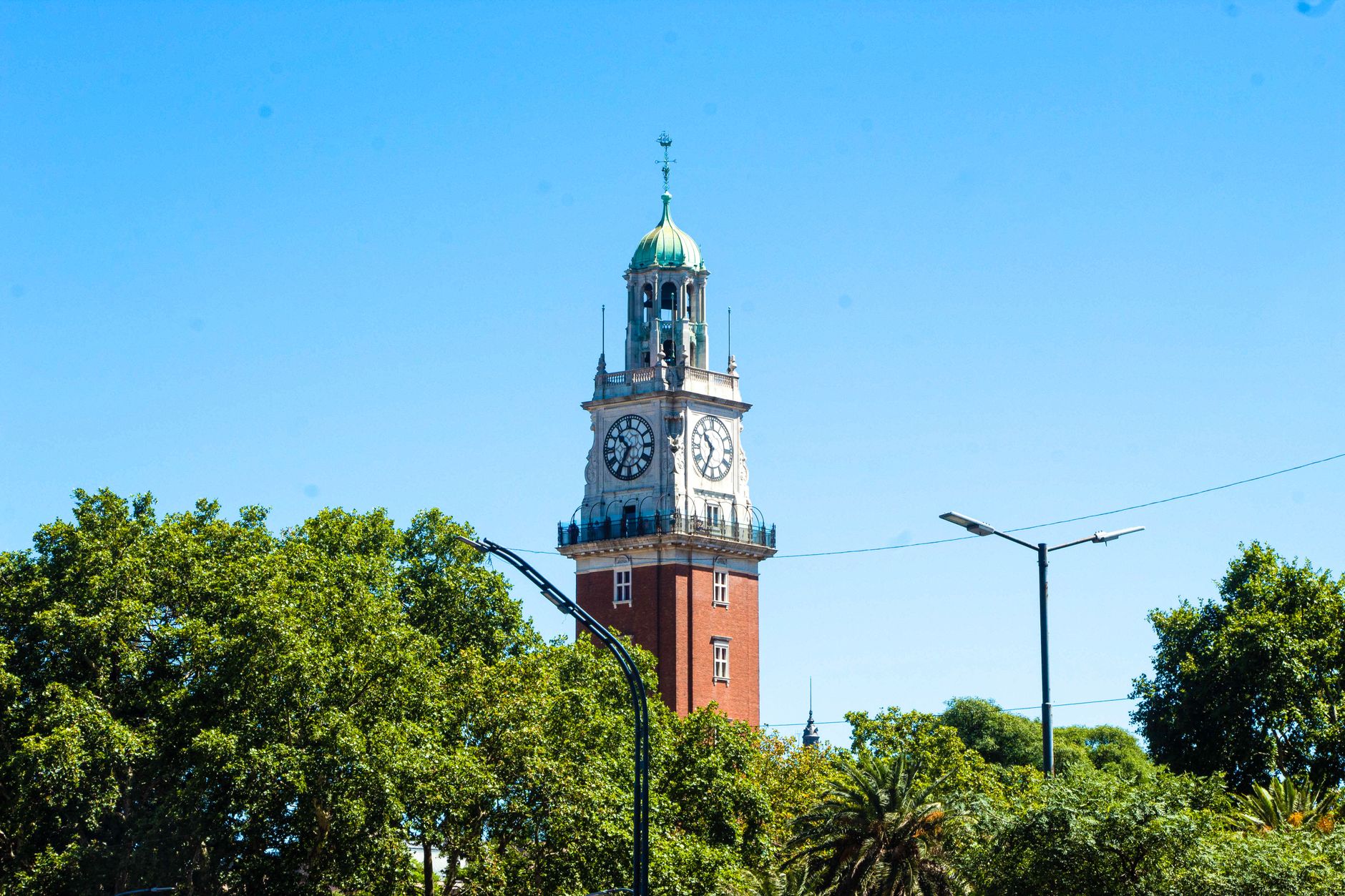
Buenos Aires Neighborhood Guide photo 1
Buenos Aires Neighborhood Guide photo 2
Buenos Aires Neighborhood Guide photo 3
Buenos Aires Neighborhood Guide photo 4
Buenos Aires Neighborhood Guide photo 5
Buenos Aires Neighborhood Guide photo 6
Unmissable Moments

Top Things to Do in Buenos Aires Neighborhood Guide

Culinary

Master the Art of the Asado at a Hidden Parrilla

Dive deep into Argentina's carnivorous soul by securing a table at a local neighborhood parrilla. Order a massive cut of bife de chorizo or ojo de bife, perfectly charred on the outside and tender within, paired with a vibrant house chimichurri and a robust bottle of Mendoza Malbec. Insider tip: Skip the tourist-heavy spots on the main drags and hunt down neighborhood joints where locals congregate well past midnight.

Culture

Immerse Yourself in a Traditional Underground Milonga

Experience tango not as a polished theatrical performance, but as a living, breathing social ritual. Visit authentic neighborhood milongas like El Beso or SalĂłn Canning, where dancers of all ages glide across wooden floors under dim lights. Insider tip: Arrive around midnight to watch the experienced locals claim the floor, and take a beginner's class beforehand to understand the subtle language of the cabeceo (eye invitation).

Must-Do

Wander the Colorful Alleyways of La Boca & Caminito

Walk through the birthplace of modern Argentine football and tango, characterized by brightly painted corrugated tin tenement houses known as conventillos. The open-air museum street Caminito is a feast of vivid colors, street musicians, and impromptu tango dancers. Insider tip: Stick strictly to the main tourist pathways during daylight hours and avoid wandering into the surrounding industrial zones.

Scenic

Cycle Through the Ecological Reserve & Costanera Sur

Escape the urban frenzy by renting a bike and exploring the Costanera Sur Ecological Reserve, a massive protected wetland sanctuary wedged between the concrete city and the brown expanse of the RĂ­o de la Plata. Pedal along dirt trails teeming with wildlife and stop to buy a traditional choripĂĄn from the iconic food shacks lining the avenue.

Must-See Highlights

Top Places & Things to Do in Buenos Aires Neighborhood Guide

Curated attractions and cultural landmarks with local insider advice.

Recoleta Cemetery
culture
4.85

Recoleta Cemetery

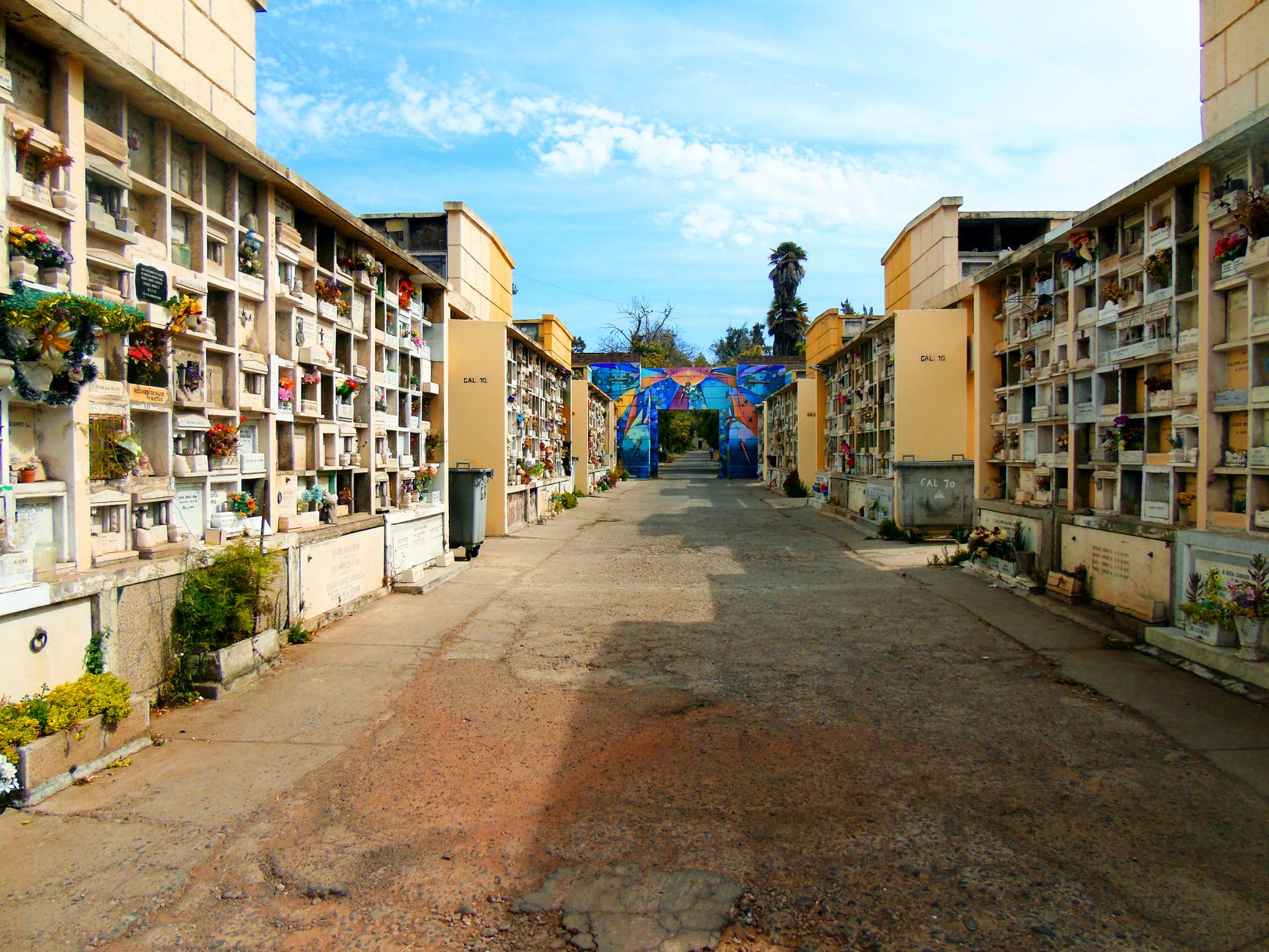
Sprawling across four hectares in the upscale Recoleta district, this famous city of the dead is an architectural masterpiece of over 4,600 elaborate vaults, neo-gothic mausoleums, and marble statues created by renowned international and local sculptors. Walking its narrow grid-like pathways feels like stepping into an open-air sculpture gallery dedicated to Argentina's historical elite. The cemetery is the final resting place for presidents, poets, military heroes, and notable figures, most famously Eva 'Evita' PerĂłn, whose simple yet heavily visited crypt draws continuous streams of admirers. The haunting beauty, intricate stonework, and pervasive quiet make it one of South America's most compelling cultural landmarks.

Daily 9:00 AM – 5:00 PM
Admission: Paid (Approx. $10 USD for foreigners)
Insider Tip: Hire a licensed guide at the entrance to fully appreciate the dramatic stories, hidden symbolism, and political intrigues carved into the marble tombs.
El Ateneo Grand Splendid
attraction
4.88

El Ateneo Grand Splendid

Frequently ranked among the most magnificent bookstores in the world, El Ateneo Grand Splendid occupies a former 1919 theater designed by architects PerĂł and Torres Armengol. The cavernous space retains its original neoclassical grandeur, featuring painted fresco ceilings, ornate balconies, plush red velvet stage curtains, and carved theater boxes. Visitors can browse thousands of books stacked where theater seats once stood, while the old stage has been ingeniously converted into a grand cafe where readers sip coffee under the spotlight. It stands as a stunning testament to Buenos Aires' deep literary culture and passion for preserving historic architecture.

Monday to Saturday 9:00 AM – 10:00 PM, Sunday 12:00 PM – 10:00 PM
Admission: Free
Insider Tip: Head up to the upper balcony levels for the best panoramic photographs of the entire theater and painted ceiling dome.
Plaza de Mayo & Casa Rosada
attraction
4.6

Plaza de Mayo & Casa Rosada

Plaza de Mayo is the historic, political, and emotional epicentre of Buenos Aires, surrounded by monumental institutions including the Cabildo, the Metropolitan Cathedral, and the iconic pink presidential palace known as the Casa Rosada. It was here that the city was founded in 1580, and the square has served as the stage for every major political upheaval, revolution, and public demonstration in modern Argentine history. The distinctive pink facade of the Casa Rosada, from which Eva PerĂłn famously addressed the crowds, dominates the eastern end of the plaza. Every Thursday, the Mothers of the Plaza de Mayo continue their historic march here, demanding memory and justice, anchoring the plaza's enduring role as a living political archive.

Plaza open 24/7; Casa Rosada museum open weekends 10:00 AM – 6:00 PM
Admission: Free
Insider Tip: Combine a visit here with a walk down the pedestrianized Calle Florida and a tour of the nearby historic Cabildo museum.
Area Guide

Where to Stay & Best Neighborhoods

Palermo

Best for: Foodies, digital nomads, boutique shoppers, and nightlife enthusiasts.

Vibe: Tree-lined streets, avant-garde design boutiques, trendy brunch cafes, and vibrant nightlife.

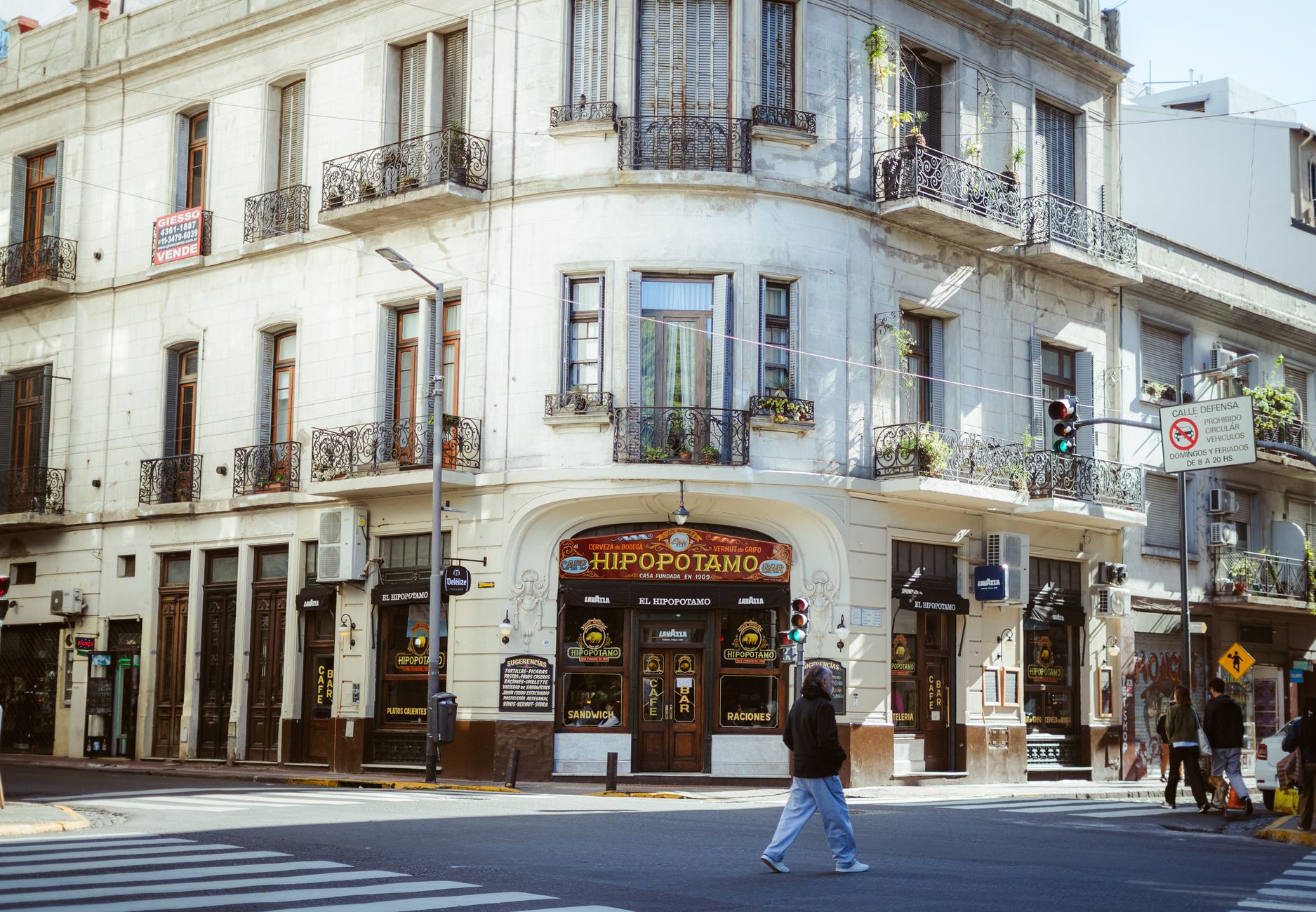
Palermo is the beating heart of Buenos Aires' modern cool, sprawling across several distinct sub-neighborhoods like Palermo Soho and Palermo Hollywood. Once a quiet residential area, it has transformed into a bohemian-chic playground filled with low-rise townhouses, ivy-draped facades, and independent clothing designers. By day, its leafy plazas host artisanal markets and cafe tables spill out onto the sidewalks; by night, the neighborhood shifts into a pulsating hub of craft cocktail dens, rooftop bars, and cutting-edge restaurants.

San Telmo

Best for: History buffs, antique collectors, photographers, and tango lovers.

Vibe: Cobblestone streets, crumbling colonial architecture, antique shops, and bohemian soul.

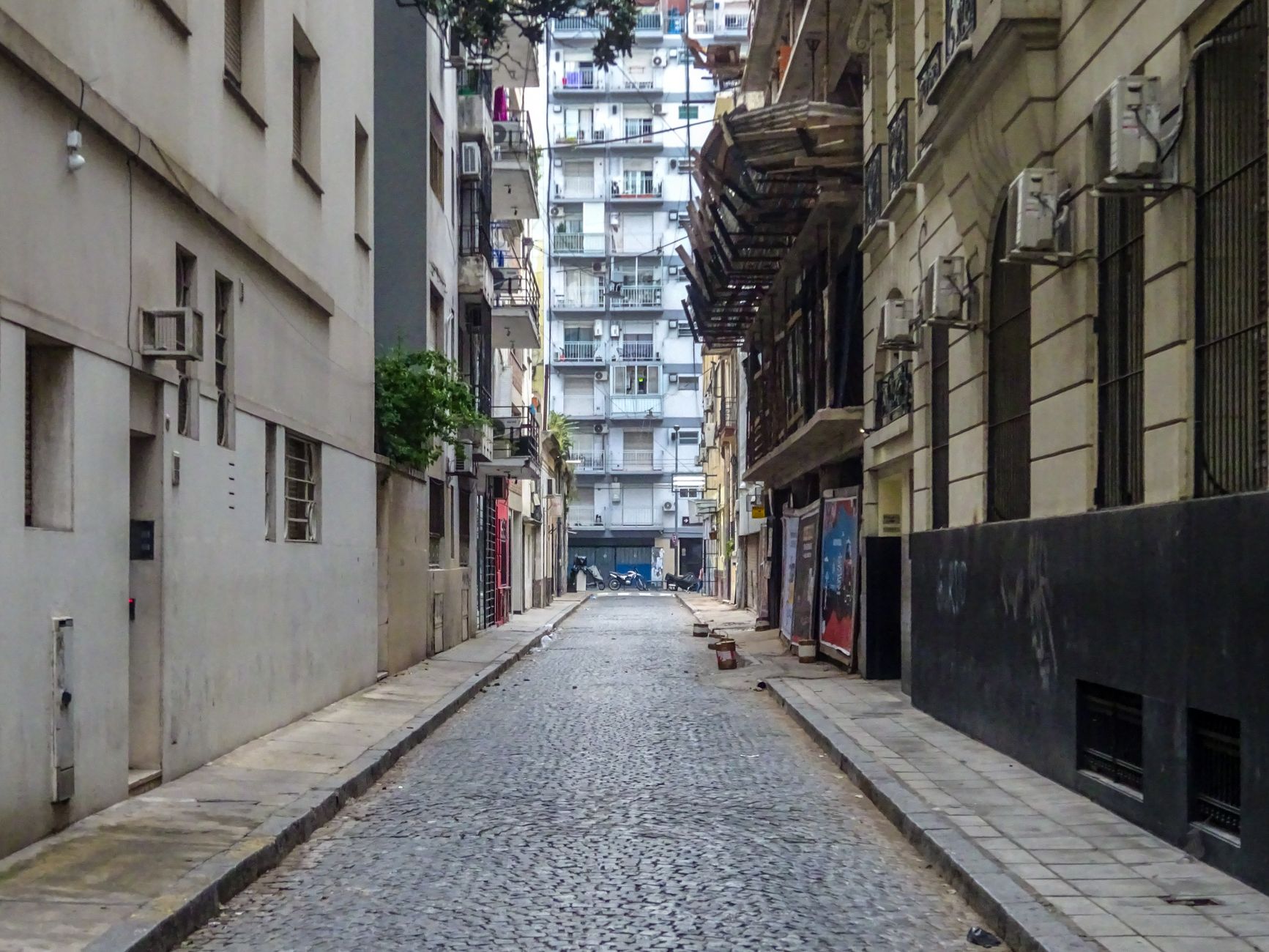
As the oldest barrio in Buenos Aires, San Telmo feels wonderfully suspended in time. Walking its uneven cobblestone streets means encountering magnificent 19th-century mansions that have faded into atmospheric patina, historic pulperĂ­as (old taverns), and bustling street corners where musicians play acoustic guitars. On Sundays, the neighborhood erupts into life with the legendary Feria de San Telmo, a massive open-air antique and crafts market that draws locals and travelers alike to Plaza Dorrego.

Recoleta

Best for: Luxury travelers, architecture admirers, museum-goers, and culture seekers.

Vibe: Grand French architecture, aristocratic elegance, manicured parks, and solemn history.

Often referred to as the Paris of South America, Recoleta exudes refined wealth, aristocratic history, and neoclassical grandeur. Wide avenues are lined with stately French-style palaces, high-end hotels, and elegant restaurants. The neighborhood is anchored by the famous Recoleta Cemetery, an extraordinary city of the dead filled with ornate marble mausoleums. Surrounding it are lush green parks, the National Museum of Fine Arts, and bustling cultural centers housed in former convents.

Food & Drink Scene

What to Eat in Buenos Aires Neighborhood Guide

Asado (Argentine Barbecue)

More than just a meal, the asado is a sacred social ritual centered around open-fire cooking. Premium cuts of beef—such as bife de chorizo, entraña, and vacío—are slow-cooked over hot coals of quebracho wood until meltingly tender, seasoned simply with coarse salt and accompanied by chimichurri.

🍴 Top spot: Don Julio (Palermo Soho)

Empanadas SalteĂąas

Golden, hand-crimped pastry pockets stuffed with finely chopped or hand-cut beef, onions, sweet paprika, hard-boiled eggs, and green olives, baked in a clay oven or flash-fried. They feature a delicate balance of savory, sweet, and spiced flavor notes.

🍴 Top spot: El Sanjuanino (Recoleta)

Dulce de Leche & Alfajores

A rich, caramel-like confection made by slowly heating sweetened milk until it thickens and caramelizes. It is slathered on everything in Argentina and serves as the star filling for alfajores—two delicate shortbread cookies sandwiched together and often coated in dark chocolate.

🍴 Top spot: Havanna or La Cabrera (Palermo)
Excursions

Best Day Trips from Buenos Aires Neighborhood Guide

Tigre Delta & River Islands

50 minutes by train from Retiro Station

Board the Tren de la Costa or a regional train north to Tigre, where the mainland gives way to an intricate labyrinth of lush green rivers, winding streams, and stilt houses. Spend the day navigating the waterways on a wooden launch boat, kayaking through narrow tributaries, or dining on riverfront docks.

San Antonio de Areco & Gaucho Culture

1.5 hours by bus or car

Venture into the heart of the Argentine pampas to visit San Antonio de Areco, a picturesque historic town that serves as the cradle of gaucho (cowboy) tradition. Explore colonial silversmith workshops, visit traditional estancias, and witness breathtaking equestrian displays during the annual Fiesta de la TradiciĂłn.

When to Go

Best Time to Visit & Seasonality

Editor’s Pick: Spring (September to November) is arguably the absolute best time to visit Buenos Aires. During these months, the city’s iconic jacaranda trees burst into vivid purple bloom, temperatures are delightfully mild ranging from 18°C to 25°C, and outdoor cafe culture reaches its vibrant peak. Autumn (March to May) is another exceptional window, offering crisp golden foliage, pleasant weather, and fewer crowds.

Spring Overview

(September - November)
Moderate
Average Temperature & Climate14°C - 24°C

Mild, sunny, and breezy with blooming jacaranda trees painting the city purple.

Crowd & Travel ConditionsModerate Tourist Traffic

Fewer lines and better deals.

✨ Seasonal Highlights:Jacaranda bloom, open-air festivals, Palermo parks in full bloom, sidewalk dining.
Travel Smarter

Practical Travel Essentials

CurrencyARS ($)
LanguageSpanish (Rioplatense dialect)
Time ZoneART (UTC-3)

Visa & Entry

Most citizens from North America, the European Union, Australia, and New Zealand do not require a tourist visa for stays up to 90 days. Ensure your passport is valid for at least 6 months beyond your arrival date.

Getting Around & Transit

The Subte (subway) is efficient and affordable for crossing downtown, while the SUBE contactless card is mandatory for all public buses (colectivos) and trains. Taxis and ride-hailing apps like Uber and Cabify are widely available, economical, and convenient.

Daily Budget Expectation

$50 - $120 USD per day covers comfortable mid-range accommodation, dining at excellent parrillas, public transport, and museum entries.

Safety & Health

Generally safe during the day in populated neighborhoods, but standard urban precautions apply. Watch out for subtle distraction scams, keep phones secure in crowded areas, and avoid walking alone in poorly lit or unfamiliar zones at night.

Local Etiquette & Customs

Argentines are warm, affectionate, and tactile; greetings typically involve a single kiss on the right cheek, even among casual acquaintances. Dinner is a late-night affair, with locals rarely sitting down before 9:30 PM or 10:00 PM.

Questions & Answers

Frequently Asked Questions about Buenos Aires Neighborhood Guide

Palermo is generally considered the best all-around neighborhood for first-time visitors due to its incredible culinary scene, safety, boutique shopping, and lively cafe culture. Recoleta is ideal for those seeking classic elegance, luxury hotels, and proximity to major museums.