About Kyoto
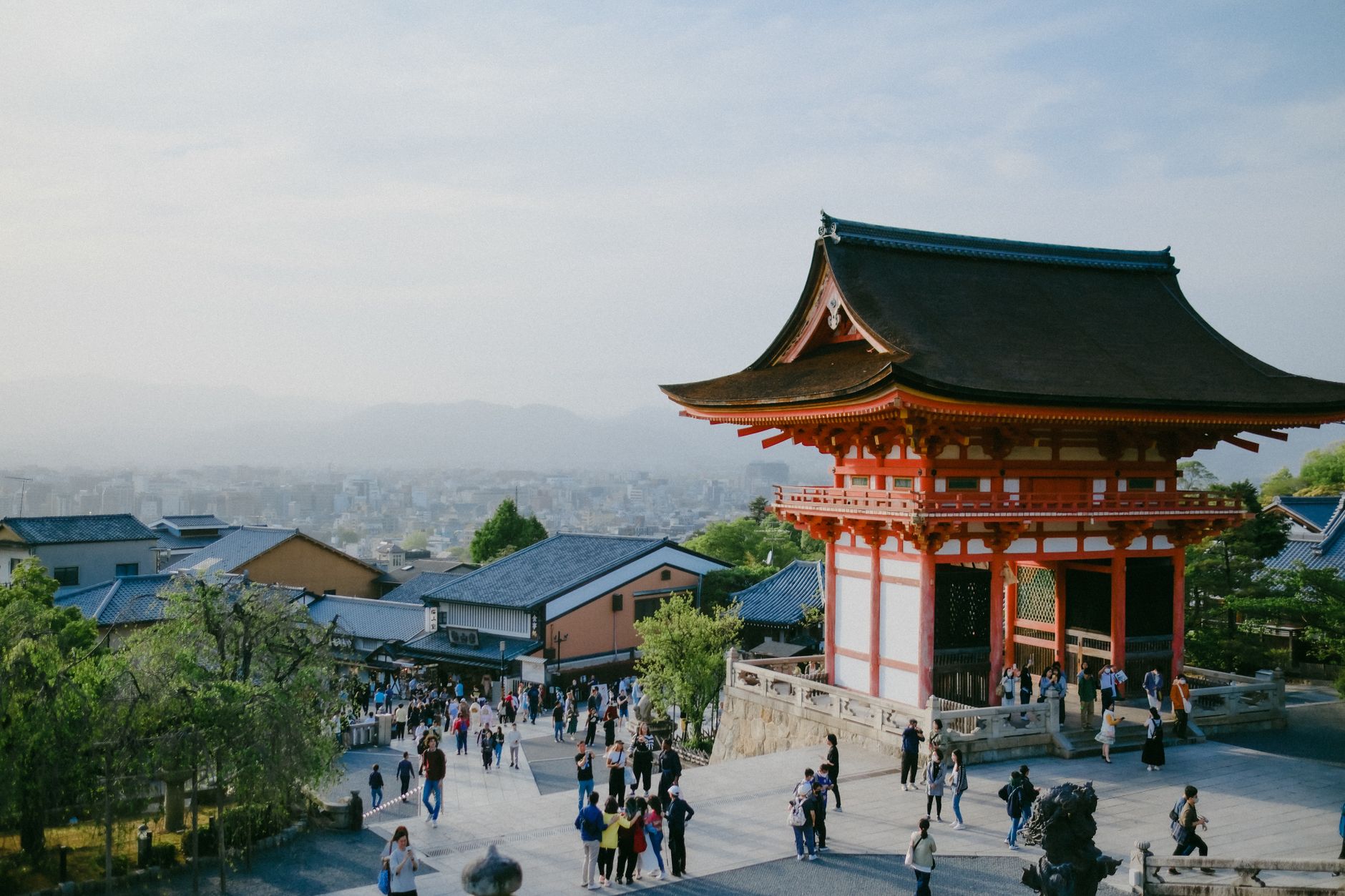
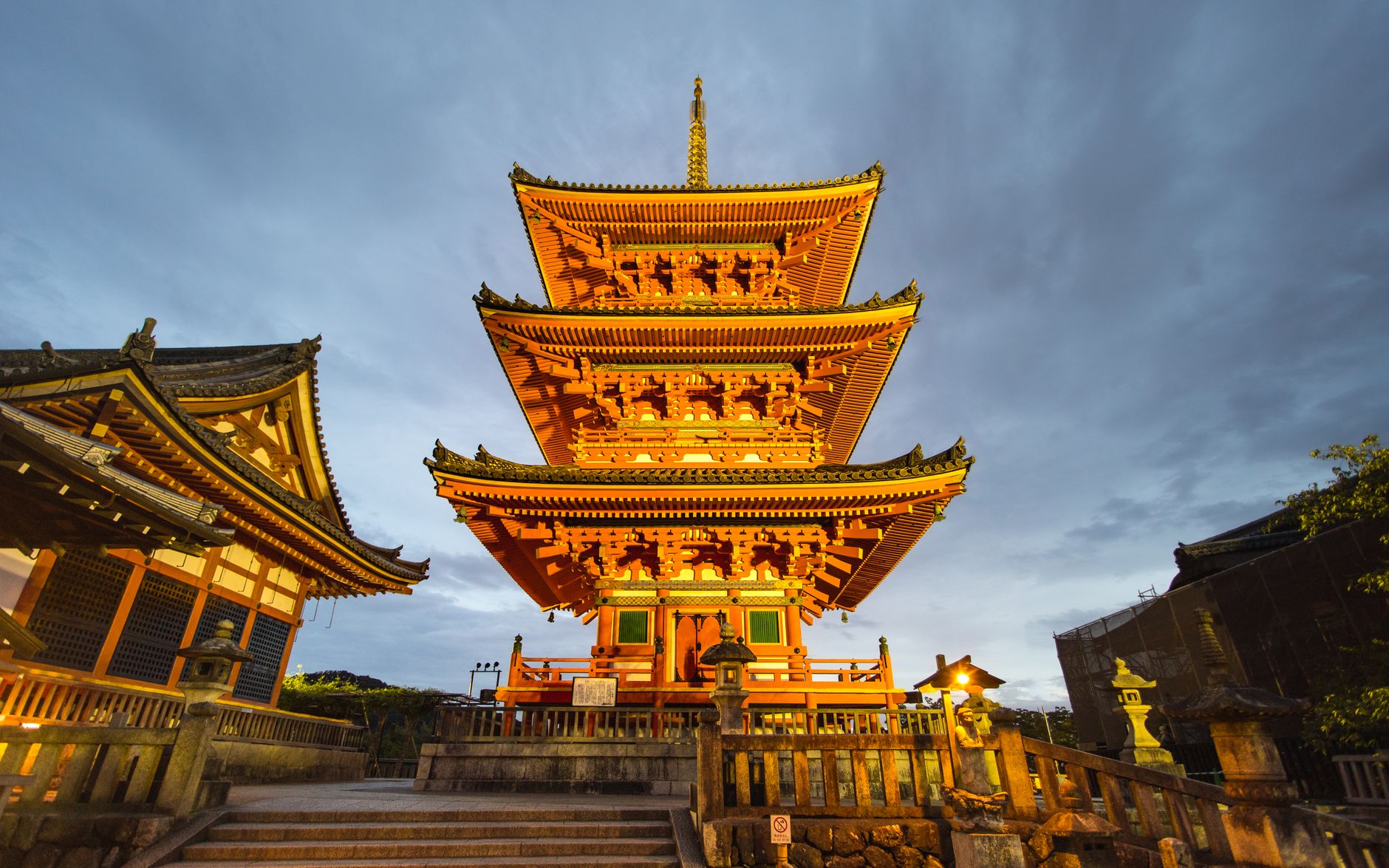
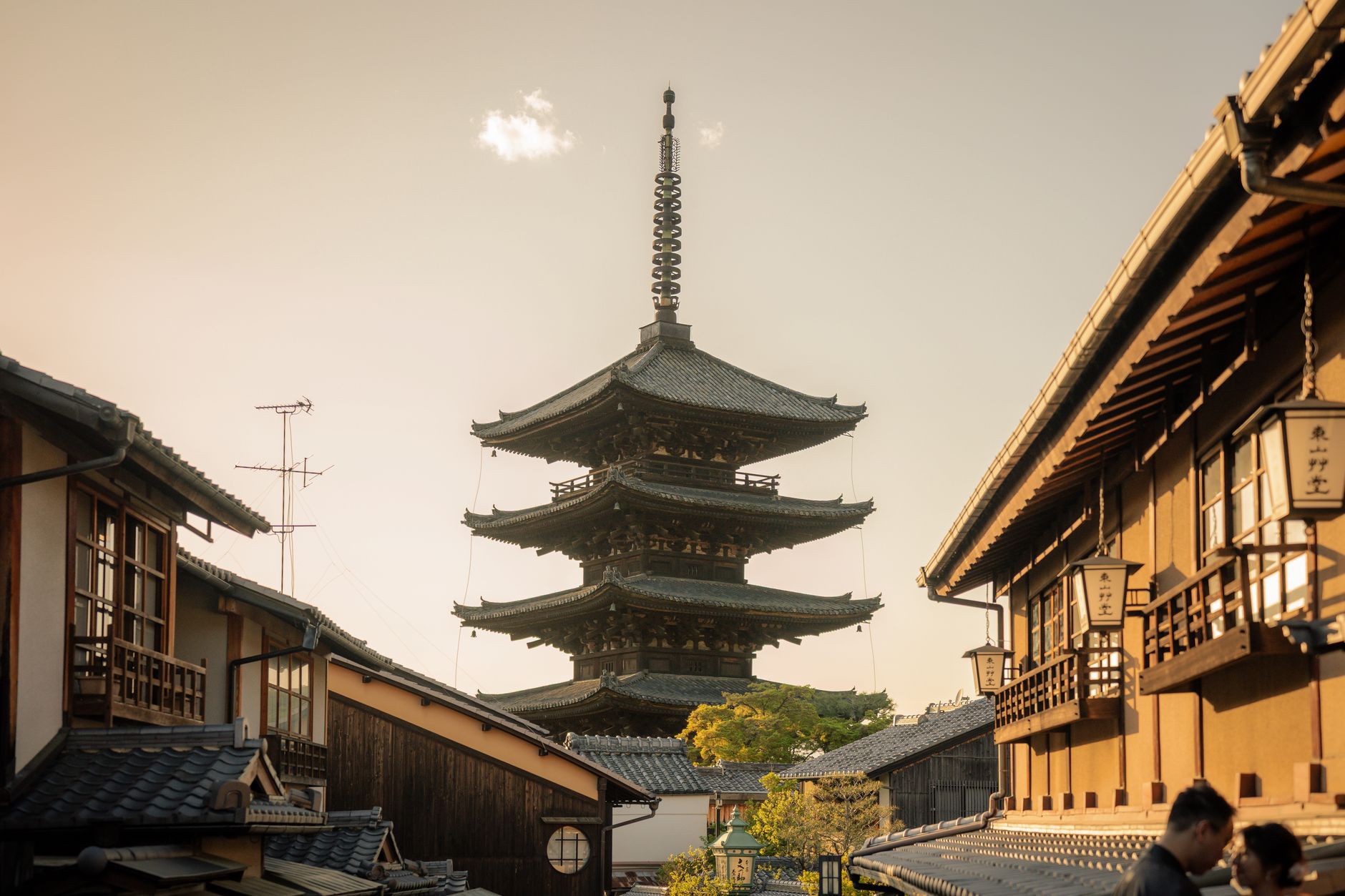
Kyoto stands as the beating cultural heart of Japan, a sanctuary where over a thousand years of imperial history remain immaculately preserved amidst the rolling green folds of the surrounding mountains. Having served as the nation's capital from 794 to 1868, the city miraculously escaped widespread destruction during World War II, leaving an architectural legacy of more than two thousand temples, shrines, and imperial palaces. Walking through Kyoto is akin to stepping backward through centuries; its atmospheric alleyways are lined with weathered wooden machiya merchant townhouses, and the haunting, ethereal chime of temple bells frequently drifts across the mist-shrouded Kamo River.
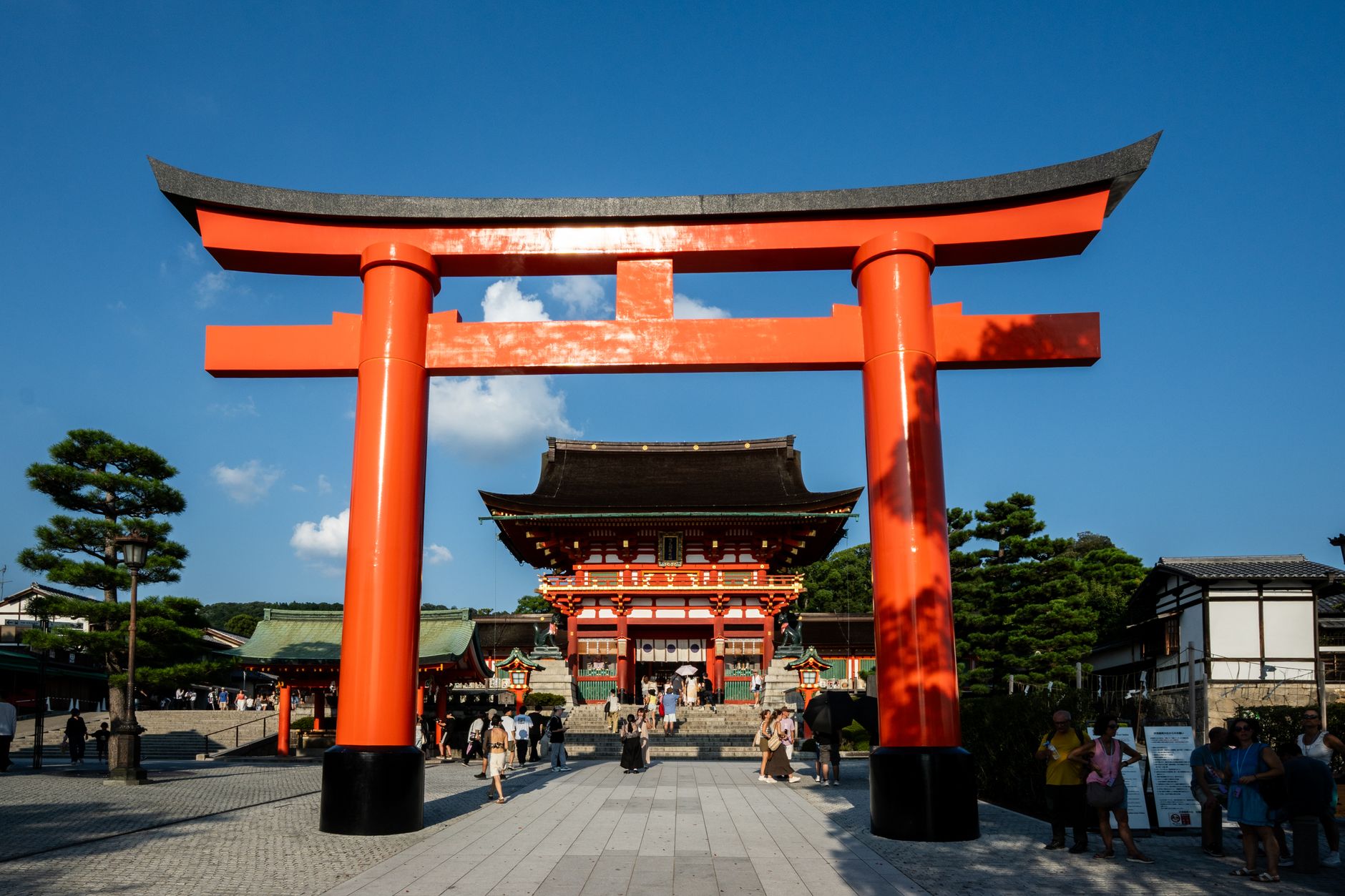
The cultural fabric of Kyoto is deeply intertwined with the philosophies of Buddhism and Shinto, heavily influencing everything from its minimalist garden designs to its refined culinary arts. This is a city that moves to the rhythm of the changing seasons, celebrated through ancient festivals like Gion Matsuri and Daimonji, where locals pay deep reverence to nature and ancestral spirits. Yet, beneath its deeply traditional veneer, Kyoto pulses with a quiet contemporary creativity, housing world-class modern architecture, avant-garde coffee roasting houses, and a thriving community of artisans preserving dying crafts ranging from hand-painted textiles to delicate ceramic ware.
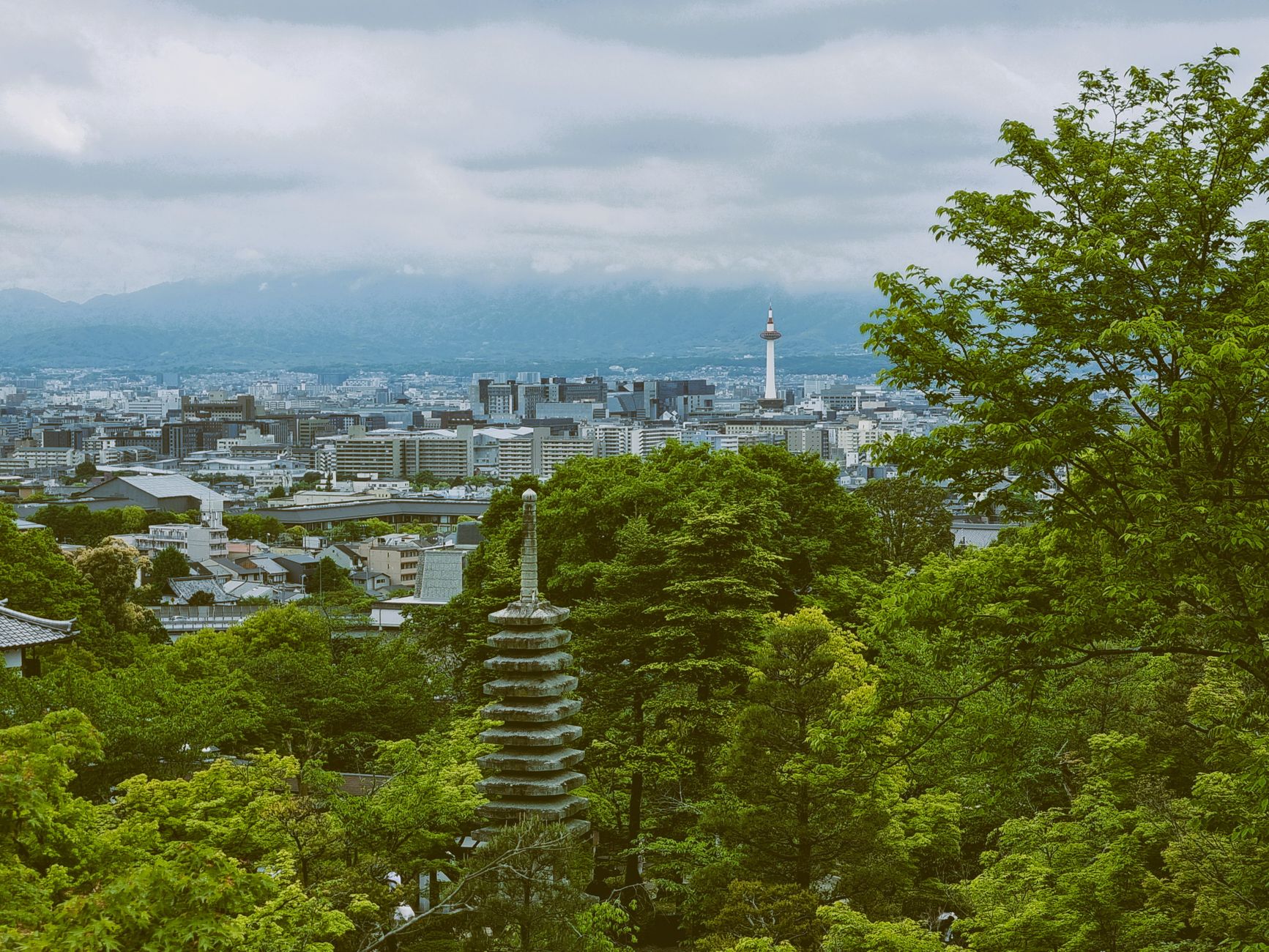
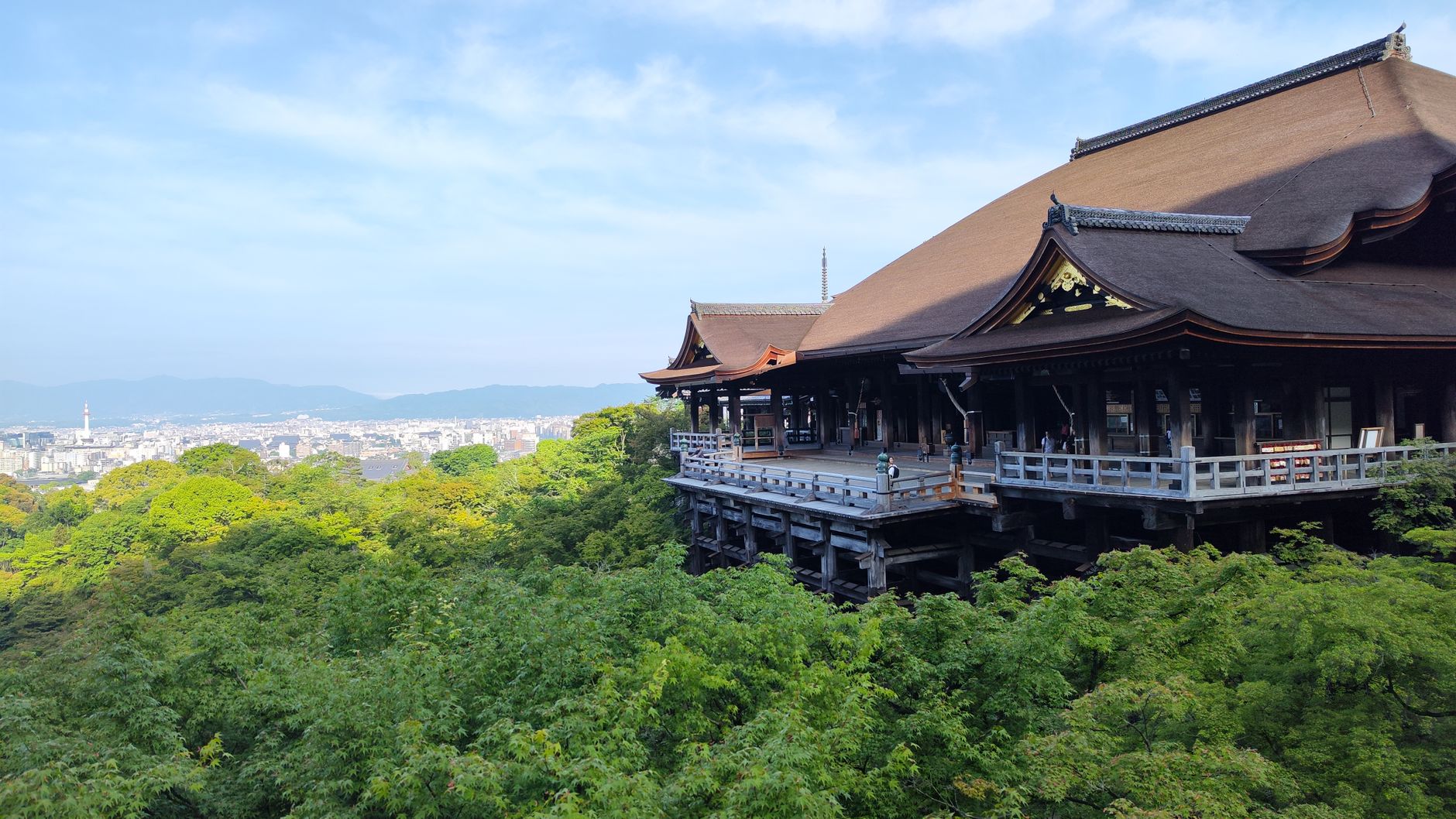
Geographically nestled in a picturesque basin surrounded by the Tamba and Higashiyama mountain ranges, Kyoto experiences a distinct continental climate that amplifies its scenic drama. The landscape transforms from the fragile, ethereal pinks of cherry blossoms in spring to the fiery amber and crimson maples of autumn, creating an ever-shifting canvas that has inspired poets and painters for generations. Rivers carve paths through the urban sprawl, and forested mountain slopes conceal hidden hermitages where past emperors and poets sought spiritual enlightenment far from the clamor of the imperial court.
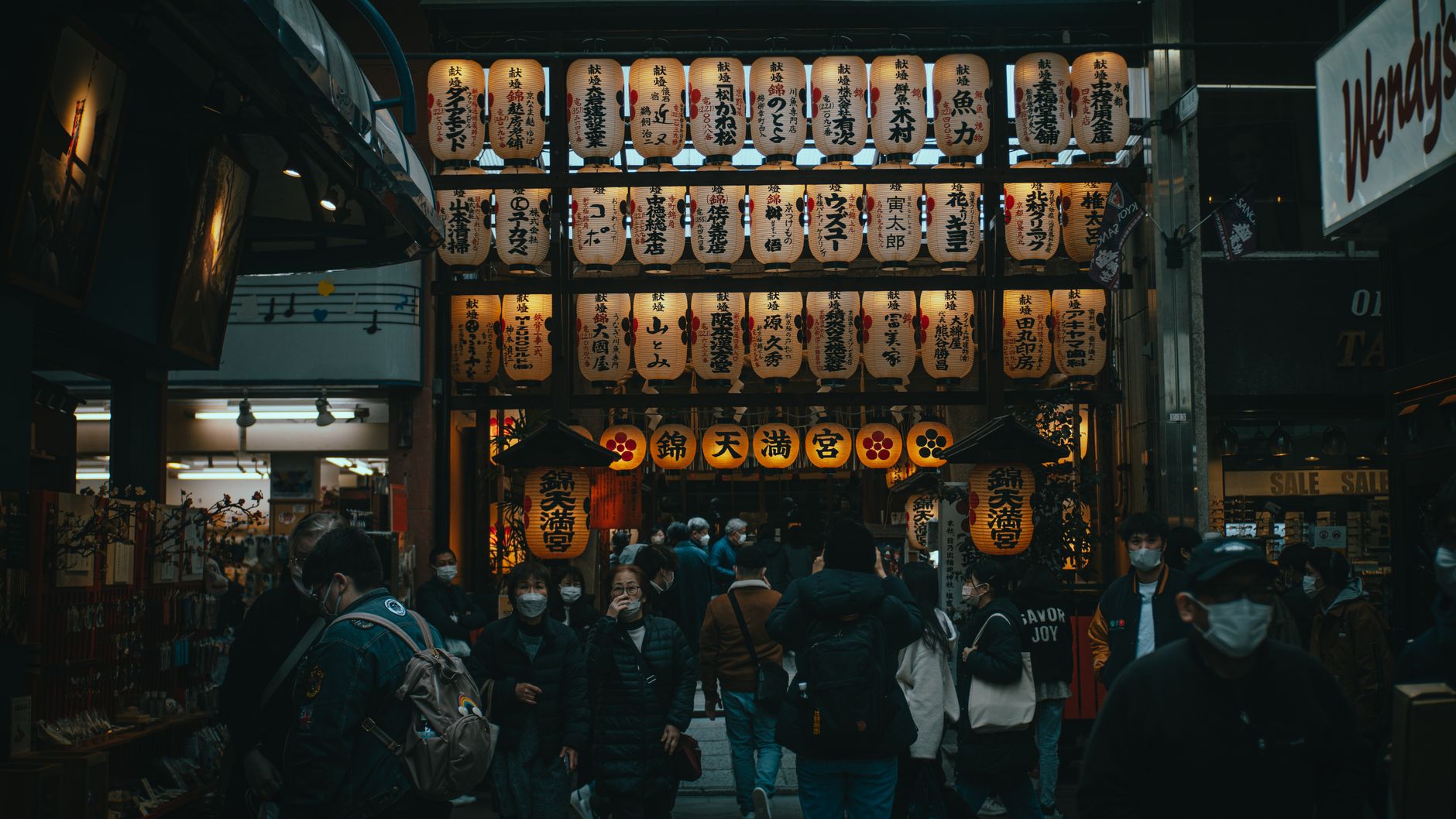
Daily life in Kyoto moves with a deliberate, graceful cadence that starkly contrasts with the neon-drenched kinetic energy of Tokyo. Locals take immense pride in preserving their ancestral heritage, whether through the meticulous sweeping of moss gardens or the strict adherence to seasonal ingredients in a morning bowl of obanzai home-style cooking. Visitors are invited not merely to sightsee, but to immerse themselves in a philosophy of mindfulness, patience, and aesthetic appreciation known as wabi-sabi—finding profound beauty in transience, simplicity, and the weathered marks of time.
Visual Impressions & Moments