🌟 Best in Travel 2026 is here!
Colombo
cityAsia
4.65 / 5.0

Colombo

Where colonial nostalgia collides with electric tropical modernism on the Indian Ocean.

Advertisement
Editorial Guide

About Colombo

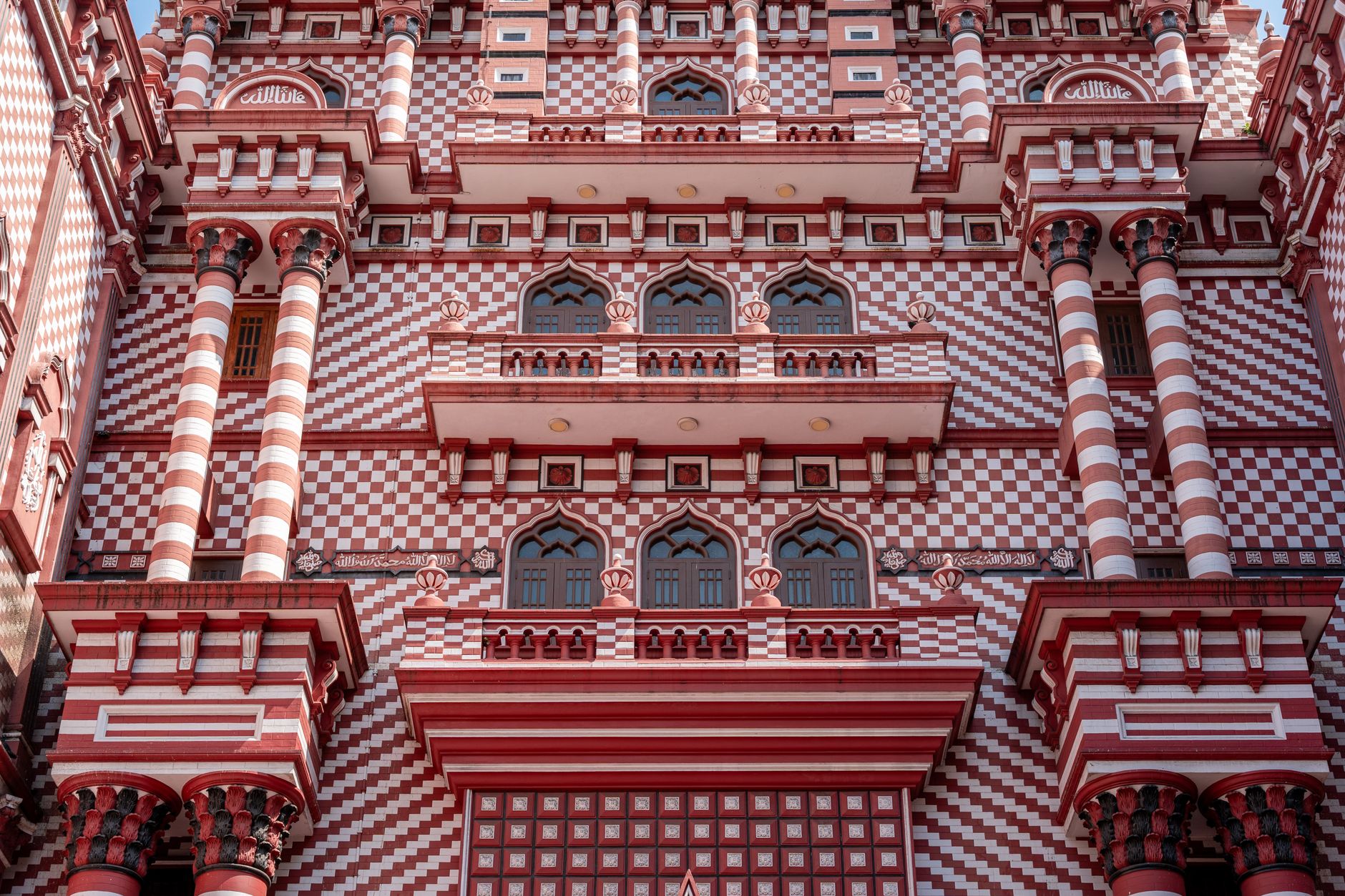
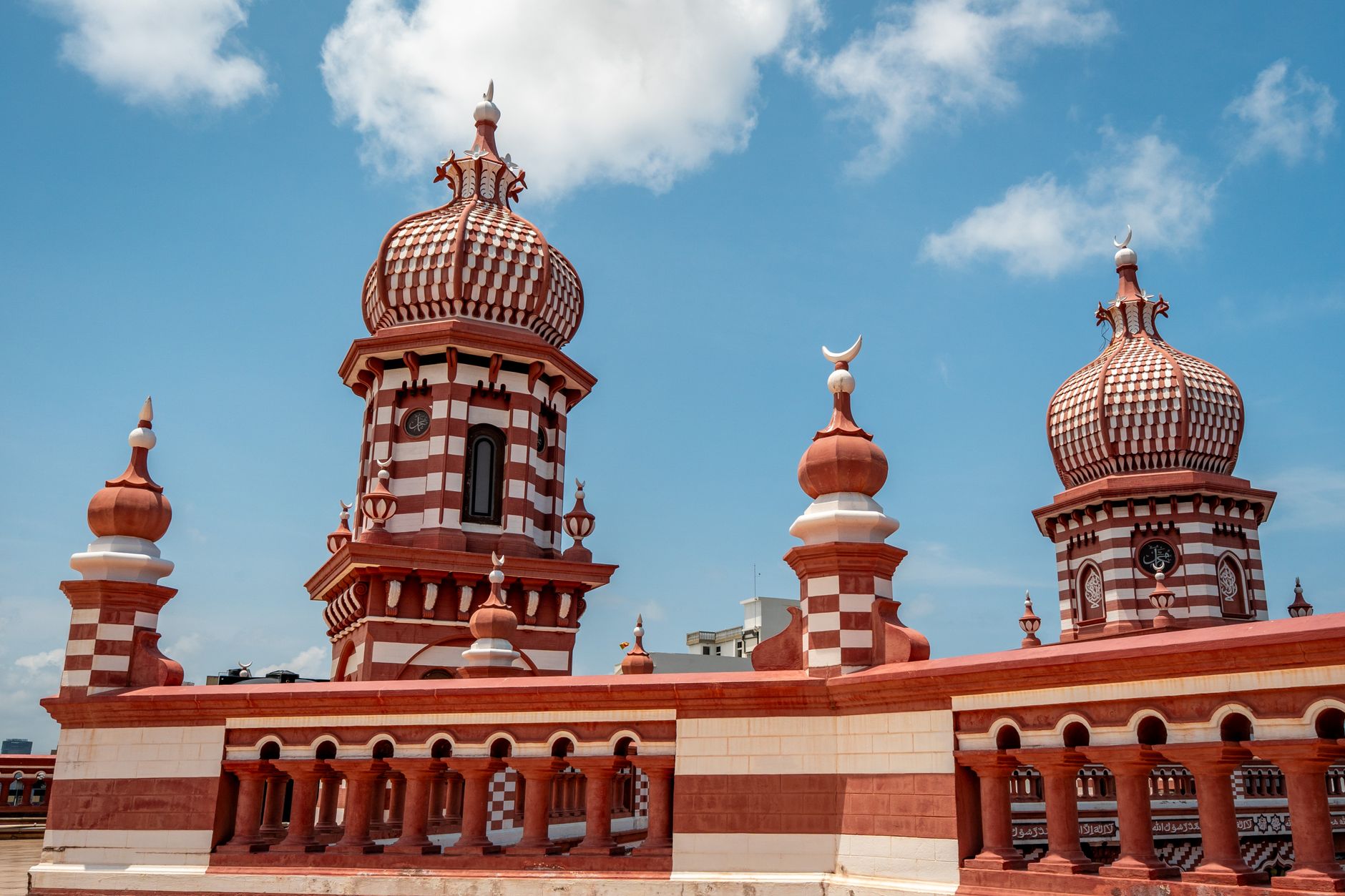
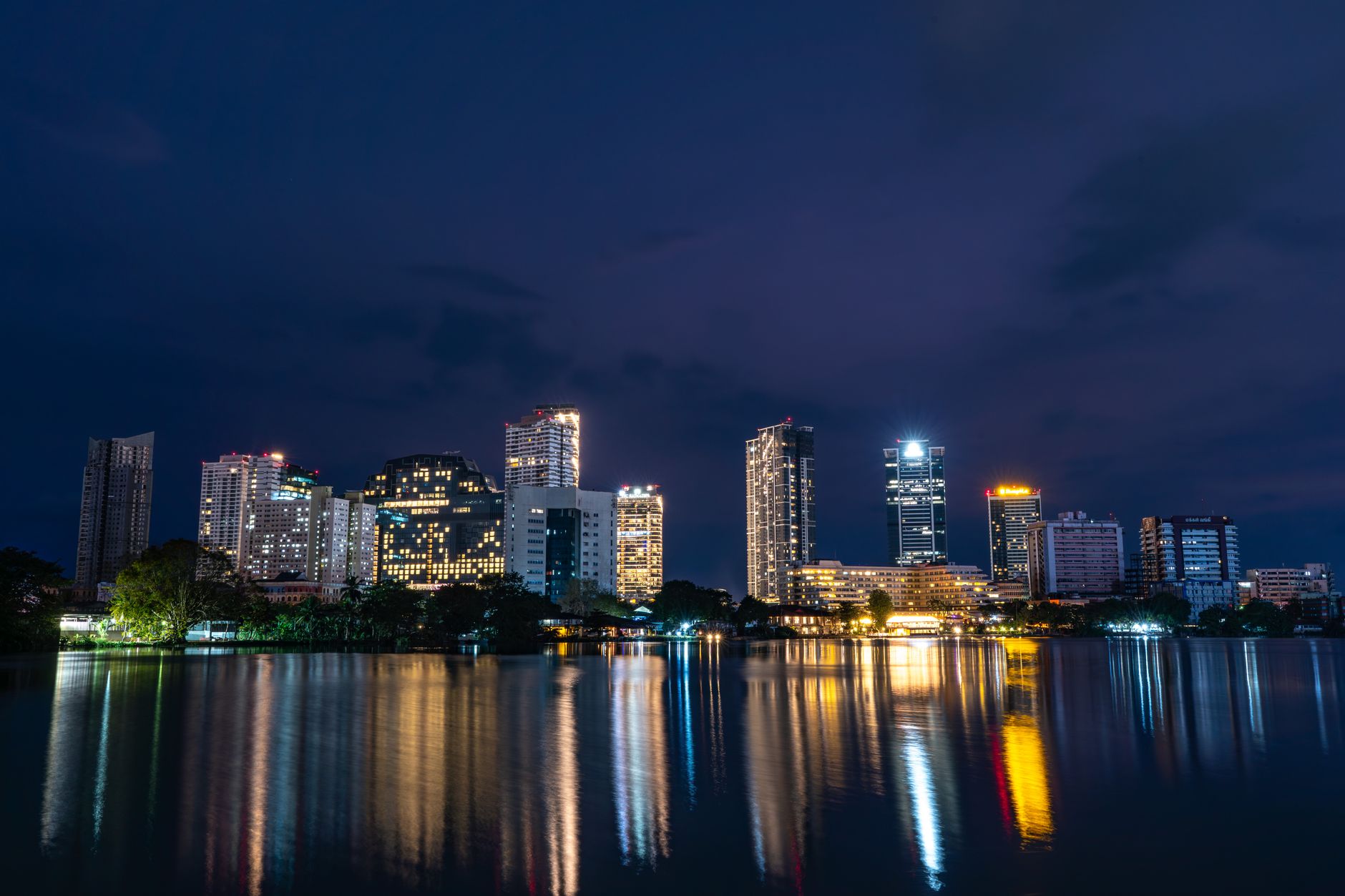
Colombo is a city of astonishing layers, a sensory tapestry woven from threads of colonial history, ancient maritime trade, and rapid twenty-first-century modernization. As Sri Lanka’s commercial capital and beating heart, it stretches along the western coast, bordered by the azure expanse of the Indian Ocean and the tranquil waters of the Beira Lake. Its historical footprint is a mosaic of Portuguese, Dutch, and British influences, most visibly preserved in the architectural palimpsest of the Fort district and the charming, winding alleyways of Pettah. Here, grand Victorian-era edifices stand in striking juxtaposition against gleaming glass-fronted skyscrapers and bustling Buddhist temples.

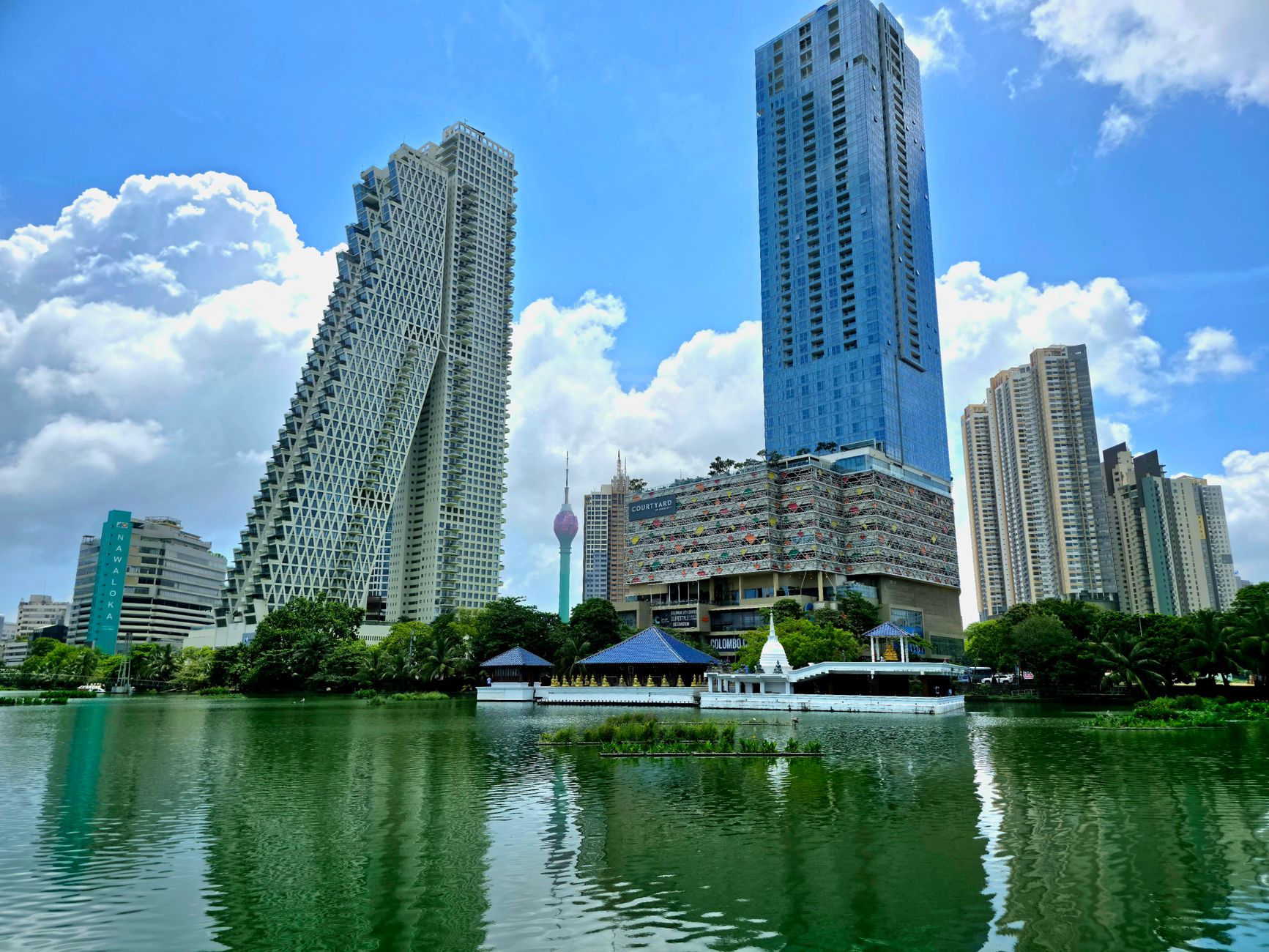
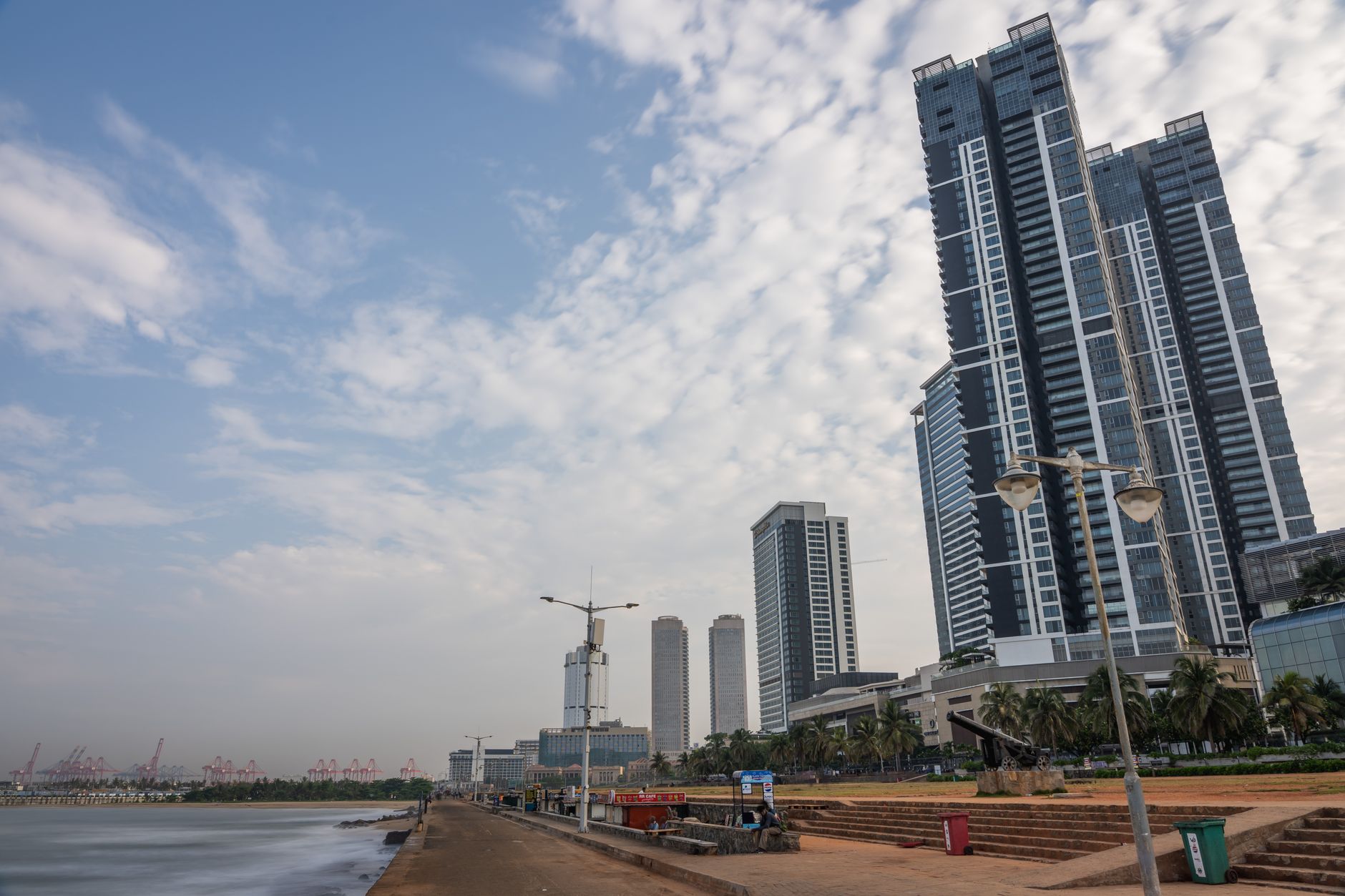
Beneath its chaotic, vibrant surface, Colombo is a city undergoing a dynamic renaissance. The reclamation of land via the futuristic Port City project has added a sleek skyline to the horizon, yet the soul of the city remains rooted in its traditions. The aroma of roasted curry powders, cardamom, and sea salt drifts through humid air thick with the hum of trishaws and the chatter of vendors. It is a metropolis of contrasts: serene pockets of lotus-filled ponds exist mere minutes away from frenetic markets overflowing with textiles, spices, and glittering gold.

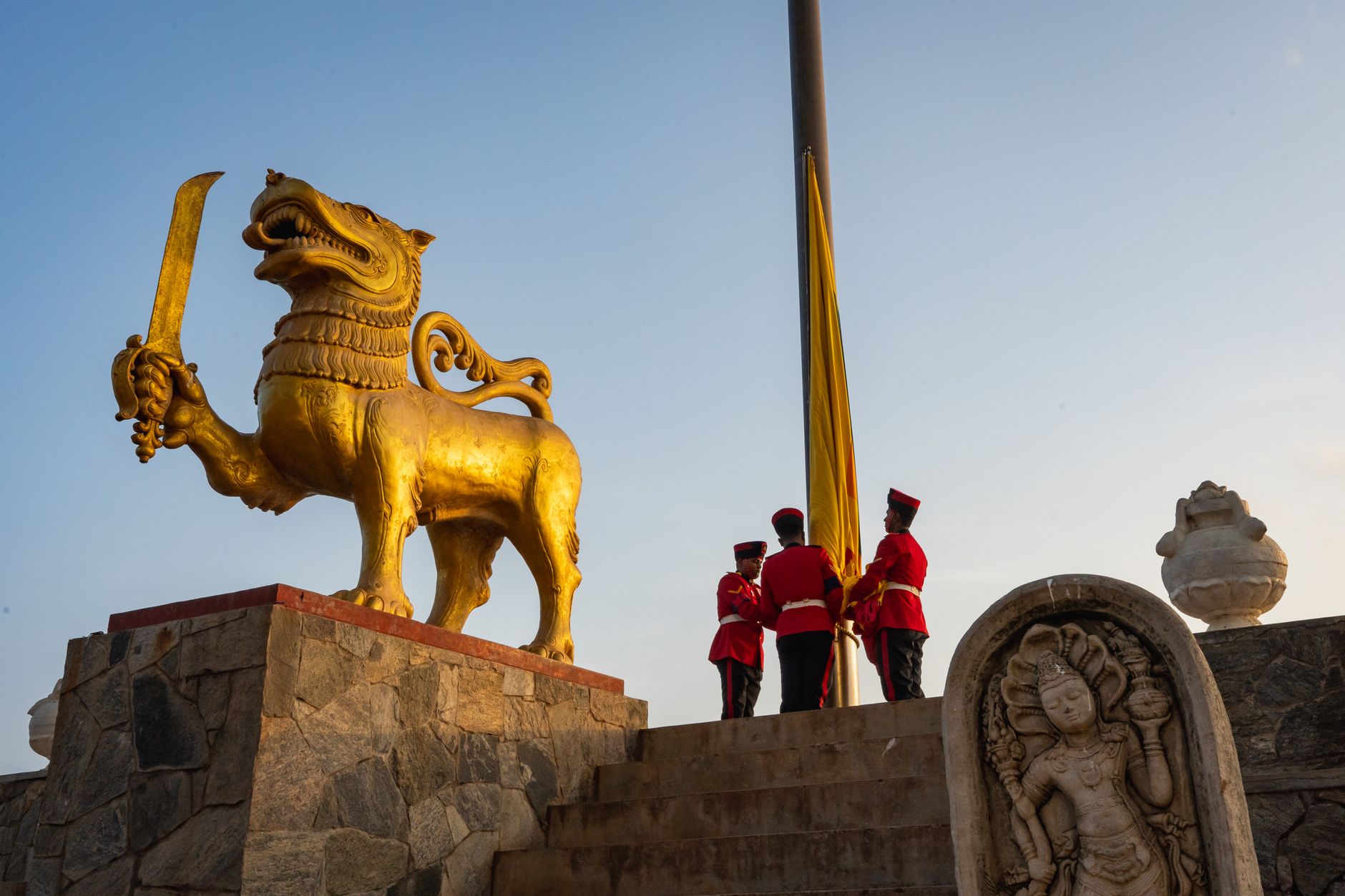
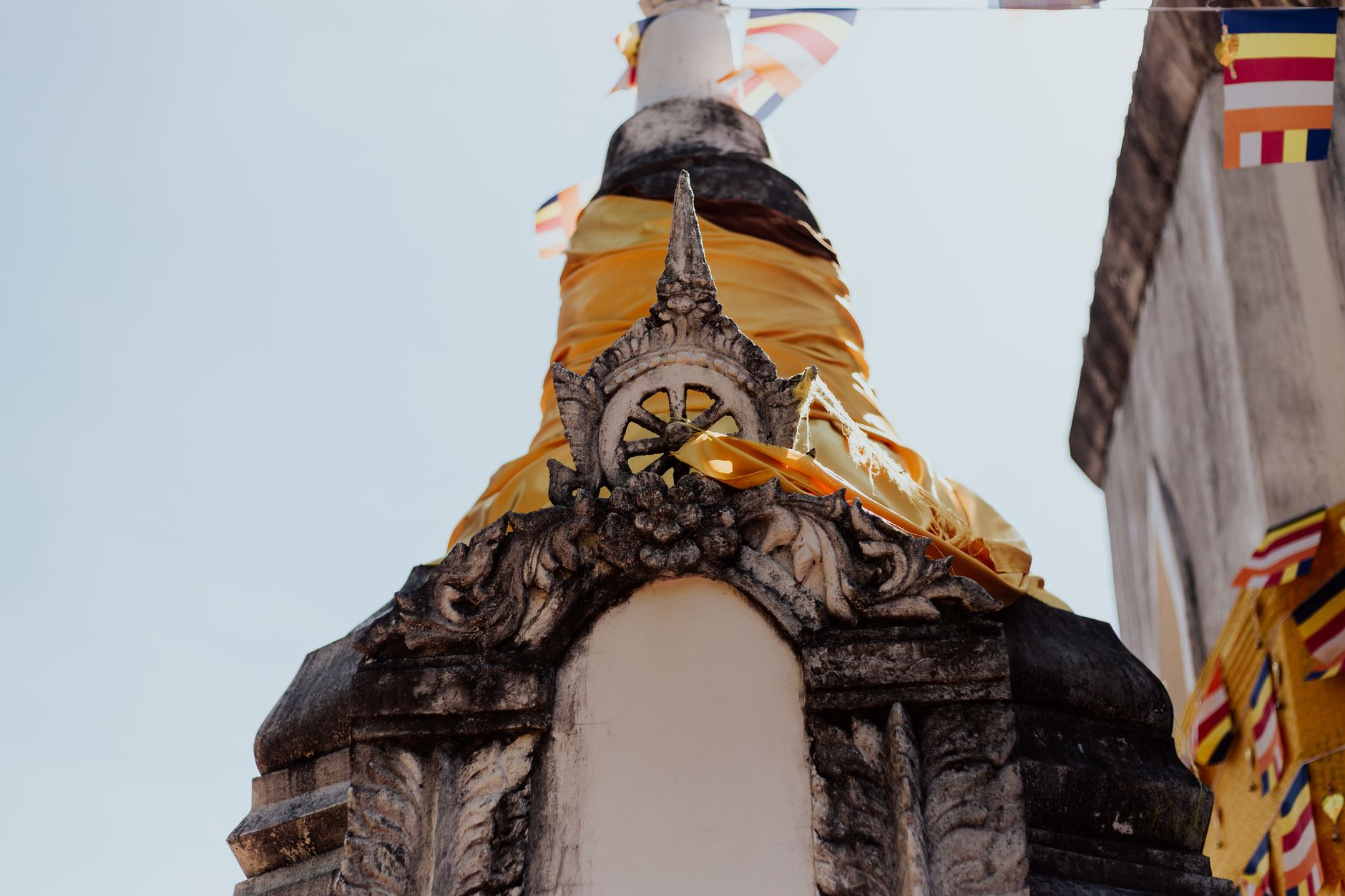
Culturally, Colombo is an eclectic melting pot where Sinhalese, Tamil, Muslim, Burgher, and expatriate communities converge, creating a rich tapestry of festivals, culinary traditions, and artistic expression. Temples like Gangaramaya share the urban space with colonial-era churches and ornate Hindu kovils, reflecting a deeply ingrained religious harmony. The city acts as the ultimate gateway to the island nation, yet savvy travelers quickly realize that Colombo is not merely a transit point to be rushed through, but a destination demanding slow exploration, late-night street food feasts, and leisurely sunset strolls along the Galle Face Green.

Geographically, Colombo is defined by its flat coastal terrain, tropical climate, and intricate network of canals and waterways. The Indian Ocean exerts a powerful moderating influence on the city's atmosphere, bringing cooling sea breezes that temper the equatorial heat, especially along the iconic seaside promenades. Life here spills outdoors, from the chaotic energy of the Pettah bazaar to the manicured lawns of Independence Square and the bohemian art galleries nestled within quiet residential lanes. It is a city that invites you to abandon rigid itineraries, embrace the tropical humidity, and surrender to the warmth and resilience of its people.

Visual Impressions & Moments
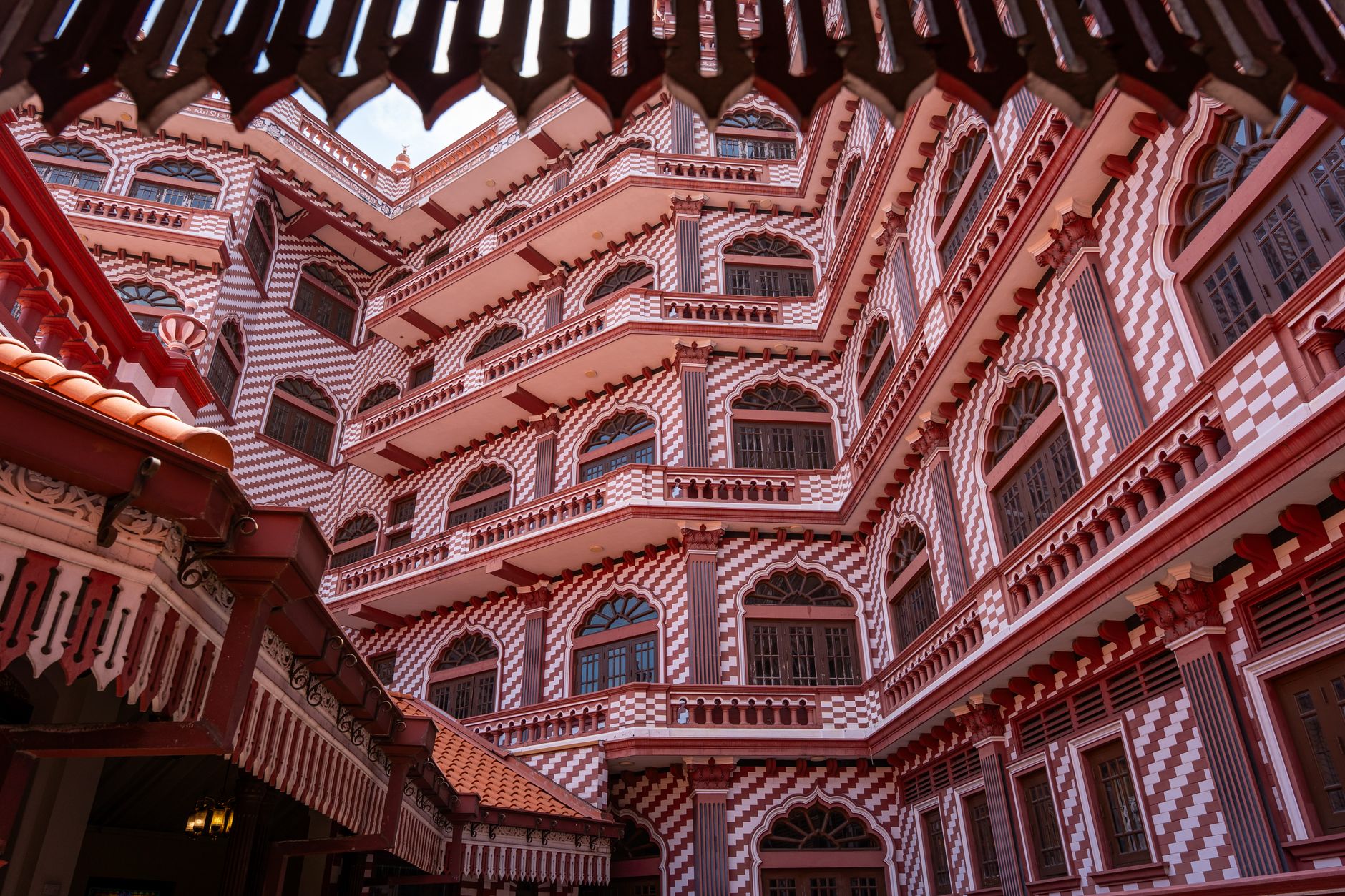
Colombo photo 1
Colombo photo 2
Colombo photo 3
Colombo photo 4
Colombo photo 5
Colombo photo 6
Unmissable Moments

Top Things to Do in Colombo

Must-Do

Feast on Street Food at Galle Face Green at Sunset

As the sun dips below the Indian Ocean horizon, head to the grassy expanse of Galle Face Green to join families flying kites and couples strolling in the sea breeze. Sample iconic local street eats from makeshift carts lining the promenade, including kottu roti, isso wade (spicy prawn fritters), and freshly cut king coconut water. Insider tip: Arrive around 5:15 PM to secure a prime ocean-facing spot and watch the sky ignite in brilliant shades of amber and magenta.

Culture

Navigate the Sensory Labyrinth of Pettah Market

Dive deep into Colombo's historic trading hub where entire streets are dedicated to single commodities—from textiles and spices to electronics and brassware. Navigate the chaotic crowds alongside merchants pushing heavily laden wooden carts. Insider tip: Visit early in the morning when the market opens to avoid the midday heat, and hire a local guide if you wish to successfully bargain for high-quality Ceylon cinnamon and tea.

Culture

Explore the Eclectic Treasures of Gangaramaya Temple

Discover one of Colombo's most important Buddhist temples, an expansive complex that blends modern architecture with cultural reverence. It houses an astonishing museum overflowing with gifts from devotees worldwide, ranging from vintage luxury cars and Buddha statues to ancient manuscripts and ivory carvings. Insider tip: Don't miss the temple's serene Seema Malaka meditation center, floating tranquil on the waters of nearby Beira Lake.

Adventure

Cycle Through the Historic Colombo Fort District

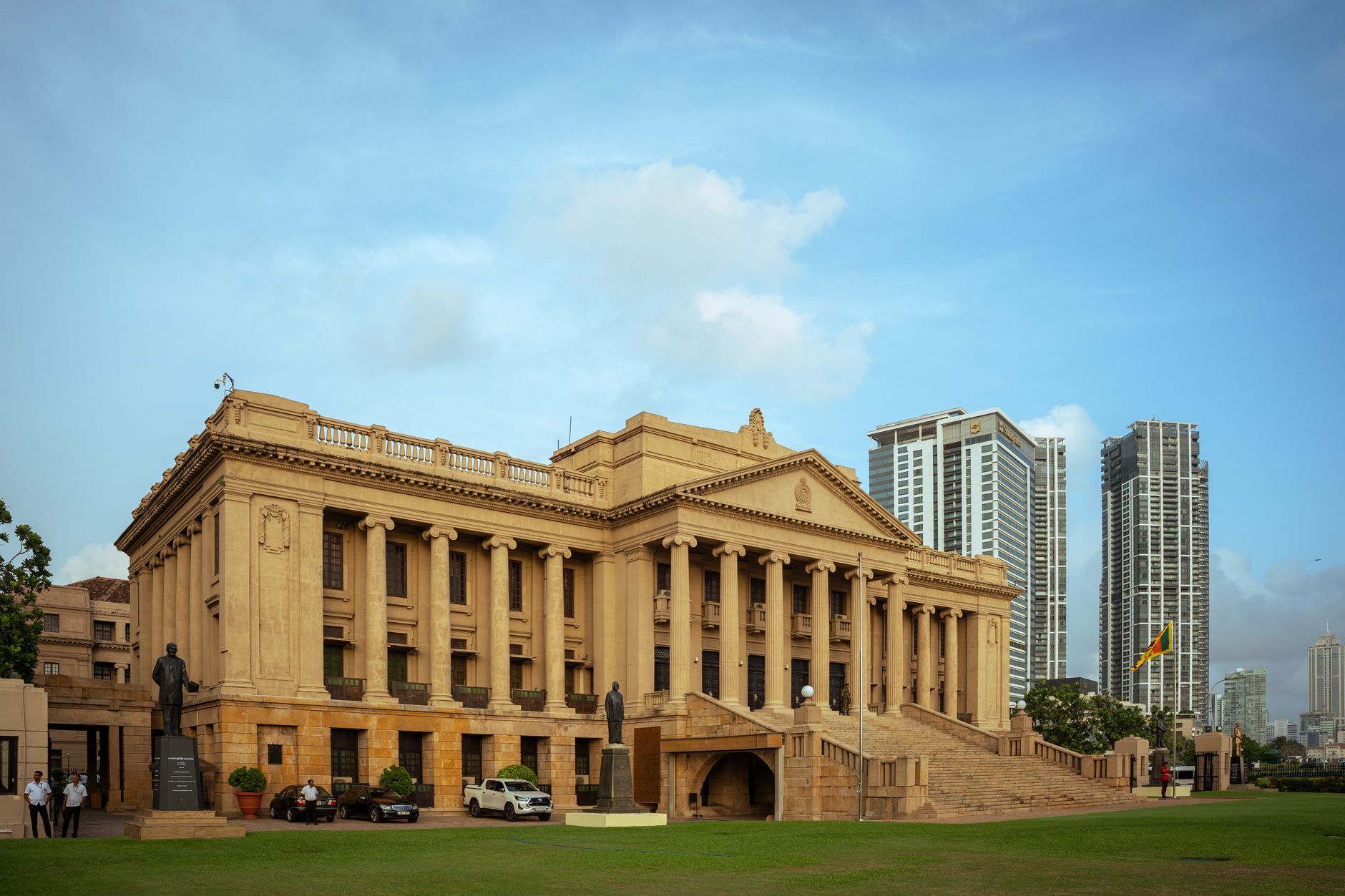
Uncover the city's colonial past by taking a guided bicycle or walking tour through the Fort district, where grand British-era sandstone buildings stand proudly next to modern developments. Marvel at the Old Parliament Building, the Dutch Hospital shopping precinct, and the historic lighthouse clock tower. Insider tip: Stop for a refreshing Ceylon tea at the historic Cargills Building complex to absorb the evocative atmosphere of a bygone era.

Must-See Highlights

Top Places & Things to Do in Colombo

Curated attractions and cultural landmarks with local insider advice.

Gangaramaya Temple
culture
4.7

Gangaramaya Temple

Gangaramaya is one of Colombo's most revered Buddhist institutions, serving not only as a place of worship but also as a learning center, museum, and social benefactor. The sprawling complex showcases an eclectic architectural style incorporating Sri Lankan, Thai, Indian, and Chinese motifs, reflecting the international reach of Buddhist philosophy. The temple's museum is a treasure trove of historical artifacts, containing everything from antique typewriters and Buddha statues carved from precious gems to vintage luxury cars donated by admirers. A short walk across the street leads to the Seema Malaka assembly hall on Beira Lake, designed by renowned architect Geoffrey Bawa, offering an oasis of calm water and gentle breezes.

6:00 AM – 10:00 PM
Admission: LKR 500 (~$1.50)
Insider Tip: Dress modestly with shoulders and knees covered, and remove shoes before entering temple halls.
National Museum of Colombo
culture
4.5

National Museum of Colombo

Established in 1877 during the British colonial period, the National Museum is Sri Lanka's premier cultural institution. Housed within a magnificent Italianate-style mansion surrounded by manicured lawns, the museum houses extensive collections chronicling the island's rich history spanning over two millennia. Highlights include the magnificent throne and regalia of the Kandyan monarchs, exquisite ancient bronzes, stone sculptures, traditional masks, and historical textiles. Walking through its grand exhibition halls provides a comprehensive narrative of the country's royal heritage, religious evolution, and artistic achievements.

9:00 AM – 5:00 PM (Closed Fridays)
Admission: LKR 1000 (~$3.00)
Insider Tip: Hire an authorized guide at the entrance to fully appreciate the historical context of the royal artifacts.
Galle Face Green
nature
4.6

Galle Face Green

Galle Face Green is a half-kilometer oceanfront urban park stretching along the coast of the Indian Ocean, originally laid out by the British in 1859 as a horse racing track and military parade ground. Today, it serves as the ultimate community living room for Colombo's residents, buzzing with activity every afternoon and evening. The promenade is famous for its vibrant atmosphere, where children fly colorful kites, lovers walk hand-in-hand against ocean breezes, and vendors sell spicy street food from glowing carts. It remains the quintessential spot to witness the majestic sunset over the Indian Ocean while soaking in the local rhythm of life.

Open 24/7
Admission: Free
Insider Tip: Visit around 5:00 PM to enjoy the best street food snacks and catch the golden hour photography light.
Old Dutch Hospital
attraction
4.6

Old Dutch Hospital

The Dutch Hospital is considered the oldest building in the Colombo Fort district, dating back to the Dutch colonial era of the 17th century. Originally constructed close to the harbor to house hospital facilities for VOC (Dutch East India Company) staff and sailors, it has been meticulously restored into a stylish lifestyle precinct. Today, the colonial courtyard complex features high-vaulted ceilings, thick coral stone walls, and timber beams housing upscale restaurants, boutique shops, and cafes. It is a premier dining destination in Colombo, offering everything from world-famous crab dishes to artisanal gelato within a historic atmospheric setting.

10:00 AM – 11:00 PM
Admission: $$
Insider Tip: Make advance reservations if you plan to dine at the renowned Ministry of Crab located within the complex.
Area Guide

Where to Stay & Best Neighborhoods

Fort & Pettah

Best for: History buffs, architecture enthusiasts, and culture seekers.

Vibe: Colonial grandiosity meets frenetic, chaotic market energy.

Fort and Pettah form the historical and commercial core of Colombo, sitting side-by-side yet offering contrasting experiences. Fort showcases majestic British and Dutch colonial architecture repurposed into chic boutiques, cafes, and government offices. Step across the main road into Pettah, and you are immediately immersed in a labyrinth of bustling bazaar streets where senses are flooded with vibrant colors, the scents of exotic spices, and the unrelenting rhythm of local commerce.

Cinnamon Gardens (Colombo 7)

Best for: Museum lovers, luxury travelers, and tranquil garden walks.

Vibe: Leafy, affluent residential enclave lined with majestic shade trees and mansions.

Named after the sprawling cinnamon plantations that once occupied the area during the British colonial era, Cinnamon Gardens is Colombo's most prestigious neighborhood. Shaded by magnificent tropical trees, this quiet district is home to embassy residences, upscale cafes, the National Museum, and the sprawling expanse of Viharamahadevi Park. It offers a sophisticated, green retreat from the bustling chaos of the city center.

Mount Lavinia & Coastal Strip

Best for: Sunset watchers, seafood lovers, and coastal relaxation.

Vibe: Relaxed beachside atmosphere with golden sands and historic seaside hotels.

Stretching south of the central city, the coastal neighborhoods leading to Mount Lavinia offer a distinctly breezy, resort-like atmosphere. Dominated by the legendary Mount Lavinia Hotel—once the residence of a British governor—this area features bustling beach shacks, seafood barbecue restaurants, and locals enjoying evening cricket matches on the sand. It provides a classic tropical escape without straying far from the urban core.

Food & Drink Scene

What to Eat in Colombo

Lamprais

A quintessential Dutch-Burgher legacy dish consisting of spiced meat (usually a combination of beef, pork, and lamb), flamed rice cooked in rich stock, frikkadels (meatballs), eggplant moju, and blachan, all wrapped tightly in a banana leaf and baked to aromatic perfection.

šŸ“ Top spot: The Old Dutch Hospital precinct or local heritage cafes like Palmyrah.

Kottu Roti

Sri Lanka's ultimate street food symphony. Roti flatbread is chopped and diced on a hot iron griddle using heavy metal blades alongside vegetables, eggs, and your choice of meat, accompanied by a cacophony of rhythmic clanging that echoes through night markets.

šŸ“ Top spot: Hotel De Pilaw's or street stalls lining Galle Face Green.

Pol Sambol & Hoppers

A breakfast or dinner institution. Crispy, bowl-shaped fermented rice flour hoppers (appas) served plain or with an egg, accompanied by fiery pol sambol—a vibrant relish made of freshly grated coconut, red onions, dried chilies, lime, and Maldive fish.

šŸ“ Top spot: Ministry of Crab or local traditional eateries in Kollupitiya.
Excursions

Best Day Trips from Colombo

Negombo Lagoon & Fishing Villages

45 minutes by taxi or highway bus

Escape to the nearby coastal town of Negombo to explore its bustling fish markets, navigate the scenic Dutch-era canals by boat, and relax on golden beaches before enjoying fresh seafood dinners.

Bentota Coastal Sanctuary & Water Sports

1.5 hours by coastal train or expressway

Head south to Bentota for pristine tropical beaches, tranquil river safaris along the Madu Ganga populated by mangrove islets and cinnamon islands, and an array of thrilling water sports.

When to Go

Best Time to Visit & Seasonality

Editor’s Pick: December to March offers the most pleasant weather for exploring Colombo, characterized by lower humidity, minimal rainfall, and abundant sunshine. This dry season aligns with the northeast monsoon, making it ideal for coastal walks and outdoor dining. However, the shoulder months of April and September also offer vibrant cultural festivals and fewer crowds for travelers willing to brave occasional tropical downpours.

Spring Overview

(March to May)
Moderate
Average Temperature & Climate28°C - 32°C (82°F - 90°F)

Hot, humid, with rising temperatures and the onset of inter-monsoonal thunderstorms.

Crowd & Travel ConditionsModerate Tourist Traffic

Fewer lines and better deals.

✨ Seasonal Highlights:Celebrating the Sinhala and Tamil New Year in April with traditional street games and feasts.
Travel Smarter

Practical Travel Essentials

CurrencyLKR (Rs)
LanguageSinhala, Tamil, English
Time ZoneGMT+5:30

Visa & Entry

Most travelers require an Electronic Travel Authorization (ETA) or Electronic Travel Permit (ETA) secured online prior to arrival in Sri Lanka.

Getting Around & Transit

Tuk-tuks (three-wheelers) are ubiquitous and affordable—use ride-hailing apps like PickMe or Uber to ensure fair metered pricing. Local buses and coastal trains are also great for authentic transit.

Daily Budget Expectation

$40 - $100 USD per day covers comfortable mid-range guesthouse stays, delicious local street food and restaurant meals, and local transport.

Safety & Health

Colombo is generally very safe for travelers, though petty theft like pickpocketing can occur in crowded markets like Pettah. Exercise standard urban caution.

Local Etiquette & Customs

Dress modestly when visiting religious sites (shoulders and knees covered). Use your right hand for eating and giving items. Greet locals with a polite 'Ayubowan' with hands pressed together.

Questions & Answers

Frequently Asked Questions about Colombo

Colombo is absolutely worth 1-2 days. It offers an incredible culinary scene, historic architecture, and a vibrant cultural introduction to Sri Lanka that you won't find in smaller towns.