About Copan Ruins
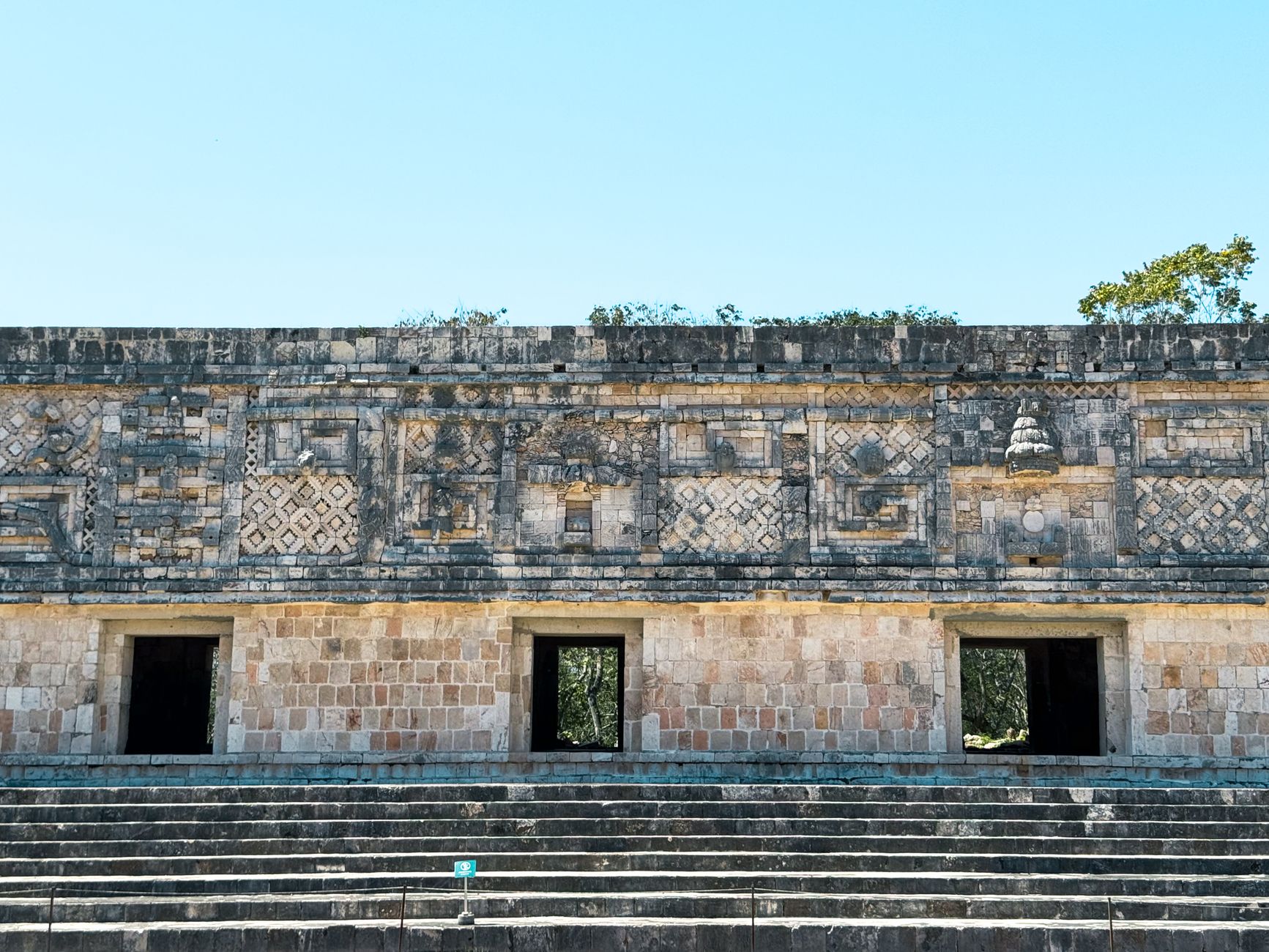
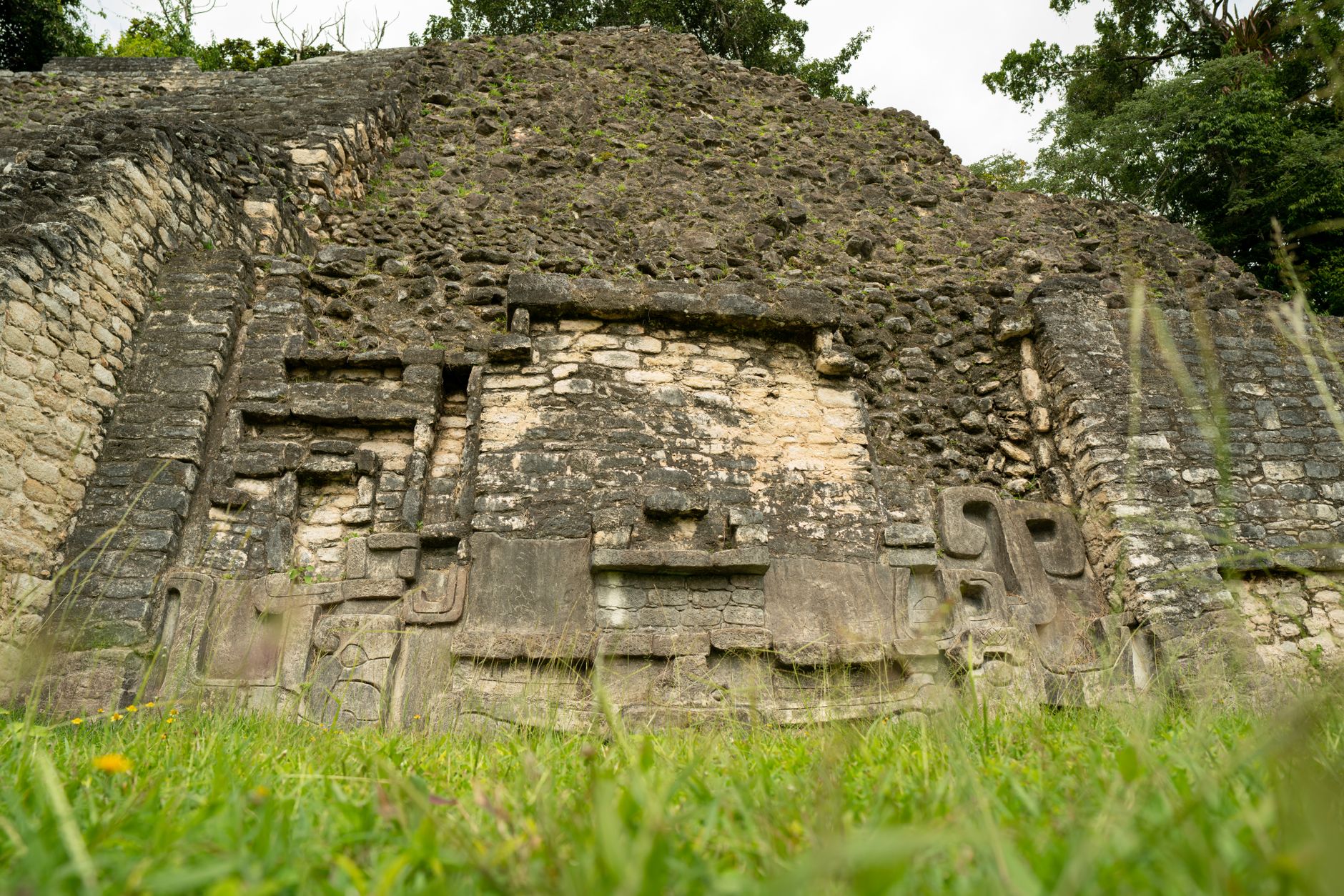
Nestled in a fertile river valley in western Honduras, the ancient Maya city of Copán stands as one of the architectural and artistic masterworks of the pre-Columbian world. Often celebrated as the 'Paris of the Maya world,' Copán is renowned not for its towering height, but for the astonishing intricacy and breathtaking refinement of its sculptural reliefs, stelae, and hieroglyphic stairways. Unlike limestone monuments in drier climates, Copán's unique soft volcanic tuff stone allowed master carvers to execute deep, three-dimensional portraits that chronicle the glorious rise and tragic fall of an ambitious dynastic lineage.
Beyond the primary archaeological site, the modern town of Copán Ruinas exudes a vibrant, laid-back colonial charm. Cobbled streets lined with red-tiled roofs, whitewashed adobe walls, and bougainvillea-draped courtyards create an immersive atmosphere where modern Lenca culture harmonizes effortlessly with ancient Maya heritage. The air is perpetually fragrant with the scent of shade-grown Honduran coffee and wood smoke, welcoming travelers from across the globe who come to wander through lush pine forests, soak in nearby natural hot springs, and listen to the echoing calls of wild scarlet macaws soaring overhead.
Geographically isolated by rugged mountain ranges, Copán remained relatively protected from the mass tourism booms experienced by other Mesoamerican sites, preserving an intimate and contemplative intimacy. The local community fiercely protects its ecological and cultural treasures, operating farm-to-table cooperatives, bird sanctuaries, and sustainable adventure tourism initiatives. Life here unfolds at a measured, unhurried pace, inviting visitors to sit in the shady central plaza, sip locally roasted bourbon-barrel-aged coffee, and contemplate the deep echoes of antiquity.
Culturally, Copán is a crucible of Mesoamerican legacy and warm Central American hospitality. The descendants of the ancient Maya and surrounding indigenous groups maintain a living heritage reflected in vibrant textile weaving, traditional cuisine, and community festivals. Whether you are descending into the dimly lit, subterranean archaeological tunnels—such as the Rosalila tunnel, which preserves an intact stucco temple like a time capsule—or marveling at the astronomical precision embedded in the Great Plaza, Copán offers an intellectual and aesthetic journey unlike any other on Earth.
Visual Impressions & Moments