About Corfu
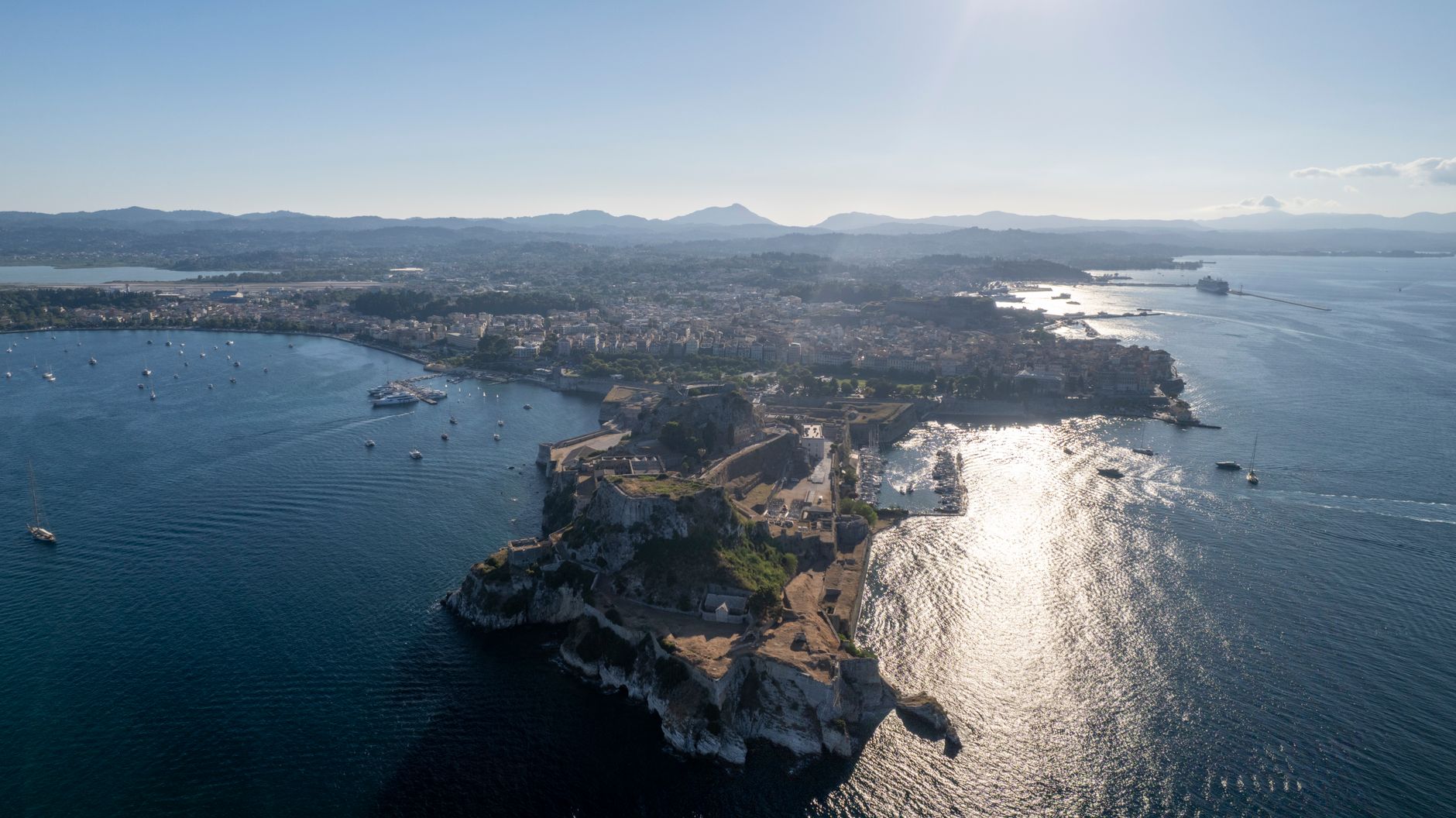
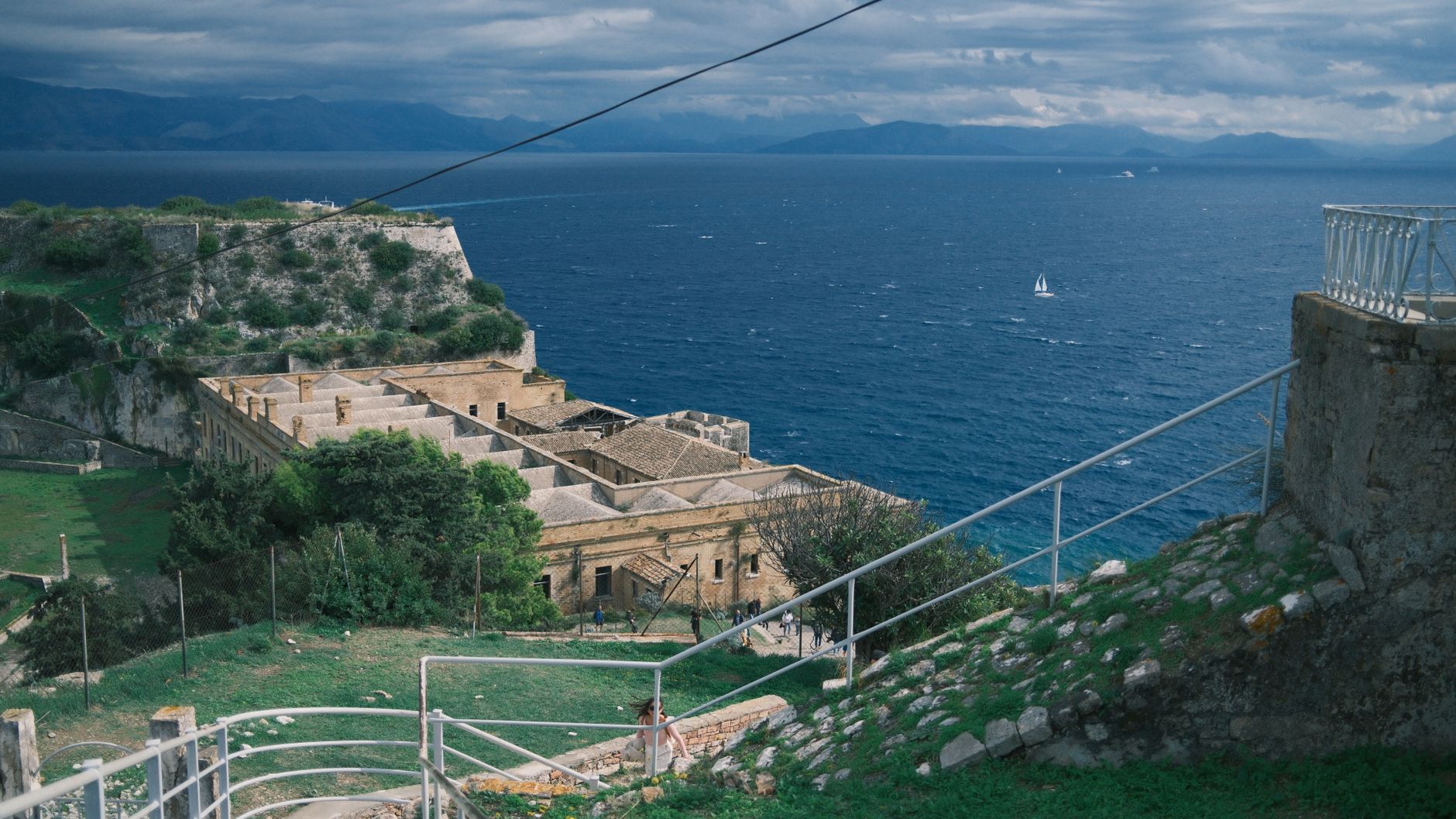
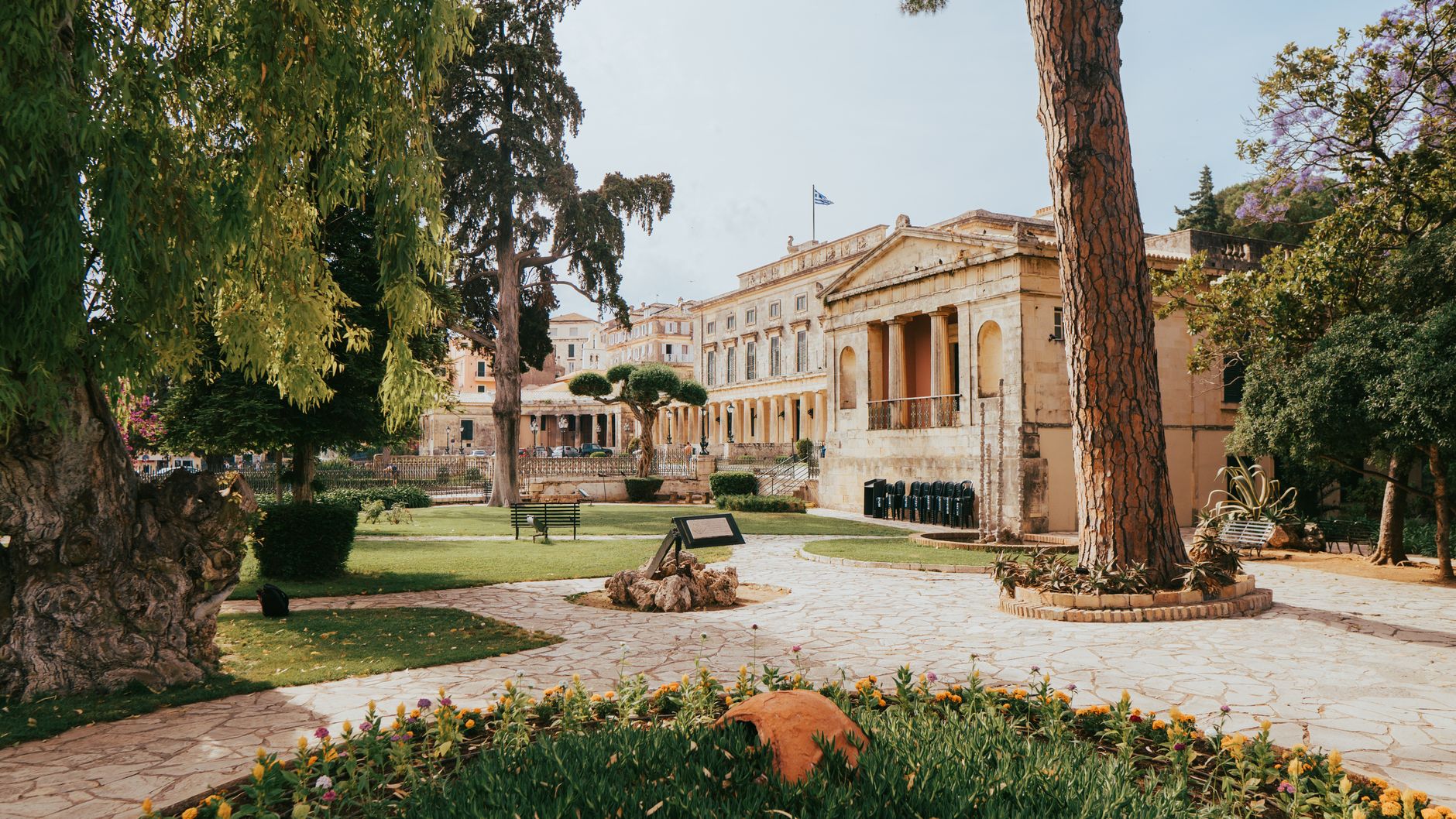
Corfu (locally known as Kerkyra) rises from the turquoise waters of the Ionian Sea like a rugged emerald, its landscape draped in millions of ancient olive trees, towering cypress groves, and fragrant wild lemon orchards. Historically positioned as the gateway between Greece and Western Europe, the island has been successively conquered by Venetians, French, and British, leaving behind an architectural tapestry that defies the traditional whitewashed cycladic stereotype.
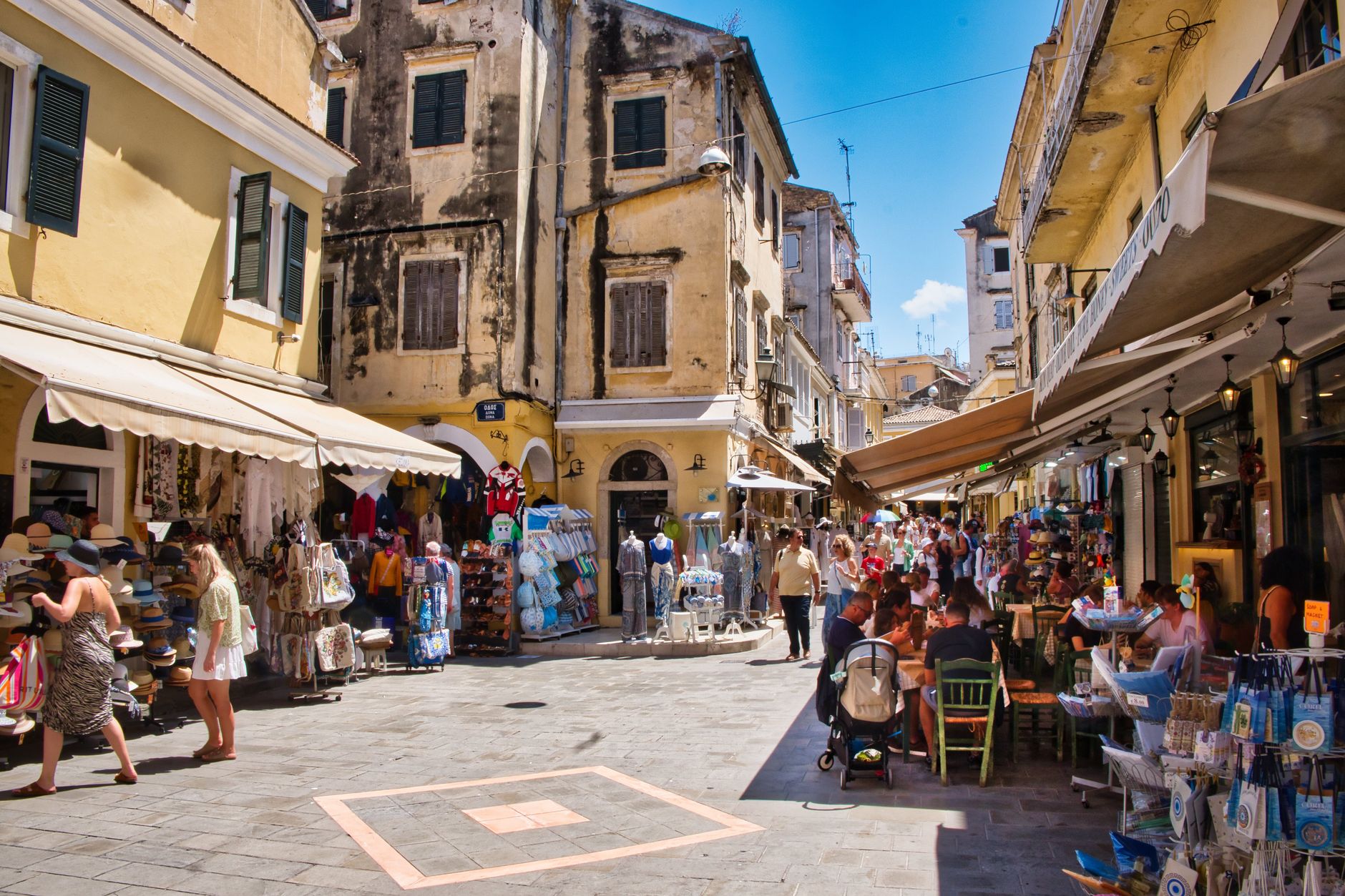
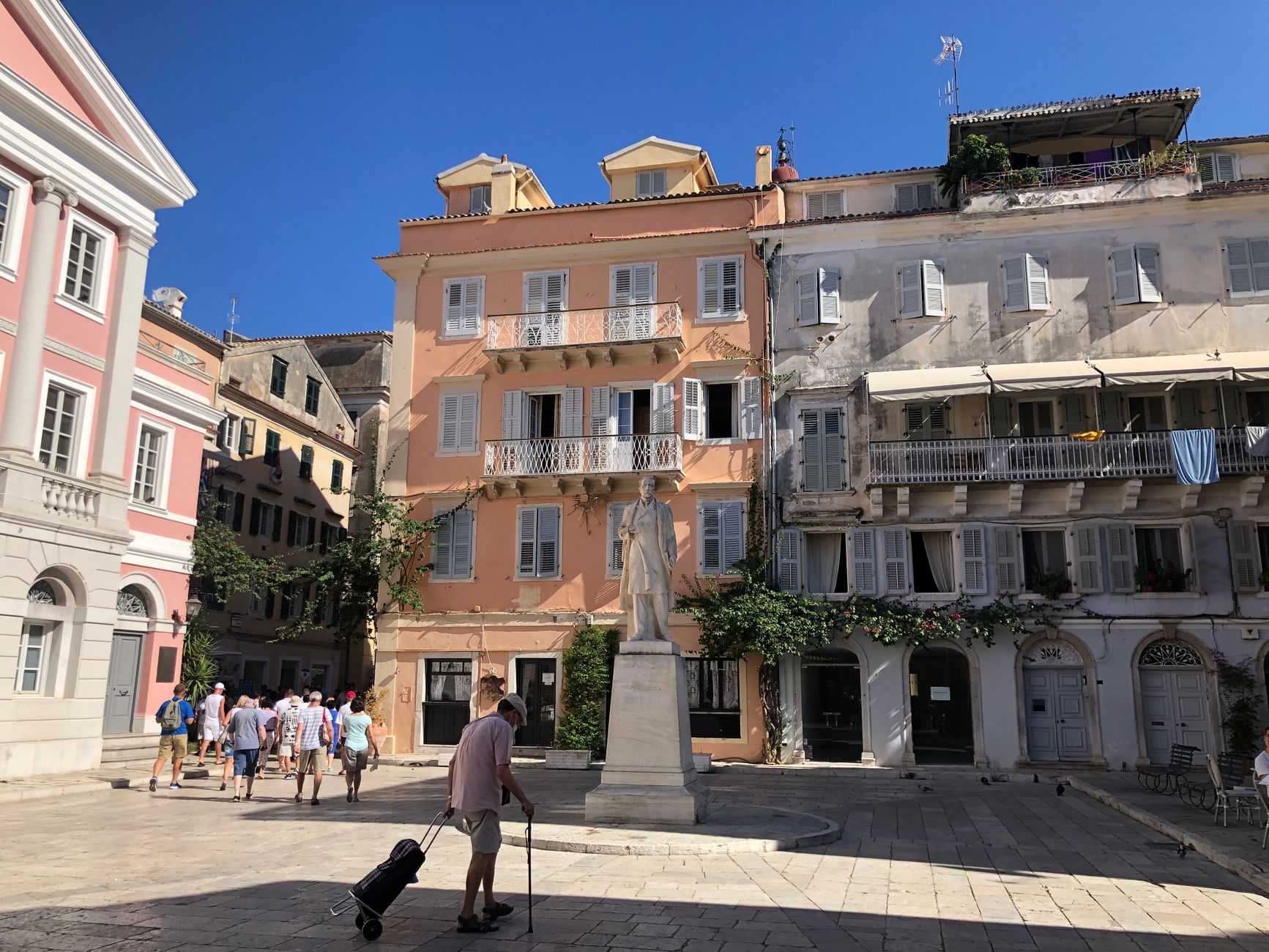
The soul of the island is deeply tied to its vibrant cultural heritage, celebrated through its famous philharmonic orchestras, colorful springtime festivals, and a distinct musicality that echoes through the narrow, cobbled alleys. The Old Town of Corfu, a UNESCO World Heritage site, is a labyrinth of pastel-hued Venetian townhouses, lofty laundry lines fluttering between iron-railed balconies, and sun-drenched squares where locals gather under cascading bougainvillea to sip freddo espresso.
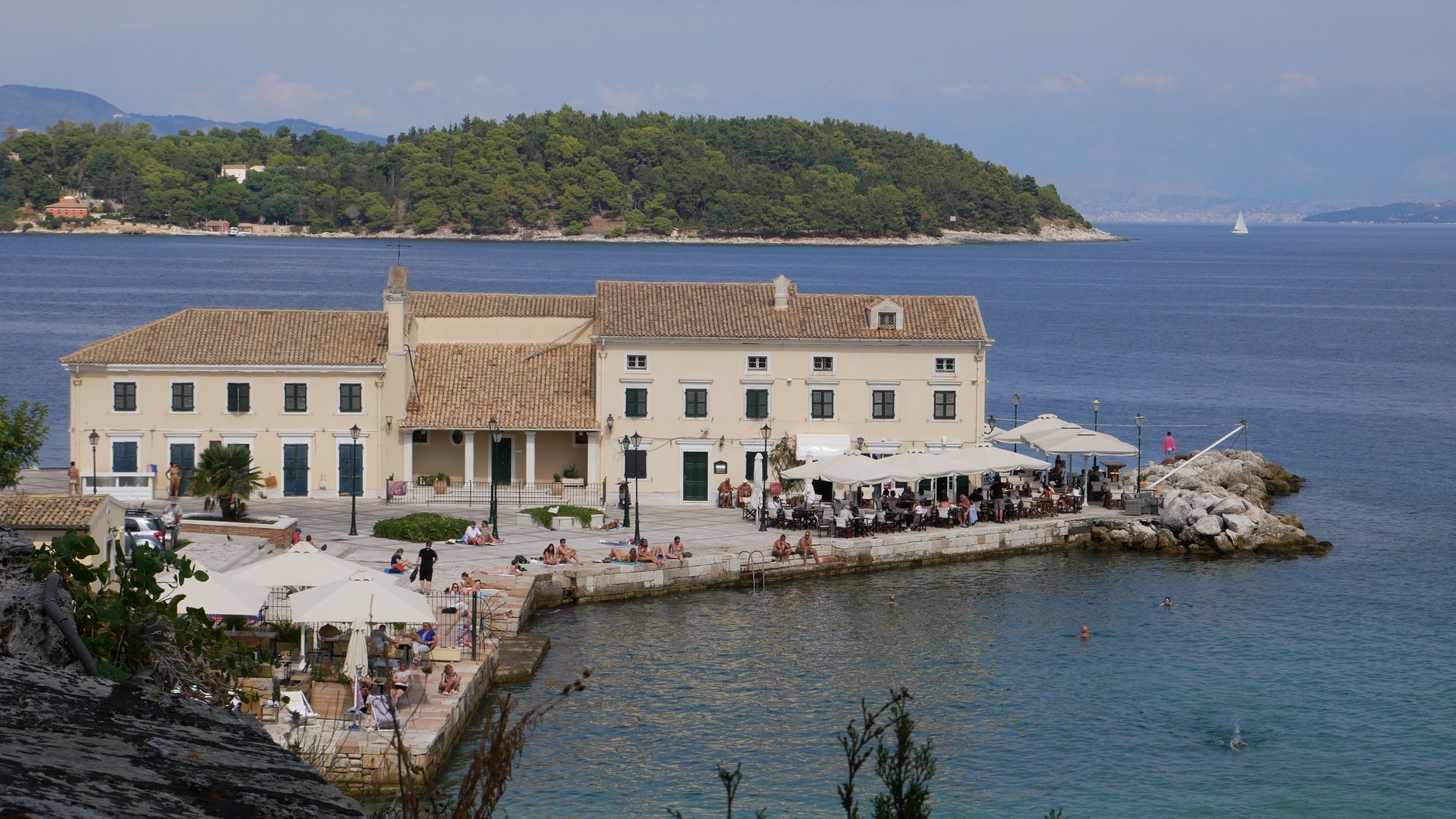
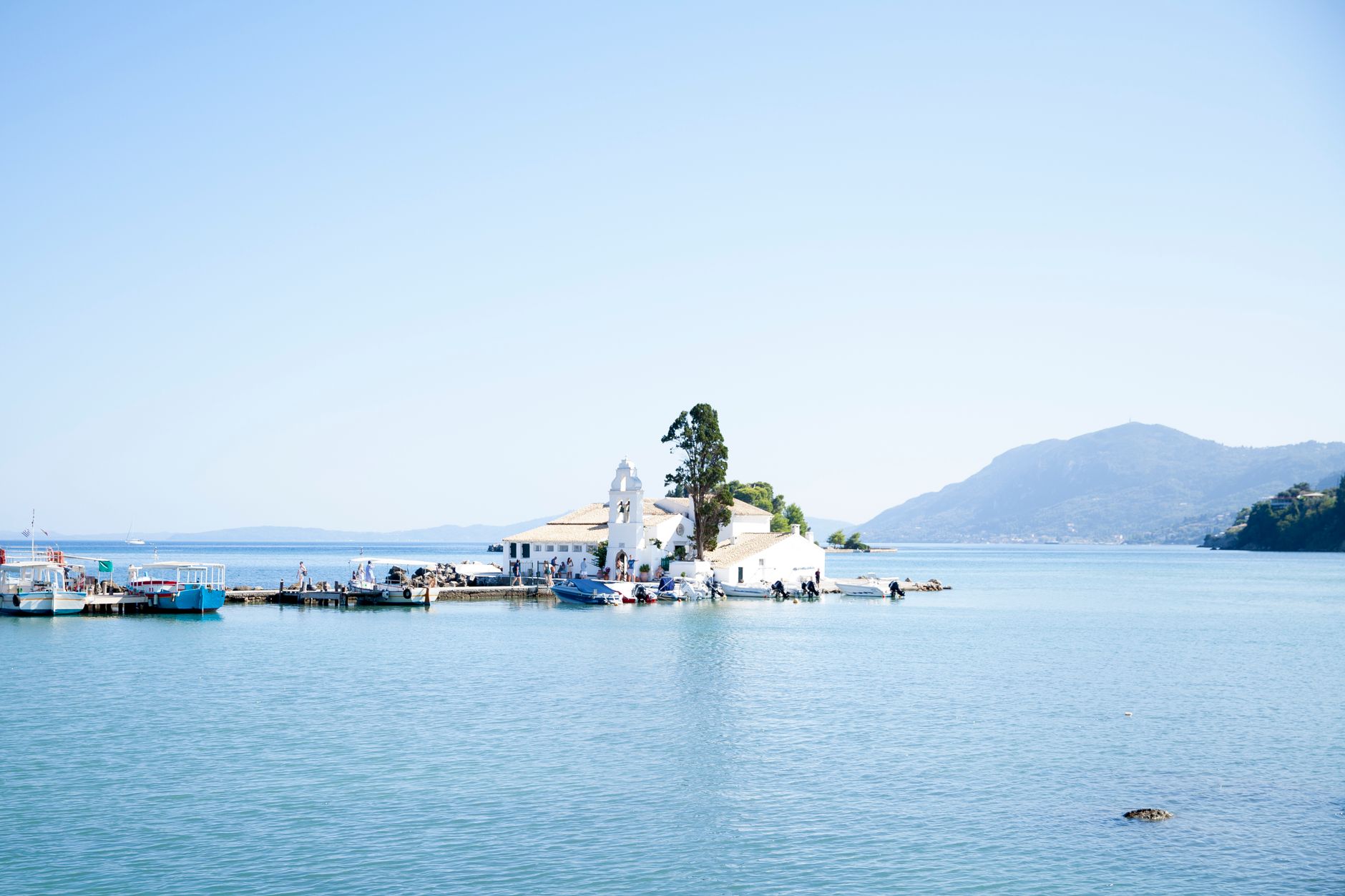
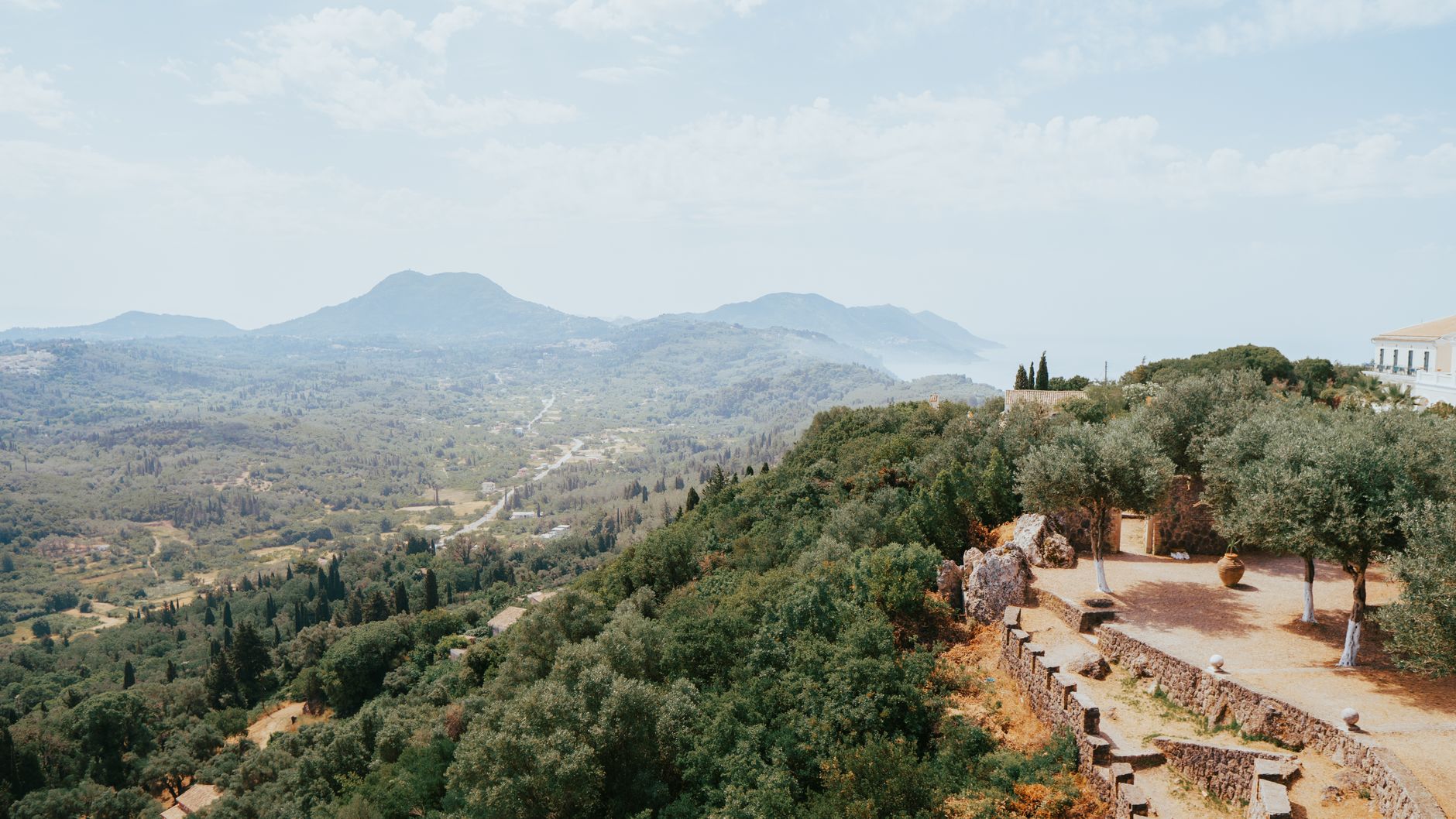
Geographically, Corfu offers a remarkable diversity of microclimates and landscapes, ranging from the dramatic chalk-white cliffs and hidden sea caves of the northwest coast to the rolling, fertile valleys of the central plains and the brooding, mythic peak of Mount Pantokrator in the north. Coastal fishing villages maintain their slow, unhurried rhythm despite the arrival of modern travelers, while secluded sandy coves and pebble bays invite quiet contemplation away from the bustling tourist hubs.
Local life on the island moves to a graceful Mediterranean cadence, deeply appreciative of good food, unpretentious hospitality, and storytelling under the shade of plane trees. From the bustling morning fish markets in the Old Town to the sleepy mountaintop hamlets where grandmothers still bake traditional bourdeto over wood fires, Corfu remains an enchanting masterclass in cross-cultural harmony and enduring island spirit.
Visual Impressions & Moments