🌟 Best in Travel 2026 is here!
Costa Brava
regionEurope
4.92 / 5.0

Costa Brava

Rugged cliffs, azure Mediterranean waters, and timeless Catalan artistic heritage.

Editorial Guide

About Costa Brava

Stretching from the French border down to Blanes, the Costa Brava—meaning the 'Wild Coast'—is a dramatic collision of jagged, pine-topped cliffs and crystalline, sapphire-hued Mediterranean waters. Historically a refuge for rugged fishermen, smugglers, and defiant artists alike, this Catalan coastline harbors an intense, untamed beauty that stands in stark contrast to Spain’s more heavily developed southern shores. From secluded pebble coves accessible only by winding coastal footpaths known as the camins de ronda to sweeping medieval villages perched on inland hills, the region breathes an ancient, deeply rooted identity defined by distinct Catalan traditions, maritime lore, and a relentless passion for excellence.

Culturally, the Costa Brava is an open-air museum and a sanctuary of surrealism, forever intertwined with the eccentric genius of Salvador Dalí. Across the 'Dalinian Triangle'—encompassing Figueres, Púbol, and Portlligat—travelers encounter a landscape that directly inspired his dreamscapes, where giant eggs, stuffed swans, and glittering sea reflections blur the line between reality and hallucination. Away from the artistic epicenters, time slows down in medieval fortifications like Tossa de Mar and Pals, where cobbled lanes echo with centuries of feudal and maritime history.

Geographically, the terrain shifts dynamically from the towering foothills of the Pyrenees plunging straight into the sea at Cap de Creus to the vast, flat agricultural plains of the Empordà, often dubbed the 'Catalan Tuscany'. This geographic diversity creates microclimates that nurture rich vineyards, olive groves, and wild rosemary-scented hills, providing a dramatic backdrop for leisurely exploration. The interplay between sea spray and mountain breeze defines the raw, invigorating atmosphere that has captivated travelers for generations.

Local life along the Costa Brava is dictated by a rhythm of unhurried appreciation for the good things in life, balancing spirited maritime endeavors with a revered culinary philosophy. Whether joining locals for a morning promenade along the sea wall, debating the precise cooking time of a traditional suquet de peix over a long lunch, or tasting bold Empordà wines at a family-run bodega, visitors are quickly absorbed into the warm, fiercely proud, and welcoming embrace of Catalan coastal culture.

Visual Impressions & Moments
Costa Brava photo 1
Costa Brava photo 2
Costa Brava photo 3
Costa Brava photo 4
Costa Brava photo 5
Costa Brava photo 6
Unmissable Moments

Top Things to Do in Costa Brava

Adventure

Hike the Historic Camins de Ronda Coastal Trails

Trace the ancient footpaths once used by fishermen and anti-smuggling border guards, weaving along dramatic cliffs, hidden coves, and fragrant pine forests. Start early in the morning from Calella de Palafrugell to Llafranc for optimal lighting and undisturbed sea views. Insider tip: Pack sturdy footwear, a light windbreaker, and a swimsuit in your daypack for spontaneous dips in secluded turquoise bays.

Culture

Dive into the Surreal World at the Dalí Theatre-Museum

Immerse yourself in the largest surrealist object in the world, designed by Salvador Dalí himself inside the former municipal theatre of Figueres. Explore his labyrinthine mind through bizarre installations, optical illusions, and his final resting place beneath the geodesic dome. Insider tip: Book the earliest morning time slot online and head straight to the courtyard jewel-room to beat the midday tour bus crowds.

Scenic

Sail the Crystal Waters of the Medes Islands Marine Reserve

Embark on a catamaran or sea-kayaking excursion from l'Estartit to the protected Medes Islands archipelago, a paradise for marine life just off the coast. Snorkel or dive among dense underwater meadows, barracudas, and groupers thriving in protected waters. Insider tip: Choose a small-group sailing charter that includes an onboard Catalan lunch featuring fresh local seafood and Empordà white wine.

Culinary

Feast on Michelin-Starred Catalan Gastronomy

Experience the world-leading culinary revolution born in the Girona province, where legendary avant-garde techniques meet deeply traditional Catalan flavors. Secure a table months in advance at world-renowned establishments or indulge in high-end seafood dining overlooking the Palamós fishing ports. Insider tip: For a more accessible gourmet experience, seek out historic village gastrobars serving modern interpretations of surf-and-turf ('mar i muntanya').

Must-See Highlights

Top Places & Things to Do in Costa Brava

Curated attractions and cultural landmarks with local insider advice.

Cap de Creus Natural Park
nature
4.9

Cap de Creus Natural Park

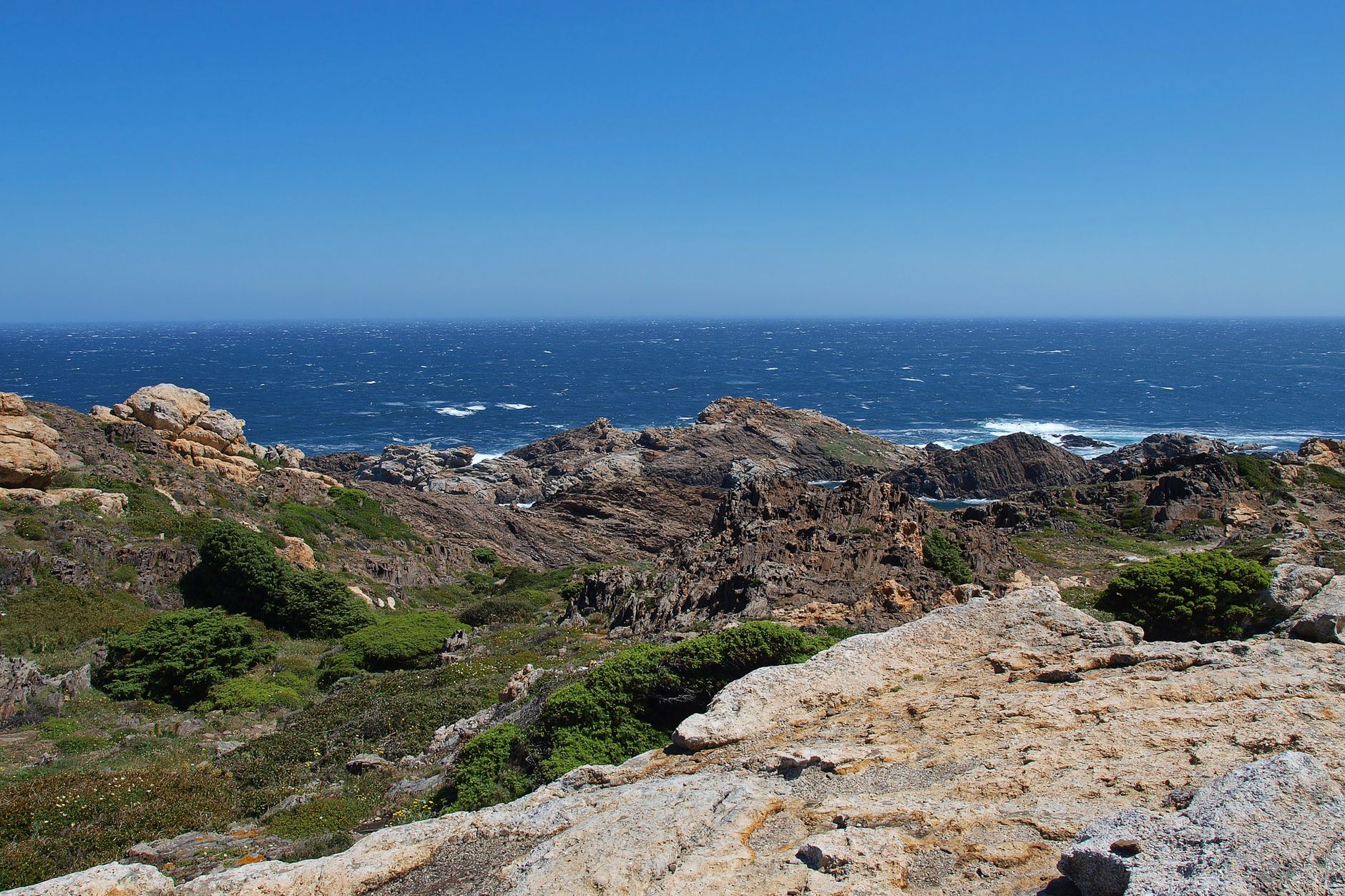
Forming the easternmost point of the Iberian Peninsula, Cap de Creus is a lunar landscape of wind-sculpted schist cliffs, hidden coves, and dramatic geological formations plunging into a roaring sea. The relentless tramontana wind has shaped both the stunted flora and the surreal rock shapes that deeply inspired Salvador Dalí's artistic vision. At the very tip of the headpen stands an isolated historic lighthouse offering panoramic vistas across the Mediterranean toward France. Walking the rugged trails reveals untouched natural beauty, prehistoric dolmens, and a profound sense of isolation and raw power.

Open 24/7
Admission: Free
Insider Tip: Check weather forecasts for wind strength (tramontana) before hiking, and visit at sunset for unforgettable lighting over the jagged peninsulas.
Dalí Theatre-Museum
culture
4.8

Dalí Theatre-Museum

Conceived and created by Salvador Dalí himself, this museum is housed in the charred shell of the former municipal theatre where the artist held his first public exhibition. Crowned by a striking geodesic glass dome, the museum is itself his largest surrealist creation, housing thousands of works spanning his entire artistic evolution. Inside, visitors encounter mind-boggling installations such as the Mae West room, optical illusions, Cadillac sculptures, and priceless surrealist paintings. The experience is theatrical, provocative, and entirely immersive into the eccentric genius of 20th-century art.

9:00 AM – 6:00 PM (Hours vary seasonally)
Admission: €16
Insider Tip: Pre-purchase your tickets weeks in advance online; afternoon tickets often have slightly smaller crowds than early mornings.
Tossa de Mar Old Town (Vila Vella)
attraction
4.7

Tossa de Mar Old Town (Vila Vella)

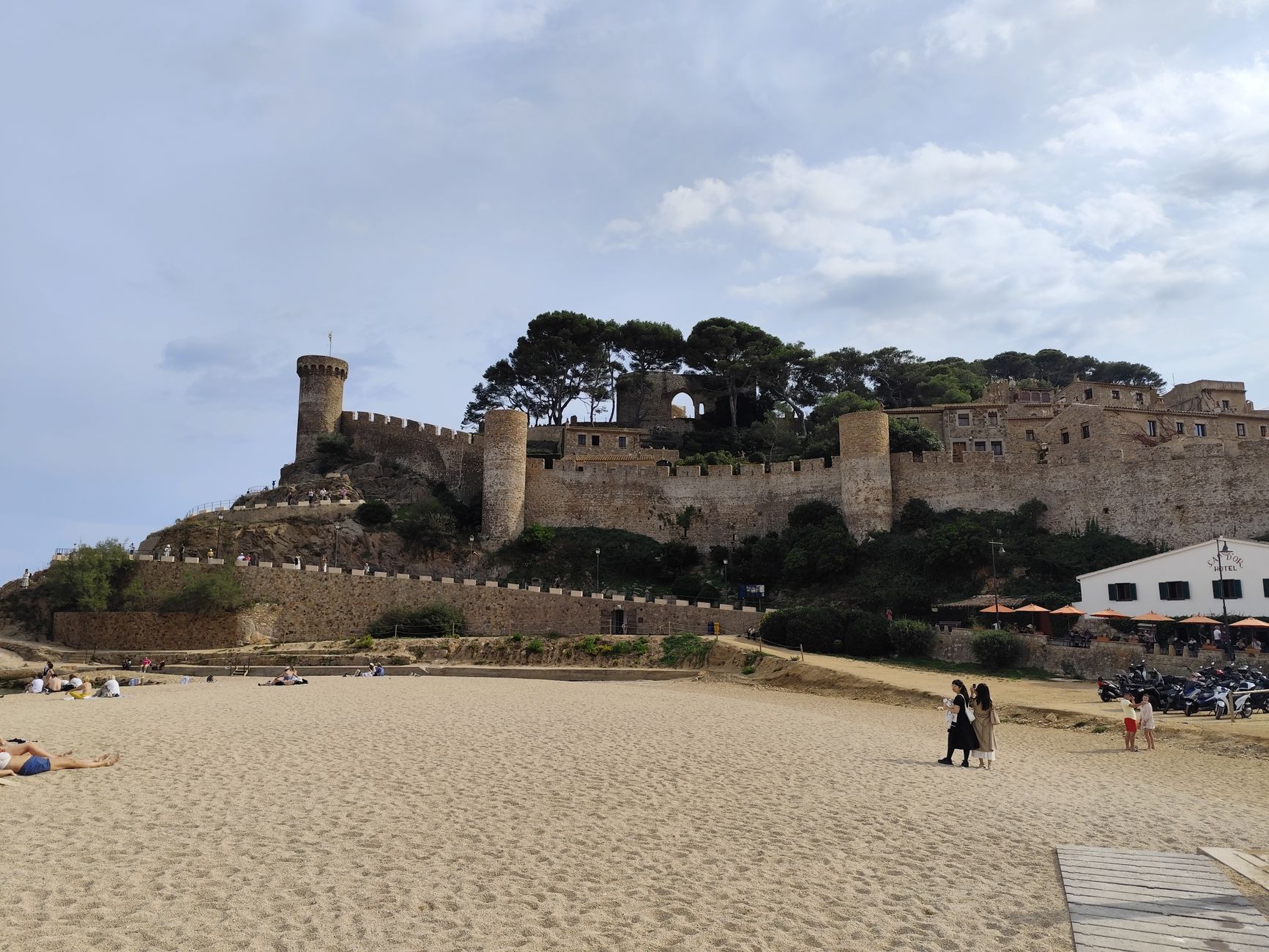
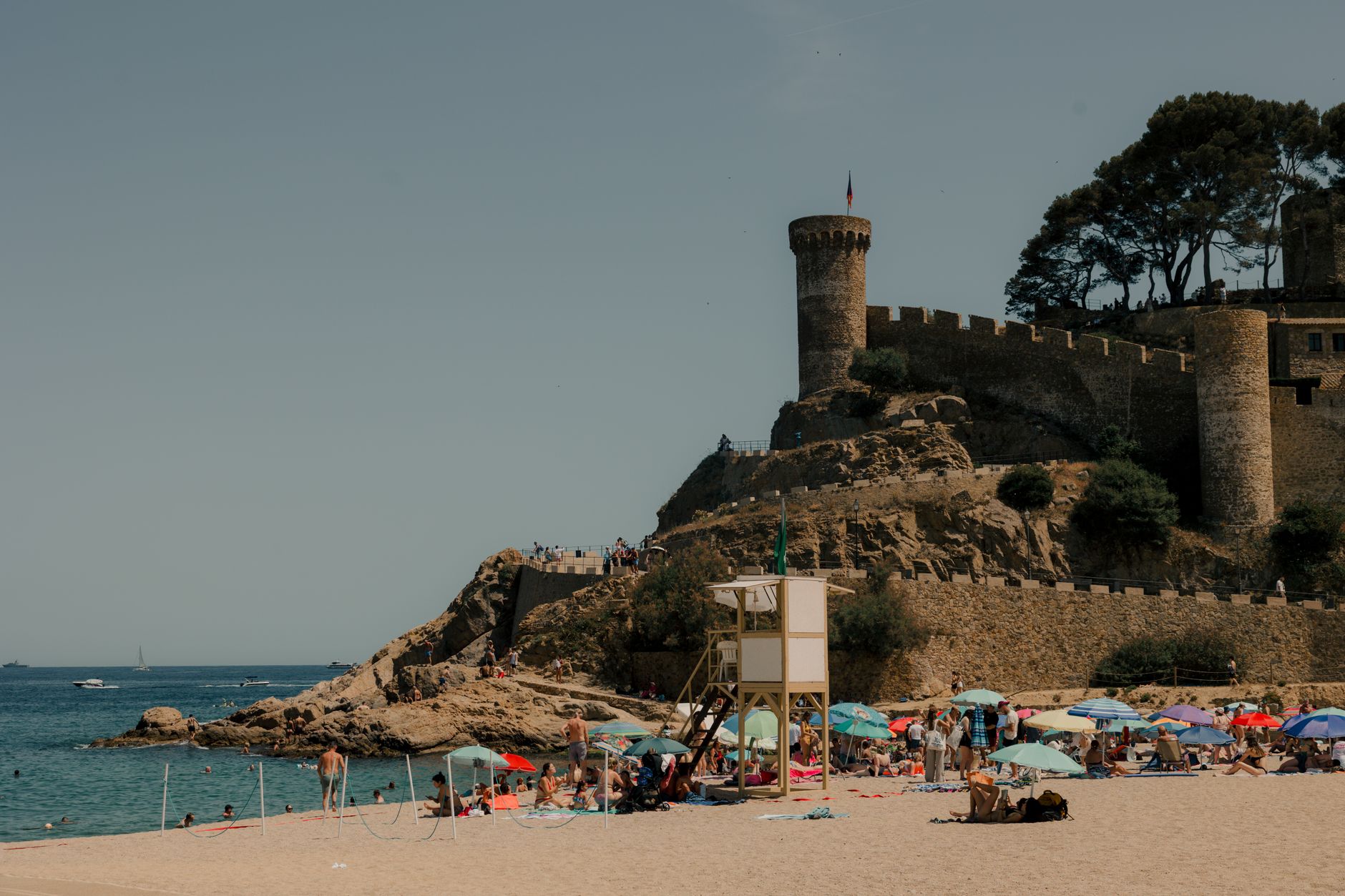
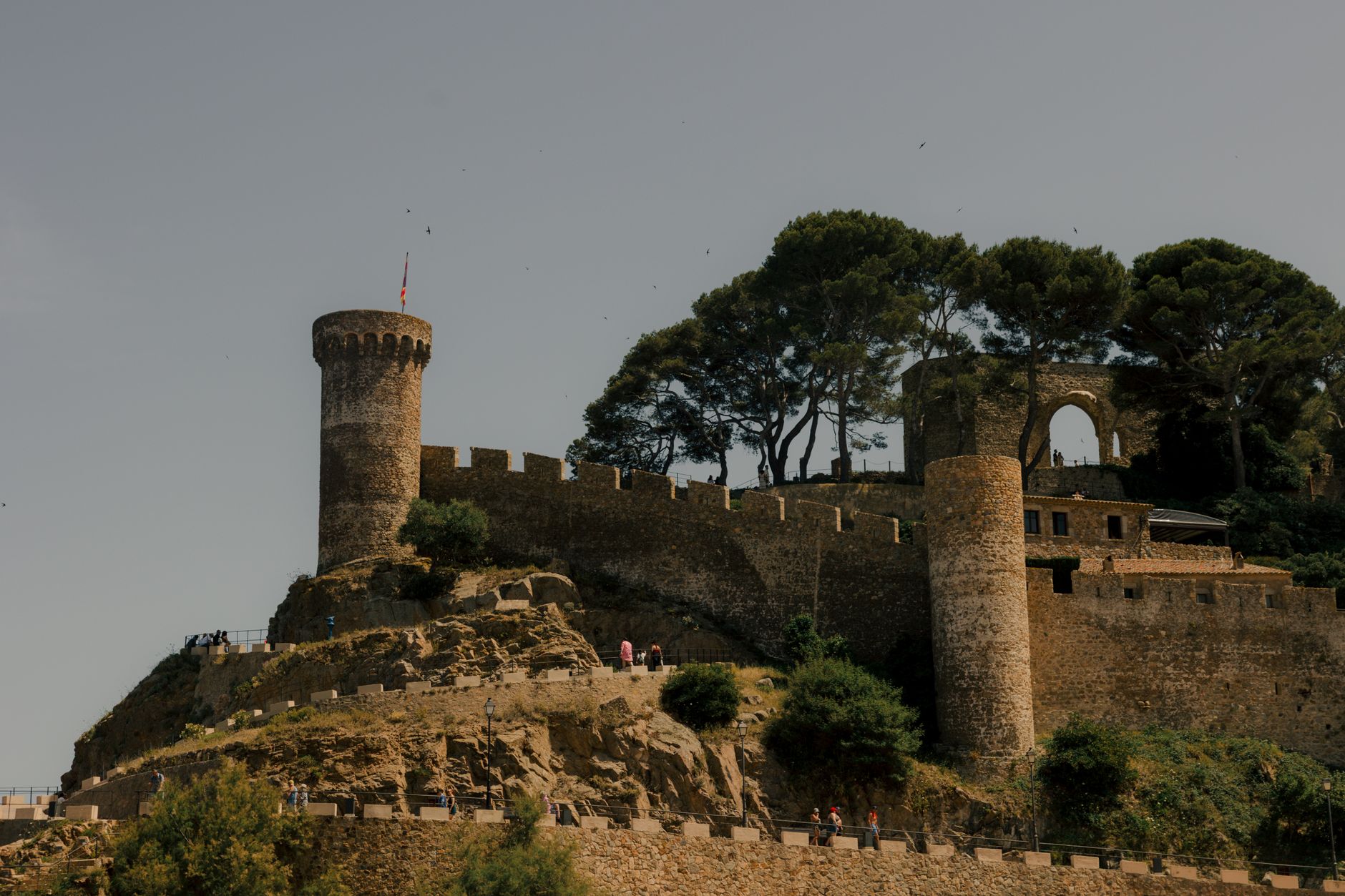
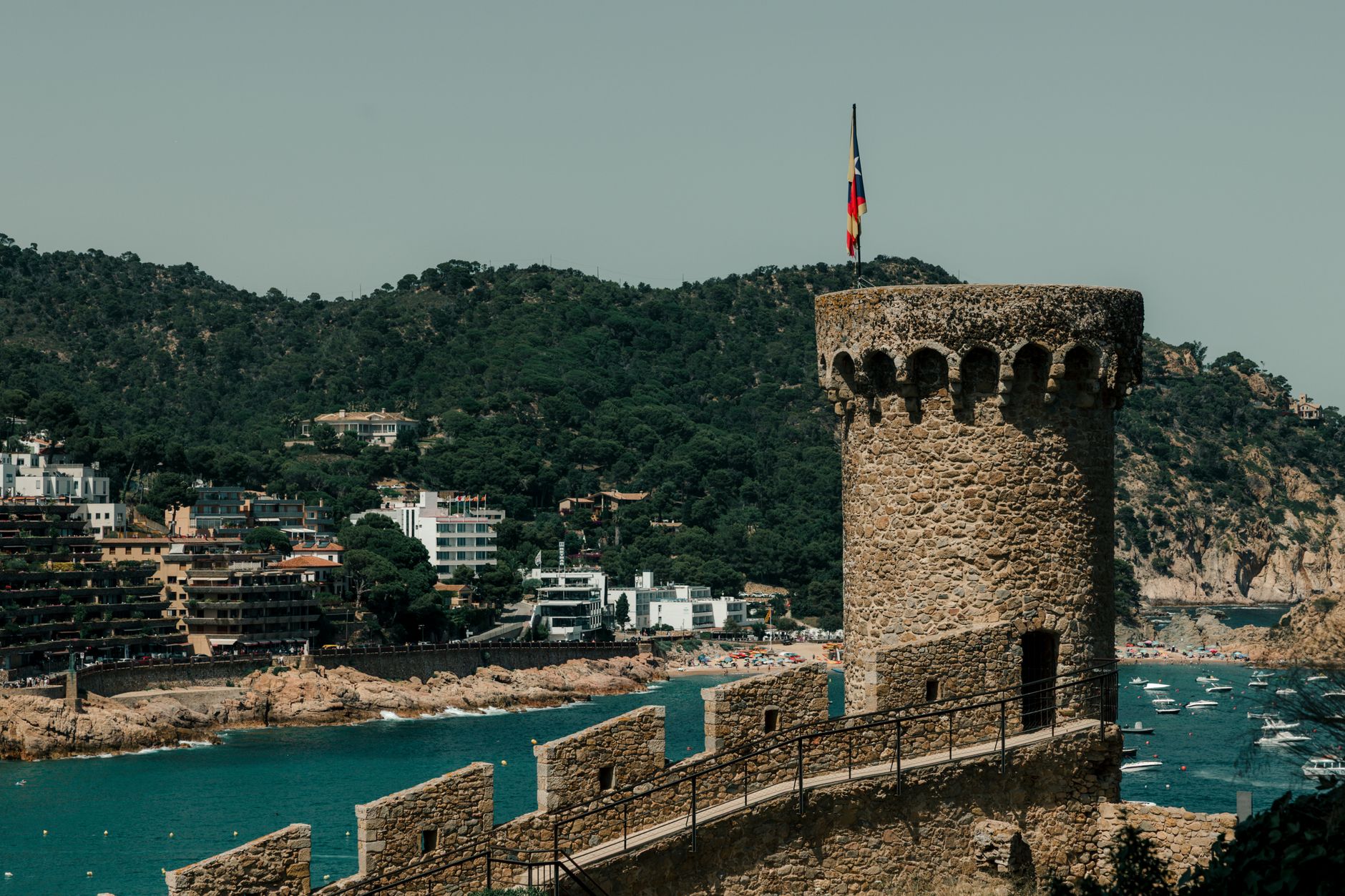
Vila Vella is the only remaining example of a fortified medieval town on the Catalan coast, enclosed by robust stone walls, defensive towers, and battlements dating back to the 12th century. Perched directly above the sparkling sea, its cobbled lanes wind past whitewashed fishermen's cottages and flowering balconies leading up to the historic lighthouse. The juxtaposition of rugged medieval masonry against golden sandy beaches and sparkling azure water creates one of the most picturesque coastal scenes in all of Europe. The atmospheric interior houses quaint artisan boutiques and traditional family-run eateries.

Open 24/7
Admission: Free
Insider Tip: Wear comfortable walking shoes with good traction for the steep, uneven cobblestone paths leading up to the lighthouse viewpoint.
Botanical Gardens of Blanes (Marimurtra)
nature
4.8

Botanical Gardens of Blanes (Marimurtra)

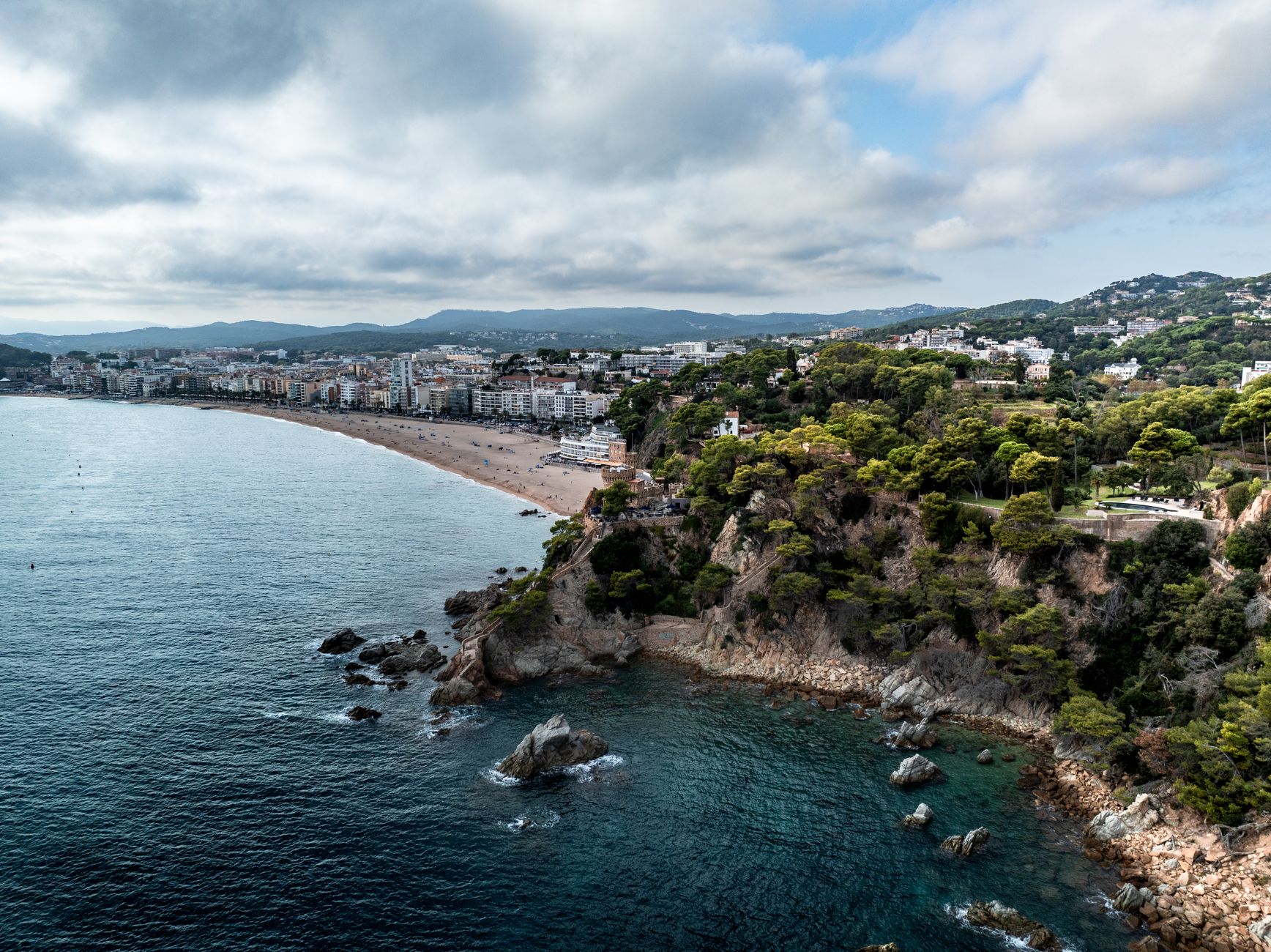
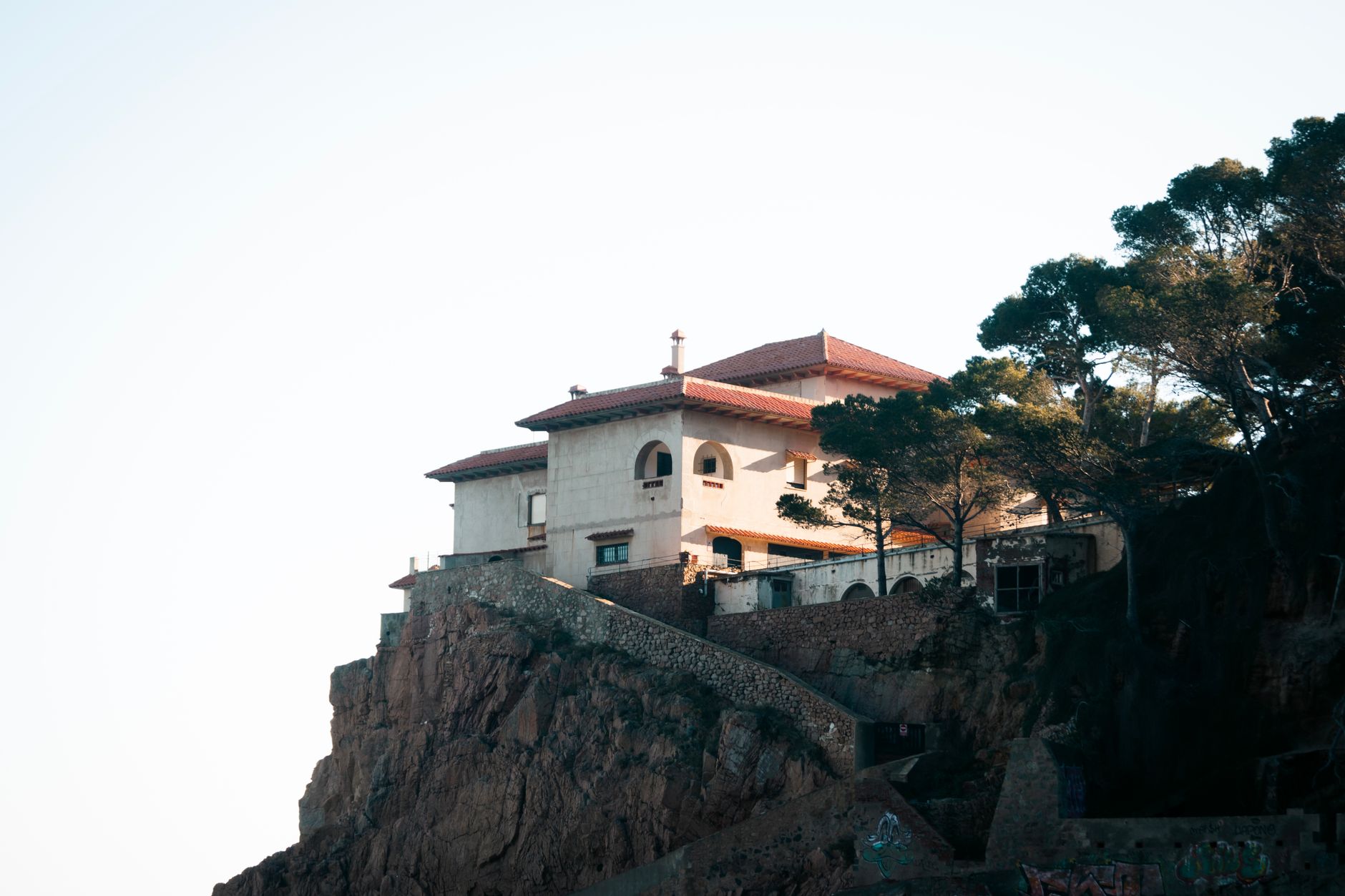
Perched dramatically on sheer cliffs overlooking the Mediterranean Sea, Marimurtra Botanical Garden is widely considered one of the finest Mediterranean gardens in Europe. Created in the early 20th century, it spans over four hectares and showcases more than 4,000 plant species from around the globe, organized by geographic origins. The garden's crown jewel is the neoclassical Linnaeus temple perched at the cliff's edge, offering dizzying, sublime views of the azure sea crashing against the jagged coastline far below. Walking its shaded pergolas and cactus-lined paths provides a serene, sensory-rich escape.

9:00 AM – 6:00 PM daily
Admission: €8
Insider Tip: Visit during the late afternoon when the slanting sunlight illuminates the exotic cacti and creates magical reflections across the sea.
Area Guide

Where to Stay & Best Neighborhoods

Cadaqués

Best for: Artists, romantic getaways, and slow-travel enthusiasts.

Vibe: Bohemian whitewashed fishing village nestled in a secluded mountain bay.

Clinging to the rocky shores of the Cap de Creus peninsula, Cadaqués feels wonderfully detached from the rest of mainland Spain. Its gleaming white houses, slate-paved labyrinthine alleys, and bobbing wooden fishing boats have seduced creative icons like Picasso, García Lorca, and Salvador Dalí. Walking through the town reveals independent art galleries, sun-drenched cafe terraces, and an irresistible, tranquil bohemian spirit.

Begur & The Coastal Coves

Best for: Beach lovers, architecture aficionados, and boutique resort seekers.

Vibe: Medieval hilltop elegance framed by dramatic pine-cliffs and hidden emerald bays.

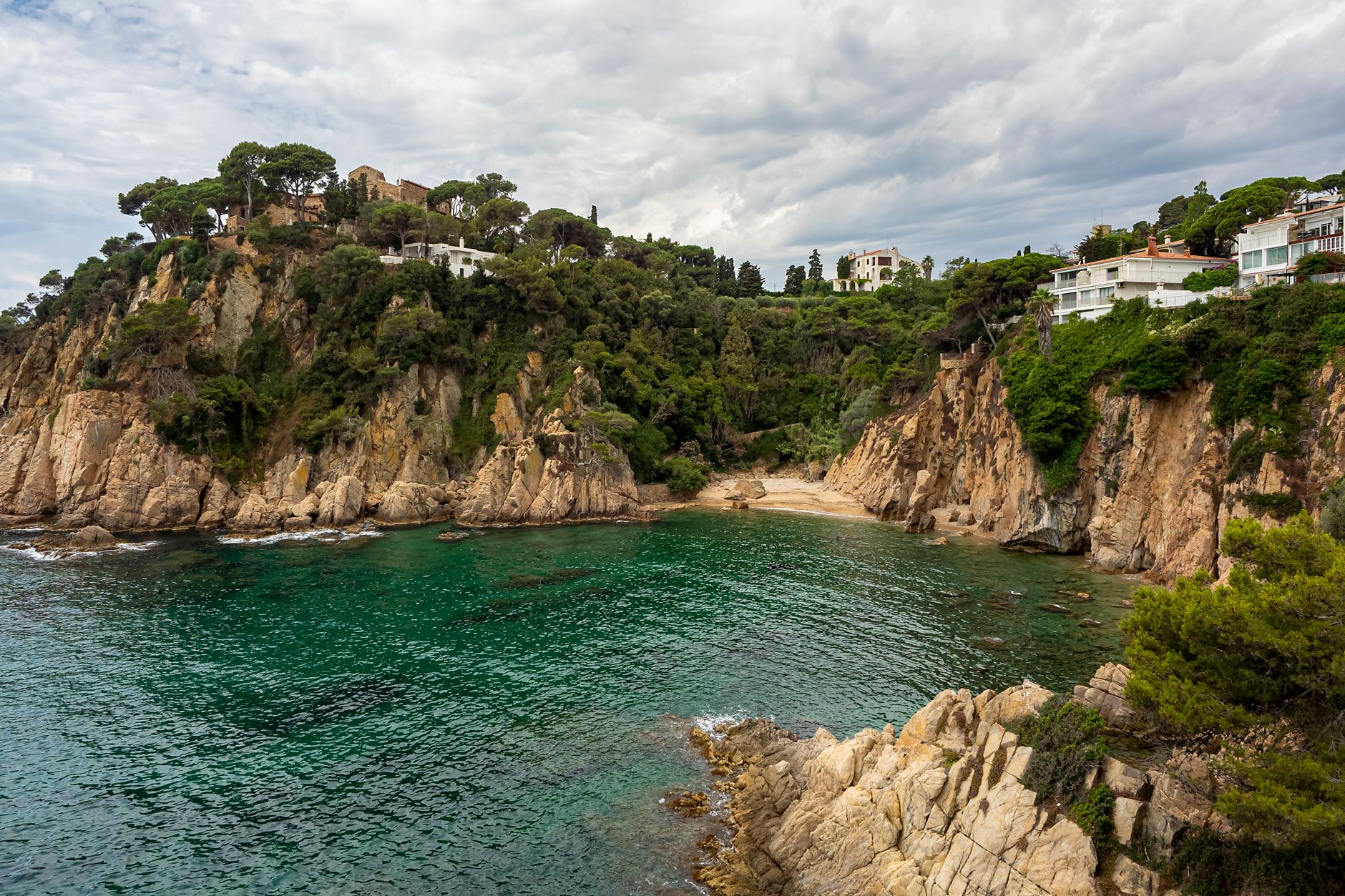
Crowned by a ruined medieval castle, Begur combines Gothic-Catalan architecture with flamboyant 'Indianou' mansions built by locals who made their fortunes in the Americas. Below the town lie some of the Mediterranean's most breathtaking coves, such as Sa Tuna and Aiguablava, where transparent emerald waters lap against fishermen’s boathouses converted into upscale seaside restaurants.

Girona Old Town (Barri Vell)

Best for: History buffs, foodies, and culture seekers.

Vibe: A maze of medieval walls, Gothic cathedrals, and deeply atmospheric Jewish quarters.

Straddling the Onyar River with its iconic brightly painted hanging houses, Girona's historic center is a masterclass in preserved medieval urbanity. Wandering through the narrow stone staircases of El Call (the medieval Jewish quarter) or climbing the massive baroque facade of the Girona Cathedral transports visitors straight into centuries past, all while offering a bustling modern cafe and culinary culture.

Food & Drink Scene

What to Eat in Costa Brava

Suquet de Peix (Traditional Fisherman's Stew)

A deeply flavorful, hearty coastal stew originating from local fishermen who used their daily catch alongside potatoes, tomatoes, garlic, almonds, and saffron. The broth is rich, briny, and thickened with a picada paste that balances the sweetness of fresh rockfish and prawns.

🍴 Top spot: Restaurant Compartir in Cadaqués

Mar i Muntanya (Surf and Turf)

The quintessential culinary philosophy of Catalonia, harmoniously pairing seafood with mountain meats in rich, slow-simmered casseroles. Common iterations include chicken paired with scampi or pork meatballs cooked with cuttlefish and wild mushrooms.

🍴 Top spot: El Cellar de Can Roca in Girona

Gambas de Palamós (Palamós Red Prawns)

World-renowned deep-water red prawns harvested exclusively by local fleets out of the port of Palamós. Celebrated for their intense sweetness, bright crimson hue, and succulent texture, they are best enjoyed simply grilled with a drizzle of virgin olive oil and coarse sea salt.

🍴 Top spot: La Salseta in Palamós
Excursions

Best Day Trips from Costa Brava

Figueres & The Dalí Triangle

30 to 45 mins by car or regional train from Girona

Journey inland to the birthplace of Salvador Dalí to explore the mind-bending Dalí Theatre-Museum, followed by a peaceful afternoon visiting his former seaside home and studio in Portlligat.

The Medieval Jewels of Pals and Peratallada

20 to 30 mins inland from Begur

Step back into the Middle Ages by exploring two impeccably preserved stone villages complete with defensive ramparts, arched porticos, ivy-covered alleyways, and artisan craft shops.

When to Go

Best Time to Visit & Seasonality

Editor’s Pick: May through June and September through October offer the ideal balance of warm, sun-drenched weather, comfortable swimming temperatures, and manageable crowds. July and August bring peak summer tourism, lively festivals, and intense heat, while winter transforms the coast into a tranquil, contemplative haven with crisp air and closed seasonal spots.

Spring Overview

(March to May)
Quiet / Low Season
Average Temperature & Climate14°C to 22°C (57°F to 72°F)

Mild, increasingly sunny, with occasional spring showers inland.

Crowd & Travel ConditionsLow Tourist Traffic

Fewer lines and better deals.

✨ Seasonal Highlights:Wildflowers blooming along coastal footpaths, peaceful hiking conditions, and local flower festivals like Girona's Temps de Flors.
Travel Smarter

Practical Travel Essentials

CurrencyEUR (€)
LanguageCatalan, Spanish
Time ZoneCentral European Time (CET, UTC+1 / CEST, UTC+2)

Visa & Entry

Spain is part of the Schengen Area. Citizens of the US, Canada, UK, and Australia do not need a visa for tourist stays up to 90 days within any 180-day period.

Getting Around & Transit

Renting a car is highly recommended for exploring hidden coves and hilltop villages. Regional buses connect major towns, and the high-speed AVE train connects Girona to Barcelona and France easily.

Daily Budget Expectation

€120 – €250 per person per day for mid-range travelers including comfortable accommodation, car rental, and dining out.

Safety & Health

Very safe. Standard common-sense precautions against petty pickpocketing apply in crowded tourist areas and transit hubs.

Local Etiquette & Customs

Greet locals with 'Bon dia' (Good morning) or 'Hola'. Note that lunch is traditionally eaten between 2:00 PM and 4:00 PM, and dinner rarely starts before 9:30 PM.

Questions & Answers

Frequently Asked Questions about Costa Brava

Costa Brava translates directly to the 'Wild Coast' in Catalan, a name inspired by the rugged, rocky cliffs, soaring headlands, and untamed natural beauty that characterize this stretch of the Mediterranean.