🌟 Best in Travel 2026 is here!
Dead Horse Point
regionNorth America
4.90 / 5.0

Dead Horse Point

Where towering canyon walls plunge thousands of feet to the curving, emerald-green Colorado River.

Editorial Guide

About Dead Horse Point

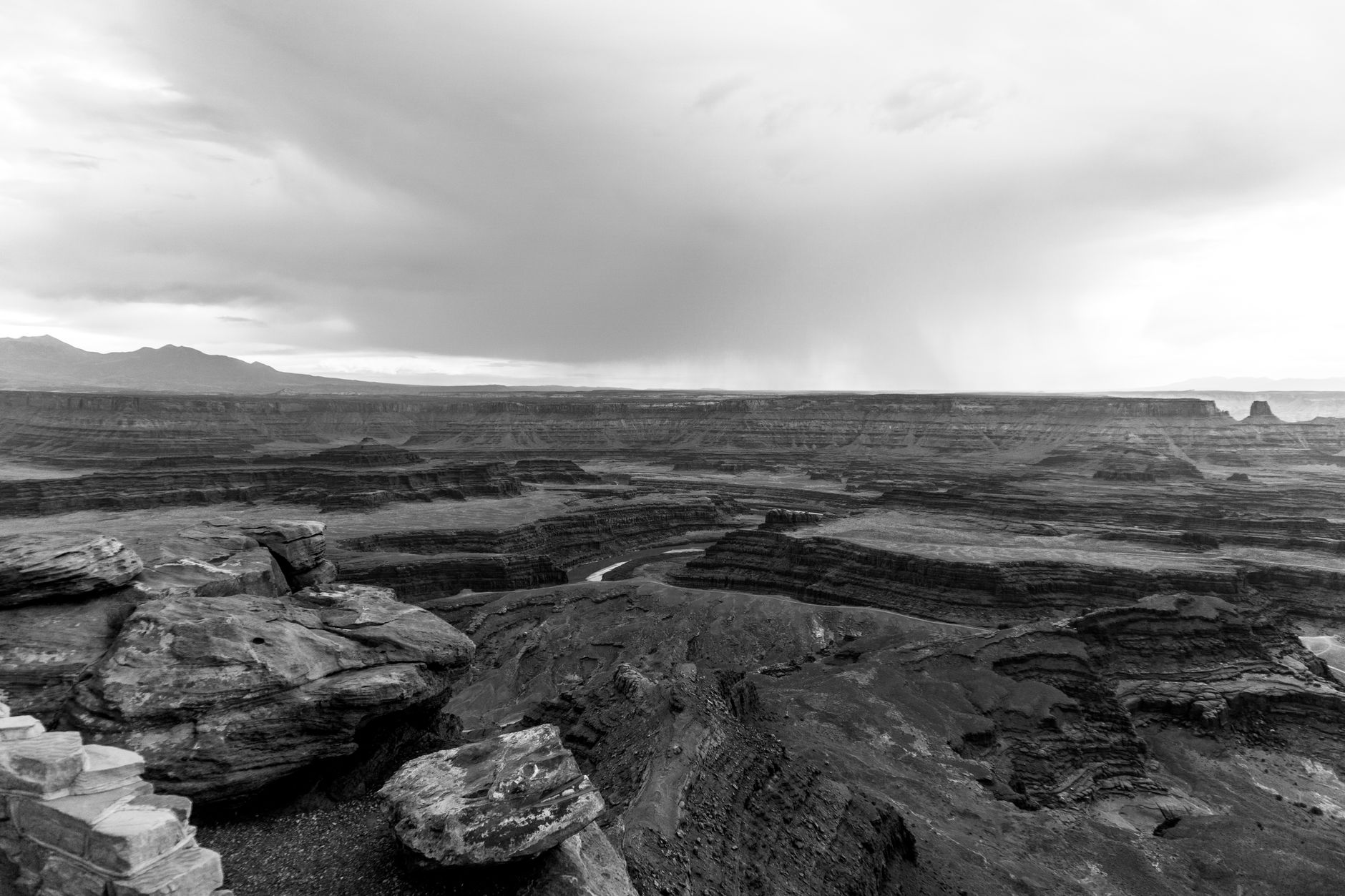
Perched high atop a massive plateau of Navajo sandstone, Dead Horse Point State Park offers one of the most breathtaking and photographed panoramic vistas in the American Southwest. Rising two thousand feet above a sweeping loop of the Colorado River, the park earned its haunting name from local history, serving as a natural corral in the 19th century where wild mustangs were rounded up and trapped on the narrow neck of the mesa. Today, the landscape is a sanctuary of profound silence, sculpted by millions of years of wind and water erosion into towering cliffs, striated badlands, and deep canyons.

The cultural atmosphere surrounding Dead Horse Point is deeply intertwined with the rugged pioneer heritage of southeastern Utah and the ancient echoes of ancestral Puebloan peoples who once traversed these high-desert expanses. Modern visitors arrive seeking both introspection and high-octane adventure, drawn by the dramatic play of light across the Canyonlands basin below. As the sun moves across the sky, the rock formations shift in hue from pale ochre to fiery crimson and deep purple, creating a dynamic visual canvas that has inspired landscape photographers, painters, and wandering poets for generations.

Geographically, the park functions as a dramatic gateway to the grand wilderness of Utah’s canyon country, sharing its border ecosystems with Canyonlands National Park and Arches National Park. The high-desert plateau sustains resilient flora such as blackbrush, Utah juniper, and prickly pear cactus, alongside elusive wildlife including desert bighorn sheep, kit foxes, and soaring turkey vultures. This fragile, high-altitude environment commands respect from all who enter its boundaries, maintaining an ecosystem finely tuned to extreme temperatures and scarce precipitation.

Life in and around the gateway town of Moab pulses with a vibrant outdoor culture, blending the grit of mountain biking enthusiasts, slickrock explorers, and off-road adventurers with a welcoming arts community. Days spent tracing the rim of Dead Horse Point invariably culminate in gathering around campfires under some of the darkest, most star-studded night skies in North America. It is a place that forces a realignment of scale, reminding every traveler of the sheer, humbling magnitude of the natural world carved quietly through the vast canvas of time.

Visual Impressions & Moments

Dead Horse Point photo 1
Dead Horse Point photo 2
Dead Horse Point photo 3
Dead Horse Point photo 4
Dead Horse Point photo 5
Dead Horse Point photo 6
Unmissable Moments

Top Things to Do in Dead Horse Point

Must-Do

Catch Sunrise at Dead Horse Point Overlook

Stand at the precipice of the main overlook just as the first rays of dawn pierce the horizon, setting the vertical canyon walls and the looping Colorado River 2,000 feet below ablaze with gold and orange light. Arrive at least thirty minutes before sunrise to watch the deep purple shadows recede across the Gooseneck. Insider tip: Walk slightly away from the main paved viewing platform along the rim trail to find a completely private ledge for uninterrupted photography.

Adventure

Ride the Intrepid Trail System on Mountain Bike

Navigate a network of world-class singletrack trails that loop across the slickrock domes and red dirt of the mesa top, offering thrilling terrain suitable for intermediate to advanced riders with views dropping away on all sides. The trails are seamlessly integrated into the landscape, providing an exhilarating physical challenge. Insider tip: Check tire pressure for optimal grip on the slickrock surfaces and carry significantly more water than you think you will need.

Scenic

Hike the Rim Trail to Dead Horse Rim Loop

Embark on a rugged, interconnected footpath that hugs the sheer canyon edge, linking multiple overlooks including Basin Overlook and Meander Overlook. Every turn presents a new, dizzying perspective of the vast canyon expanse. Insider tip: Hike in a counter-clockwise direction starting from the visitor center late in the afternoon to keep the low sun at your back and illuminate the canyon faces.

Scenic

Astrophotography Under Dark Skies

Experience Dead Horse Point's designation as an International Dark Sky Park by setting up a tripod after dusk to capture the Milky Way arching directly over the dramatic silhouette of the canyon rim. The lack of light pollution provides crystal-clear astronomical visibility. Insider tip: Bring a red-light headlamp to preserve your night vision and set up near the West Rim trailheads for dramatic foreground silhouettes.

Must-See Highlights

Top Places & Things to Do in Dead Horse Point

Curated attractions and cultural landmarks with local insider advice.

Dead Horse Point Overlook
nature
4.98

Dead Horse Point Overlook

The crown jewel of the park, this soaring promontory provides a sheer 2,000-foot drop-off overlooking a dramatic 180-degree horseshoe bend in the Colorado River. Surrounded by towering vertical canyon walls, the viewpoint captures the raw, geologic power of the Colorado Plateau in a single breathtaking panorama. Visitors can easily access the overlook via a short, paved, and fully accessible walking path from the main visitor center parking lot. interpretive panels along the way detail the geologic forces and human history that shaped this iconic American landscape.

Open daily from 6:00 AM to 10:00 PM
Admission: $20 per vehicle park entrance fee
Insider Tip: Be sure to stay behind safety railings and visit during golden hour just before sunset for the most dramatic shadows across the canyon floor.
Intrepid Trail System
attraction
4.88

Intrepid Trail System

A masterpiece of sustainable trail design, the Intrepid Trail System offers mountain bikers and hikers a series of interconnected loops ranging from easy beginner stretches to challenging slickrock traverses. The trail winds across petrified sand dunes and dramatic mesa edges, providing constant visual engagement. Signage is exceptional throughout the network, allowing visitors to customize their distance and difficulty. The terrain features natural rock steps, smooth rolling slickrock, and packed dirt paths that immerse travelers directly into the high desert ecosystem.

Open daily from sunrise to sunset
Admission: Included with park admission
Insider Tip: Ride or hike during the cooler morning hours and always pack an electrolyte-rich sports drink alongside your water.
Shafer Trail Viewpoint
nature
4.85

Shafer Trail Viewpoint

Peering down from the mesa rim, the Shafer Trail Viewpoint looks directly over the dizzying, hand-carved dirt switchbacks that snake down the sheer canyon wall to the river basin below. Originally constructed by uranium miners and cattlemen, the trail is an engineering marvel of the early 20th century. The perspective from this rim overlook reveals the immense scale of the canyon layers, displaying distinct bands of Kayenta Formation, Wingate Sandstone, and Chinle Shale stacked like pages in an ancient stone book.

Open 24 hours
Admission: Included with park admission
Insider Tip: If you plan to drive down the Shafer Trail in a 4x4 vehicle, stop here first to inspect road conditions and check weather forecasts for flash flood risks.
Dead Horse Point Visitor Center
culture
4.9

Dead Horse Point Visitor Center

An architectural triumph blending seamlessly into the desert landscape, the visitor center features interactive exhibits detailing the park's fragile ecology, geological formation, and human history. Knowledgeable park rangers are on hand to provide trail recommendations, weather updates, and safety guidance. The facility also includes a well-curated gift shop offering regional books, local artisan crafts, apparel, and essential hydration supplies. Restrooms and refill stations are conveniently located adjacent to the building.

Open daily from 8:00 AM to 5:00 PM
Admission: Free
Insider Tip: Stop here at the beginning of your visit to stamp your park passport and check current wind and temperature advisories for the rim trails.
Area Guide

Where to Stay & Best Neighborhoods

Moab Gateway & Town Center

Best for: Dining, booking Jeep tours, lodging, and picking up gear.

Vibe: Energetic, dusty, adventure-hub filled with outfitters, cafes, and southwestern eateries.

Serving as the operational basecamp for all regional exploration, Moab offers a lively main street lined with independent coffee shops, art galleries, and rugged outfitters ready to equip travelers for canyon country excursions.

Shafer Basin & Potash Road Corridor

Best for: Four-wheel drive enthusiasts, history buffs, and daring road trips.

Vibe: Remote, sheer-walled canyon bottoms carved by historic mining and film routes.

Stretching beneath the towering cliffs of Dead Horse Point, this dizzying network of switchbacks and dirt roads descends past ancient petroglyphs and old uranium mining camps, offering a worm's-eye view of the massive plateau above.

Island in the Sky Buffer Zone

Best for: Extended solitude, backcountry camping, and vast horizon vistas.

Vibe: Expansive, silent high-altitude tablelands bordering the national park.

The elevated plateau surrounding the state park extends deep into federal public lands, characterized by endless juniper forests, hidden slickrock basins, and complete acoustic tranquility.

Food & Drink Scene

What to Eat in Dead Horse Point

Dutch Oven Cowboy Chili & Cornbread

A staple of high-desert camp cooking, slow-simmered beef or bean chili seasoned with smoky chili powders and served alongside freshly baked cast-iron skillet cornbread.

🍴 Top spot: Canyon Steakhouse in Moab

Green Chile Breakfast Burritos

A hearty morning meal packed with fluffy eggs, locally sourced chorizo, roasted green chiles, potatoes, and melted cheddar wrapped in a toasted flour tortilla.

🍴 Top spot: Eklectica Café in Moab

Prickly Pear Lemonade & Glazed Scones

Refreshing local refreshments infused with the sweet, tart extract of native desert cactus fruit paired with rustic artisan baked goods.

🍴 Top spot: Moab Garage Co.
Excursions

Best Day Trips from Dead Horse Point

Canyonlands National Park (Island in the Sky)

15 mins by car from Dead Horse Point

Drive just minutes past the Dead Horse Point park entrance to explore massive mesa top viewpoints like Mesa Arch, Grand View Point, and Upheaval Dome, offering mind-bending vistas of carved sandstone labyrinths.

Arches National Park

35 mins by car

Discover over 2,000 natural sandstone arches, including the world-famous Delicate Arch, Balanced Rock, and the sprawling stone avenues of the Fiery Furnace.

When to Go

Best Time to Visit & Seasonality

Editor’s Pick: Spring (April to May) and Autumn (September to October) offer the most pleasant daytime temperatures ranging from 65°F to 80°F, ideal for hiking and mountain biking. Summer brings extreme heat exceeding 100°F, making early morning and evening outings essential.

Spring Overview

(March - May)
Peak Crowds
Average Temperature & Climate50°F to 75°F

Mild, crisp mornings turning into comfortable, sunny afternoons with occasional brisk spring winds.

Crowd & Travel ConditionsPeak Tourist Traffic

Book hotels 3-6 months ahead.

✨ Seasonal Highlights:Wildflowers blooming in the desert, perfect hiking conditions, and comfortable camping weather.
Travel Smarter

Practical Travel Essentials

CurrencyUSD ($)
LanguageEnglish
Time ZoneMountain Time (MST/MDT)

Visa & Entry

Valid passport and standard US entry requirements apply for international travelers.

Getting Around & Transit

A personal or rental vehicle is strictly required to reach and explore Dead Horse Point State Park and surrounding Moab attractions. No public transit serves the park.

Daily Budget Expectation

$120 - $250 USD per day including park fees, camping or mid-range lodging in Moab, meals, and fuel.

Safety & Health

Very safe regarding crime, but environmental hazards (extreme heat, dehydration, sheer cliff edges) require constant caution.

Local Etiquette & Customs

Practice Leave No Trace principles: pack out all trash, stay on designated trails to protect fragile biological soil crusts, and respect wildlife at a distance.

Questions & Answers

Frequently Asked Questions about Dead Horse Point

According to local legend, 19th-century cowboys used the narrow neck of the mesa as a natural corral to trap wild mustangs. Reportedly, a group of horses was left corralled on the waterless point and perished from thirst within sight of the Colorado River 2,000 feet below.