🌟 Best in Travel 2026 is here!
Death Valley
regionNorth America
4.90 / 5.0

Death Valley

Silence, extremes, and the haunting, sun-scorched majesty of Earth's most dramatic desert basin.

Advertisement
Editorial Guide

About Death Valley

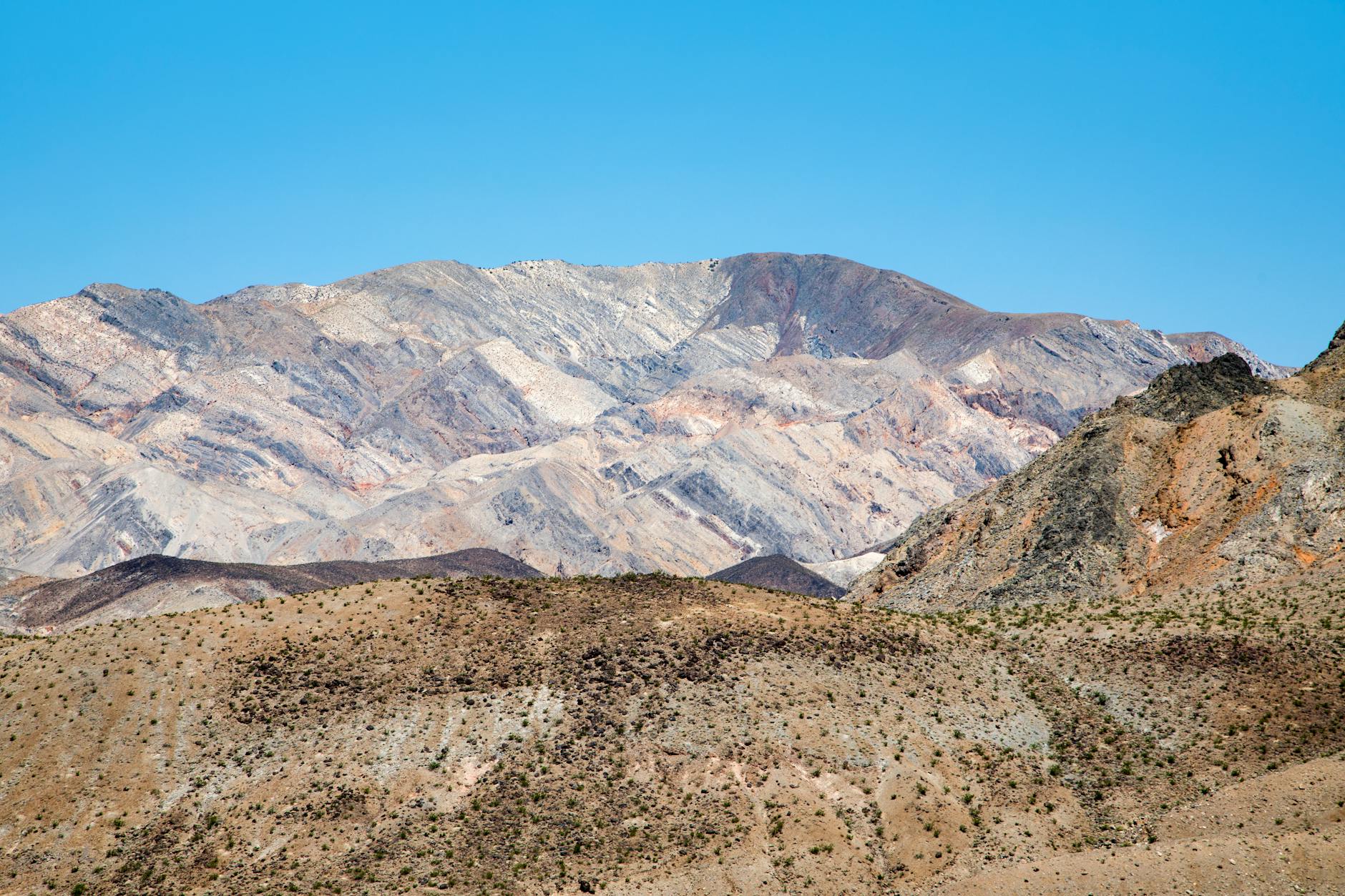
Death Valley National Park stretches across millions of acres of stark, uncompromising wilderness in southeastern California, standing as a masterclass in geologic extremes. As the largest national park in the contiguous United States, it encompasses jagged salt flats, rolling sand dunes, badlands of impossible colors, and volcanic craters, all framed by towering mountain ranges that trap the desert heat. Its history is etched with tales of desperate 1949 gold rush pioneers, hardy Timbisha Shoshone people who have thrived here for centuries, and miners who extracted borax from the alkali floor. The atmosphere is defined by profound silence and staggering scale, where the horizon stretches infinitely and the light shifts from blinding midday white to bruised, violet twilights.

Geographically, Death Valley is a land of vertical extremes, plunging to 282 feet below sea level at Badwater Basin—the lowest elevation in North America—while immediately soaring up to telescope peak at over 11,000 feet. This dramatic topography creates microclimates and weather phenomena that yield some of the hottest temperatures ever recorded on Earth. Despite its ominous name, the park teems with resilient life, from ghost plants and desert bighorn sheep to tiny pupfish swimming in isolated desert springs, making it a biological and geological sanctuary.

Culturally, the park serves as a monument to human endurance and a dark-sky haven that attracts astronomers, photographers, and solitude-seekers from across the globe. Visitors walk the very crusts of prehistoric lakes, trace the winding canyons carved by infrequent flash floods, and stand in awe beneath night skies so pristine they have earned Gold Tier International Dark Sky Park status. It is a destination that demands respect, preparation, and a willingness to surrender to the raw, unfiltered rhythms of the natural world.

Navigating Death Valley requires a profound shift in perspective, moving away from lush landscapes toward a minimalist aesthetic where every subtle shift in terrain tells a story millions of years in the making. From the surreal polygons of Devil's Golf Course to the chromatic slopes of Artists Palette, the park offers a masterclass in earth science disguised as an otherworldly art gallery. Whether you are chasing the ephemeral superbloom of rare desert wildflowers or marveling at the mysterious sailing stones of Racetrack Playa, Death Valley leaves an indelible mark on every traveler who dares to cross its scorching threshold.

Visual Impressions & Moments

Death Valley photo 1
Death Valley photo 2
Death Valley photo 3
Death Valley photo 4
Death Valley photo 5
Death Valley photo 6
Unmissable Moments

Top Things to Do in Death Valley

Must-Do

Watch Sunrise at Zabriskie Point

Witness the first rays of morning light ignite the golden, labyrinthine badlands of Zabriskie Point. As the sun climbs over the Panamint Range, the mud hills and clay mounds shift through an intense palette of amber, ochre, and deep purple. Arrive at least thirty minutes before official sunrise to secure a spot on the viewing platform, and stay afterward to watch the light crawl down into Death Valley proper.

Adventure

Stargaze Under Gold Tier Dark Skies

Experience one of the darkest night skies in the United States at Mesquite Flat Sand Dunes or Badwater Basin. Far away from major urban light pollution, the Milky Way arches across the sky with startling clarity, casting shadows on the desert floor. Bring a red-light headlamp to preserve your night vision and a reclining chair for hours of uninterrupted celestial observation.

Scenic

Walk the Salt Crust at Badwater Basin

Stare out across a vast, blindingly white landscape of hexagonal salt crystals formed by the evaporation of an ancient prehistoric lake. Walking out onto the boardwalk and further onto the flats gives a true sense of scale of North America's lowest point. Wear sturdy footwear, bring sunglasses, and walk at least a mile out to escape the crowds.

Scenic

Drive the Vibrant Loop of Artists Drive

Navigate the undulating, one-way paved road that winds through volcanic hills splashed with pastel pinks, purples, greens, and yellows caused by the oxidation of metal-bearing minerals. Stop at Artists Palette for a short walk into the heart of these colorful badlands during late afternoon when the shadows accentuate the mineral hues.

Area Guide

Where to Stay & Best Neighborhoods

Furnace Creek

Best for: First-time visitors, families, luxury resort stays, and convenience

Vibe: Historic oasis, resort amenities, central hub

Furnace Creek is the beating heart of Death Valley National Park, featuring historic accommodations, the visitor center, restaurants, and a lush golf course fed by natural springs. It serves as the ultimate basecamp for exploring the central basin landmarks, offering easy access to Badwater Basin, Zabriskie Point, and Artists Drive.

Stovepipe Wells

Best for: Campers, photographers, and proximity to Mesquite Flat Sand Dunes

Vibe: Rustic pioneer charm, open desert, dunes adjacent

Located on the western side of the central valley, Stovepipe Wells offers a more rustic, historic desert feel complete with a general store, saloon, and motel. Its primary claim to fame is sitting right at the doorstep of the iconic Mesquite Flat Sand Dunes, making sunset and sunrise photography effortless.

Panamint Springs

Best for: Off-roaders, hikers, and travelers entering from the west

Vibe: Remote canyon outpost, rugged, adventurous

Tucked away on the western edge of the park along Highway 190, Panamint Springs is a remote oasis featuring a campground, rustic cabins, and a legendary gas station and tavern. It is the ideal gateway for exploring Darwin Falls, the ghost towns of the Argus Range, and remote mountain passes.

Food & Drink Scene

What to Eat in Death Valley

The Last Kind Words Saloon Burger

A hearty, thick-cut classic beef burger served with locally sourced fixings, designed to replenish calories lost navigating the dry desert heat. Eaten in an atmospheric saloon reminiscent of 19th-century mining camps, it captures the frontier culinary spirit.

🍴 Top spot: The Last Kind Words Saloon at Furnace Creek

Date Shake

A thick, velvety milkshake blended with sweet, locally grown Medjool dates harvested from the agricultural oases surrounding the Death Valley region. It is the ultimate refreshing desert indulgence to combat the afternoon heat.

🍴 Top spot: Furnace Creek Ranch General Store

Desert Chili

Slow-cooked, heavily spiced beef chili infused with southwestern chiles and beans, served piping hot with cornbread. This hearty comfort food is a staple of remote desert roadhouses and saloons throughout the valley.

🍴 Top spot: Stovepipe Wells Village Restaurant
Excursions

Best Day Trips from Death Valley

Rhyolite Ghost Town & Beatty

45 minutes from Furnace Creek

Explore the haunting ruins of a once-booming 1905 gold-rush town just outside the park's eastern boundary. Marvel at crumbling concrete bank vaults, the Bottle House, and the eerie outdoor art installations of ghost sculptures scattered across the desert floor.

Amargosa Opera House & Township

30 minutes from Furnace Creek

Visit a remote desert cultural landmark in neighboring Death Valley Junction, where dancer Marta Becket single-handedly painted murals on the walls of an old theater and performed interpretive ballets for decades. It's a surreal and moving monument to artistic dedication.

When to Go

Best Time to Visit & Seasonality

Editor’s Pick: Late October through April offers the most comfortable temperatures for exploring, with mild days and cool desert nights. Springtime, particularly March and April, brings the added bonus of potential wildflower blooms after winter rains.

Spring Overview

(March - May)
Peak Crowds
Average Temperature & Climate70°F to 90°F (21°C to 32°C)

Warm days, cool nights, occasional high winds.

Crowd & Travel ConditionsPeak Tourist Traffic

Book hotels 3-6 months ahead.

✨ Seasonal Highlights:Wildflower blooms (in wet years), comfortable hiking conditions, clear skies.
Travel Smarter

Practical Travel Essentials

CurrencyUSD ($)
LanguageEnglish
Time ZonePacific Standard Time (PST), UTC-8

Visa & Entry

Standard US entry requirements apply (ESTA for visa waiver countries or valid US tourist visa).

Getting Around & Transit

A reliable vehicle in top mechanical condition is essential. Rental cars with good air conditioning and high clearance are recommended, especially for remote dirt roads.

Daily Budget Expectation

$150 - $350 USD per day including lodging, gas, food, and park entrance fees.

Safety & Health

High natural hazard level due to extreme heat; low crime rate. Always carry extra water (at least one gallon per person per day) and never rely solely on GPS.

Local Etiquette & Customs

Respect fragile desert ecosystems, stay on marked trails in delicate areas like salt flats and dunes, and honor tribal lands and sacred cultural sites.

Questions & Answers

Frequently Asked Questions about Death Valley

Most major paved attractions (Badwater, Zabriskie Point, Dunes) can be reached in any standard sedan. However, remote backcountry areas like The Racetrack require a high-clearance vehicle with heavy-duty all-terrain tires.