2026 GuideVoyage Roams Best in Travel: Top 10 Bucket List Destinations
Read Rankings
Costa Rica in Winter
countryNorth America
4.92 / 5.0

Costa Rica in Winter

Embrace the golden dry season in a tropical paradise of boundless biodiversity.

Advertisement
Editorial Guide

About Costa Rica in Winter

Winter in Costa Rica, stretching from December to April, marks the glorious 'verano' or dry season, when the country sheds its heavy rains and transforms into a sun-drenched sanctuary. The transition brings clear blue skies, vibrant sunsets, and an explosion of life across its diverse microclimates. The trade winds, known locally as 'vientos alisios,' sweep across the mountain ranges, cooling the evening air and creating perfect conditions for beachgoers, surfers, and wildlife watchers alike. It is a season of unparalleled natural drama, where dry tropical forests shimmer in gold and rainforests hum with renewed energy.

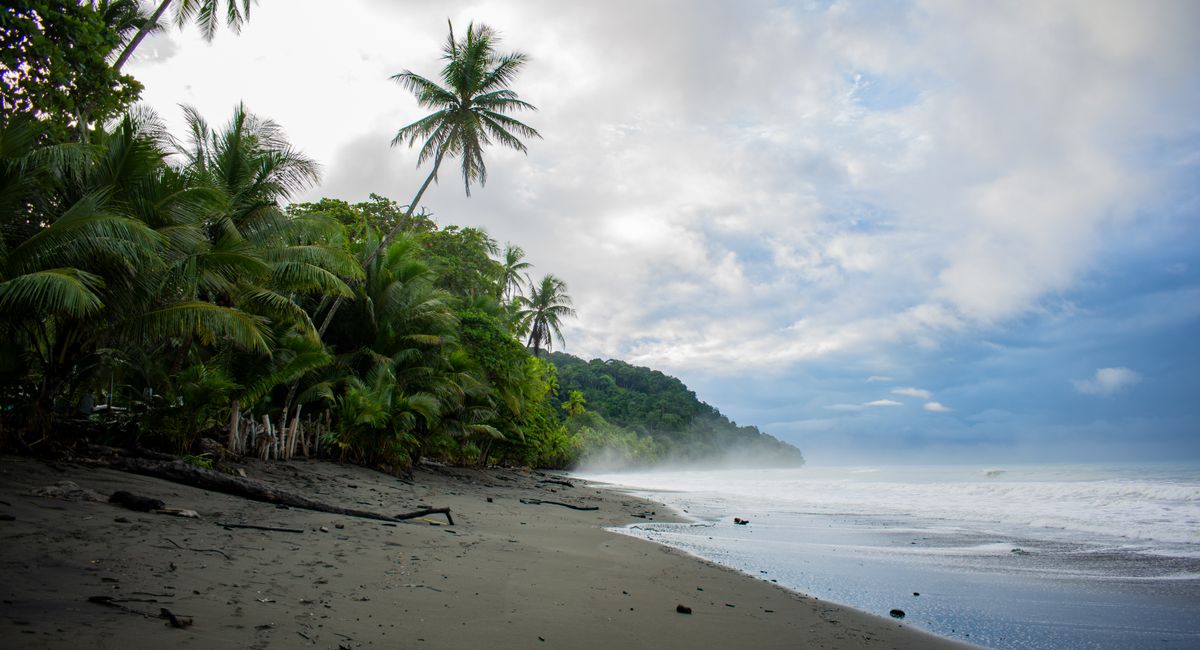
Geographically, Costa Rica is a bridge between two continents and two oceans. This unique position creates an unparalleled concentration of biodiversity, containing nearly six percent of the world's species. During the winter months, the dry tropical forests of Guanacaste are highly accessible, the cloud forests of Monteverde hang in mystical mist, and the lush rainforests of the Osa Peninsula and Manuel Antonio buzz with active wildlife. This is the prime time to spot nesting sea turtles, migrating humpback whales, and hundreds of species of colorful tropical birds escaping the northern cold.

At the heart of the Costa Rican experience is the philosophy of 'Pura Vida' (pure life). More than just a simple greeting, it is a national ethos of gratitude, community, and peace. Having constitutionally abolished its military in 1948, the nation has invested heavily in education, healthcare, and environmental preservation. Visitors in winter will experience this warmth firsthand through interactions with locals (affectionately known as 'ticos'), community-led conservation projects, and a relaxed pace of life that prioritizes outdoor wellness and joy.

Winter is also a time of rich cultural celebrations in Costa Rica. From the festive 'Fiestas de Zapote' in late December to the horse parades ('topes') and regional fiestas in Guanacaste, the season is alive with music, dance, and traditional foods. Exploring local farmers' markets ('ferias') reveals the abundance of the winter harvest, offering exotic fruits like mamón chino and starfruit alongside fresh-roasted mountain coffee, making it a feast for all the senses.

Visual Impressions & Moments
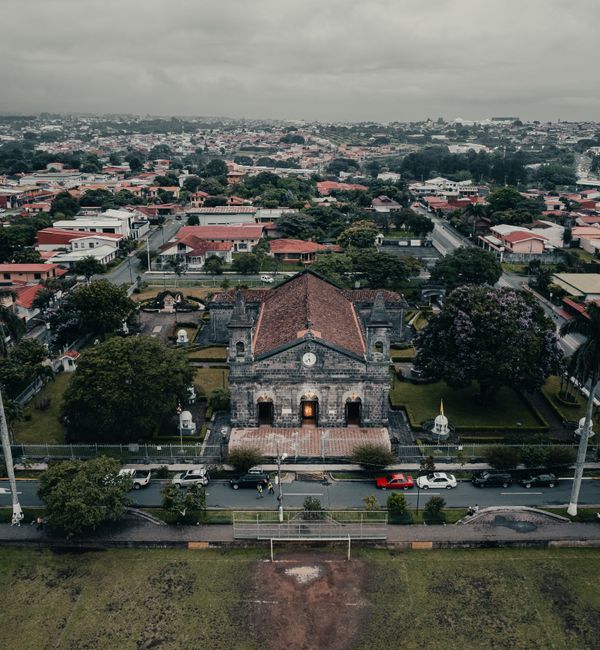
Costa Rica in Winter photo 1
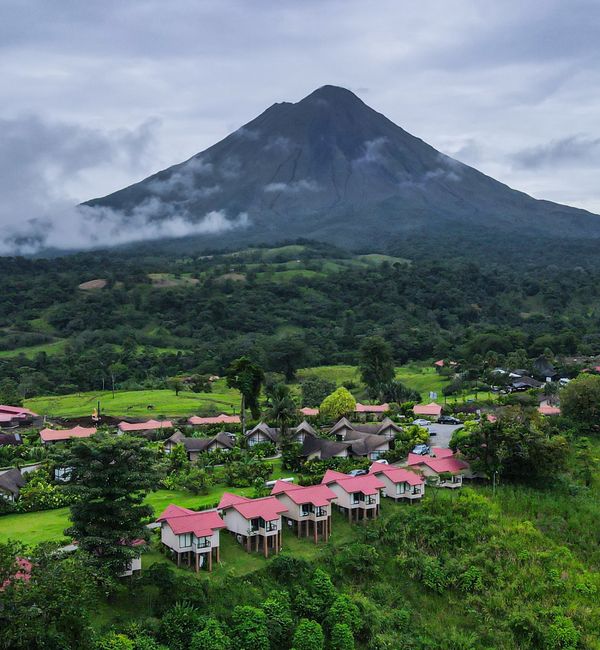
Costa Rica in Winter photo 2
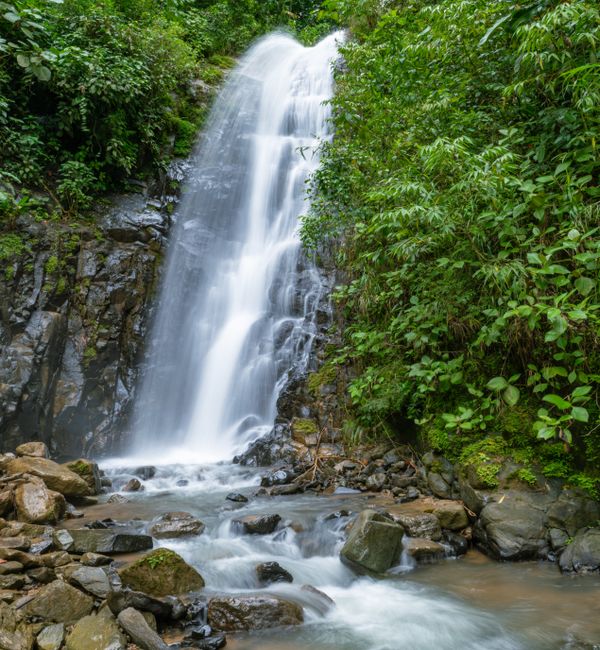
Costa Rica in Winter photo 3
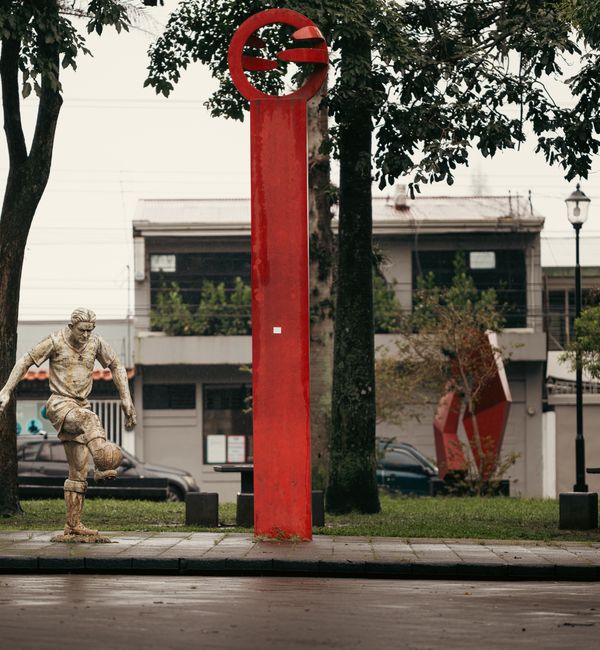
Costa Rica in Winter photo 4
Costa Rica in Winter photo 5
Costa Rica in Winter photo 6
Unmissable Moments

Top Things to Do in Costa Rica in Winter

Adventure

Hike the Mystical Canopy of Monteverde

Walk along suspension bridges suspended hundreds of feet above the cloud forest floor. At dawn, the forest is alive with the calls of the elusive Resplendent Quetzal. Go early at 7:00 AM to beat the winds and mist, and hire a certified naturalist guide with a spotting scope to point out miniature orchids, sleeping sloths, and endemic insects.

Must-Do

Spot Wildlife where the Jungle Meets the Sea

Explore Manuel Antonio National Park's coastal rainforest trails, where white-faced capuchin monkeys leap through the canopy and three-toed sloths lounge in cecropia trees. Cool off after your hike by swimming in the pristine, turquoise waters of Manuel Antonio Beach, located directly inside the protected reserve.

Scenic

Soak in Natural Volcanic Hot Springs

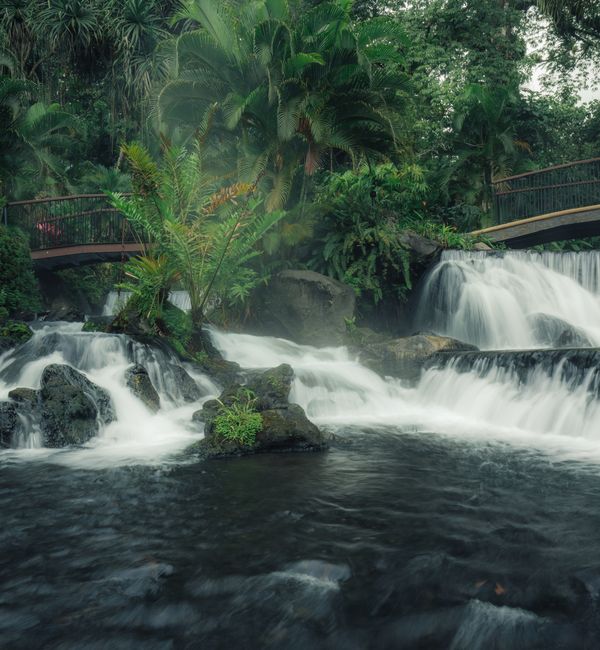
Relax in the geothermal hot springs heated by the active Arenal Volcano. For an authentic, free experience, visit the natural hot spring river near Tabacón at dusk, or opt for a luxury eco-resort pass to soak in beautifully landscaped thermal pools surrounded by cascading waterfalls and tropical gardens.

Adventure

Surf the Golden Waves of the Nicoya Peninsula

Head to the bohemian surf towns of Santa Teresa or Nosara, where consistent winter swells create world-class breaks for both beginners and pros. Book a late afternoon surf lesson to catch the legendary golden hour, where the sun sinks directly into the Pacific Ocean, painting the sky in shades of violet and orange.

Area Guide

Where to Stay & Best Neighborhoods

Guanacaste & The Nicoya Peninsula

Best for: Beach lovers, luxury resort seekers, surfers, and sun-worshippers.

Vibe: Sun-drenched, laid-back, surf-centric, and naturally dramatic.

This northwestern province is Costa Rica's dry tropical paradise. In winter, the landscape transforms into a golden savannah bordered by dramatic cliffs and pristine beaches. Towns like Tamarindo offer vibrant nightlife and surf schools, while the exclusive Papagayo Peninsula hosts ultra-luxury eco-resorts. Further south, Nosara and Santa Teresa draw yogis, surfers, and wellness enthusiasts seeking a bohemian lifestyle under swaying palms.

Arenal & La Fortuna

Best for: Adventure junkies, families, hikers, and wellness travelers.

Vibe: Lush, adventurous, volcanically active, and energizing.

Dominated by the near-perfect cone of the Arenal Volcano, this region is the adventure capital of the country. Lush, rainforest-clad hills are crisscrossed by hiking trails, ziplines, and hanging bridges. The town of La Fortuna serves as the lively basecamp, packed with organic cafes, craft breweries, and local sodas, while the surrounding valley is blessed with dozens of mineral-rich geothermal hot springs.

Manuel Antonio & The Central Pacific

Best for: First-time visitors, wildlife photographers, and multi-generational families.

Vibe: Biodiverse, coastal, lively, and highly accessible.

This narrow strip of coast is where the dramatic rainforest slopes down to meet calm, white-sand beaches. The bustling main road winding down to the national park is lined with cliffside hotels offering panoramic ocean views, gourmet restaurants, and lively bars. It is one of the easiest places in the country to spot wildlife up close, making it incredibly popular but endlessly rewarding.

Food & Drink Scene

What to Eat in Costa Rica in Winter

Gallo Pinto

The quintessential Costa Rican breakfast made of black beans and rice sautéed with onions, bell peppers, garlic, and cilantro. Its signature flavor comes from Salsa Lizano, a sweet, smoky, and slightly spicy national condiment. It is typically served alongside eggs, fried sweet plantains, sour cream (natilla), and fresh corn tortillas.

🍴 Top spot: Soda La Parada in La Fortuna

Casado

The traditional, hearty Costa Rican lunch plate. It represents a marriage of flavors, typically featuring white rice, black or red beans, sweet fried plantains, a side salad (usually cabbage and tomato), and a choice of protein such as grilled fish, pork chop, chicken, or beef, often topped with caramelized onions.

🍴 Top spot: Soda Manuel Antonio in Manuel Antonio

Ceviche de Corvina

Fresh, locally caught sea bass (corvina) diced and cured in tart lime juice with finely minced red onions, sweet peppers, and fresh cilantro. It is served chilled, typically accompanied by crispy plantain chips or soda crackers, making it the ultimate refreshing beachside lunch during the hot winter afternoons.

🍴 Top spot: Pescadería El Coco in Playas del Coco
Excursions

Best Day Trips from Costa Rica in Winter

Rio Celeste & Tenorio Volcano National Park

1.5 hours from La Fortuna

Hike through a lush rainforest to witness a jaw-dropping natural phenomenon: a river of brilliant, milky-blue water. The surreal color is created by a chemical reaction between volcanic minerals where two rivers meet. View the stunning Rio Celeste waterfall and the bubbling thermal vents along the trail.

Nauyaca Waterfalls

1 hour 15 minutes from Manuel Antonio

Journey deep into the southern Pacific rainforest to visit one of Costa Rica's most spectacular waterfalls. Nauyaca consists of two tiers of cascading water dropping over 140 feet into a massive, deep green natural swimming pool. You can hike, ride horseback, or take a 4x4 truck to reach the falls.

When to Go

Best Time to Visit & Seasonality

Editor’s Pick: December to April is the ultimate time to visit Costa Rica. These months constitute the dry season, offering the most consistent sunshine, minimal rainfall, and dry hiking trails. It is the perfect window for outdoor adventures, wildlife spotting, and beach hopping, though it also coincides with peak tourist crowds.

Spring Overview

(March - May)
Moderate
Average Temperature & Climate24°C - 33°C (75°F - 91°F)

Transitioning from dry to wet; hot and increasingly humid with afternoon showers starting in May.

Crowd & Travel ConditionsModerate Tourist Traffic

Fewer lines and better deals.

✨ Seasonal Highlights:Easter week (Semana Santa) celebrations, nesting leatherback sea turtles on the Caribbean coast, and fewer crowds in late spring.
Travel Smarter

Practical Travel Essentials

CurrencyCosta Rican Colón (CRC)
LanguageSpanish
Time ZoneCST (UTC-6)

Visa & Entry

Citizens of the US, Canada, EU, and UK do not need a visa for tourist stays up to 180 days. A passport valid for the duration of stay and proof of onward travel (a return ticket) are strictly required.

Getting Around & Transit

Renting a 4x4 SUV is highly recommended for navigating gravel roads, especially in rural areas like Monteverde or Drake Bay. Alternatively, shared tourist shuttles (like Interbus or Tropical Tours) are highly reliable and comfortable.

Daily Budget Expectation

$120 - $280 USD per day depending on accommodation choices and adventure excursions.

Safety & Health

Costa Rica is generally very safe for travelers, but petty theft (especially car break-ins) is common. Never leave luggage or valuables unattended in a rental car, even for a few minutes at a scenic overlook.

Local Etiquette & Customs

Adopt the 'Pura Vida' attitude. Ticos are exceptionally polite, warm, and non-confrontational. Greet people with a friendly 'Buenos días' or 'Buenas tardes.' A 10% service charge is included in restaurant bills, but tipping an extra 5-10% for great service is highly appreciated.

Questions & Answers

Frequently Asked Questions about Costa Rica in Winter

Yes, winter (December to April) is the dry season, offering the most reliable sunshine, dry trails, and active wildlife viewing, though it is also the busiest and most expensive time of year.