2026 GuideVoyage Roams Best in Travel: Top 10 Bucket List Destinations
Read Rankings
Douro Valley
regionEurope
4.92 / 5.0

Douro Valley

A majestic amphitheater of terraced vineyards, historic quintas, and golden, slow-flowing waters.

Advertisement
Editorial Guide

About Douro Valley

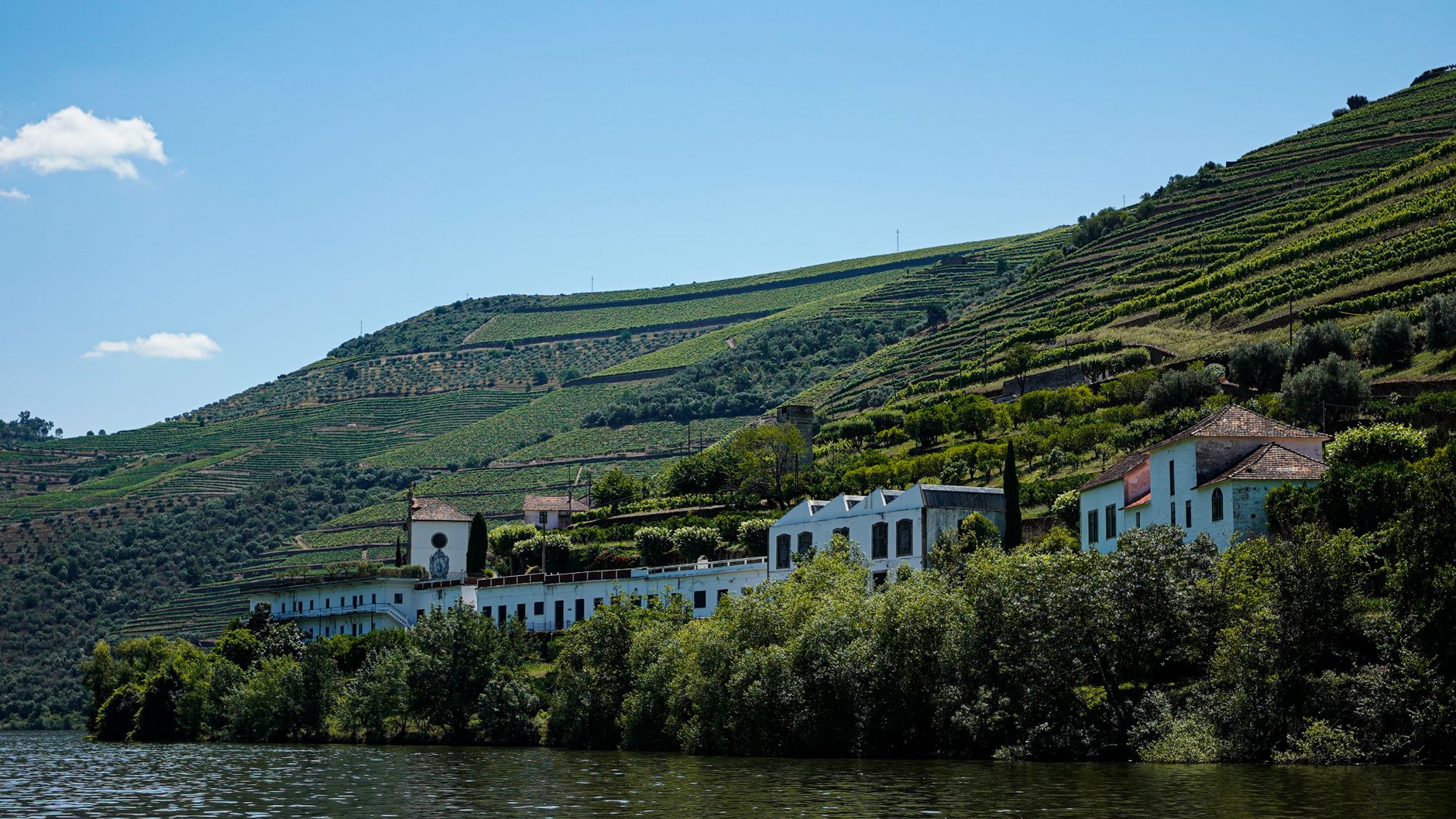
Steeped in over two millennia of winemaking history, the Douro Valley is a staggering monument to human perseverance and natural beauty. This UNESCO World Heritage-listed region is defined by the mighty Douro River, which carves a serpentine path through rugged schist mountains. For centuries, local winegrowers have painstakingly sculpted these sheer slopes into dramatic, hand-built dry-stone terraces (socalcos), creating a pleated green-and-gold landscape that shifts spectacularly with the seasons. It is here, under a demanding microclimate shielded from Atlantic winds by the Marão and Montemuro mountains, that the grapes for the world’s finest Port wines—and an increasingly celebrated portfolio of rich, dry table wines—are grown.

To travel through the Douro is to step into a slow-paced, deeply traditional realm where the rhythm of life is dictated by the soil, the sun, and the vine. Historic wine estates, known as quintas, crown the hilltops, their whitewashed walls standing out against the deep green slopes. Historically, the harvested grapes were trodden by foot in granite stone troughs (lagares) and the fortified wine was transported downriver to the cellars of Vila Nova de Gaia aboard wooden rabelo boats, navigating treacherous rapids before the river was dammed in the 20th century.

Today, the region balance its deep-rooted heritage with a sophisticated modern wine tourism scene. Visitors can stay in beautifully restored manor houses, dine at Michelin-starred restaurants overlooking the water, and taste exceptional vintages alongside the very winemakers who crafted them. Yet, despite its international acclaim, the valley retains its rustic, authentic soul. In the quiet villages away from the riverbank, old men still gather in tiny taverns, olive groves and orange orchards break up the monoculture of vines, and the smell of woodsmoke and fermenting grapes hangs thick in the autumn air.

Geographically, the valley is divided into three distinct sub-regions: the cooler, wetter Baixo Corgo to the west, which produces lighter wines; the central Cima Corgo, centered around the town of Pinhão, home to the most prestigious estates; and the remote, arid Douro Superior, which stretches to the Spanish border and offers a wild, sun-baked landscape of raw beauty. Exploring these transitions reveals the incredible diversity of a region that is as much an architectural wonder as it is an agricultural masterpiece.

Visual Impressions & Moments
Douro Valley photo 1
Douro Valley photo 2
Douro Valley photo 3
Douro Valley photo 4
Douro Valley photo 5
Douro Valley photo 6
Unmissable Moments

Top Things to Do in Douro Valley

Must-Do

Participate in a Traditional Grape Harvest

There is no experience more intimate or culturally immersive in the Douro than participating in the annual autumn harvest (vindima). Visitors can join local workers in picking grapes on the steep terraces, followed by the exhilarating, rhythmic experience of foot-treading (lagarada) in historic granite lagares. This communal labor is traditionally accompanied by local folk songs, accordion music, and a hearty, rustic feast paired with the estate's finest wines. It is a sensory, sweat-inducing, and unforgettable celebration of the region's living heritage.

Scenic

Sail the River on a Private Vintage Rabelo Boat

To truly appreciate the scale of the terraced vineyards, you must view them from the water. Skip the massive, crowded cruise liners and charter a private, wooden rabelo boat—the traditional flat-bottomed vessels once used to transport wine casks downriver to Porto. Gliding silently along the calm waters near Pinhão, sipping a chilled white Port-and-tonic as the dramatic terraced cliffs rise sharply on either side, offers an unparalleled perspective of this sculpted landscape.

Adventure

Drive the Legendary N222 Highway

Often heralded by automotive enthusiasts as one of the world's most beautiful road trips, the stretch of the Estrada Nacional 222 (N222) between Peso da Régua and Pinhão is a driver's dream. The road hugs the contours of the Douro River, featuring 93 sweeping curves that offer dramatic, postcard-perfect vistas of terraced vineyards, olive groves, and historic estates at every turn. Rent a convertible or a vintage car, roll down the windows to catch the scent of wild rosemary and warm earth, and take your time navigating this engineering marvel.

Culinary

Indulge in a Decadent Quinta Wine Tasting and Lunch

The culinary and viticultural heart of the valley is found within its historic estates. Spend an afternoon at a prestigious quinta, such as Quinta da Roêda or Quinta do Bomfim, learning about the complex blending of indigenous Portuguese grape varieties like Touriga Nacional and Tinta Roriz. Follow a deep-cellar tour with an al fresco lunch of slow-cooked local delicacies on a shaded terrace overlooking the river, perfectly paired with both structured dry red wines and aged, complex Tawny Ports.

Area Guide

Where to Stay & Best Neighborhoods

Peso da Régua

Best for: First-time visitors, transport connections, and museum-goers.

Vibe: Bustling, historic, and practical hub of the wine trade.

Commonly referred to simply as Régua, this town is the official capital of the Douro wine region. Located in the Baixo Corgo, it serves as the primary transport hub, where trains, boats, and cars converge. While less quaint than smaller villages, its riverfront promenade is lined with excellent restaurants, wine bars, and the modern Museu do Douro. It is the ideal base for those wanting easy access to amenities and a wide selection of hotels.

Pinhão

Best for: Wine connoisseurs, luxury seekers, and romantic getaways.

Vibe: Prestigious, scenic, and deeply traditional.

Situated at the confluence of the Douro and Pinhão rivers in the heart of the Cima Corgo, Pinhão is the undisputed crown jewel of the valley. Surrounded by some of the most famous and historic wine estates in the world, the town itself is small, charming, and sleepy, yet highly sophisticated. The local railway station is a work of art, decorated with blue-and-white tiles depicting the harvest, and the town serves as the prime departure point for river cruises and exclusive wine tastings.

Douro Superior (Lamego & Vila Nova de Foz Côa)

Best for: Off-the-beaten-path explorers, history buffs, and nature lovers.

Vibe: Wild, rugged, arid, and rich in ancient history.

Stretching east toward the Spanish border, the Douro Superior is the largest, hottest, and most remote of the three sub-regions. The landscape changes dramatically here, transforming into a rugged, windswept terrain of schist, almond trees, and olive orchards. Key towns include historic Lamego, with its grand baroque sanctuary, and Vila Nova de Foz Côa, famous for its world-class archaeological park containing thousands of prehistoric open-air rock carvings.

Food & Drink Scene

What to Eat in Douro Valley

Cabrito Assado no Forno de Lenha

This is the ultimate Sunday feast in the Douro hills. Tender, milk-fed baby goat is marinated in garlic, white wine, bay leaves, and lard, then slow-roasted in a traditional wood-fired clay oven. The meat becomes incredibly succulent, falling off the bone, and is traditionally served alongside roasted potatoes and rich, savory rice cooked in the pan drippings. It pairs beautifully with the robust, full-bodied dry red wines of the region.

🍴 Top spot: Restaurante DOC by Chef Rui Paula (Folgosa)

Alheira de Mirandela

A unique, smoky Portuguese sausage with a rich history. Created by the Jewish population during the Portuguese Inquisition to deceive the Inquisitors into thinking they had converted to Christianity (by mimicking pork sausages), the Alheira is made from non-pork meats—typically wild game, poultry, bread, garlic, and paprika. It is lightly fried or grilled until the skin is shatteringly crisp and the interior is warm and creamy, often served with a fried egg and wild greens.

🍴 Top spot: Tasca da Quinta (Pinhão)

Toucinho do Céu

Translating to 'Bacon from Heaven,' this rich, traditional conventual dessert does indeed contain a small amount of pork lard (giving it an incredibly moist texture), though its primary ingredients are egg yolks, sugar, and ground almonds. Heavily dusted with powdered sugar, it is dense, sweet, and nutty—the perfect accompaniment to a glass of 10- or 20-year-old Tawny Port, which mirrors the dessert’s nutty, caramelized flavor profile.

🍴 Top spot: Pastelaria da Sé (Lamego)
Excursions

Best Day Trips from Douro Valley

The Monumental Baroque Town of Lamego

25 mins by car from Peso da Régua

Located just south of the river, Lamego is an elegant, historic town steeped in aristocratic charm. The highlight is the Sanctuary of Our Lady of Remedies, a breathtaking baroque shrine that sits atop a hill, reached by a monumental, zigzagging stone staircase of 686 steps adorned with beautiful tilework, fountains, and statues. After climbing the steps, explore the town's gothic cathedral, sample local sparkling wine (Raposeira), and try 'Lamego bôla'—a delicious bread stuffed with cured ham.

Prehistoric Rock Art in the Côa Valley

1 hour 15 mins by car from Pinhão

For a journey back in time, head to the archaeological park of Vila Nova de Foz Côa. This UNESCO World Heritage site features thousands of open-air carvings of horses, ibex, and cattle dating back to the Upper Paleolithic era (22,000 to 10,000 BC). Take a guided 4x4 night tour to see the carvings illuminated under the stars, and visit the stunning, ultra-modern Côa Museum, which perches dramatically on a cliff overlooking the confluence of the Douro and Côa rivers.

When to Go

Best Time to Visit & Seasonality

Editor’s Pick: The absolute prime time to visit the Douro Valley is during the autumn harvest season (mid-September to October). During this window, the valley comes alive with frantic, joyous energy: the terraced hillsides turn brilliant shades of copper, gold, and crimson, and many quintas invite travelers to participate in the traditional grape harvest and evening foot-treading (lagarada) ceremonies. Alternatively, late spring (late April to May) is spectacular, offering warm, comfortable temperatures, wildflower blooms, and lush green vines without the intense, dry heat of the summer months.

Spring Overview

(March - May)
Moderate
Average Temperature & Climate12°C - 22°C

Mild, pleasant, and occasionally showery, with fresh breezes off the river.

Crowd & Travel ConditionsModerate Tourist Traffic

Fewer lines and better deals.

✨ Seasonal Highlights:Witnessing the vineyards wake up from winter dormancy; blooming almond blossoms in early spring; comfortable hiking temperatures; fewer tourists.
Travel Smarter

Practical Travel Essentials

CurrencyEUR (€)
LanguagePortuguese
Time ZoneWET (UTC+0) / WEST (UTC+1)

Visa & Entry

Portugal is a member of the Schengen Area. Citizens of the US, Canada, UK, Australia, and New Zealand do not require a visa for stays up to 90 days for tourism purposes.

Getting Around & Transit

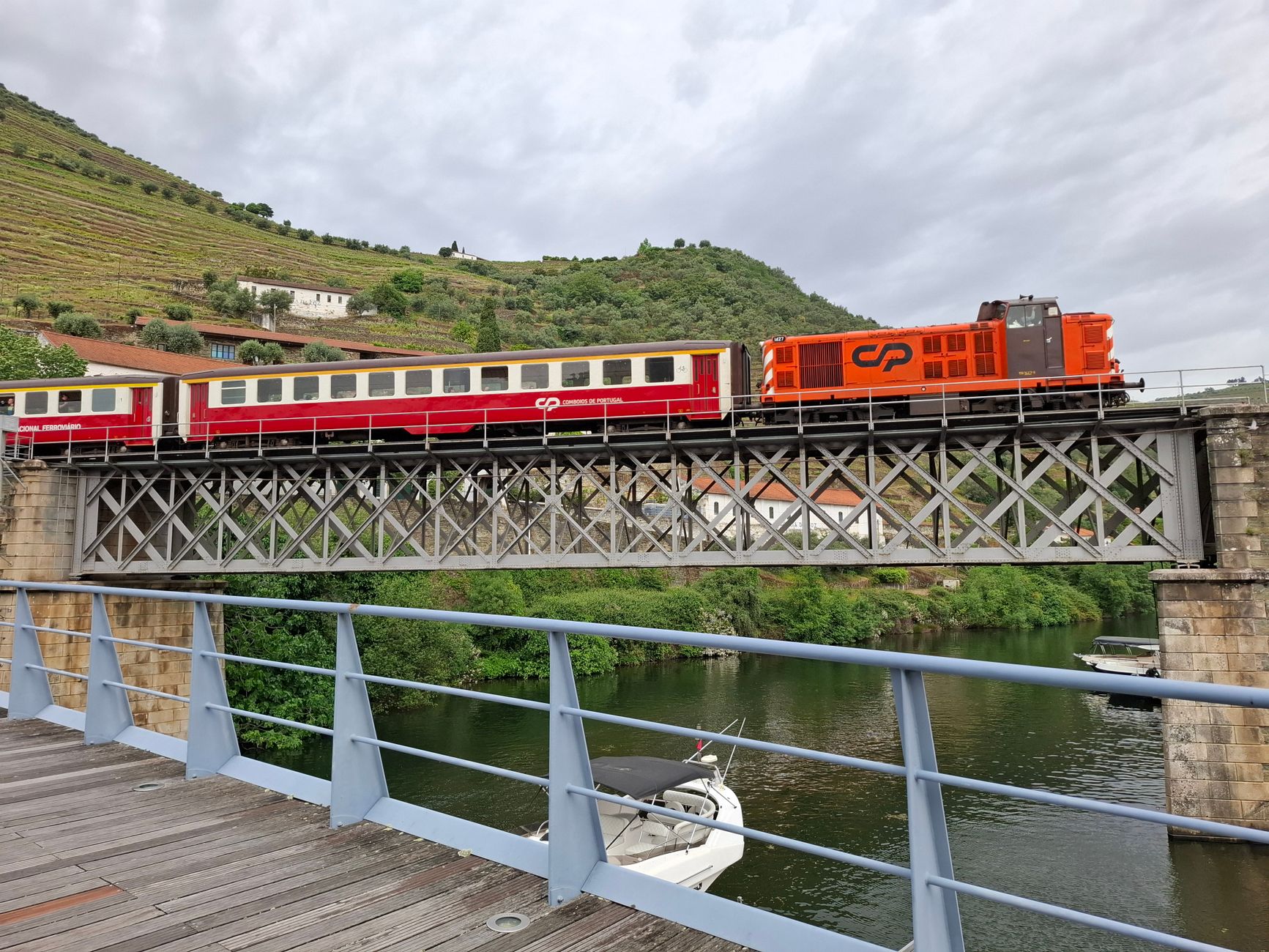
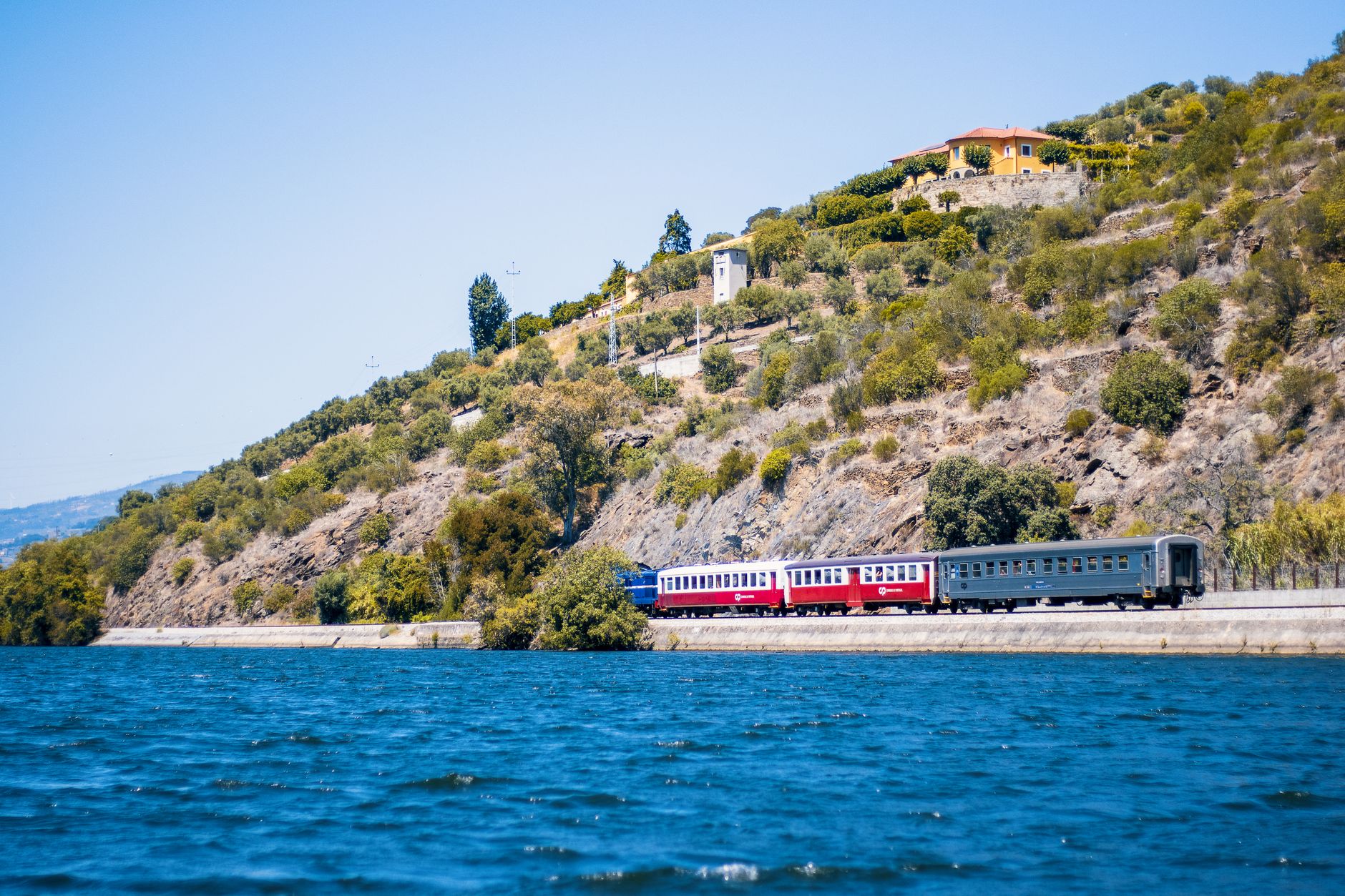
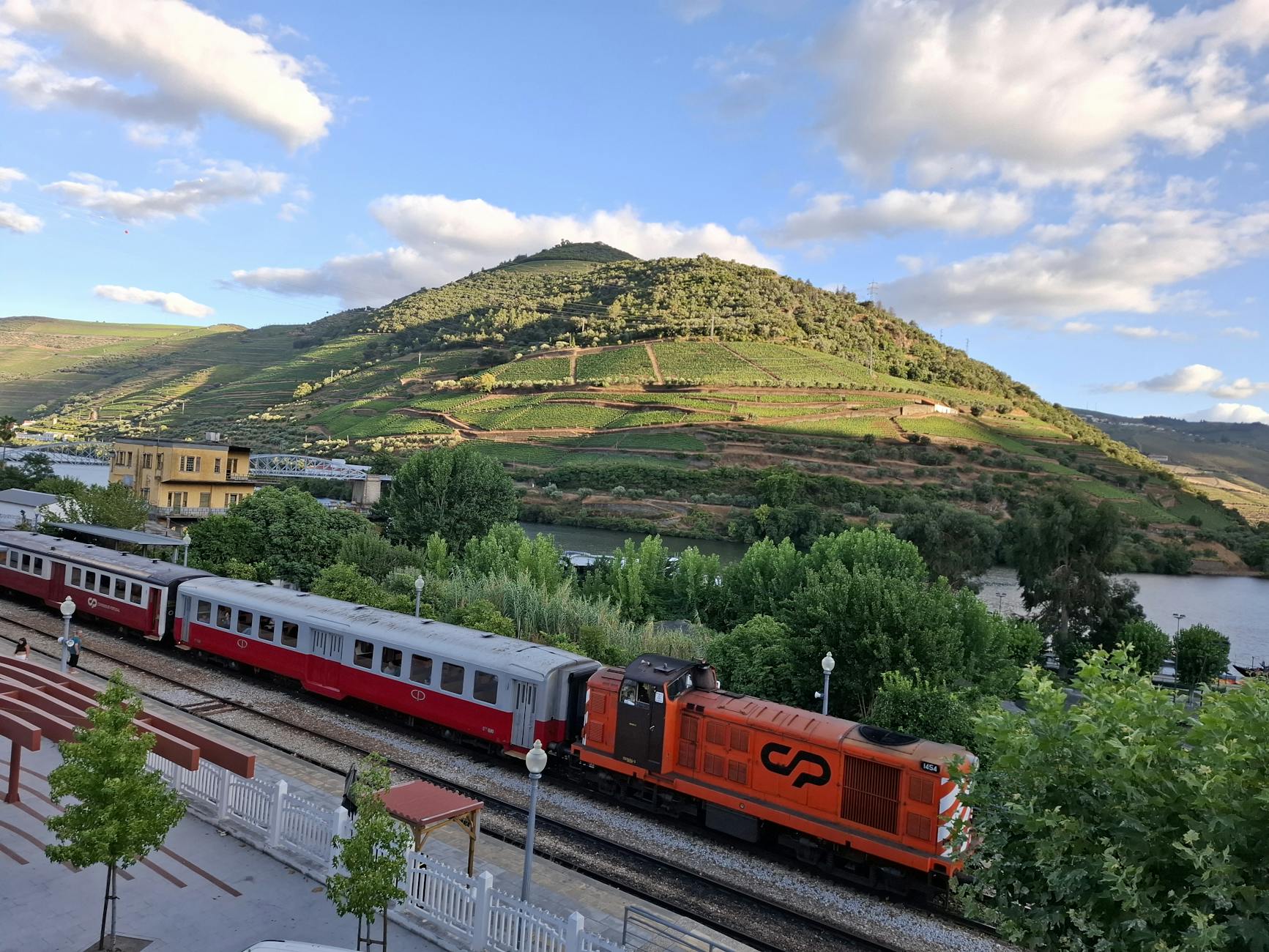
While the scenic Linha do Douro train connects Porto to Régua and Pinhão, renting a car is highly recommended to explore the best viewpoints, remote villages, and hilltop quintas. Be prepared for narrow, winding roads with dramatic drop-offs. Alternatively, hiring a private driver for wine tasting days is a popular and safe option.

Daily Budget Expectation

€120 - €250 per day (Mid-range to Luxury). This covers a rental car, a mid-range boutique hotel or guesthouse stay, two meals featuring local cuisine, and one or two premium winery tours/tastings.

Safety & Health

The Douro Valley is incredibly safe with virtually no violent crime. The primary safety concerns are driving on steep, winding mountain roads and staying hydrated under the intense summer sun.

Local Etiquette & Customs

When visiting quintas for wine tastings, booking in advance is essential; turning up unannounced is generally frowned upon. Dress is smart-casual. A polite 'Bom dia' (Good morning) or 'Boa tarde' (Good afternoon) when entering shops or restaurants is highly appreciated.

Questions & Answers

Frequently Asked Questions about Douro Valley

Yes, absolutely. Most prestigious quintas operate strictly by appointment to ensure high-quality, intimate tours. During the peak harvest season (September and October), you should book your tastings and lunches at least 2 to 3 months in advance.