🌟 Best in Travel 2026 is here!
Faro
cityEurope
4.82 / 5.0

Faro

The soulful gateway to the Algarve, where ancient walls meet breathtaking coastal lagoons.

Advertisement
Editorial Guide

About Faro

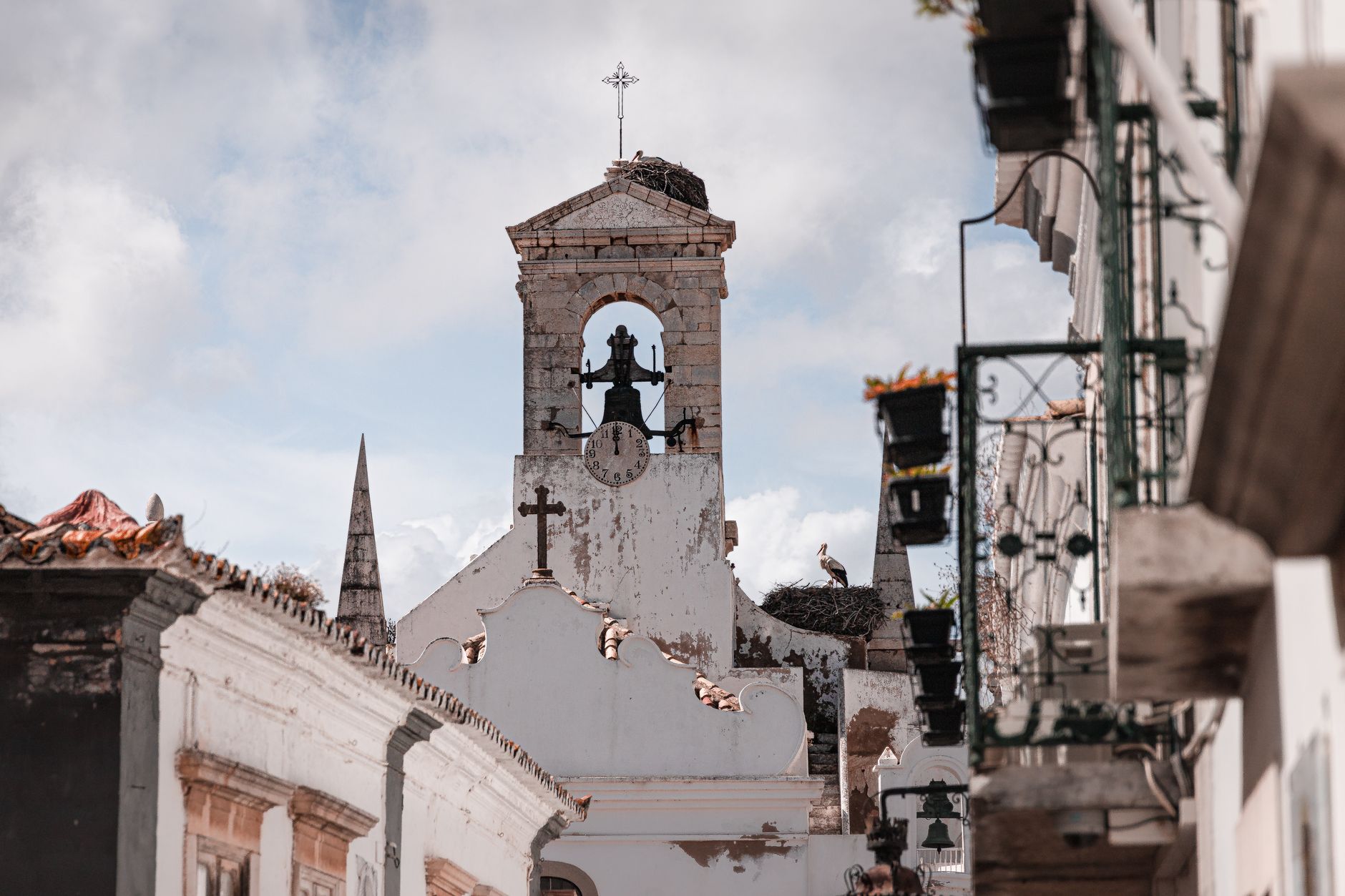
Faro, the historic and administrative capital of Portugal's sun-drenched Algarve region, often serves merely as an airport transit point for hurried tourists rushing off to the beach resorts. Yet, those who linger discover a captivating, labyrinthine city brimming with medieval architecture, seafaring history, and authentic local life. Encircled by thick Moorish walls, the Cidade Velha (Old Town) unfolds into sun-bleached cobblestone plazas, orange-tree-shaded courtyards, and storks nesting atop ancient bell towers. Its geographic anchor is the stunning Ria Formosa Natural Park—a sprawling maze of salt marshes, tidal flats, barrier islands, and winding canals that shelter an astonishing array of marine life and migratory birds.

The cultural fabric of Faro is deeply woven into its maritime heritage and resilience. Having survived earthquakes, pirate raids, and sieges, the city retains a quiet dignity and an unhurried, distinctly southern European rhythm. Unlike the heavily commercialized resort towns further west, Faro pulses with a genuine Portuguese heartbeat. Here, elderly gentlemen chat over bica coffee in wrought-iron cafés, fishermen mend their nets along the docks, and university students bring a vibrant, youthful energy to the bustling pedestrian shopping avenues of Rua de Santo António.

Atmospherically, Faro strikes a rare balance between historic gravitas and easygoing coastal vitality. As daylight wanes, the limestone facades of historic buildings turn a rich amber, reflecting off the glassy waters of the marina where sleek yachts bob alongside traditional wooden fishing skiffs. The air carries the enticing scents of grilled sardines, fresh coriander, and briny sea salt, beckoning travelers into family-run tascas where local recipes have been passed down through generations.

Geographically positioned at the southeastern edge of mainland Portugal, Faro serves as a living bridge between land and sea. The Ria Formosa acts as a protective aquatic barrier, shielding the mainland from the tempestuous Atlantic Ocean while creating serene, shallow lagoons that invite exploration by kayak, solar-powered boat, or on foot. This delicate ecosystem shapes the daily routines, culinary traditions, and outdoor lifestyles of Faro's residents, making it a destination of profound natural beauty and cultural depth.

Visual Impressions & Moments
Faro photo 1
Faro photo 2
Faro photo 3
Faro photo 4
Faro photo 5
Faro photo 6
Unmissable Moments

Top Things to Do in Faro

Must-Do

Sail Through the Labyrinth of Ria Formosa Natural Park

Embark on a traditional wooden boat tour through the protected channels, salt pans, and barrier islands of the Ria Formosa. Navigate narrow waterways where ospreys hunt, spot colorful fiddler crabs on the mudflats, and anchor at secluded sandy spits like Ilha Deserta. Tip: Book a late afternoon eco-tour to witness a breathtaking sunset over the mirror-like lagoons.

Culture

Explore the Haunting Bone Chapel at Igreja do Carmo

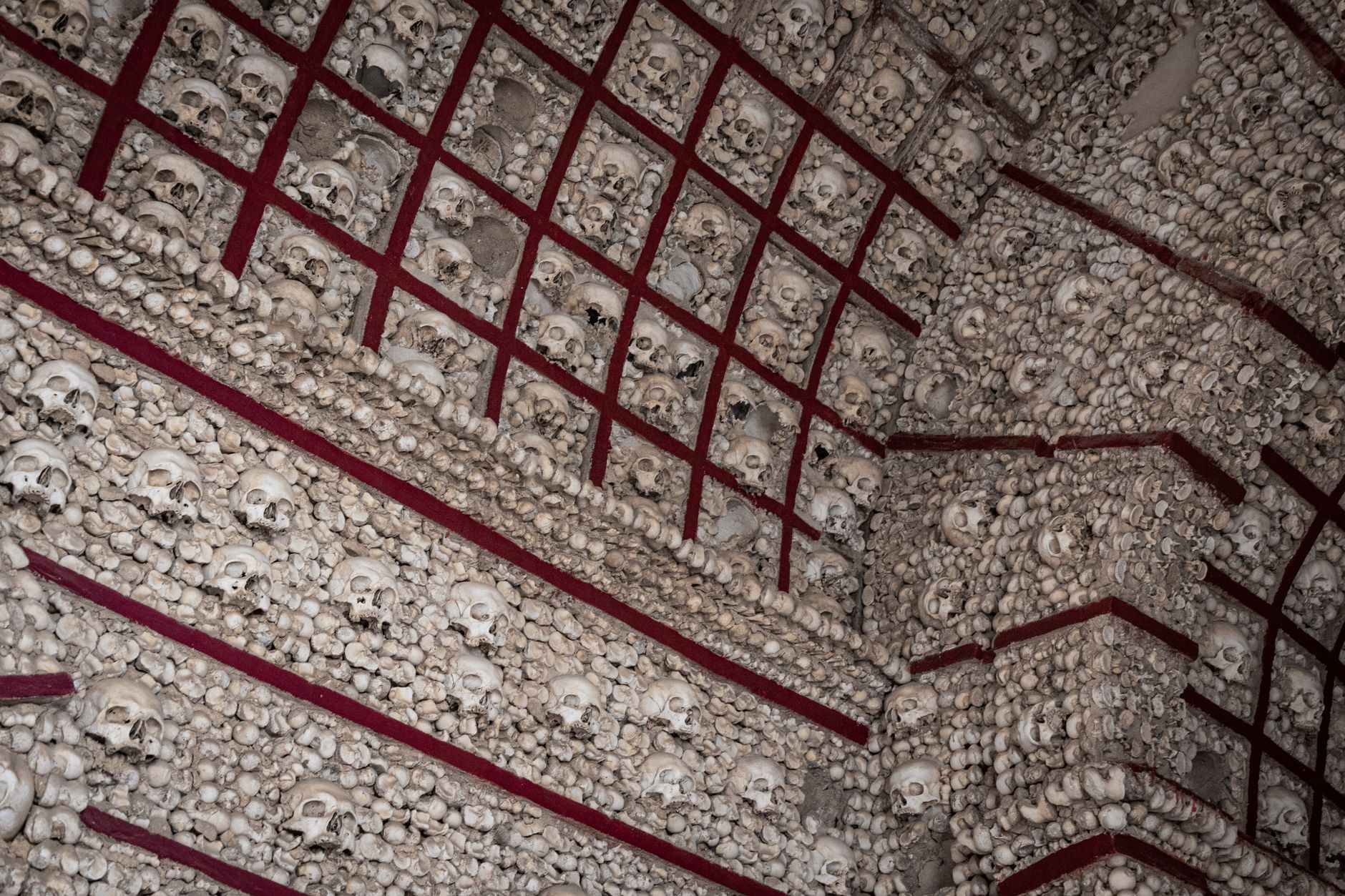
Step inside the magnificent 18th-century Carmo Church and descend to its sobering rear chapel, the Capela dos Ossos. The walls and pillars are meticulously lined with the skulls and bones of over a thousand Carmelite monks, serving as a striking memento mori. Tip: Read the chilling Portuguese inscription above the door before entering: 'Pó para pó, aqui vos esperamos' (Dust to dust, here we wait for you).

Scenic

Wander the Medieval Lanes of Cidade Velha

Enter through the neoclassical Arco da Vila into Faro's historic walled citadel. Stroll past whitewashed merchant houses, orange trees, and the imposing Faro Cathedral (Sé), climbing its medieval tower for sweeping panoramic views over the marina and lagoon. Tip: Visit during the golden hour when the fading sunlight illuminates the historic limestone ramparts with a warm glow.

Culinary

Feast on Authentic Algarve Seafood at Mercado Municipal

Immerse yourself in local culinary culture at Faro's bustling municipal market. Browse stalls piled high with glistening Atlantic catch, razor clams, and sun-ripened regional produce before sitting down at one of the modest surrounding seafood eateries. Tip: Order cataplana de marisco (a rich shellfish stew cooked in a traditional copper clamshell pot).

Must-See Highlights

Top Places & Things to Do in Faro

Curated attractions and cultural landmarks with local insider advice.

Arco da Vila
attraction
4.65

Arco da Vila

Serving as the grand ceremonial gateway into Faro's medieval Cidade Velha, the Arco da Vila is an architectural masterpiece designed in the Italian neoclassical style by Italian architect Francisco Xavier Fabri in the early 19th century. It incorporates a surviving Moorish horseshoe arch from the original city wall, symbolizing the city's complex heritage. At the peak of the arch sits a white marble niche housing the statue of Saint Thomas Aquinas, patron saint of Faro. Walking through this archway feels like stepping across a literal portal in time, immediately transporting visitors from the energetic modern bustle of Baixa into the serene, timeless silence of the ancient walled city.

Open 24/7
Admission: Free
Insider Tip: Look closely at the upper brickwork to spot the stork nests that are frequently active during spring and summer months.
Ria Formosa Natural Park
nature
4.85

Ria Formosa Natural Park

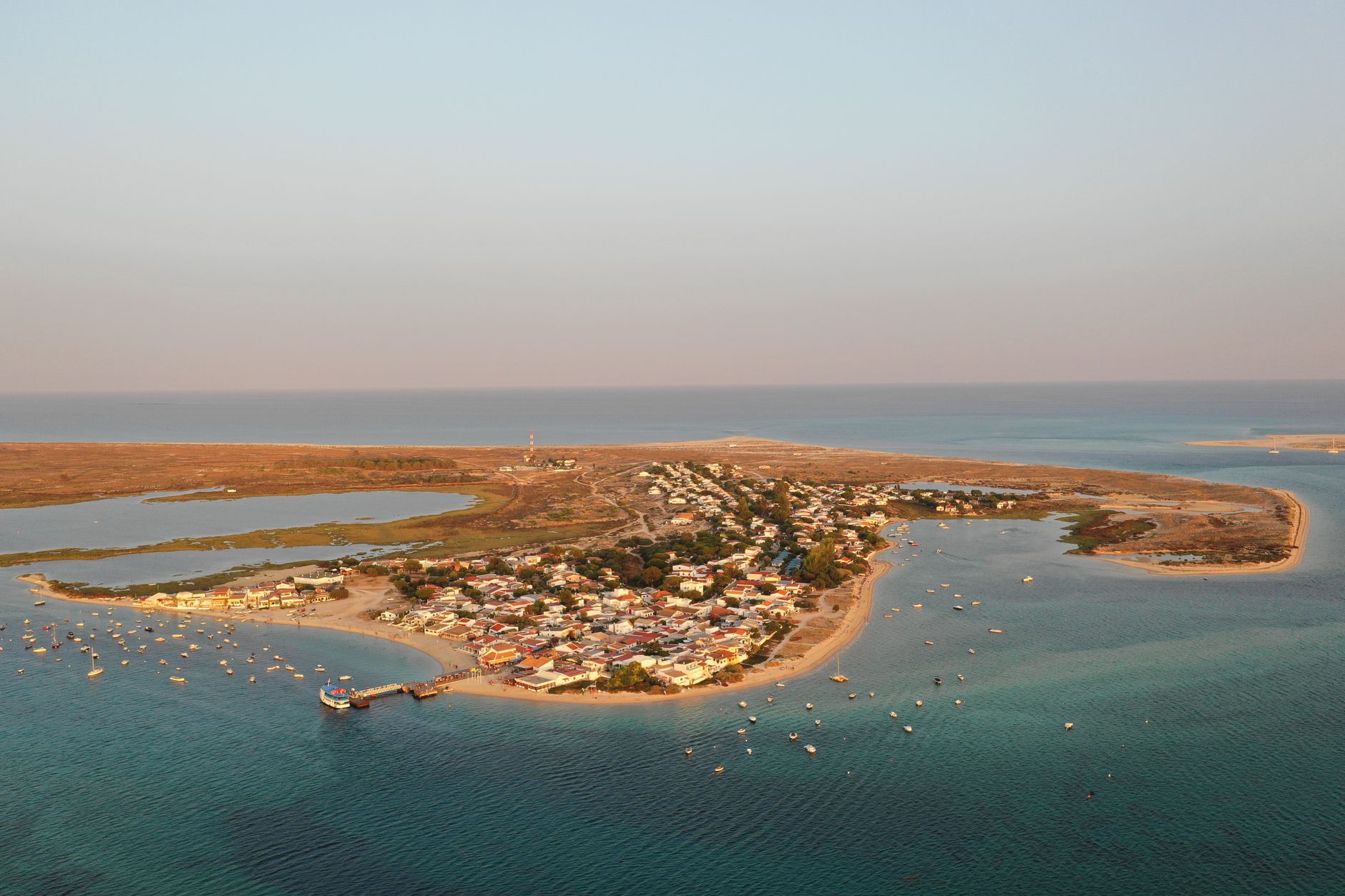
A protected labyrinth of barrier islands, salt marshes, tidal creeks, and sand dunes, the Ria Formosa is internationally recognized as a wetland of global ecological importance. It acts as a vital resting and nesting ground for hundreds of species of migratory birds, including elegant greater flamingos, purple herons, and rare Caspian terns. The park's dynamic ecosystem shifts constantly with the Atlantic tides, creating pristine turquoise lagoons and shifting sandbars. Visitors can explore this aquatic paradise via eco-friendly boat excursions, kayak rentals, or by walking the designated Ludo and São Lourenço trails that wind through pine forests and salt pans.

Open 24/7 (Visitor center open weekdays 09:00 - 17:00)
Admission: Free (Boat tours from €20)
Insider Tip: Bring binoculars and a telephoto lens if you are interested in bird watching, especially during spring and autumn migrations.
Faro Cathedral (Sé de Faro)
culture
4.6

Faro Cathedral (Sé de Faro)

Perched dramatically in the central square of the Old Town, the Faro Cathedral is a fascinating architectural palimpsest reflecting Gothic, Renaissance, and Baroque styles. Originally built in the 13th century over the foundations of a mosque, it stands as a testament to the city's multilayered religious and cultural history. Visitors can climb the spiral staircase of the medieval tower to be rewarded with breathtaking 360-degree vistas stretching across the terra-cotta rooftops of Faro, the glistening Ria Formosa lagoon, and the azure Atlantic horizon. The interior houses exquisite 17th-century gilded woodwork, striking blue-and-white azulejo tile panels, and a magnificent baroque organ adorned with Chinese-inspired Chinoiserie motifs.

Monday - Friday: 10:00 - 17:00, Saturday: 10:00 - 13:00
Admission: €5
Insider Tip: Check the schedule for organ concerts; listening to classical music inside the historic nave is an unforgettable experience.
Capela dos Ossos (Bone Chapel)
culture
4.7

Capela dos Ossos (Bone Chapel)

Tucked discreetly behind the main altar of the Igreja do Carmo, the Chapel of Bones is one of Faro's most haunting and poignant cultural sites. Constructed in the mid-19th century, the walls and arched ceiling are artfully decorated with the skeletal remains of over 1,000 Carmelite monks, arranged in intricate geometric patterns to maximize space in the cemetery. Despite its eerie nature, the chapel was designed not to terrify, but to offer a contemplative space reflecting on the transience of earthly life. Natural light filters softly through small openings, casting a gentle glow over the ivory bones and creating an atmosphere of quiet reverence and historical introspection.

Monday - Friday: 10:00 - 17:00, Saturday: 10:00 - 13:00
Admission: €2
Insider Tip: Combine your visit with a tour of the adjacent Igreja do Carmo to appreciate its striking gilded baroque woodwork.
Area Guide

Where to Stay & Best Neighborhoods

Cidade Velha (Old Town)

Best for: History enthusiasts, architecture lovers, and romantic evening strolls.

Vibe: Historic, walled, romantic, and peaceful with cobblestone alleys and ancient architecture.

Enclosed by sturdy 16th-century Renaissance walls built over Roman and Moorish foundations, Cidade Velha is Faro's beating historical heart. Entering through the ornate Arco da Vila reveals a quiet enclave largely untouched by modern urban sprawl. Storks nest atop the cathedral roof, and ivy-draped walls hide quaint boutique guesthouses and tranquil leafy squares.

Baixa (Downtown Faro)

Best for: Shopping, dining, café culture, and soaking in authentic urban Portuguese rhythms.

Vibe: Vibrant, commercial, pedestrian-friendly, and bustling with daily local life.

Spreading outward from the marina toward Rua de Santo António, Baixa is the lively commercial core of Faro. Its mosaic-paved pedestrian streets are lined with outdoor terraces, traditional sweet shops, and family-owned boutiques. It is the premier neighborhood for sampling local pastries, buying regional cork handicrafts, and watching the ebb and flow of everyday city life.

Ilha de Faro (Faro Beach)

Best for: Sunseekers, water sports enthusiasts, and sunset beach dinners.

Vibe: Salty, breezy, relaxed, and distinctly beach-shack chic.

Connected to the mainland by a single narrow bridge and road, Ilha de Faro sits on the outer barrier spit of the Ria Formosa. Featuring miles of golden Atlantic sand on one side and calm lagoon waters on the other, this strip combines a laid-back fishing village atmosphere with vibrant beach bars, seafood restaurants, and prime wave-watching spots.

Food & Drink Scene

What to Eat in Faro

Cataplana de Marisco

A quintessential Algarve specialty consisting of mixed seafood—clams, prawns, monkfish, and mussels—steamed with garlic, onions, tomatoes, white wine, and fresh coriander inside a unique hinged copper vessel called a cataplana. This airtight cooking method infuses the broth with intense, aromatic oceanic flavors.

🍴 Top spot: A Taska

Arroz de Lingueirão (Razor Clam Rice)

A deeply comforting and flavorful dish featuring succulent razor clams cooked in their own briny juices with garlic, olive oil, white wine, and rich rice, finished with a generous dusting of fresh cilantro. The rice absorbs the profound umami of the sea.

🍴 Top spot: Restaurante Ria Formosa

Dom Rodrigo & Doce Fino

Intricate regional sweets born from convent baking traditions, featuring spun egg yolks (fios de ovos), almonds, and sugar, often wrapped in shiny colored foil or shaped into delicate almond-paste figures of animals and fruit.

🍴 Top spot: Pastelaria Gardy
Excursions

Best Day Trips from Faro

Tavira & Olhão: Historic Fishing Towns and Salt Pans

20-30 minutes by regional train

Explore Olhão's Moorish-style cubic market buildings and bustling fish docks, then travel east to Tavira, an architectural jewel split by the Gilão River featuring a Roman bridge, castle ruins, and pristine island beaches.

Estoi Palace & Roman Ruins of Milreu

25 minutes by car or local bus

Journey into the rolling green foothills north of Faro to discover the dazzling pink Rococo palace of Estoi with its ornate tilework (azulejos) and formal terraced gardens, followed by a visit to the nearby 1st-century Roman villa ruins featuring remarkably preserved mosaics and thermal baths.

When to Go

Best Time to Visit & Seasonality

Editor’s Pick: Spring (March to May) and Autumn (September to November) offer ideal weather with comfortable temperatures ranging from 20°C to 26°C, avoiding the intense summer heat and massive tourist crowds while keeping Ria Formosa boat tours fully accessible.

Spring Overview

(March - May)
Moderate
Average Temperature & Climate17°C - 24°C

Mild, sunny, and increasingly warm with refreshing ocean breezes.

Crowd & Travel ConditionsModerate Tourist Traffic

Fewer lines and better deals.

✨ Seasonal Highlights:Wildflowers blooming across the Ria Formosa, comfortable walking weather in the Old Town, and fewer tourists at major cultural landmarks.
Travel Smarter

Practical Travel Essentials

CurrencyEUR (€)
LanguagePortuguese
Time ZoneWET / WEST (UTC+0 / UTC+1)

Visa & Entry

Portugal is part of the Schengen Area. Travelers from the EU/EEA, US, Canada, UK, and Australia do not require a visa for stays up to 90 days within a 180-day period.

Getting Around & Transit

Faro is exceptionally walkable, particularly the downtown and Old Town areas. Regional trains and buses connect Faro efficiently to neighboring Algarve towns, while bicycles and ferries are ideal for exploring the Ria Formosa islands.

Daily Budget Expectation

€60 - €120 per day covers comfortable mid-range accommodation, casual seafood dining, public transport, and guided boat excursions.

Safety & Health

Faro is one of the safest cities in Europe with extremely low rates of violent crime, though standard precautions against petty pickpocketing should be taken in crowded transit hubs.

Local Etiquette & Customs

Greet shopkeepers and servers with a polite 'Bom dia' (Good morning) or 'Boa tarde' (Good afternoon). Tipping is not obligatory but rounding up the bill by 5-10% is appreciated for good service in restaurants.

Questions & Answers

Frequently Asked Questions about Faro

Faro is heavily underrated and well worth a 2-3 day stay. Beyond the airport, it offers a stunning walled Old Town, a unique coastal lagoon ecosystem, authentic seafood dining, and freedom from mass tourism.