🌟 Best in Travel 2026 is here!
France
countryEurope
4.90 / 5.0

France

Where history, art, and the art of living intertwine beautifully.

Editorial Guide

About France

France, a nation steeped in millennia of history, captivates with its unparalleled cultural heritage and profound influence on global art, fashion, and gastronomy. From the ancient Celtic tribes and Roman Gaul to the powerful Capetian monarchy, the tumultuous French Revolution, and the dawn of modern democracy, France's narrative is a rich tapestry of innovation, conflict, and enduring elegance. Its cities are living museums, its countryside whispers tales of old, and its people cherish a lifestyle that values beauty, quality, and passionate discourse, embodying the famed 'art de vivre' (art of living) that permeates every aspect of daily existence, from morning coffee to evening apéritif.

Geographically, France is a land of stunning diversity, offering a breathtaking panorama that ranges from the sun-drenched beaches of the Mediterranean to the rugged peaks of the Alps and Pyrenees, and the dramatic cliffs of the Atlantic coast. The gentle rolling vineyards of Bordeaux and Burgundy stretch across fertile plains, while the lavender fields of Provence paint the landscape in vibrant hues. This incredible variety means travelers can ski world-class slopes, hike ancient pilgrim routes, cycle through charming villages, or simply relax on pristine beaches, often within a day's journey of each other. The country's rivers, like the Seine and the Loire, serve as historical arteries, their banks dotted with iconic châteaux and bustling metropolises.

French culture is a sophisticated blend of intellectualism, artistic flair, and a deep appreciation for aesthetics. It's a land that gave birth to Gothic architecture, Impressionist painting, existential philosophy, and haute couture. Daily life revolves around meticulous culinary traditions, robust local markets bursting with seasonal produce, and lively café culture where conversations flow as freely as the wine. The French value quality over quantity, taking pride in artisanal craftsmanship, whether it's a perfectly baked baguette, a hand-stitched leather good, or a meticulously composed perfume. This dedication to excellence is evident in every corner, inviting visitors to slow down and savor the moment.

Beneath the veneer of sophistication lies a warm, community-oriented spirit. While initial interactions might seem reserved, the French are deeply proud of their regional identities and traditions, eager to share their local wines, cheeses, and customs with genuine curiosity. From the bustling boulevards of Paris to the tranquil villages of Alsace, each region offers a unique slice of French life, characterized by distinct dialects, culinary specialties, and architectural styles. Engaging with locals, even with a few words of French, can unlock truly authentic experiences, revealing the heart and soul of this captivating nation.

Visual Impressions & Moments

France photo 1
France photo 2
France photo 3
France photo 4
France photo 5
France photo 6
Unmissable Moments

Top Things to Do in France

Culture

Savor the 'Art de Vivre' in a Parisian Café

Immerse yourself in the timeless Parisian tradition of people-watching from a classic café terrace. Order a 'café crème' and a croissant, or an apéritif in the evening, and simply observe the city's rhythm. This isn't just about dining; it's about soaking in the atmosphere, engaging in quiet contemplation, or lively conversation. Insider tip: Seek out historic cafés like Café de Flore or Les Deux Magots in Saint-Germain-des-Prés for a quintessential experience, but don't shy away from smaller, local establishments for an authentic neighborhood feel.

Adventure

Explore the Châteaux of the Loire Valley by Bicycle

Embark on a fairytale journey through the picturesque Loire Valley, where magnificent Renaissance châteaux dot the landscape. Rent a bicycle and pedal along dedicated cycling paths that wind through vineyards, forests, and charming villages, stopping to explore iconic castles like Chambord, Chenonceau, and Azay-le-Rideau. This allows for an intimate connection with the region's history and natural beauty. Insider tip: Many châteaux offer bike racks, and some even have rental services. Plan your route to include a picnic lunch with local cheeses and wine purchased from a small market.

Culinary

Indulge in a Gastronomic Journey through Lyon

Discover why Lyon is considered the gastronomic capital of France. Dive into its renowned culinary scene by dining at a traditional 'bouchon' – a classic Lyonnaise bistro serving hearty, authentic dishes like 'quenelles de brochet' or 'salade Lyonnaise'. Explore the city's vibrant food markets, such as Les Halles Paul Bocuse, to sample local cheeses, charcuterie, and pastries. Insider tip: Book your bouchon reservations in advance, especially for dinner, as the best ones are often fully booked. Don't forget to try a glass of Beaujolais or Côtes du Rhône wine, both local specialties.

Scenic

Hike the Calanques National Park near Marseille

Experience the breathtaking natural beauty of the Calanques, a series of stunning limestone fjords stretching between Marseille and Cassis. Lace up your hiking boots and traverse rugged trails that offer panoramic views of turquoise waters, dramatic cliffs, and secluded coves. You can also kayak or take a boat tour to explore these natural wonders from the sea. Insider tip: Wear sturdy shoes, bring plenty of water, and check weather conditions before you go, especially during summer when trails can be closed due to fire risk. Access to some calanques is restricted during peak season, so plan accordingly.

Must-See Highlights

Top Places & Things to Do in France

Curated attractions and cultural landmarks with local insider advice.

Louvre Museum
culture
4.7

Louvre Museum

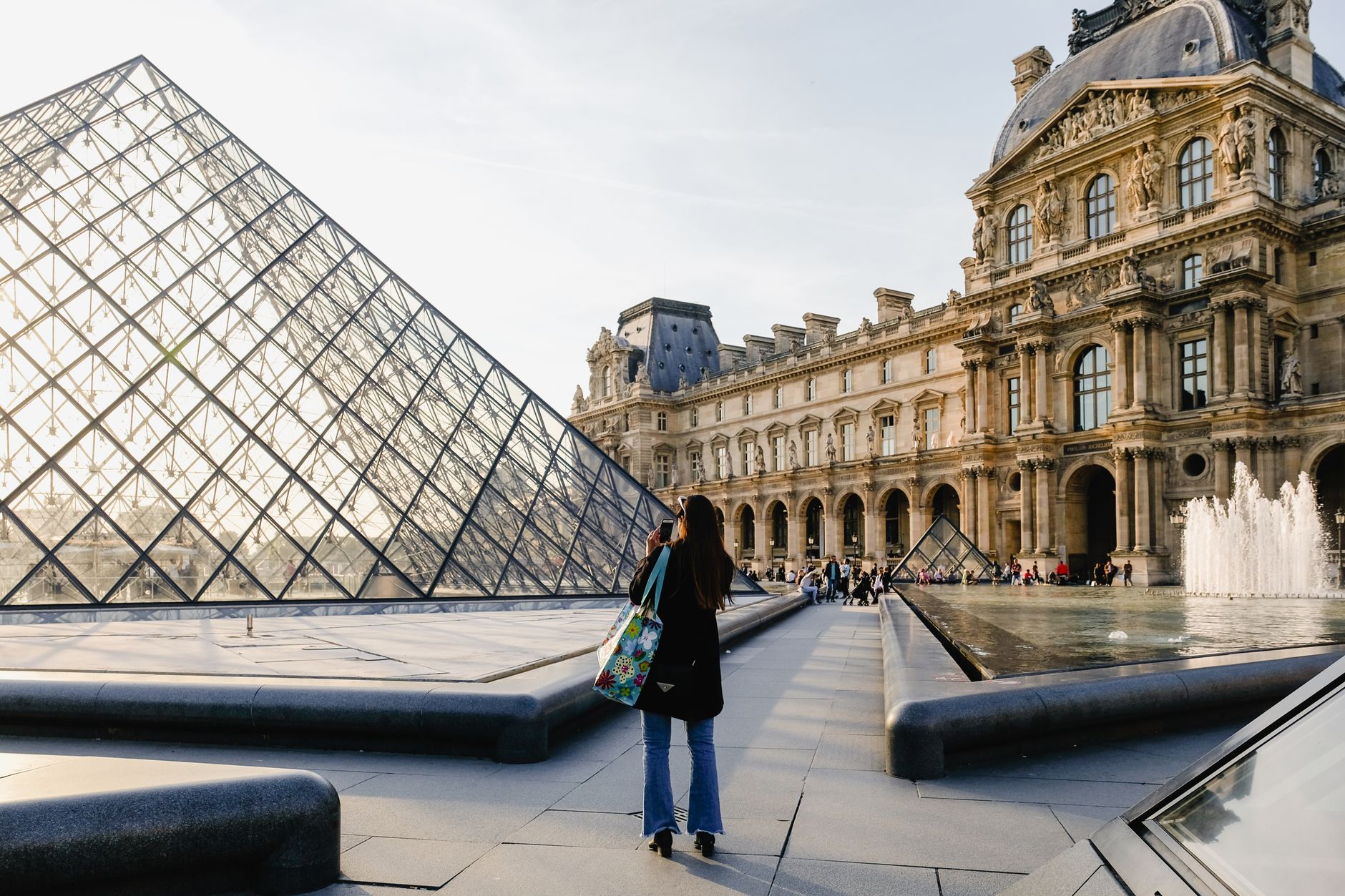
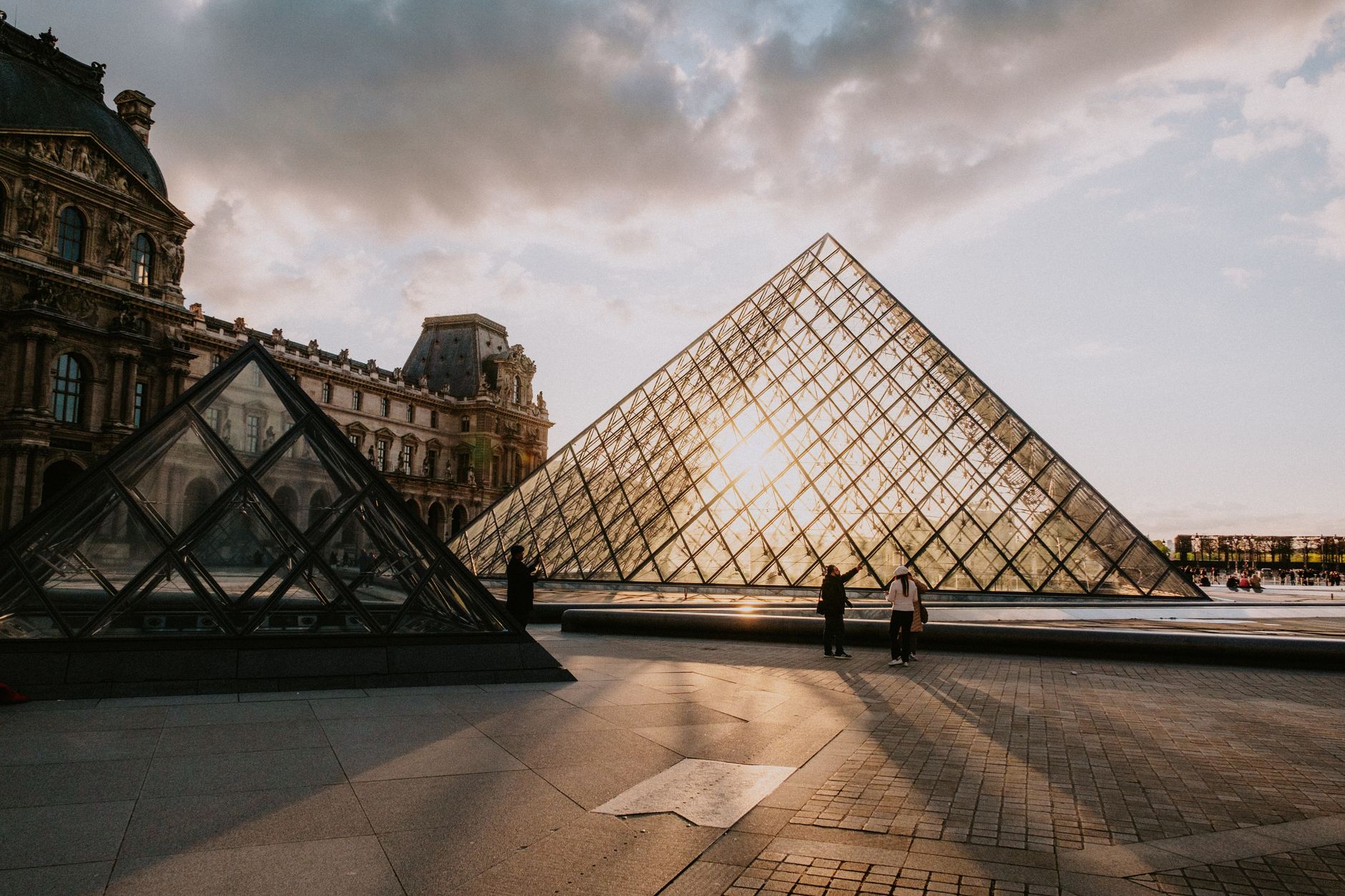
Housed in a former royal palace, the Louvre Museum is the world's largest art museum and a historic monument in Paris. Its collection spans millennia and continents, featuring masterpieces like Leonardo da Vinci's Mona Lisa, the Venus de Milo, and the Winged Victory of Samothrace. Navigating its vast halls is a journey through human civilization's artistic achievements, from ancient Egyptian antiquities to Islamic art and European paintings. Beyond its famous works, the Louvre's architecture, including I.M. Pei's iconic glass pyramid entrance, is a marvel in itself. It's a place where history, art, and culture converge, offering an enriching experience for every visitor. Allow ample time, as even a focused visit to key areas can take several hours, and a comprehensive exploration could fill days.

Typically 9:00 AM - 6:00 PM (closed Tuesdays), extended hours on Wednesdays & Fridays
Admission: €17-€22 (online booking recommended)
Insider Tip: Purchase timed-entry tickets online weeks in advance. Focus on a few specific wings or collections rather than trying to see everything in one go. Consider visiting on a Wednesday or Friday evening when it's less crowded. Pick up a map and plan your route to maximize your time.
Eiffel Tower
attraction
4.8

Eiffel Tower

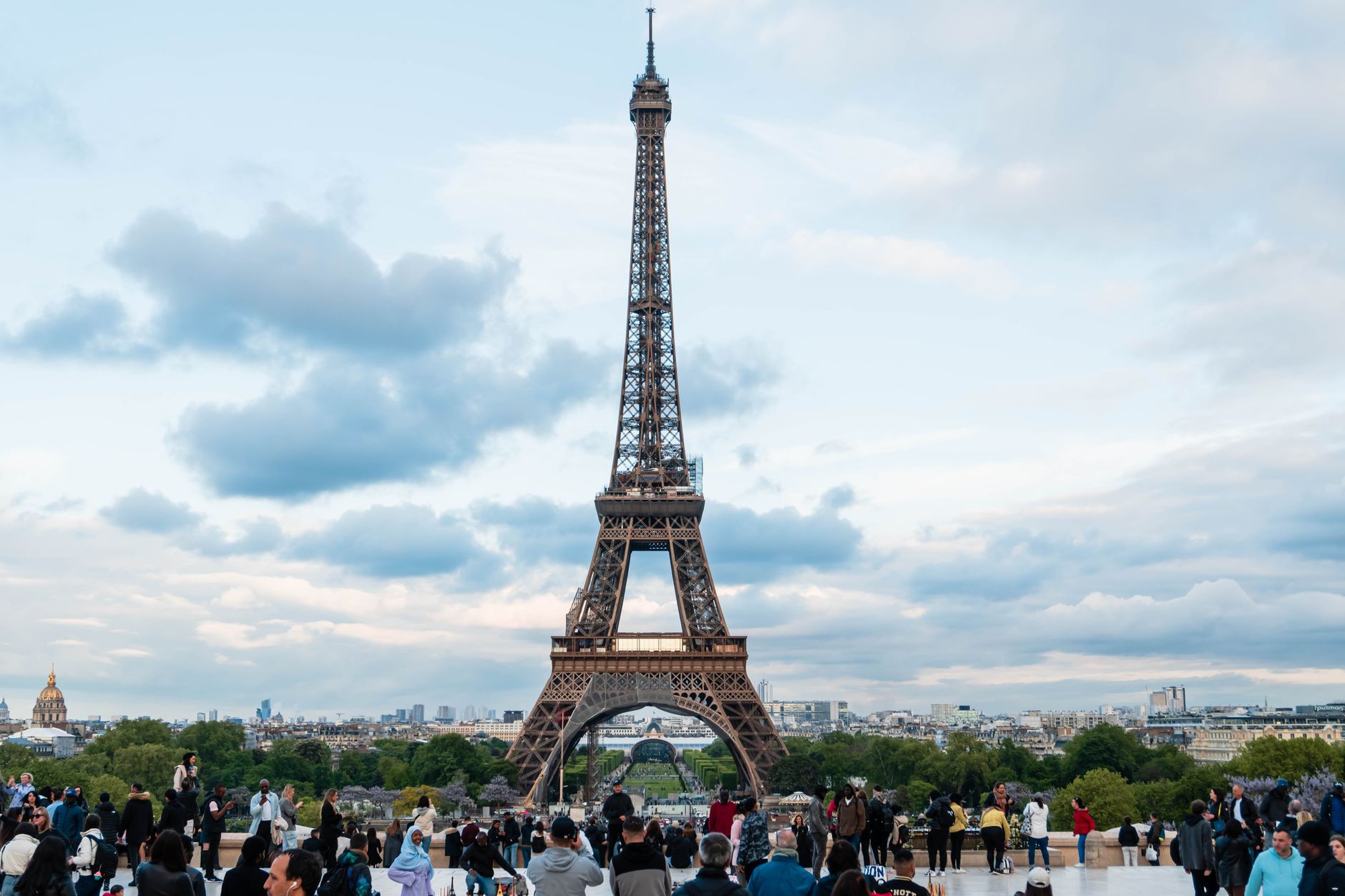
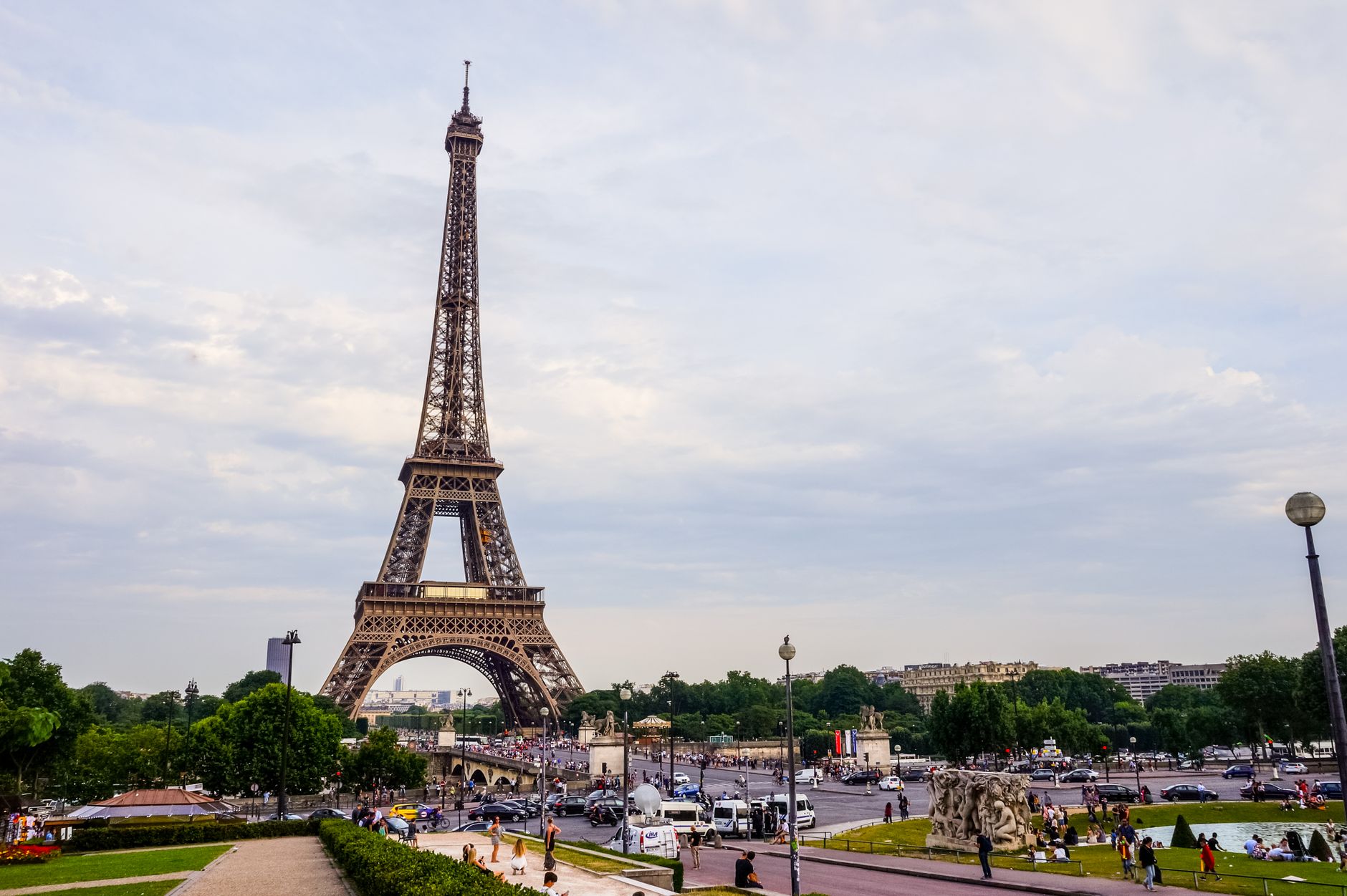
The quintessential symbol of Paris and France, the Eiffel Tower, or 'La Tour Eiffel,' needs no introduction. Designed by Gustave Eiffel for the 1889 World's Fair, this wrought-iron lattice tower stands 330 meters tall, offering unparalleled panoramic views of the city from its three accessible levels. Whether sparkling at night with its hourly light show or silhouetted against a Parisian sunset, it embodies romance, engineering prowess, and the spirit of innovation. Climbing or taking an elevator to the top provides a breathtaking perspective of the Seine, the Champ de Mars, and the city's iconic landmarks stretching to the horizon. Beyond the views, the tower itself is an architectural marvel, best appreciated from various vantage points around the city, such as the Trocadéro gardens, which offer the most classic photo opportunities.

Typically 9:30 AM - 10:45 PM (last ascent), extended hours in summer
Admission: €11.30 - €28.30 (depending on level and access)
Insider Tip: Book your tickets online well in advance to avoid long queues, especially during peak season. Consider visiting early in the morning or late in the evening for smaller crowds and magical lighting. Don't miss the sparkling light show that happens for 5 minutes every hour on the hour after sunset.
Musée d'Orsay
culture
4.8

Musée d'Orsay

Housed in a magnificent former Beaux-Arts railway station, the Musée d'Orsay is home to the world's largest collection of Impressionist and Post-Impressionist masterpieces. Visitors can marvel at iconic works by Monet, Manet, Degas, Renoir, Cézanne, Van Gogh, and Gauguin, among many others. The museum's unique setting, with its grand central nave and soaring glass roof, provides a stunning backdrop for these vibrant and revolutionary artworks, offering a different artistic perspective than the Louvre. The collection primarily covers art from 1848 to 1914, bridging the gap between the Louvre's older works and the modern art at the Centre Pompidou. Beyond the paintings, the museum also displays sculpture, decorative arts, and photography from the same period. Don't miss the clock on the top floor, which offers a fantastic view of the Seine and Montmartre, framed by the clock's elegant hands.

Typically 9:30 AM - 6:00 PM (closed Mondays), extended hours on Thursdays
Admission: €16 (adults)
Insider Tip: Book tickets online in advance to skip the queues. Plan to spend at least 3-4 hours to properly appreciate the collection. Take advantage of the Thursday late opening if you prefer fewer crowds. The museum is easily accessible via the RER C (Musée d'Orsay station) or Métro (Solférino).
Mont Saint-Michel Abbey
attraction
4.8

Mont Saint-Michel Abbey

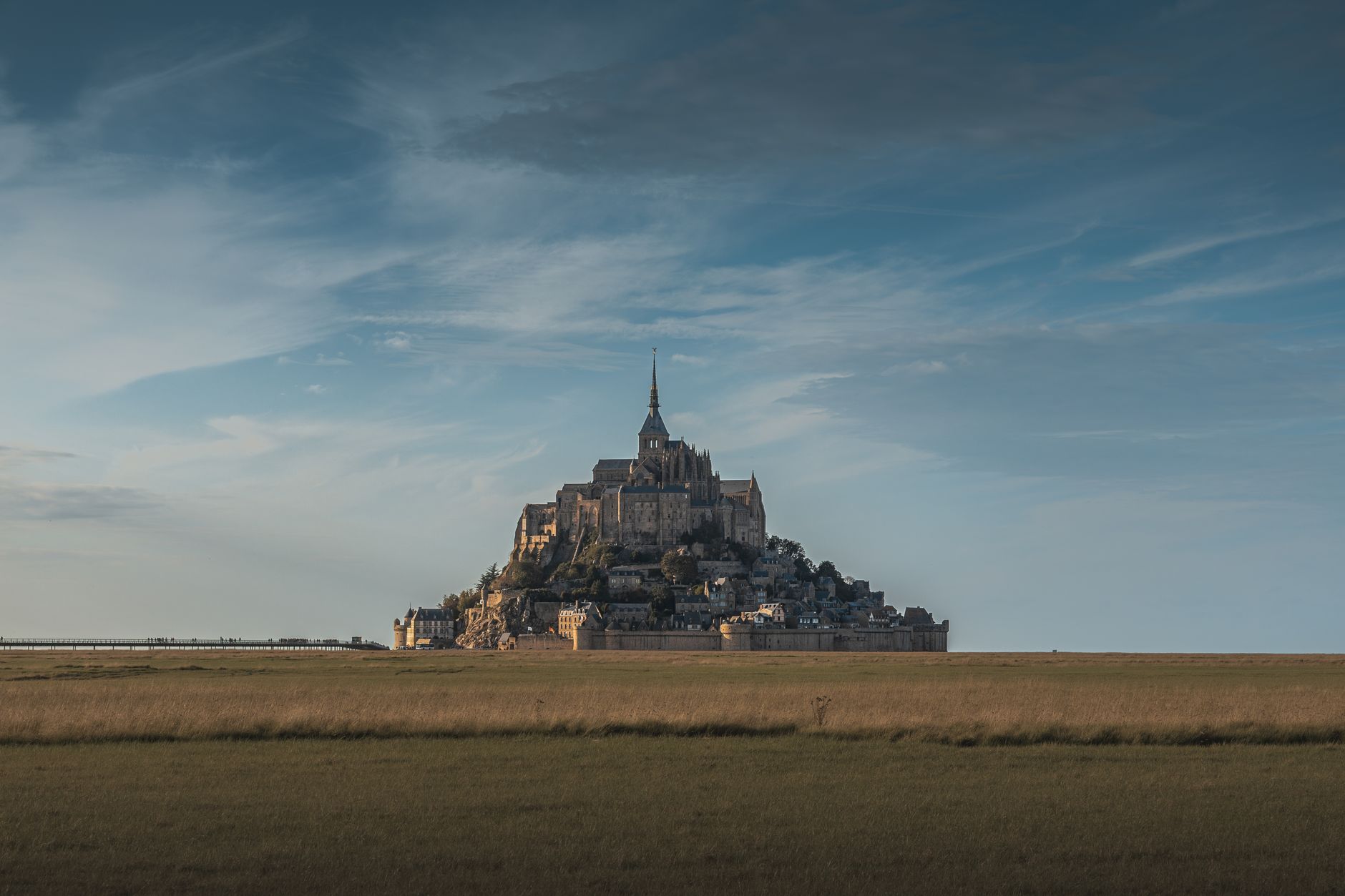
Perched atop a granite islet, the Mont Saint-Michel Abbey is a breathtaking Gothic masterpiece that has stood for over a millennium. This UNESCO World Heritage site is a testament to medieval architectural genius and spiritual devotion, rising dramatically from the bay between Normandy and Brittany. Its soaring spires, intricate cloisters, and grand halls tell a story of pilgrims, monks, and military strategists, making it one of France's most iconic and visited landmarks. The climb to the abbey offers increasingly spectacular views of the surrounding bay and the shifting tides. Inside, you'll discover various architectural styles, from Romanesque to Gothic, reflecting centuries of construction and reconstruction. The 'Merveille' (Marvel) section, with its three-story complex, is particularly impressive, showcasing the ingenuity of its builders. It’s a truly unique blend of natural wonder and human achievement.

Typically 9:30 AM - 6:00 PM (check seasonal variations)
Admission: €11 (adults)
Insider Tip: Check tide times before your visit; the island can become inaccessible during exceptionally high tides. Wear comfortable shoes as there's a lot of walking and climbing. Arrive early in the morning or late afternoon to avoid the biggest crowds. Consider staying overnight on the island for a magical experience after the day-trippers leave.
Area Guide

Where to Stay & Best Neighborhoods

Paris (Île-de-France)

Best for: First-time visitors, art lovers, fashion enthusiasts, couples, foodies, history buffs

Vibe: Cosmopolitan, romantic, culturally rich, bustling urban elegance

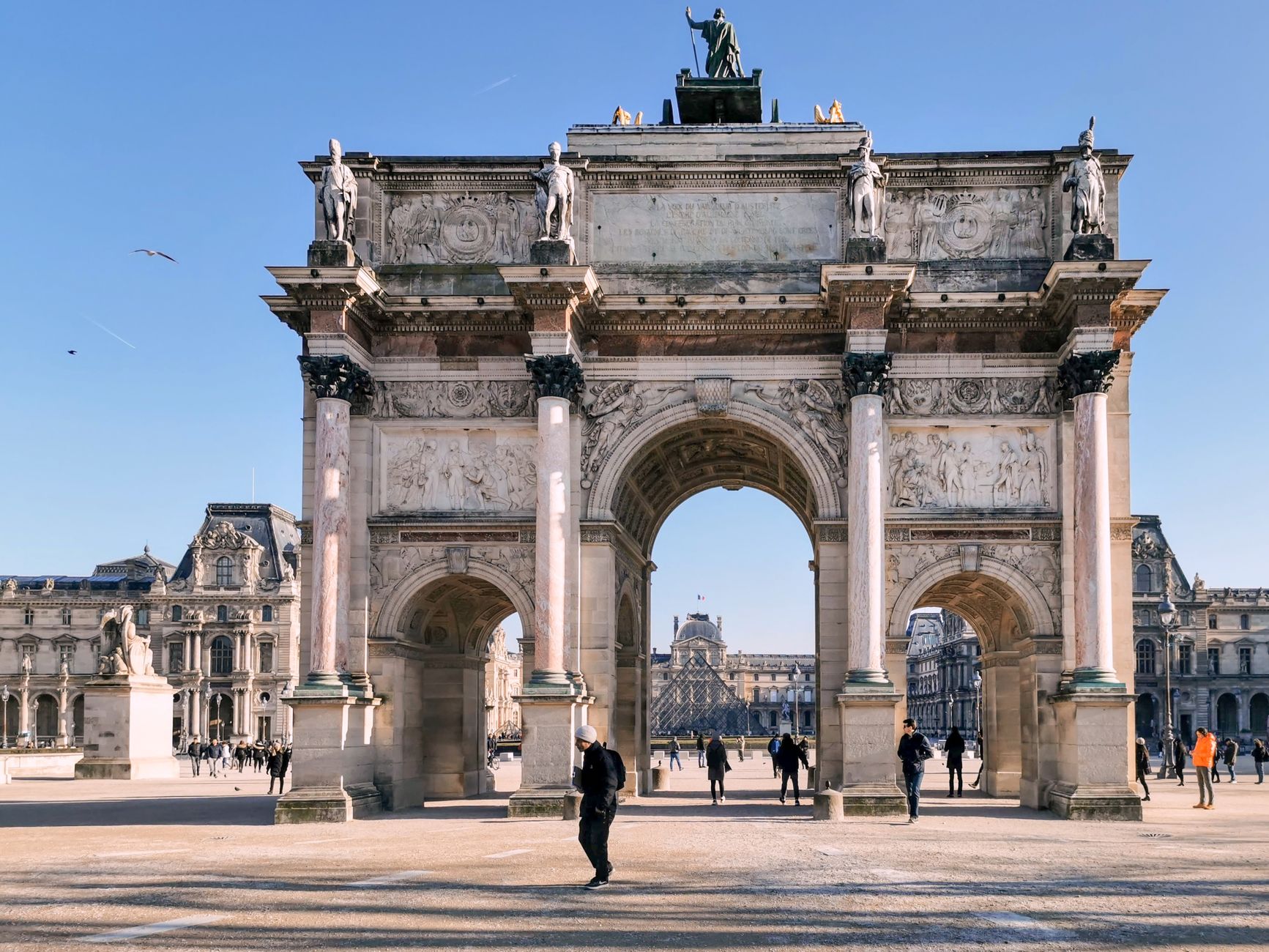
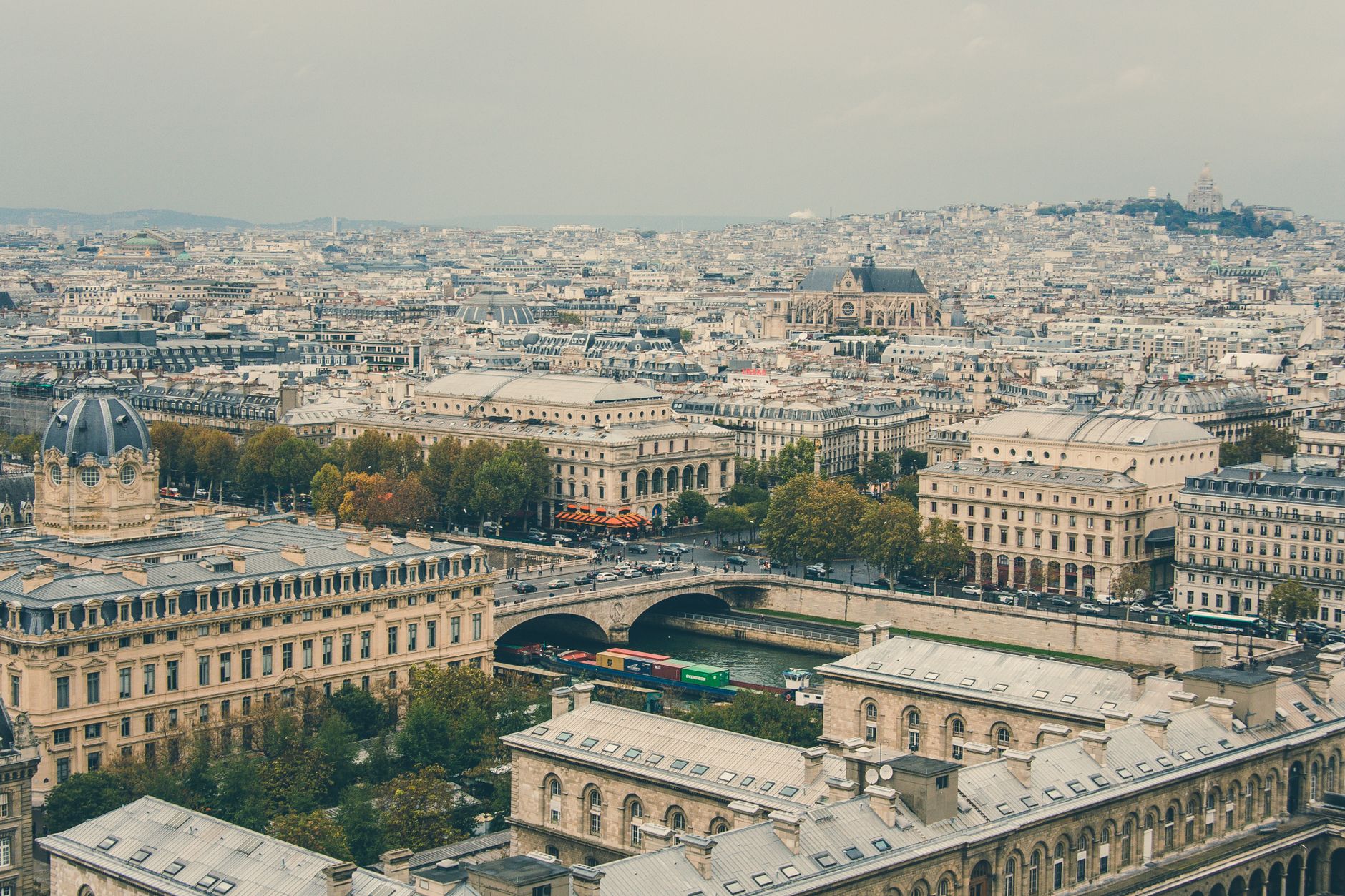
Paris, the 'City of Light,' is France's vibrant beating heart, offering an endless array of iconic landmarks, world-class museums, and charming cobblestone streets. Stroll along the Seine, marvel at the Eiffel Tower, get lost in the Louvre's endless galleries, or simply savor a coffee at a sidewalk café. Each arrondissement (district) boasts its own distinct character, from the bohemian charm of Montmartre to the chic boutiques of Le Marais and the intellectual hub of Saint-Germain-des-Prés. The city is a masterpiece of Haussmannian architecture, adorned with grand boulevards and hidden passages, inviting endless exploration and discovery.

Provence & French Riviera (PACA Region)

Best for: Beach lovers, art enthusiasts, foodies, romantics, those seeking natural beauty

Vibe: Sun-drenched, glamorous, artistic, Mediterranean tranquility

This southern region embodies a captivating duality: the rustic charm of Provence with its lavender fields, ancient Roman ruins, and hilltop villages, juxtaposed with the glitz and glamour of the French Riviera. Explore vibrant markets in Aix-en-Provence, hike the stunning Calanques near Cassis, or bask in the azure waters of Nice and Cannes. The air is fragrant with herbs, the light inspired Impressionist painters, and the pace of life encourages relaxation. From the vibrant port cities to the tranquil countryside, this region offers a sensory feast of colors, flavors, and breathtaking landscapes.

Loire Valley (Centre-Val de Loire)

Best for: History buffs, romantics, families, cyclists, wine connoisseurs

Vibe: Fairytale, historical, gentle countryside, wine region

Known as the 'Garden of France,' the Loire Valley is famous for its hundreds of magnificent châteaux, built by French royalty and nobility during the Renaissance. Cycling along the tranquil Loire River, you can hop between architectural marvels like Chambord, Chenonceau (the 'Ladies' Château'), and Azay-le-Rideau, each telling a unique story of power, art, and romance. Beyond the castles, the region boasts picturesque vineyards producing excellent white wines, charming towns like Tours and Amboise, and lush landscapes perfect for leisurely exploration. It's a journey back in time, wrapped in serene natural beauty.

Alsace (Grand Est)

Best for: Christmas market enthusiasts, wine lovers, those seeking unique cultural fusion

Vibe: Germanic charm, fairytale villages, distinct culinary identity

Nestled on the border with Germany, Alsace offers a truly unique cultural experience, blending French elegance with Germanic charm. Its picturesque towns like Colmar and Strasbourg are characterized by colorful half-timbered houses, flower-filled window boxes, and winding cobblestone streets. The region is renowned for its exceptional white wines (Riesling, Gewürztraminer) and a hearty cuisine that includes choucroute and flammekueche. During winter, Alsace transforms into a magical wonderland with some of Europe's most enchanting Christmas markets, while spring and autumn offer vibrant landscapes and pleasant weather for exploring the Alsace Wine Route.

Food & Drink Scene

What to Eat in France

Croissant & Pain au Chocolat

These iconic viennoiseries are a testament to French baking artistry. The croissant, a buttery, flaky, crescent-shaped pastry, is made from layered yeast-leavened dough. Pain au chocolat is a similar pastry rolled around a piece of dark chocolate. Both are typically enjoyed for breakfast or as a snack, best when still warm from the oven, offering a delightful crisp exterior and a tender, airy interior. They represent the simple yet profound pleasure of French daily life.

🍴 Top spot: Any local 'boulangerie' (bakery) in the morning across France, especially 'Du Pain et Des Idées' in Paris for exceptional quality.

Coq au Vin

A classic French stew, Coq au Vin translates to 'rooster with wine.' Traditionally made with a tough rooster, modern versions often use chicken, braised slowly in red wine (often Burgundy), lardons (pork belly), mushrooms, and sometimes garlic and pearl onions. The long, slow cooking process tenderizes the meat and infuses it with rich, complex flavors, resulting in a deeply savory and comforting dish, often served with potatoes or crusty bread to soak up the sauce.

🍴 Top spot: Traditional 'bouchons' in Lyon or a rustic 'auberge' in Burgundy for an authentic regional experience.

Crème Brûlée

This elegant dessert is a beloved French classic, consisting of a rich custard base topped with a contrasting layer of hardened caramelized sugar. The sugar is typically torched just before serving, creating a satisfying crack when broken with a spoon, revealing the smooth, creamy vanilla-infused custard beneath. It's a perfect balance of textures and flavors – sweet, creamy, and slightly bitter from the caramel.

🍴 Top spot: Most quality French bistros and restaurants throughout France will offer a well-executed Crème Brûlée, often as a staple dessert.
Excursions

Best Day Trips from France

Versailles Palace & Gardens from Paris

45-60 mins by RER C train from central Paris

Step into the opulent world of French royalty with a visit to the Palace of Versailles, a UNESCO World Heritage site. Explore the lavish Hall of Mirrors, the King's and Queen's Apartments, and wander through the immense, meticulously manicured gardens, complete with fountains, groves, and the Grand Trianon and Petit Trianon. It's a dazzling display of absolute monarchy's grandeur. Allow a full day to properly appreciate the palace and its extensive grounds.

Mont Saint-Michel from Normandy/Brittany

1.5-2 hours from Rennes (Brittany) or Caen (Normandy) by car/bus; longer from Paris

Journey to the magical island commune of Mont Saint-Michel, topped by its stunning Benedictine abbey. This iconic tidal island, a UNESCO site, appears to float on water during high tide and is a breathtaking sight. Explore the narrow, winding streets of the medieval village, climb to the abbey at its summit for incredible views, and learn about its fascinating history as a pilgrimage site and fortress. Be mindful of tide times.

When to Go

Best Time to Visit & Seasonality

Editor’s Pick: The absolute best times to visit France are during the shoulder seasons: April to June (Spring) and September to October (Autumn). During these months, the weather is pleasantly mild across most of the country, with fewer crowds than the peak summer months. Spring brings blooming flowers, vibrant green landscapes, and the reopening of many seasonal attractions, perfect for exploring cities or cycling through the countryside. Autumn offers crisp air, stunning fall foliage in regions like the Loire Valley and Alsace, and the excitement of grape harvests in wine country. Traveling during these periods allows for a more relaxed pace, easier access to popular sites, and often better prices for accommodation and flights.

Spring Overview

(April - June)
Moderate
Average Temperature & Climate10°C - 20°C (50°F - 68°F)

Mild, sunny days with occasional rain showers. Generally pleasant.

Crowd & Travel ConditionsModerate Tourist Traffic

Fewer lines and better deals.

✨ Seasonal Highlights:Blossoming gardens, fewer crowds, outdoor café culture revival, Easter festivals, cycling tours in the Loire Valley.
Travel Smarter

Practical Travel Essentials

CurrencyEUR (€)
LanguageFrench
Time ZoneCET (UTC+1), CEST (UTC+2) in summer

Visa & Entry

France is part of the Schengen Area. Citizens of many countries (e.g., USA, Canada, Australia, UK) can enter without a visa for stays up to 90 days within a 180-day period. For others, a Schengen visa may be required. Always check current visa requirements based on your nationality and purpose of travel before departure.

Getting Around & Transit

France boasts an excellent public transportation network. High-speed TGV trains connect major cities efficiently, while regional trains and buses serve smaller towns. Within cities, extensive metro, tram, and bus systems are reliable. Renting a car is recommended for exploring rural areas like Provence or the Loire Valley, offering flexibility. Cycling is also popular in many regions. Consider purchasing a Navigo Découverte pass for extended stays in Paris.

Daily Budget Expectation

A comfortable mid-range budget for France would be around €150-€250 per person per day. This typically covers decent accommodation, meals at bistros/restaurants, public transport, and some attractions. For budget travelers, it's possible to spend €70-€120 by staying in hostels, eating from bakeries/markets, and using public transport. Luxury travel can easily exceed €400+ per day, particularly in Paris and the French Riviera.

Safety & Health

France is generally a safe country for tourists. However, like any major tourist destination, petty crime such as pickpocketing and bag snatching can occur, especially in crowded areas like metro stations, major attractions, and markets in big cities (e.g., Paris, Marseille). Be aware of your surroundings, keep valuables secure, and avoid flashing expensive items. Emergency number: 112 (general emergency), 17 (police), 18 (fire), 15 (medical).

Local Etiquette & Customs

Politeness is highly valued. Always greet people with 'Bonjour' (good day) or 'Bonsoir' (good evening) when entering a shop, restaurant, or starting a conversation, and 'Au revoir' (goodbye) when leaving. A handshake is common, and a light kiss on each cheek ('la bise') is customary among friends and family. Dress codes tend to be more formal than in some other countries, especially for dining out. Always say 's'il vous plaît' (please) and 'merci' (thank you). Tipping is appreciated but not mandatory, as service is usually included; rounding up or leaving a few euros for good service is common.

Questions & Answers

Frequently Asked Questions about France

France has an excellent high-speed rail network (TGV) connecting major cities, which is often the fastest and most comfortable option. For exploring rural areas and smaller towns, renting a car offers the most flexibility. Within cities, public transport (metro, bus, tram) is efficient and extensive.