🌟 Best in Travel 2026 is here!
Gothenburg
cityEurope
4.85 / 5.0

Gothenburg

A coastal sanctuary of culinary mastery, Dutch-designed canals, and archipelago magic.

Editorial Guide

About Gothenburg

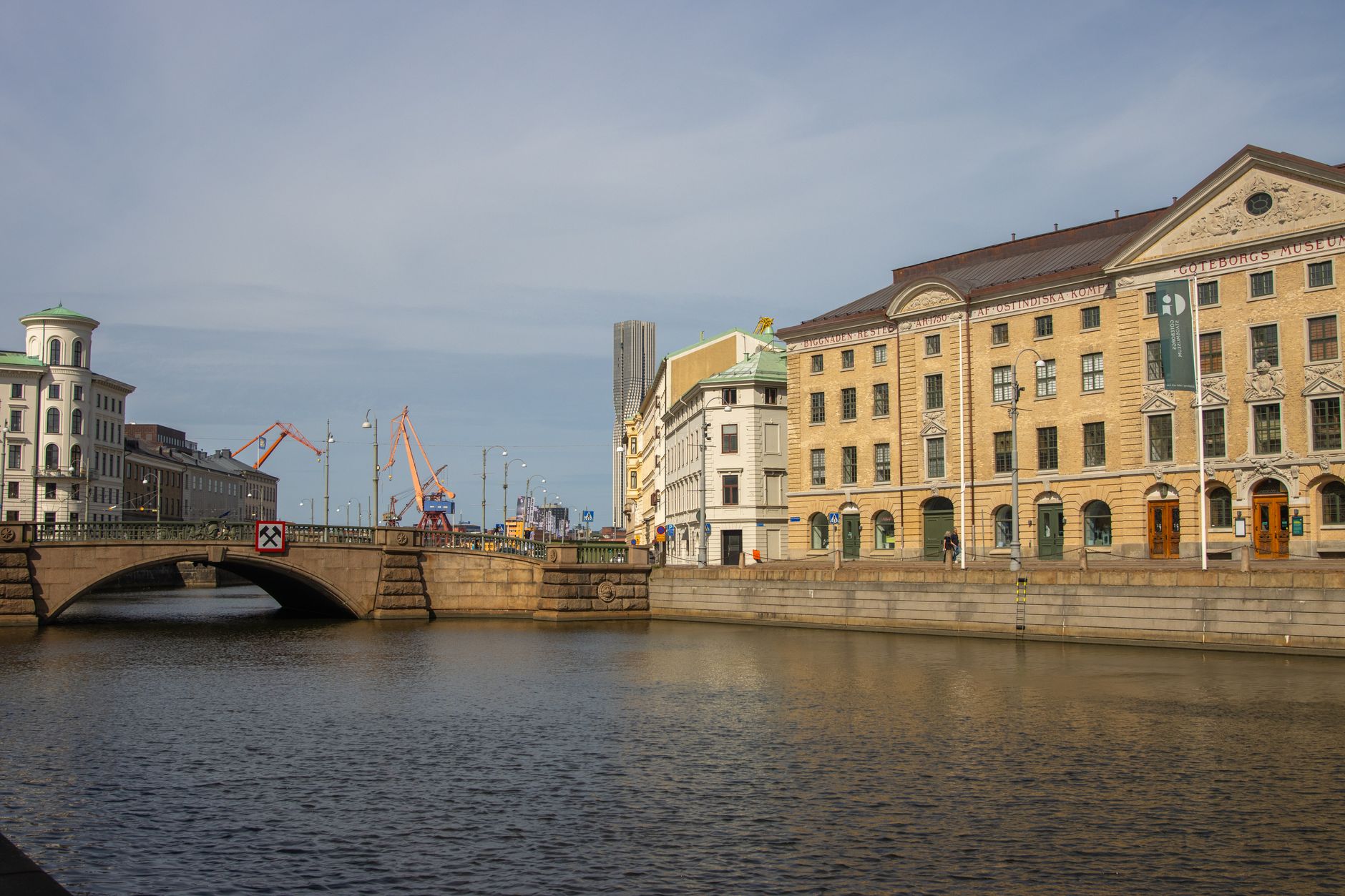
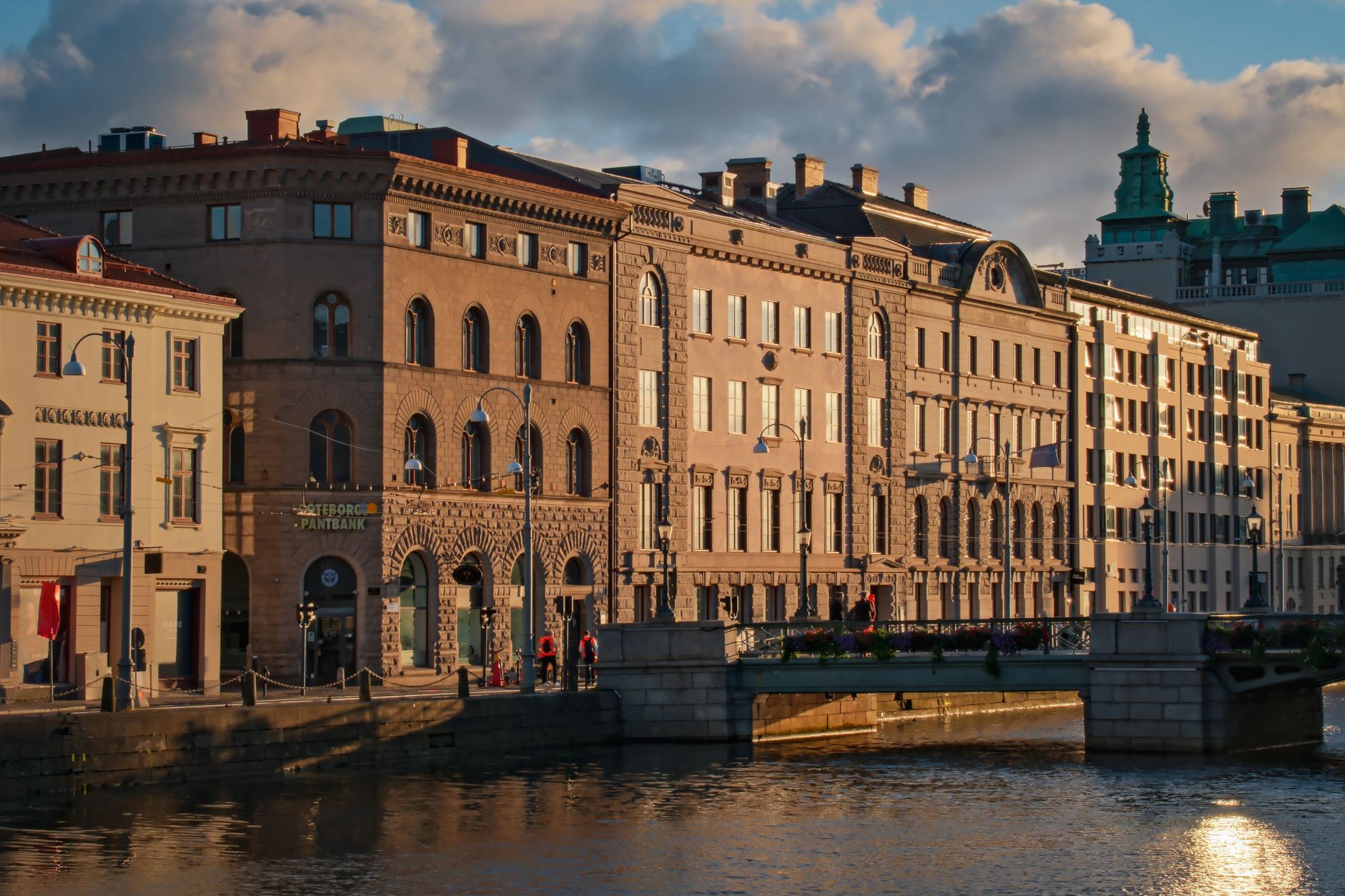
Perched gracefully on Sweden’s rugged west coast, Gothenburg (Göteborg) is a masterclass in urban equilibrium. Founded in 1621 by King Gustavus Adolphus, the city’s layout was meticulously engineered by Dutch planners, leaving a legacy of elegant canals, historic drawbridges, and leafy boulevards that mirror Amsterdam. Once a gritty, industrial shipbuilding powerhouse—and the proud birthplace of Volvo—Gothenburg has gracefully transformed into a global beacon of sustainability, creativity, and laid-back sophistication, consistently ranked as one of the world's most eco-friendly destinations.

The city’s pulse is distinctly maritime, dictated by the ebb and flow of the Göta Ă€lv river and the cold, nutrient-rich waters of the North Sea. This geographical privilege has fueled a legendary culinary scene, earning Gothenburg the title of Sweden's seafood capital. Here, Michelin-starred establishments and historic fish markets share the stage with a fiercely independent coffee culture. The local lifestyle is anchored in the concept of 'mys' (coziness) and 'fika', where long, unhurried conversations over cardamom buns are considered a daily necessity rather than a luxury.

Beyond the urban core lies Gothenburg’s crown jewel: its breathtaking archipelago. Divided into northern and southern clusters, these thousands of granite islands are a sanctuary of car-free tranquility, where red-timbered fishing cottages cling to wind-swept rocks. Accessible in mere minutes by a seamless public tram and ferry system, the archipelago offers an immediate escape into nature, where travelers can kayak through narrow fjords, plunge into cold seawater, and warm up in wood-fired saunas.

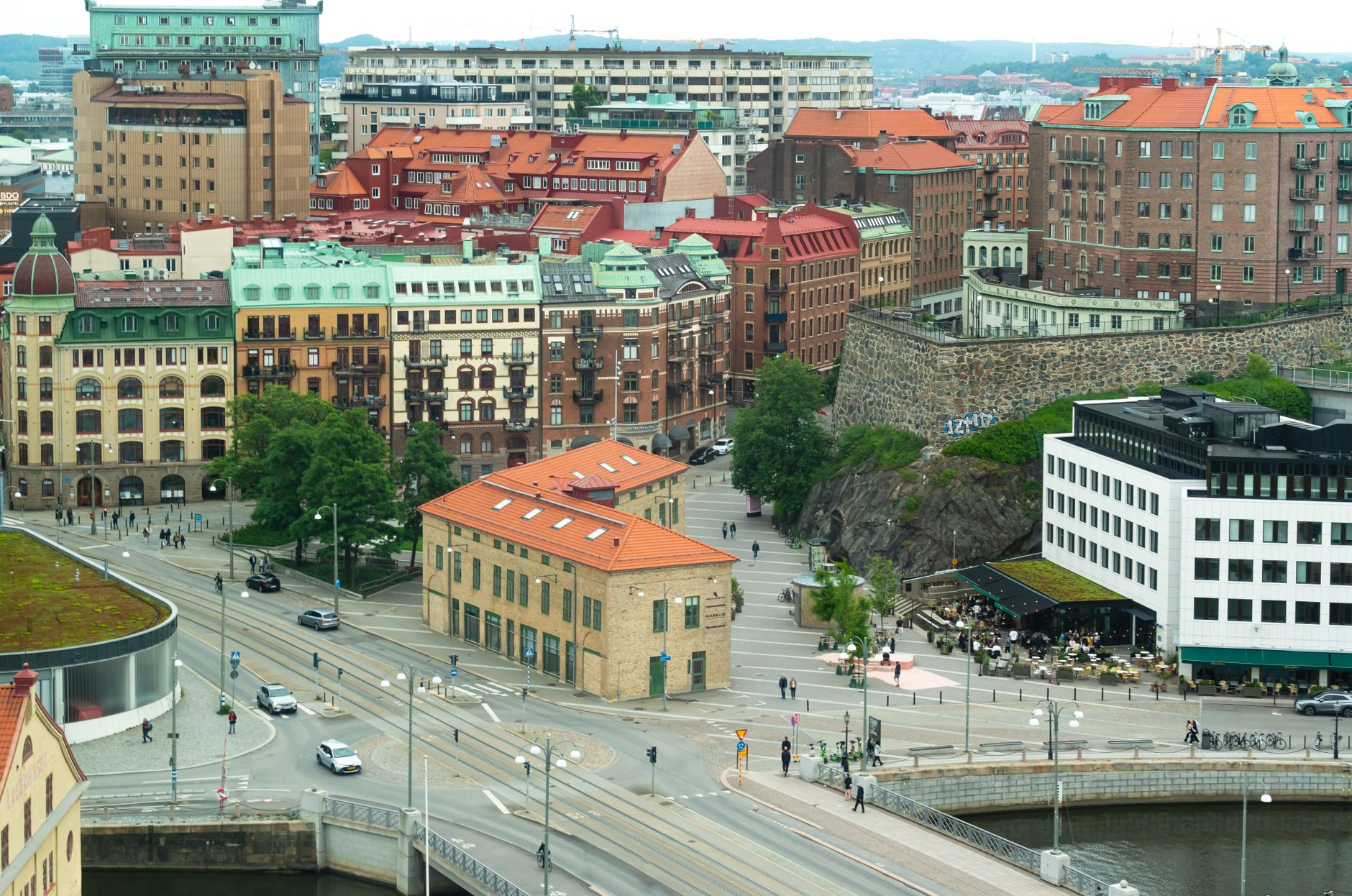
Gothenburg’s cultural landscape is fueled by a massive student population and a thriving underground arts scene. Neighborhoods like Majorna and LinnĂ© hum with avant-garde galleries, microbreweries, and vintage boutiques, while the historic quarter of Haga preserves the city's 19th-century timber architecture. It is a city that doesn't demand your attention with ostentatious monuments, but rather seduces you slowly through its cool maritime breeze, exceptionally warm locals, and an effortlessly chic, sustainable way of life.

Visual Impressions & Moments
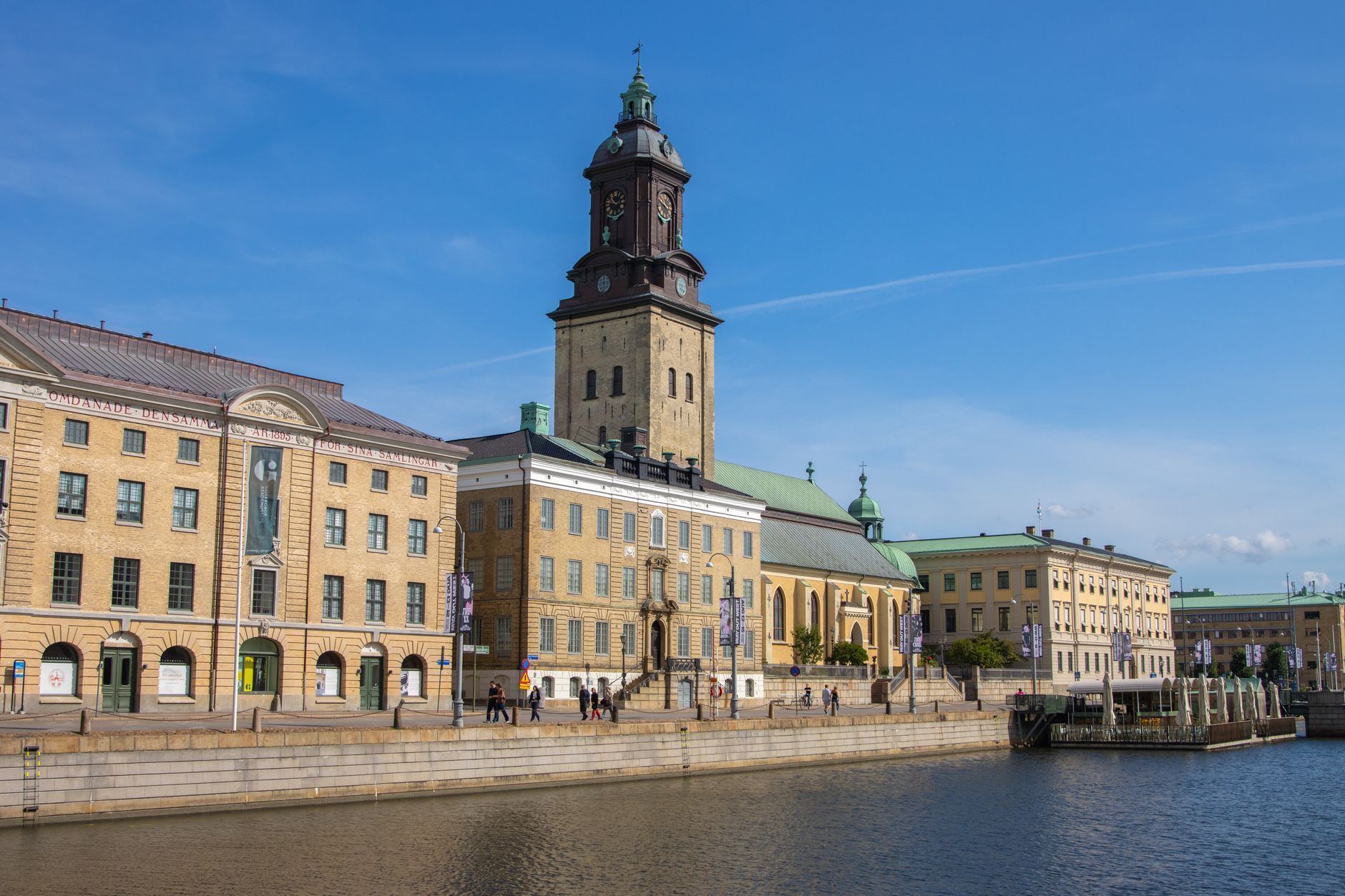
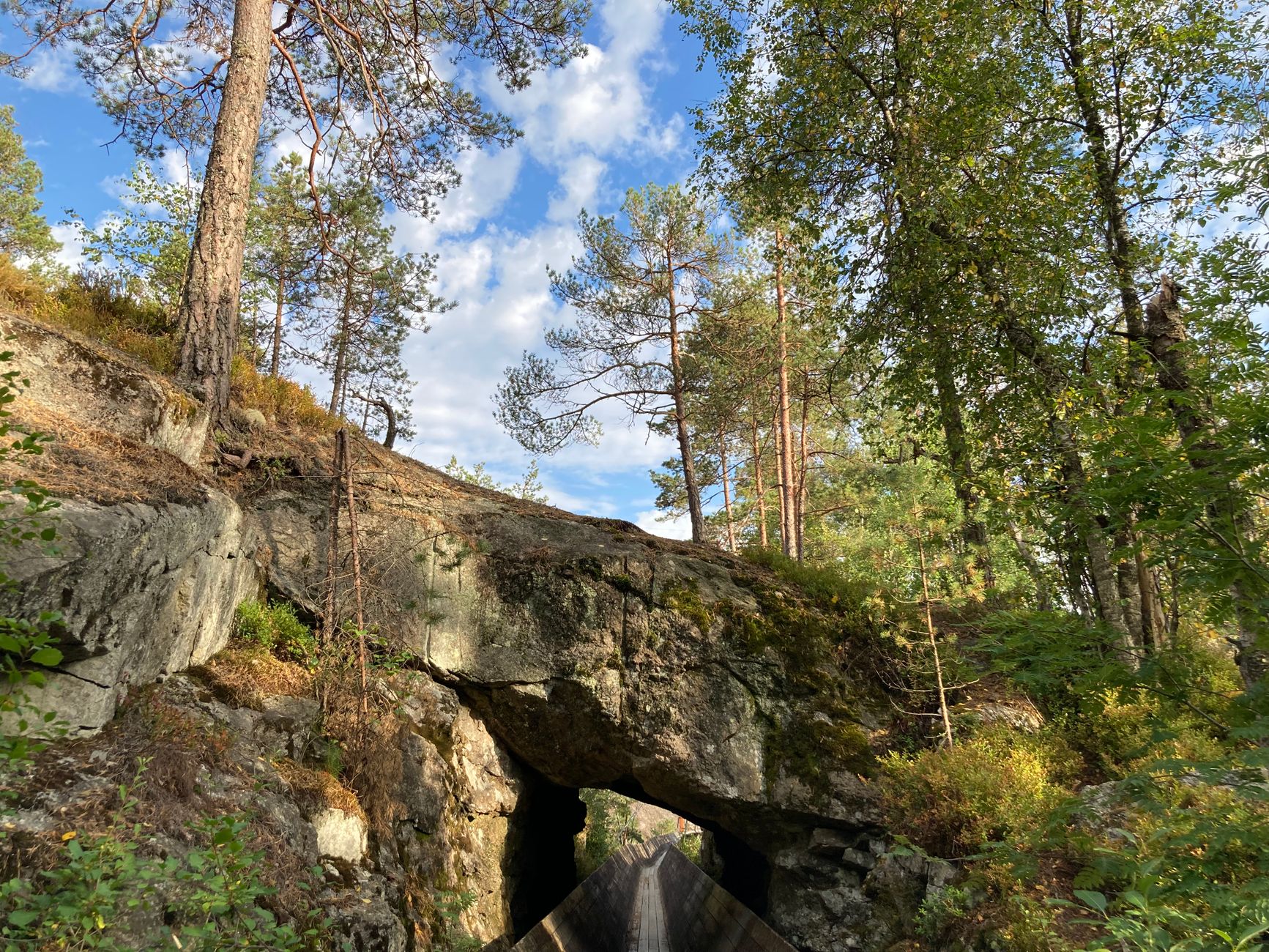
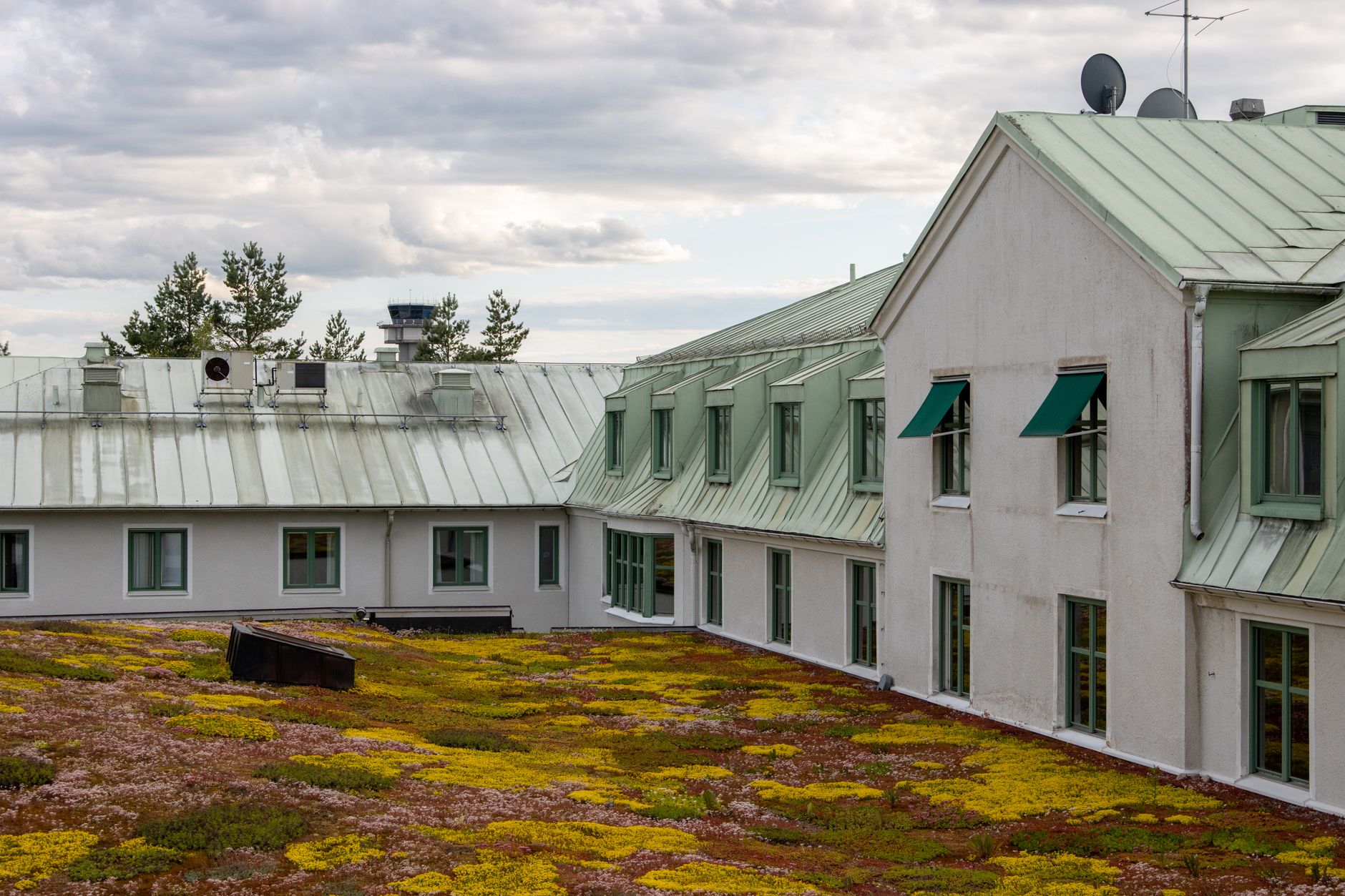
Gothenburg photo 1
Gothenburg photo 2
Gothenburg photo 3
Gothenburg photo 4
Gothenburg photo 5
Gothenburg photo 6
Unmissable Moments

Top Things to Do in Gothenburg

Must-Do

Island Hop the Car-Free Southern Archipelago

Escape the city's hustle by boarding the historic tram 11 to Saltholmen, where a fleet of public ferries waits to whisk you away to the southern archipelago. Islands like Styrsö, VrÄngö, and BrÀnnö are entirely car-free, offering an idyllic landscape of winding footpaths, granite cliffs, and pristine sandy coves. Spend your day walking past picturesque wooden villas, renting a sea kayak to navigate the calm inlets, and indulging in a traditional sauna session right on the water's edge. The transition from urban center to wild maritime solitude takes less than an hour.

Culture

Embrace the Art of Fika in Historic Haga

Step back in time along the cobblestone streets of Haga, Gothenburg's oldest suburb. Flanked by beautifully preserved 'landshövdingehus' (traditional three-story wooden houses), Haga is the spiritual home of the Swedish fika ritual. Head directly to CafĂ© Husaren on Haga Nygata to witness their legendary 'Hagabullen'—plate-sized cinnamon buns that are as delicious as they are visually staggering. Pair this sweet masterpiece with a cup of dark, locally roasted filter coffee, and sit outside to watch the world go by in true, unhurried Swedish style.

Culinary

Feast on Imperial Seafood at FeskekĂŽrka

Gothenburg's culinary identity is bound to the sea, and there is no better place to experience this than FeskekÎrka (the 'Fish Church'). Built in 1874 and designed to resemble a Gothic stave church, this iconic indoor market has recently undergone a massive, multi-million-dollar restoration. Inside, the air is filled with the scent of freshly shucked oysters, smoked salmon, and steamed langoustines. Grab a seat at one of the upscale seafood bars inside to savor a classic 'rÀksmörgÄs' (a mountain of hand-peeled prawns on rye bread) paired with a crisp glass of Chablis.

Adventure

Ride World-Class Coasters at Liseberg

Liseberg is not just an amusement park; it is a beloved national institution that has entertained visitors since 1923. Located in the heart of the city, it boasts some of Europe's most highly rated wooden and steel roller coasters, including Balder and the multi-launch coaster Helix. Beyond the adrenaline-pumping rides, Liseberg is celebrated for its beautifully manicured gardens, live music stages, and its seasonal transformations. Visiting during October for their terrifyingly detailed Halloween setups or in December for the fairy-lit Christmas market is an absolute must.

Must-See Highlights

Top Places & Things to Do in Gothenburg

Curated attractions and cultural landmarks with local insider advice.

Volvo Museum (World of Volvo)
attraction
4.6

Volvo Museum (World of Volvo)

As the birthplace of Volvo, Gothenburg’s industrial identity is inextricably linked to this legendary automotive brand. The newly opened 'World of Volvo' is a architectural marvel located in the city center, replacing the old museum. Designed by Danish architects Henning Larsen, the building itself is a stunning tribute to Scandinavian design, constructed primarily of mass timber in a circular form that mimics the Swedish concept of 'allemansrĂ€tten' (the right to roam). Inside, visitors are treated to an immersive, interactive journey through Volvo's rich history, present innovations, and future visions. The exhibition showcases everything from the very first Jakob OV4 model from 1927 to iconic safety innovations like the three-point seatbelt (which Volvo famously left unpatented so other manufacturers could use it). It features a dazzling array of classic passenger cars, heavy-duty trucks, racing legends, and concept vehicles that will captivate both automotive enthusiasts and design lovers alike.

10:00 - 20:00 (Weekdays), 10:00 - 18:00 (Weekends)
Admission: 225 SEK
Insider Tip: Book your tickets online in advance to secure a specific entry slot, and budget time to have lunch at Ceno, the on-site restaurant helmed by Michelin-starred chef Stefan Karlsson.
Museum of Art (Göteborgs Konstmuseum)
culture
4.7

Museum of Art (Göteborgs Konstmuseum)

Dominating the top of the grand Götaplatsen square, the Gothenburg Museum of Art holds one of the finest collections of late 19th-century Nordic art in the world. Housed in an imposing, monumental brick building designed for the 1923 World Exhibition, the museum features three Michelin green guide stars. Its crown jewel is the FĂŒrstenberg Gallery, which showcases masterpieces from the golden age of Nordic painting, including works by Carl Larsson, Anders Zorn, and Edvard Munch. The museum’s collection spans from the 15th century to the present day, featuring international masters like Picasso, Rembrandt, Monet, and Chagall alongside cutting-edge contemporary Swedish artists. The galleries are beautifully curated, offering deep insights into the unique light, mood, and social realism that define Scandinavian art history.

11:00 - 18:00 (Tue/Thu), 11:00 - 20:00 (Wed), 11:00 - 17:00 (Fri-Sun), Closed Mondays
Admission: 65 SEK (Free for youth under 20)
Insider Tip: Don't miss the Hasselblad Center on the ground floor, which features world-class rotating photography exhibitions and celebrates the heritage of the famous Gothenburg-born camera brand.
Slottsskogen
nature
4.7

Slottsskogen

Slottsskogen is Gothenburg’s main park and the green soul of the city, spanning over 137 hectares of natural English-style woodlands, manicured lawns, and historic pavilions. Established in the late 19th century, it serves as the ultimate communal backyard for locals who gather here to jog, picnic, and play. The park seamlessly blends untamed Swedish forest with structured recreational spaces, making it a sanctuary for both relaxation and active outdoor pursuits. At the heart of Slottsskogen is one of Sweden’s oldest free zoos, which focuses on showcasing native Nordic fauna. Visitors can walk along spacious enclosures to see majestic European moose (the 'kings of the forest'), Gotland ponies, seals, and Humboldt penguins. During the summer, the park host major cultural events, including the world-renowned music festival Way Out West, while autumn turns the ancient oaks and beech trees into a spectacular canopy of gold and amber.

Open 24/7
Admission: Free
Insider Tip: Visit the animal feeding times (especially for the seals and penguins) in the afternoon, and don't miss the historic cottage area, 'Stora Torp', for a glimpse of traditional Swedish rural life.
Gothenburg Botanical Garden (Botaniska)
nature
4.8

Gothenburg Botanical Garden (Botaniska)

Covering an expansive 175 hectares, the Gothenburg Botanical Garden (Botaniska) is recognized as one of the largest and most ecologically diverse botanical gardens in Europe. Opened in 1923 to mark the city's 300th anniversary, the garden is home to over 16,000 distinct plant species. It is meticulously organized into specialized zones, including an award-winning Rock Garden with a rushing waterfall, a peaceful Japanese glade, and massive greenhouses containing Sweden's largest collection of tropical orchids. Botaniska is more than a scientific repository; it is an artistic masterpiece of landscape design. The garden borders the ÄnggĂ„rdsbergen nature reserve, allowing visitors to transition effortlessly from manicured exotic flowerbeds to wild, rugged Swedish woodlands. The highlight for many is the rare Easter Island Tree (Sophora toromiro), which is extinct in its native wild habitat but has been successfully preserved and cultivated here.

09:00 - Sunset daily
Admission: Free (Voluntary donation of 30 SEK suggested for the garden; 30 SEK fee for greenhouses)
Insider Tip: Pack a picnic and head to the highest viewpoint in the garden, HÄberget, which offers spectacular, unobstructed views over Gothenburg's western districts all the way to the sea.
Area Guide

Where to Stay & Best Neighborhoods

Haga

Best for: Fika enthusiasts, independent boutique shopping, and historic architecture lovers.

Vibe: Charming, historic, pedestrian-friendly, and deeply nostalgic.

Haga is Gothenburg’s oldest residential neighborhood, characterized by its unique wooden houses built in the late 19th century. Walking down Haga Nygata feels like stepping into a living postcard, where cobblestone streets are lined with antique shops, artisanal toy stores, and cozy cafes. It is a vibrant, pedestrian-only zone where locals and tourists alike mingle over pastries, shop for Swedish design, and climb the nearby Skansen Kronan fortress for panoramic views of the city skyline.

Majorna

Best for: Craft beer lovers, vintage thrifting, hipster cafes, and local art galleries.

Vibe: Bohemian, artistic, community-driven, and highly progressive.

Majorna is the creative heartbeat of Gothenburg, located west of the city center. Once a working-class dockworkers' district, it has evolved into a bohemian enclave filled with microbreweries, sourdough bakeries, and cooperative art spaces. The streets are lined with traditional wooden apartment blocks, and the atmosphere is wonderfully laid-back. It is the perfect area to spend an afternoon browsing vinyl record stores, sipping natural wine, and dining at experimental, farm-to-table neighborhood bistros.

Inom Vallgraven & Magasinsgatan

Best for: High-end shopping, Scandinavian interior design, trendy dining, and nightlife.

Vibe: Trendy, energetic, fashion-forward, and historically rich.

Bounded by the old moat, Inom Vallgraven is the historic core of Gothenburg. At its center lies Magasinsgatan, a trendy hub of fashion, design, and gastronomy. Here, quiet courtyards have been converted into stylish spaces featuring local design heavyweights like Artilleriet and Nudie Jeans. Food trucks serving gourmet herring park alongside minimalist coffee roasters, while the evenings bring a chic, energetic crowd to the neighborhood's craft cocktail bars and modern Nordic restaurants.

Food & Drink Scene

What to Eat in Gothenburg

RÀksmörgÄs (The Kingly Shrimp Sandwich)

An open-faced sandwich that is a true Swedish culinary icon. It features a thick slice of buttered rye or sourdough bread piled high with a towering mound of hand-peeled, MSC-certified cold-water shrimp, sliced hard-boiled eggs, crisp lettuce, creamy mayonnaise, fresh dill, and a slice of lemon. The quality relies entirely on the pristine freshness of the shrimp.

🍮 Top spot: Heaven 23 (located at the top of the Gothia Towers, offering panoramic city views alongside their famous 'King Size' shrimp sandwich)

Sill (Pickled Herring Platter)

A cornerstone of Swedish gastronomy, pickled herring is served in a variety of creative marinades ranging from classic dill and mustard to spiced lingonberry and curry. It is traditionally accompanied by boiled new potatoes, sour cream (grÀddfil), chopped chives, and a slice of sharp, aged VÀsterbotten cheese.

🍮 Top spot: Kometen (a historic, wood-paneled restaurant that has been serving traditional Swedish home cooking, or 'husmanskost', since 1934)

Fresh West Coast Langoustines (HavskrÀftor)

Sourced from the deep, cold, mineral-rich waters of the Kattegat and Skagerrak, these saltwater lobsters are renowned for their sweet, delicate meat. Typically boiled in a light brine with dill crowns, they are served cold and eaten simply with aioli and crusty bread, allowing the natural sweetness of the seafood to shine.

🍮 Top spot: Sjömagasinet (set in a historic 1775 East India Company warehouse directly on the waterfront)
Excursions

Best Day Trips from Gothenburg

Marstrand Island & Carlsten Fortress

1 hour by car or direct bus from Gothenburg Central Station.

Marstrand is Sweden's premier sailing playground, located on two islands on the outer edge of the archipelago. Walk the car-free streets lined with grand 19th-century summer villas, hike the rugged coastal trail around the island's rocky perimeter, and explore the imposing Carlsten Fortress, which has dominated the skyline since 1658. The island offers a perfect blend of high-society maritime culture and wild, wind-whipped nature.

Gunnebo House and Gardens

25 minutes by public bus or 15 minutes by car.

Step into the late 18th century at Gunnebo, one of Sweden's finest neoclassical estates. Located just south of the city, the property features a beautifully restored wooden manor house, formal French parterre gardens, and wild English landscape parks. The estate is highly celebrated for its commitment to sustainability, featuring an on-site organic bakery and a farm-to-table restaurant that sources ingredients directly from the kitchen gardens.

When to Go

Best Time to Visit & Seasonality

Editor’s Pick: The absolute prime time to visit Gothenburg is during the summer months, from June to August. During this window, the city basks in nearly 18 hours of daylight, temperatures hover around a pleasant 20°C to 25°C, and the archipelago ferries run at peak frequency. This is when local life spills outdoors into canal-side cafes, open-air concerts, and harbor-front dining. Alternatively, late November through December offers a magical winter experience, as the city transforms into 'Sweden’s Christmas City', illuminated by millions of fairy lights and anchored by Scandinavia's largest Christmas market at Liseberg.

Spring Overview

(March - May)
Quiet / Low Season
Average Temperature & Climate3°C - 12°C

Crisp, unpredictable, and gradually warming with increasing sunshine.

Crowd & Travel ConditionsLow Tourist Traffic

Fewer lines and better deals.

✹ Seasonal Highlights:Cherry blossoms in JĂ€rntorget, the reopening of outdoor cafe seating (uteservering), and the blooming of rare alpine flora in the Botanical Garden.
Travel Smarter

Practical Travel Essentials

CurrencySEK (kr)
LanguageSwedish
Time ZoneCET / CEST (UTC+1 / UTC+2)

Visa & Entry

Sweden is a member of the Schengen Area. Citizens of the EU, US, Canada, Australia, and New Zealand do not require a visa for stays up to 90 days.

Getting Around & Transit

Gothenburg features an exceptional, highly integrated public transit network dominated by its iconic blue trams. Trams, buses, and ferries operate under a single ticketing system managed by VĂ€sttrafik. Downloading the 'VĂ€sttrafik To Go' app is highly recommended for route planning and instant ticket purchases. The city is also incredibly bike-friendly, with dedicated lanes and easy rental options.

Daily Budget Expectation

Estimated mid-range budget: 1,500 SEK - 2,200 SEK ($140 - $210 USD) per day. This covers a boutique hotel stay, a public transport pass, a casual lunch, a nice dinner with a drink, and entry fees to one or two attractions.

Safety & Health

Extremely safe. Gothenburg has a very low rate of violent crime. Standard travel precautions regarding pickpocketing should be exercised in crowded transit hubs and around Nordstan shopping mall late at night.

Local Etiquette & Customs

Swedes value equality, punctuality, and personal space. Always stand to the right on escalators, wait your turn in queues, and never show up late for a reservation. When paying, note that Gothenburg is almost entirely cashless; credit and debit cards are accepted everywhere, even for the smallest purchases.

Questions & Answers

Frequently Asked Questions about Gothenburg

No, Sweden is practically a cashless society. Many shops, restaurants, buses, and hotels do not accept cash at all. You will only need a credit or debit card (preferably with contact-less payment or Apple/Google Pay enabled).