🌟 Best in Travel 2026 is here!
Gran Canaria
regionEurope
4.88 / 5.0

Gran Canaria

A miniature continent of golden dunes, emerald ravines, and volcanic peaks.

Editorial Guide

About Gran Canaria

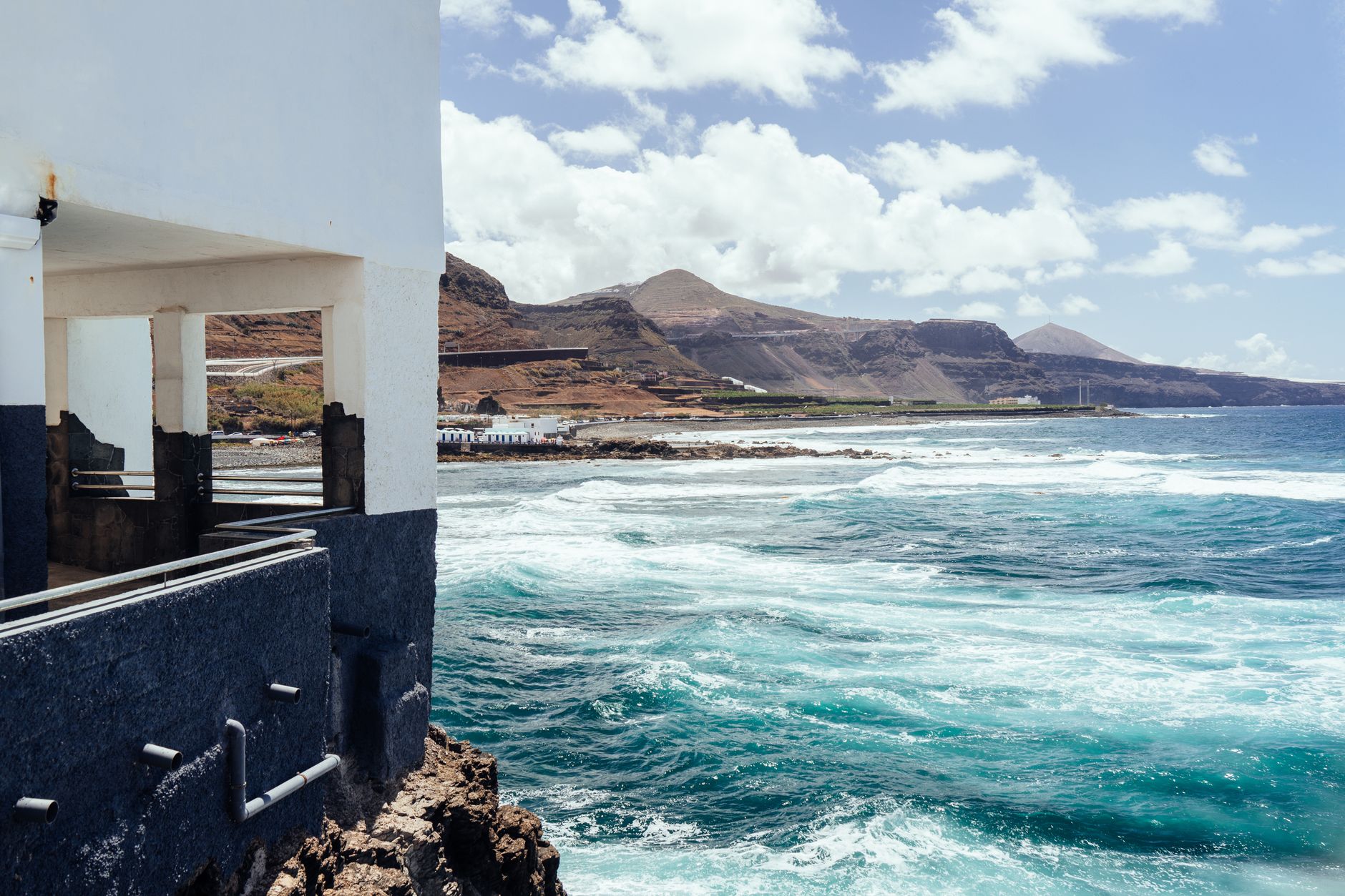
Rising dramatically from the cobalt embrace of the Atlantic Ocean, Gran Canaria is famously celebrated as a 'continent in miniature.' This dramatic diversity is written across its topography, where sculpted golden sand dunes roll against turquoise surf in the south, while the island's jagged interior pierces the clouds with ancient volcanic calderas and pine-forested mountains. Shaped by millions of years of geological evolution and blessed with a perennial spring-like climate, the island offers an astonishing array of microclimates within just a few hours' drive.

Historically, the island was home to the indigenous Guanche people, pastoralists whose ancient cave dwellings and sacred sites still echo across remote ravines like the Barranco de Guayadeque. With the arrival of the Spanish Crown in the late 15th century, Las Palmas de Gran Canaria became a vital maritime staging post for Christopher Columbus's epochal voyages to the Americas. Today, historic quarters like Vegueta retain their cobbled charm, ornate wooden balconies, and spirited plazas, standing as living monuments to centuries of maritime trade, transatlantic exploration, and cultural fusion.

Beyond the heritage-rich capital, Gran Canaria's cultural heartbeat thrives in whitewashed mountain villages, bustling coastal fishing ports, and vibrant local festas. Life here unfolds at a rhythm dictated by the Atlantic breeze and volcanic soil, producing exceptional local agricultural treasures. From intensely flavored island-grown coffees to robust mountain cheeses and world-class fresh seafood caught daily, gastronomy is treated as a profound celebration of community and heritage.

Geographically, the island acts as a natural crossroads between Europe, Africa, and the Americas. Its sweeping landscapes range from the arid, sun-baked southern coastline to the damp, mystical laurel forests of Los Tilos de Moya in the north. Whether you are scaling the towering basalt monolith of Roque Nublo at sunrise, surfing the Atlantic rollers at Playa de Las Canteras, or tracing narrow switchbacks through plunging mountain gorges, Gran Canaria offers an intoxicating blend of wild untamed nature and sophisticated Mediterranean island living.

Visual Impressions & Moments
Gran Canaria photo 1
Gran Canaria photo 2
Gran Canaria photo 3
Gran Canaria photo 4
Gran Canaria photo 5
Gran Canaria photo 6
Unmissable Moments

Top Things to Do in Gran Canaria

Adventure

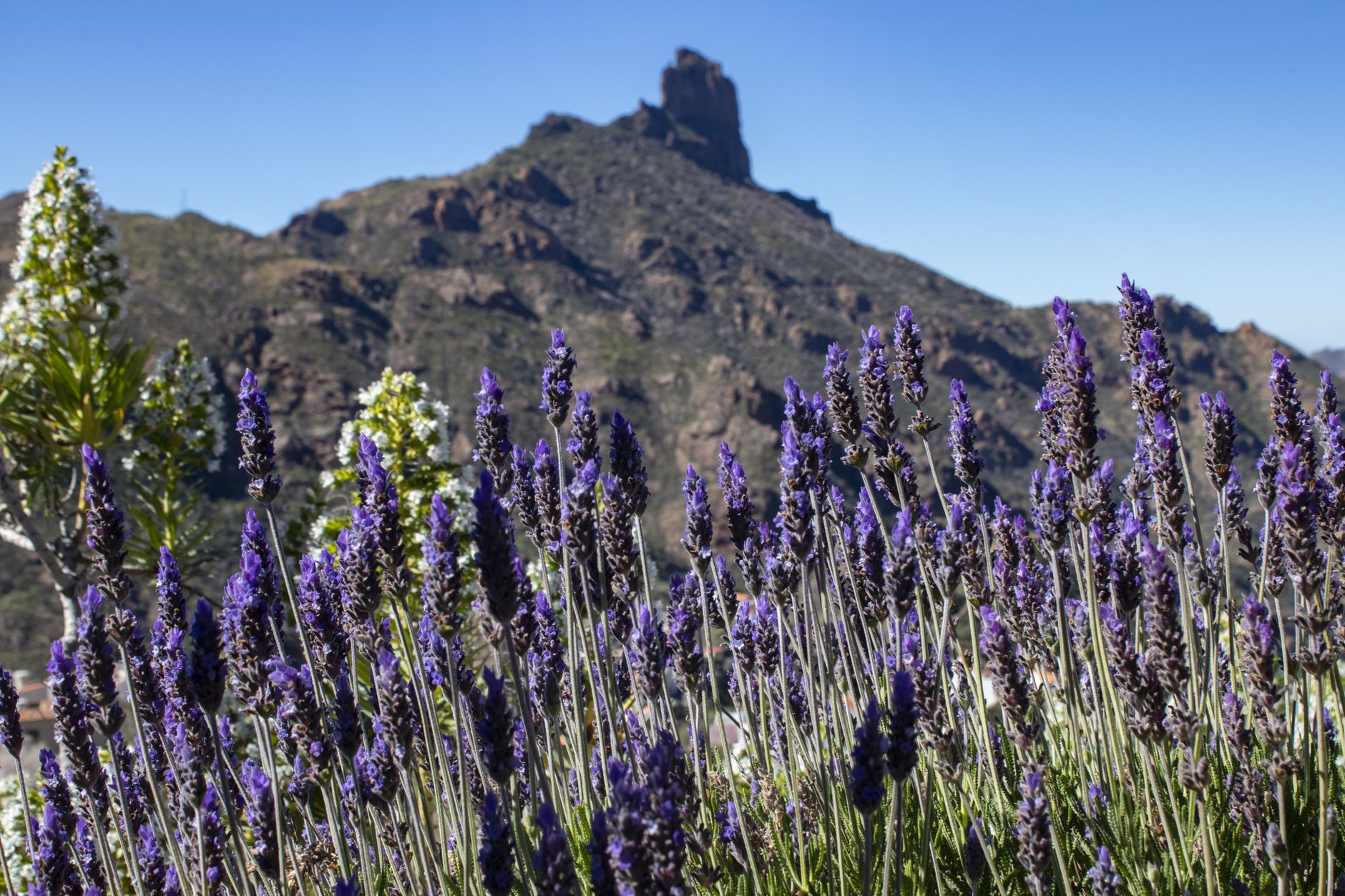
Hike to the Sacred Monolith of Roque Nublo at Sunrise

Ascend the volcanic spine of the island before dawn to watch the first rays of light ignite the towering basalt crag of Roque Nublo. Standing at 1,813 meters, this ancient rock sanctuary offers panoramic views that stretch across deep pine-scented ravines all the way to Mount Teide on neighboring Tenerife. Arrive just before dawn for sublime solitude and an unforgettable play of light over the cloud inversion below.

Must-Do

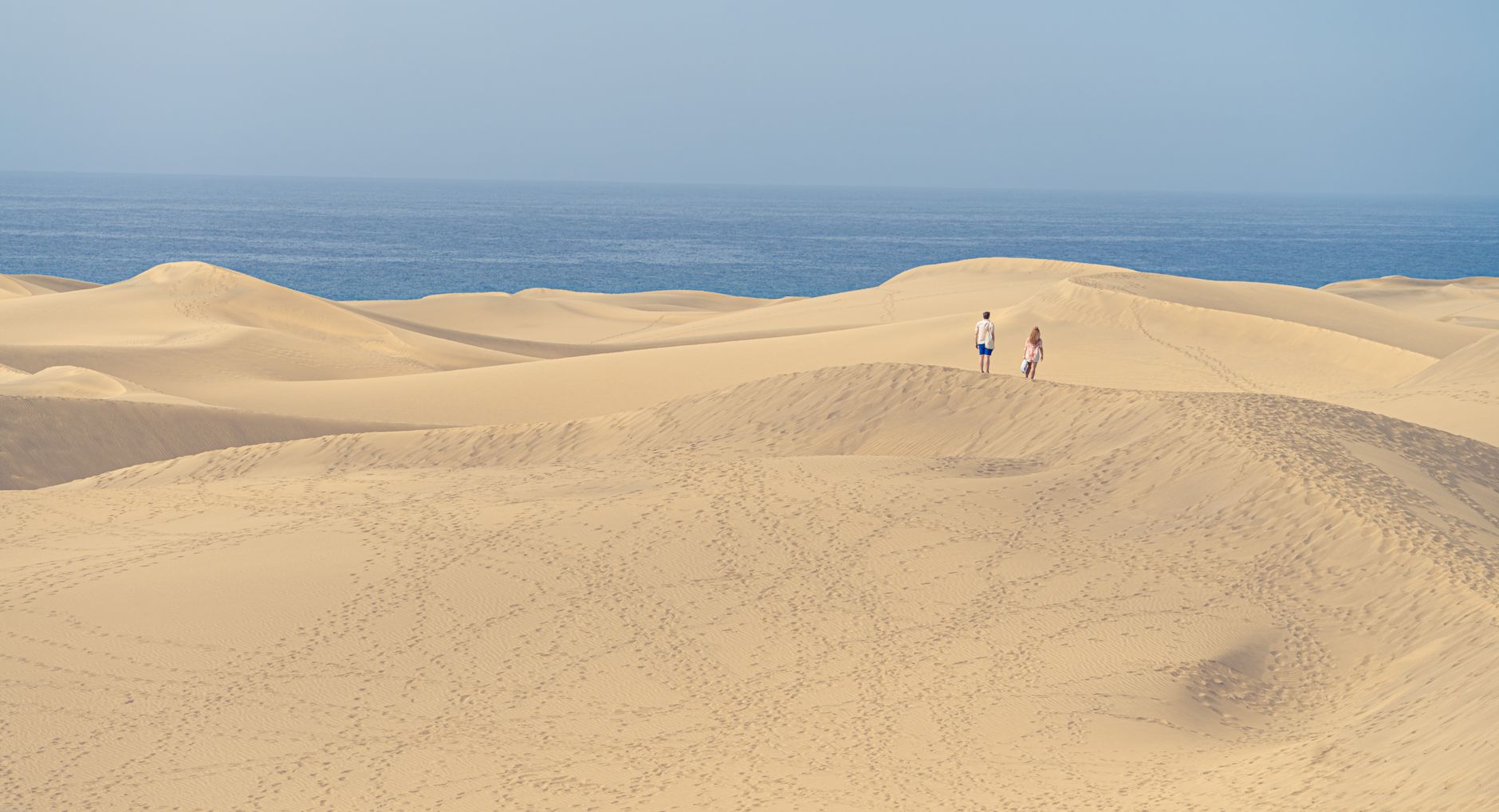
Wander the Shifting Golden Dunes of Maspalomas

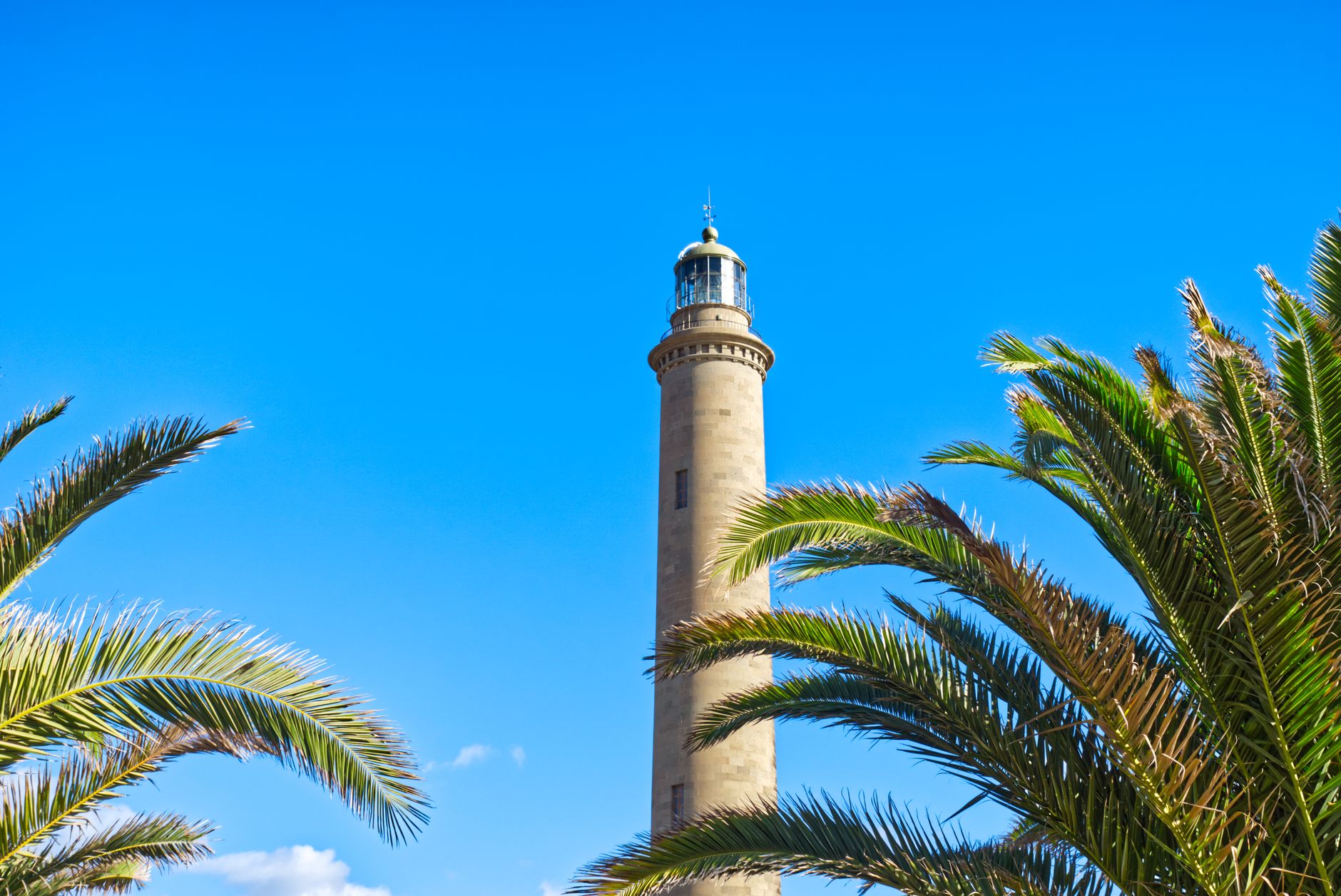
Traverse the undulating expanse of the Maspalomas Dunes, a protected nature reserve where wind-sculpted Saharan sands meet the crashing Atlantic surf. Walking along the designated trails feels like stepping into a remote desert expedition right next to a bustling resort coast. Time your visit for late afternoon when the sinking sun casts long, dramatic shadows across the ripples, ending at the historic 19th-century lighthouse.

Culture

Explore the Colonial Labyrinth of Vegueta in Las Palmas

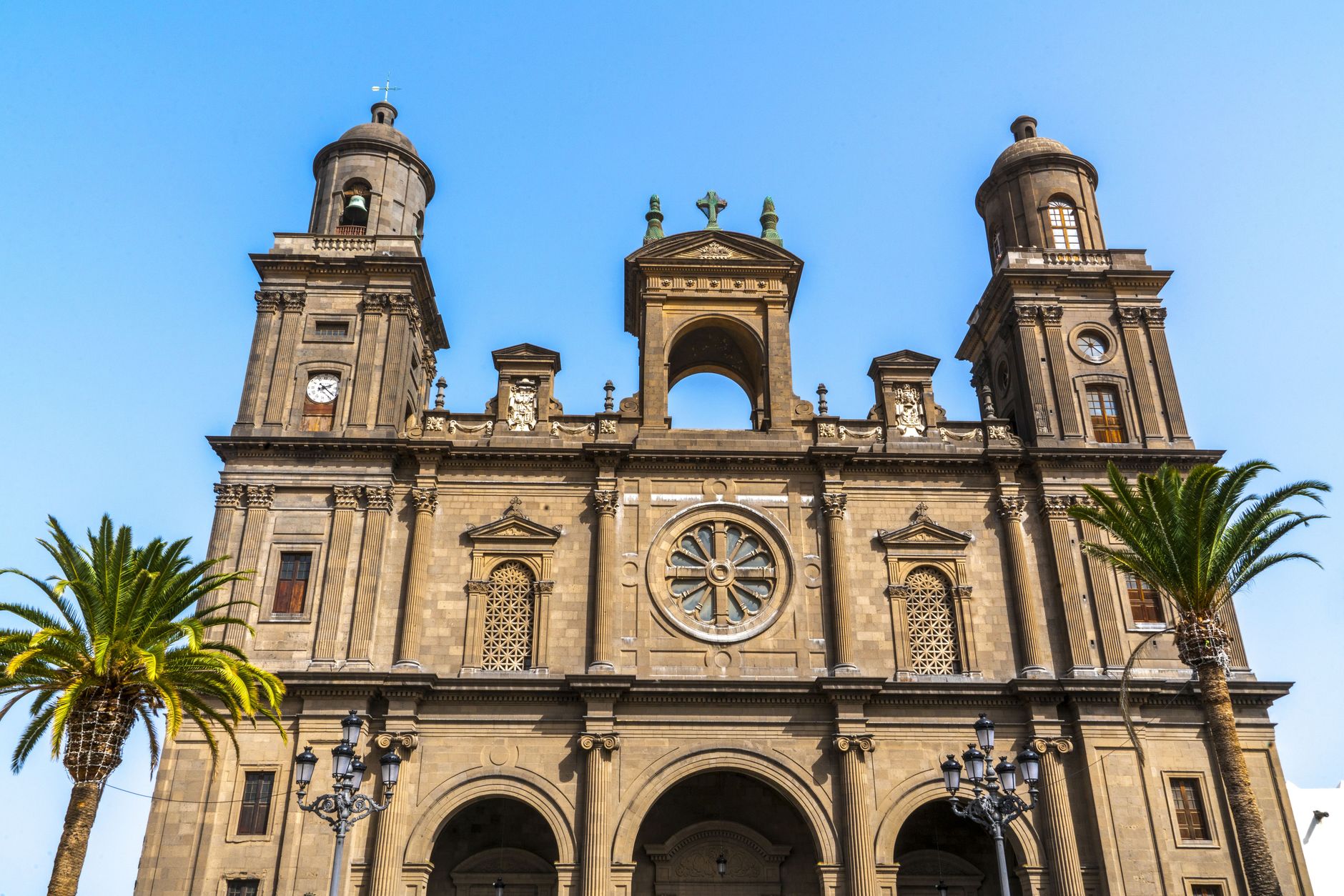
Step back to 1492 by wandering the cobblestone alleys of Vegueta, the historic old quarter of Las Palmas de Gran Canaria. Admire the striking architecture of the Santa Ana Cathedral, explore the historic Casa de Colón where Columbus once stayed, and unwind in shaded, orange-scented plazas. Stop at a local tavern to sample artisanal tapas and robust Canarian wines.

Scenic

Drive the Epic Mountain Switchbacks of Valley of the Tears

Rent a car and navigate the dramatic, heart-stopping hairpins of the GC-60 and GC-200 roads winding through the island's volcanic heart. Plunging past terraced agricultural plots, sheer canyon walls, and sleepy cliffside hamlets like Artenara, this drive offers vertigo-inducing vistas at every turn. Stop at local viewpoints (miradores) to fully appreciate the staggering vertical scale of Gran Canaria's landscape.

Must-See Highlights

Top Places & Things to Do in Gran Canaria

Curated attractions and cultural landmarks with local insider advice.

Roque Nublo
nature
4.9

Roque Nublo

Roque Nublo is a majestic 80-meter-tall volcanic rock standing proudly on a high plateau in the center of Gran Canaria. Formed by volcanic activity millions of years ago and later revered as a sacred landmark by the ancient Guanche people, it commands the surrounding landscape with an almost spiritual gravity. The hike to the base of the monolith is an accessible yet awe-inspiring trek that winds through fragrant Canarian pine forests and volcanic scree. As you ascend, the panoramic vistas expand dramatically, offering a bird's-eye view of plunging ravines, neighboring Tenerife, and an endless sea of floating clouds.

Open 24/7
Admission: Free
Insider Tip: Arrive an hour before sunrise or sunset for incredible lighting, and always pack a windbreaker as temperatures at 1,800 meters can drop rapidly.
Maspalomas Dunes Nature Reserve
nature
4.8

Maspalomas Dunes Nature Reserve

Covering over 400 hectares of protected terrain, the Maspalomas Dunes create a breathtaking desert ecosystem right on the Atlantic coastline. Composed of organic marine sediment and wind-driven sand, this shifting landscape features towering dunes, a palm grove oasis, and a brackish lagoon known as La Charca, which serves as a vital resting stop for migratory birds. Walking through the reserve offers a surreal transition from bustling beach resorts into a serene, meditative expanse of undulating golden sand. Marked wooden paths protect the fragile ecosystem while allowing visitors to immerse themselves in this unique coastal desert.

Open 24/7
Admission: Free
Insider Tip: Wear sturdy sandals or shoes; the surface sand can become intensely hot by midday. Stay strictly on marked trails to protect the fragile flora.
Jardín Botánico Viera y Clavijo
nature
4.7

Jardín Botánico Viera y Clavijo

Spanning 27 hectares of steep hillside ravine just outside Tafira, this is Spain's largest botanical garden and a sanctuary for Macaronesian flora. Named after the pioneering 18th-century naturalist José Viera y Clavijo, the garden brings together thousands of plant species native to the Canary Islands, Madeira, the Azores, and Cape Verde. Strolling along shaded cliffside paths, visitors encounter towering dragon trees, endemic cacti, lush laurel forests, and vibrant floral displays fed by natural water streams. It is an exceptionally peaceful and scientifically vital haven that showcases the extraordinary biodiversity of island ecosystems.

Daily 10:00 - 18:00
Admission: Free
Insider Tip: Wear comfortable walking shoes with good grip, as the garden is built into a steep hillside ravine with numerous stone staircases and inclines.
Casa de Colón
culture
4.6

Casa de Colón

Located in the heart of the historic Vegueta district, Casa de Colón is a magnificent museum complex housed within the former governor's mansion where Christopher Columbus stayed in 1492 while repairing his ships before crossing the Atlantic. The building itself is an architectural marvel featuring serene interior courtyards, carved wooden galleries, and arched stone corridors. The museum spans multiple floors dedicated to pre-Columbian art, transatlantic navigation, maritime history, and the deep historical ties between the Canary Islands and the Americas. Detailed exhibits illuminate the geography of early exploration and the pivotal role Las Palmas played in world history.

Monday to Saturday 10:00 - 19:00, Sunday 10:00 - 15:00
Admission: €4
Insider Tip: Free admission is available on Sundays after 16:00 and on museum open days. Allow at least two hours to thoroughly explore the sprawling courtyards and exhibition halls.
Area Guide

Where to Stay & Best Neighborhoods

Vegueta & Triana (Las Palmas)

Best for: History buffs, architecture lovers, museum-goers, and urban explorers.

Vibe: Historic colonial grandeur seamlessly blended with vibrant pedestrian shopping and café culture.

Vegueta and Triana represent the historic twin souls of Las Palmas. Vegueta enchants with its labyrinthine 15th-century stone streets, grand plazas, and historical museums, while adjacent Triana pulses with modernist architecture, chic boutiques, outdoor terrace dining, and lively pedestrian promenades.

Tejeda & Mountain Interior

Best for: Hikers, nature photographers, slow travelers, and rural retreat seekers.

Vibe: Dramatically perched cliffside hamlets surrounded by pine forests, almond groves, and volcanic peaks.

Nestled in a massive volcanic crater beneath the shadow of Roque Nublo, Tejeda is frequently cited as one of Spain's most picturesque mountain villages. Life here moves slowly, perfumed by the scent of pine and traditional sweet almond pastries, offering direct access to the island's finest hiking paths.

Puerto de Mogán

Best for: Couples, families, snorkelers, and relaxed seaside dining.

Vibe: A sun-drenched, flower-draped coastal fishing village crisscrossed by romantic canals.

Often dubbed the 'Little Venice' of the Canaries, Puerto de Mogán captivates visitors with its whitewashed houses adorned with vibrant bougainvillea, pedestrian-only canals, and a protected golden sand beach. Its charming marina bustles with yacht owners and exceptional seafood restaurants.

Food & Drink Scene

What to Eat in Gran Canaria

Papas Arrugadas con Mojo

Small local potatoes boiled in heavily salted seawater until wrinkled and coated in a delicate crust of salt, served with vibrant mojo sauces: mojo rojo (spicy red pepper and garlic) and mojo verde (coriander and green pepper). This iconic Canarian staple is a masterclass in minimalist flavor.

🍴 Top spot: Restaurante Los Guayres, Puerto de Mogán

Queso de Flor de Guía

An exquisite, artisanal raw-milk cheese produced in the northern highlands using vegetable rennet extracted from wild artichoke flowers. It yields a rich, buttery flavor profile with a distinctive bitter, herbal finish that has been celebrated since the 16th century.

🍴 Top spot: Mercado Agrícola de Guía

Sancocho Canario

A traditional festive dish featuring salted fish (typically wreckfish or sea bass) desalted and gently boiled, served alongside sweet potatoes, potatoes, and a dollop of red mojo sauce, accompanied by pella de gofio (toasted grain flour kneaded into a savory or sweet dough ball).

🍴 Top spot: Bodegón El Bichillo, Tafira
Excursions

Best Day Trips from Gran Canaria

Arucas & The Northern Banana Plantations

20 mins by car from Las Palmas

Journey north to explore the striking neo-Gothic Church of San Juan Bautista (built entirely from dark local volcanic stone) and tour historic rum distilleries producing world-class Canarian rum from local sugarcane.

Cactualdea Park & The Wild Western Coast

1 hour 15 mins by car from Maspalomas

Venture along the dramatic, cliff-hugging western highway to Aldea de San Nicolás, visiting Europe's largest cactus park featuring over 1,200 cactus species before dining on grilled goat at a rustic valley taverna.

When to Go

Best Time to Visit & Seasonality

Editor’s Pick: Gran Canaria is a year-round destination, but the ideal time depends on your travel style. For optimal hiking and outdoor exploration, spring (March to May) and autumn (September to November) offer mild temperatures, blooming flora, and fewer crowds. Sunseekers looking for dependable beach weather will find the southern coast reliably warm 365 days a year, though winter brings peak European crowds seeking escape from the continental chill.

Spring Overview

(March - May)
Quiet / Low Season
Average Temperature & Climate18°C to 24°C

Pleasantly warm, blooming wildflowers in the interior valleys, gentle sea breezes.

Crowd & Travel ConditionsLow Tourist Traffic

Fewer lines and better deals.

✨ Seasonal Highlights:Ideal for hiking mountain trails, exploring almond blossoms in Tejeda, and fewer beach crowds.
Travel Smarter

Practical Travel Essentials

CurrencyEUR (€)
LanguageSpanish
Time ZoneWEST (UTC+1 / UTC+2 in summer)

Visa & Entry

Gran Canaria is part of Spain and the European Union. Citizens of the EU, Schengen Area, US, Canada, UK, and Australia do not require a visa for tourist stays up to 90 days.

Getting Around & Transit

Renting a car is essential for exploring the island's remote mountain interior and diverse microclimates. Public buses (guaguas) connect major towns and resort areas efficiently, but mountain routes require independent transport.

Daily Budget Expectation

€70 - €160 per person per day, covering mid-range accommodation, car rental, dining out at local taverns, and attraction admissions.

Safety & Health

High. Gran Canaria is an exceptionally safe destination for solo travelers, families, and couples, though standard precautions against petty theft should be taken in crowded tourist zones.

Local Etiquette & Customs

Greeting locals with a warm 'Buenos días' or 'Buenas tardes' is customary. Tipping is not mandatory but rounding up the bill or leaving 5-10% for exceptional service in restaurants is appreciated.

Questions & Answers

Frequently Asked Questions about Gran Canaria

While public buses connect the capital and major beach resorts, renting a car is highly recommended if you want to explore the dramatic mountain interior, scenic viewpoints, and remote rural villages.