🌟 Best in Travel 2026 is here!
Greece
countryEurope
4.92 / 5.0

Greece

Where ancient mythologies breathe through sun-drenched ruins, azure seas, and timeless island hospitality.

Editorial Guide

About Greece

Greece stands as the cradle of Western civilization, a sun-kissed tapestry where every marble pillar, weathered olive grove, and cobalt-domed chapel tells a story millennia in the making. From the craggy, myth-haunted peaks of Mount Olympus to the labyrinthine white-washed alleys of the Cyclades and the dramatic gorges of Crete, the country's geography is as varied as it is breathtaking. The landscape is carved by deep blue seas, glittering salt flats, and limestone cliffs that plunge dramatically into the Mediterranean and Aegean basins.

Culturally, Greece is an intoxicating blend of the ancient and the contemporary. The echoes of classical philosophy, dramatic theater, and democratic ideals still resonate deeply, yet modern Greek life is defined by an energetic, unhurried vitality. Daily rhythms revolve around the kafeneio (traditional coffee house), where elders debate politics over thick Greek coffee, and long, spirited family dinners that stretch well past midnight under starlit taverna pergolas.

Atmospherically, Greece is an assault on the senses in the most sublime way possible. The air carries the sharp, clean scent of wild oregano, sea salt, and sun-baked pine. The golden Mediterranean light has captivated painters, poets, and travelers for centuries, casting a luminous glow over crumbling agoras and glittering beaches alike. Whether you are scaling the sacred heights of the Acropolis in Athens or watching the legendary sunset melt into the caldera in Santorini, the country possesses a rare, magnetic pull that lingers long after departure.

Local life in Greece is anchored by the sacred concept of 'philoxenia'—a deep-rooted cultural duty of hospitality toward strangers. Visitors are rarely treated as mere tourists; instead, they are welcomed into the fold with an open-hearted generosity defined by shared ouzo, spontaneous storytelling, and heartfelt toasts of 'yamas!' It is a destination that demands to be experienced not through a frantic checklist of sights, but through a slow, deliberate immersion in its landscapes, flavors, and timeless rhythms.

Visual Impressions & Moments
Greece photo 1
Greece photo 2
Greece photo 3
Greece photo 4
Greece photo 5
Greece photo 6
Unmissable Moments

Top Things to Do in Greece

Must-Do

Watch the Sunset Over the Caldera in Oia, Santorini

Witnessing the sun dip below the horizon from the northern tip of Santorini is a legendary Mediterranean rite of passage. As the whitewashed cave houses and blue-domed churches catch the fiery amber glow of dusk, the entire caldera transforms into an ethereal canvas. Arrive at least two hours before sunset to secure a prime spot along the castle ruins, or better yet, book a catamaran cruise in the bay for an unobstructed, crowd-free vantage point.

Culture

Wander the Sacred Ruins of the Acropolis at First Light

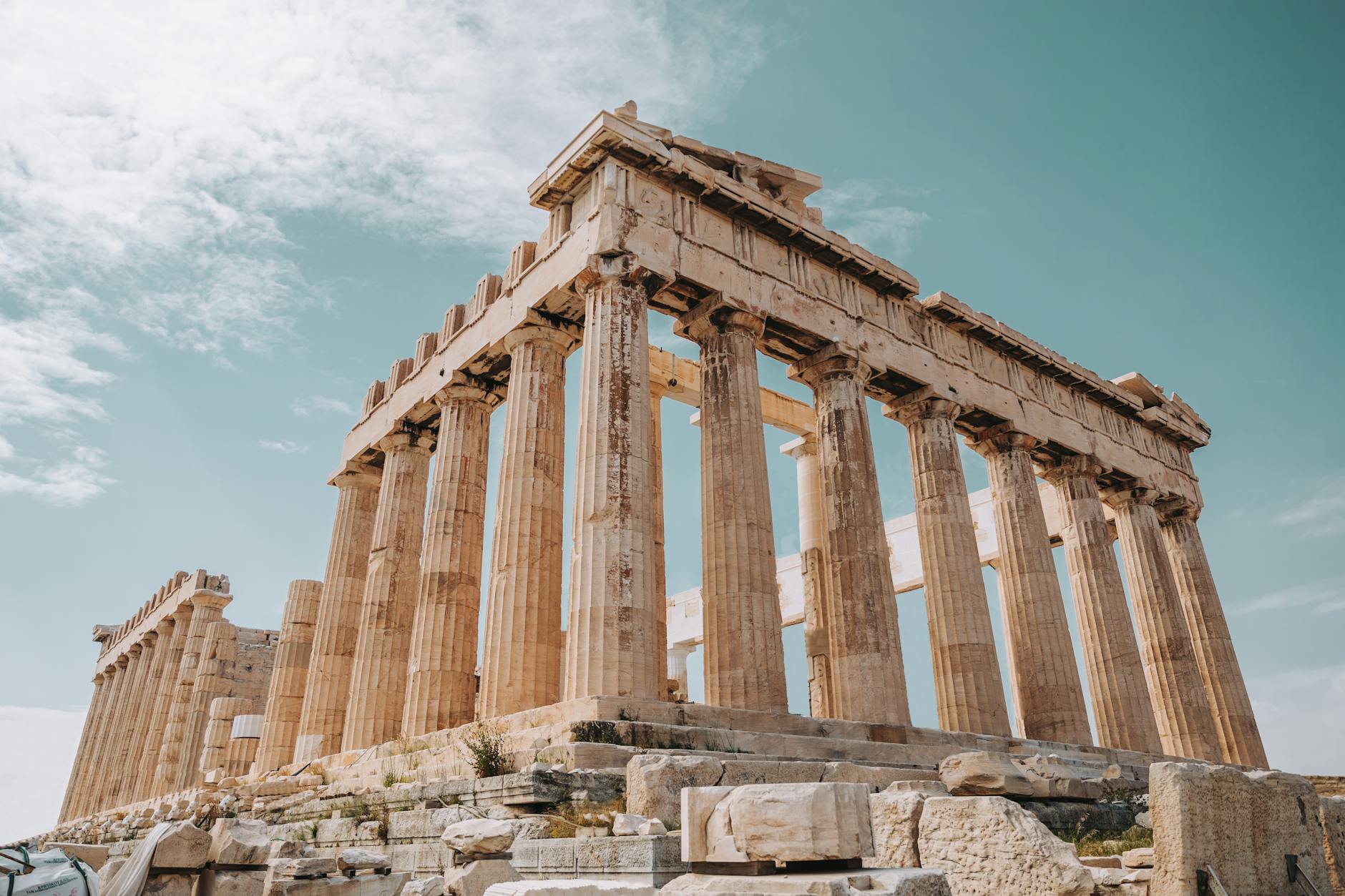
Stand before the Parthenon as the morning sun illuminates the ancient marble columns of Athens' most iconic citadel. Built in the 5th century BC as a testament to Athenian power and artistic mastery, this UNESCO World Heritage site offers sweeping 360-degree views over the sprawling capital. Tip: Purchase tickets online in advance and enter right when the gates open at 8:00 AM to experience the sacred grounds in near-solitude before the cruise ship tours arrive.

Adventure

Hike the Dramatic Samaria Gorge in Crete

Challenge yourself with a 16-kilometer trek down Europe's longest gorge, slicing through the White Mountains of western Crete. The trail begins at Xyloskalo, plunging down steep switchbacks through scented pine forests before navigating the narrow limestone pass known as the 'Iron Gates,' where the canyon walls tower 300 meters overhead. Finish at the tranquil seaside village of Agia Roumeli for a well-deserved swim in the Libyan Sea.

Culinary

Savor a Seafood Feast at a Seaside Plaka Taverna in Milos

Escape the hyper-touristed islands and head to Milos to experience authentic fishing village life at Klimatia or Klima. Dine tableside at the water's edge, where fishermen unload their daily catch straight into the kitchen. Indulge in grilled octopus drenched in lemon and olive oil, savory sun-dried mackerel, and creamy fava bean puree paired with crisp Assyrtiko white wine as gentle waves lap against the dock.

Must-See Highlights

Top Places & Things to Do in Greece

Curated attractions and cultural landmarks with local insider advice.

The Parthenon & Acropolis
culture
4.95

The Parthenon & Acropolis

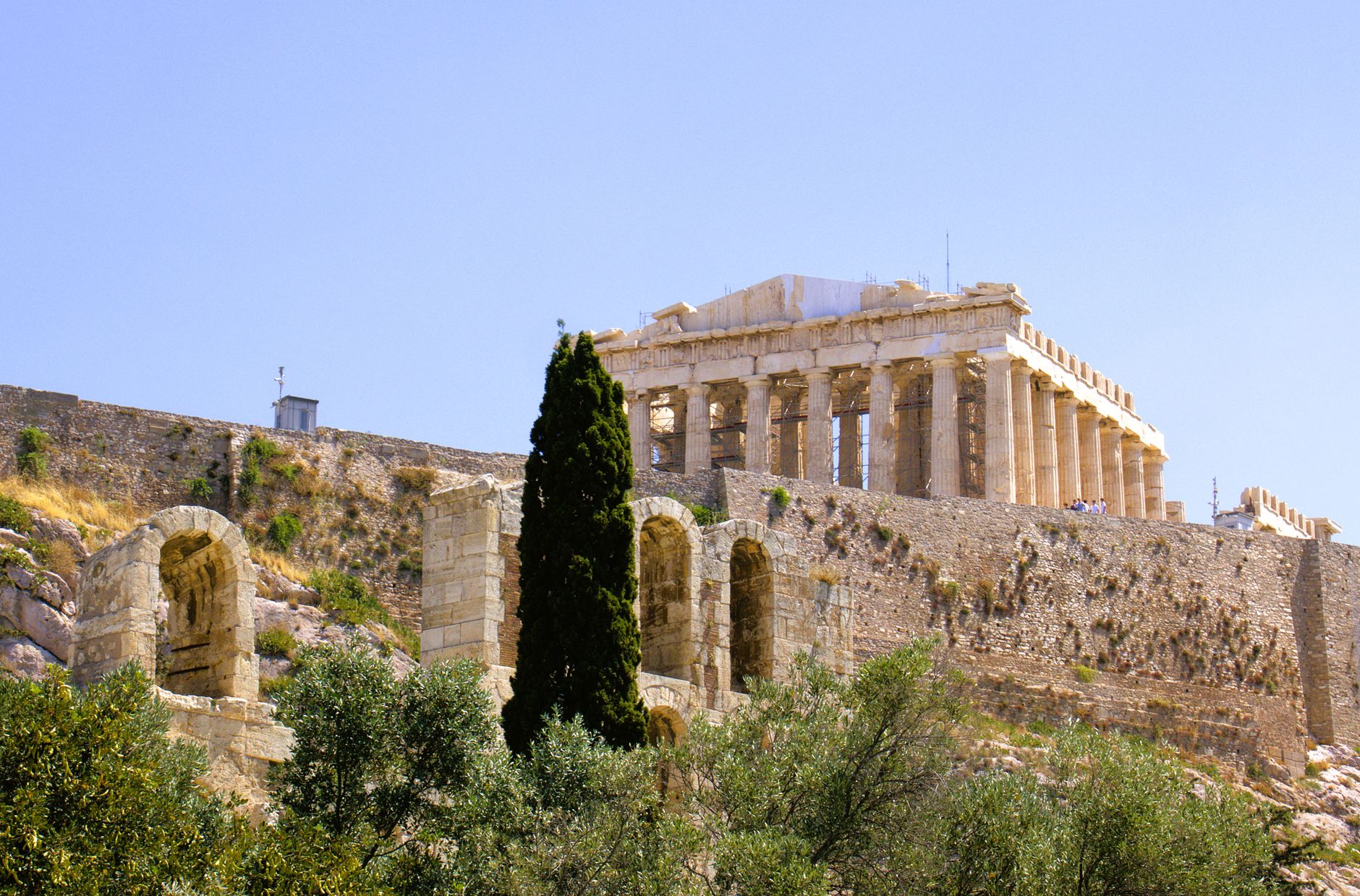
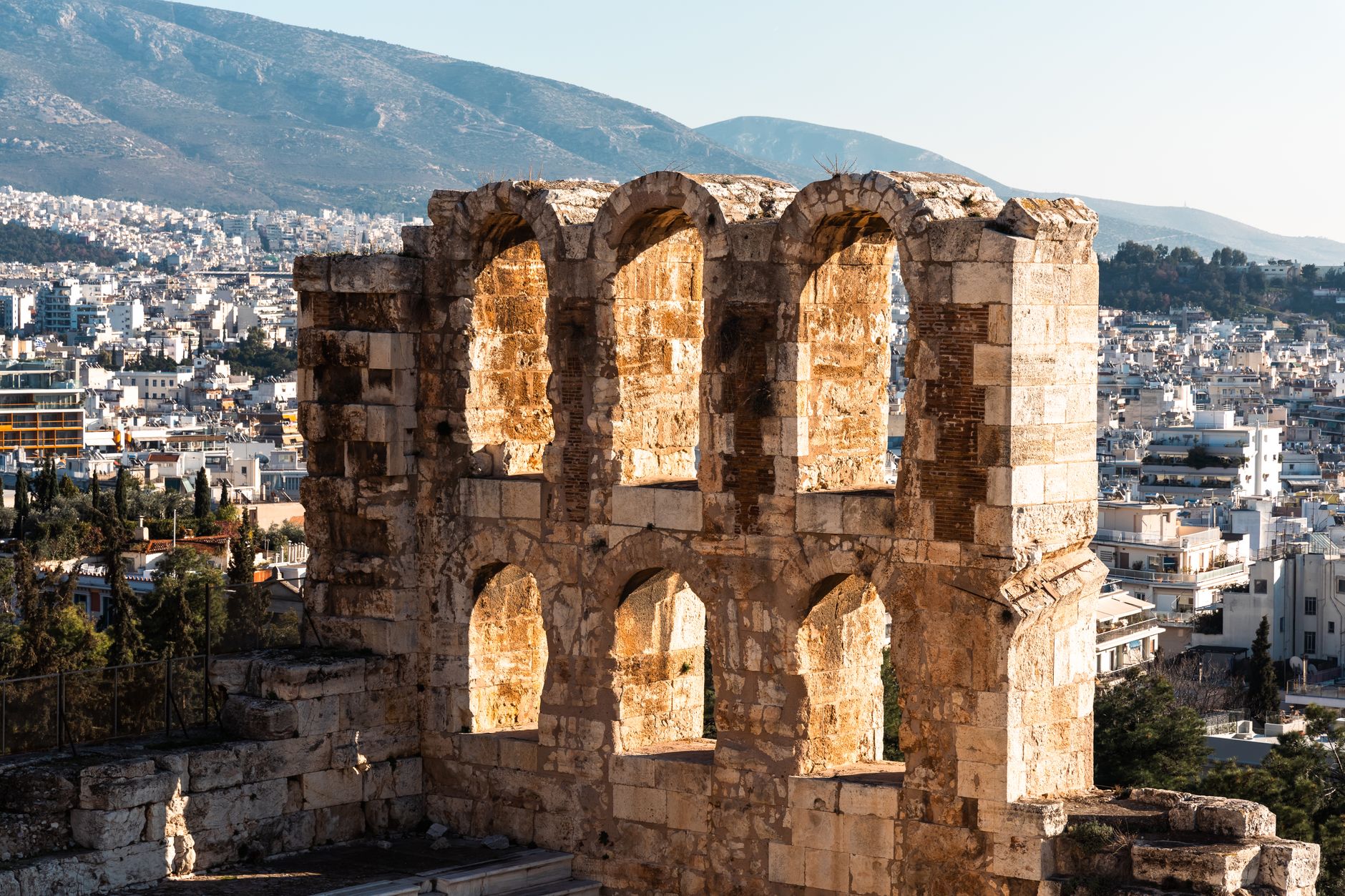
Rising majestically above Athens, the Acropolis is the supreme expression of Classical Greek architecture and spirit. At its crown stands the Parthenon, dedicated to the goddess Athena, constructed between 447 and 432 BC under the statesman Pericles. Its architectural refinements—including subtle curves and slight inclinations designed to counteract optical illusions—continue to astound engineers and architects today. Surrounding the Parthenon are other monumental structures including the Erechtheion with its famous Porch of the Maidens (Caryatids), the Temple of Athena Nike, and the Propylaea gateway. Below the citadel lies the new Acropolis Museum, a stunning glass-and-steel architectural marvel that houses original sculptures salvaged from the ruins, offering direct visual dialogue with the monuments resting on the hill above.

8:00 AM - 8:00 PM daily
Admission: €20
Insider Tip: Visit either right at 8:00 AM or after 5:00 PM to avoid the intense midday heat and massive tour bus crowds. Wear shoes with excellent grip, as the ancient marble steps (glyfada) are exceptionally slick.
Palace of Knossos
culture
4.75

Palace of Knossos

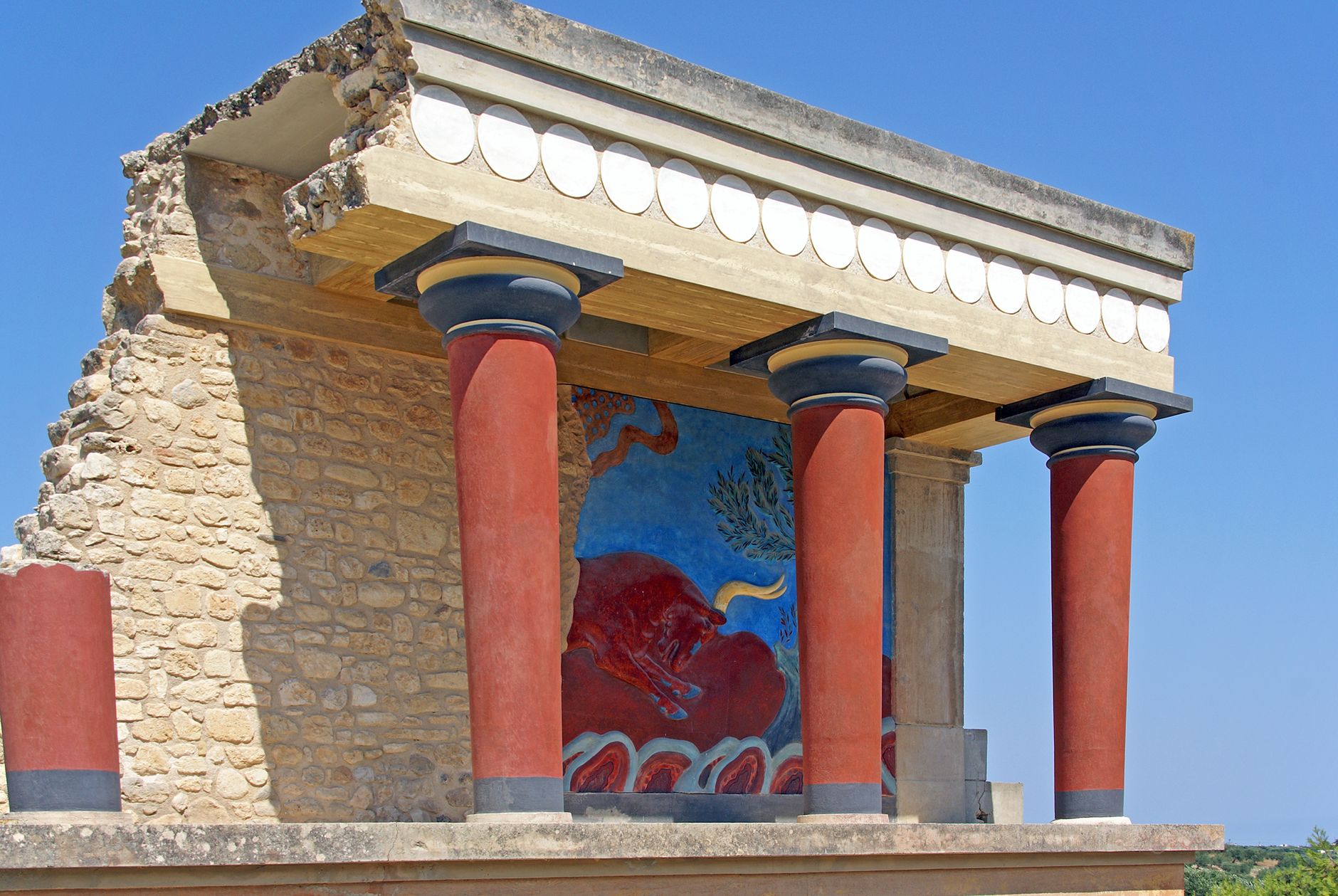
Just south of Heraklion on the island of Crete lies the sprawling Bronze Age archaeological site of Knossos, the political and ceremonial center of the Minoan civilization. Believed to be the legendary labyrinth of King Minos that once held the mythical Minotaur, Knossos was discovered and partially reconstructed by archaeologist Sir Arthur Evans in the early 20th century. The complex labyrinth of multi-story palace rooms, royal apartments, storage magazines filled with giant terracotta pithoi jars, and vibrant restored frescoes—such as the Prince of the Lilies and the Bull-Leaping fresco—offers a fascinating glimpse into a sophisticated, peace-loving Mediterranean civilization that flourished long before classical Greece.

8:00 AM - 8:00 PM daily
Admission: €15
Insider Tip: Hire an official licensed tour guide at the entrance gate. The historical context provided brings the complex ruins and controversial reconstructions vividly to life in a way self-guided exploration cannot match.
Santorini Caldera & Oia Village
attraction
4.9

Santorini Caldera & Oia Village

Santorini's caldera is the staggering geological result of one of the largest volcanic eruptions in recorded human history, which occurred around 1600 BC. The collapse of the volcano's center created a massive sea-filled basin bordered by multicolored cliffs rising over 300 meters high. Clinging impossibly to these precipitous volcanic edges are the immaculate settlements of Fira, Imerovigli, and Oia. Oia, situated at the island's northwestern tip, is world-famous for its Cycladic architecture, blue-domed churches, and windmills silhouetted against golden hour skies. Walking its marble-paved pathways reveals high-end boutiques, art galleries carved into soft pumice stone, and cliffside restaurants serving local Assyrtiko wines paired with sweeping views of the deep blue Aegean.

Open 24/7
Admission: Free
Insider Tip: To escape the crowded sunset viewing areas in Oia, walk down the 300 steps to Ammoudi Bay for a seaside dinner at sunset, or watch from the Venetian Castle ruins in Oia with an early arrival.
Meteora Monasteries
nature
4.94

Meteora Monasteries

Rising abruptly from the edge of the Thessalian plain are the awe-inspiring monolithic pillars of rock known as Meteora, meaning 'suspended in the air.' Perched precariously atop these sheer sandstone pinnacles are historic Eastern Orthodox monasteries, originally built by ascetic monks in the 14th and 15th centuries who sought spiritual isolation and protection from invading forces. Out of the original twenty-four monasteries, six remain active and open to visitors: Great Meteoron, Varlaam, Roussanou, St. Nicholas Anapausas, Holy Trinity, and St. Stephen. Accessible via stone staircases and bridges carved directly into the rock face, these holy sanctuaries house priceless Byzantine frescoes, ornate wood-carved iconostases, and panoramic vistas stretching across the Pindus Mountains.

Varies by monastery; generally 9:00 AM - 5:00 PM with midday closures
Admission: €3 per monastery
Insider Tip: Dress modestly: women must wear skirts or long wrap-around skirts (provided at the entrance if needed), and men must wear long trousers. Check individual monastery closure days before making the journey.
Area Guide

Where to Stay & Best Neighborhoods

Plaka & Anafiotika (Athens)

Best for: First-time visitors, history lovers, romantic strolls, and traditional souvenir shopping.

Vibe: Neoclassical mansions, labyrinthine cobblestone alleys, and a distinct Cycladic village feel nestled beneath the Acropolis.

Wandering through Plaka feels like stepping back in time a century or more. Tucked directly under the northern slopes of the Acropolis, its pedestrianized streets are lined with bougainvillea-draped houses, family-run tavernas, and tiny Byzantine churches. Tucked within Plaka lies Anafiotika, a micro-neighborhood built by islanders from Anafi in the 19th century, featuring blindingly white cubic houses and blue doors that instantly transport you to the Aegean islands without leaving the capital.

Oia & Fira (Santorini)

Best for: Honeymooners, luxury travelers, photographers, and sunset seekers.

Vibe: Dramatic cliffside luxury, iconic blue domes, upscale boutiques, and infinity pools cascading over volcanic rock.

Perched precariously on the rim of a sunken volcanic caldera, the cliffside settlements of Oia and Fira offer some of the most dramatic architectural scenery on earth. Walking the marble paths reveals luxury cave hotels, high-end jewelry stores, and art galleries carved directly into the dark volcanic rock. While Fira pulsates with energy and nightlife, Oia offers a more serene, postcard-perfect elegance defined by quiet courtyards and world-class caldera dining.

Old Town & Venetian Harbor (Chania, Crete)

Best for: Foodies, history enthusiasts, romantic getaways, and culture seekers.

Vibe: A seductive architectural layering of Venetian shipyards, Ottoman mosques, Turkish baths, and bustling Cretan alleyways.

Chania’s Old Town is an architectural masterpiece shaped by centuries of maritime conquest and cultural fusion. Walking along the 14th-century Venetian harbor toward the iconic Egyptian lighthouse, you are enveloped by the hum of waterfront tavernas and artisan workshops. Step away from the harbor into the maze-like alleys of the Splantzia and Topanas districts, where hidden boutique hotels, fragrant bakeries, and leather-crafting studios await around every corner.

Food & Drink Scene

What to Eat in Greece

Moussaka

Greece's quintessential comfort dish features layers of sautéed sliced eggplant, minced lamb or beef seasoned with cinnamon and allspice, and rich tomato sauce, all crowned with a thick, velvety blanket of golden béchamel sauce.

🍴 Top spot: Taverna Klimataria, Athens

Souvlaki & Gyros

The ultimate Greek street food. Tender morsels of marinated pork or chicken grilled on skewers (souvlaki) or shaved from a rotating vertical spit (gyros), wrapped in warm, fluffy pita bread with fresh tomatoes, red onions, fried potatoes, and cooling tzatziki.

🍴 Top spot: O Kostas, Syntagma, Athens

Fresh Grilled Seafood (Psaria Sta Karina)

Celebrated for its simplicity, fresh Aegean fish—such as sea bream (tsipoura) or sea bass (lavraki)—is simply grilled over hot coals, dressed exclusively with high-quality extra virgin olive oil, freshly squeezed lemon juice, and wild oregano.

🍴 Top spot: Captain's House, Naoussa, Paros
Excursions

Best Day Trips from Greece

Delphi Archaeological Site & Mountain Villages

2.5 hours by car or bus from Athens

Journey to the slopes of Mount Parnassus to visit the ancient sanctuary of Delphi, once revered by the ancient Greeks as the 'navel of the earth' and home to the famous Oracle. Explore the Temple of Apollo, the ancient theater, and the exquisite archaeological museum housing the bronze Charioteer, before enjoying lunch in the charming stone-built mountain village of Arachova.

The Sacred Island of Delos & Rhenia

30 minutes by ferry from Mykonos Port

Sail across the turquoise waters from Mykonos to Delos, one of the most significant mythological, historical, and archaeological sites in the Mediterranean. According to Greek mythology, this sun-drenched island is the birthplace of Apollo and Artemis. Wander through the sprawling ruins of the Terrace of the Lions, ancient sanctuaries, and remarkably preserved mosaic-floored Hellenistic villas.

When to Go

Best Time to Visit & Seasonality

Editor’s Pick: May to June and September to October offer the ideal balance of warm, pleasant weather, manageable crowds, and open seasonal businesses. July and August bring peak summer heat and massive crowds, particularly on popular islands like Mykonos and Santorini, while spring (April-May) blankets the countryside in breathtaking wildflowers.

Spring Overview

(April - May)
Moderate
Average Temperature & Climate15°C to 24°C (59°F to 75°F)

Mild, sunny, and occasionally breezy with blooming wildflowers across hillsides.

Crowd & Travel ConditionsModerate Tourist Traffic

Fewer lines and better deals.

✨ Seasonal Highlights:Easter celebrations (Pascha), hiking the Samaria Gorge upon its seasonal opening, and exploring archaeological sites without summer crowds.
Travel Smarter

Practical Travel Essentials

CurrencyEUR (€)
LanguageGreek
Time ZoneEET (UTC+2) / EEST (UTC+3)

Visa & Entry

Greece is part of the Schengen Area. Citizens of the US, Canada, Australia, and the UK do not require a visa for tourist stays up to 90 days within any 180-day period. Ensure your passport is valid for at least 3 months beyond your planned departure date.

Getting Around & Transit

A combination of domestic flights, high-speed ferries (Blue Star, SeaJets), and car rentals is ideal. Renting a car is essential for exploring mainland regions like the Peloponnese and Crete, while ferries connect the island chains. Book high-speed ferry tickets well in advance during peak summer months.

Daily Budget Expectation

A comfortable mid-range budget ranges from €120 to €220 per day, covering a boutique hotel room, taverna meals, local transport or car rental, and entry fees to archaeological sites.

Safety & Health

Greece is one of the safest destinations in Europe. Violent crime is extremely rare. Petty theft, particularly pickpocketing in crowded Athens metro stations and tourist areas like Monastiraki, requires standard urban vigilance.

Local Etiquette & Customs

Greeks are exceptionally warm and hospitable. A cheerful 'Kalimera' (Good morning) or 'Kalispera' (Good evening) goes a long way. When dining out, tipping around 5-10% in cash is customary and appreciated, even if service is not automatically added.

Questions & Answers

Frequently Asked Questions about Greece

Not at all. English is widely spoken throughout Athens, the islands, and all major tourist destinations. Street signs, museum exhibits, and menus are almost universally bilingual in Greek and English.