🌟 Best in Travel 2026 is here!
Harajuku Travel Guide, Tokyo
regionAsia
4.90 / 5.0

Harajuku Travel Guide, Tokyo

The beating heart of Tokyo's avant-garde youth culture and serene forest sanctuaries.

Editorial Guide

About Harajuku Travel Guide, Tokyo

Harajuku is a breathtaking study in contrasts, where the hyper-caffeinated energy of global youth culture coexists harmoniously with ancient, towering woodlands. Centered around the historic Harajuku Station and the famous Takeshita Street, this neighborhood has long served as Tokyo's unrivaled laboratory for street style, independent fashion, and radical self-expression. From the pioneering boutique culture of the 1990s to today's global streetwear phenomenon, Harajuku continuously reinvents itself while maintaining a fierce devotion to creativity.

Yet, stepping just a few hundred meters west transports you into an entirely different realm of Japanese consciousness. The sprawling, forested grounds of Meiji Jingu Shrine and the pristine waters of Yoyogi Park offer a tranquil sanctuary of cedar trees and meditative silence, completely insulating visitors from the neon clamor of the city. This seamless transition from frenetic pop-culture emporiums to sacred Shinto serenity defines the quintessential Harajuku experience.

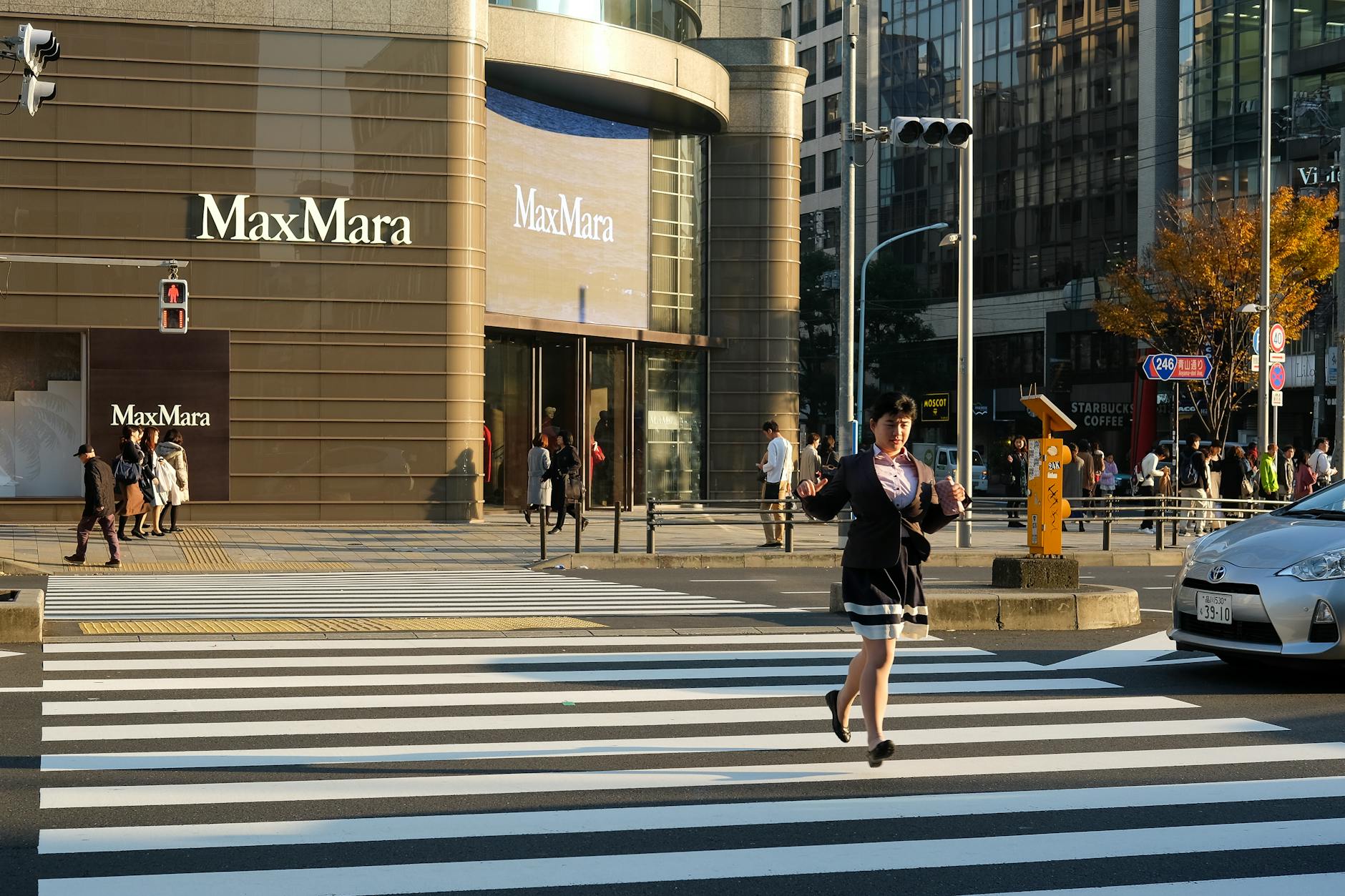
Geographically nestled in the Shibuya ward, Harajuku bridges the gap between the ultra-luxurious Omotesando boulevard—often hailed as Tokyo's Champs-ÉlysĂ©es—and the gritty, artistic backstreets of Ura-Harajuku. The local life here is a vibrant tapestry of international tourists, trendsetting teenagers in platform boots, stylish local designers sipping artisanal pour-overs, and families paying respects at ancestral shrines.

Culturally, Harajuku remains the spiritual epicenter of 'Kawaii' (cute) culture alongside extreme subcultures like Lolita, Visual Kei, and Decora. While street fashion has evolved from its peak 2000s weekend parade days on the Jingu Bridge into a more refined digital and international phenomenon, the neighborhood's independent spirit remains utterly untamed and deeply inspiring for any modern traveler.

Visual Impressions & Moments

Harajuku Travel Guide, Tokyo photo 1
Harajuku Travel Guide, Tokyo photo 2
Harajuku Travel Guide, Tokyo photo 3
Harajuku Travel Guide, Tokyo photo 4
Harajuku Travel Guide, Tokyo photo 5
Harajuku Travel Guide, Tokyo photo 6
Unmissable Moments

Top Things to Do in Harajuku Travel Guide, Tokyo

Must-Do

Navigate the Sensory Overload of Takeshita Street

Plunge headfirst into Tokyo's most famous pedestrian avenue, lined with colorful creperies, vintage clothing vaults, and radical fashion boutiques. Go right at 11:00 AM when the shutters open to avoid the suffocating weekend crowds, and treat yourself to a towering, strawberry-laden custard crepe.

Culture

Find Absolute Silence at Meiji Jingu Shrine

Walk beneath massive towering torii gates into a dense forest of over 100,000 donated trees that completely muffle the sound of the metropolis. Write your wishes on an ema (wooden plaque) and toss a coin at the main hall for good fortune.

Scenic

Explore the Architectural Marvels of Omotesando

Stroll down the grand zelkova-tree-lined boulevard designed by mastermind architects like Tadao Ando and SANAA. Duck into the labyrinthine alleys of Ura-Harajuku (Cat Street) to discover high-end Japanese streetwear and hidden third-wave coffee shops.

Culinary

Indulge in Harajuku's Iconic Sweet & Savory Street Eats

Sample everything from massive rainbow cotton candy and animal-shaped donuts to gourmet gyoza and savory Korean street snacks. Visit local dessert bars for cutting-edge culinary artistry that tastes as incredible as it photographs.

Must-See Highlights

Top Places & Things to Do in Harajuku Travel Guide, Tokyo

Curated attractions and cultural landmarks with local insider advice.

Meiji Jingu Shrine
culture
4.8

Meiji Jingu Shrine

Dedicated to the deified spirits of Emperor Meiji and Empress Shoken, this majestic Shinto shrine is the most important spiritual site in central Tokyo. Approached via a massive gravel pathway shaded by a towering artificial forest of 120,000 trees, it offers an atmosphere of profound serenity and timeless reverence. Visitors can witness traditional Shinto weddings, view massive sake barrel walls dedicated to the gods, and participate in purification rituals at the temizuya water pavilion before entering the exquisite inner courtyard.

Sunrise to Sunset (varies by month)
Admission: Free
Insider Tip: Arrive at dawn when the gates open to experience the forest in absolute quietness before the crowds arrive.
Takeshita Street
attraction
4.5

Takeshita Street

Takeshita Street is the legendary 350-meter-long pedestrian thoroughfare that launched Harajuku style onto the global stage. Lined with neon signs, quirky boutiques, thrift shops, and bustling snack bars, it remains the ultimate epicenter of Japanese youth culture and subculture fashion. While heavily visited by tourists and locals alike, it retains a vibrant, irrepressible charm. Walking down Takeshita is an essential Tokyo rite of passage that captures the playful, boundary-pushing ethos of modern Japanese pop culture.

Generally 10:00 AM – 8:00 PM (varies by shop)
Admission: Free
Insider Tip: Wear comfortable walking shoes and visit right at 11:00 AM to browse the boutiques without shoulder-to-shoulder gridlock.
Yoyogi Park
nature
4.7

Yoyogi Park

One of Tokyo's largest and most expansive public parks, Yoyogi Park is a sprawling green oasis featuring wide lawns, tranquil ponds, and forested groves. Formerly a military parade ground and later the athlete village for the 1964 Tokyo Olympics, it is now the city's premier weekend gathering spot. On any given Sunday, the park comes alive with impromptu musical jams, dance troupes, vintage car enthusiasts, and dog owners socializing under the towering canopy of zelkova and ginkgo trees.

Open 24/7
Admission: Free
Insider Tip: Bring a picnic blanket and pick up bento boxes from a local depachika (department store basement) to enjoy a relaxed lunch on the grass.
Omotesando Hills
attraction
4.6

Omotesando Hills

Designed by legendary architect Tadao Ando, Omotesando Hills is a striking multi-level luxury shopping complex that mirrors the gentle slope of the famed Omotesando avenue. Its interior features a continuous spiral ramp surrounded by minimalist balconies, high-end boutiques, and art exhibition spaces. Seamlessly blending into the historic zelkova tree line, the complex represents the pinnacle of contemporary Japanese architectural integration with urban streetscapes.

11:00 AM – 9:00 PM (Sundays until 8:00 PM)
Admission: $$$$
Insider Tip: Visit the inner atrium to admire Ando's brilliant use of natural light and check out the rotating contemporary art pop-ups.
Area Guide

Where to Stay & Best Neighborhoods

Takeshita Street & Station Area

Best for: First-time visitors, fashion hunters, and sweet treat enthusiasts.

Vibe: Neon, hyper-energetic, youth-centric, and bursting with whimsical pop culture.

This is the beating pulse of Harajuku's teenage pop culture, stretching directly from the station exit. Packed tightly with novelty sock shops, idol merchandise stores, and bustling crepe counters, it is an unapologetic sensory explosion of modern Tokyo.

Ura-Harajuku (Cat Street)

Best for: Streetwear collectors, architecture fans, and café hoppers.

Vibe: Hip, artsy, indie-chic, and effortlessly cool backstreets.

Winding gracefully between Harajuku and Shibuya, Cat Street is a pedestrianized haven free from cars. It houses the city's most influential independent apparel labels, bespoke denim workshops, and minimalist specialty coffee roasters.

Omotesando

Best for: Luxury shoppers, design aficionados, and upscale dining.

Vibe: Sophisticated, luxurious, architectural, and elegantly tree-lined.

Often compared to Paris's Avenue des Champs-ÉlysĂ©es, Omotesando showcases world-class modernist architecture housing international luxury flagships, refined art galleries, and serene second-story terrace cafes.

Food & Drink Scene

What to Eat in Harajuku Travel Guide, Tokyo

Harajuku Style Crepe

A Japanese evolution of the French crepe, rolled into a tight cone and stuffed to the brim with fresh whipped cream, seasonal fruits, cheesecake slices, and chocolate sauce.

🍮 Top spot: Marion Crepes (Takeshita Street)

Harajuku Gyoza

Crispy pan-fried dumplings filled with juicy minced pork and garlic, served simply with chili oil and vinegar. Known for legendary queues that move remarkably fast.

🍮 Top spot: Harajuku Gyozaro

Specialty Third-Wave Pour-Over Coffee

Meticulously roasted single-origin artisan coffee brewed to absolute precision, reflecting Tokyo's world-leading status in specialty coffee culture.

🍮 Top spot: Koffee Mameya
Excursions

Best Day Trips from Harajuku Travel Guide, Tokyo

Shibuya Crossing & Scramble Square

2 mins by JR Yamanote Line

Venture just one train stop south to experience the world's busiest pedestrian intersection, towering observation decks, and endless multi-story shopping complexes.

Shinjuku Gyoen National Garden & Kabukicho

5 mins by JR Yamanote Line

Escape to a magnificent landscape garden featuring traditional Japanese, English, and French designs, followed by an evening in the neon-drenched alleys of Shinjuku.

When to Go

Best Time to Visit & Seasonality

Editor’s Pick: Spring (March to May) and Autumn (September to November) offer the most pleasant weather for exploring Harajuku on foot. Spring brings the breathtaking blooming of cherry blossoms in nearby Yoyogi Park, while autumn paints the ginkgo trees along Omotesando in brilliant shades of gold.

Spring Overview

(March - May)
Peak Crowds
Average Temperature & Climate10°C to 21°C

Mild, crisp days with blooming flora and occasional gentle spring rains.

Crowd & Travel ConditionsPeak Tourist Traffic

Book hotels 3-6 months ahead.

✹ Seasonal Highlights:Cherry blossoms (sakura) viewing parties (hanami) in Yoyogi Park and vibrant spring fashion releases.
Travel Smarter

Practical Travel Essentials

CurrencyJPY („)
LanguageJapanese
Time ZoneGMT+9

Visa & Entry

Tourist visas are not required for passport holders from over 60 countries for stays up to 90 days.

Getting Around & Transit

Harajuku Station is served by the JR Yamanote Line and Tokyo Metro Chiyoda/F扯intoshin lines. Most of the neighborhood is pedestrian-only and best explored on foot.

Daily Budget Expectation

„10,000 - „25,000 ($65 - $160 USD) covering casual dining, transit, and shopping.

Safety & Health

Extremely safe, with very low rates of violent crime, making solo and night exploration completely secure.

Local Etiquette & Customs

Avoid eating while walking on busy shopping streets; consume street food near the stall where purchased. Keep voices low on public transit and observe temple/shrine etiquette.

Questions & Answers

Frequently Asked Questions about Harajuku Travel Guide, Tokyo

While weekend street fashion meetups are less frequent on Jingu Bridge than they were in the 2000s, Harajuku remains deeply creative. You will still spot incredible avant-garde outfits, especially on weekends around Takeshita Street and Cat Street.