🌟 Best in Travel 2026 is here!
Hawaii Volcanoes National Park
regionOceania
4.95 / 5.0

Hawaii Volcanoes National Park

Witness the fiery birth of new land where sacred earth meets the sea.

Advertisement
Editorial Guide

About Hawaii Volcanoes National Park

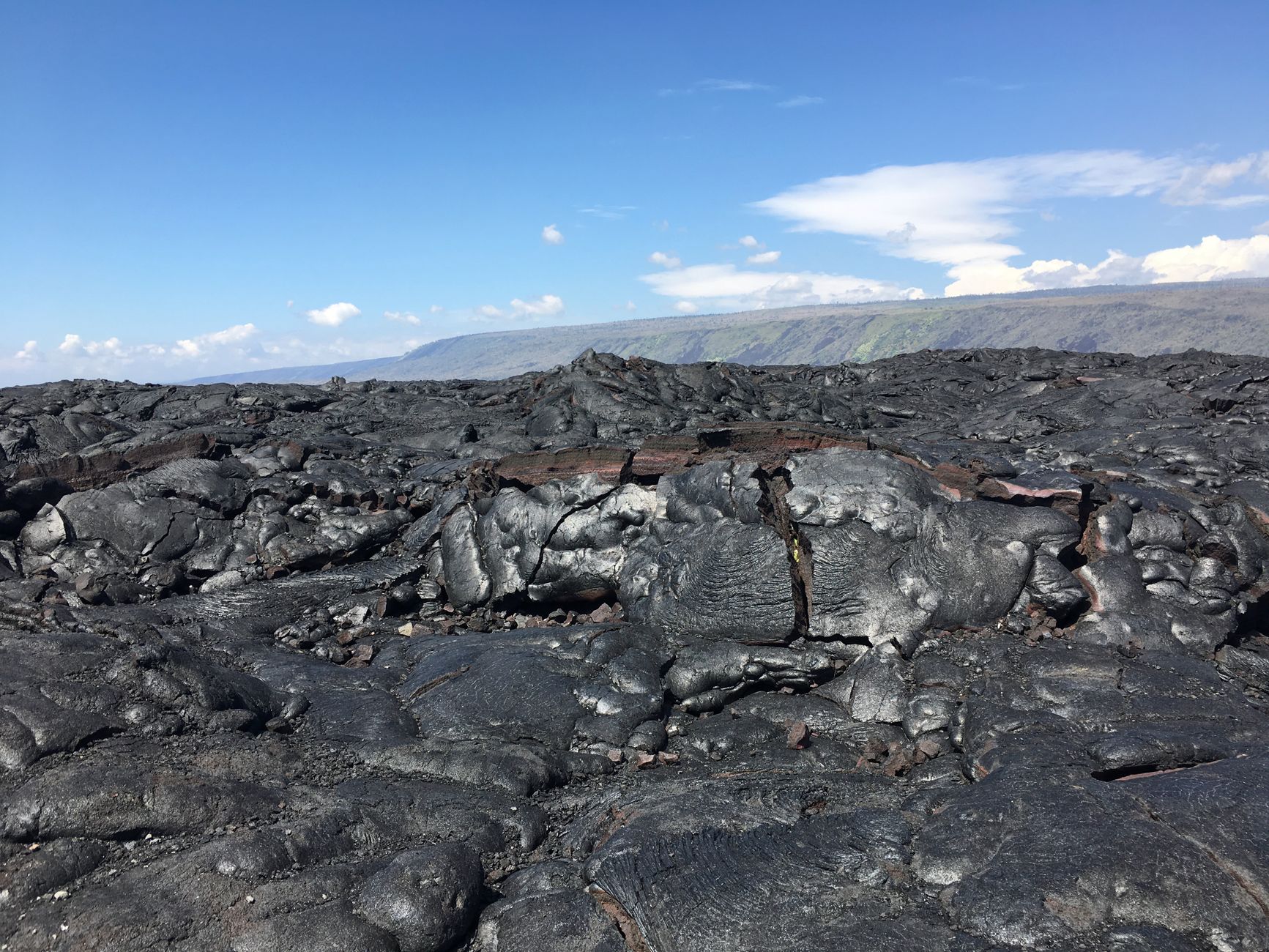
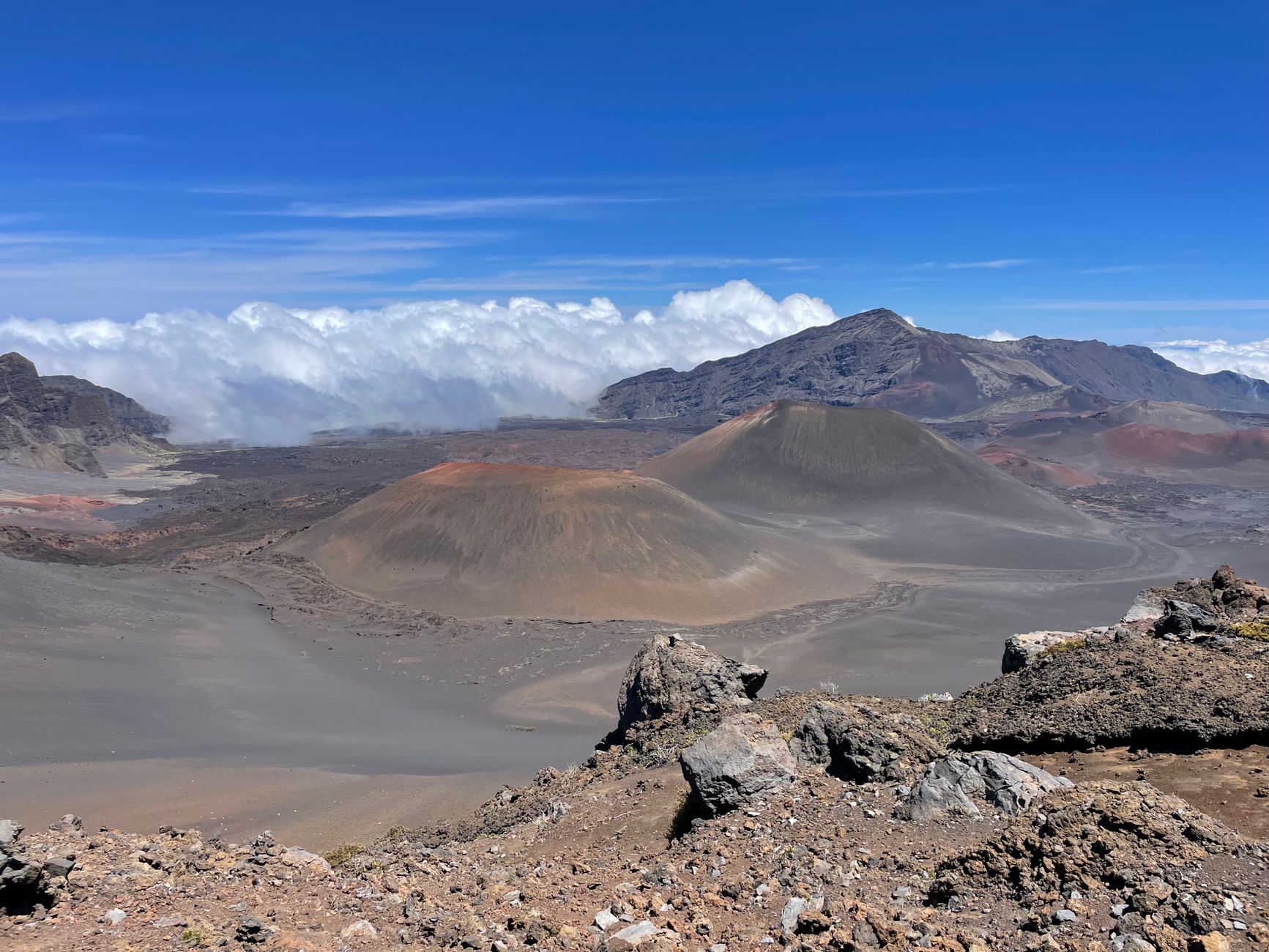
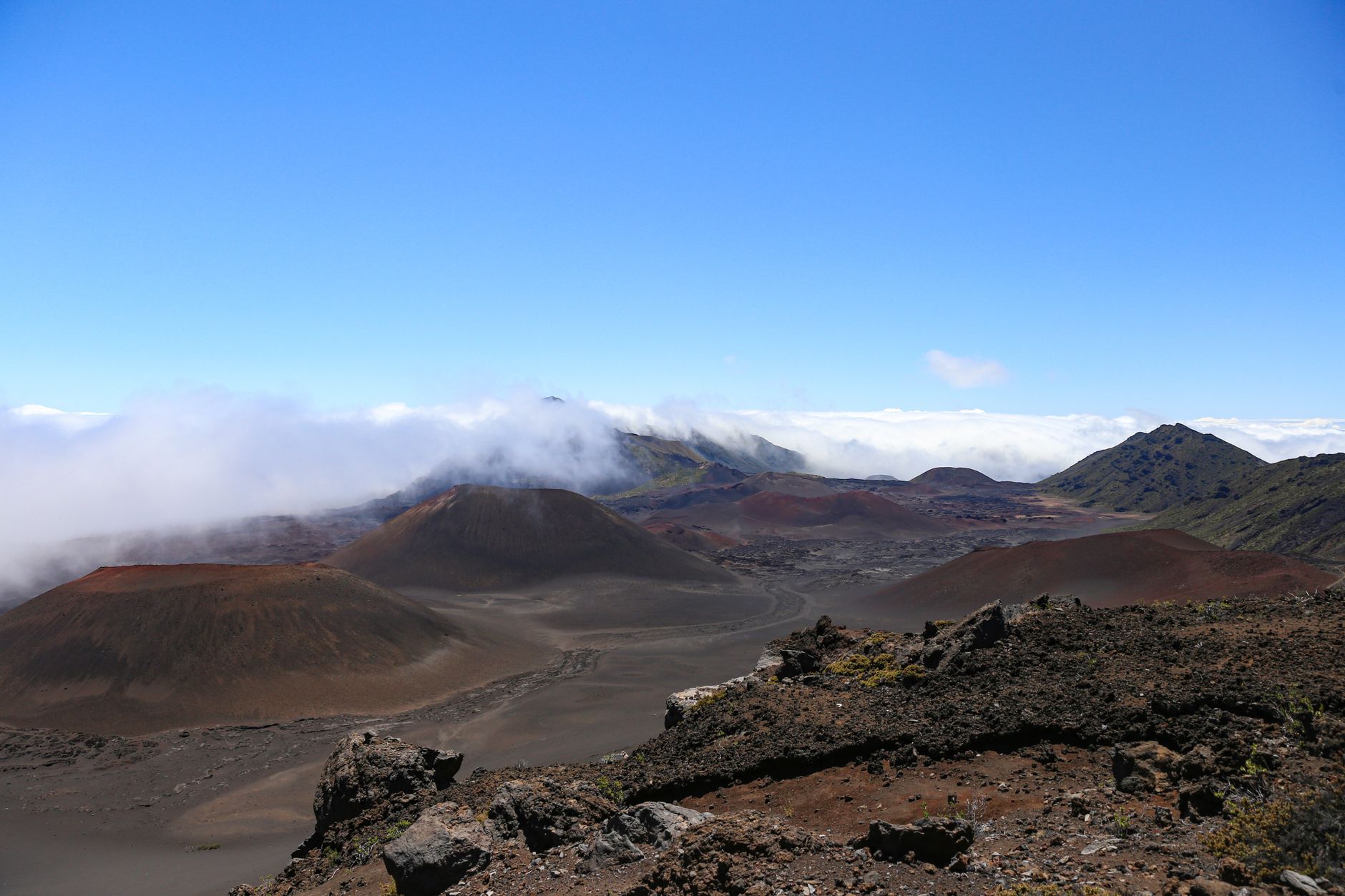
Hawaii Volcanoes National Park is a landscape of profound cosmic scale and ancient spiritual resonance, encompassing the summits of two of the world's most active volcanoes: Kīlauea and Mauna Loa. Stretching from sea level to over 13,000 feet, this UNESCO World Heritage Site offers an otherworldly encounter with the raw, elemental forces that continually sculpt our planet. Here, steam vents hiss endlessly, sulfur banks color the earth in shades of neon yellow, and vast calderas glow with molten fire under the cloak of night. For centuries, Native Hawaiians have revered this dramatic terrain as the sacred home of Pele, the volatile and passionate goddess of fire, lightning, wind, and volcanoes. The cultural landscape is deeply intertwined with living traditions, where chants and hula are still offered to honor the dynamic deities of the earth.

Geographically, the park presents a staggering botanical and ecological diversity. Within the span of a single afternoon, travelers can descend from frosty, wind-swept alpine tundra down through dense, prehistoric tropical rainforests dripping with endemic flora, and finally out onto barren, obsidian-black lava deserts that plunge dramatically into the crashing Pacific. Endangered native birds, such as the nēnē (Hawaiian goose) and the vibrant, scarlet ʻapapane, flit through ancient ʻōhiʻa lehua forests, surviving in fragile pockets of native habitat that have miraculously escaped invasive species. The park functions as an outdoor laboratory of evolutionary biology, where life relentlessly reclaims sterile rock.

The atmosphere of the park shifts dramatically with the weather and the hour. Misty mountain squalls frequently roll in from the windward side, shrouding the caldera in deep, contemplative fogs before burning away to reveal brilliant, star-studded tropical skies free of light pollution. Walking the crater trails or traversing the cracked surfaces of dried lava flows instills a deep, humbling perspective on geological time. It is a place where human history feels fleeting against the backdrop of an earth constantly reinventing itself through liquid fire and seismic upheaval.

Local life surrounding the park thrives in small, tight-knit upcountry communities like Volcano Village, where artists, scientists, and descendants of generational families cultivate a slower, deeply reflective way of living. Culinary traditions here lean heavily on locally grown agricultural bounty, from rich Macadamia nuts and artisan honey to world-class Kaʻū coffee cultivated on the sunny, southern slopes of Mauna Loa. A journey through this park is not merely a sightseeing excursion, but an immersive pilgrimage into the living, breathing heart of the Pacific.

Visitors are continually reminded of the delicate balance between reverence and exploration. As an active wilderness, the park demands respect—weather changes in minutes, volcanic gases shift with the wind, and the terrain can be punishingly sharp. Yet, for those willing to heed the warnings and immerse themselves in its sweeping expanses, Hawaii Volcanoes National Park delivers an unforgettable encounter with the primordial creation of the Hawaiian archipelago.

Visual Impressions & Moments

Hawaii Volcanoes National Park photo 1
Hawaii Volcanoes National Park photo 2
Hawaii Volcanoes National Park photo 3
Hawaii Volcanoes National Park photo 4
Hawaii Volcanoes National Park photo 5
Hawaii Volcanoes National Park photo 6
Unmissable Moments

Top Things to Do in Hawaii Volcanoes National Park

Must-Do

Gaze at Halemaʻumaʻu Crater Glow at Jaggar Museum Overlook

Witnessing the fiery red and orange glow radiating from the Halemaʻumaʻu crater after dusk is the definitive highlight of any visit to Kīlauea. Arrive just before sunset to watch the desert transition into night, then peer into the vast caldera where molten activity paints the billowing steam plumes with incandescent hues. Insider tip: Pack warm fleece jackets and a thermos of hot coffee, as the summit rim drops sharply in temperature after dark.

Adventure

Hike Through the Steaming Devastation Trail

Walk along a paved path traversing an area buried by the 1959 cinder-cone eruption of Kīlauea Iki. You will cross a landscape that transitions from dead skeletal trees killed by acid rain and ashfall into a recovering rainforest where hardy ferns and ʻōhiʻa trees are stubbornly springing back to life. Insider tip: Walk the full loop down into the rainforest canopy for a startling contrast between barren cinder and lush jungle.

Scenic

Explore the Luminous Depths of Thurston Lava Tube (Nahuku)

Descend via a mossy, prehistoric rainforest ravine into a 500-year-old subterranean lava conduit carved by rushing rivers of molten rock. Walking through the illuminated 400-foot cavern provides a vivid sensory understanding of how vast volumes of fluid basalt shaped the subterranean geography of the island. Insider tip: Visit early in the morning before 9 AM to experience the quiet acoustics of the tube without tour bus crowds.

Scenic

Drive the Epic Chain of Craters Road to the Sea

Embark on a breathtaking 19-mile descent that drops 3,700 feet from the misty summit down to the roaring ocean, winding past historic lava flows, pit craters, and ancient coastal bench formations. The road abruptly ends where a 2003 lava flow covered the asphalt, leaving you standing at the edge of the sea cliff where black basalt meets turquoise surf. Insider tip: Bring plenty of water and snacks, as there are no food or fuel services along this route.

Must-See Highlights

Top Places & Things to Do in Hawaii Volcanoes National Park

Curated attractions and cultural landmarks with local insider advice.

Kīlauea Visitor Center
attraction
4.8

Kīlauea Visitor Center

Serving as the primary gateway to the park, the visitor center provides indispensable up-to-the-minute geological updates, trail maps, and ranger-led program schedules. Inside, engaging exhibits explore Native Hawaiian cultural perspectives, volcanic activity, and unique island ecosystems. Rangers are on hand to provide safety briefings regarding volcanic air pollution (vog) and trail conditions. It is also home to a well-curated bookstore and cultural artifacts that set the educational tone for your park adventure.

9:00 AM - 5:00 PM daily
Admission: Park Entrance Fee
Insider Tip: Stop here first before embarking on any hikes to check current volcanic activity alerts and air quality warnings.
Hōlei Sea Arch
attraction
4.6

Hōlei Sea Arch

Standing at the dramatic terminus of Chain of Craters Road, the Hōlei Sea Arch is a magnificent 90-foot natural basalt bridge carved by the relentless pounding of Pacific waves against ancient sea cliffs. Formed from prehistoric lava flows, the arch highlights the ongoing coastal erosion process. The viewpoint offers expansive ocean vistas where humpback whales can occasionally be spotted breaching during winter months, framed by vertical cliffs of jet-black lava.

Open 24/7
Admission: Free with park pass
Insider Tip: The trade winds here can be exceptionally fierce and gusty; hold onto hats and secure camera straps tightly.
Halemaʻumaʻu Crater Overlook
nature
4.9

Halemaʻumaʻu Crater Overlook

This breathtaking overlook at the edge of the massive Kīlauea Caldera offers a front-row seat to ongoing volcanic reshaping. Visitors gaze down into the massive, smoking crater basin that dramatically expanded during the historic 2018 eruptions. The sheer scale of the geological depression commands awe, illustrating the raw power beneath the earth's crust. At night, the glowing lava lake reflects off the billowing gas plumes, creating one of the most magical sights in the United States.

Open 24/7
Admission: Free with park pass
Insider Tip: Visit twice: once in the late afternoon for expansive geological photography, and again after dark for the volcanic glow.
Thurston Lava Tube (Nahuku)
nature
4.7

Thurston Lava Tube (Nahuku)

Lit from within by soft overhead lighting, the Thurston Lava Tube allows visitors to walk directly through the belly of an ancient volcanic river. The cave walls are smooth and basaltic, sculpted by torrents of liquid rock that flowed here centuries ago before draining out to sea. The approach to the tube is equally stunning, requiring a short walk down a paved path through a prehistoric rainforest canyon filled with towering tree ferns and singing honeycreepers.

Open 24/7 (Lights on 8:00 AM - 8:00 PM)
Admission: Free with park pass
Insider Tip: The wooden boardwalk inside can be slick from dripping water; wear sturdy, closed-toe walking shoes with good traction.
Area Guide

Where to Stay & Best Neighborhoods

Volcano Village

Best for: Cozy cabin rentals, art galleries, local dining, and quiet retreats.

Vibe: Artistic, misty mountain hamlet nestled within a lush hapuʻu fern forest.

Located just outside the park entrance, Volcano Village feels worlds away from the sunny resort coasts of Hawaii. Historic plantation-era homes and eco-lodges are tucked away among towering tree ferns and giant eucalyptus trees. The village features vibrant local art studios, cozy cafes serving organic coffee and home-baked pastries, and a welcoming community atmosphere that serves as the cultural base camp for park explorers.

Kīlauea Caldera Rim

Best for: Geology enthusiasts, photographers, and immediate park access.

Vibe: Dramatic, windswept volcanic highlands with panoramic crater overlooks.

This central hub encompasses historic landmarks like the Volcano House hotel and the visitor center. Encircling the massive summit caldera, the area is constantly kissed by mist and sulfur-laced trade winds. Staying or walking here places you directly at the edge of the action, with trails radiating outward into rainforests, deserts, and steaming calderas.

Kaʻū District & South Point

Best for: Coffee lovers, coastal drives, and off-the-beaten-path exploration.

Vibe: Sun-drenched pastoral rolling hills, macadamia orchards, and rugged coastline.

Stretching south and west of the national park, the Kaʻū district is a land of stark contrasts, featuring vast cattle ranches, world-renowned coffee farms, and dramatic black and green sand beaches. It offers a slower, rural glimpse into authentic island working life, far removed from mass tourism corridors.

Food & Drink Scene

What to Eat in Hawaii Volcanoes National Park

Kaʻū Coffee (Single-Origin Island Roast)

Grown in the rich, volcanic soils on the southern slopes of Mauna Loa, Kaʻū coffee rivals Kona coffee with its exceptionally smooth body, low acidity, and rich notes of dark chocolate and tropical fruit. It has won numerous international cupping awards and is best enjoyed fresh-brewed black.

🍴 Top spot: The Volcano Store or local farmers markets in Volcano Village

Traditional Hawaiian Lūʻau Fare (Kalua Pork & Poi)

Slow-roasted pork cooked in an underground imu (earth oven) infused with smoke and sea salt, paired with poi (fermented taro root paste) and lomi lomi salmon. This foundational meal connects diners to ancient Polynesian culinary techniques and agricultural staples.

🍴 Top spot: Kilauea Lodge Restaurant

Macadamia Nut Crusted Fresh Catch

Locally caught Pacific fish—such as opah or mahi-mahi—encrusted with crushed, buttery Hawaiian macadamia nuts and pan-seared to golden perfection, often served with a citrus-ginger beurre blanc.

🍴 Top spot: The Rim Restaurant at Volcano House
Excursions

Best Day Trips from Hawaii Volcanoes National Park

Punaluʻu Black Sand Sea Turtle Haven

30 minutes by car

Journey along the southern coastline to witness one of Hawaii's most striking black sand beaches, formed by basaltic lava shattering upon hitting the ocean. The obsidian shores are frequently visited by endangered green sea turtles (honu) basking in the tropical sun.

Historic Hilo Bay & Akaka Falls

45 minutes by car

Head down the windward coast to explore the historic plantation town of Hilo with its bustling farmers market, followed by a rainforest walk to view the magnificent 442-foot Akaka Falls plunging into a lush gorge.

When to Go

Best Time to Visit & Seasonality

Editor’s Pick: The park can be visited year-round, but the shoulder seasons of April to June and September to November offer ideal weather with fewer crowds. Mornings are generally clear across the high-elevation sectors, while afternoons frequently bring mountain mist and light rain.

Spring Overview

(April - June)
Moderate
Average Temperature & Climate12°C to 21°C (55°F to 70°F) at the summit

Mild temperatures with moderate rainfall, clear morning skies giving way to afternoon clouds.

Crowd & Travel ConditionsModerate Tourist Traffic

Fewer lines and better deals.

✨ Seasonal Highlights:Spring wildflower blooms, excellent birdwatching in the rainforest, comfortable hiking conditions.
Travel Smarter

Practical Travel Essentials

CurrencyUSD ($)
LanguageEnglish, Hawaiian
Time ZoneHawaii-Aleutian Standard Time (HST, UTC-10)

Visa & Entry

Standard US entry requirements apply (ESTA or visa for international visitors).

Getting Around & Transit

A rental car is strictly essential to navigate the vast expanses and long driving routes within and around the park.

Daily Budget Expectation

$120 - $250 USD per day including vehicle entry, lodging, and local dining.

Safety & Health

Very safe regarding crime, but requires extreme caution around active volcanic vents, steep cliffs, and unstable lava fields.

Local Etiquette & Customs

Respect Hawaiian cultural traditions; never remove lava rocks or sand from the park, as it is considered bad luck and disrespectful to Pele.

Questions & Answers

Frequently Asked Questions about Hawaii Volcanoes National Park

Active surface lava flows are unpredictable and depend entirely on current volcanic eruptions. Check daily updates at the visitor center to see if visible surface lava is accessible.