🌟 Best in Travel 2026 is here!
Ho Chi Minh City
cityAsia
4.88 / 5.0

Ho Chi Minh City

A pulsating metropolis where ancient temples whisper beneath towering skyscrapers and chaotic motorbike symphonies.

Editorial Guide

About Ho Chi Minh City

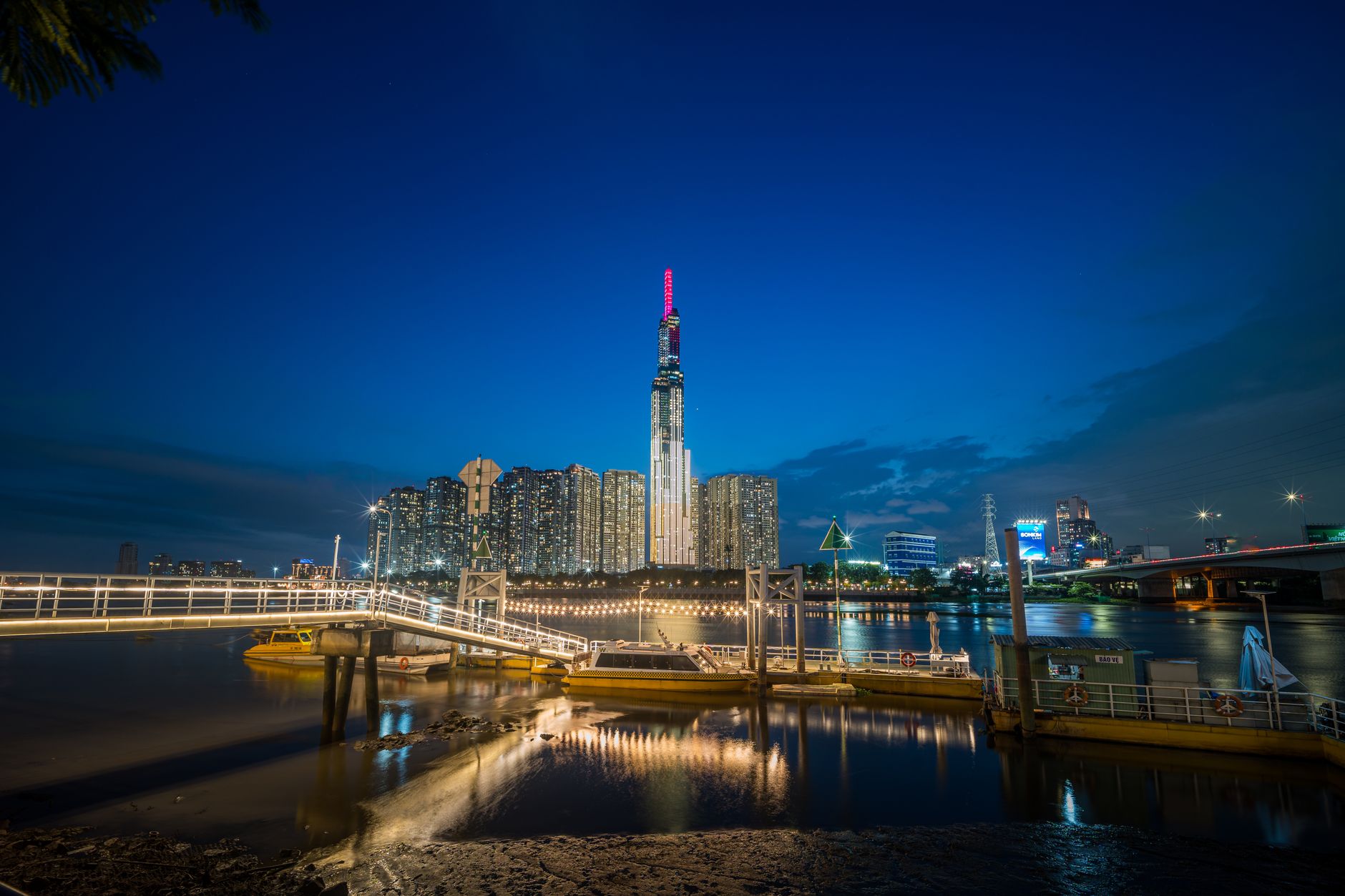
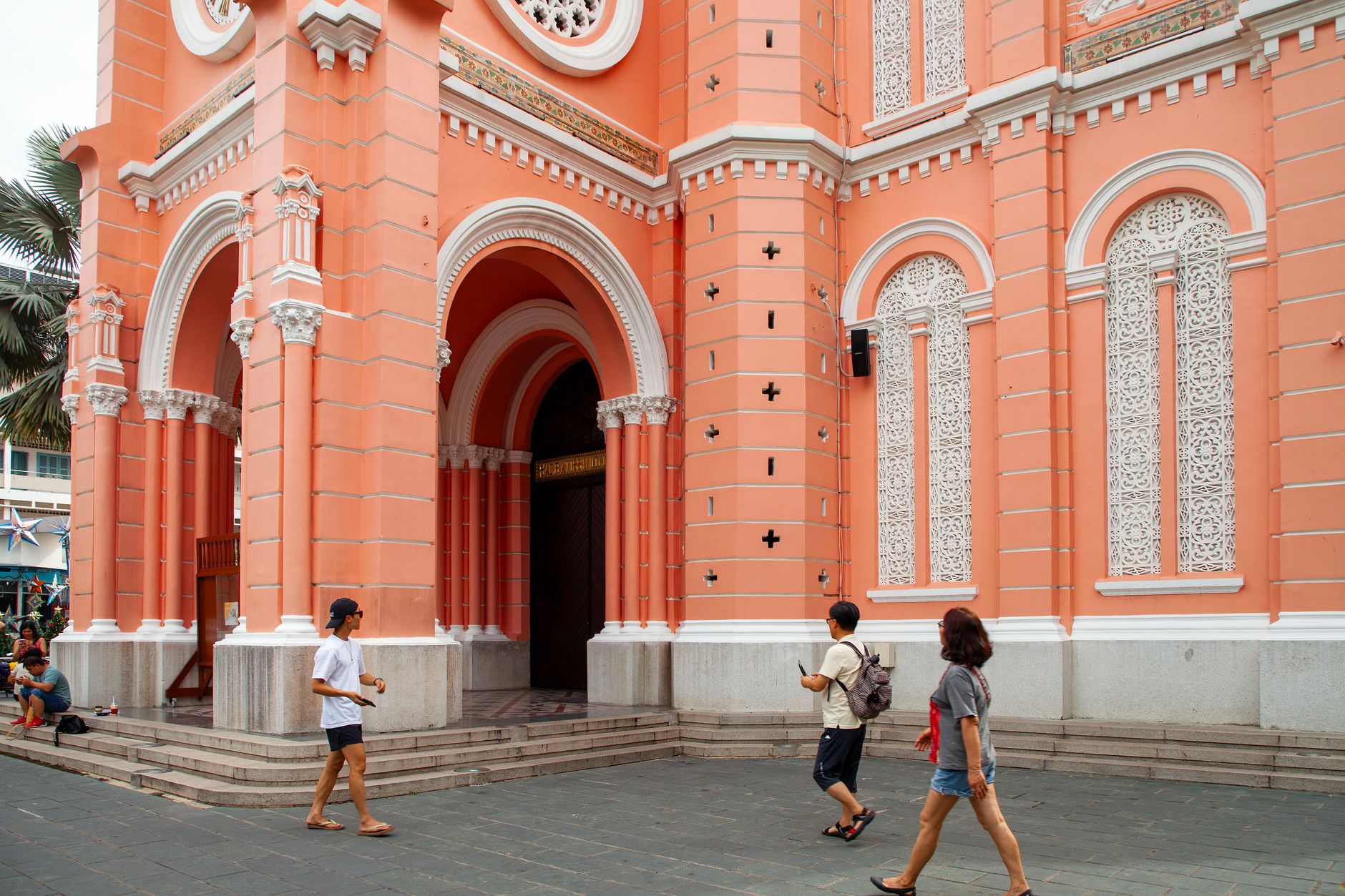
Ho Chi Minh City, historically and affectionately still known as Saigon, is a sprawling, high-octane engine of commerce and culture that never truly sleeps. Situated along the Saigon River in southern Vietnam, the city's geography defines its identity as a historic trading hub, shaped centuries ago by Khmer kingdoms, Chinese merchants, and later French colonial ambitions. Today, its physical landscape is a startling juxtaposition: magnificent 19th-century European architecture like the Central Post Office and Notre-Dame Cathedral stand proudly alongside sleek glass-and-steel skyscrapers, while hidden deep inside ancient residential alleys, quiet family shrines burn incense undisturbed by the urban rush.

Culturally, Saigon is an effervescent melting pot that represents the forward-looking spirit of modern Vietnam. While Hanoi preserves a more contemplative, traditional gravitas, Ho Chi Minh City rushes headlong into the future with a relentless entrepreneurial drive, fueled by a young, tech-savvy population. Yet, this modernity is deeply rooted in a poignant and resilient history. From the remnants of the American War preserved at the War Remnants Museum to the subterranean labyrinth of the Cu Chi Tunnels just beyond the city limits, the echoes of the past remain a vital part of the civic consciousness.

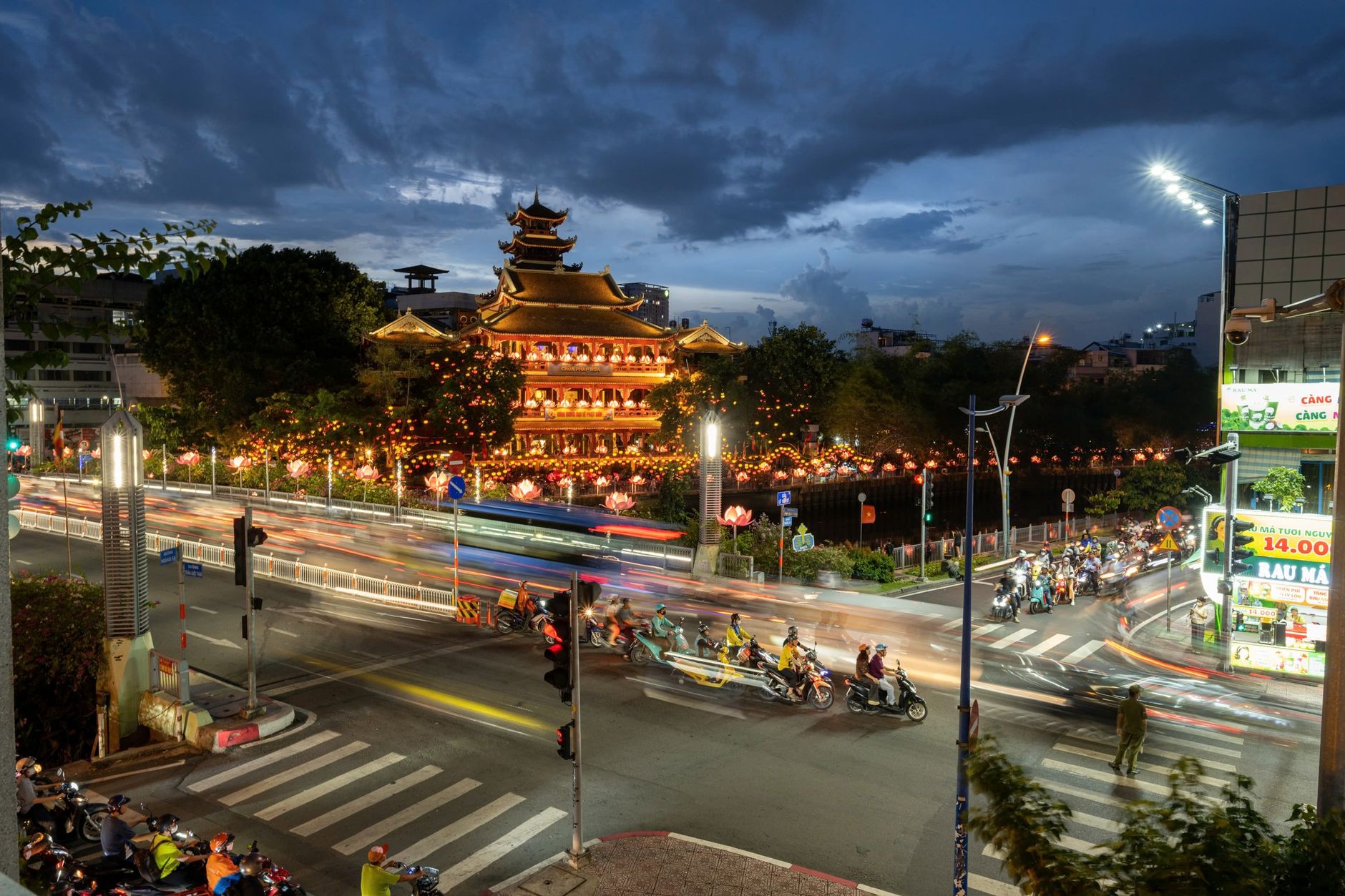
Atmospherically, the city is an intense sensory immersion. The air is thick with the scent of charcoal-grilled meats, toasted baguettes, and blooming jasmine, punctuated constantly by the relentless, hypnotic buzz of millions of motorbikes weaving through chaotic intersections like schools of fish. Street life here is lived entirely outdoors; low plastic stools spill out onto every sidewalk, serving as impromptu dining rooms where CEOs and construction workers sit shoulder to shoulder over bowls of steaming broth and iced coffee.

Daily life in Ho Chi Minh City moves at a dizzying pace, yet it retains a deeply ingrained sense of community and warmth. Neighborhoods are divided into distinct 'districts' and hyper-local 'hẻms' (alleyways), each functioning almost like a self-contained village where neighbors gossip over morning phở and children play badminton as dusk settles. For the traveler, navigating this city requires surrendering to its rhythm—embracing the humidity, mastering the art of crossing chaotic streets with unwavering confidence, and diving headfirst into an unmatched culinary landscape.

Visual Impressions & Moments
Ho Chi Minh City photo 1
Ho Chi Minh City photo 2
Ho Chi Minh City photo 3
Ho Chi Minh City photo 4
Ho Chi Minh City photo 5
Ho Chi Minh City photo 6
Unmissable Moments

Top Things to Do in Ho Chi Minh City

Must-Do

Navigate the Labyrinthine Hẻms on a Vintage Vespa Tour

Ditch the traditional tour bus and climb onto the back of a vintage Vespa to explore the hidden residential alleyways—known locally as hẻms—that tourists rarely see. Weave through micro-neighborhoods where generations live under one roof, sample street food cooked over open fires in alleys too narrow for cars, and experience the beating heart of Saigon nightlife with local student guides. Insider tip: Book an evening food tour that hits District 4 and District 3 for the most authentic culinary discoveries.

Culture

Explore the Subterranean Cu Chi Tunnels

Venture outside the urban sprawl to the historic Cu Chi district to crawl through the astonishing underground network used by the Viet Cong during the Vietnam War. Gain profound historical insight into wartime engineering, survival tactics, and resilience by navigating parts of the widened tunnels yourself. Insider tip: Go on an early morning speedboat tour up the Saigon River to Cu Chi to beat the massive mid-day tour bus crowds from the city center.

Culinary

Savor Vietnamese Coffee Culture in Hidden Cafes

Immerse yourself in Saigon's legendary coffee culture, moving far beyond standard drip coffee to explore creamy Cà Phê Trứng (egg coffee), coconut coffee, and intensely sweet Cà Phê Sữa Đá. Hunt down hidden second-story cafes tucked inside crumbling colonial apartment blocks, such as the famous 42 Nguyễn Huệ building. Insider tip: Order your coffee 'ít ngọt' (less sweet) if you prefer to taste the robust local Robusta beans without an overwhelming sugar rush.

Adventure

Bargain and Feast in the Sensory Overload of Chợ Lớn (Chinatown)

Step back in time by wandering through Chợ Lớn, home to one of the world's largest and most historic Chinatowns. Marvel at the swirling incense coils hanging from the ceilings of temples like Thiên Hậu, and browse the endless stalls of Bình Tây Market for exotic spices, fabrics, and traditional herbal medicines. Insider tip: Visit the traditional medicine street (Lương Nhữ Học) around Mid-Autumn Festival for an explosion of glowing lanterns.

Must-See Highlights

Top Places & Things to Do in Ho Chi Minh City

Curated attractions and cultural landmarks with local insider advice.

War Remnants Museum
culture
4.6

War Remnants Museum

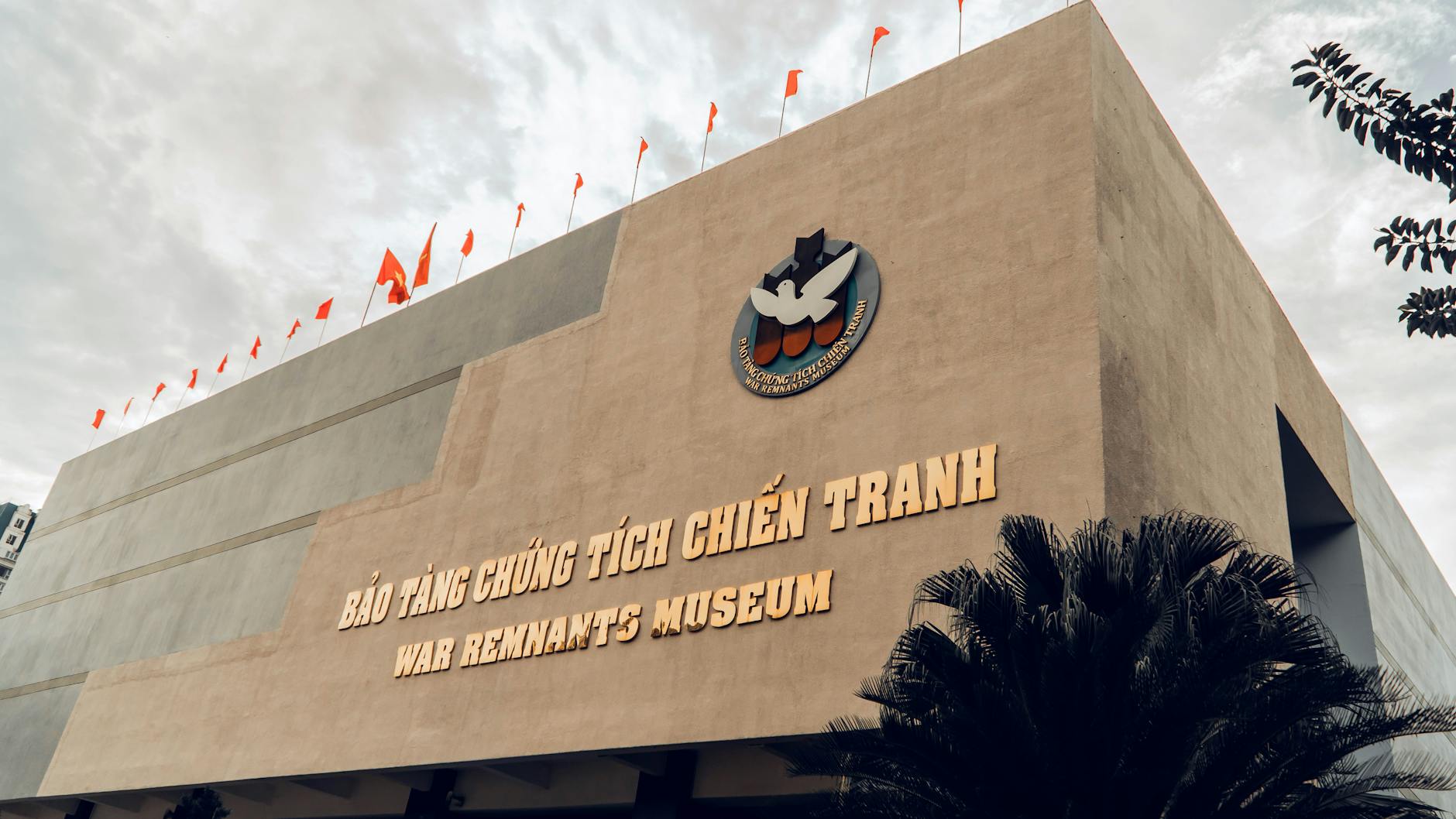
The War Remnants Museum offers a profound, unflinching look at the Vietnam War from the perspective of the Vietnamese people. Housed in a former US military information agency building, the museum displays powerful documentary photography, military hardware including helicopters and tanks in the courtyard, and sobering exhibits detailing the devastating impacts of Agent Orange and wartime atrocities. Visiting this museum is an emotionally heavy but essential experience for anyone seeking to understand modern Vietnam's history and national character. The displays encourage deep reflection on the human cost of conflict, leaving visitors with an overwhelming appreciation for the country's resilience and peace-building spirit.

7:30 AM – 5:30 PM daily
Admission: 40,000 VND (~€1.50)
Insider Tip: Go right when doors open in the morning to avoid the largest crowds and allow yourself at least two hours to properly read through the exhibits.
Ben Thanh Market
attraction
4.2

Ben Thanh Market

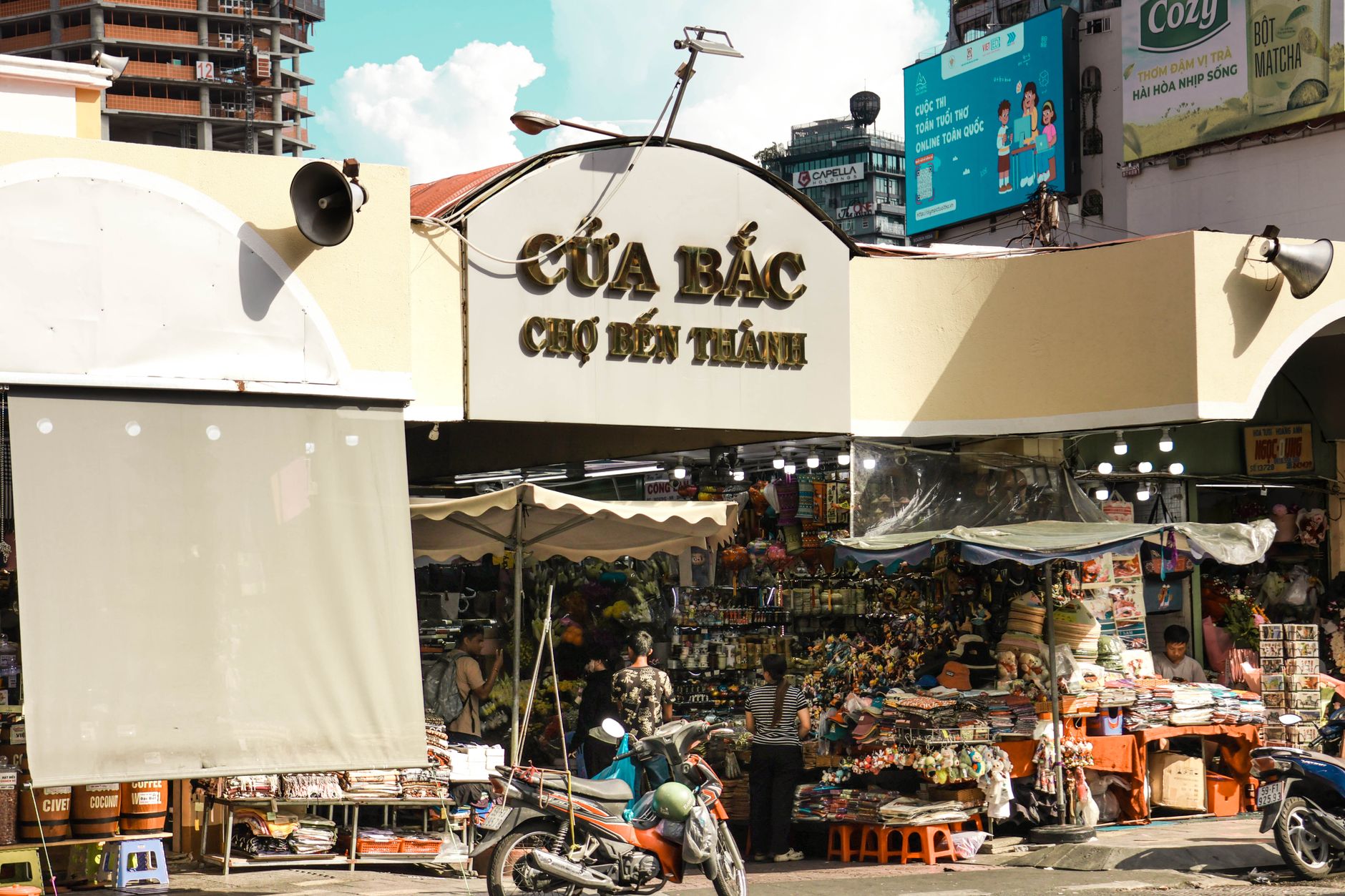
As one of Saigon's oldest surviving structures and its most iconic symbol, Ben Thanh Market is a massive, bustling bazaar that sells everything from souvenirs and textiles to local street food and fresh produce. The iconic clock tower at the southern entrance is recognized worldwide as a landmark of the city. Inside, the market is a labyrinth of color, sound, and aroma. Stalls overflow with colorful conical hats, lacquerware, silk garments, and an incredible array of food vendors cooking up aromatic soups and grilled skewers on the spot. It is a quintessential, albeit intense, immersion into local commercial life.

6:00 AM – 6:00 PM (Night market outside until 10:00 PM)
Admission: Free entry (bargaining required)
Insider Tip: Bargaining is expected here; aim to pay roughly 50-60% of the initial quoted price, and always keep an eye on your personal belongings in the dense crowds.
Saigon Central Post Office
attraction
4.5

Saigon Central Post Office

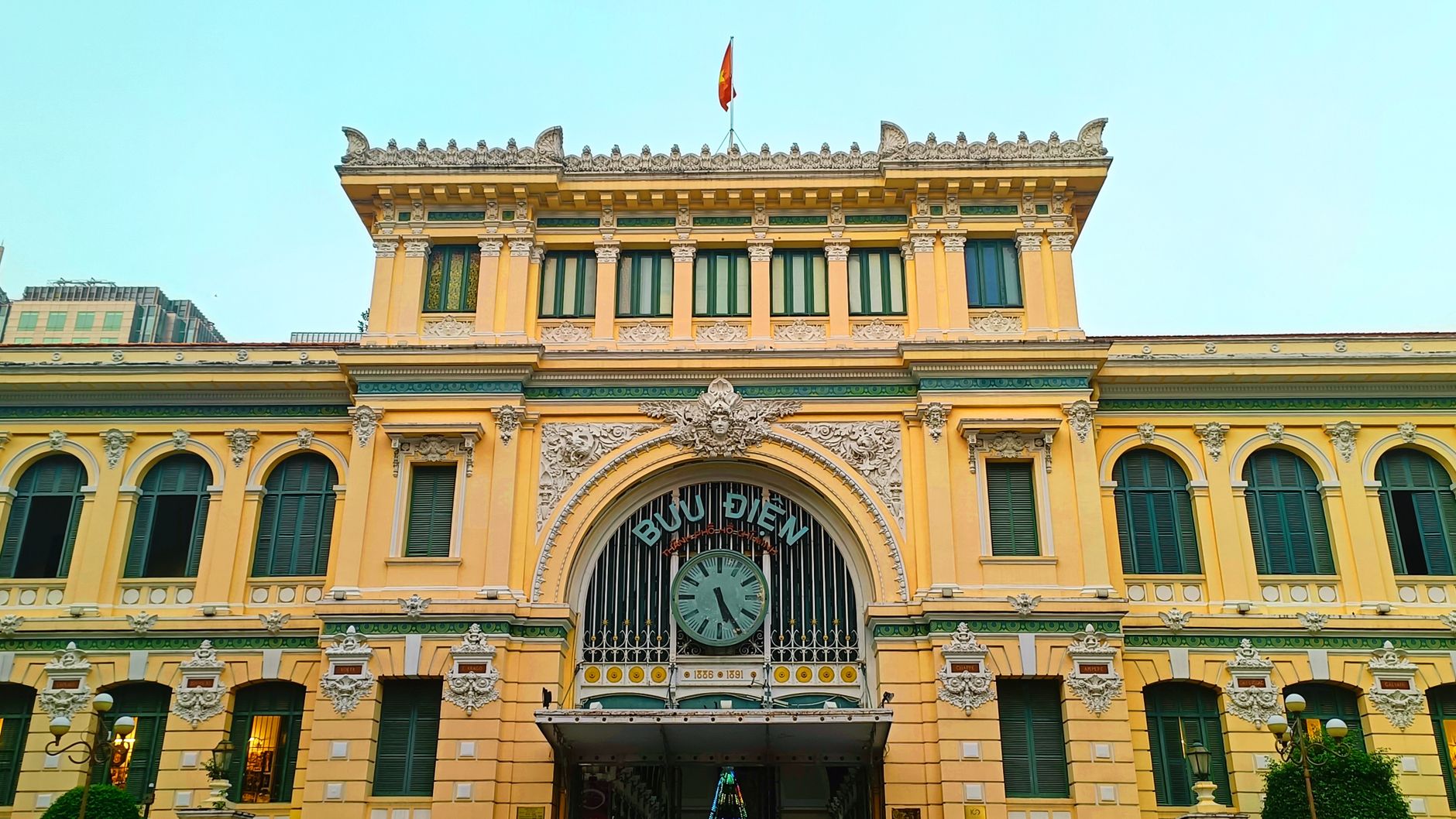
Designed by the renowned French architect Gustave Eiffel (or designed under his firm's supervision, as local lore famously debates), the Saigon Central Post Office is an architectural marvel blending Gothic, Renaissance, and French colonial design elements. Completed in 1891, its striking yellow facade, arched windows, and vaulted interior evoke the grand railway stations of 19th-century Europe. Stepping inside feels like traveling back in time. The cavernous interior features hand-painted vintage maps of Saigon and Cochin-China, ornate wooden phone booths, and rows of operational wooden writing desks beneath a majestic iron-ribbed ceiling. It remains a fully functioning post office, making it a wonderful place to mail a postcard home.

8:00 AM – 5:00 PM daily
Admission: Free
Insider Tip: Take time to look up at the intricate ironwork and inspect the vintage map panels flanking the entrance lobby.
Jade Emperor Pagoda
culture
4.7

Jade Emperor Pagoda

Built in 1909 by the Cantonese community, the Jade Emperor Pagoda (Phước Hải Tự) is one of the most atmospheric and atmospheric Taoist temples in Southeast Asia. Dedicated to the King of Heaven, the temple is an incredible sensory world filled with thick coils of burning incense, ornate wood carvings, dark smoke-stained walls, and statues of mythical deities, heroes, and demons. The courtyard houses a murky pond teeming with hundreds of rescued turtles, adding to the tranquil yet mystical ambiance. Even US President Barack Obama visited this sacred sanctuary during his 2016 trip to Vietnam, cementing its status as a must-visit cultural site.

7:00 AM – 6:00 PM daily
Admission: Free
Insider Tip: Dress respectfully covering shoulders and knees, and visit in the late afternoon when the slanting sunlight filters through the incense smoke for incredible photographs.
Area Guide

Where to Stay & Best Neighborhoods

District 1 (Downtown & Heritage Core)

Best for: First-time visitors, luxury travelers, architecture lovers, and nightlife seekers.

Vibe: Colonial architecture, luxury boutiques, towering hotels, and bustling backpacker streets.

District 1 is the vibrant epicenter of Ho Chi Minh City, housing iconic landmarks such as the Saigon Opera House, Notre-Dame Cathedral, and Ben Thanh Market. Here, broad tree-lined boulevards bear testimony to French colonial town planning, now overtaken by modern luxury malls and buzzing rooftop bars. While it can be frenetic and tourist-heavy, it offers unmatched convenience and a fascinating look at the city's layered past and present.

District 3 (Leafy Villas & Hidden Cafes)

Best for: Slow travelers, photography enthusiasts, cafe hoppers, and foodies looking for local gems.

Vibe: Historic French villas, towering tamarind trees, bohemian coffee shops, and local charm.

Bordering bustling District 1, District 3 feels like stepping into a quieter, more romantic era of Saigon. Shaded by immense century-old trees, its quiet streets are lined with faded pastel French colonial villas that now house art galleries, boutique concept stores, and some of the city's most beloved hidden cafes. It is a fantastic neighborhood for leisurely strolls and discovering authentic neighborhood eateries away from the tourist crush.

Thảo Điền (District 2 - Expats & Riverside Chic)

Best for: Digital nomads, families, fine dining enthusiasts, and boutique shoppers.

Vibe: Leafy riverside enclave, artisan bakeries, wellness studios, and contemporary galleries.

Situated across the Saigon River from the city center, Thảo Điền has transformed from a sleepy marshland into Ho Chi Minh City’s premier bohemian-chic enclave. Popular with expats, artists, and entrepreneurs, this neighborhood is characterized by winding lanes filled with craft breweries, organic restaurants, yoga studios, and stunning river views. It offers a relaxed, village-like respite from the relentless sensory overload of central Saigon.

Food & Drink Scene

What to Eat in Ho Chi Minh City

Phở (Traditional Vietnamese Beef Noodle Soup)

Vietnam's national dish reaches a unique pinnacle in the south, where phở is served with a sweeter, deeply aromatic broth laden with star anise and cinnamon, accompanied by a mountain of fresh herbs, bean sprouts, and hoisin-sriracha sauce on the side. The rice noodles are silky, and the beef ranges from rare slices to tender brisket.

🍴 Top spot: Phở Hòa Pasteur (District 3)

Bánh Xèo (Crispy Vietnamese Sizzling Crepe)

A brilliant golden crepe made from rice flour, turmeric, and coconut milk, sizzling hot in a pan and stuffed with pork belly, shrimp, and mung beans. To eat it authentically, break off a piece, wrap it in fresh mustard leaves or rice paper with plenty of herbs, and dip it in sweet, garlicky fish sauce.

🍴 Top spot: Bánh Xèo 46A (District 3)

Cơm Tấm (Broken Rice with Grilled Pork Chop)

Originally a peasant dish made from fractured rice grains that couldn't be sold whole, Cơm Tấm is now Saigon's ultimate comfort food. It features fragrant broken rice topped with a smoky, charcoal-grilled pork chop, a steamed egg meatloaf, pickled vegetables, and a generous drizzle of scallion oil.

🍴 Top spot: Cơm Tấm Ba Ghiền (District 3)
Excursions

Best Day Trips from Ho Chi Minh City

Mekong Delta Floating Markets & Fruit Orchards

1.5 to 2 hours by road to My Tho or Ben Tre

Embark on a journey south of the city to the fertile maze of rivers, swamps, and islands comprising the Mekong Delta. Board a wooden sampan boat to navigate narrow canals, witness bustling floating wholesale markets where vendors hang samples of their goods from tall poles, and taste exotic tropical fruits straight from the orchards.

Vũng Tàu Coastal Escape

2 hours by high-speed ferry across the Saigon River/Bay

Trade the concrete jungle for salty ocean air with a trip to Vũng Tàu, a popular coastal city perched on a peninsula. Climb up to the giant Christ of Vũng Tàu statue for sweeping panoramic views of the South China Sea, explore historic lighthouses, and feast on exceptionally fresh seafood at beachside shacks.

When to Go

Best Time to Visit & Seasonality

Editor’s Pick: The ideal time to visit Ho Chi Minh City is during the dry season, which runs from December to April. During these months, rainfall is minimal, and while temperatures are warm, the oppressive humidity of the wet season is kept somewhat at bay. December and January offer particularly pleasant evenings, though visiting in late January or February allows travelers to witness Tết (the Vietnamese Lunar New Year), when the city erupts in vibrant floral displays, though many local shops close for the holiday.

Spring Overview

(February to April)
Moderate
Average Temperature & Climate27°C to 35°C (81°F to 95°F)

Hot, dry, and increasingly sunny with rising temperatures.

Crowd & Travel ConditionsModerate Tourist Traffic

Fewer lines and better deals.

✨ Seasonal Highlights:Witnessing Tết celebrations (if early spring), vibrant fruit harvests, and lively rooftop nightlife.
Travel Smarter

Practical Travel Essentials

CurrencyVietnamese Dong (VND ₫)
LanguageVietnamese
Time ZoneICT (Indochina Time, UTC+7)

Visa & Entry

Most international visitors require a visa or an e-Visa (valid for up to 90 days) before arrival. Check official government portals well in advance.

Getting Around & Transit

Download the Grab app for reliable motorbike and car ride-hailing. For crossing streets on foot, walk steadily and predictably without stopping; motorbikes will weave around you.

Daily Budget Expectation

Budget: $30–$50 USD; Mid-range: $70–$150 USD; Luxury: $200+ USD per day.

Safety & Health

Generally very safe for travelers, though petty theft and smartphone snatching from passing motorbikes in District 1 are common. Keep valuables secure.

Local Etiquette & Customs

Remove shoes when entering temples and private homes. Dress modestly at religious sites. Haggling at local markets should always be done with a polite smile.

Questions & Answers

Frequently Asked Questions about Ho Chi Minh City

Both names are used interchangeably. Locals and expats almost universally call it Saigon in daily conversation, while official government documents and maps use Ho Chi Minh City.