🌟 Best in Travel 2026 is here!
Honolulu Chinatown
regionNorth America
4.85 / 5.0

Honolulu Chinatown

Where historic plantation roots meet a gritty, vibrant, and artistic modern renaissance.

Editorial Guide

About Honolulu Chinatown

Nestled at the edge of downtown Honolulu, Chinatown is one of the oldest and most atmospheric urban enclaves in the United States, established in the mid-19th century by early Chinese immigrants who arrived to work on the sugar plantations. Spanning roughly fifteen blocks, this dense, walkable district is a sensory labyrinth where the scent of burning incense from centuries-old Taoist temples mingles with the briny aroma of the Pacific Ocean and the unmistakable fragrance of fresh jasmine, crisp lychee, and sizzling wok-fried noodles.

Historically a frontier port town plagued by fires and bubulus plagues, Chinatown has constantly reinvented itself while fiercely preserving its architectural heritage. Today, century-old red-brick storefronts, ornate wrought-iron balconies, and weathered signboards stand shoulder-to-shoulder with cutting-edge art galleries, avant-garde cocktail bars, underground speakeasies, and bohemian boutiques. This dichotomy creates a fascinating cultural friction: by day, aunties haggle over tropical fruits, exotic herbs, and fresh seafood at open-air markets; by night, the neighborhood transforms into Honolulu's cultural heartbeat, where creative locals and savvy travelers sip craft cocktails under neon glow.

Geographically bounded by Nuuanu Avenue, Beretania Street, River Street, and Nimitz Highway, Chinatown sits at the crossroads of Honolulu's historical and commercial evolution. The district's narrow alleyways—such as Maunakea Marketplace's covered arcades—invite slow exploration, rewarding the curious traveler with unexpected discoveries at every turn. It is a place deeply tied to the immigrant experience, where the traditions of Cantonese merchants, Vietnamese pho makers, Filipino bakery owners, and Polynesian islanders have merged into a distinct, living tapestry.

Local life in Chinatown moves to its own unhurried, tropical rhythm. Unlike the manicured resort strips of Waikiki, Chinatown is raw, unapologetic, and profoundly authentic. It is an epicenter for community gatherings, whether it's grandmothers practicing tai chi by the lotus ponds at Foster Botanical Garden or local artists staging pop-up galleries during the monthly First Friday cultural walks. To walk these streets is to witness the soul of modern Oʻahu—a place that honors its complex immigrant past while fearlessly carving out a stylish, contemporary future.

Visual Impressions & Moments

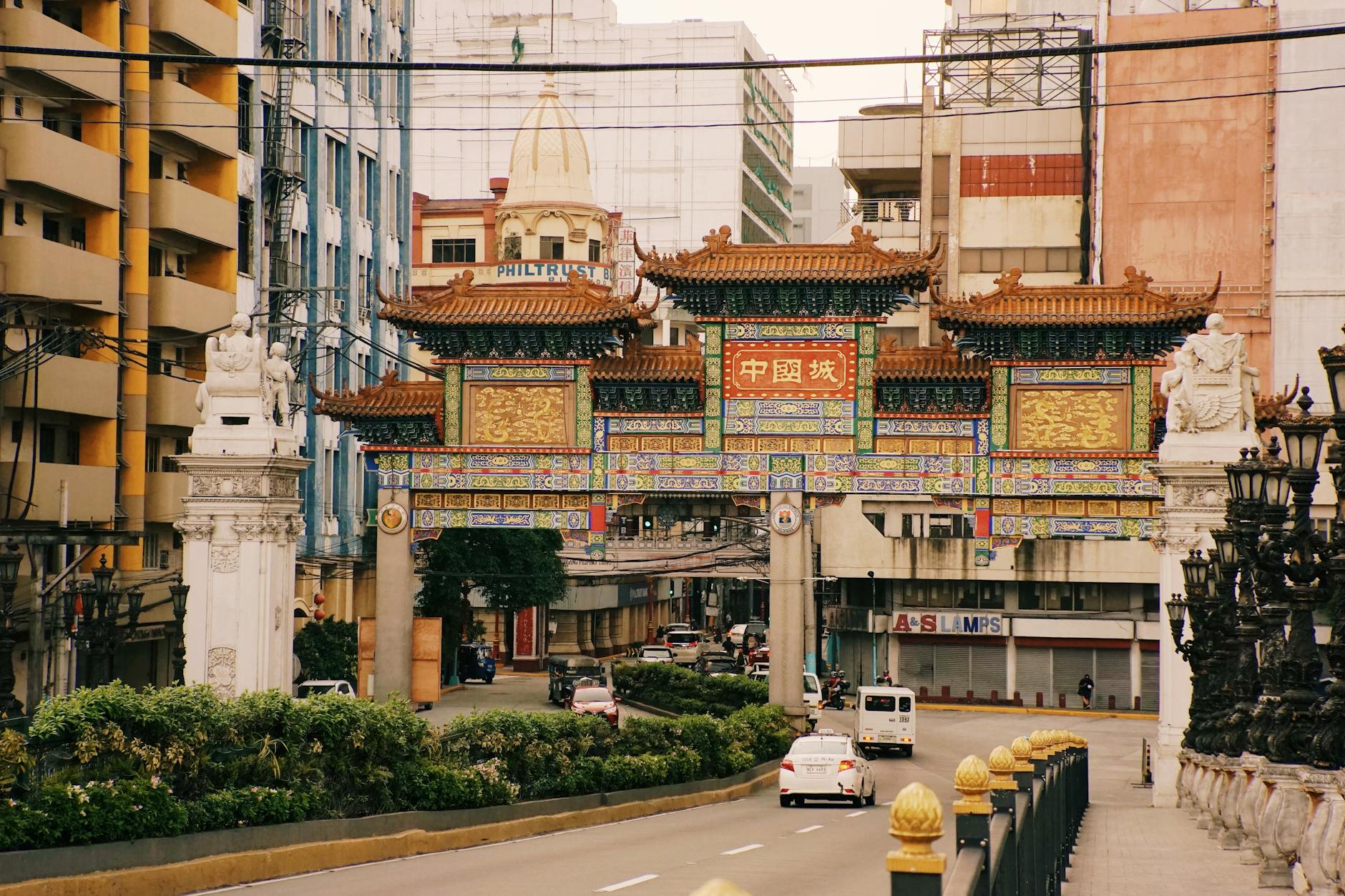
Honolulu Chinatown photo 1
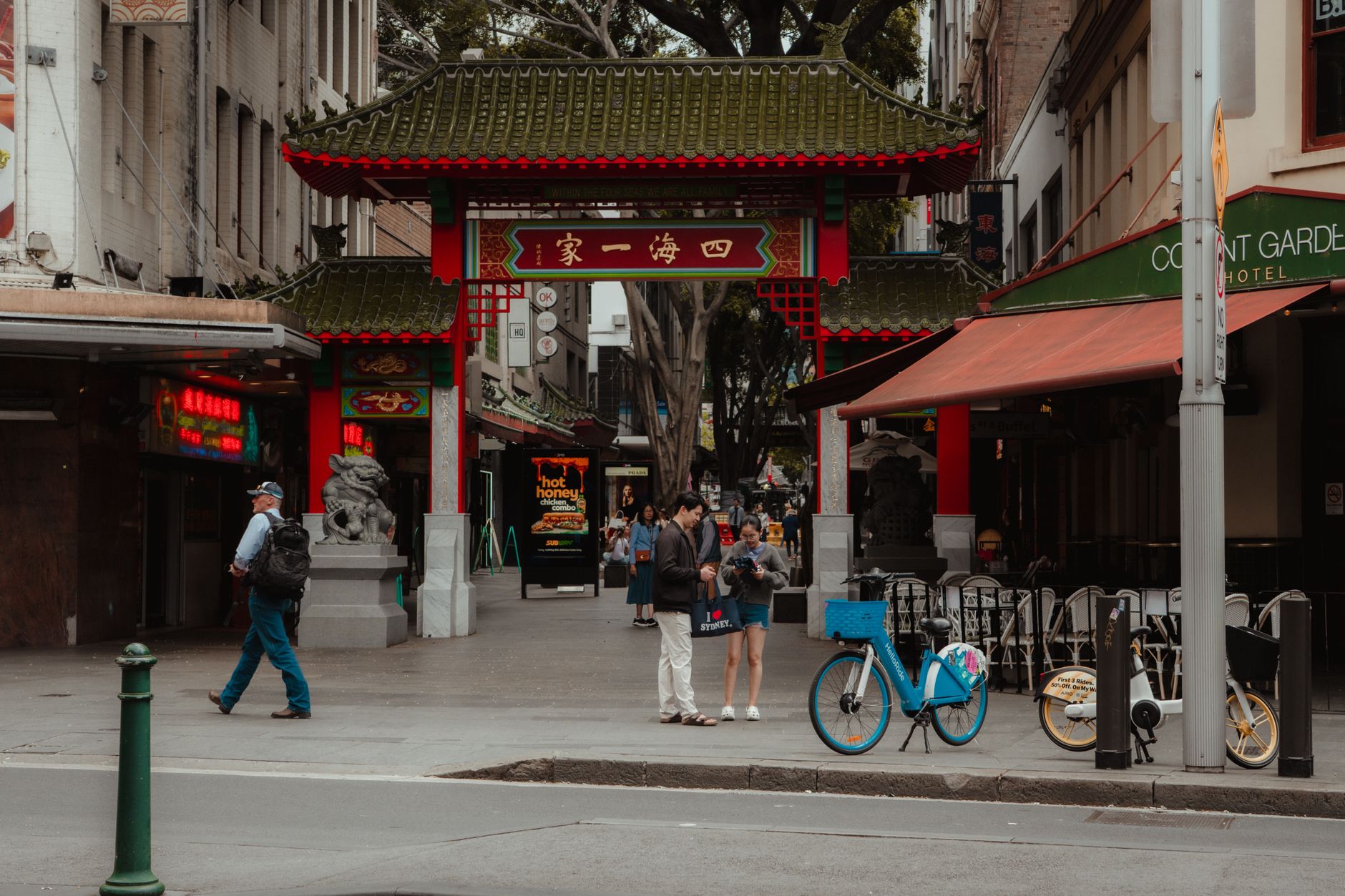
Honolulu Chinatown photo 2
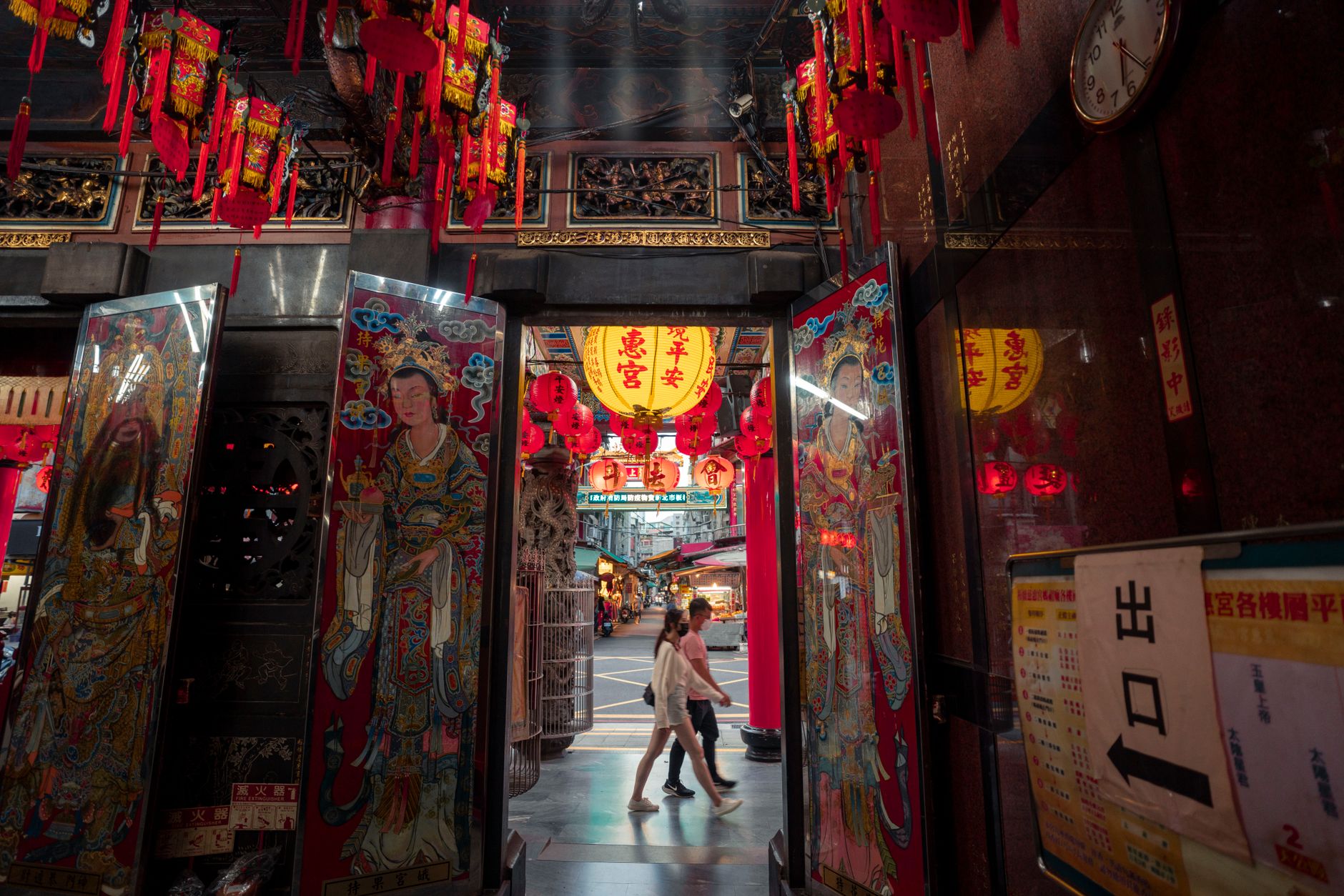
Honolulu Chinatown photo 3
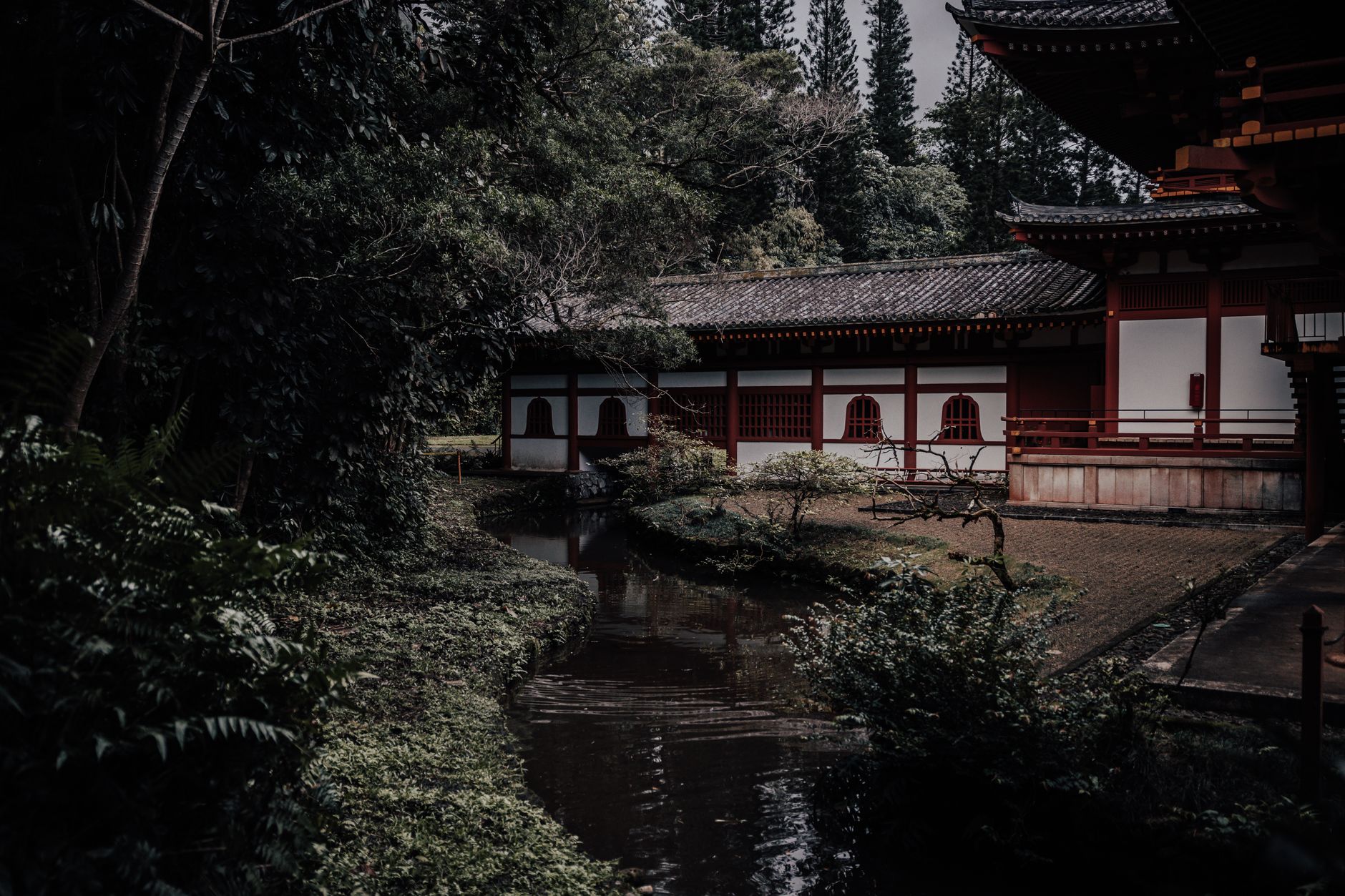
Honolulu Chinatown photo 4
Honolulu Chinatown photo 5
Honolulu Chinatown photo 6
Unmissable Moments

Top Things to Do in Honolulu Chinatown

Must-Do

Navigate the Sensory Labyrinth of Maunakea Marketplace

Step inside this bustling indoor-outdoor bazaar where local life unfolds in vivid color. Stroll past stalls overflowing with rambutan, dragon fruit, live seafood, and traditional herbal remedies, then grab a seat at one of the tiny hawker stalls for authentic Vietnamese pho or Cantonese roast pork. Go around 10:00 AM when the market is at its peak energy, and be sure to bring cash for small vendors.

Culture

Immerse in Art and Nightlife during First Friday

On the first Friday of every month, Chinatown undergoes a dramatic transformation as art galleries, boutiques, and bars throw open their doors for a massive street-level cultural celebration. Explore contemporary exhibitions along Nuuanu Avenue, sip artisanal cocktails at hidden speakeasies, and enjoy live indie bands playing on street corners. Arrive around 6:00 PM to beat the heaviest crowds.

Culture

Find Sanctuary at the Kuan Yin Temple

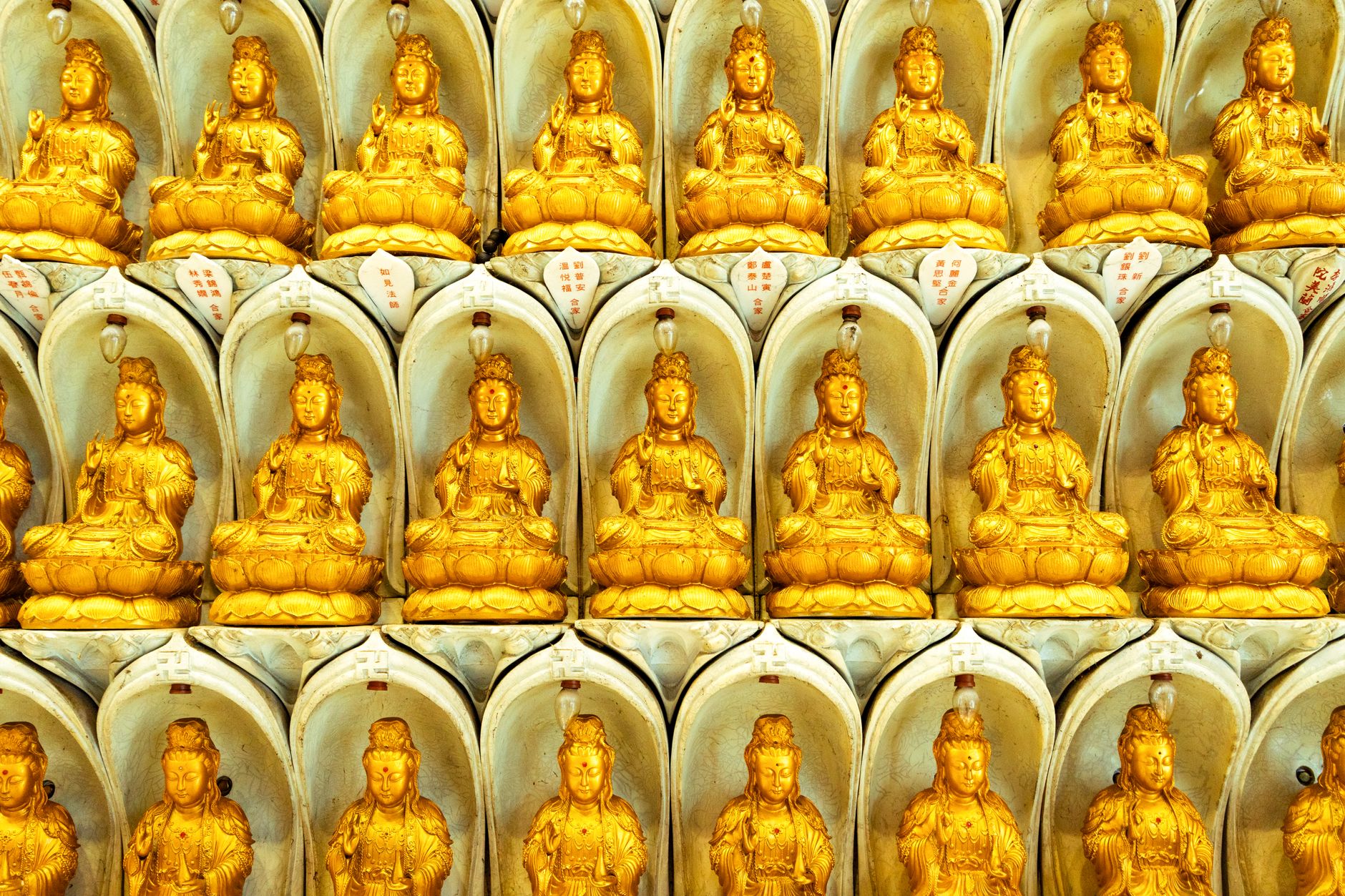
Pause your urban exploring to visit this striking, ornate Buddhist temple dedicated to the Goddess of Mercy. Step through the red-and-gold doors, light a bundle of incense, and take in the serene atmosphere filled with flickering oil lamps and intricate wood carvings. Respectful quiet is required; remove hats and dress modestly when entering.

Adventure

Hunt for Mid-Century Treasures and Antique Curiosities

Chinatown is a treasure trove for vintage hunters, antique collectors, and lovers of retro design. Spend an afternoon combing through cluttered second-hand shops and curated boutiques along Nuuanu and Hotel Streets, where you can unearth vintage aloha shirts, antique jade carvings, and rare Polynesian ephemera. Look out for quirky storefronts that have stood for over half a century.

Must-See Highlights

Top Places & Things to Do in Honolulu Chinatown

Curated attractions and cultural landmarks with local insider advice.

Foster Botanical Garden
nature
4.7

Foster Botanical Garden

Spanning 14 lush acres right at the edge of Chinatown, Foster Botanical Garden is Honolulu's oldest botanical garden, established in 1853. It serves as a verdant urban sanctuary, housing an extraordinary collection of tropical plants, towering prehistoric trees, and a dedicated economic garden featuring spices, dyes, and medicinal herbs. Visitors can wander through serene paths canopied by massive, century-old banyan and kapok trees whose aerial roots create natural Gothic arches. The orchid garden and prehistoric forest sections offer endless fascination for botany enthusiasts and photographers alike.

Daily 9:00 AM – 4:00 PM
Admission: $5
Insider Tip: Bring mosquito repellent and visit in the morning when the garden is quietest and tropical fragrances are most intense.
Kuan Yin Temple
culture
4.6

Kuan Yin Temple

Dedicated to Kuan Yin, the Buddhist Goddess of Mercy, this striking temple is easily recognizable by its vibrant red facade and ornate green-tiled roof. Inside, worshippers burn incense and leave offerings of fruit and flowers to seek blessings, peace, and spiritual protection. The interior is richly adorned with gilded altars, intricate woodwork, and a towering statue of the multi-armed goddess. It provides a deeply peaceful, meditative atmosphere right in the middle of a bustling urban district.

Daily 6:00 AM – 5:00 PM
Admission: Free (donations welcome)
Insider Tip: Photography inside the main prayer hall is generally discouraged. Dress respectfully with covered shoulders and knees.
Hawaii Theatre Center
culture
4.8

Hawaii Theatre Center

Affectionately known as the 'Pride of the Pacific,' the Hawaii Theatre is a magnificent 1922 neoclassical masterpiece that has been lovingly restored to its original gilded splendor. Featuring a stunning dome ceiling, crystal chandeliers, and classic 1920s auditorium styling, it stands as an architectural jewel in the heart of Chinatown. The theater hosts a diverse year-round calendar of events, ranging from contemporary music concerts and hula performances to classic film screenings and theatrical productions. Even if you don't catch a show, stepping into the grand lobby is worth the detour.

Box office open Tue-Sat 12:00 PM – 5:00 PM
Admission: Varies by show
Insider Tip: Check their schedule in advance for weekend jazz concerts or vintage movie nights for a memorable evening out.
Maunakea Marketplace
food
4.4

Maunakea Marketplace

Maunakea Marketplace is a vibrant, multi-cultural hub combining an open-air fresh produce and seafood market with a lively indoor food court. It is the ultimate destination for adventurous eaters looking to sample authentic Asian street food ranging from Filipino lumpia and Chinese dim sum to Vietnamese bubble tea and fresh poke. The outdoor arcade buzzes with local vendors selling fresh flowers, exotic fruits, and herbal medicine, while the indoor market showcases the diverse immigrant culinary fabric that defines modern Honolulu.

Daily 6:00 AM – 6:00 PM
Admission: $
Insider Tip: Bring cash for food stalls and market vendors, as many smaller food counters do not accept credit cards.
Area Guide

Where to Stay & Best Neighborhoods

Historic Core & Market District

Best for: Foodies, photographers, budget street eats, cultural immersion

Vibe: Busy, aromatic, traditional, dense with open-air fruit stands and herbalists

Centered around Maunakea Street and River Street, this is the historic heartbeat of Chinatown. Walking through this sector feels like stepping back in time, with narrow walkways flanked by baskets of dried mushrooms, live turtles, herbal teas, and vibrant tropical blooms. It's an unpolished, deeply authentic corner of Honolulu where local aunties and uncles gather to chat and conduct daily commerce.

The Arts District (Nuuanu Avenue)

Best for: Art lovers, night owls, boutique shoppers, cocktail aficionados

Vibe: Hip, creative, bohemian, stylish, filled with galleries and cocktail bars

Stretching along Nuuanu Avenue, the Arts District is Chinatown's sleek cultural revival zone. Housed within carefully restored historic brick buildings, you'll find independent art spaces, design studios, and trendy coffee shops by day that morph into sophisticated cocktail lounges and jazz dens by night. It strikes a brilliant balance between historic preservation and modern urban cool.

River Street Pedestrian Mall

Best for: Quiet walks, people-watching, chess players, nature lovers

Vibe: Serene, green, community-focused, park-like canal pathways

Running alongside the Nuuanu Stream, the River Street Pedestrian Mall offers a tranquil escape from the bustling commercial avenues. Lined with banyan trees, public art installations, and shaded seating areas, it is a popular gathering spot where local elders play intense matches of Chinese chess, practice tai chi, and enjoy the cooling island breezes.

Food & Drink Scene

What to Eat in Honolulu Chinatown

Char Siu Pork & Roast Duck

A Cantonese classic perfected over generations in Honolulu's historic roasting houses. Tender pork ribs or whole ducks are marinated in a complex blend of five-spice, fermented bean curd, soy sauce, and honey, then roasted over an open fire until the skin is caramelized, smoky, and succulently crisp.

🍮 Top spot: Char Siu House or Lau Yee Chai legacy recipes found at local delis

Manapua (Hawaiian Steamed Bao)

Hawaii's beloved adaptation of the Chinese cha siu bao. These fluffy, oversized yeast buns are stuffed with sweet, savory barbecued pork—or sometimes sweet potato and lap sausage—and can be ordered either steamed to pillowy softness or baked with a slightly sweet, glazed crust.

🍮 Top spot: Char Hung Sut

Authentic Vietnamese Phở

Simmered for hours with beef bones, charred ginger, star anise, and cinnamon, Chinatown's Vietnamese phở is a masterclass in aromatic broth-making. Served with rice noodles, tender slices of rare beef, and a mountain of fresh Thai basil, cilantro, and bean sprouts.

🍮 Top spot: The Pig & the Lady (for a modern twist) or Mai Tai Cafe
Excursions

Best Day Trips from Honolulu Chinatown

Pearl Harbor National Memorial & USS Arizona

20 mins by car or 35 mins by bus from Chinatown

Pay your respects at one of America's most poignant historical sites. Explore immersive museum exhibits, view artifacts recovered from the attack, and take the Navy launch boat out to the solemn USS Arizona Memorial resting quietly above the sunken battleship.

Nuuanu Pali Lookout & Rainforest Hike

15 mins by car up Nuuanu Pali Highway

Escape the city heat by heading up into the lush Ko'olau mountain range. Stand at the legendary Pali Lookout for panoramic, wind-swept views of Kaneohe Bay and the windward coast, then explore nearby misty rainforest trails.

When to Go

Best Time to Visit & Seasonality

Editor’s Pick: The best time to visit Honolulu Chinatown is during the dry season from May to October, when temperatures hover comfortably in the mid-to-high 80s (°F) with minimal rainfall. However, to truly experience the district's electric cultural pulse, plan your trip around major lunar celebrations such as the Chinese New Year (January/February) or the Mid-Autumn Moon Festival (September/October), when lion dances, street markets, and lantern displays flood the avenues.

Spring Overview

(March to May)
Moderate
Average Temperature & Climate72°F - 82°F (22°C - 28°C)

Warm, breezy, occasional light tropical showers

Crowd & Travel ConditionsModerate Tourist Traffic

Fewer lines and better deals.

✹ Seasonal Highlights:Witnessing vibrant Chinese New Year festivities, street parades, lion dances, and comfortably warm walking weather.
Travel Smarter

Practical Travel Essentials

CurrencyUSD ($)
LanguageEnglish (Cantonese, Mandarin, and Pidgin widely spoken)
Time ZoneHawaii-Aleutian Standard Time (HST, UTC-10)

Visa & Entry

As part of the United States, entry requirements follow U.S. federal immigration laws (ESTA required for visa-waiver countries).

Getting Around & Transit

Chinatown is exceptionally compact and best explored entirely on foot. TheBus (Oahu's public transit system) connects Chinatown easily to Waikiki, Ala Moana, and downtown. Rideshares like Uber and Lyft are readily available.

Daily Budget Expectation

$70 - $150 USD per day for budget-to-mid-range travelers, covering street food meals, public transit, and modest museum or botanical garden admissions.

Safety & Health

Moderate. Chinatown is generally safe during daylight hours, but like many urban areas, petty theft and homelessness are prevalent. Exercise normal city awareness, particularly after dark.

Local Etiquette & Customs

Remove hats and sunglasses when entering temples; always ask permission before photographing local vendors at open-air markets; tipping 15-20% is standard in restaurants.

Questions & Answers

Frequently Asked Questions about Honolulu Chinatown

During the early evening and especially on First Fridays, the Arts District along Nuuanu Avenue is lively, well-lit, and very safe. However, late at night, parts of the market district become quiet and rough around the edges, so it is best to stick to well-trafficked areas or take a rideshare.