🌟 Best in Travel 2026 is here!
Hvar
islandEurope
4.90 / 5.0

Hvar

Sun-drenched lavender fields, Venetian Gothic architecture, and crystal-clear azure Adriatic waters.

Advertisement
Editorial Guide

About Hvar

Rising majestically from the sapphire waters of the central Dalmatian archipelago, Hvar is an island of profound historical layers and unbridled Mediterranean glamour. Long before it became a jet-set haven for summer yachts, it was coveted by ancient Illyrians, Greeks who founded Pharos in 384 BC, Romans, and crucially, the Venetians, whose architectural influence still defines the marble-paved alleyways of Hvar Town. The island's geography is a dramatic tapestry of limestone ridges, terraced vineyards, ancient olive groves, and rolling plateaus that erupt into vibrant purple during the summer lavender harvest.

Culturally, Hvar balances a sophisticated pulse with a deeply rooted agrarian soul. While the harbor of Hvar Town hums with chic cocktail bars, superyachts, and high-end seafood restaurants, a mere twenty-minute drive inland reveals sleepy stone villages like Velo Grablje and Humac, where time appears to have halted centuries ago. Here, local life revolves around the land and the sea, producing world-class indigenous wines like Plavac Mali from steep southern slopes that plunge directly into the sea.

The atmosphere of Hvar shifts dramatically depending on the season and altitude. In the scorching heat of July and August, the coast throbs with vibrant beach clubs and nocturnal revelry, drawing international travelers seeking coastal luxury. Yet, the island also offers absolute tranquility for those willing to explore its hidden coves, secluded pebble beaches, and pine-scented hiking trails. From the UNESCO-listed Stari Grad Plain—an agricultural landscape virtually unchanged since Greek antiquity—to the rugged Pakleni Islands scattered just offshore, Hvar represents the absolute pinnacle of the Dalmatian coastal experience.

Ultimately, Hvar is defined by its legendary light and climate, boasting over 2,700 hours of sunshine annually. The air is perpetually heavy with the scent of rosemary, pine, and sea salt, creating an intoxicating sensory backdrop. Whether you are scaling the fortress walls at sunset to watch the archipelago glow in amber tones, or sipping robust red wine in a candlelit konoba tucked away in a medieval courtyard, Hvar offers an unforgettable masterclass in the art of Mediterranean living.

Visual Impressions & Moments
Hvar photo 1
Hvar photo 2
Hvar photo 3
Hvar photo 4
Hvar photo 5
Hvar photo 6
Unmissable Moments

Top Things to Do in Hvar

Must-Do

Climb to Fortica (Španjola) Fortress at Sunset

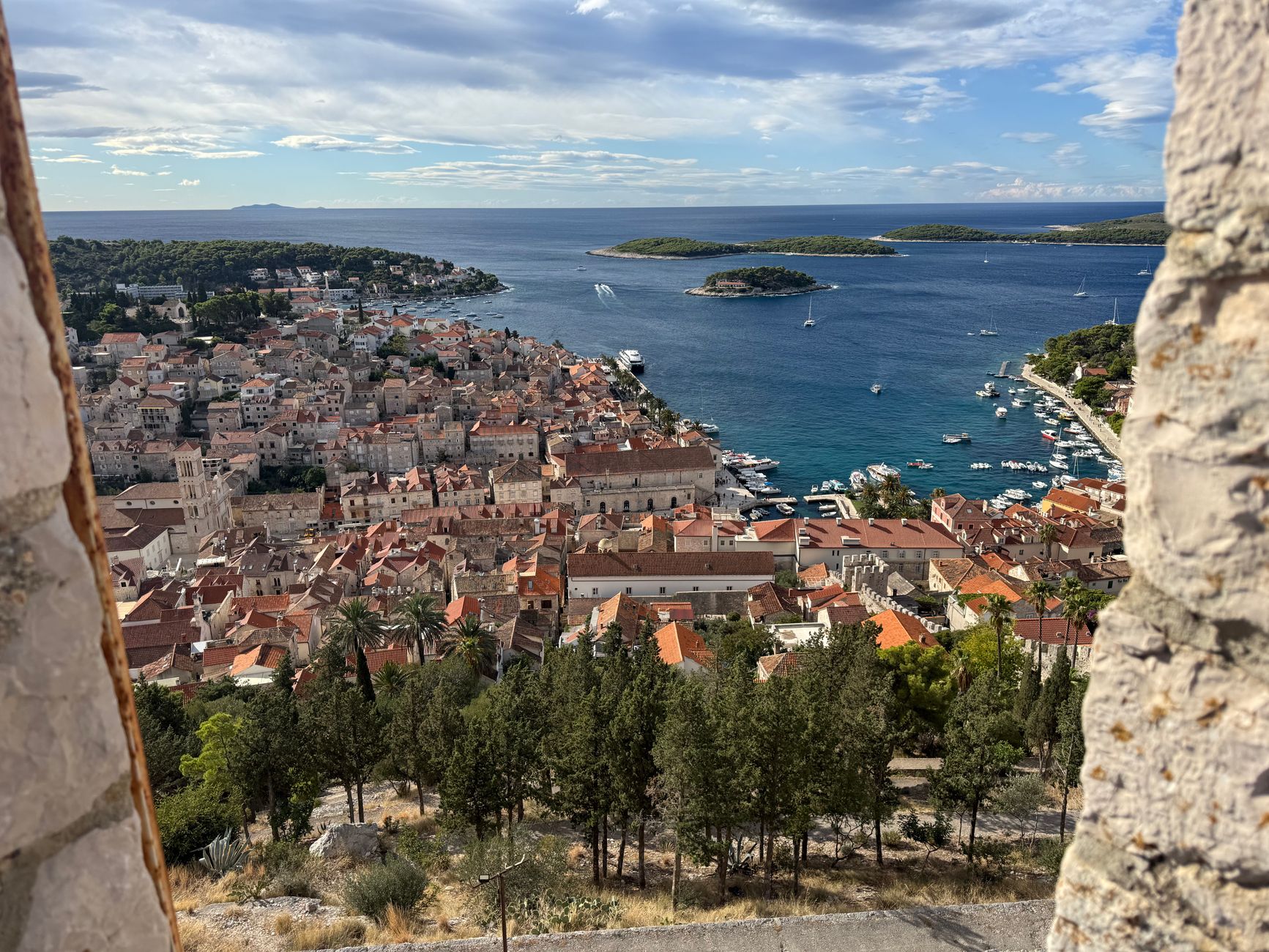
Perched dramatically above Hvar Town, this 16th-century Venetian fortress offers panoramic views of the terracotta rooftops, the azure harbor, and the jagged Pakleni Islands. Hike up via the zig-zagging trail through pine forests starting from the historic town square, and arrive an hour before sunset. Bring a bottle of local Bogdanuša wine to enjoy as the stone walls turn gold.

Adventure

Sail Through the Labyrinth of the Pakleni Islands

Rent a Zodiac or join a skippered sailboat to explore the Pakleni archipelago—a gorgeous chain of wooded, sun-bleached islets just off the coast of Hvar Town. Drop anchor in secluded turquoise bays like Palmižana on Sveti Klement island, where exotic botanical gardens surround bohemian-luxury seaside restaurants serving ultra-fresh catch of the day.

Culture

Cycle Through the UNESCO-Protected Stari Grad Plain

Pedal across the Hora/Stari Grad Plain, an agricultural field partitioned by dry-stone walls that has remained virtually untouched since the ancient Greeks colonized it in the 4th century BC. Rent an e-bike in Stari Grad and ride past ancient olive groves, vineyards, and field shelters under the Mediterranean sun.

Culinary

Taste Bold Plavac Mali Wines in Cliffside Vineyards

Visit boutique family-run wineries such as Zlatan Otok in Sveta Nedjelja or Tomić in Jelsa to taste robust reds made from Plavac Mali, a genetic relative of Zinfandel. These vines are cultivated on impossibly steep southern limestone cliffs that receive triple insolation: direct sun, reflection from the sea, and heat absorbed by the stone.

Must-See Highlights

Top Places & Things to Do in Hvar

Curated attractions and cultural landmarks with local insider advice.

St. Stephen's Cathedral & Square
culture
4.8

St. Stephen's Cathedral & Square

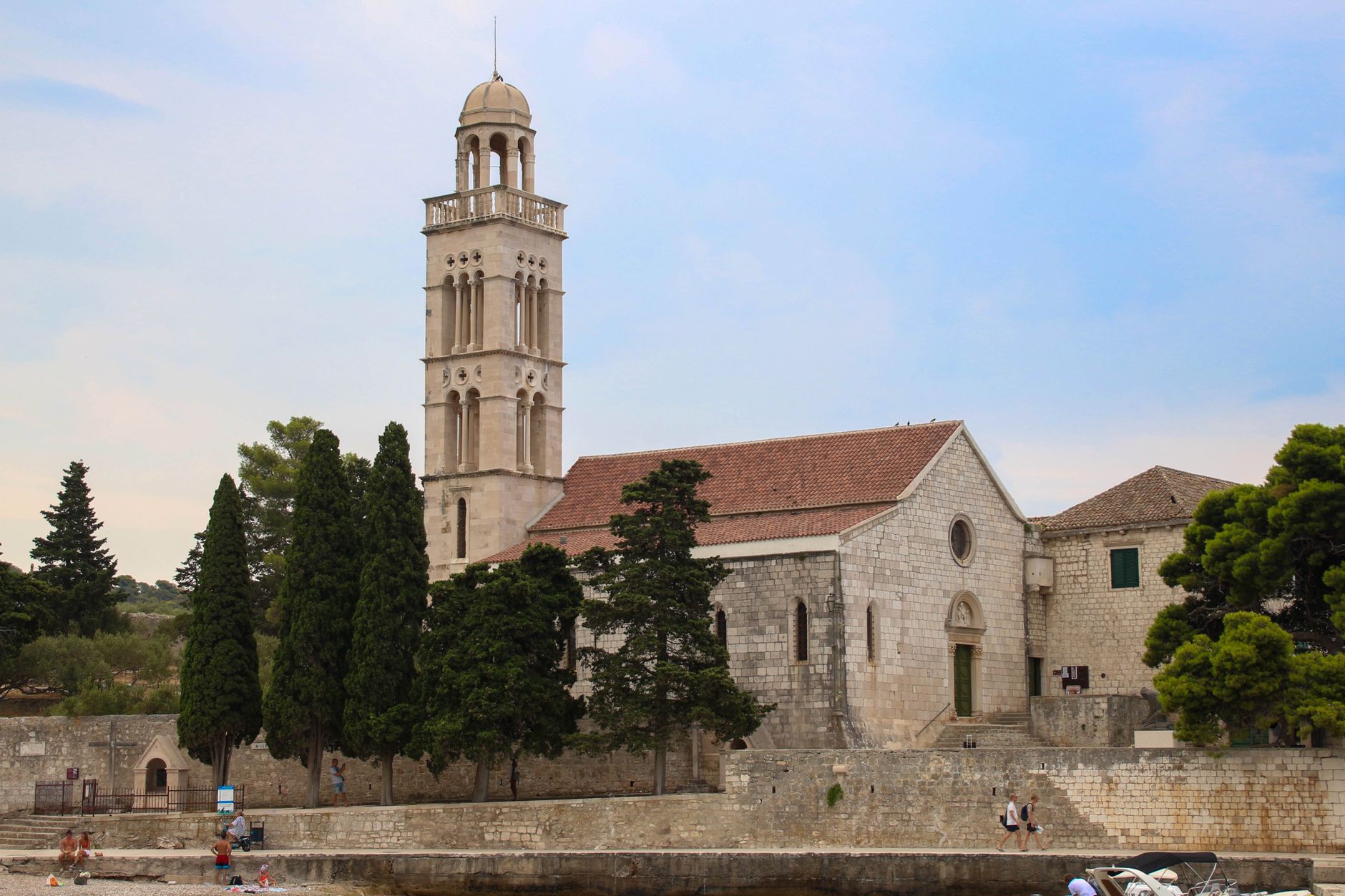
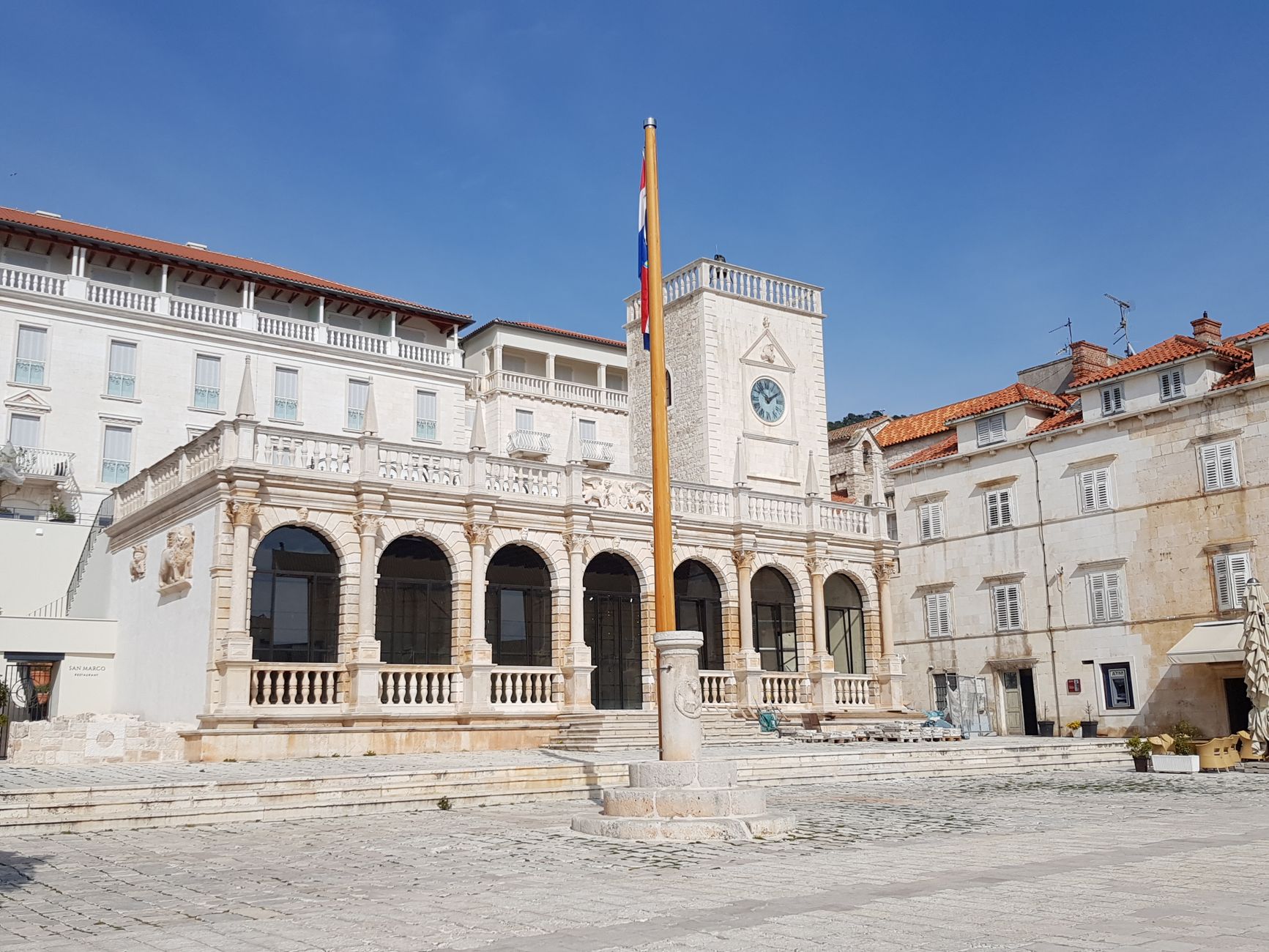
Dominating the eastern end of Hvar's main piazza, St. Stephen's Cathedral is a stunning blend of Gothic and Renaissance styles built between the 16th and 17th centuries. The multi-tiered bell tower, crafted by local stonemasons, stands as an architectural beacon overlooking the bustling square. The square itself, known locally as the Pjaca, is the largest piazza in Dalmatia and was originally a deep sea bay that was gradually filled in over centuries. Today, it is lined with historic Venetian palaces, cafes, and gelaterias, serving as the social heartbeat of Hvar Town where locals and travelers gather from morning until late evening.

Daily 8:00 AM - 12:00 PM, 5:00 PM - 8:00 PM
Admission: Free
Insider Tip: Visit in the early morning before the crowds arrive to appreciate the stonework in peaceful light, and respect dress codes (shoulders and knees covered) when entering the cathedral.
Fortica (Španjola) Fortress
attraction
4.85

Fortica (Španjola) Fortress

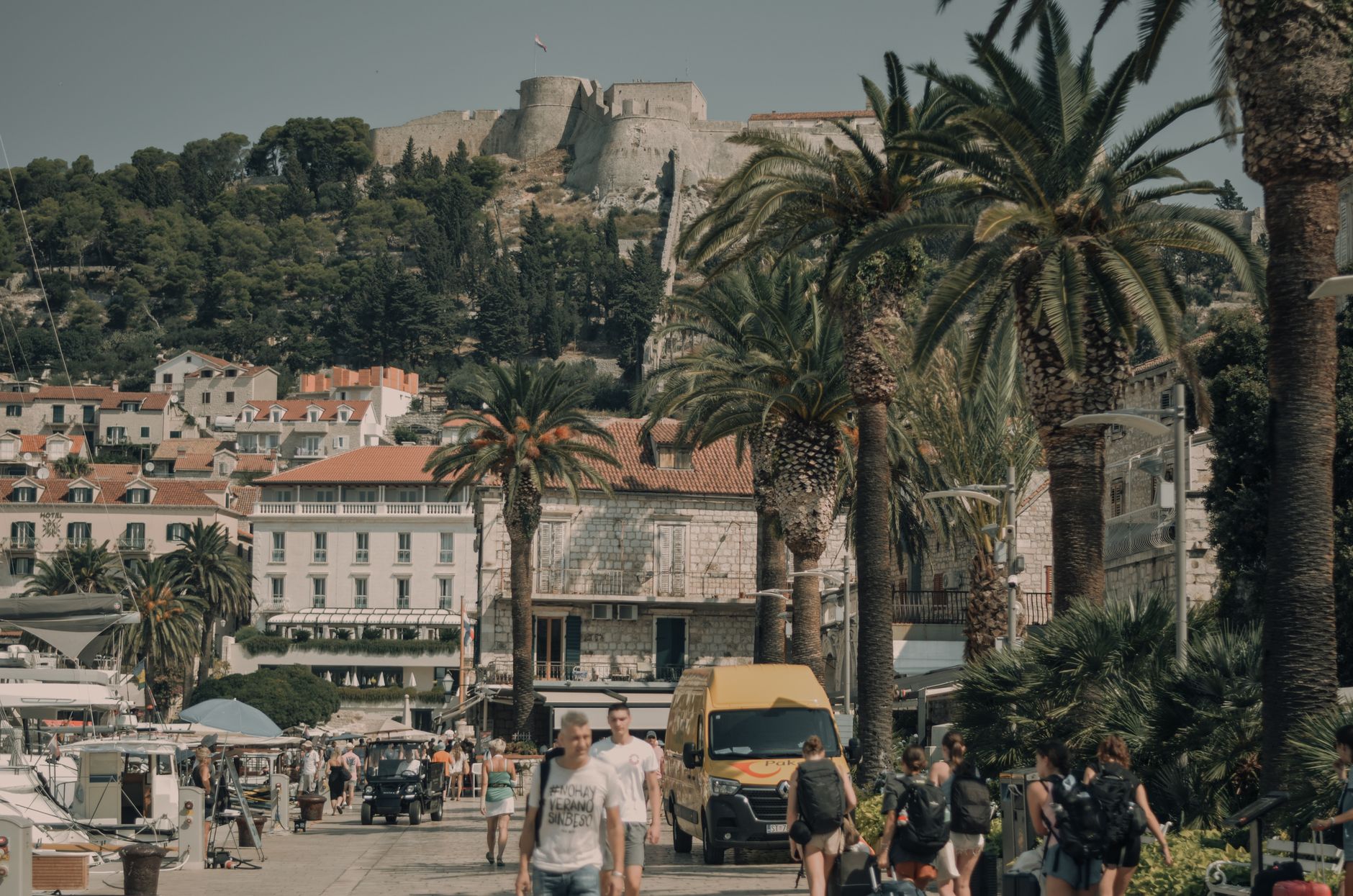
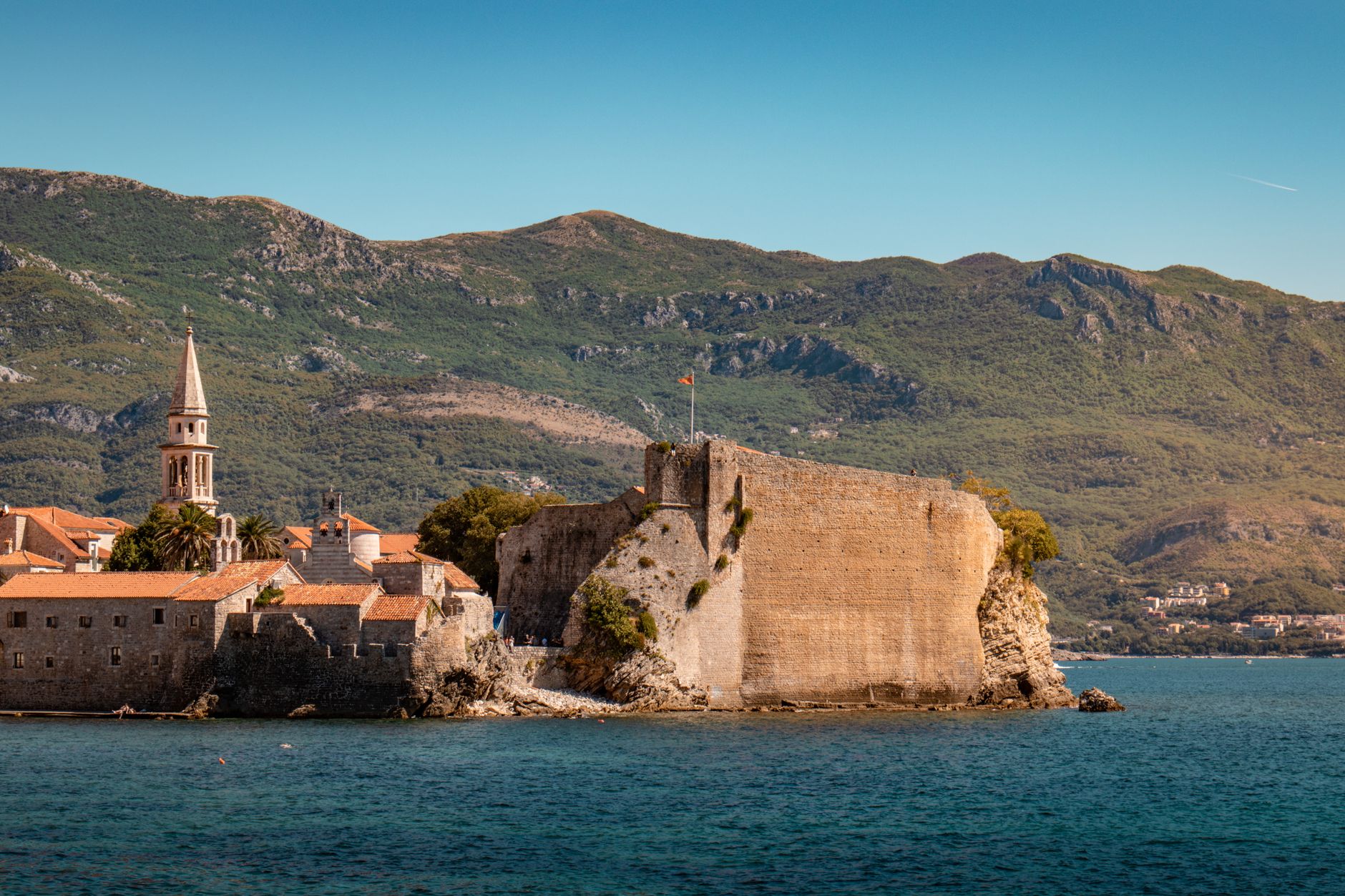
Perched 100 meters above Hvar Town, the Fortica Fortress was constructed by the Venetians in the early 16th century to defend the island against Ottoman attacks. The stone ramparts offer commanding vantage points over the entire harbor, Hvar Town, and the Pakleni archipelago. Inside the fortress complex, visitors can explore historic dungeons, a collection of ancient amphorae retrieved from shipwrecks, and remnants of military architecture. The walk up through the terraced Mediterranean gardens is steep but rewards visitors with sublime botanical sights and cooling pine breezes.

Daily 9:00 AM - 9:00 PM (Summer)
Admission: €10
Insider Tip: Avoid the midday heat by hiking up an hour before sunset. Wear sturdy walking shoes as the stone path can be uneven and slippery.
Palmižana Botanical Garden & Beach
nature
4.9

Palmižana Botanical Garden & Beach

Located on Sveti Klement island within the Pakleni archipelago, Palmižana is a legendary bohemian paradise created by the Meneghello family over more than a century. The property features a sprawling exotic botanical garden filled with towering cacti, agaves, mimosas, and rare subtropical plants from around the world. Adjacent to the gardens is Zdrilca and Vinogradišće bays, featuring crystalline turquoise waters ideal for swimming and snorkeling. High-end seaside restaurants and art galleries blend seamlessly into the wild landscape, making it a premier day-trip destination from Hvar Town.

Open 24/7 (Restaurants open May-October)
Admission: Free (Water taxi/boat fee applies)
Insider Tip: Take an organized water taxi from Hvar Town harbor in the morning and book lunch reservations at Meneghello Restaurant in advance during peak season.
Tvrdalj Castle in Stari Grad
culture
4.75

Tvrdalj Castle in Stari Grad

Tvrdalj is the fortified summer residence of the 16th-century Croatian Renaissance poet Petar Hektorović. Designed as a microcosm where humans, fish, and birds could live together in harmony, the stone villa features an enclosed seawater fish pool, a garden, and stone inscriptions in both Croatian and Latin reflecting humanist philosophy. The architecture reflects the defensive necessities of the era combined with profound artistic sensitivity. Located right on the harbor of Stari Grad, it stands as one of the most culturally significant historic sites on the island.

Daily 9:00 AM - 8:00 PM (Summer)
Admission: €4
Insider Tip: Combine a visit to Tvrdalj with a leisurely stroll through the narrow stone alleyways of Stari Grad's old town and a coffee by the harbor.
Area Guide

Where to Stay & Best Neighborhoods

Hvar Town

Best for: First-timers, nightlife seekers, luxury travelers, and history enthusiasts

Vibe: Venetian elegance, bustling harbor, vibrant nightlife, and historic marble plazas

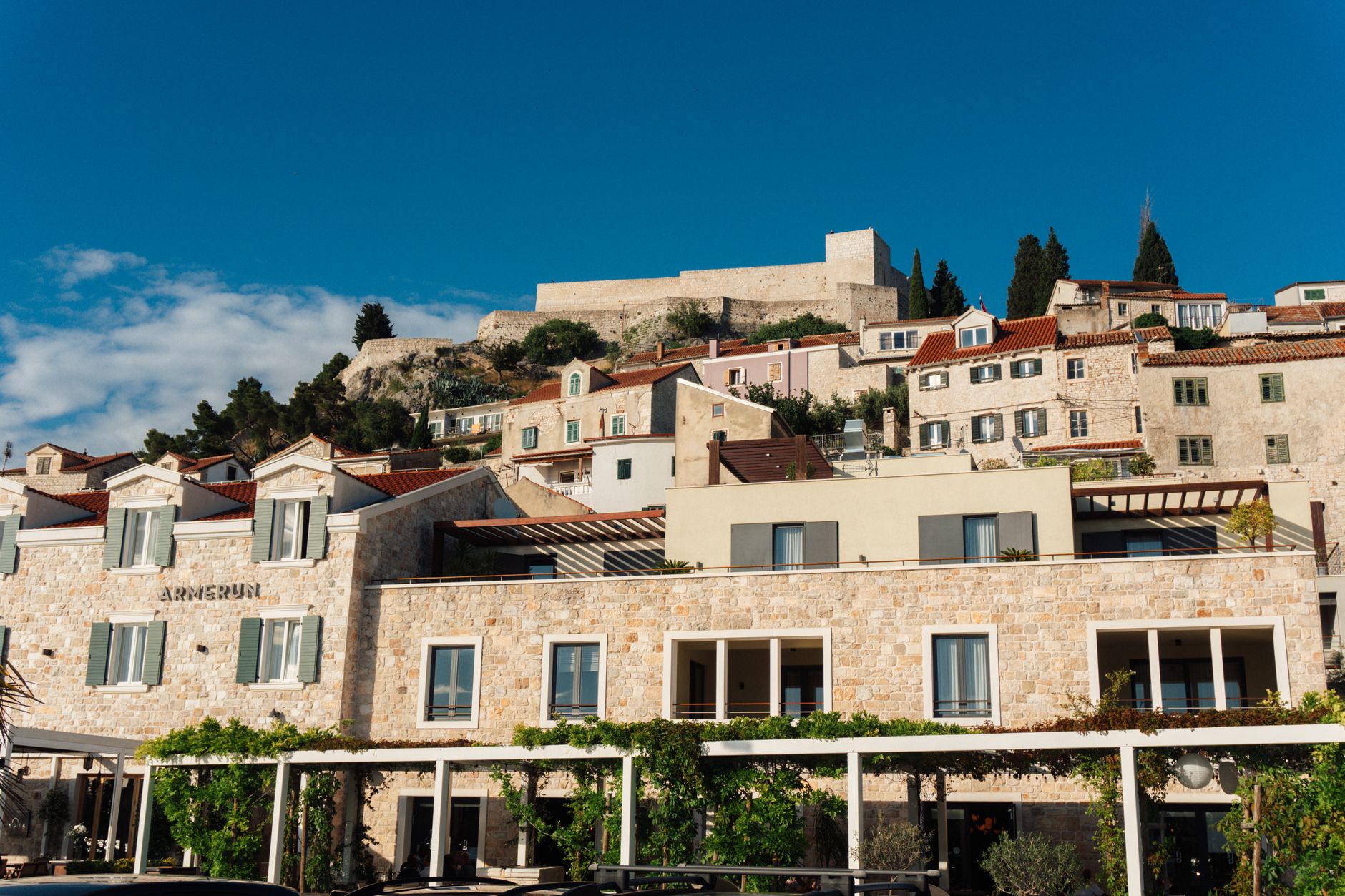
Hvar Town is the crown jewel of the island, wrapping around a natural horseshoe harbor filled with bobbing yachts and historic stone architecture. Dominated by the vast St. Stephen's Square—one of the largest historic piazzas in Dalmatia—the neighborhood features the 17th-century public theater (one of the oldest in Europe), Gothic palaces, and narrow staircases flanked by bougainvillea. By day, it's a hub of cafe culture; by night, its sophisticated bars and clubs come alive.

Stari Grad

Best for: Slow travel, foodies, history buffs, and those seeking authentic island calm

Vibe: Tranquil, ancient, artistic, and deeply romantic

As Croatia's oldest town, founded as Pharos in 384 BC, Stari Grad possesses a much quieter, more contemplative atmosphere than Hvar Town. Its flat harbor is lined with low-rise stone houses, peaceful squares, and the imposing Tvrdalj castle—the Renaissance summer residence of poet Petar Hektorović complete with a seawater fish pool. It is a haven for artists, writers, and travelers looking to escape the bustling tourist crowds.

Jelsa & Vrboska

Best for: Families, nature lovers, wine enthusiasts, and cyclists

Vibe: Green, pine-shaded, family-friendly, and maritime-focused

Located on the northern coast of the island, Jelsa and neighboring Vrboska offer a lush, water-rich contrast to the arid southern slopes. Jelsa features a lovely seaside promenade, parklands, and vibrant wine bars, while Vrboska—often called 'Little Venice' due to its narrow canals and stone bridges—boasts a fortified church and a rich fishing heritage.

Food & Drink Scene

What to Eat in Hvar

Hvarska Gregada

The quintessential culinary masterpiece of Hvar fishermen. This rustic, one-pot fish stew features various types of white fish (such as grouper, scorpionfish, or John Dory), sliced potatoes, onions, garlic, parsley, and copious amounts of top-tier local olive oil, simmered slowly without water until the broth becomes rich and emulsified.

🍴 Top spot: Konoba Menego (Hvar Town)

Peka (Octopus or Veal under the Bell)

A slow-cooked Dalmatian tradition where meat or seafood—most notably octopus or veal—is combined with potatoes, root vegetables, Mediterranean herbs, and white wine in a heavy cast-iron baking dish. The dish is covered with a dome-shaped bell (peka) and buried directly under glowing embers for several hours until meltingly tender.

🍴 Top spot: Konoba Kokot (Dol village)

Traditional Hvar honey and pepper biscuits dating back to the Renaissance. These spiced shortbread-style cookies combine local honey, olive oil, prošek (sweet dessert wine), saffron, cinnamon, nutmeg, and black pepper, stamped with traditional wooden molds depicting island motifs.

🍴 Top spot: Local artisan bakeries in Hvar Town and Stari Grad
Excursions

Best Day Trips from Hvar

The Blue Cave on Biševo Island

1 hour by speedboat

Journey by speedboat to the neighboring island of Biševo to witness the mesmerizing Blue Cave (Modra Špilja). Sunlight entering through an underwater opening reflects off the white limestone floor, bathing the entire interior in a breathtaking, ethereal aquamarine luminescence.

Vis Island & Stiniva Cove

45–60 minutes by speedboat

Explore the rugged island of Vis, which served as a secret military base during the Yugoslav era and remained closed to foreign visitors for decades. Discover the hidden pebble beach of Stiniva Cove, wedged between dramatic vertical limestone cliffs, and explore the charming fishing village of Komiža.

When to Go

Best Time to Visit & Seasonality

Editor’s Pick: May through June and September through October offer the ideal balance of warm swimming weather, blooming nature (or the grape harvest), and manageable crowds. July and August are peak summer months with sizzling temperatures and bustling nightlife, but require advance bookings and patience with crowds.

Spring Overview

(April - May)
Quiet / Low Season
Average Temperature & Climate15°C to 22°C

Mild, increasingly sunny, and fresh

Crowd & Travel ConditionsLow Tourist Traffic

Fewer lines and better deals.

✨ Seasonal Highlights:Wildflowers blooming, lavender starting to grow, pleasant hiking without summer heat, and peaceful town explorations.
Travel Smarter

Practical Travel Essentials

CurrencyEUR (€)
LanguageCroatian
Time ZoneCentral European Time (UTC+1)

Visa & Entry

Croatia is part of the European Union and the Schengen Area. Visitors from the US, Canada, Australia, UK, and EU do not require a visa for stays up to 90 days.

Getting Around & Transit

Ferries and catamarans connect Hvar (Hvar Town, Stari Grad, Jelsa) to Split, Dubrovnik, and neighboring islands via Jadrolinija and Krilo. On the island, local buses, car rentals, scooters, and water taxis are readily available.

Daily Budget Expectation

€100 - €300+ per day depending on accommodation style, dining choices, and boat excursions.

Safety & Health

Hvar is exceptionally safe with very low violent crime rates. Standard precautions against pickpocketing in crowded summer areas apply.

Local Etiquette & Customs

Greet locals with 'Dobar dan' (good day). Swimwear is strictly for the beach—wearing swim trunks or bikini tops in historic town centers is considered impolite and can incur fines.

Questions & Answers

Frequently Asked Questions about Hvar

You can take a passenger catamaran (high-speed ferry) directly from Split to Hvar Town or Stari Grad (approx. 1 hour), or take the car ferry from Split to Stari Grad (approx. 2 hours) operated by Jadrolinija.