🌟 Best in Travel 2026 is here!
Île de Ré
regionEurope
4.92 / 5.0

Île de Ré

The whitewashed Atlantic sanctuary of salt marshes, hollyhocks, and effortless maritime elegance.

Editorial Guide

About Île de Ré

Floating off the western coast of France near La Rochelle, the Île de Ré is a mesmerizing crescent of land where time seems to slow down to the gentle rhythm of the Atlantic tides. Connected to the mainland by a sweeping 3-kilometer toll bridge, this historic island feels entirely worlds away. Its landscape is a breathtaking patchwork of glittering salt pans, sun-bleached dunes, pine forests, and meticulously cultivated vineyards that stretch out beneath wide, maritime skies.

Historically a contested stronghold prized for its strategic maritime position, the island's past is etched into the formidable Vauban fortifications of Saint-Martin-de-Ré and the looming silhouette of the Phare des Baleines. Today, however, its fortresses have yielded to a peaceful, sophisticated culture rooted in the sea. The island's strict architectural codes require all houses to be whitewashed with green or grey shutters, draped uniformly in vibrant pink and red hollyhocks, creating a uniform, postcard-perfect aesthetic that protects its rustic heritage.

Life on the Île de Ré is intrinsically tied to the slow life and the great outdoors. Bicycles reign supreme here, traversing an intricate web of over 100 kilometers of dedicated cycling paths that weave through sleepy villages, oyster farms, and fragrant marshes. The local culture is unapologetically epicurean, celebrating freshly harvested Maldon-style fleur de sel, hyper-local oysters plucked straight from the sea, and crisp regional white wines enjoyed on sun-drenched terraces.

Whether you are wandering through the bustling morning markets of Saint-Martin, watching the tide recede to reveal endless shell-strewn beaches at Le Bois-Plage, or simply breathing in the intoxicating scent of pine and sea salt, the Île de Ré offers a rare masterclass in understated French luxury. It is a destination that demands not to be rushed, rewarding those who trade their automobiles for two wheels and surrender to the timeless beauty of the Atlantic coast.

Visual Impressions & Moments
Île de Ré photo 1
Île de Ré photo 2
Île de Ré photo 3
Île de Ré photo 4
Île de Ré photo 5
Île de Ré photo 6
Unmissable Moments

Top Things to Do in Île de Ré

Must-Do

Cycle the Salt Marsh Trails at Sunrise

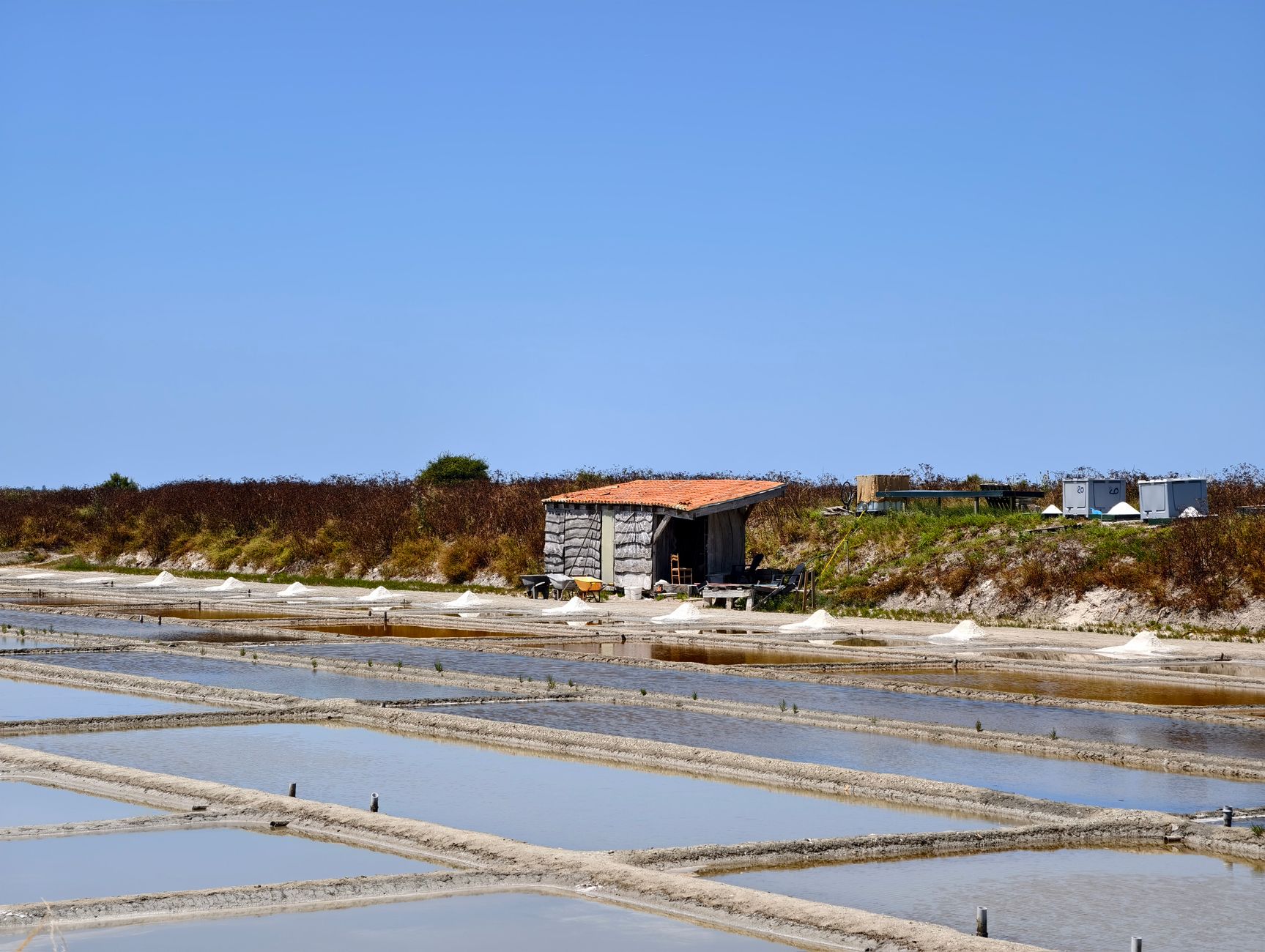
Rent a classic bicycle and embark on a morning ride through the shimmering salt pans of Loix and Ars-en-Ré. The early morning light transforms the water-filled basins into mirrors reflecting the vast Atlantic sky. Stop to watch local sauniers (salt harvesters) rake the precious fleur de sel before heading to a nearby village bakery for warm croissants.

Scenic

Climb the Phare des Baleines for Panoramic Ocean Views

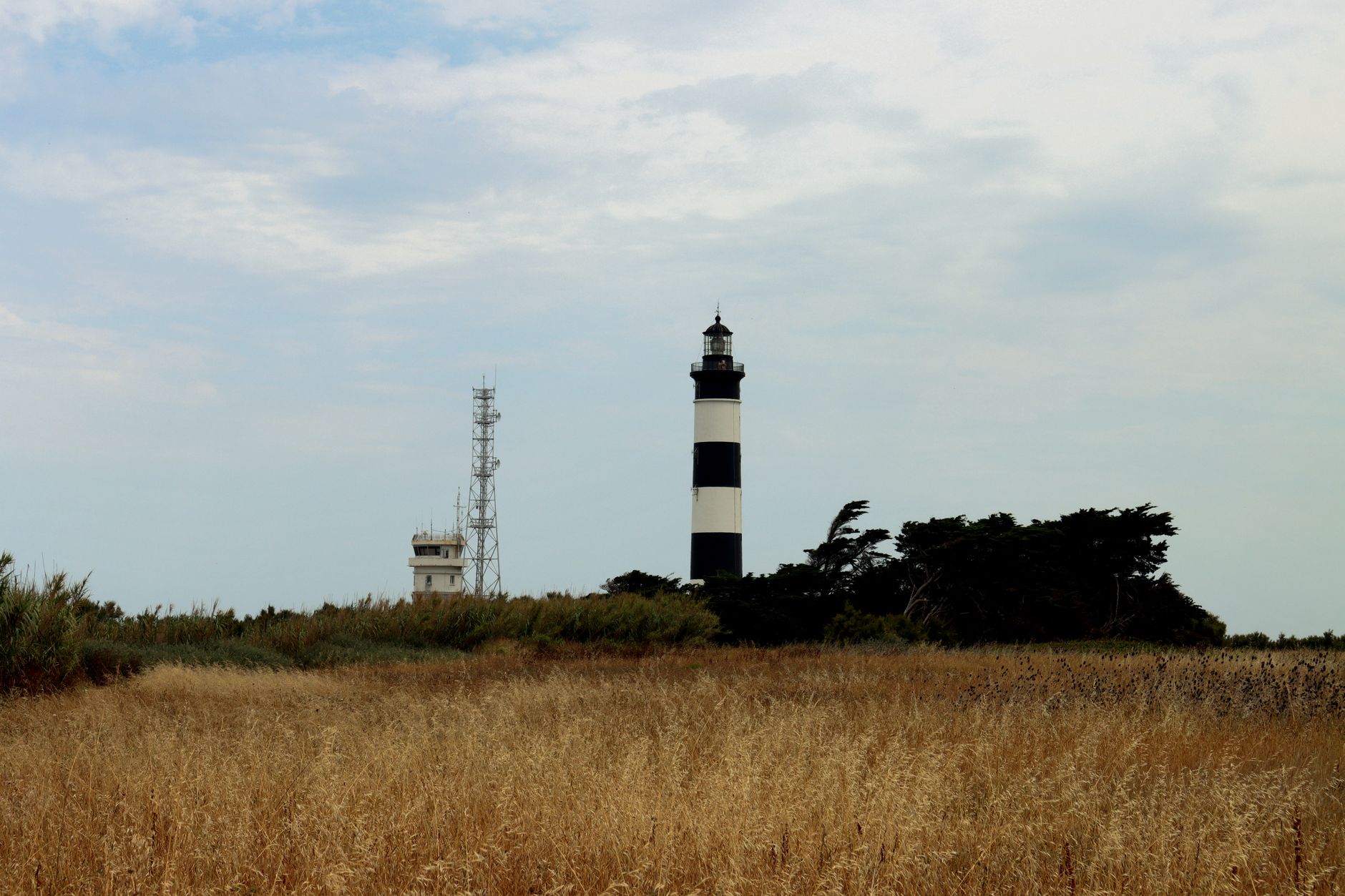
Ascend the 257 spiral steps of the iconic 19th-century Lighthouse of the Whales located at the dramatic western tip of the island. On a clear day, the observation deck offers breathtaking 360-degree views stretching across the churning Atlantic, the rocky reefs, and neighboring islands. Afterward, explore the adjacent museum dedicated to lighthouses.

Culinary

Indulge in Fresh Oysters at a Cabane ostréicole

Seek out a rustic wooden oyster shack tucked along the canals of La Flotte or Le Bois-Plage-en-Ré. Pair a dozen freshly shucked fines de claires oysters with a chilled glass of local pineau des Charentes or Vin Pays Charentais, seated at rough-hewn wooden tables right beside the water where the oysters were farmed.

Culture

Explore the Vauban Fortifications of Saint-Martin-de-Ré

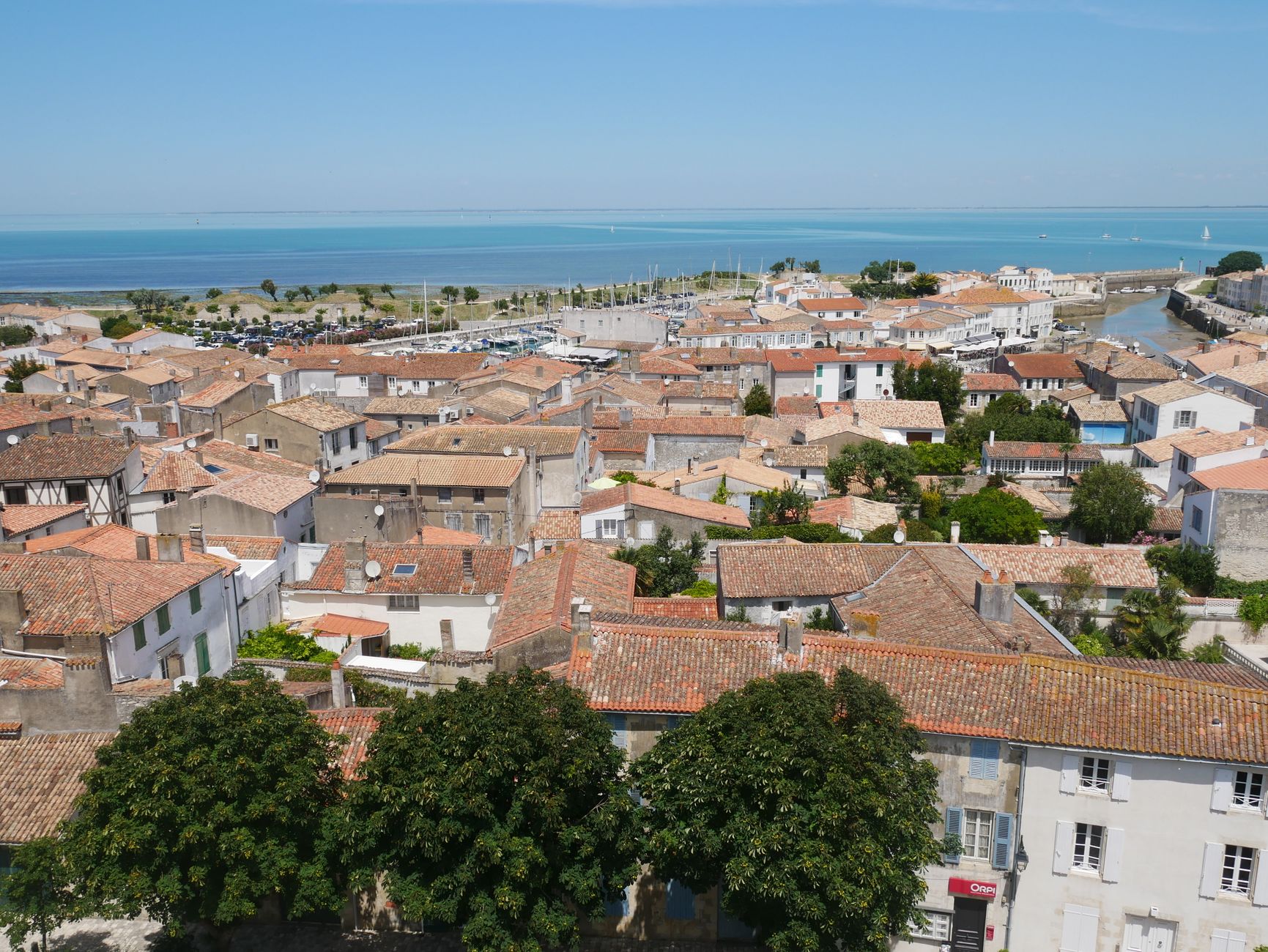
Wander through the UNESCO-listed star-shaped citadel designed by Louis XIV's brilliant military engineer, Sébastien Le Prestre de Vauban. Walk along the massive ramparts at golden hour to watch sailboats glide in and out of the bustling horseshoe-shaped harbor below.

Must-See Highlights

Top Places & Things to Do in Île de Ré

Curated attractions and cultural landmarks with local insider advice.

Plage de la Conche des Baleines
nature
4.9

Plage de la Conche des Baleines

Widely considered the most magnificent beach on the Île de Ré, Plage de la Conche is a crescent-shaped expanse of fine golden sand stretching for several kilometers. Backed by towering dunes and the deep green pines of the Bois de Trousse-Chemise, the beach offers a wild, pristine escape from civilization. The Atlantic waters here are bracing and refreshing, making it a favorite spot for swimming, beachcombing, and long meditative walks while listening to the rhythmic roar of the surf.

Open 24/7
Admission: Free
Insider Tip: Park at the designated forest lots and take the shaded sandy trails through the pine trees down to the shore.
Abbaye des Châteliers
culture
4.6

Abbaye des Châteliers

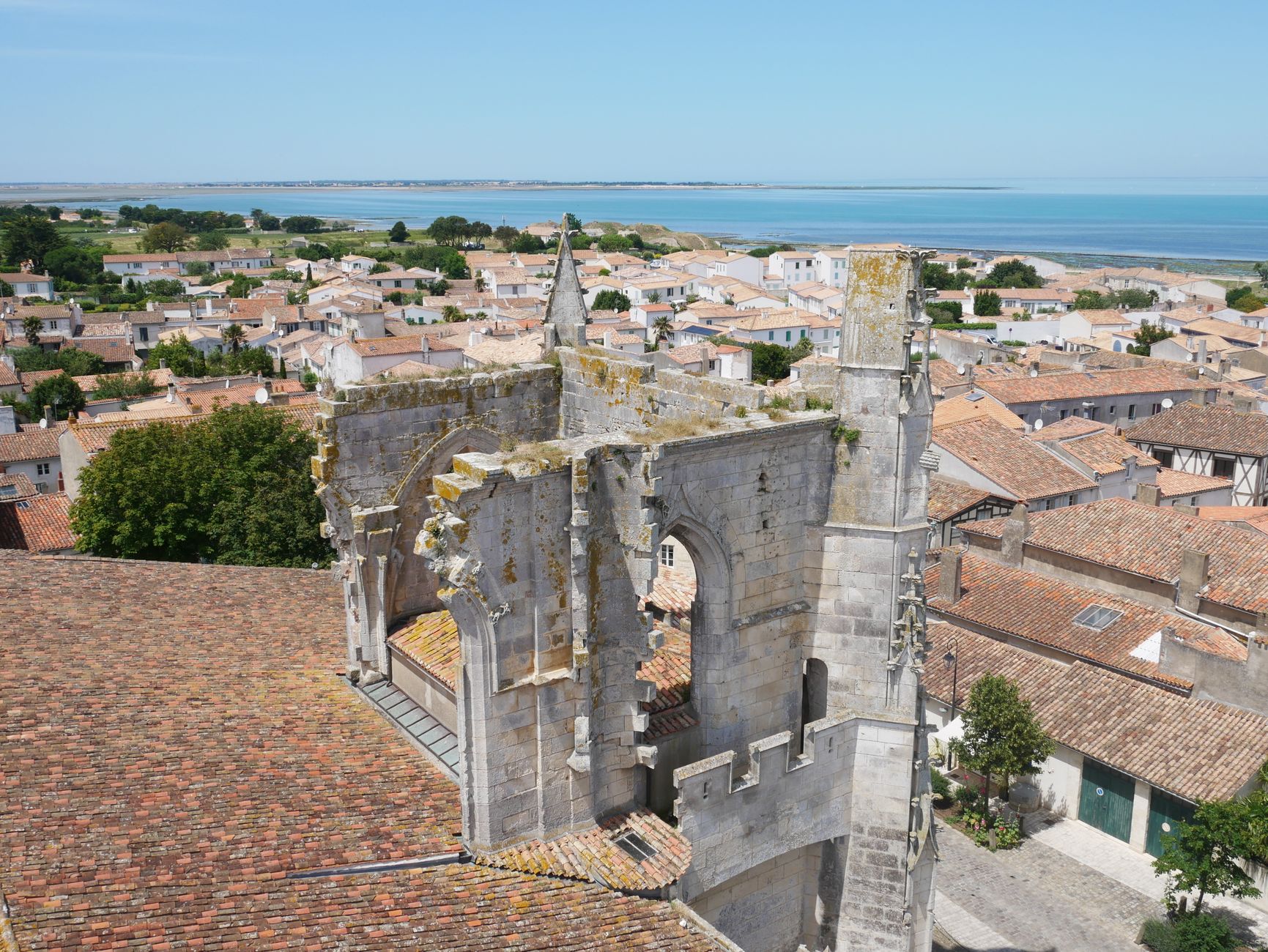
Tucked quietly amidst fields of barley and wildflowers between La Flotte and Saint-Martin, the romantic ruins of the Abbaye des Châteliers evoke centuries of monastic history. Founded in the 12th century by Cistercian monks, the abbey suffered repeated destructions during the Hundred Years' War and the Wars of Religion before falling into permanent ruin. Today, the roofless Gothic arches and weathered stone walls stand in serene silence against the vast island sky, creating one of the most atmospheric and contemplative spots on the entire island.

Open 24/7
Admission: Free
Insider Tip: Visit at sunset when the golden light strikes the ancient limestone ruins, offering phenomenal photography opportunities.
Phare des Baleines
attraction
4.7

Phare des Baleines

Standing proudly at the westernmost tip of the Île de Ré, the Phare des Baleines is a masterpiece of 19th-century engineering. Designed by architect Léonce Reynaud, the 57-meter tower replaced an older 17th-century lighthouse commissioned by Vauban. Surrounded by crashing Atlantic waves, rugged rock pools, and coastal exhibition spaces, the site offers visitors an immersive look into maritime navigation and coastal ecology. Climbing to the summit rewards persistent travelers with boundless oceanic vistas.

10:00 AM – 6:30 PM daily
Admission: €4.50
Insider Tip: Arrive early in the morning to beat the tour buses, and wear comfortable shoes for the spiral stone staircase.
Ré Naturoscope & Marais Salants
nature
4.8

Ré Naturoscope & Marais Salants

The salt marshes form the beating ecological heart of the Île de Ré. These labyrinthine wetlands serve as vital feeding and nesting grounds for countless migratory birds, including elegant egrets and avocets. Guided walking tours through the salt pans offer fascinating insights into the medieval engineering of crystal-clear basins and traditional harvesting methods. Visitors can learn directly from practicing sauniers how ocean water transforms into prized culinary salt.

9:30 AM – 7:00 PM (Seasonal hours apply)
Admission: €8.00 (Guided Tour)
Insider Tip: Wear sturdy footwear suitable for uneven earth paths and bring binoculars for optimal birdwatching.
Area Guide

Where to Stay & Best Neighborhoods

Saint-Martin-de-Ré

Best for: First-time visitors, dining out, upscale boutique shopping, and evening strolls.

Vibe: Historic maritime capital, bustling harbor, cobblestone alleys, and UNESCO fortifications.

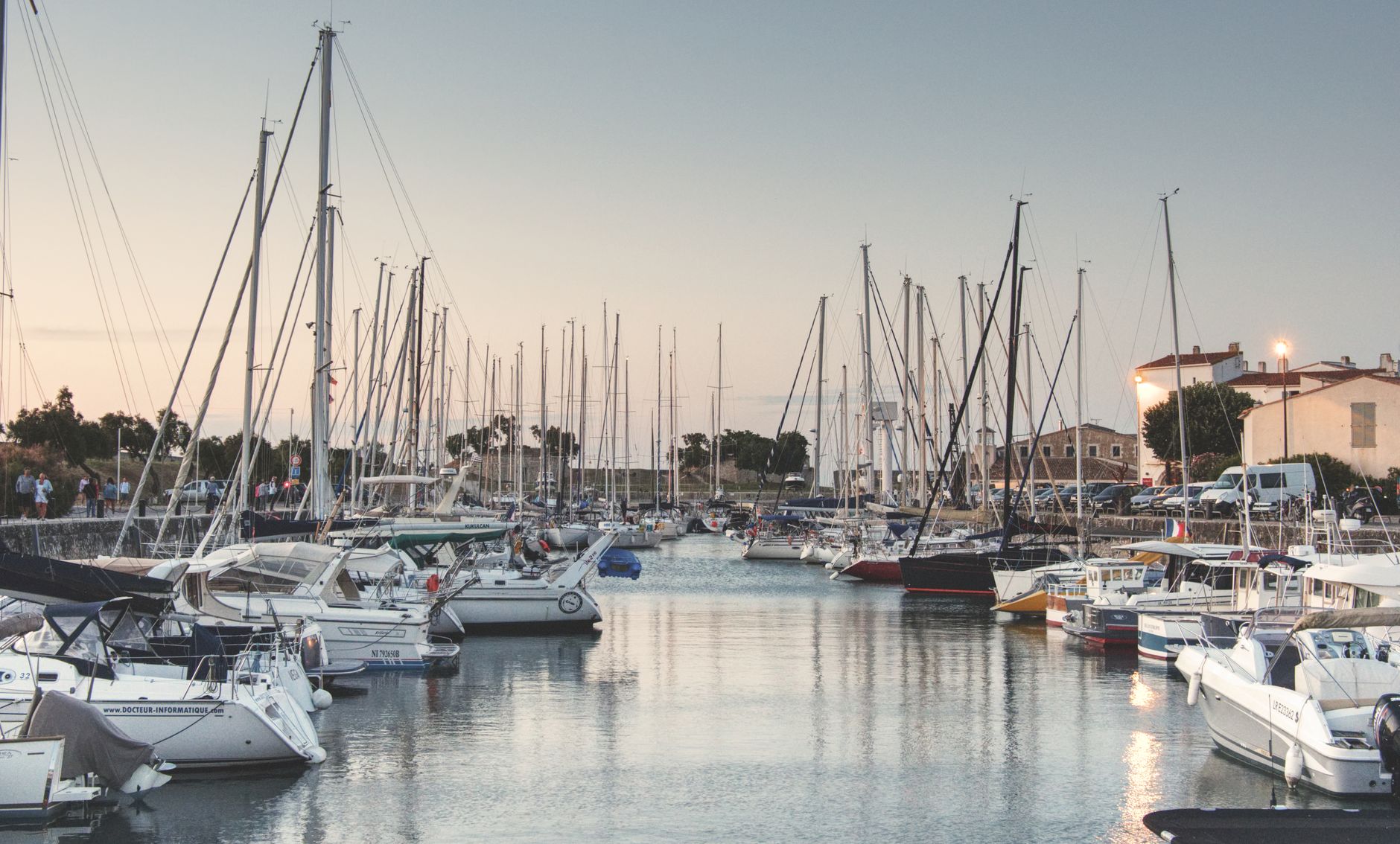
As the vibrant heart of the island, Saint-Martin-de-Ré captivates visitors with its lively horseshoe harbor filled with bobbing yachts and outdoor cafes. The streets are lined with historic stone townhouses, art galleries, and artisanal ice cream shops famous for local flavors like sea salt caramel. Walking its fortified ramparts offers a profound connection to the island's complex military past.

Ars-en-Ré

Best for: Slow travel, cycling enthusiasts, boutique shopping, and serene architecture photography.

Vibe: Quaint, artistic, whitewashed village marked by its distinctive black-and-white church spire.

Consistently ranked among the most beautiful villages in France, Ars-en-Ré charms travelers with narrow lanes spilling over with towering hollyhocks. Its landmark 15th-century church spire, painted black to serve as a daytime navigational beacon for sailors, dominates the skyline. The village is filled with quiet courtyards, hidden art studios, and tranquil squares.

Le Bois-Plage-en-Ré

Best for: Beach lovers, families, market wanderers, and outdoor camping or villa stays.

Vibe: Seaside resort town flanked by endless pine forests and sweeping golden sand dunes.

Situated in the southern center of the island, Le Bois-Plage-en-Ré is defined by its proximity to some of the finest Atlantic beaches in western France. Backed by fragrant pine forests and protected dunes, it boasts the island's largest and most vibrant daily open-air market, making it a hub for foodies seeking fresh produce, local cheeses, and artisanal crafts.

Food & Drink Scene

What to Eat in Île de Ré

Fines de Claires Oysters

Cultivated in shallow clay basins called 'claires' infused with rich marine minerals, these oysters boast a distinct, delicate flavor profile with a clean, briny finish that reflects the local terroir.

🍴 Top spot: Cabane du Fier in Loix

Pomme de Terre de l'Île de Ré

The first new potatoes of the French spring, harvested early with a uniquely sweet, nutty flavor and a tender skin. Grown in sandy soil enriched with seaweed, they hold protected PDO status.

🍴 Top spot: Le Comptoir du Marché in Saint-Martin-de-Ré

Caramel à la Fleur de Sel

A decadent confection combining rich artisanal butter, cane sugar, and hand-harvested flaky fleur de sel crystals from the local marshes, creating the ultimate sweet-and-salty balance.

🍴 Top spot: La Martinière in Saint-Martin-de-Ré
Excursions

Best Day Trips from Île de Ré

La Rochelle Historic Port & Towers

20-30 minutes by car or bus from Saint-Martin

Cross the toll bridge to explore the magnificent coastal city of La Rochelle. Wander through the medieval arcaded streets, visit the iconic 14th-century harbor defense towers (Tour Saint-Nicolas and Tour de la Chaîne), and explore the world-class La Rochelle Aquarium.

Île d'Aix & Fort Boyard Cruise

1 hour by ferry from nearby coastal ports

Embark on a maritime excursion from La Rochelle or Boyardville to the car-free island of Île d'Aix. Enjoy pristine sandy coves, wooded paths, and historical fortifications, while passing closely by the legendary stone fortress Fort Boyard in the open sea.

When to Go

Best Time to Visit & Seasonality

Editor’s Pick: May to June and September offer the ideal balance of warm sunshine, blooming hollyhocks, and manageable crowds before the heavy European summer influx in July and August.

Spring Overview

(April to May)
Quiet / Low Season
Average Temperature & Climate12°C to 19°C

Mild, breezy, and increasingly sunny with blooming flora.

Crowd & Travel ConditionsLow Tourist Traffic

Fewer lines and better deals.

✨ Seasonal Highlights:Hollyhocks in full bloom, empty cycling paths, and the awakening of seasonal outdoor markets.
Travel Smarter

Practical Travel Essentials

CurrencyEUR (€)
LanguageFrench
Time ZoneCentral European Time (UTC+1, UTC+2 in summer)

Visa & Entry

France is part of the Schengen Area. Travelers from the US, Canada, UK, and Australia do not need a visa for short-term tourist stays up to 90 days.

Getting Around & Transit

Bicycles are the primary and most enjoyable mode of transport, supported by over 100km of safe cycling paths. Cars are permitted, but parking is heavily restricted in summer; a toll bridge fee (€16) applies upon entering the island.

Daily Budget Expectation

€120 – €300+ per day depending on accommodation style, bike rentals, and dining at local seafood restaurants.

Safety & Health

Exceptionally safe with very low rates of violent crime. Petty theft of unattended bicycles can occur, so always use a sturdy lock.

Local Etiquette & Customs

Always greet shopkeepers and locals with a polite 'Bonjour' (or 'Bonsoir') before asking questions or making purchases. Tipping is not required as service is included, but leaving small change for exceptional service is appreciated.

Questions & Answers

Frequently Asked Questions about Île de Ré

Yes, a toll bridge connects the mainland from La Rochelle to the island. The fee varies by season, costing around €16 for standard passenger cars during peak summer months and slightly less in the off-season. Pedestrians and cyclists cross for free.