🌟 Best in Travel 2026 is here!
Japan and South Korea
regionAsia
4.98 / 5.0

Japan and South Korea

An extraordinary journey through ancient traditions, hyper-modern neon skylines, and legendary culinary landscapes.

Editorial Guide

About Japan and South Korea

Spanning the archipelago of Japan and the dynamic peninsula of South Korea, this twin-destination itinerary offers an exquisite masterclass in contrasts. Here, millennia-old Shinto shrines and solemn Buddhist temples stand in unbroken dialogue with avant-garde architecture, bullet trains, and futuristic digital art museums. The cultural tapestry is woven from deeply distinct threads: Japan's exquisite refinement, tea ceremonies, and silent devotion to nature meet South Korea's vibrant dynamic energy, historic royal palaces, and deeply social, communal food culture.

Geographically, the journey unfurls across volcanic mountain ranges, mist-shrouded valleys, rugged coastlines, and sprawling megacities like Tokyo and Seoul. Both nations share a profound reverence for the changing seasons, celebrated everywhere from cherry-blossom petalled springs to fiery red autumn maples. The atmosphere shifts seamlessly from the meditative stillness of a Kyoto zen garden or a traditional hanok village in Gyeongju to the electric hum of neon-lit nightlife districts and subterranean night markets.

Historically shaped by distinct dynasties, shogunate rules, and remarkable post-war industrial renaissances, both societies have preserved their ancestral souls while accelerating into tomorrow. Traditional craftsmanship—from master sword-smithing and pottery to meticulous paper-making and royal court cuisine—flourishes side-by-side with K-pop subcultures and cutting-edge robotics. Local life moves with astonishing efficiency, underpinned by world-class public transit networks, peerless hospitality known as 'omotenashi' in Japan and 'jeong' in Korea, and an innate respect for communal harmony.

Exploring this region is as much about philosophical immersion as it is about physical travel. It invites visitors to slow down and appreciate the micro-seasons of ingredients in a bowl of hand-pulled udon or spicy tteokbokki, to find tranquility in crowded urban centers by stepping across a temple threshold, and to witness how two nations have masterfully fused their ancient heritages with the pinnacle of contemporary civilization.

Visual Impressions & Moments
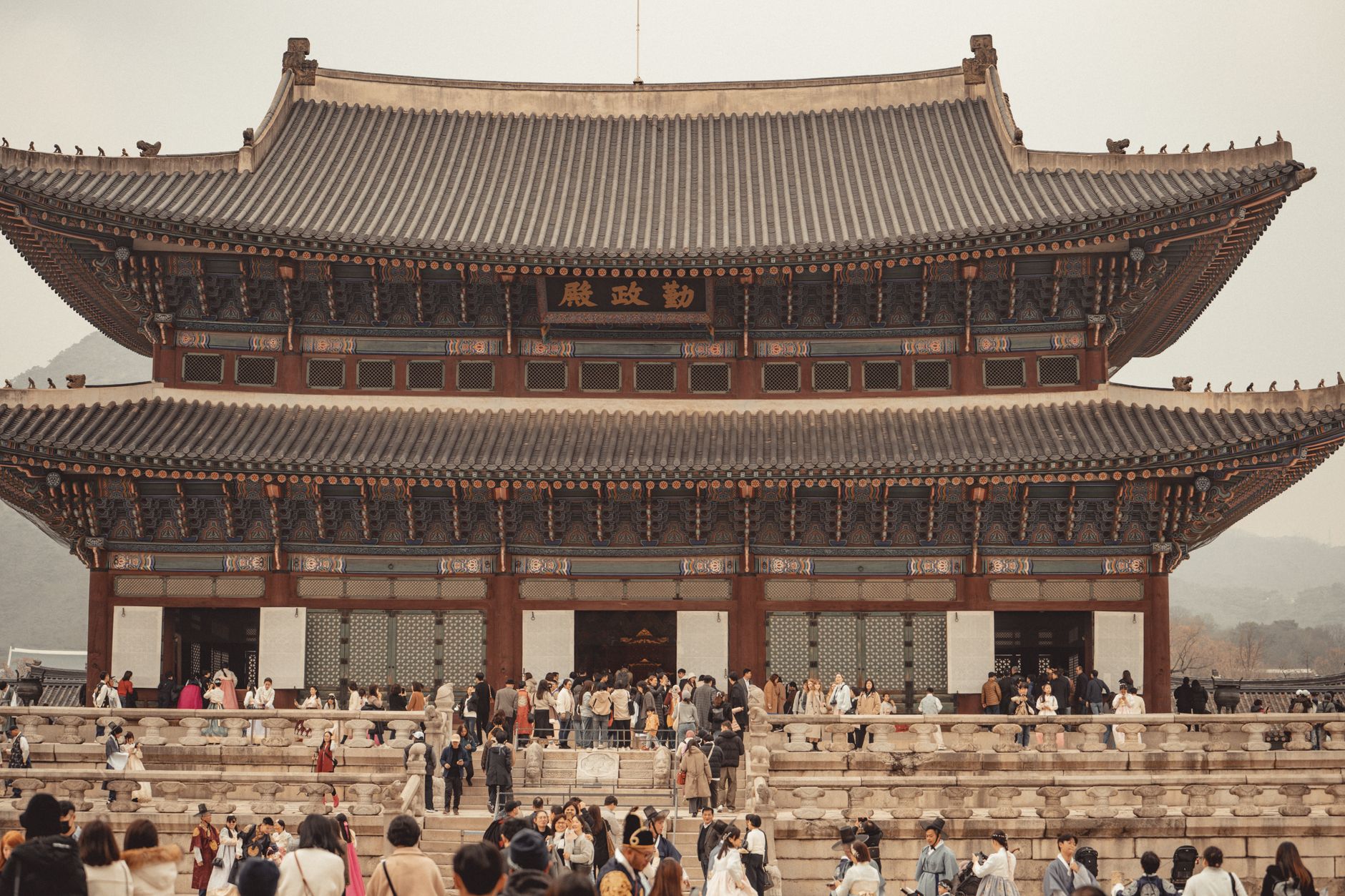
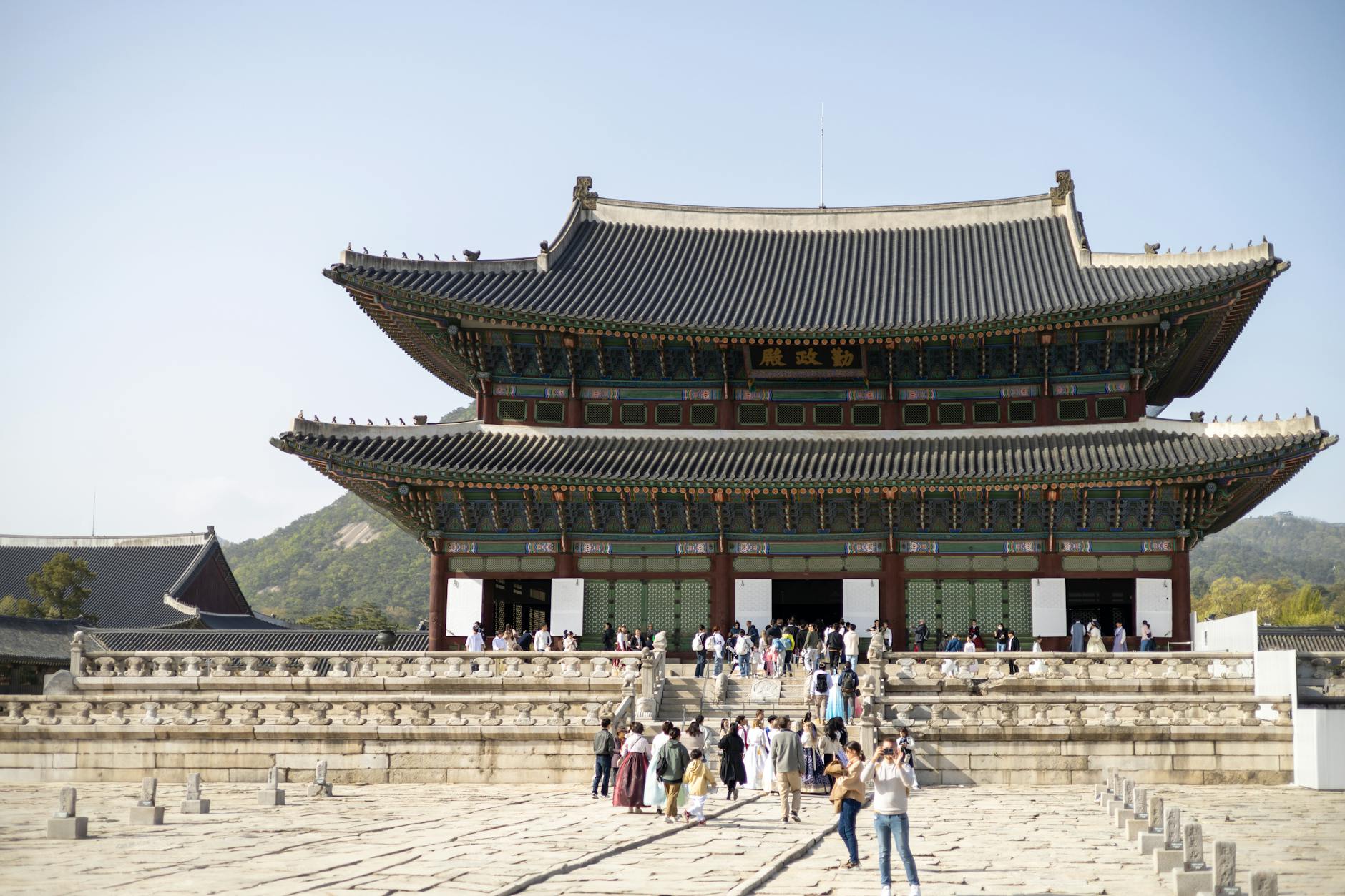
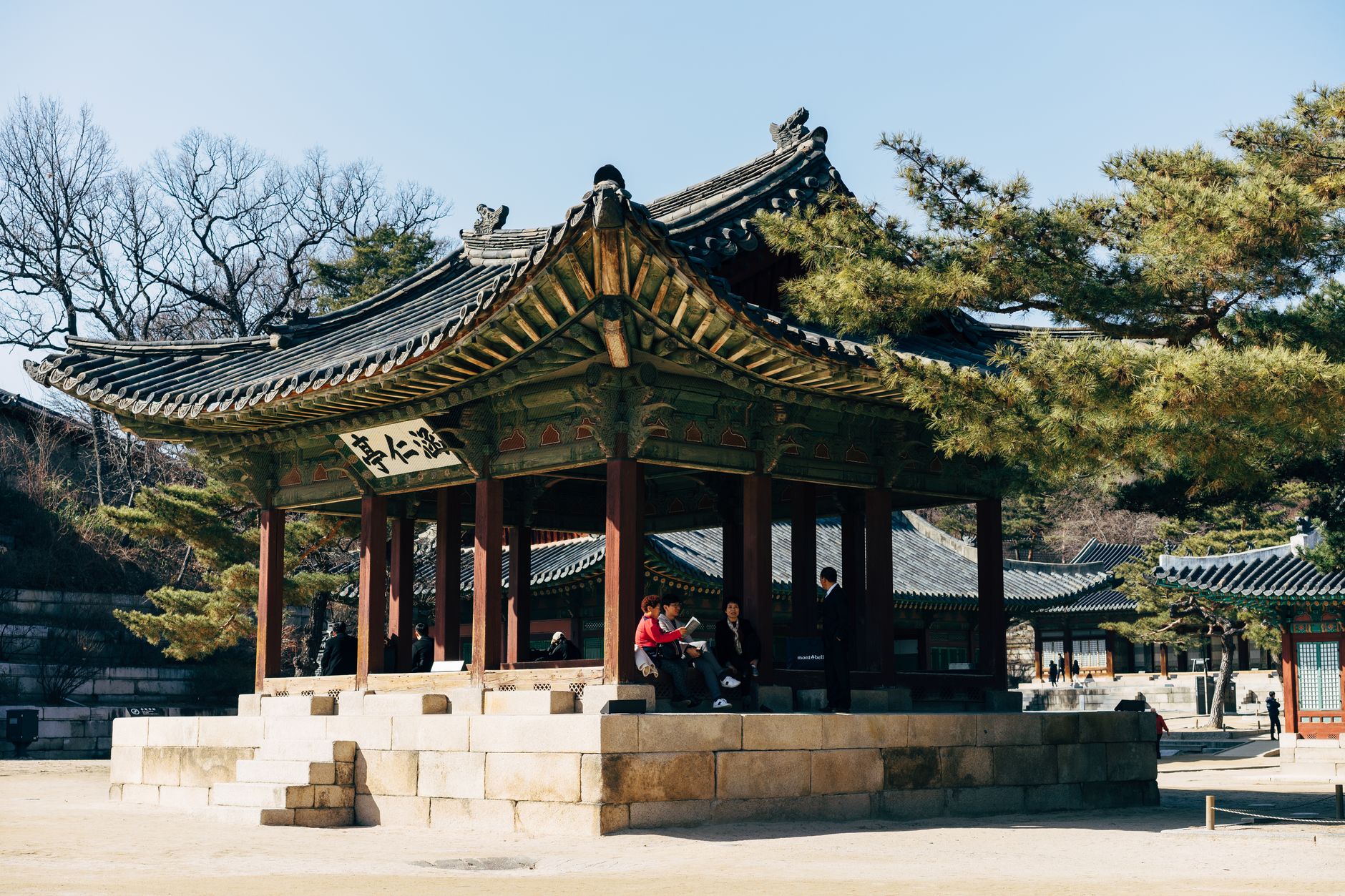
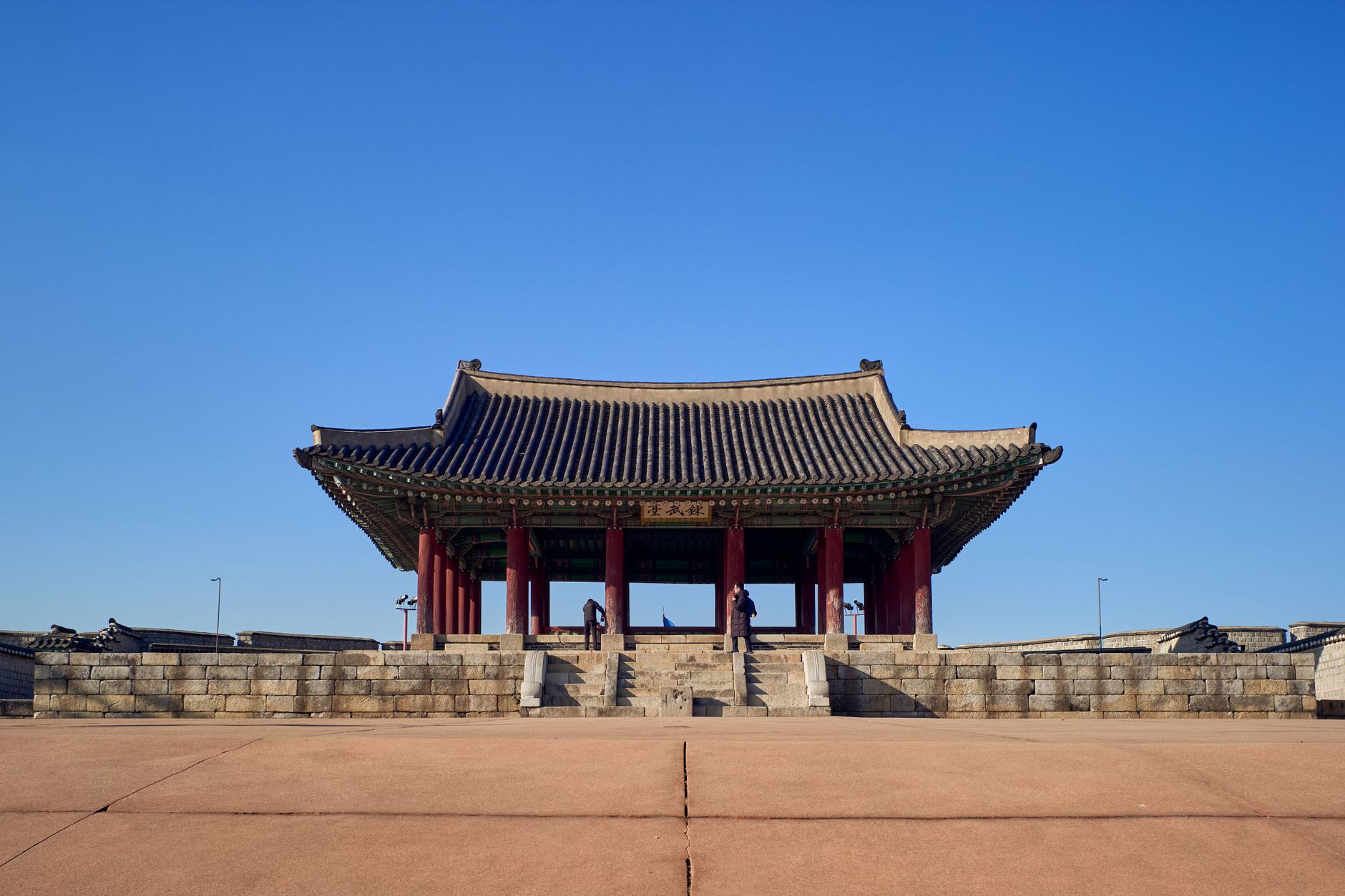
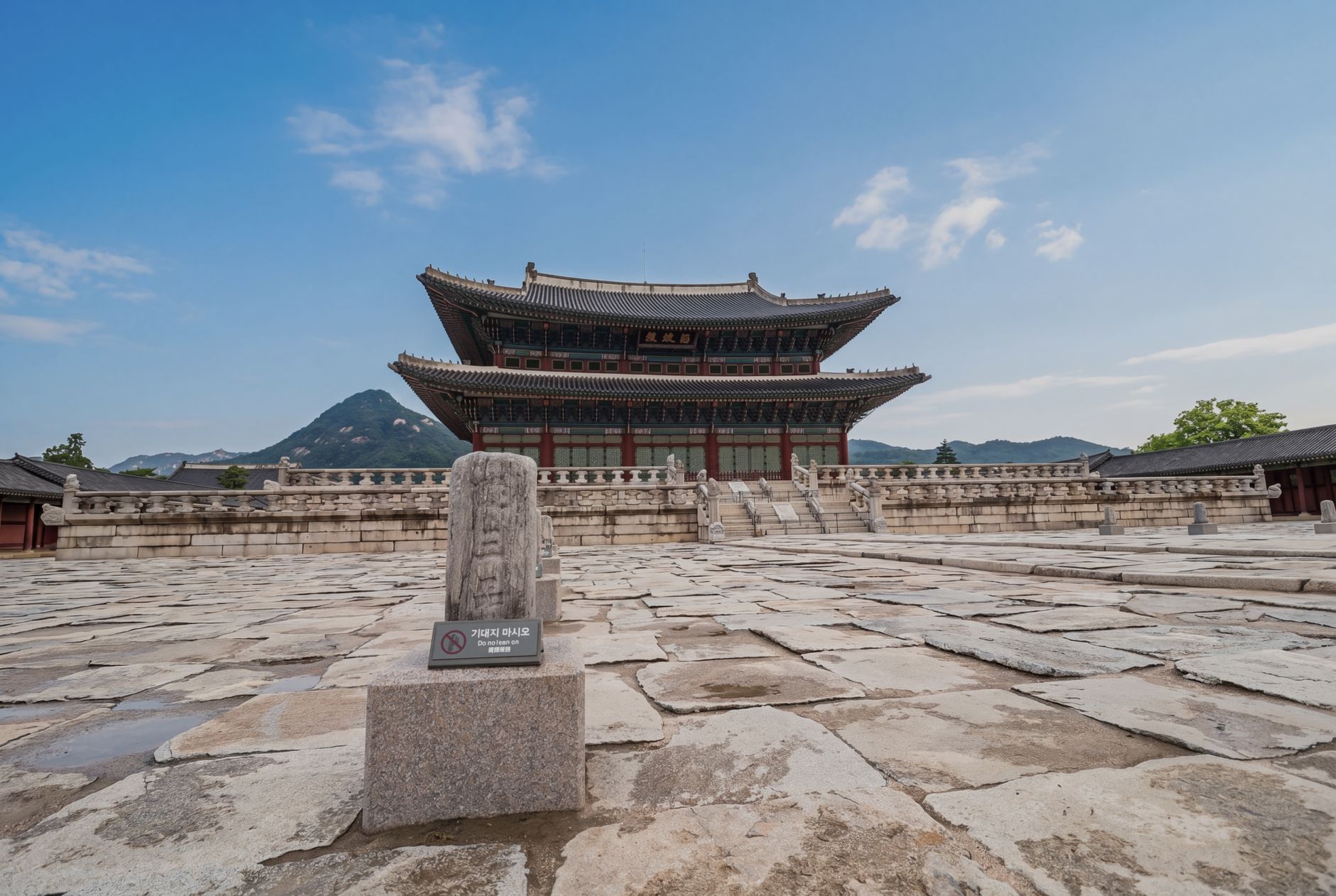
Japan and South Korea photo 1
Japan and South Korea photo 2
Japan and South Korea photo 3
Japan and South Korea photo 4
Japan and South Korea photo 5
Japan and South Korea photo 6
Unmissable Moments

Top Things to Do in Japan and South Korea

Culture

Bathe in an Authentic Volcanic Onsen and Stay in a Ryokan

Immerse yourself in mineral-rich natural hot spring waters while surrounded by snow-capped peaks or tranquil bamboo forests. Follow the soak with a multi-course kaiseki dinner served in your room by attendants in traditional kimonos, sleeping on plush futons over tatami mats.

Culinary

Feast on Street Food at Seoul’s Gwangjang Market

Navigate the bustling alleys of South Korea's oldest continuously running market, sampling freshly made mung bean pancakes (bindaetteok), addictive drug kimbap, and spicy hand-cut knife noodles served by legendary vendors whose culinary craft spans generations.

Must-Do

Hike Through Thousands of Vermilion Torii Gates at Fushimi Inari

Ascend the sacred mountain of Kyoto through a hypnotic, winding tunnel of more than 10,000 bright red shrine gates. Go at dawn before the crowds arrive to experience the mystical silence broken only by the rustling of bamboo and the calls of native birds.

Adventure

Explore the Futuristic Neon Landscapes of Shinjuku and Hongdae

Witness the kinetic energy of East Asia's urban nightlife. Wander through Tokyo's narrow memory lanes of Omoide Yokocho grilled yakitori stalls and Seoul's youthful indie-art district of Hongdae, pulsating with buskers, fashion boutiques, and late-night barbecue spots.

Area Guide

Where to Stay & Best Neighborhoods

Gion & Higashiyama (Kyoto)

Best for: History enthusiasts, geisha culture immersion, and luxury traditional ryokan stays.

Vibe: Preserved wooden machiya merchant houses, cobblestone lanes, and lanterns.

Walking through Higashiyama feels like stepping backward into the Edo period. Preserved wooden storefronts house artisanal potteries, sweet-matcha tea shops, and incense makers, while geiko and maiko hurry gracefully between discreetly marked ochaya tea houses.

Bukchon Hanok Village (Seoul)

Best for: Architecture lovers, photography, and traditional tea house experiences.

Vibe: Hilly alleys lined with hundreds of traditional Korean courtyard homes.

Tucked away between royal palaces, Bukchon preserves authentic joseon-era residential architecture with sweeping tiled roofs and warm timber frames, offering panoramic skyline views where ancient history meets modern skyscrapers.

Shibuya & Harajuku (Tokyo)

Best for: Shopping, contemporary art, street fashion, and neon photography.

Vibe: Hyper-modern fashion epicenters, legendary scramble crossings, and youth subculture.

The beating heart of Tokyo's trendsetting youth culture. From the chaotic ballet of the Shibuya Scramble crossing to the bohemian boutiques of Cat Street and the eccentric cosplay fashion of Takeshita Street, this district never stops reinventing itself.

Food & Drink Scene

What to Eat in Japan and South Korea

Kaiseki Ryori & Hanwoo BBQ

A magnificent contrast between Japanese meticulous artistic multi-course seasonal dining and Korean ultra-marbled, charcoal-grilled premium Hanwoo beef cooked tableside.

🍴 Top spot: Gion Sasaki (Kyoto) & Maple Tree House (Seoul)

Authentic Edomae Sushi

Immaculately aged and vinegared rice topped with pristine catches of the day, carefully hand-pressed by master chefs in intimate, counter-only dining rooms.

🍴 Top spot: Sukiyabashi Jiro or local Tsukiji outer market stalls (Tokyo)

Jeonju Bibimbap & Street Tteokbokki

A harmonious bowl of warm rice crowned with seasoned sautéed vegetables, raw or cooked beef, a fried egg, and fiery gochujang chili paste, paired with spicy rice cakes.

🍴 Top spot: Gogung (Jeonju) & Gwangjang Market (Seoul)
Excursions

Best Day Trips from Japan and South Korea

Nara Ancient Temples and Sacred Free-Roaming Deer

45 minutes by Kintetsu Railway from Kyoto

Home to Todai-ji Temple, housing one of the world's largest bronze Buddhas inside a colossal wooden hall, surrounded by hundreds of bowing deer considered divine messengers.

The Demilitarized Zone (DMZ) & Joint Security Area

1 hour by tour coach from central Seoul

A sobering, highly educational journey to the heavily fortified border separating North and South Korea, exploring underground infiltration tunnels and peering into the North.

When to Go

Best Time to Visit & Seasonality

Editor’s Pick: Spring (March to May) for cherry blossoms and mild weather, or Autumn (September to November) for spectacular foliage and comfortable touring temperatures.

Spring Overview

(March - May)
Peak Crowds
Average Temperature & Climate10°C to 20°C (50°F to 68°F)

Mild, sunny, and clear with gentle breezes across both nations.

Crowd & Travel ConditionsPeak Tourist Traffic

Book hotels 3-6 months ahead.

✨ Seasonal Highlights:Sakura (cherry blossoms) blooming, spring festivals, hanami picnics under pink canopies.
Travel Smarter

Practical Travel Essentials

CurrencyJPY (¥) & KRW (₩)
LanguageJapanese and Korean
Time ZoneJST (UTC+9) & KST (UTC+9)

Visa & Entry

Many nationalities enjoy visa-free entry for tourism up to 90 days in both Japan and South Korea, though completing online pre-travel authorizations (like K-ETA for Korea or Visit Japan Web) is highly recommended.

Getting Around & Transit

Both nations feature world-class public transportation. Use IC cards (Suica/Pasmo in Japan, T-Money in Korea) for seamless subway and bus transit, and high-speed Shinkansen or KTX trains between cities.

Daily Budget Expectation

$120 - $250 USD per person daily for comfortable mid-range travel including boutique accommodations, dining, and transit.

Safety & Health

Extremely high. Both Japan and South Korea are among the safest countries in the world for solo travelers, families, and night exploration.

Local Etiquette & Customs

Remove shoes when entering homes, temples, and traditional ryokans/hanoks. Bow slightly when greeting, do not tip in restaurants, and avoid talking loudly on public transit.

Questions & Answers

Frequently Asked Questions about Japan and South Korea

Yes, absolutely. Frequent, short 2-hour flights connect major hubs like Tokyo/Osaka and Seoul, making a dual-country itinerary seamless and popular.