🌟 Best in Travel 2026 is here!
Kalahari Desert
regionAfrica
4.90 / 5.0

Kalahari Desert

An ocean of ancient terracotta sand, star-strewn skies, and resilient desert life.

Advertisement
Editorial Guide

About Kalahari Desert

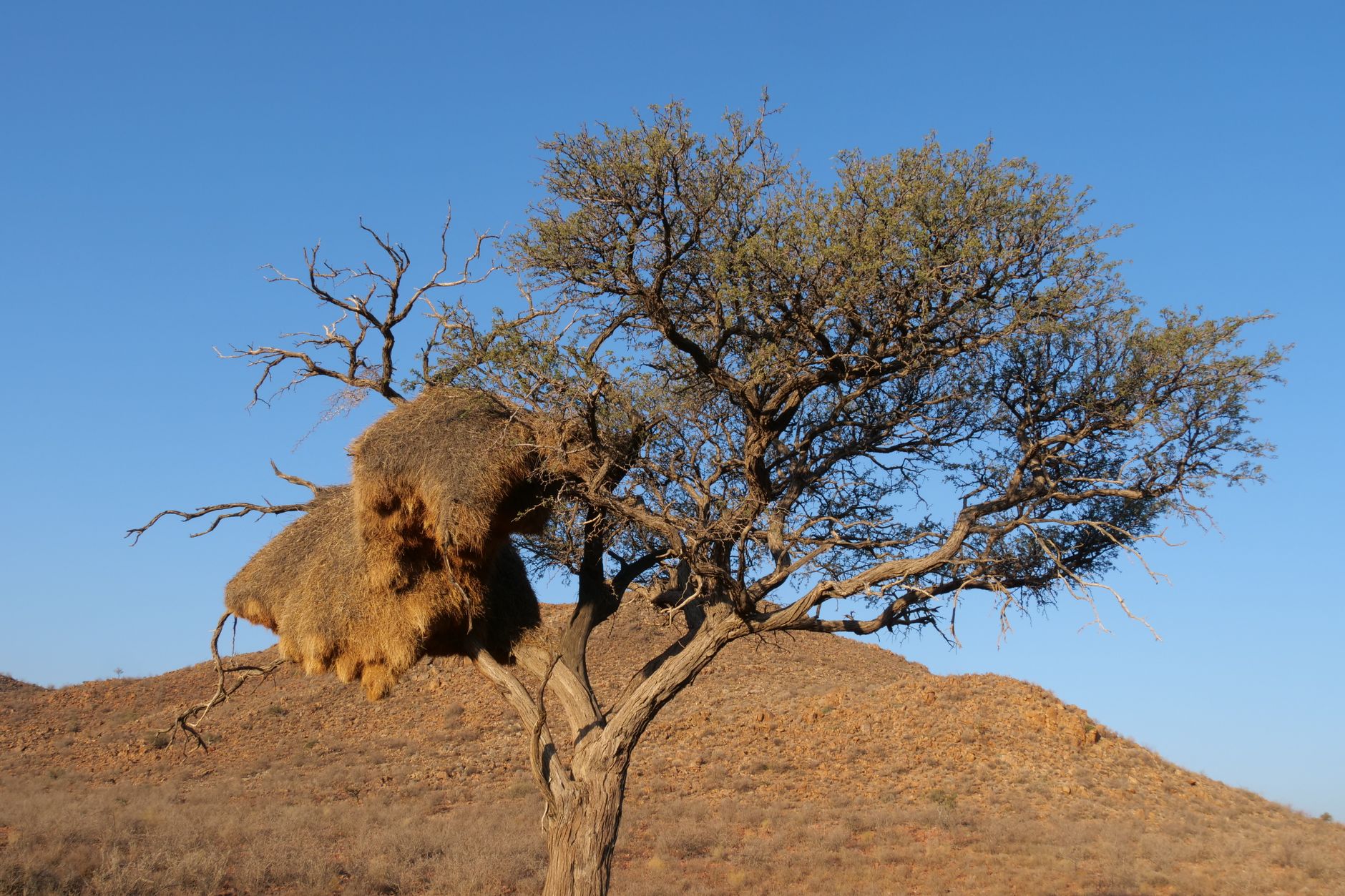
Stretching across 900,000 square kilometers of Southern Africa, the Kalahari is not a traditional desert of barren dunes, but a vast, semi-arid sandy savanna. Its iconic brick-red sands, sculpted by prehistoric winds, are anchored by hardy grasses, acacia thorn trees, and fossilized riverbeds known as 'nossob' and 'mabuasehube'. Historically home to the San people—the region's ancient hunter-gatherers whose intimate knowledge of the flora and fauna has sustained them for millennia—the Kalahari carries a profound spiritual resonance, whispered through the clicks of ancient languages and recorded in rock art sites hidden among ancient granite koppies.

Atmospherically, the Kalahari offers a profound, deafening silence. Visitors are enveloped by endless horizons where the earth meets an impossibly vast canopy of blue by day and a dazzling, unpolluted Milky Way by night. The climate is extreme, swinging from blistering summer heat to freezing winter desert nights, shaping a unique ecosystem where life has devised ingenious mechanisms to survive. From subterranean water-storing tubers to the famously charismatic meerkats, every living organism here participates in a delicate, ancient dance of endurance.

Geographically encompassing parts of Botswana, Namibia, and South Africa, the landscape varies dramatically from the sweeping red dunes of the south to the fossil valley networks of the Central Kalahari Game Reserve. Unlike the hyper-arid Namib Desert to the west, the Kalahari receives enough seasonal rainfall to support a surprising abundance of wildlife, transforming after summer thunderstorms into a surprisingly lush pastureland that draws migrating herds and predatory masters alike.

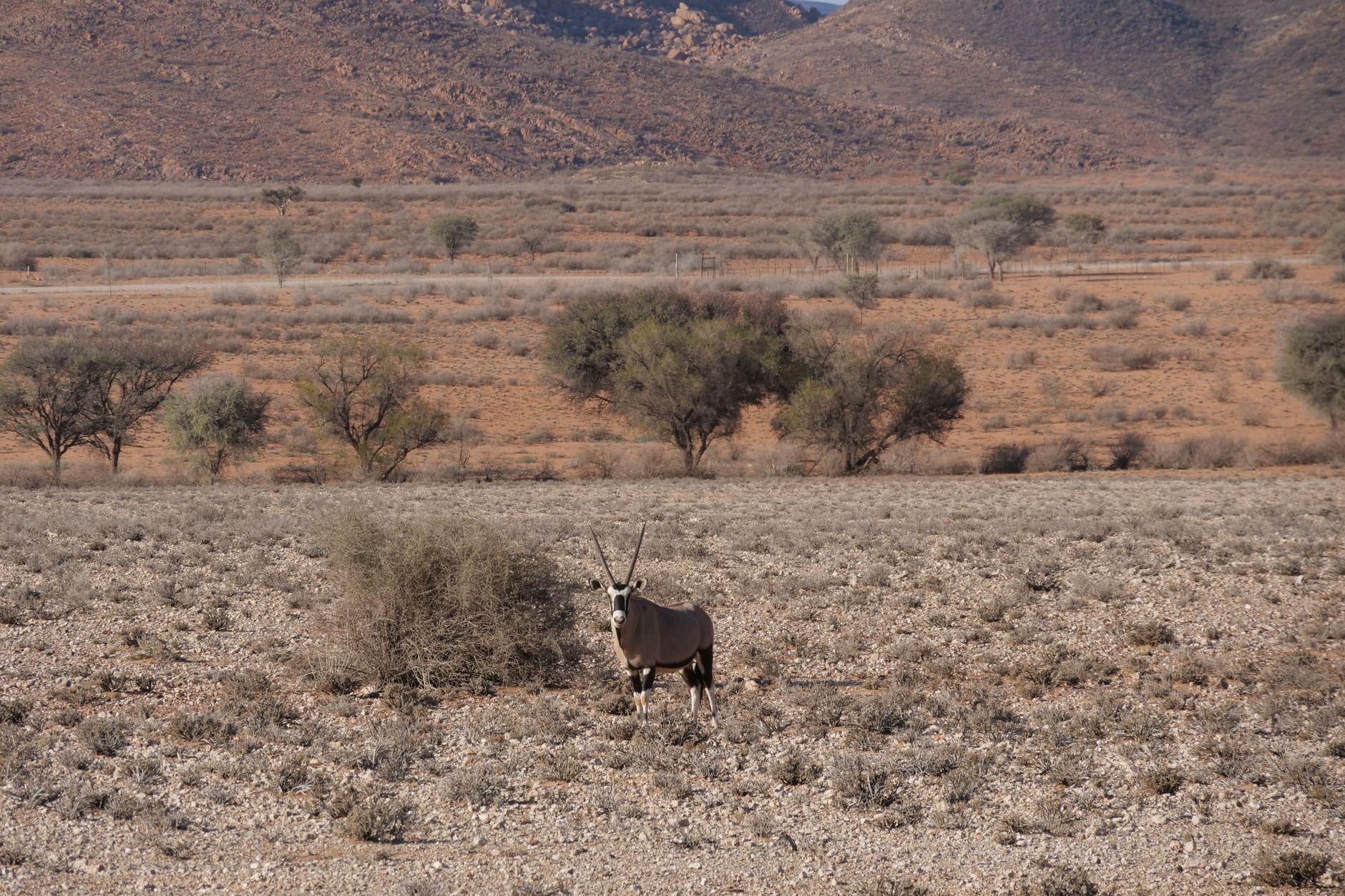
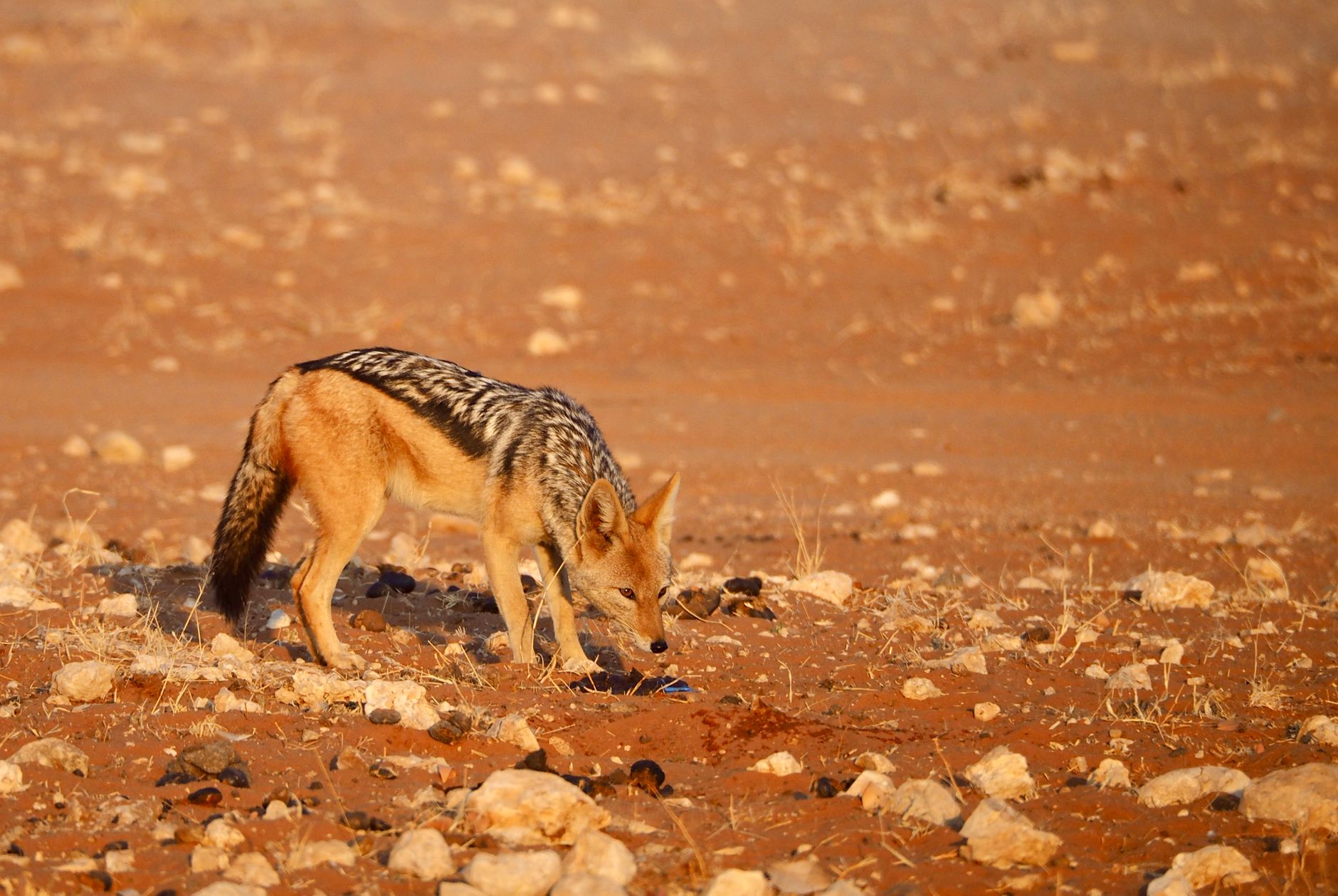
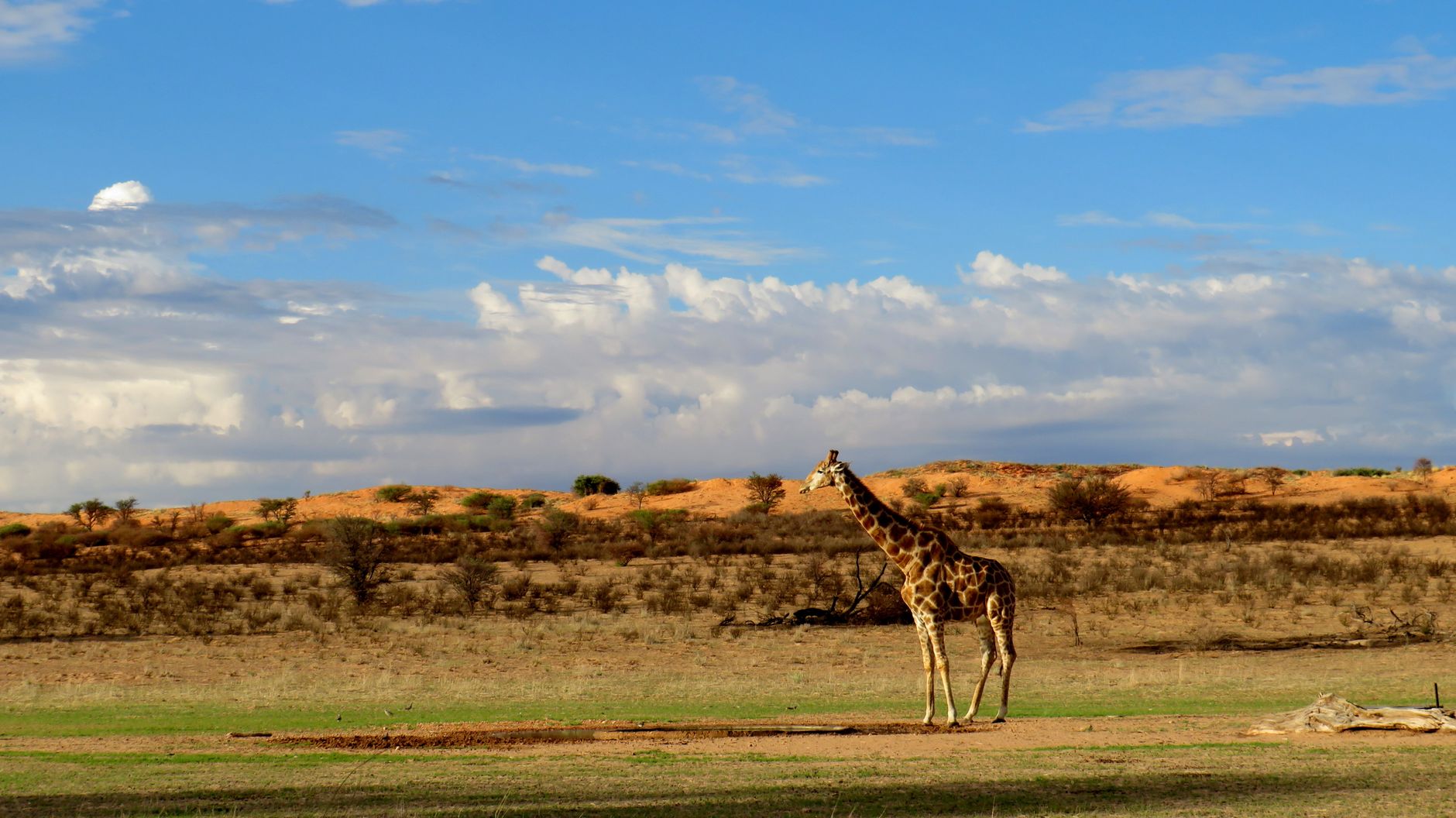
Local life revolves around the rhythms of the seasons and the conservation of this fragile wilderness. Modern travelers find themselves sharing space with majestic black-maned lions, cheetahs, gemsbok, and herds of springbok. Engaging with the landscape means stepping back in time, relinquishing the frantic pace of the modern world, and surrendering to the timeless, earthy pulse of one of Earth's most breathtaking and untouched frontiers.

Visual Impressions & Moments
Kalahari Desert photo 1
Kalahari Desert photo 2
Kalahari Desert photo 3
Kalahari Desert photo 4
Kalahari Desert photo 5
Kalahari Desert photo 6
Unmissable Moments

Top Things to Do in Kalahari Desert

Culture

Walk the Ancient Dunes with San Bushmen Trackers

Immerse yourself in traditional Kalahari culture by joining San elders on a heritage walk. Learn how to track elusive game, locate underground water sources using endemic flora, and understand the deep spiritual connection the indigenous people hold with the desert.

Must-Do

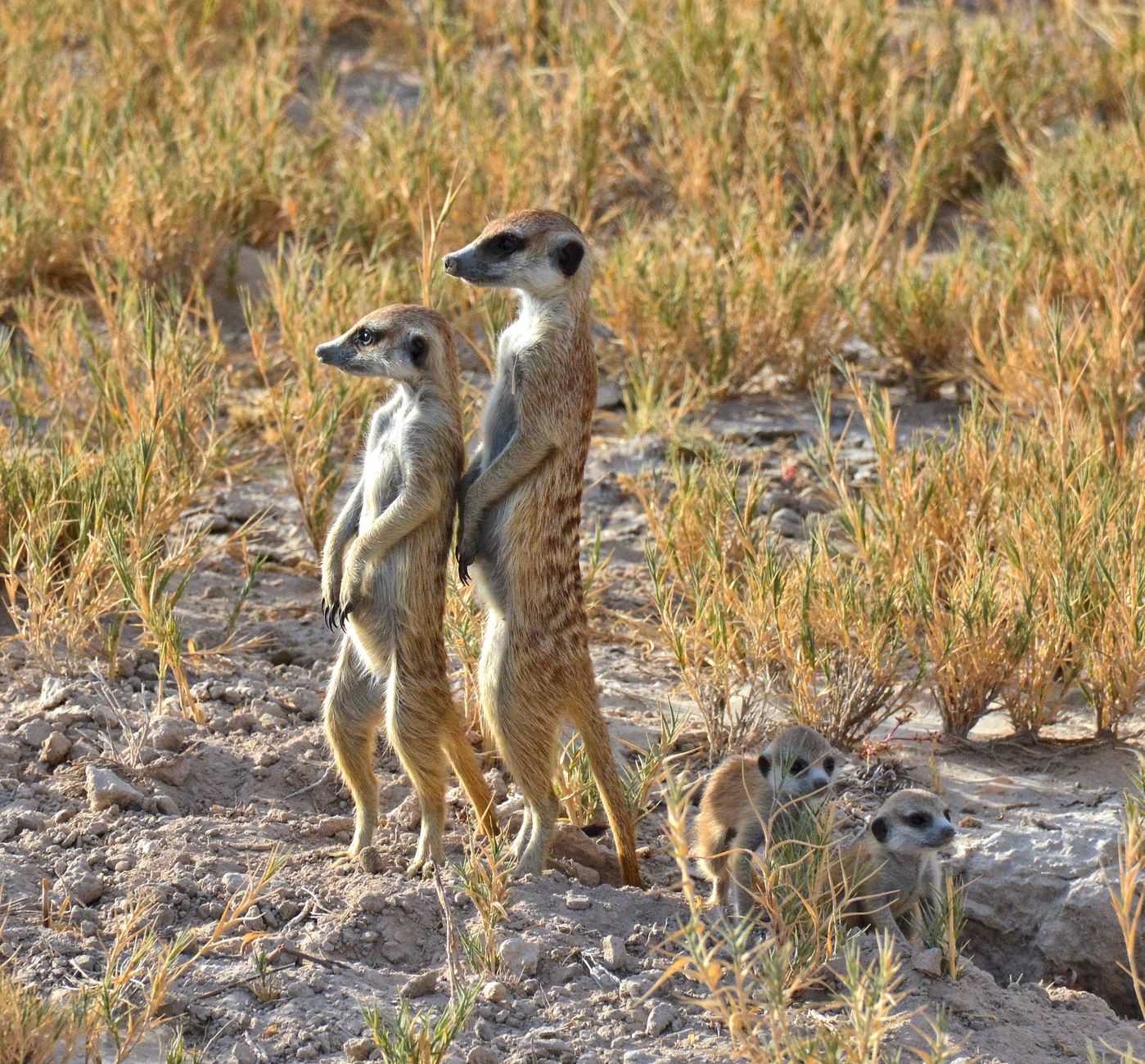
Interact with Wild Habitats Habituation Meerkats

Wake before dawn to accompany researchers and guides visiting wild, habituated meerkat families. Watch these charismatic mammals emerge from their underground burrows to warm themselves in the morning sun before foraging across the salt pans.

Scenic

Stargaze Under One of Earth's Darkest Skies

Far from any urban light pollution, the Kalahari provides an astronomical wonderland. Recline on camp mattresses under a canopy of southern constellations, guided by expert astronomers pointing out the Milky Way, Magellanic Clouds, and ancient folklore stars.

Adventure

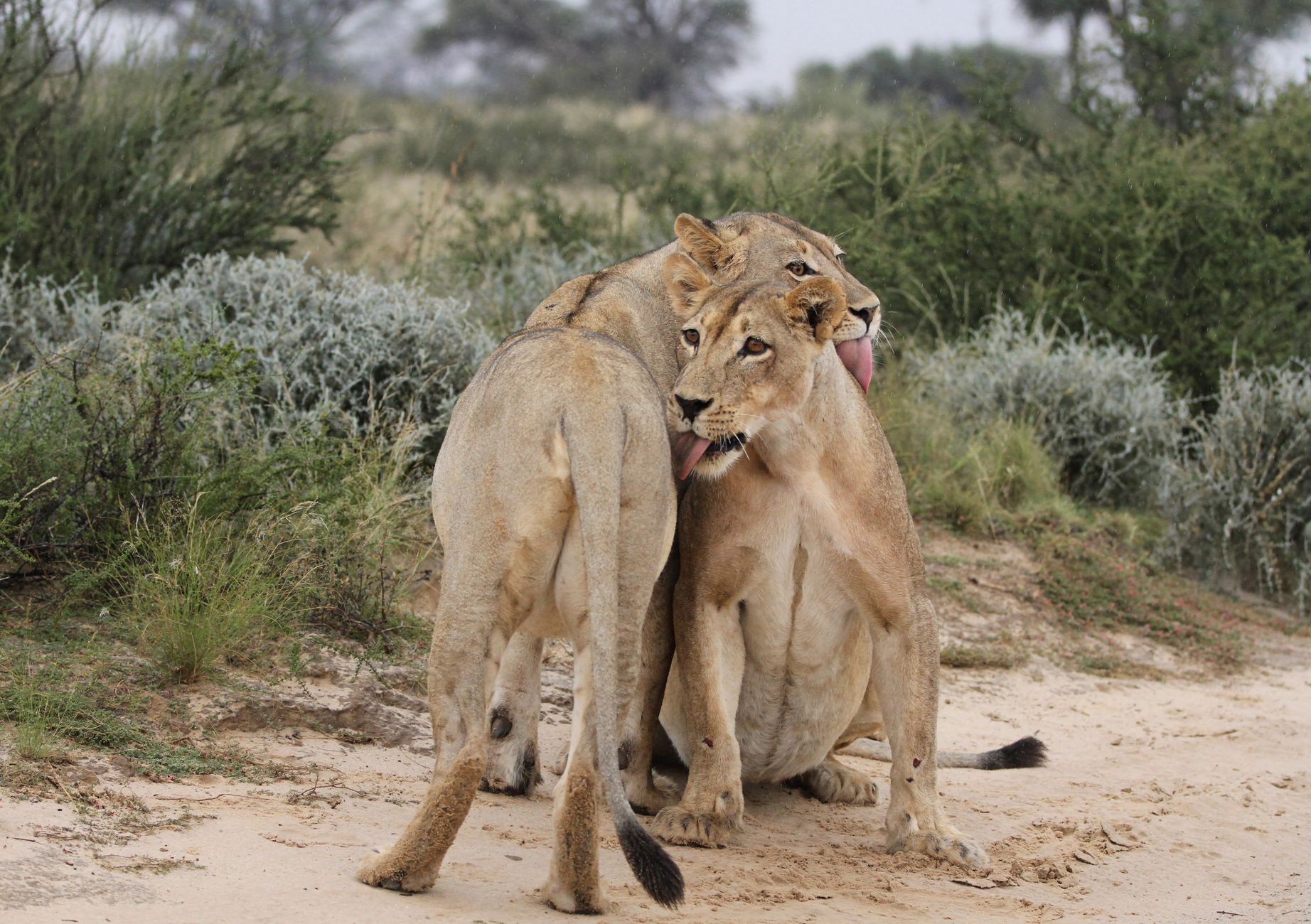
Track the Legendary Kalahari Black-Maned Lions

Embark on an open-vehicle 4x4 safari across the fossil riverbeds of the Central Kalahari to spot the magnificent black-maned lions, uniquely adapted to survive the harsh desert conditions and hunt across vast distances.

Area Guide

Where to Stay & Best Neighborhoods

Central Kalahari Game Reserve (CKGR)

Best for: Hardcore safari enthusiasts, self-drive adventurers, and complete solitude.

Vibe: Remote, vast, untamed wilderness with fossilized river valleys and open grassland plains.

Spanning over 52,000 square kilometers, the CKGR is the second-largest wildlife reserve in the world. Driving through Deception Valley or Passarge Valley feels like entering a primordial realm where wildlife roams completely unfettered by fences.

Southern Kalahari (Kgalagadi Transfrontier Park)

Best for: Photographers, lion and cheetah tracking, and cross-border desert expeditions.

Vibe: Dramatic red dunes, sparse camel thorn trees, and dramatic predator sightings along river beds.

Straddling the border between South Africa and Botswana, the Kgalagadi is celebrated for its striking red sand dunes contrasting against blue skies. The dry riverbeds of the Nossob and Auob act as highways for desert predators.

Makgadikgadi & Nxai Pan Fringe

Best for: Landscape photography, quad-biking adventures, and surreal wilderness experiences.

Vibe: Otherworldly white salt pans, ancient baobabs, and seasonal zebra migrations.

Located on the northern fringes of the Kalahari basin, these massive salt pans create a blinding white desert horizon that transforms into a wetland sanctuary during the summer rains, drawing thousands of flamingos and zebras.

Food & Drink Scene

What to Eat in Kalahari Desert

Kalahari Truffles (Nara Melons / !Nara)

Wild desert fungi found underground after the first rains, prized by local foragers for their earthy, nutty aroma and unique textural profile.

🍴 Top spot: Prepared by camp chefs across high-end mobile safari camps in Botswana.

Potjiekos (Traditional Cast-Iron Stew)

A slow-cooked stew of game meat (such as gemsbok or kudu), root vegetables, and aromatic spices cooked over glowing acacia coals in a three-legged iron pot.

🍴 Top spot: Remote desert lodges and traditional farmhouse stoeps in the southern Kalahari.

Biltong & Droëwors

Cured and spiced game meats seasoned with coriander, salt, and vinegar, air-dried to perfection as the ultimate high-protein desert expedition snack.

🍴 Top spot: Local butcheries and safari outfitters across Namibia and South Africa.
Excursions

Best Day Trips from Kalahari Desert

Tsodilo Hills Sacred Rock Art Excursion

Full day 4x4 excursion from northern Kalahari lodges

Explore the 'Louvre of the Desert,' a UNESCO World Heritage site featuring over 4,500 ancient rock paintings created by San ancestors across four massive quartzitic rock outcrops rising dramatically from the sand.

Khama Rhino Sanctuary

2 to 3 hours from Serowe gateway

Visit a community-based wildlife project dedicated to saving white and black rhinos, offering guided game drives around a large, picturesque Kalahari sandveld pan.

When to Go

Best Time to Visit & Seasonality

Editor’s Pick: The dry winter months from May to September offer the most comfortable daytime temperatures and optimal wildlife viewing as animals gather around permanent waterholes. However, the emerald season from November to March brings dramatic thunderstorms, newborn wildlife, and lush scenery.

Spring Overview

(September - November)
Quiet / Low Season
Average Temperature & Climate20°C to 38°C

Rapidly rising temperatures, dry winds, and the build-up to the first seasonal rains.

Crowd & Travel ConditionsLow Tourist Traffic

Fewer lines and better deals.

✨ Seasonal Highlights:Blooming desert flora, dramatic cloud formations, and the beginning of the predator birthing season.
Travel Smarter

Practical Travel Essentials

CurrencyBotswana Pula (BWP), Namibian Dollar (NAD), South African Rand (ZAR)
LanguageEnglish, Setswana, Khoisan languages
Time ZoneGMT+2

Visa & Entry

Visa requirements depend on the specific country entered (Botswana, Namibia, or South Africa). Many nationalities receive visa-free entry for tourism up to 90 days, but passports must have at least 6 months validity and blank pages.

Getting Around & Transit

A robust 4x4 vehicle with high clearance, dual spare tires, a compressor, and recovery gear is essential for self-driving in the Kalahari. Alternatively, fly-in safaris utilizing light aircraft are available for remote luxury lodges.

Daily Budget Expectation

$250 - $800+ USD per person per day for accommodated lodge safaris; self-drive camping budgets range from $80 - $150 USD per day.

Safety & Health

High safety regarding violent crime in remote areas, but extreme wilderness hazards exist. Dehydration, extreme temperatures, vehicle breakdowns, and encounters with dangerous wildlife require thorough preparation and caution.

Local Etiquette & Customs

Always respect indigenous San heritage and ask permission before photographing people. Practice Leave No Trace principles strictly, as the fragile desert ecosystem takes decades to recover from human disruption.

Questions & Answers

Frequently Asked Questions about Kalahari Desert

Technically, the Kalahari is classified as a semi-arid sandy savanna or fossil desert because it receives too much rainfall (250-500mm annually) to be a true hyper-arid desert like the Namib or Sahara.