🌟 Best in Travel 2026 is here!
Kyoto
cityAsia
4.95 / 5.0

Kyoto

The ancient imperial heartland where a thousand temple spires pierce the morning mist.

Editorial Guide

About Kyoto

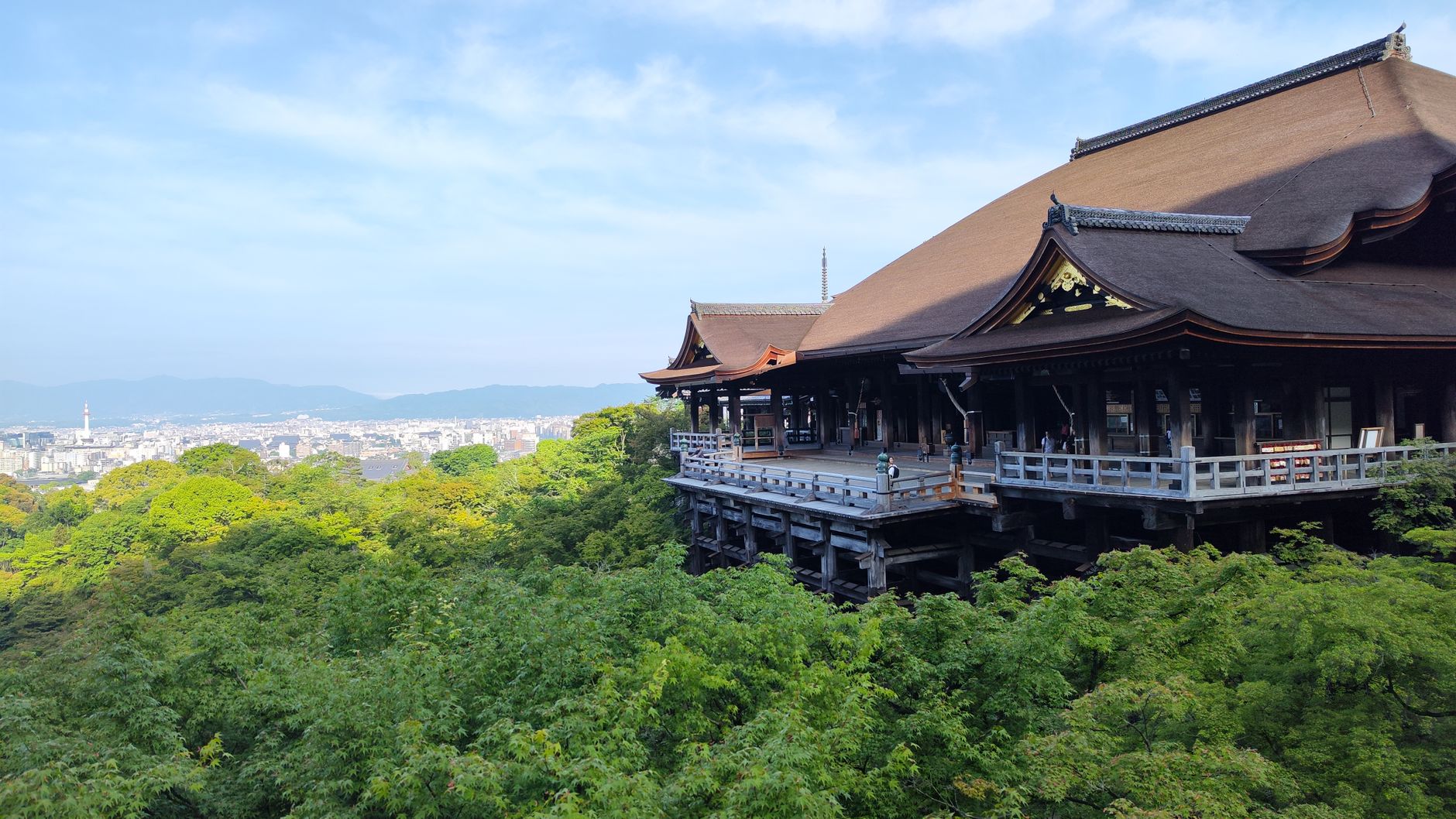
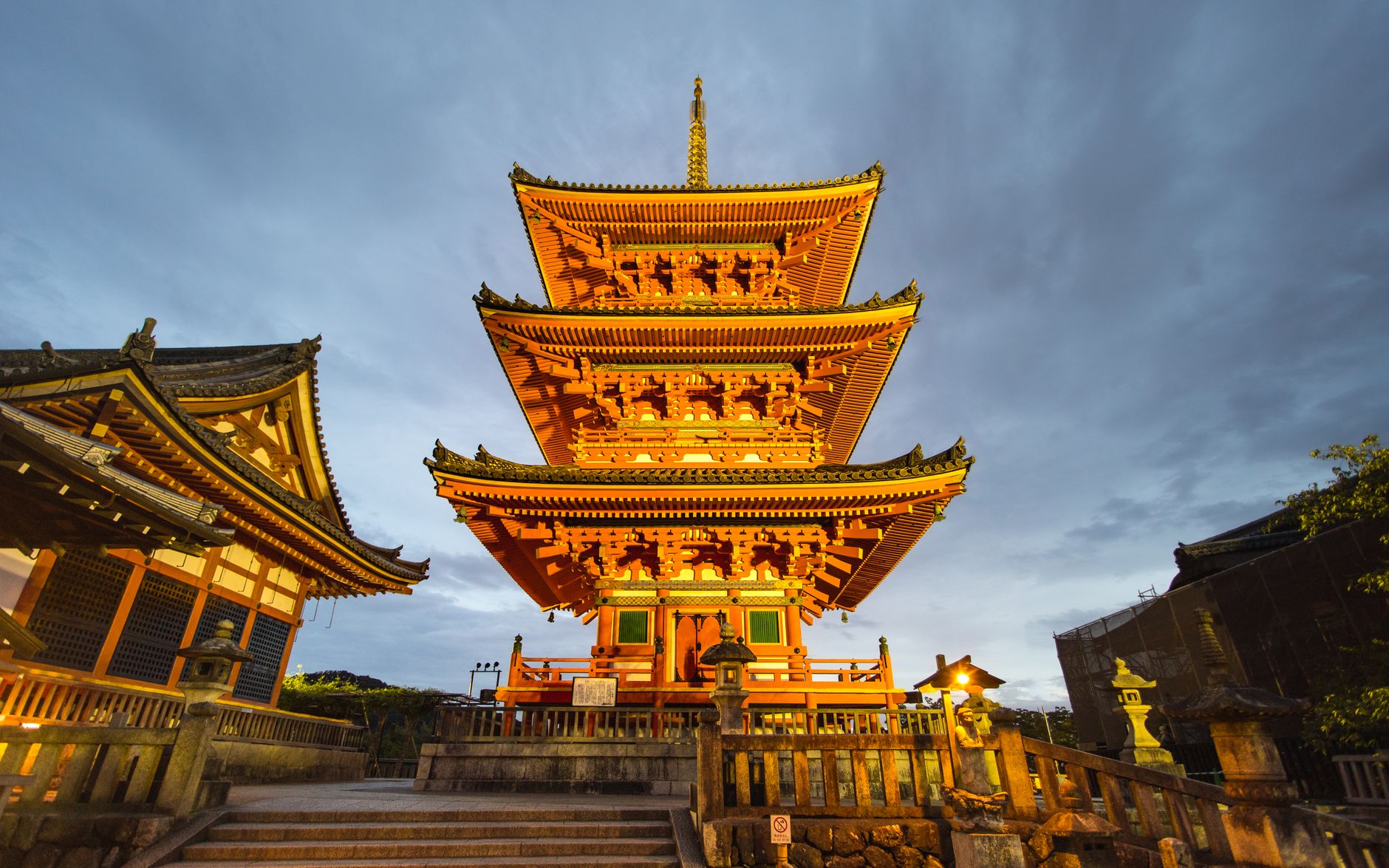
Kyoto, Japan’s ancient imperial capital for over a millennium, stands as the luminous guardian of traditional Japanese culture, architecture, and aesthetics. Ringed on three sides by densely forested, temple-studded mountains, the city's grid layout mirrors ancient Chinese capital designs, though its soul is decidedly singular. Narrow alleyways wind between meticulously preserved wooden machiya townhouses, where the hushed sound of wooden geta sandals clicking on stone paths echoes through twilight districts like Gion. Here, centuries-old temples, meticulously raked Zen rock gardens, and sprawling bamboo groves coexist with a thriving contemporary culinary and artistic underground.

Historically spared from the devastating bombing raids of World War II, Kyoto preserves an architectural density and historical continuity unmatched anywhere else in the archipelago. Its cultural identity is inextricably tied to the philosophy of wabi-sabi—the beauty of things imperfect, impermanent, and incomplete. This worldview permeates everything from the asymmetrical perfection of a bonsai tree to the seasonal nuance of a multi-course kaiseki meal and the quiet melancholy of autumn leaves reflected in temple pond waters.

Geographically nestled in a basin within the Kansai region, Kyoto experiences distinct, vibrant four seasons that profoundly dictate local life, from the explosive pink bloom of spring sakuragi to the fiery crimson canopy of autumn momiji. Despite its global renown as a tourist magnet, daily life in Kyoto retains a peaceful cadence, characterized by neighborhood bakeries, bustling local markets like Nishiki, and quiet canals lined with weeping willows where locals walk their dogs in the morning chill.

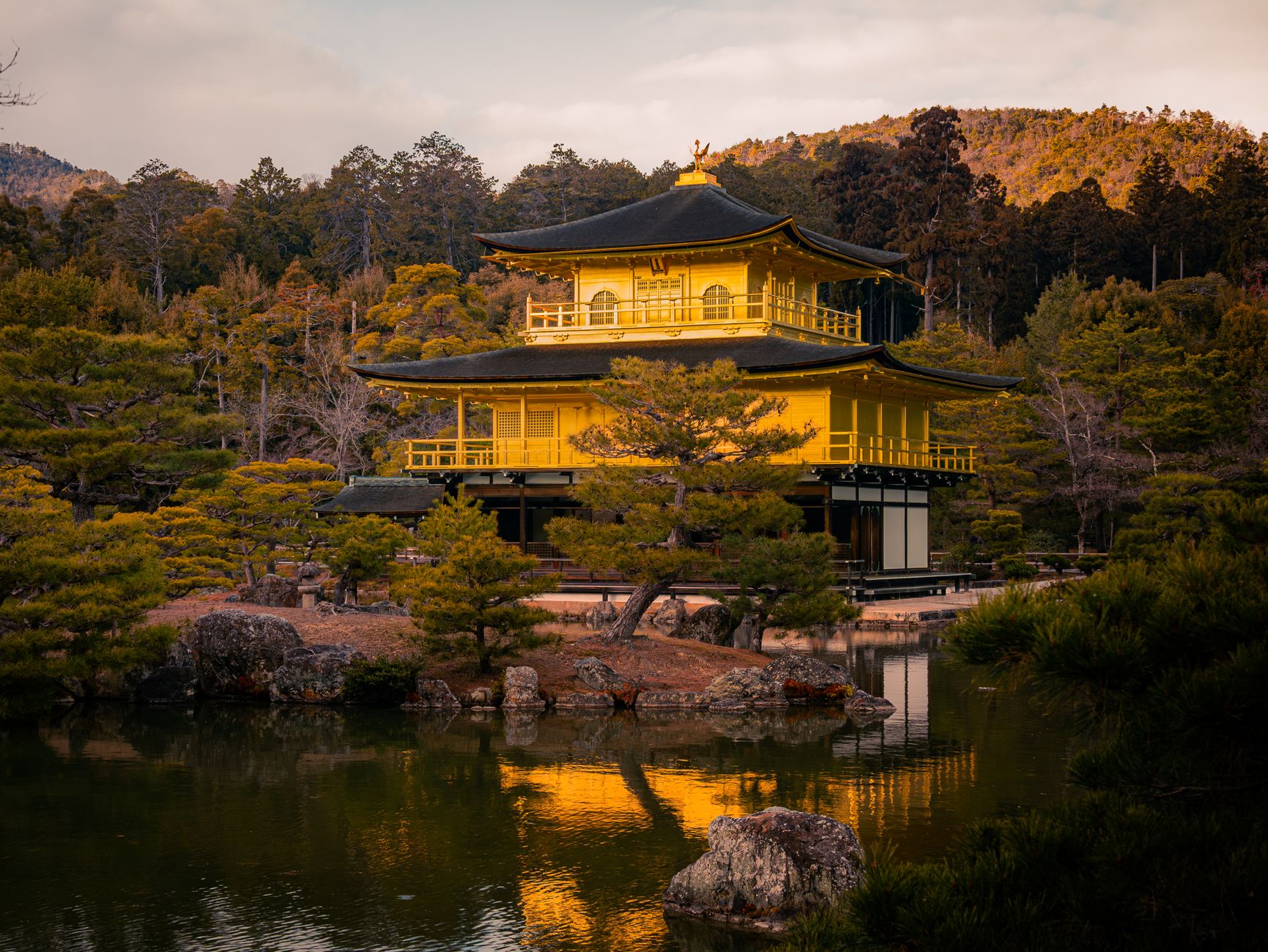
Navigating Kyoto is an exercise in time travel. You can spend your morning marveling at the blinding gold leaf of Kinkaku-ji reflected in an ink-black mirror lake, and your afternoon slipping off your shoes to meditate on tatami mats inside a sub-temple of Daitoku-ji. The city invites slow exploration, rewarding those who wander off the beaten tourist arteries into residential quarters where incense drifts from domestic butsudan altars into the open air.

Ultimately, Kyoto is not merely a destination to be checked off an itinerary; it is an atmosphere, a sensory tapestry woven from the scent of hinoki cypress, the taste of ceremonial matcha, the clatter of silk kimonos, and the eternal, echoing bronze of evening temple bells. It offers a profound counter-narrative to the hyper-modern neon rush of Tokyo, grounding the traveler in a deep reverence for history, nature, and stillness.

Visual Impressions & Moments
Kyoto photo 1
Kyoto photo 2
Kyoto photo 3
Kyoto photo 4
Kyoto photo 5
Kyoto photo 6
Unmissable Moments

Top Things to Do in Kyoto

Must-Do

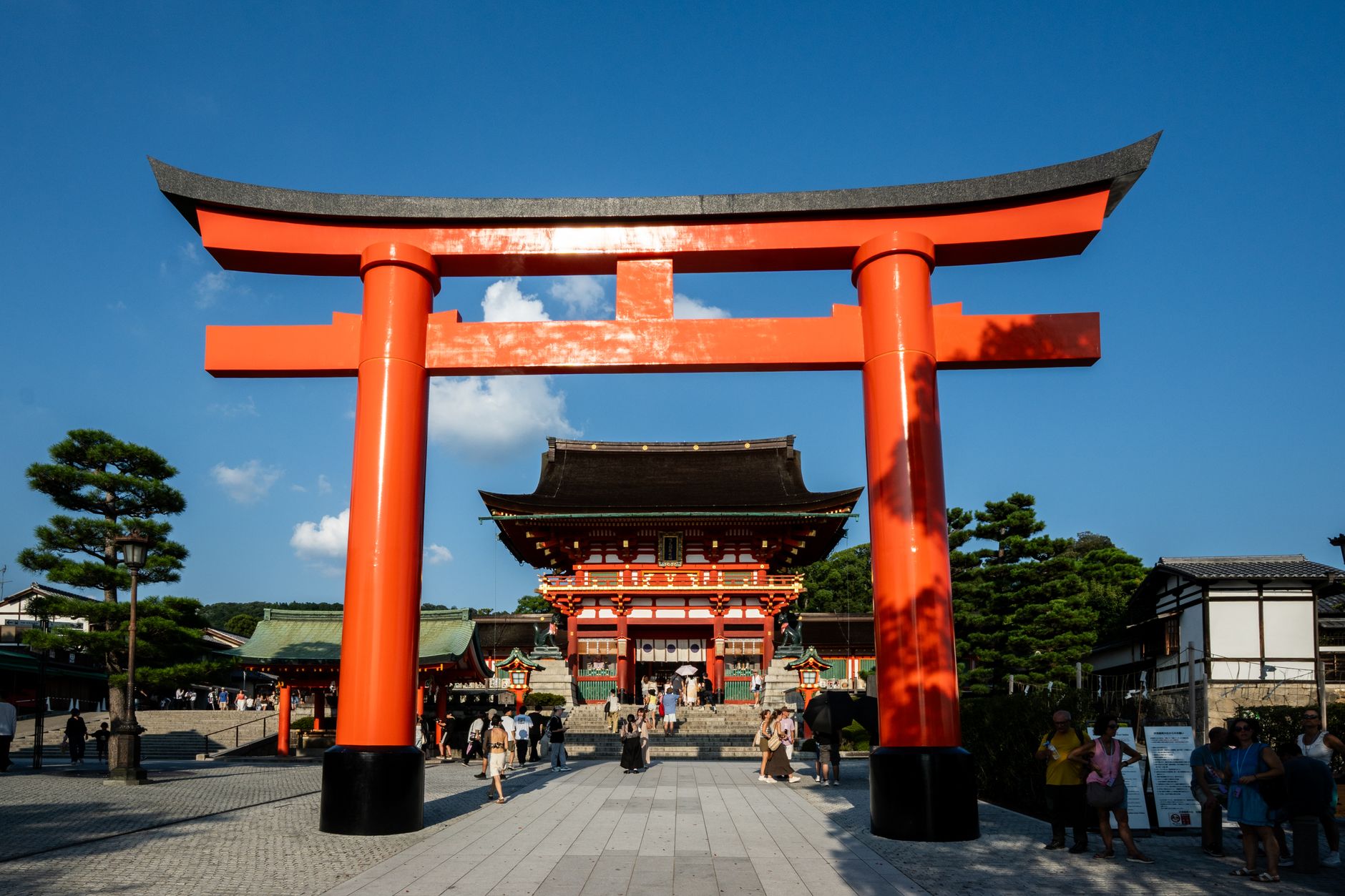
Hike through 10,000 Vermilion Torii Gates at Dawn

Fushimi Inari Taisha is Kyoto's premier spiritual landmark, dedicated to the Shinto god of rice and agriculture. Ascending the sacred Mount Inari through miles of glowing orange tunnels creates an otherworldly, meditative atmosphere. To experience the magic without the throngs of tourists, arrive just before sunrise (around 5:30 AM). The misty forest path is eerily silent, pierced only by the calls of wild birds and the crunch of gravel underfoot. Insider tip: Hike past the Yotsutsuji intersection to the quieter upper trails where mossy fox statues and hidden shrines dot the deep bamboo forest.

Culinary

Savor Traditional Multi-Course Kaiseki Dining in Gion

Kaiseki is the pinnacle of Japanese culinary art, reflecting the seasons through an exquisite sequence of small, meticulously plated dishes. In the historic Gion district, tucked behind sliding paper shoji screens, master chefs transform local, seasonal ingredients into visual and gustatory poetry. Expect grilled river fish, pristine sashimi, delicate clear broths infused with dashi, and seasonal rice dishes. Booking well in advance is essential, and dressing smartly respects the intimate, high-art ambiance of these historic dining rooms.

Culture

Meditate in a Zen Rock Garden at Ryoan-ji

The kare-sansui (dry landscape) garden at Ryoan-ji is the definitive masterpiece of Zen Buddhist design. Fifteen rocks are artfully arranged upon a bed of carefully raked white gravel in such a manner that from any vantage point on the surrounding wooden veranda, at least one rock is hidden from the viewer's sight. Sitting quietly on the polished wooden floorboards, watching the play of light and shadow across the mossy islands, offers an immediate gateway to mindfulness and psychological clarity.

Scenic

Cycle Along the Historic Philosopher’s Path

The Tetsugaku-no-michi, or Philosopher's Path, is a stone pedestrian stone path following a cherry-tree-lined canal in northern Higashiyama. Named after Kyoto University philosopher Nishida Kitaro who famously meditated here on his daily commute, the path links several monumental temples including Ginkaku-ji and Nanzen-ji. Rent a bicycle in the morning to explore the sleepy neighborhood side streets, stopping at hidden ceramic studios and independent specialty coffee kiosks along the canal.

Must-See Highlights

Top Places & Things to Do in Kyoto

Curated attractions and cultural landmarks with local insider advice.

Kinkaku-ji (The Golden Pavilion)
attraction
4.8

Kinkaku-ji (The Golden Pavilion)

Kinkaku-ji, officially named Rokuon-ji, is a Zen Buddhist temple whose top two floors are completely covered in brilliant gold leaf. Overlooking a serene mirror-like pond that mirrors its opulent facade, the pavilion is one of the most iconic and breathtaking sights in all of Japan, blending three distinct architectural styles: Shinden, Samurai, and Zen. Originally built as a retirement villa for Shogun Ashikaga Yoshimitsu in the late 14th century, it was converted into a Zen temple after his death. The surrounding strolling garden incorporates borrowed scenery from the nearby hills, creating a masterpiece of Muromachi-period landscape design that shifts dramatically in mood with the changing seasons.

9:00 AM – 5:00 PM daily
Admission: „500
Insider Tip: Arrive right at opening time (9:00 AM) to catch the morning sun striking the gold leaf before tour groups arrive.
Area Guide

Where to Stay & Best Neighborhoods

Gion & Higashiyama

Best for: History buffs, couples, luxury traditional ryokan stays

Vibe: Traditional wooden machiya, tea houses, geisha culture

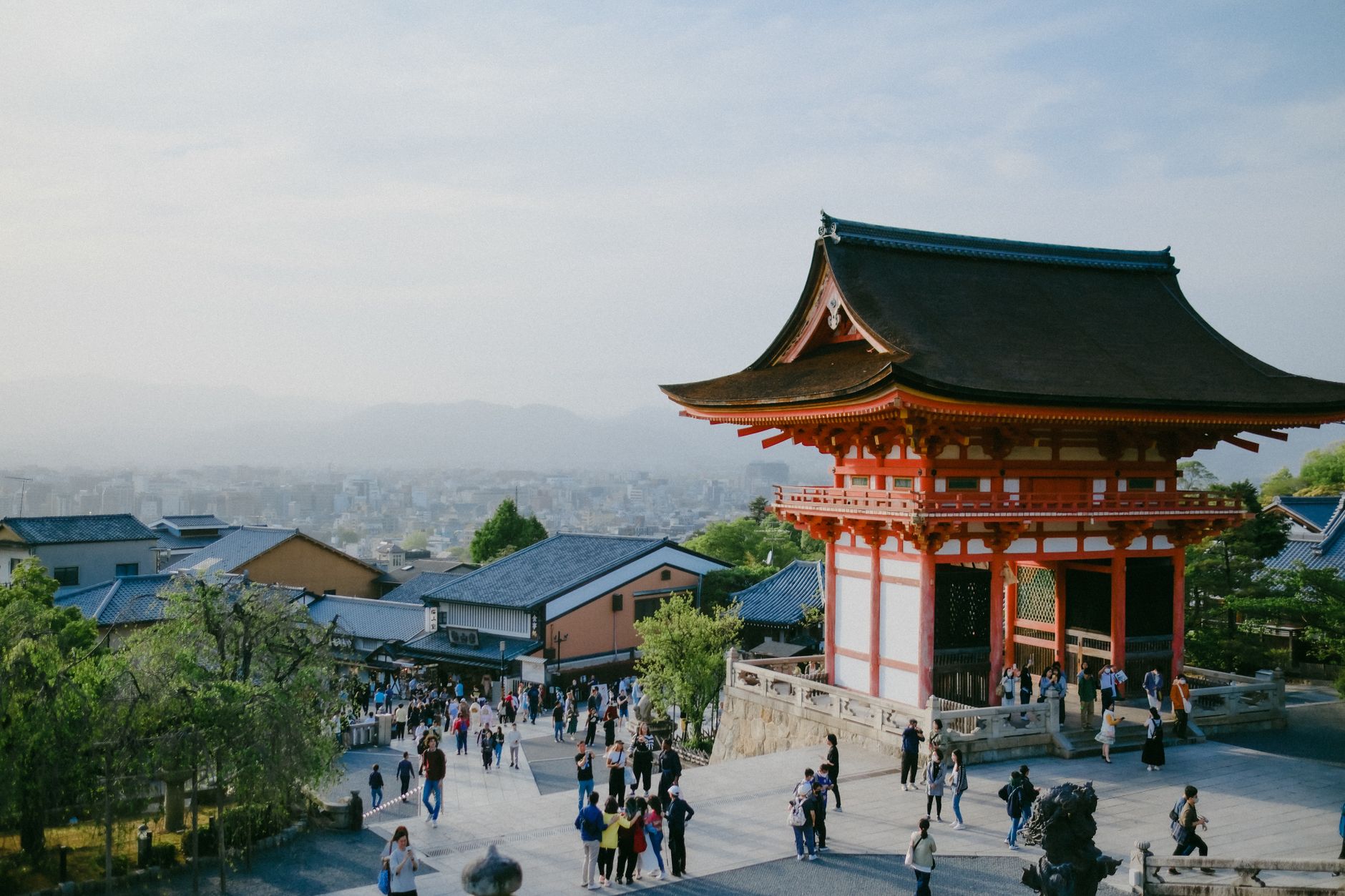
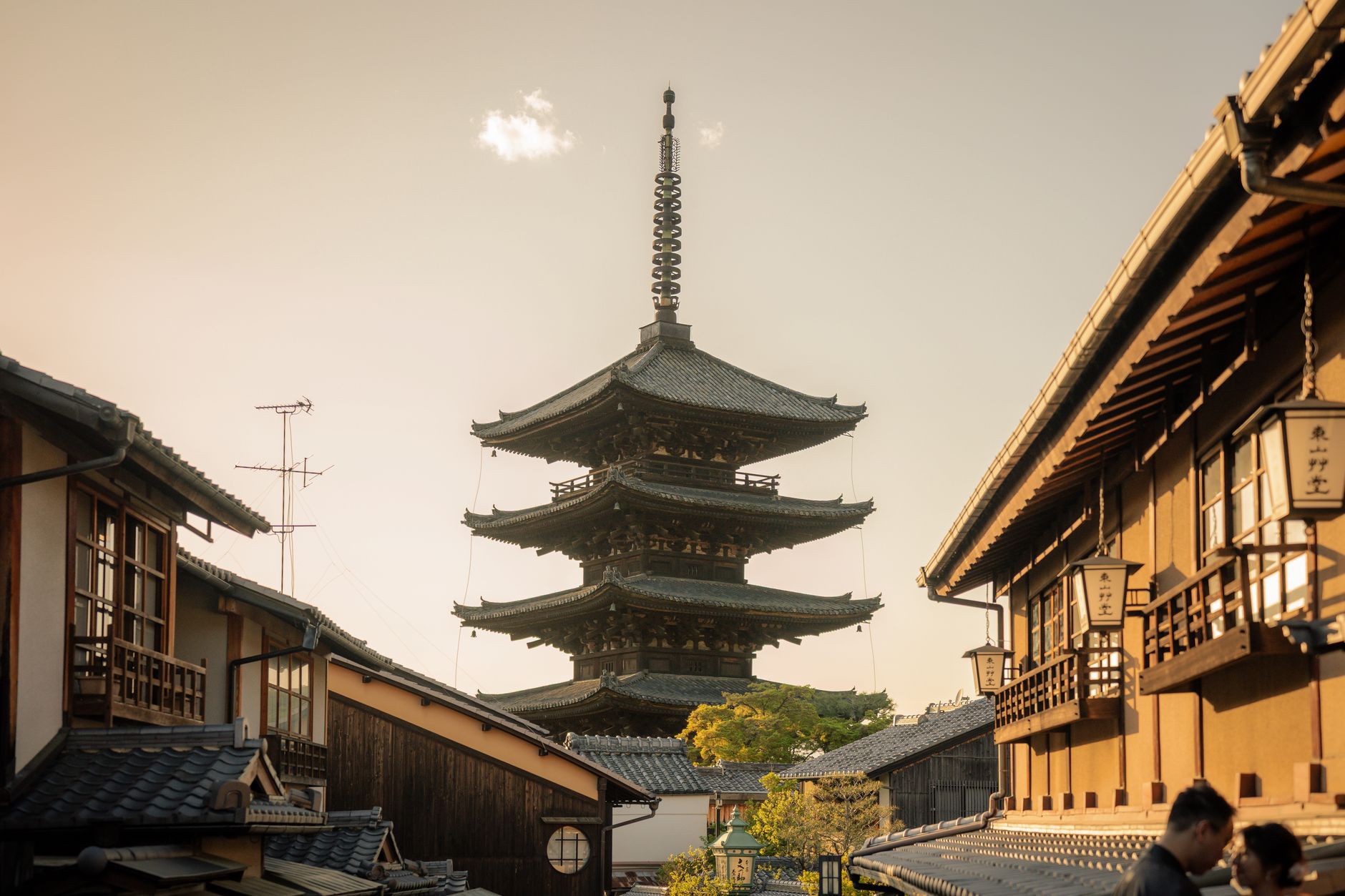
Stretching along the lower slopes of Kyoto's eastern mountains, Higashiyama and Gion represent the quintessential postcard image of old Japan. Cobblestone lanes like Ninenzaka and Sannenzaka are flanked by impeccably preserved wooden merchant houses operating as artisan craft shops, sweet potato pastry bakeries, and high-end tea houses. In Gion, you may spot a geiko or maiko gliding swiftly between appointments in silk kimonos, adding a living cinematic layer to the ancient streetscapes.

Arashiyama

Best for: Nature lovers, hikers, photography enthusiasts

Vibe: Dramatic river gorges, bamboo groves, misty mountain backdrops

Situated on the western outskirts of Kyoto where the Hozu River spills out from the mountains, Arashiyama offers a stunning fusion of wild natural beauty and spiritual retreat. Dominated by the iconic Togetsukyo Bridge ('Moon Crossing Bridge'), the area is globally famous for its soaring bamboo forest walkways. Beyond the crowds, hillside paths lead to remote temples like Tenryu-ji and Otagi Nenbutsu-ji, famous for its 1,200 whimsical, moss-covered stone rakan statues.

Downtown Kyoto & Kawaramachi

Best for: Shoppers, foodies, nightlife seekers

Vibe: Bustling arcades, department stores, modern dining, neon lights

Centred around Shijo-dori, Kawaramachi and the surrounding downtown grid pulse with modern energy, contrasting sharply with the meditative hills of the east and west. Covered shopping arcades like Teramachi and ShinKyogoku buzz with energy, offering everything from vintage kimono stores to manga shops. Bisecting the district is the lively Pontocho Alley, a narrow pedestrian lane wedged between tall buildings that bursts open with lantern-lit izakayas and intimate riverside dining decks.

Food & Drink Scene

What to Eat in Kyoto

Kaiseki Ryori (Multi-course Seasonal Cuisine)

The ultimate expression of Japanese culinary aesthetics, kaiseki emphasizes seasonality, balance, and visual artistry. Meals consist of multiple small courses—appetizers, sashimi, simmered dishes, grilled items, and a seasonal rice course—each utilizing hyper-local Kyoto ingredients (kyo-yasai vegetables) and delicate dashi stocks.

šŸ“ Top spot: Gion Karyo

Shojin Ryori (Buddhist Vegetarian Cuisine)

Rooted in Zen Buddhist philosophy, this plant-based cuisine avoids meat, fish, garlic, and onions, focusing instead on tofu, wild mountain vegetables, sesame, and seasonal grains. Preparation is treated as a spiritual practice, resulting in surprisingly complex flavors and textures, particularly silken sesame tofu (gomadofu).

šŸ“ Top spot: Shigetsu (inside Tenryu-ji Temple)

Nishiki Market Street Food & Pickles

Known as 'Kyoto's Kitchen,' this narrow five-block shopping street has over a hundred stalls selling everything from skewered baby octopus with quail eggs to freshly fried fish cakes, matcha soft-serve ice cream, and Kyoto's famed salt-cured pickles (tsukemono).

šŸ“ Top spot: Nishiki Market (various stalls)
Excursions

Best Day Trips from Kyoto

Nara Ancient Temples & Sacred Deer

45 mins by Kintetsu Rapid Express train from Kyoto Station

Step back even further into history to Japan's first permanent capital. Nara Park is home to hundreds of free-roaming sacred sika deer and Todai-ji Temple, housing one of the world's largest bronze Buddha statues inside a colossal wooden hall.

Uji Matcha Heartland & Byodo-in Temple

20 mins by JR Nara Line from Kyoto Station

The tranquil riverside town of Uji is the historic cradle of Japanese green tea production. Visit the legendary Byodo-in Temple—whose stunning Phoenix Hall graces the back of the 10-yen coin—and partake in a traditional tea ceremony using ceremonial-grade Uji matcha.

When to Go

Best Time to Visit & Seasonality

Editor’s Pick: March to May (spring) for cherry blossoms and pleasant walking weather, and October to November (autumn) for vibrant fall foliage and clear, crisp days.

Spring Overview

(March - May)
Peak Crowds
Average Temperature & Climate10°C to 22°C (50°F to 72°F)

Mild, sunny, and exceptionally pleasant for outdoor exploration.

Crowd & Travel ConditionsPeak Tourist Traffic

Book hotels 3-6 months ahead.

✨ Seasonal Highlights:Cherry blossoms (sakura) blooming across temple gardens and Philosopher’s Path.
Travel Smarter

Practical Travel Essentials

CurrencyJPY (Ā„)
LanguageJapanese
Time ZoneGMT+9

Visa & Entry

Visa-free entry for up to 90 days is available for passport holders from over 60 countries, including the US, EU, UK, Canada, and Australia.

Getting Around & Transit

Kyoto's city bus network is comprehensive, but the municipal subway lines and JR train lines are often faster for avoiding traffic. Renting a bicycle is arguably the most pleasant way to navigate the flat downtown and river basins.

Daily Budget Expectation

A comfortable daily budget ranges from Ā„15,000 to Ā„30,000 JPY ($100–$200 USD), covering mid-range ryokan or hotel stays, casual dining, transport, and temple entrance fees.

Safety & Health

Kyoto is exceptionally safe, with extremely low rates of violent crime, making solo and night exploration worry-free.

Local Etiquette & Customs

Always remove shoes when entering traditional ryokan, temples, and homes. Avoid walking while eating street food; finish items near the vendor stall. Do not photograph geiko or maiko without explicit permission.

Questions & Answers

Frequently Asked Questions about Kyoto

To truly appreciate Kyoto's historic depth without burning out, allocate at least 3 to 4 full days. This allows you to cover the major districts (Higashiyama, Arashiyama, Northern Kyoto) and enjoy a day trip to Nara or Uji.