🌟 Best in Travel 2026 is here!
Kyrgyzstan
countryAsia
4.90 / 5.0

Kyrgyzstan

The celestial roof of Central Asia, where nomadic traditions echo across untouched mountain ranges.

Advertisement
Editorial Guide

About Kyrgyzstan

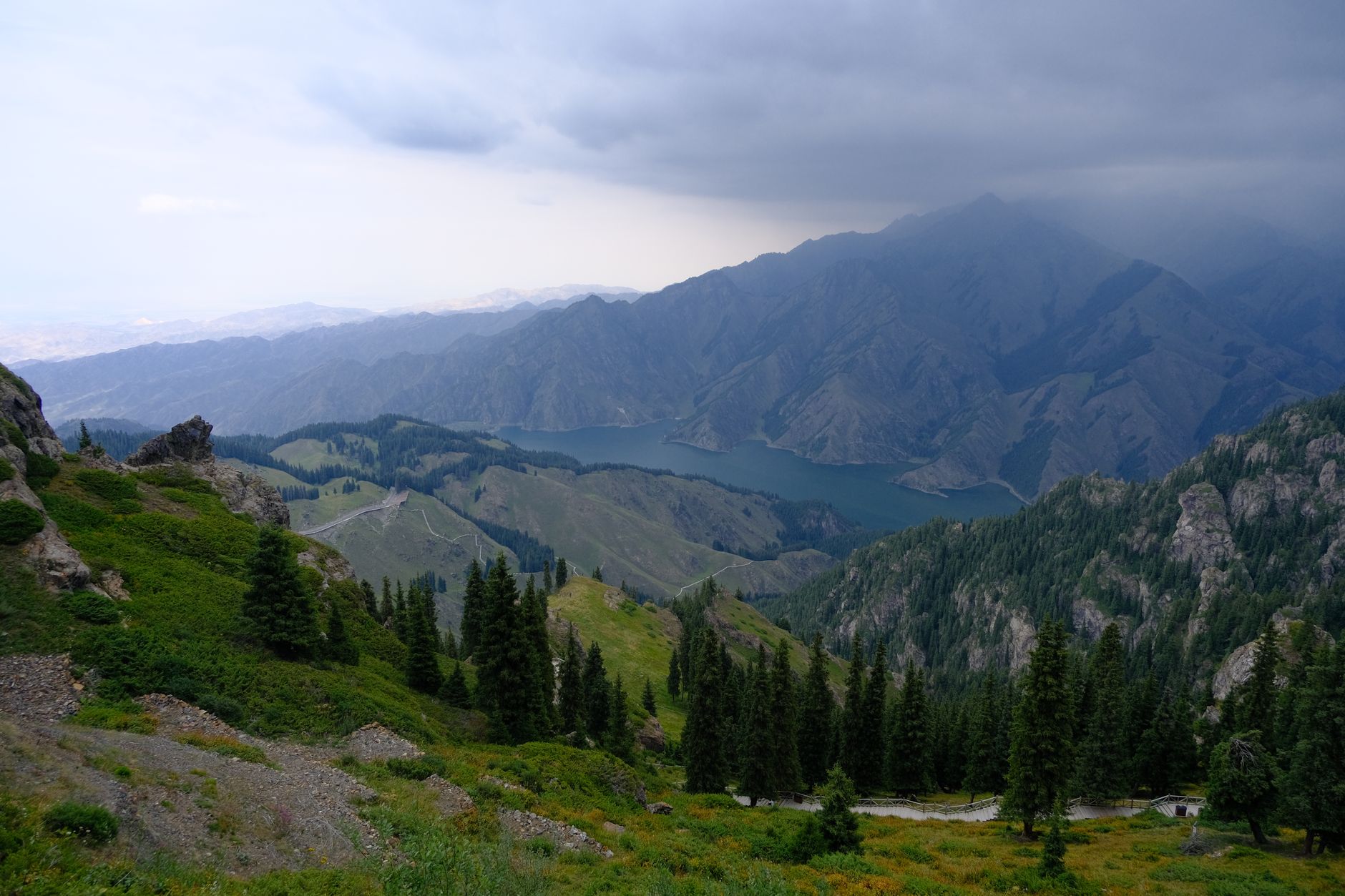
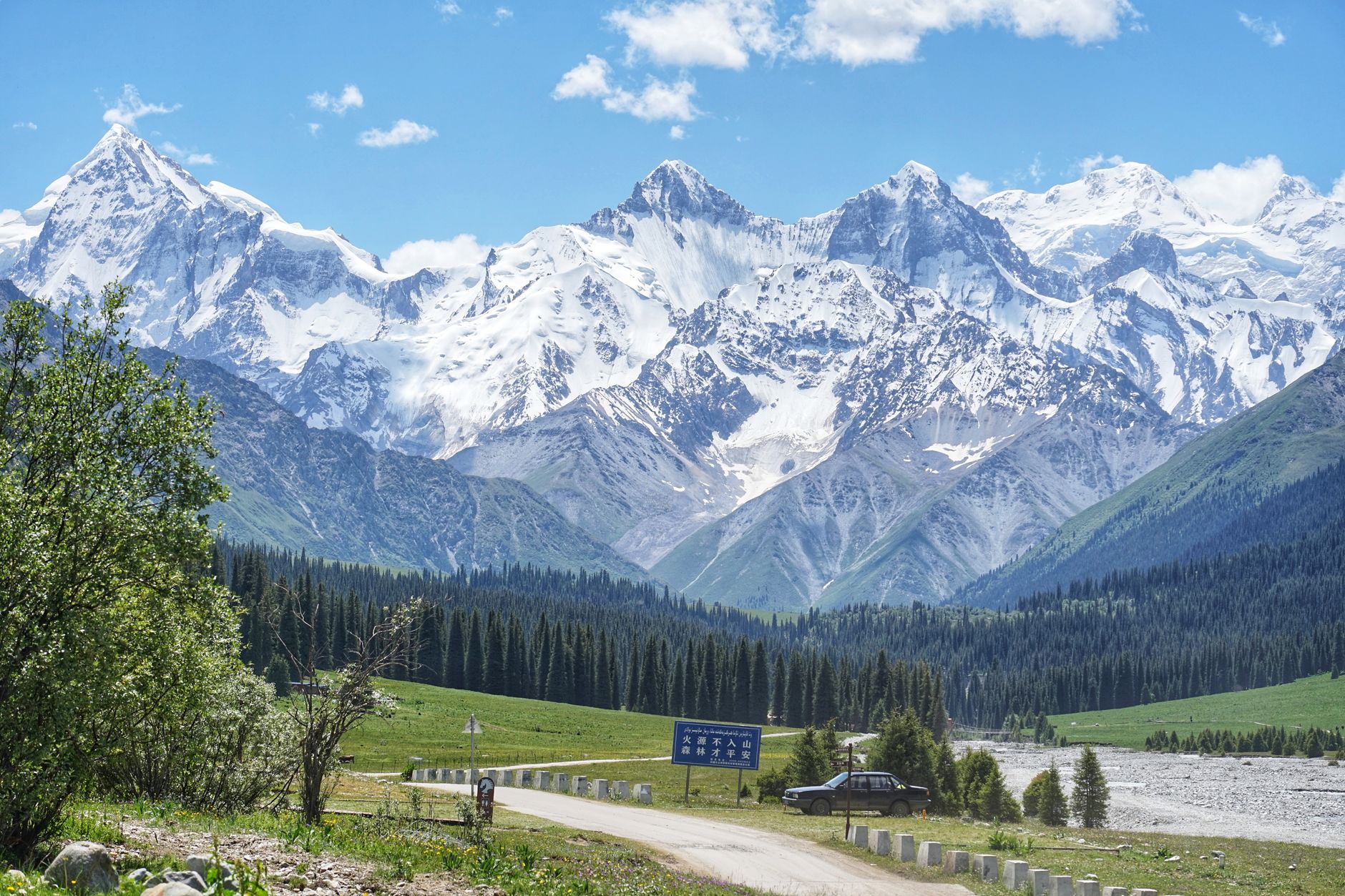
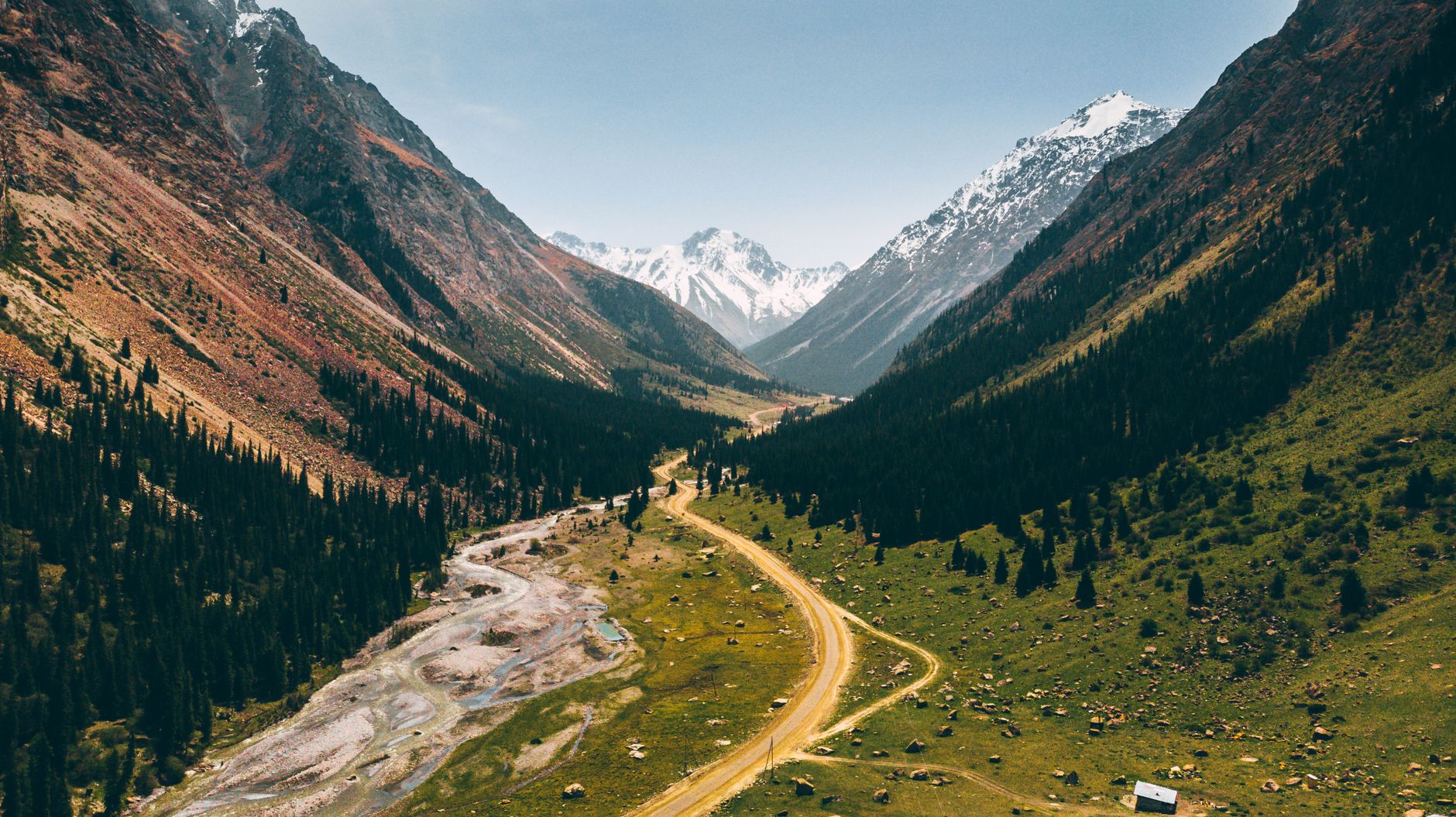
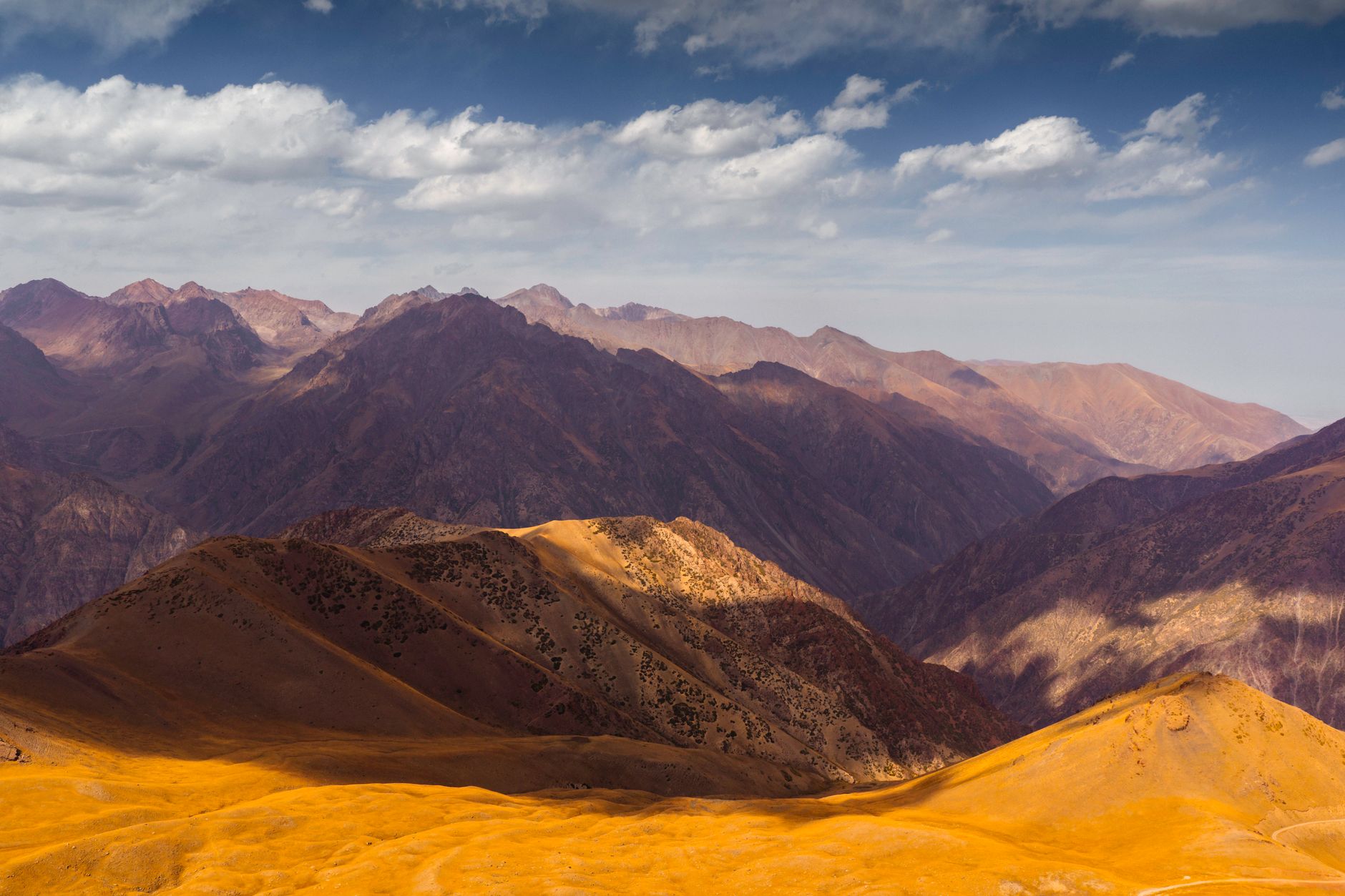
Nestled deep within the dramatic embrace of the Tien Shan and Pamir mountain ranges, Kyrgyzstan is an untamed wonderland of soaring alpine peaks, roaring turquoise rivers, and high-altitude pastures known as jailoo. Over ninety percent of the country is covered by mountains, creating a fortress of geography that has historically protected the proud, nomadic heritage of its people. For millennia, Kyrgyz tribes roamed these rugged landscapes with their herds of horses and sheep, living in collapsible felt dwellings called yurts—a traditional lifestyle that remains remarkably vibrant today despite decades of Soviet influence and modern integration.

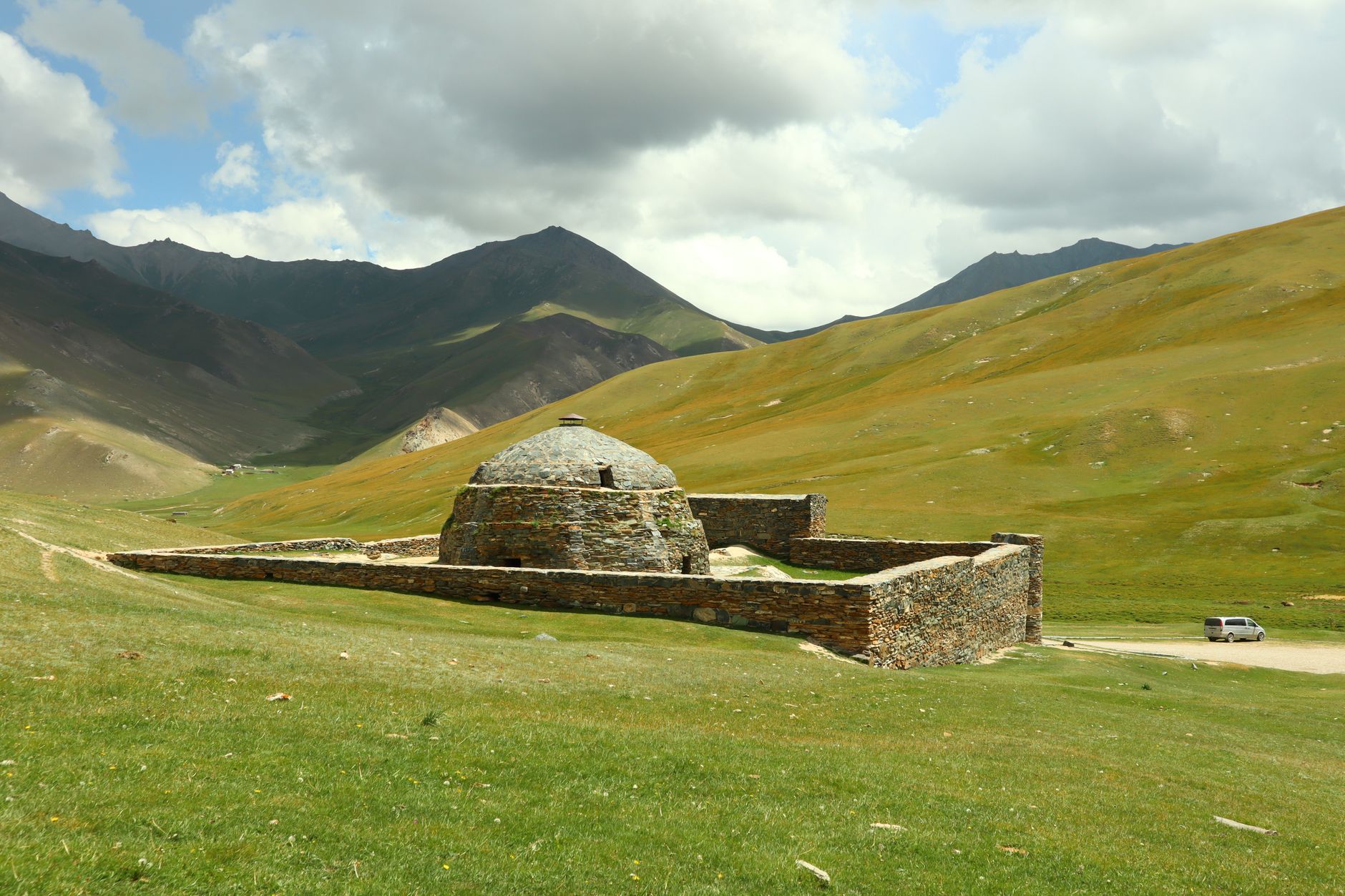
The history of Kyrgyzstan is etched deeply into the stones of the Silk Road. Ancient merchants, monks, and caravansaries traversed perilous mountain passes like the Torugart and Irkeshtam, connecting East and West through trade and cultural exchange. Today, remnants of this storied past can be found in archaeological sites like Burana Tower and the petroglyphs of Saimaluu-Tash, yet the true heartbeat of the nation lies in its wilderness. From the sprawling, mirror-like expanse of Lake Issyk-Kul to the breathtaking, snow-draped amphitheater of Karakol, the country invites travelers to step away from the beaten path and into a realm of raw, unvarnished beauty.

Atmospherically, Kyrgyzstan offers a refreshing antidote to heavily commercialized tourism. The air here is thin, crisp, and scented with wild thyme and pine, while the night skies burn with an intensity rarely seen in the modern world. Life moves at the unhurried pace of a walking horse or a boiling kettle of black tea. Hospitality is not merely a custom here; it is a sacred cultural pillar. Visitors wandering into a remote mountain valley are routinely greeted with warm smiles, fresh bread, kaymak (rich clotted cream), and genuine curiosity by shepherds who have spent weeks isolated in the high pastures.

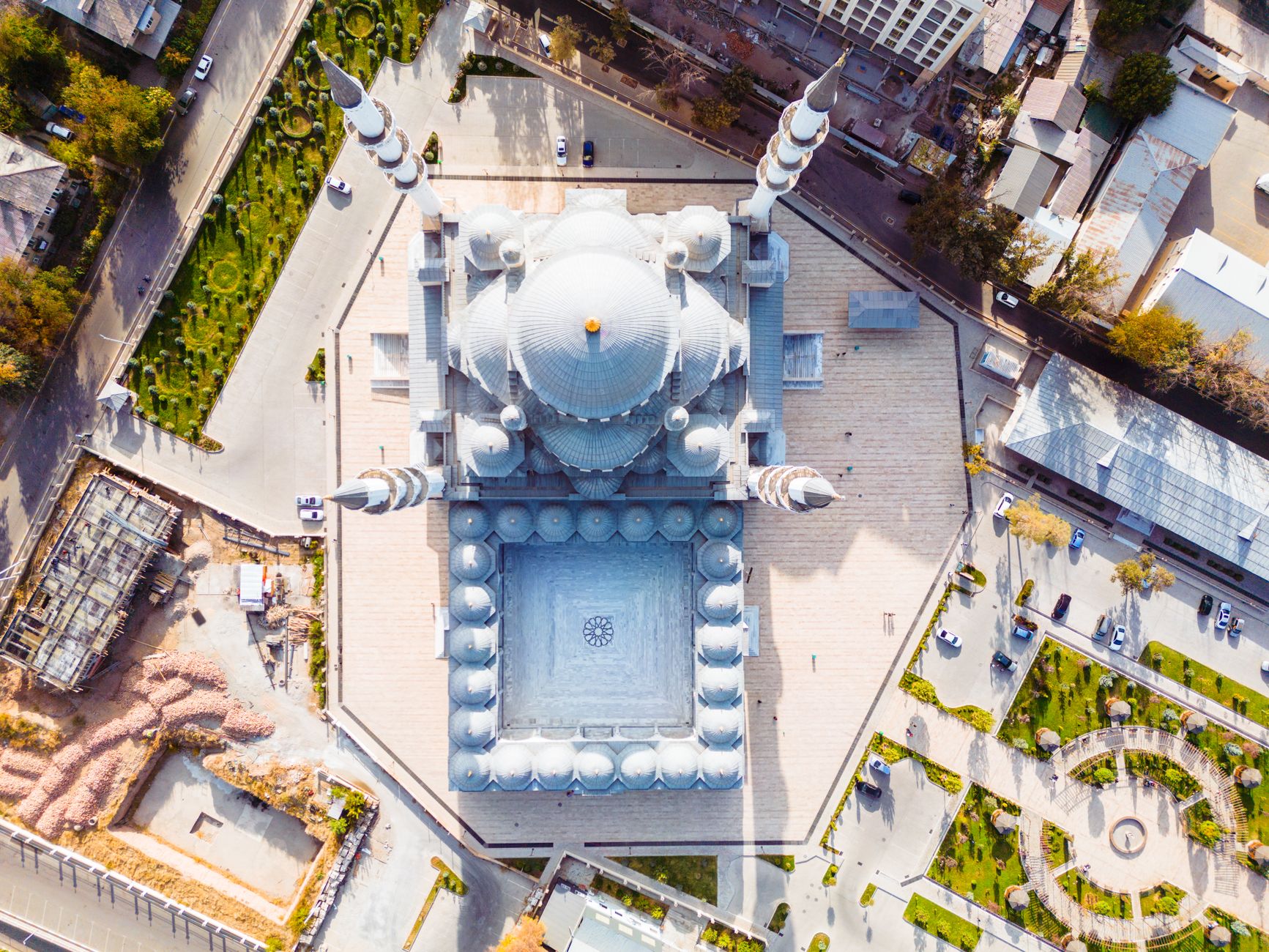
Geographically and culturally, the country is a bridge between the nomadic steppes of Central Asia and the Islamic traditions of the greater region, infused with a distinct Russian flavor in its leafy capital, Bishkek. The culinary landscape reflects this heritage, dominated by hearty meat dishes, handmade noodles, and fermented mare's milk. Whether you are trekking through the jagged gorges of Jeti-Oguz, sleeping under a canopy of stars on the shores of Song-Kul lake, or navigating the bustling aisles of Osh Bazaar, Kyrgyzstan promises an epic journey that awakens the dormant explorer in every traveler.

Visual Impressions & Moments

Kyrgyzstan photo 1
Kyrgyzstan photo 2
Kyrgyzstan photo 3
Kyrgyzstan photo 4
Kyrgyzstan photo 5
Kyrgyzstan photo 6
Unmissable Moments

Top Things to Do in Kyrgyzstan

Must-Do

Sleep in a Traditional Yurt at Song-Kul Lake

At an altitude of 3,016 meters, Song-Kul is a vast, high-altitude alpine lake surrounded by rolling green jailoo where horses roam free. Spend a night or two hosted by a nomadic family in a felt yurt, taste fresh kumis (fermented mare's milk), and watch the sunset paint the water in shades of violet and gold. Bring very warm clothing, as temperatures drop below freezing even in mid-summer.

Adventure

Trek the Rugged Wilderness of the Tien Shan Mountains

Kyrgyzstan is a global mecca for alpine trekking. Routes like the multi-day hike from Issyk-Kul to Karakol Valley or the trek to Ala-Kul Lake offer dizzying mountain passes, glacial moraines, and pristine alpine tarns. Hire a local guide and packhorses through Community Based Tourism (CBT) initiatives to support rural families while navigating the remote terrain.

Culture

Explore the Sensory Overload of Osh Bazaar in Bishkek

Dive deep into the vibrant commercial heart of the capital. Osh Bazaar is a sprawling labyrinth where you can purchase everything from hand-felted carpets and intricate national kalpak hats to pyramids of dried fruits, fragrant spices, and fresh horse-meat sausages. Practice your bargaining skills and sample freshly baked flatbread straight from the tandoor.

Scenic

Witness Eagle Hunting Demonstrations in Bokonbayevo

Meet traditional 'berkutchi' (golden eagle hunters) along the southern shore of Lake Issyk-Kul. These master falconers practice an ancient nomadic art passed down through generations, training magnificent golden eagles to hunt hares and foxes in the high steppe. Watch these majestic birds swoop from cliff sides to their handlers' leather-clad arms.

Must-See Highlights

Top Places & Things to Do in Kyrgyzstan

Curated attractions and cultural landmarks with local insider advice.

Ala-Kul Lake
nature
4.98

Ala-Kul Lake

Perched at an elevation of 3,560 meters in the Terskey Alatoo mountain range, Ala-Kul is an otherworldly alpine lake that changes color from turquoise to deep cobalt depending on the sunlight and wind. Reached only by challenging multi-day treks from Karakol or Altyn-Arashan, the lake rewards hikers with dramatic vistas of surrounding glaciers and jagged peaks. The final ascent to the Ala-Kul Pass is steep and grueling, traversing loose shale and snowfields, but standing on the ridge with the vast glacier-fed lake below is an unforgettable mountaineering milestone. Wild camping near the lake shore or staying in nearby yurt camps allows travelers to experience the raw, silent majesty of the high Tien Shan.

Open 24/7 (Accessible June - September)
Admission: Free (Guide/Transport costs apply)
Insider Tip: Acclimatize for at least 3-4 days in lower elevations before attempting the trek. Carry windproof gear, trekking poles, and water purification tablets.
Sulaiman-Too Sacred Mountain
culture
4.85

Sulaiman-Too Sacred Mountain

Rising abruptly from the Fergana Valley in the heart of Osh, Sulaiman-Too is a UNESCO World Heritage site and a place of profound spiritual pilgrimage for centuries. Believed by locals to be a resting place of King Solomon (Sulaiman), the limestone mountain is crisscrossed with ancient paths leading to sacred caves, petroglyphs, and a hilltop mosque originally built by Babur. Pilgrims still visit the mountain's grottos to pray for health, fertility, and safe journeys. A walk up its slopes offers not only deep insight into Central Asian syncretic spirituality and folklore but also panoramic views over the bustling sprawling sprawl of Osh and the lush agricultural fields of the surrounding valley.

Open 24/7
Admission: Free (Museum at base has nominal fee)
Insider Tip: Visit early in the morning to avoid intense midday heat, especially during summer months. Wear sturdy walking shoes.
Fairy Tale Canyon (Skazka)
nature
4.9

Fairy Tale Canyon (Skazka)

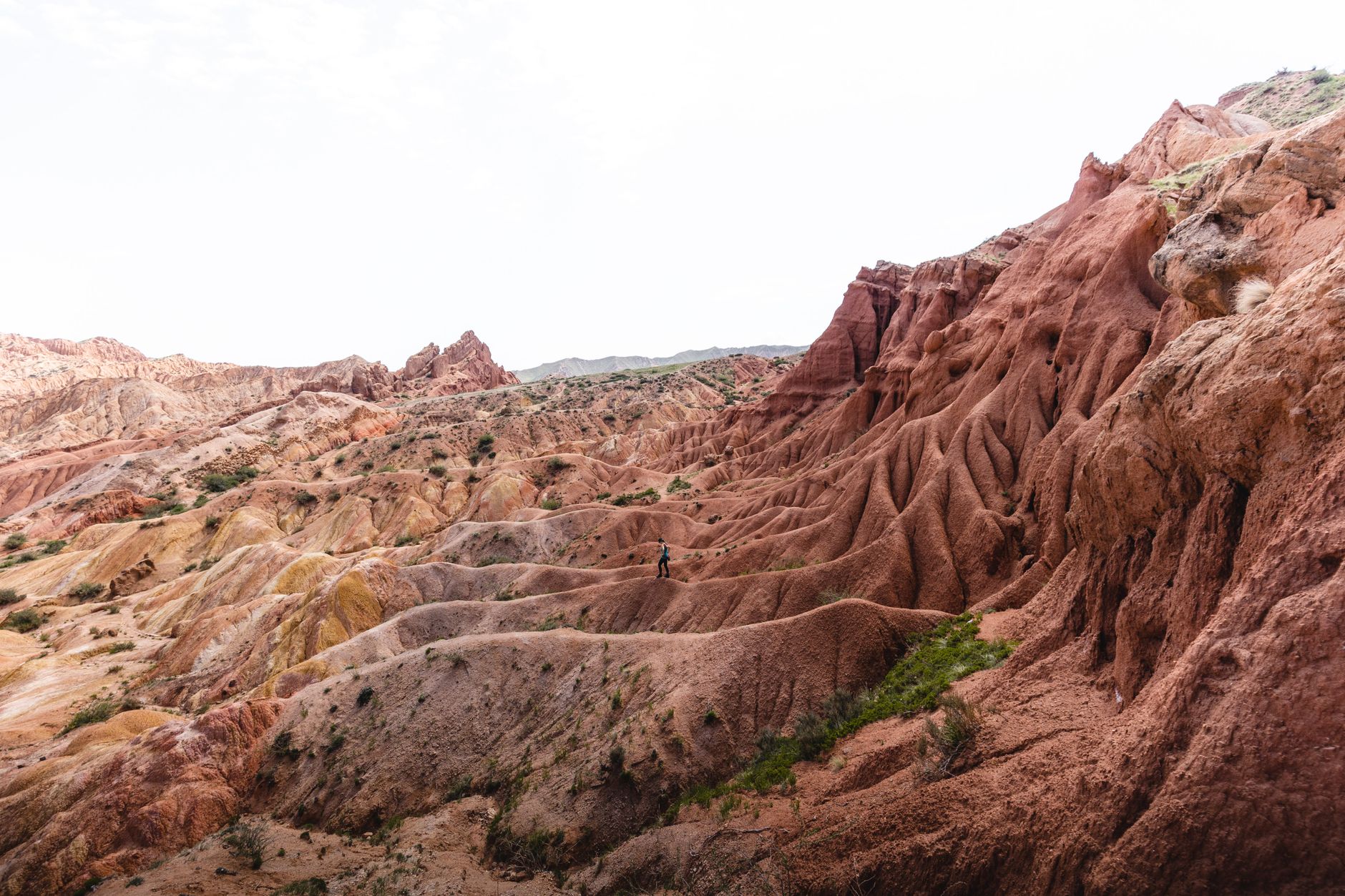
Located along the southern shore of Lake Issyk-Kul, Skazka Canyon looks like a miniature Grand Canyon sculpted by centuries of wind, rain, and mineral erosion. The clay and sandstone formations create bizarre, surreal shapes that resemble castles, dragons, sleeping giants, and gothic spires, glowing in fiery shades of red, orange, yellow, and purple. Walking through the labyrinthine ravines feels like stepping onto another planet. The canyon is easily accessible from the main lakeside highway, making it an ideal stop for photographers and families looking to explore surreal geological wonders without committing to a grueling trek.

Open 24/7
Admission: Nominal parking/entry fee (~100 KGS)
Insider Tip: The best light for photography is during late afternoon golden hour. Wear shoes with good traction as the clay paths can be slippery.
Jeti-Oguz Gorge
nature
4.88

Jeti-Oguz Gorge

Jeti-Oguz, meaning 'Seven Bulls', is a breathtaking red sandstone rock formation stretching across a lush forested valley on the northern slopes of the Terskey Alatoo mountains. The deep red cliffs stand in striking contrast to the dark green Tien Shan spruce forests and alpine meadows, creating one of the most iconic landscapes in the country. Just beyond the Seven Bulls formation lies the famous 'Broken Heart' rock and hiking trails leading up into the Flower Meadow (Kok-Jaiyk), where nomadic herders set up summer camps. The gorge is also renowned for its historic Soviet-era mineral spa resort, frequented in the past by cosmonauts and political leaders.

Open 24/7
Admission: Free
Insider Tip: Rent a horse from local villagers at the valley entrance for an authentic ride up to the higher pastures.
Area Guide

Where to Stay & Best Neighborhoods

Bishkek Center (Panfilov Park & Erkindik Boulevard)

Best for: First-time visitors, cafe hoppers, architecture enthusiasts, and nightlife seekers.

Vibe: Leafy Soviet-era grid, tree-lined promenades, grand plazas, and outdoor cafes.

The center of Bishkek is wonderfully walkable, dominated by grand marble administrative buildings softened by vast urban parks and centuries-old oak trees. Stroll down Erkindik (Freedom) Boulevard to watch locals play outdoor chess, admire monuments honoring national heroes, and explore the bustling cafe culture that has blossomed in recent years.

Karakol Historic Town

Best for: Trekkers, mountaineers, culture lovers, and food historians.

Vibe: Quaint Russian gingerbread houses, quiet tree-lined dirt roads, and a multicultural alpine atmosphere.

Located near the eastern tip of Lake Issyk-Kul, Karakol serves as the ultimate basecamp for Tien Shan adventures. The town retains a distinctive 19th-century Russian colonial charm, featuring striking wooden architecture, the unique Dungan Mosque built entirely without metal nails, and the Holy Trinity Russian Orthodox Cathedral.

Osh Central District

Best for: History enthusiasts, culinary explorers, and Silk Road adventurers.

Vibe: Ancient crossroads energy, bustling bazaars, multi-ethnic communities, and sacred mountain backdrop.

Osh is one of the oldest continuously inhabited cities in Central Asia, with a history spanning over 3,000 years. The neighborhood surrounding Jayma Bazaar pulses with trade and human connection, while the sacred Sulaiman-Too Mountain rises dramatically from the urban center, offering sweeping views and ancient shrines embedded in its limestone cliffs.

Food & Drink Scene

What to Eat in Kyrgyzstan

Beshbarmak (The National Dish)

Meaning 'five fingers' because it is traditionally eaten with hands, Beshbarmak consists of finely chopped boiled meat (usually lamb or horse) served over a bed of homemade wide ribbon noodles, drenched in a savory onion broth called chyk. It is a dish of deep communal significance, prepared during celebrations and family gatherings.

🍴 Top spot: Supara Ethnocomplex, Bishkek

Ashlyam-Dha

A refreshing, cold Dungan noodle dish born in Karakol, combining silky starch noodles, wheat noodles, and gelatinous jelly cubes in a tangy, spicy vinegar-and-vegetable broth, topped with fresh herbs and chili oil. It is the ultimate antidote to scorching summer afternoons.

🍴 Top spot: Karakol Central Bazaar Food Stalls

Manty

Large, delicate steamed dumplings stuffed with minced meat (lamb or beef) and heavily spiced onions, often featuring chunks of pumpkin or potato. Served steaming hot with a dollop of sour cream or a splash of spicy vinegar, they are a staple comfort food across the country.

🍴 Top spot: Navat Chain Restaurants, nationwide
Excursions

Best Day Trips from Kyrgyzstan

Ala Archa National Park Alpine Escape

45 minutes by taxi or marshrutka from Bishkek

Just 40 minutes south of Bishkek, this stunning alpine sanctuary rises sharply into the high Tien Shan range. Hike along the rushing Ala Archa River up to the Ak-Sai waterfall or explore the pristine alpine meadows surrounded by jagged peaks exceeding 4,000 meters.

Burana Tower & Ancient Balbals

1.5 hours by car from Bishkek

Explore the remaining minaret of the ancient 11th-century city of Balasagun, one of the most important outposts of the Karakhanid Empire. Walk among the eerie stone grave markers (balbals) carved by early Turkic nomads and enjoy sweeping views of the Chu Valley.

When to Go

Best Time to Visit & Seasonality

Editor’s Pick: June through September is the prime window for visiting Kyrgyzstan. During these summer months, high-altitude mountain passes are clear of snow, jailoo pastures burst with wildflowers, and nomadic families set up their yurt camps. July and August are warmest, though mountain weather is notoriously fickle and requires preparation for sudden alpine storms and chilly nights.

Spring Overview

(April - May)
Quiet / Low Season
Average Temperature & Climate10°C to 20°C in valleys

Mild in the valleys, snow melting in the mountains, frequent spring showers.

Crowd & Travel ConditionsLow Tourist Traffic

Fewer lines and better deals.

✨ Seasonal Highlights:Wild tulips blooming on the steppes, rushing rivers, and lower tourist numbers.
Travel Smarter

Practical Travel Essentials

CurrencyKGS (Som)
LanguageKyrgyz, Russian
Time ZoneUTC+6

Visa & Entry

Citizens of over 60 countries (including EU, USA, Canada, UK, Australia, and Japan) enjoy visa-free entry for up to 60 days. Check specific requirements online before booking.

Getting Around & Transit

Marshrutkas (shared minibuses) connect all major cities and towns cheaply. For remote mountain regions, hiring a 4WD vehicle with a local driver or joining CBT (Community Based Tourism) organized tours is essential.

Daily Budget Expectation

$30 - $70 USD per day covers budget guesthouses, local eateries, marshrutka transport, and basic trekking excursions.

Safety & Health

Generally very safe for travelers, with exceptionally low violent crime rates. Exercise caution with petty theft in crowded bazaars and beware of aggressive stray dogs in rural areas.

Local Etiquette & Customs

Always remove your shoes when entering a yurt or someone's home. Accept offered tea with both hands. Respect elders and ask permission before photographing local people, especially traditional shepherds.

Questions & Answers

Frequently Asked Questions about Kyrgyzstan

Certain border zones near China (like Inylchek or Engilchek) require a border permit issued in Bishkek weeks in advance. Most popular treks around Karakol, Song-Kul, and Ala Archa do not require permits.