🌟 Best in Travel 2026 is here!
Laos
countryAsia
4.88 / 5.0

Laos

The land of a million elephants, where time slows down along the Mekong.

Editorial Guide

About Laos

Laos, officially the Lao People's Democratic Republic, is a landlocked jewel cradled by China, Vietnam, Cambodia, Thailand, and Myanmar. Defined by its rugged, jungle-clad mountains, French colonial architecture, and the omnipresent, life-giving flow of the Mekong River, Laos offers an unhurried, deeply spiritual atmosphere that has largely vanished elsewhere in Southeast Asia. Historically known as Lan Xang—the 'Kingdom of a Million Elephants'—its identity is forged from ancient kingdoms, Theravada Buddhism, and diverse ethnic minority communities living harmoniously in remote valleys.

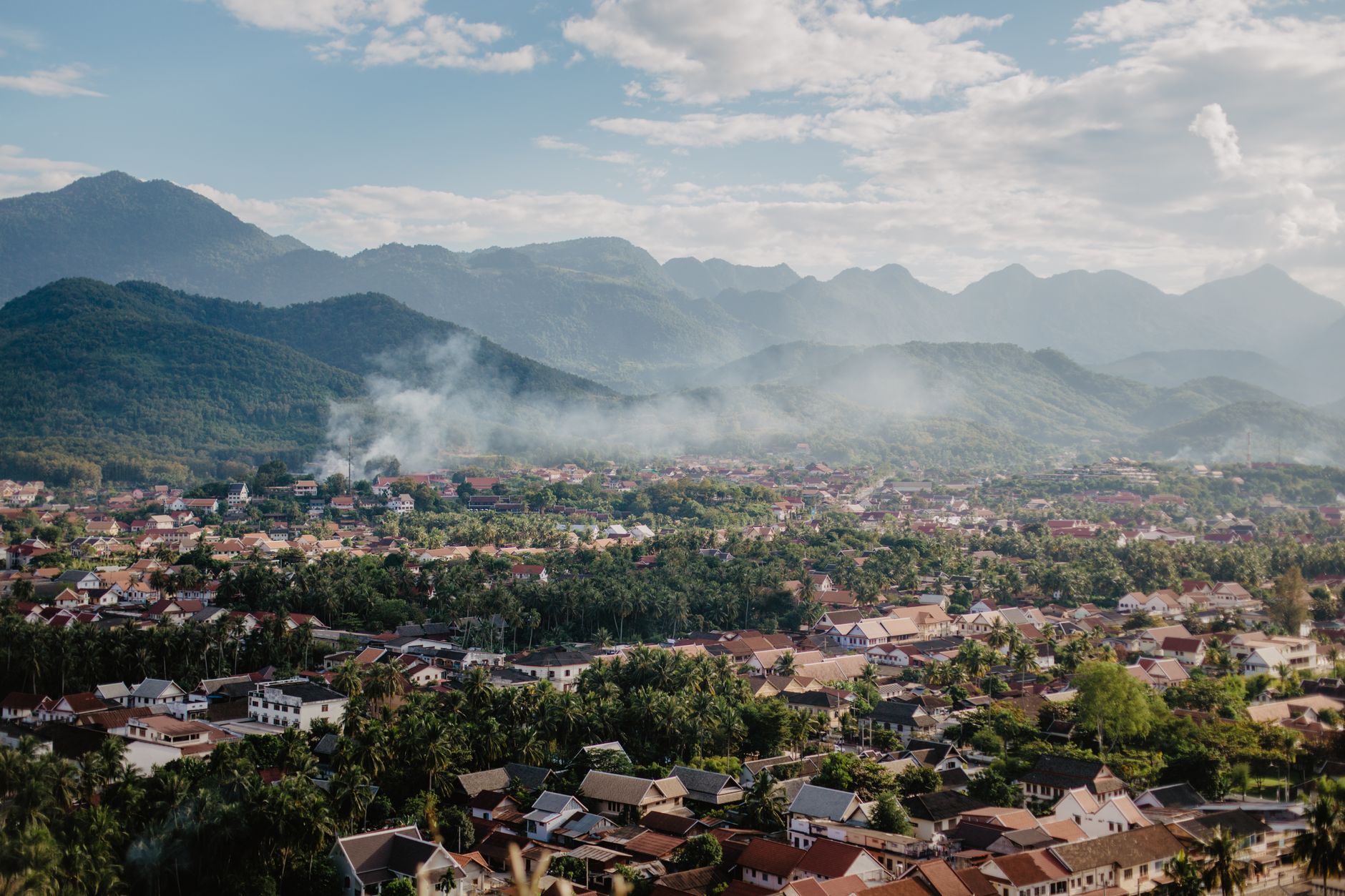
The country's cultural heart beats gently in places like Luang Prabang, a UNESCO World Heritage site where saffron-robed monks collect morning alms under the mist of sacred peaks. The atmosphere across Laos is one of contemplative serenity, punctuated by the smiles of locals who greet visitors with a warm, unhurried 'Sabaidee'. Geography dictates daily life here; the mighty Mekong acts as a liquid highway, while the karst topography of Vang Vieng and the Bolaven Plateau create dramatic backdrops of limestone pinnacles, cascading waterfalls, and misty coffee plantations.

Beneath its tranquil surface lies a complex history, marked by the echoes of the Indochina wars and the remnants of unexploded ordnance (UXO) that organizations continue to clear, a testament to the resilience of the Lao people. Today, local life revolves around traditional agriculture, weaving, and communal rituals. Markets overflow with wild herbs, sticky rice, and riverweed, while rural villages retain age-old customs largely untouched by modern mass tourism.

Traveling through Laos is an invitation to recalibrate one's pace. Whether you are navigating the labyrinthine waterways of the 4,000 Islands in the deep south, exploring the mysterious Plain of Jars in Xieng Khouang, or cycling past French colonial villas at dusk, Laos reveals its magic slowly. It is a destination that rewards patience, curiosity, and a willingness to embrace the quiet, profound beauty of the slow lane.

Visual Impressions & Moments

Laos photo 1
Laos photo 2
Laos photo 3
Laos photo 4
Laos photo 5
Laos photo 6
Unmissable Moments

Top Things to Do in Laos

Culture

Witness the Sacred Morning Alms Giving (Tak Bat) in Luang Prabang

Experience the deeply spiritual daily ritual where hundreds of barefoot, saffron-robed monks walk through the misty streets of Luang Prabang to collect offerings of sticky rice from faithful locals. Arrive before dawn, maintain a respectful distance, refrain from using flash photography, and observe in silent reverence.

Scenic

Cruise the Mekong River on a Traditional Slow Boat

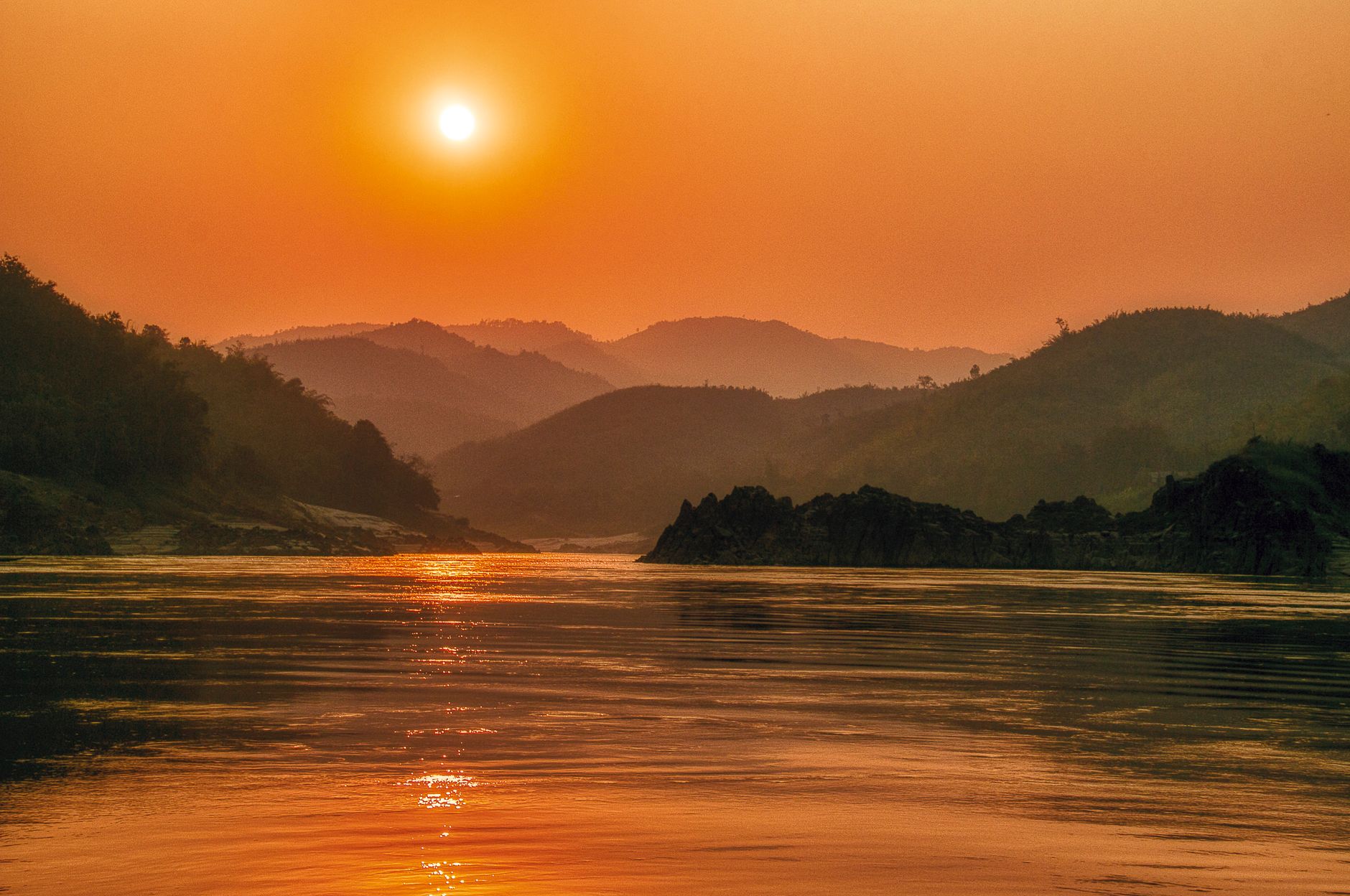
Glide down the legendary Mekong River from Huay Xai to Luang Prabang, passing through remote river gorges, limestone cliffs, and stilt-house villages. This two-day journey offers an intimate glimpse into rural riverine life that remains unchanged by time.

Adventure

Explore the Karst Towers and Blue Lagoons of Vang Vieng

Venture into the dramatic limestone karst landscape surrounding Vang Vieng. Hike up to viewpoint pavilions like Nam Xay for breathtaking panoramic vistas, explore subterranean cave networks, and cool off in the crystalline turquoise waters of the natural blue lagoons.

Culinary

Savor Authentic Lao Cuisine and Larb in Vientiane

Dive into the vibrant culinary heritage of Laos by tasting the national dish, larb—a minced meat salad bursting with fresh mint, cilantro, galangal, and toasted rice powder. Pair it with sticky rice and spicy papaya salad at a bustling local night market.

Must-See Highlights

Top Places & Things to Do in Laos

Curated attractions and cultural landmarks with local insider advice.

Wat Xieng Thong
culture
4.85

Wat Xieng Thong

Built in 1560 by King Setthathirat, Wat Xieng Thong is the crown jewel of Lao temple architecture. Located at the northern tip of the Luang Prabang peninsula, its sweeping, low-swung roofs symbolize classic Luang Prabang style. The interior and exterior walls are adorned with intricate gold stencils on black lacquer, most notably the glittering 'Tree of Life' mosaic on the western facade. Visitors can spend hours admiring the ornate shrines, the ornate red-and-gold funeral chariot carriage house, and the serene monks tending to the temple grounds. It remains an active place of worship and a masterpiece of Lao sacred art.

08:00 - 17:00 daily
Admission: ā‚­20,000 (€0.90)
Insider Tip: Visit right at 8:00 AM before tour groups arrive to experience the tranquil morning light hitting the golden mosaics.
Pha That Luang
culture
4.75

Pha That Luang

Pha That Luang, or the Great Stupa, is the most nationalistic and sacred monument in Laos. Originally established in the 3rd century and rebuilt in the 16th century, its towering golden spire dominates the Vientiane skyline. The stupa is surrounded by high walls with cloistered galleries housing ancient Buddha images and sculptures. According to legend, the stupa contains a breastbone of the Buddha. The architecture combines Buddhist symbolism with defensive fortress elements, reflecting the turbulent history of the region. It is the centerpiece of the annual That Luang Festival held every November.

08:00 - 17:00 daily
Admission: ā‚­10,000 (€0.45)
Insider Tip: Dress modestly with covered shoulders and knees. Walk clockwise around the stupa three times for good fortune.
Kuang Si Falls
nature
4.92

Kuang Si Falls

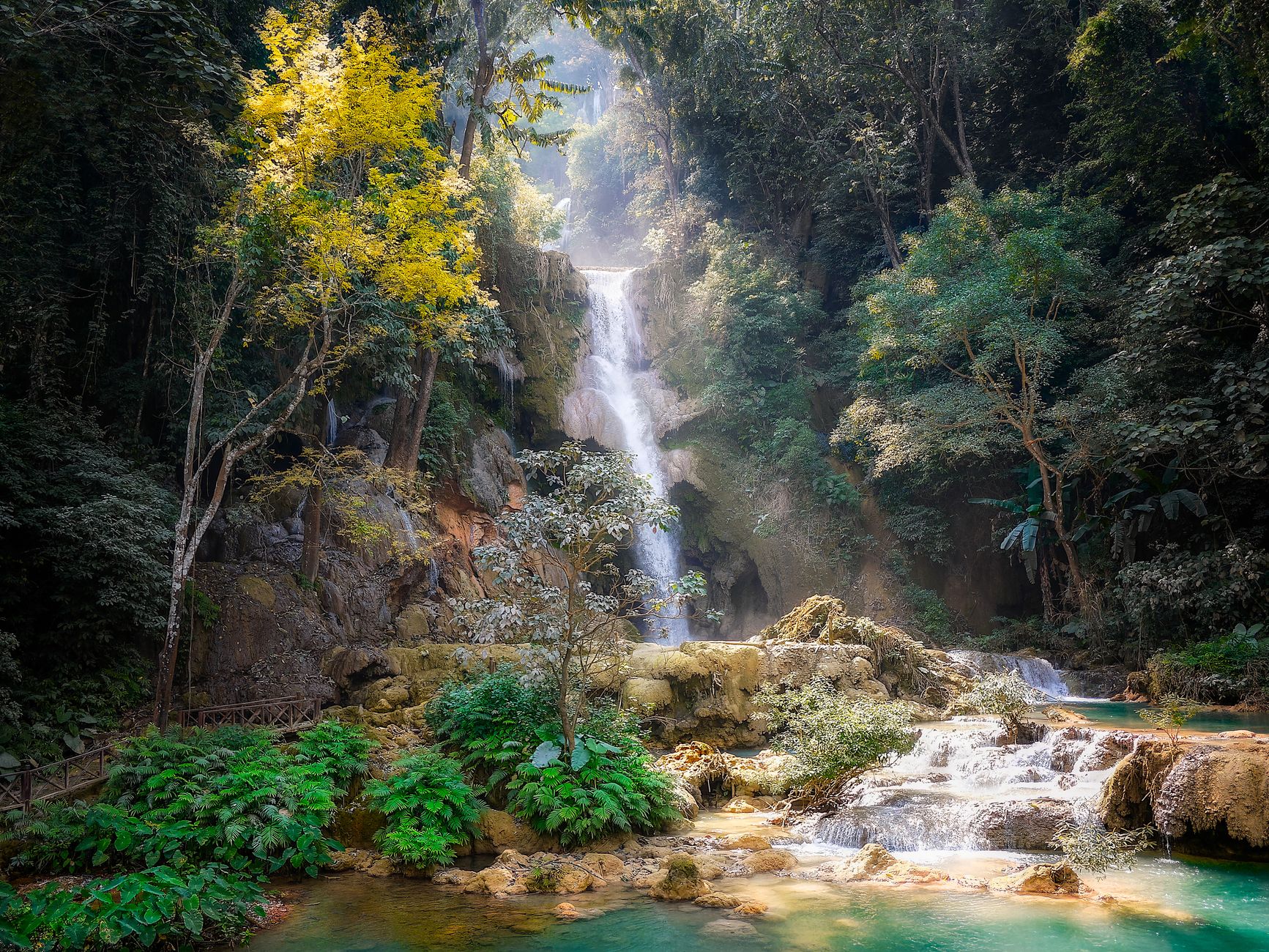
Kuang Si Falls is an awe-inspiring tiered waterfall system located in a lush jungle reserve. The main cascade plunges 60 meters into a series of stepped, travertine limestone pools filled with crystalline turquoise water. Visitors can swim in designated areas, hike up steep trails through the jungle to the top of the falls, and cross wooden footbridges over rushing streams. The area is also home to the Tat Kuang Si Bear Rescue Centre, which provides a sanctuary for sun and moon bears rescued from illegal wildlife trafficking. The surrounding jungle canopy offers welcome shade on hot tropical afternoons.

08:00 - 17:30 daily
Admission: ā‚­25,000 (€1.10)
Insider Tip: Bring swimwear and a towel, but remember to respect local customs by dressing modestly when walking outside the swimming areas.
The Plain of Jars (Site 1)
attraction
4.65

The Plain of Jars (Site 1)

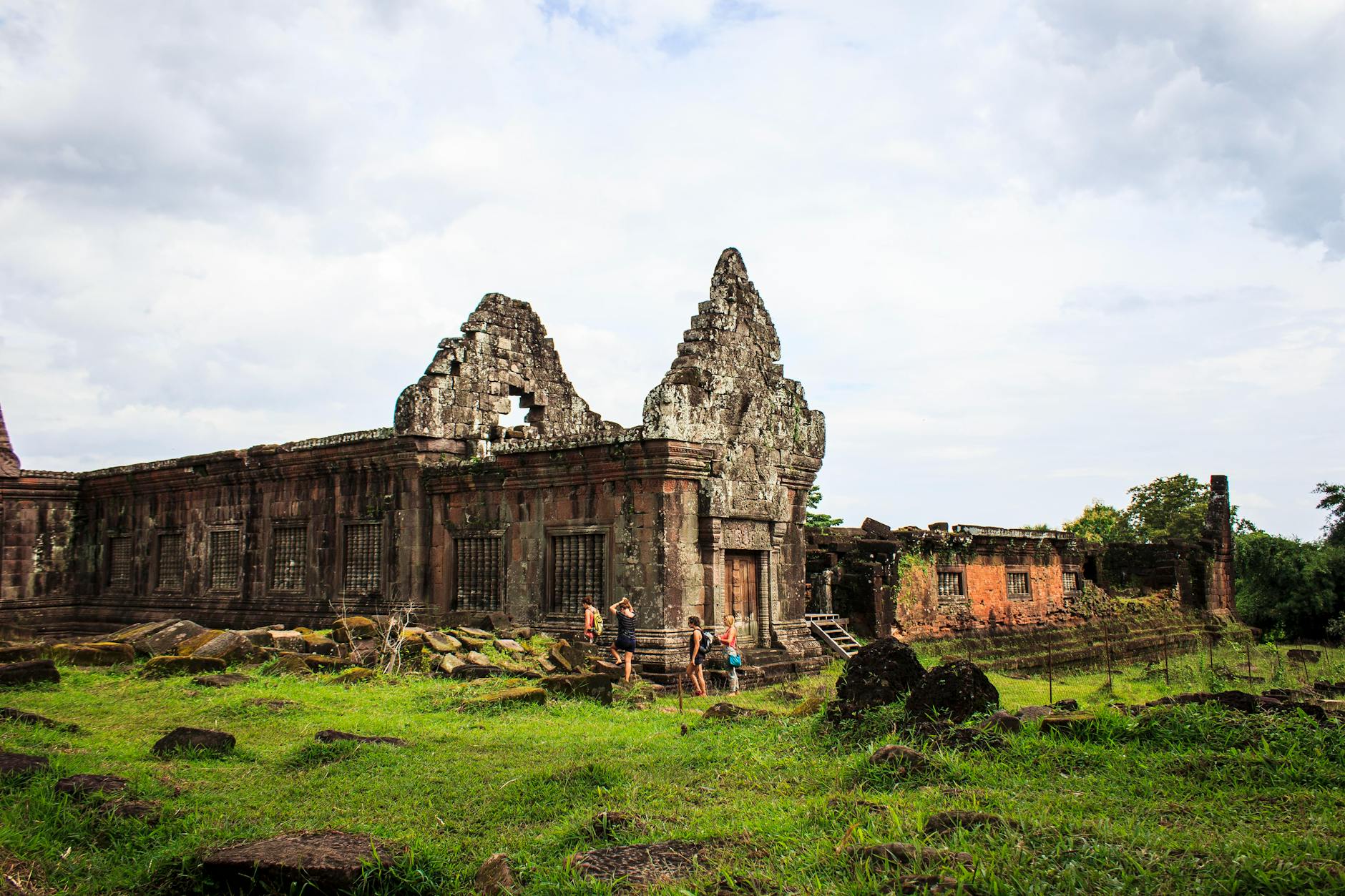
The Plain of Jars is one of Southeast Asia's most enigmatic and haunting archaeological sites. Spread across the Xieng Khouang plateau, thousands of massive stone jars—some weighing several tons and standing over three meters tall—are scattered across grassy hillsides. Believed to date back to the Iron Age, their exact purpose remains a mystery, though prevailing archaeological theories link them to ancient burial practices. Site 1 (Thong Hai Hin) is the most accessible and heavily visited location, featuring over 250 jars and the remains of ancient stone quarries and French colonial pillboxes from the Indochina War, highlighting the poignant intersection of ancient and modern history.

08:30 - 17:00 daily
Admission: ā‚­15,000 (€0.65)
Insider Tip: Stick strictly to marked paths due to residual unexploded ordnance (UXO) in the surrounding hillsides.
Area Guide

Where to Stay & Best Neighborhoods

Luang Prabang Peninsula

Best for: First-time visitors, cultural enthusiasts, and boutique luxury seekers.

Vibe: Gilded temples, French colonial facades, lantern-lit alleys, and tranquil riverbanks.

Nestled on a peninsula formed by the Mekong and Nam Khan rivers, this historic quarter is a UNESCO masterpiece. Walking through its peaceful streets reveals glistening temple roofs, blossoming frangipani trees, and charming cafes housed in restored French villas.

Vientiane City Center

Best for: History buffs, foodies, and travelers looking for a gentle urban pace.

Vibe: Laid-back capital energy, wide tree-lined boulevards, golden stupas, and riverside promenades.

Vientiane is perhaps the most relaxed capital city in Southeast Asia. Blending French colonial architecture with monumental Buddhist structures like Pha That Luang, the center invites leisurely bicycle rides, sunset drinks by the Mekong, and visits to bustling craft markets.

Si Phan Don (4,000 Islands)

Best for: Backpackers, nature lovers, and anyone seeking complete disconnection.

Vibe: Untamed river archipelagos, hammock culture, cascading waterfalls, and rural seclusion.

Located in southernmost Laos where the Mekong expands into a vast labyrinth of islands and channels, Si Phan Don feels like the edge of the earth. Days are spent cycling between sleepy villages, spotting rare Irrawaddy dolphins, and watching sunsets over the Mekong.

Food & Drink Scene

What to Eat in Laos

Larb (National Minced Meat Salad)

A fragrant, deeply savory salad made from finely minced chicken, pork, beef, or duck, tossed with fresh mint, lemongrass, chili, lime juice, and crispy toasted rice powder that adds a nutty crunch. It is traditionally eaten with your hands using sticky rice.

šŸ“ Top spot: Tamnak Lao in Vientiane

Khao Poon (Spicy Coconut Noodle Soup)

A beloved comfort food featuring fermented rice vermicelli swimming in a rich, aromatic broth of pounded chicken, red curry paste, galangal, garlic, and rich coconut milk, topped with shredded banana blossoms, mint, and perilla leaves.

šŸ“ Top spot: Morning Market (Phosi Market) stalls in Luang Prabang

Jaew Bong (Spicy Sweet Chili Paste)

An addictive, intensely flavored chili paste made from sun-dried chilies, galangal, garlic, fish sauce, and sweet water buffalo skin. It is served as an accompaniment to sticky rice and grilled meats at almost every traditional Lao meal.

šŸ“ Top spot: Local handicraft and food stalls at Luang Prabang Night Market
Excursions

Best Day Trips from Laos

Kuang Si Waterfalls & Bear Rescue Centre

45 minutes by tuk-tuk or minivan from Luang Prabang

Journey through emerald countryside to visit a stunning multi-tiered cascade plunging into turquoise limestone pools. Swim in the refreshing lower pools and visit the Tat Kuang Si Bear Rescue Centre, which rehabilitates Asiatic black bears.

Pak Ou Caves & Mekong River Cruise

1 hour by boat or 40 minutes by road from Luang Prabang

Take a scenic riverboat journey up the Mekong to the sacred Pak Ou Caves, two cavernous grottoes carved into a limestone cliff face containing thousands of miniature Buddha statues left by pilgrims over centuries.

When to Go

Best Time to Visit & Seasonality

Editor’s Pick: The optimal time to visit Laos is between November and February during the cool and dry season. Temperatures are pleasant, ranging from 15°C to 25°C, making it ideal for trekking, temple-hopping, and cruising the Mekong River without oppressive humidity.

Spring Overview

(March to May)
Moderate
Average Temperature & Climate30°C to 38°C

Hot and increasingly humid as the dry season peaks.

Crowd & Travel ConditionsModerate Tourist Traffic

Fewer lines and better deals.

✨ Seasonal Highlights:Witnessing the vibrant celebrations of Pi Mai (Lao New Year) in mid-April.
Travel Smarter

Practical Travel Essentials

CurrencyLAK (ā‚­) - Lao Kip
LanguageLao
Time ZoneGMT+7

Visa & Entry

Most nationalities can obtain a 30-day Visa on Arrival at international airports and major land borders for around $30–$45 USD (cash required), or apply for an E-visa in advance.

Getting Around & Transit

Travel between cities is typically done via comfortable VIP buses, minivans, or domestic flights (Lao Airlines). Within towns, tuk-tuks and rented motorbikes or bicycles are the primary modes of transport.

Daily Budget Expectation

Backpackers can comfortably travel on $30–$50 USD per day, while mid-range travelers staying in boutique hotels and dining at nicer restaurants will spend $80–$150 USD per day.

Safety & Health

Laos is exceptionally safe for travelers, with very low rates of violent crime. Petty theft can occur in crowded areas, and travelers should always remain on marked paths in rural areas due to historical UXO.

Local Etiquette & Customs

Always remove your shoes before entering temples and homes. Avoid touching anyone on the head or pointing the soles of your feet toward people or sacred images. Dress modestly, particularly at religious sites.

Questions & Answers

Frequently Asked Questions about Laos

Yes, cash is king in Laos. While major hotels and upscale restaurants in Luang Prabang and Vientiane accept credit cards, you will need Lao Kip (LAK), US Dollars, or Thai Baht for markets, tuk-tuks, rural areas, and smaller eateries.