🌟 Best in Travel 2026 is here!
Laos
countryAsia
4.88 / 5.0

Laos

A serene, mountainous sanctuary where ancient Buddhist traditions and untouched wilderness intertwine.

Editorial Guide

About Laos

Laos remains one of Southeast Asia's most enchanting and unhurried frontiers, a landlocked nation defined by the snaking majesty of the Mekong River, rugged limestone karsts, and thick, emerald jungles. Historically known as Lane Xang, the "Land of a Million Elephants," Laos carries a rich and complex heritage influenced by neighboring empires, French colonial rule, and its enduring devotion to Theravada Buddhism. The country's spiritual heartbeat is evident in its golden temples, the daily morning alms-giving ceremonies, and an atmosphere of profound tranquility that pervades daily life.

Geographically, Laos is a dramatic tapestry of rugged highlands, cascading waterfalls, and fertile river valleys. The northern and central regions are dominated by jagged karst formations, most famously surrounding the UNESCO-listed town of Luang Prabang and the adventure hub of Vang Vieng. In the far south, the landscape flattens out into the mythical Si Phan Don (Four Thousand Islands), where the mighty Mekong broadens and roars over the Khone Phapheng Falls, home to the endangered freshwater Irrawaddy dolphins.

Culturally, Laos is characterized by deep warmth, gentle hospitality, and a mosaic of ethnic minority groups—including the Hmong, Mien, and Akha—each preserving their distinct traditions, textiles, and dialects. Life moves at a meditative pace here, encouraging travelers to slow down, rent a bicycle, sip potent local coffee on riverbanks, and immerse themselves in a simpler, deeply grounded way of living that has largely escaped hyper-modernization.

From the mysterious Plain of Jars in Xieng Khouang to the hidden revolutionary caves of Viengxay, Laos offers a compelling narrative of resilience and beauty. It is a destination that rewards the curious traveler with unscripted moments: an unexpected invitation to share a bowl of khao soi with village elders, the sight of mist rising over limestone peaks at dawn, and the sound of temple gongs echoing through the tropical dusk.

Visual Impressions & Moments

Laos photo 1
Laos photo 2
Laos photo 3
Laos photo 4
Laos photo 5
Laos photo 6
Unmissable Moments

Top Things to Do in Laos

Culture

Witness the Sacred Morning Alms (Tak Bat) in Luang Prabang

At dawn, hundreds of saffron-robed monks walk barefoot through the misty streets of Luang Prabang to collect offerings of sticky rice from devout locals. To experience this profound spiritual ritual respectfully, observe quietly from a distance, maintain a modest dress code, and purchase sticky rice only from reputable vendors. Arrive just before sunrise for the most serene atmosphere.

Scenic

Cruise the Mighty Mekong River from Houayxay to Luang Prabang

Embark on a traditional two-day slow boat journey down the legendary Mekong River, winding past remote jungle-clad cliffs, limestone karsts, and rural riverside villages. Stop overnight in the tranquil village of Pakbeng. It is the quintessential slow-travel experience, offering a window into river life that has remained unchanged for centuries.

Adventure

Swim in the Turquoise Pools of Kuang Si Falls

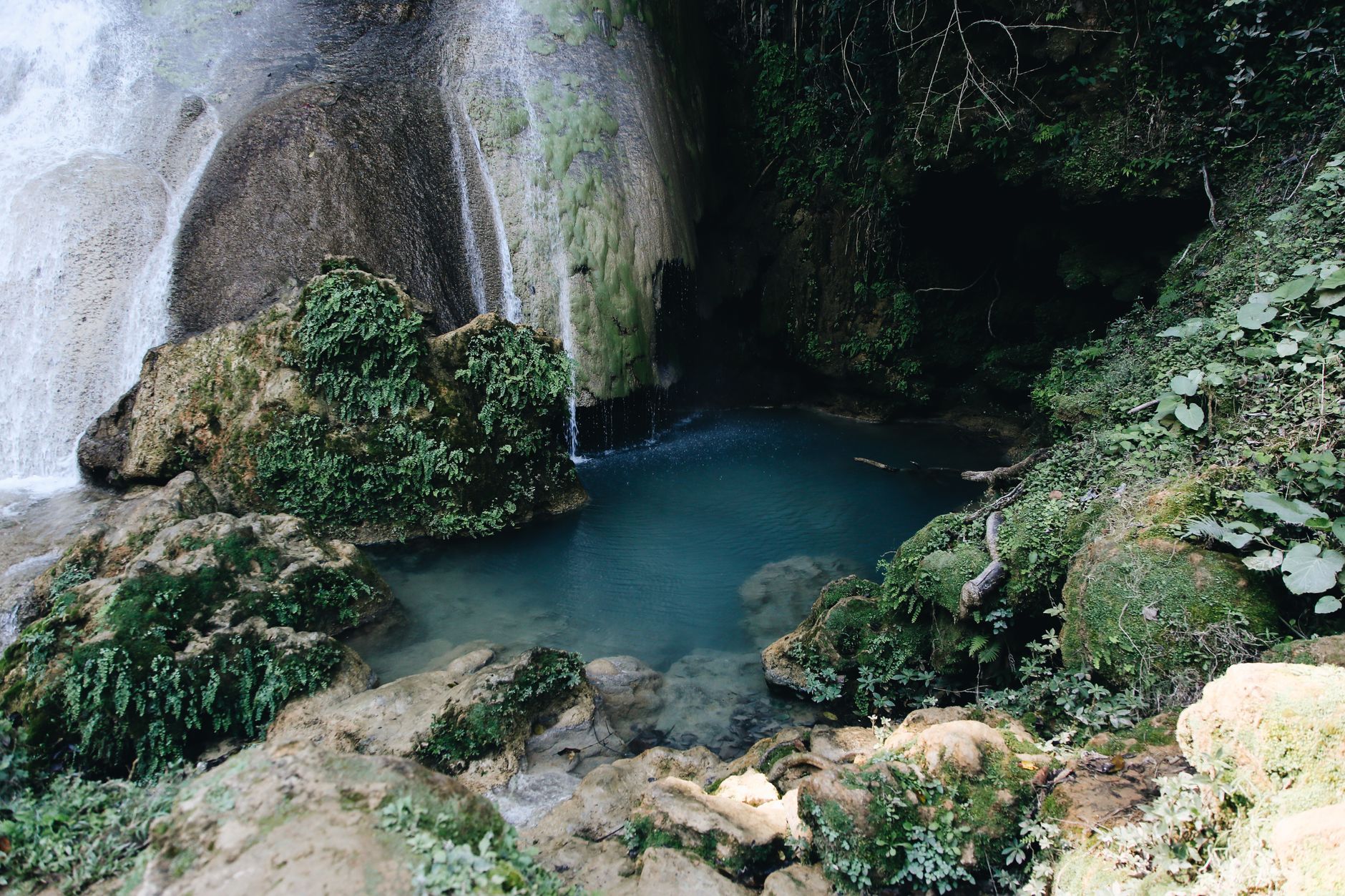
Located just outside Luang Prabang, Kuang Si is a multi-tiered limestone waterfall cascading into brilliant, crystal-clear turquoise pools. Hike up through the shaded jungle trails to the upper tiers for solitude, and swim in the designated lower pools. Insider tip: Arrive as the gates open at 8:00 AM to have the lower main tier entirely to yourself before tour groups arrive.

Must-Do

Explore the Surreal Plain of Jars in Xieng Khouang

Venture into the rolling highlands of Xieng Khouang to wander among thousands of mysterious megalithic stone jars scattered across ancient landscapes. Dating back over 2,000 years, their true purpose remains an archaeological enigma, linked to ancient burial practices. Hire a local guide at the site to understand both the archaeological significance and the modern safety clearing of unexploded ordnance.

Must-See Highlights

Top Places & Things to Do in Laos

Curated attractions and cultural landmarks with local insider advice.

Blue Lagoon and Tham Phu Kham Cave
adventure
4.6

Blue Lagoon and Tham Phu Kham Cave

Located in the karst countryside west of Vang Vieng, Blue Lagoon 1 is a refreshing spring-fed pool shaded by massive banyan trees. It is famous for its turquoise waters, rope swings, and diving platforms where travelers and locals cool off from the tropical heat. Just above the lagoon sits Tham Phu Kham, a vast limestone cave system reached via a steep, rugged jungle climb. Inside, the cavern opens into expansive chambers filled with dramatic stalactites, stalagmites, and a sacred bronze reclining Buddha illuminated by natural skylights.

8:00 AM – 6:00 PM daily
Admission: 20,000 LAK (€0.90)
Insider Tip: Wear proper hiking shoes for the cave climb and bring a headlamp or rent a flashlight at the base. Visit early in the morning to enjoy the lagoon before day-tripping tour groups arrive.
Area Guide

Where to Stay & Best Neighborhoods

Luang Prabang Peninsula

Best for: Culture lovers, photographers, and boutique hotel enthusiasts

Vibe: Golden temples, French colonial villas, and quiet riverside alleyways

Tucked between the Mekong and Nam Khan rivers, this UNESCO World Heritage peninsula is a living museum of sacred architecture and Indochinese heritage. Walking its quiet streets reveals saffron-robed monks, atmospheric cafes housed in shuttered villas, and vibrant night markets.

Vang Vieng Riverside & Karst Zone

Best for: Adrenaline seekers, hikers, and nature photographers

Vibe: Dramatic limestone peaks, emerald rice paddies, and outdoor adventure hub

Once infamous for backpacker party culture, Vang Vieng has evolved into a premier eco-adventure sanctuary. Surrounded by towering limestone pinnacles and the Nam Song River, it offers world-class rock climbing, blue lagoons, paramotoring, and serene riverside bungalows.

Vientiane Capital Center

Best for: Foodies, history buffs, and travelers seeking a gentle urban pause

Vibe: Laidback administrative hub blending French colonial boulevards and golden stupas

As one of Southeast Asia's most relaxed capitals, Vientiane invites exploration by bicycle or on foot. Discover monumental structures like Pha That Luang, French-inspired plazas like Patuxai, and bustling night markets along the Mekong promenade.

Food & Drink Scene

What to Eat in Laos

Laap (Lao Minced Meat Salad)

Considered the national dish of Laos, Laap is a fiercely aromatic and refreshing minced meat salad (chicken, pork, duck, or fish) tossed with toasted rice powder, fresh mint, lemongrass, galangal, kaffir lime leaves, and copious fresh chilies. It is served at room temperature with sticky rice.

🍴 Top spot: Tamnak Lao, Luang Prabang

Tam Mak Houng (Lao Green Papaya Salad)

Unlike its sweeter Thai counterpart, Lao green papaya salad is aggressively pungent, spicy, and savory. Shredded raw papaya is pounded in a mortar with fermented fish paste (padaek), garlic, bird's eye chilies, lime, and tamarind, delivering a punchy flavor profile.

🍴 Top spot: Vientiane Morning Market food stalls

Khao Poon (Spicy Vermicelli Soup)

A comforting noodle soup featuring fermented rice vermicelli submerged in a rich, fragrant broth made from pounded chicken or fish, red curry paste, coconut milk, garlic, shallots, and wild herbs. It is traditionally garnished with shredded banana blossom and crisp bean sprouts.

🍴 Top spot: Xieng Thong Noodle House, Luang Prabang
Excursions

Best Day Trips from Laos

Pak Ou Caves & Riverside Villages

1.5 hours by boat upstream from Luang Prabang

Take a traditional longtail boat up the Mekong River to the sacred Pak Ou Caves, two limestone caverns crammed with thousands of lacquered Buddha statues left by devotees over centuries. Stop on the return journey at Ban Xang Hai (Whisky Village) to witness traditional Lao rice whiskey distillation and silk weaving.

Buddha Park (Xieng Khuan)

45 minutes by tuk-tuk or bus from Vientiane

Venture just south of Vientiane to explore this whimsical sculpture park featuring over 200 Hindu and Buddhist statues, including a massive 40-meter-long reclining Buddha and a giant pumpkin structure you can climb inside for panoramic views of the Mekong riverlands.

When to Go

Best Time to Visit & Seasonality

Editor’s Pick: The ideal time to visit Laos is during the dry season, spanning from November to February. During these months, weather conditions are exceptionally pleasant, with cooler temperatures in the northern highlands and manageable heat across the lowlands. Rivers are navigable, roads are clear for overland travel, and major cultural festivals like Boun That Luang take place. March to May brings intense heat before the lush green monsoon season arrives from June to October, which transforms the countryside into a vibrant paradise despite afternoon tropical downpours.

Spring Overview

(March - May)
Moderate
Average Temperature & Climate30°C to 38°C (86°F to 100°F)

Hot, dry, and hazy due to agricultural burning in the uplands.

Crowd & Travel ConditionsModerate Tourist Traffic

Fewer lines and better deals.

✨ Seasonal Highlights:Celebrating Pi Mai (Lao New Year) in mid-April with vibrant water fights and temple blessings.
Travel Smarter

Practical Travel Essentials

CurrencyLao Kip (LAK)
LanguageLao (French and English widely spoken in tourist sectors)
Time ZoneIndochina Time (ICT), UTC+7

Visa & Entry

Most nationalities can obtain a 30-day Visa on Arrival at international airports and major land border crossings for around $40-$50 USD (cash required in USD, EUR, or Kip). E-visas are also available in advance for select ports of entry.

Getting Around & Transit

Domestic flights connect major cities like Vientiane, Luang Prabang, and Pakse. Long-distance buses and minivans serve overland routes, though roads can be winding. The modern Lao-China Railway now connects Vientiane to Luang Prabang and Boten in a fraction of the previous bus travel time.

Daily Budget Expectation

Backpacker: €25 - €45 per day; Mid-range traveler: €60 - €120 per day; Luxury traveler: €200+ per day.

Safety & Health

Laos is generally one of the safest countries in Southeast Asia for travelers, with very low rates of violent crime. Petty theft can occur in crowded areas. Travelers should remain cautious in rural areas of Xieng Khouang and central Laos due to unexploded ordnance (UXO) from the Vietnam War era and stick strictly to marked paths.

Local Etiquette & Customs

Dress modestly by covering shoulders and knees when visiting temples. Remove shoes before entering homes and temples. Avoid touching anyone on the head, as the head is considered sacred, and never point the soles of your feet toward people or religious images. Greet locals with the traditional 'nop' (palms pressed together at chest level).

Questions & Answers

Frequently Asked Questions about Laos

The Lao-China Railway is by far the fastest and most comfortable option, cutting travel time between Vientiane and Luang Prabang to under two hours. Alternatively, scenic buses or private minivans navigate the winding mountain roads.