🌟 Best in Travel 2026 is here!
Maldives
countryAsia
4.92 / 5.0

Maldives

An archipelago of coral masterpieces floating serenely in the turquoise embrace of the Indian Ocean.

Editorial Guide

About Maldives

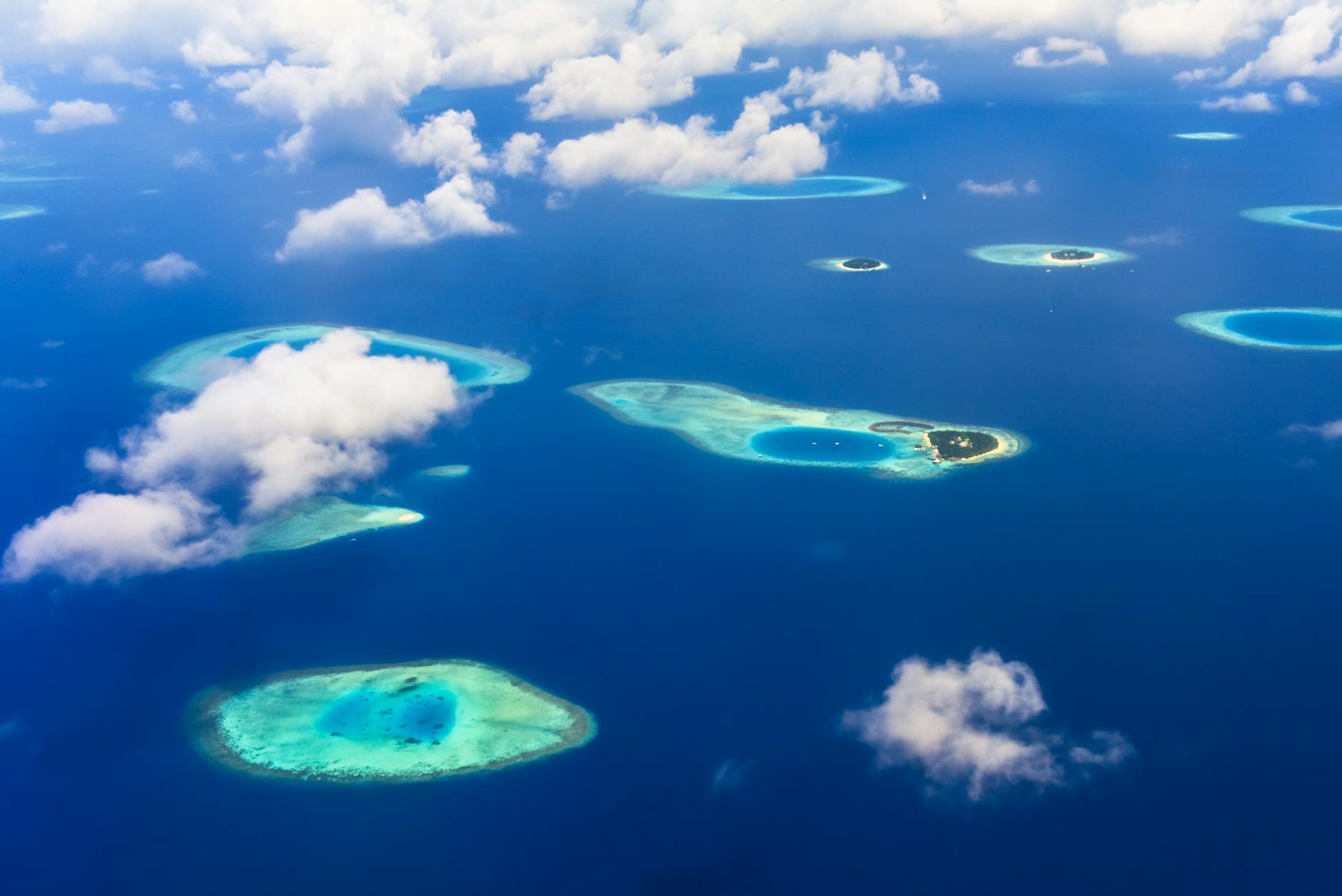
Rising from the fathomless depths of the Indian Ocean like a scattered constellation of pearls, the Maldives represents the absolute pinnacle of tropical escapism. This independent island nation spans 26 natural atolls, comprising over a thousand coral islands characterized by blindingly white sandbars, crystalline lagoons, and a thriving underwater kingdom. Geographically isolated and exquisitely fragile, the archipelago has evolved over millennia through intricate coral growth atop ancient volcanic mountain ranges, creating a labyrinth of reef systems that harbor some of the planet's most dazzling marine biodiversity.

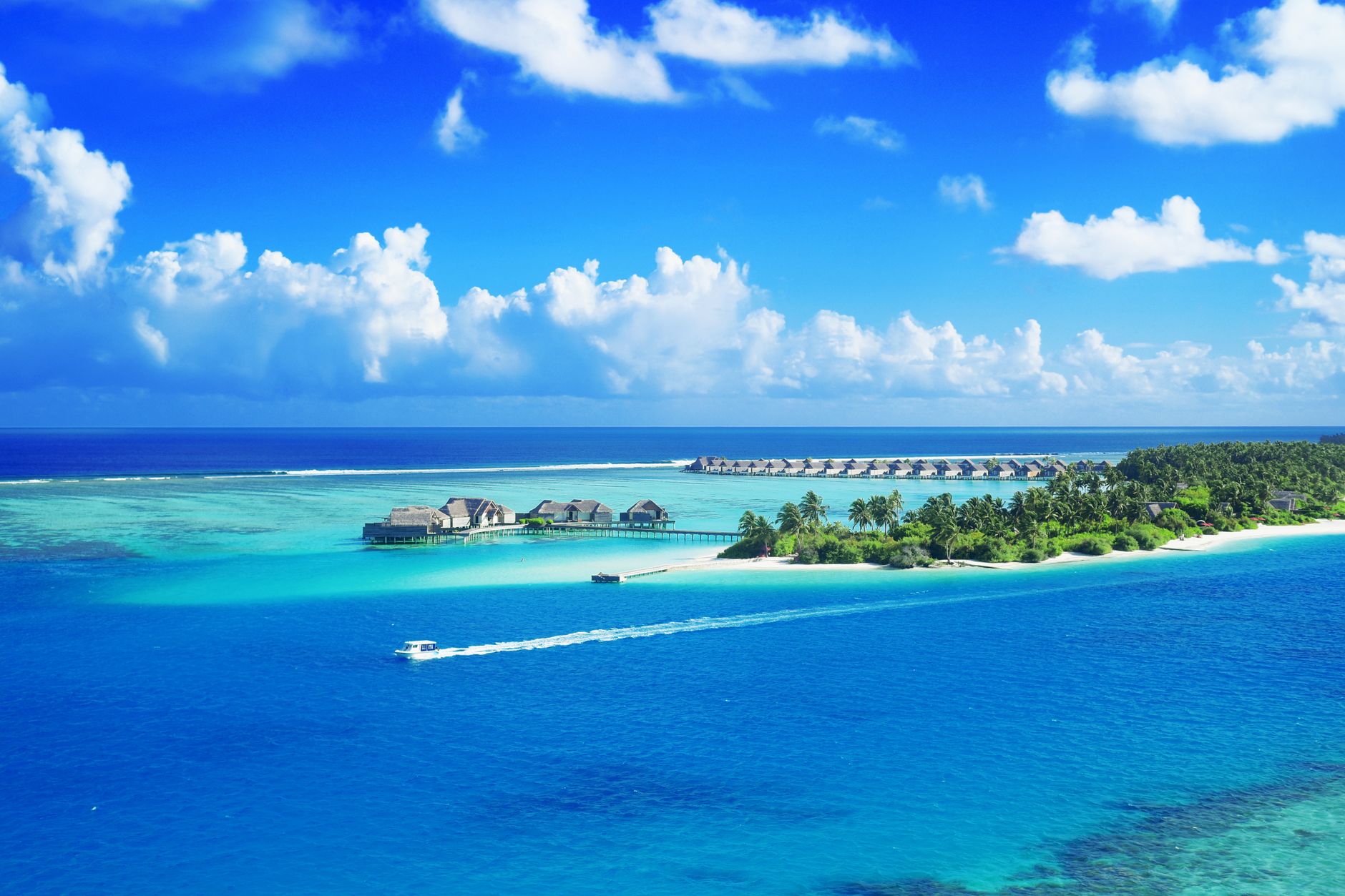
Culturally, the Maldives is a fascinating crossroads influenced by ancient seafaring traders from South Asia, East Africa, and the Middle East. Islam, introduced in the 12th century, serves as the spiritual bedrock of society, deeply shaping local traditions, architecture, and daily rhythms. While the nation is globally renowned for pioneering the ultra-luxury private island resort concept—where thatched-roof overwater villas seamlessly blend with high-end hospitality—the heart of the local life beats strongly on inhabited local islands. Here, a warm, community-oriented society thrives on fishing, boatbuilding, and a relaxed island tempo known locally as 'bodu-dhiva.'

The atmospheric quality of the Maldives is defined by absolute tranquility and an immersive communion with nature. Days are measured by the slow arc of the equatorial sun, gentle ocean breezes, and the mesmerizing palette of blues that shifts from pale turquoise to deep cobalt. The marine geography dictates everything from transportation—where roaring seaplanes and sleek speedboats replace cars and trains—to culinary traditions centered around fresh catches of reef fish and sweet coconut.

As you navigate the atolls, you bear witness to an environment both breathtakingly beautiful and remarkably vulnerable. Rising sea levels pose an existential threat to this low-lying nation, inspiring groundbreaking marine conservation efforts, coral restoration projects, and sustainable tourism initiatives across resorts and local islands alike. Visiting the Maldives today is not merely a holiday of indulgence; it is an invitation to witness one of Earth's most breathtaking oceanic ecosystems while supporting a resilient island culture preserving its ancestral home.

Visual Impressions & Moments
Maldives photo 1
Maldives photo 2
Maldives photo 3
Maldives photo 4
Maldives photo 5
Maldives photo 6
Unmissable Moments

Top Things to Do in Maldives

Adventure

Night Snorkeling with Nurse Sharks at Alimatha

Descend into the ink-black waters of the Vaavu Atoll after sunset to swim alongside dozens of docile, majestic nurse sharks and giant stingrays. Guided by expert marine naturalists, you float weightless in the warm current while these gentle predators glide gracefully through your flashlight beams. Insider tip: Keep your fins still and maintain neutral buoyancy to allow the sharks to swim close without disturbance.

Scenic

Seaplane Flight Over the Atoll Labyrinth

Board a Twin Otter seaplane from Velana International Airport for an aerial journey that redefines breathtaking. As you soar low over the archipelago, the windows frame an abstract masterpiece of emerald rings, turquoise lagoons, and white ribbon sandbars scattered across deep blue velvet. Insider tip: Secure a seat on the left side of the aircraft for the best photographic angles during take-off and landing.

Culinary

Dining Underwater at an All-Glass Restaurant

Immerse yourself in a culinary masterpiece five meters beneath the Indian Ocean surface at one of the Maldives' iconic underwater restaurants. Savor a gourmet multi-course tasting menu while eagle rays, reef sharks, and colorful parrotfish glide past panoramic acrylic walls. Insider tip: Book the lunch seating for vibrant natural lighting filtering through the reef canopy.

Culture

Cultural Immersion and Traditional Boduberu on a Local Island

Step away from the luxury resorts to explore inhabited local islands like Dhigurah or Thulusdhoo to experience authentic Maldivian village life. Wander through narrow sandy lanes, sample spicy short eats at a local cafe, and gather around a beach bonfire at night to witness the hypnotic rhythms of Boduberu drum music. Insider tip: Dress modestly by covering shoulders and knees to respect local Islamic customs.

Must-See Highlights

Top Places & Things to Do in Maldives

Curated attractions and cultural landmarks with local insider advice.

Hukuru Miskiy (Old Friday Mosque)
culture
4.7

Hukuru Miskiy (Old Friday Mosque)

Constructed in 1656 during the reign of Sultan Ibrahim Iskandar I, Hukuru Miskiy is the oldest mosque in the Maldives and a masterpiece of coral-stone architecture. The exterior walls are intricately carved with fine geometric patterns and Koranic inscriptions, showcasing the genius of traditional Maldivian master stonemasons and carpenters. Inside, the mosque is a sanctuary of serene craftsmanship featuring magnificent lacquerwork ceilings, intricately carved teak pillars, and panels crafted from imported precious woods. While non-Muslim visitors require special permission from the Ministry of Islamic Affairs to enter, admiring the exterior architecture and courtyard cemetery with its coral tombstone carvings is an essential cultural experience.

Sat-Thu 9:00 AM - 5:00 PM (Prayer times excluded)
Admission: Free (Permission required for interior)
Insider Tip: Dress conservatively with shoulders and legs fully covered before approaching the courtyard.
Hanifaru Bay
nature
4.98

Hanifaru Bay

Hanifaru Bay in the Baa Atoll is an underwater amphitheater of global significance, recognized as a UNESCO Biosphere Reserve and the world's largest feeding station for reef manta rays. During the southwest monsoon season, the unique funnel shape of the bay traps millions of microscopic plankton, creating a feeding frenzy that attracts hundreds of graceful manta rays and majestic whale sharks. Snorkeling in this protected marine sanctuary is strictly regulated to protect the wildlife: scuba diving is prohibited, boats must adhere to strict speed limits, and visitors enter the water in controlled groups accompanied by authorized biosphere guides. Swimming amidst a swirling vortex of dozens of feeding mantas is an ethereal, life-changing encounter.

Sunrise to Sunset (May to November peak season)
Admission: $20 permit + excursion fee
Insider Tip: Book through a certified resort or local dive center that holds an official Hanifaru operating permit.
Malé Fish Market
attraction
4.6

Malé Fish Market

Located along the northern waterfront of the capital, the Malé Fish Market is a pulsating, sensory-rich hub of daily commerce and local maritime life. Throughout the afternoon, traditional pole-and-line fishing boats (dhonis) arrive at the concrete pier laden with massive yellowfin tuna, skipjack, and reef fish, which are unloaded and immediately whisked away to be filleted with surgical precision by expert local mongers. The market floor is impeccably clean, washed constantly with seawater, and buzzes with the energetic banter of fishermen and restaurateurs negotiating the daily catch. Visiting this bustling landmark provides an authentic window into the economic lifeblood of an island nation inextricably tied to the Indian Ocean.

Daily 7:00 AM - 10:00 PM (Fridays closed during prayer times)
Admission: Free
Insider Tip: Visit in the late afternoon around 4:00 PM when the fishing boats return and the market is at its absolute liveliest.
National Museum
culture
4.3

National Museum

Situated within the lush oasis of Sultan Park in Malé, the National Museum occupies a modern structure built with Chinese assistance, preserving the remnants of the old Maldivian royal palace. The museum's extensive collection chronicles the rich, turbulent history of the islands from pre-Islamic Buddhist artifacts to royal sunshades, ancient thrones, lacquered chests, and intricately woven ceremonial garments. Highlights include stone sculptures from the pre-Islamic era dating back to the 6th century, medieval weaponry used in battles against Portuguese colonizers, and historical manuscripts written on traditional copper plates and palm leaves. It serves as an invaluable educational gateway for travelers looking to understand the deep historical roots behind the idyllic resort facade.

Sun-Thu 10:00 AM - 4:00 PM
Admission: $10 USD
Insider Tip: Combine your museum visit with a stroll through Sultan Park and nearby souvenir shops on Chaandhanee Magu.
Area Guide

Where to Stay & Best Neighborhoods

Malé City

Best for: History enthusiasts, culture seekers, architecture buffs, and budget travelers.

Vibe: Densely packed, vibrant, vertical urban island with bustling harbors and busy streets.

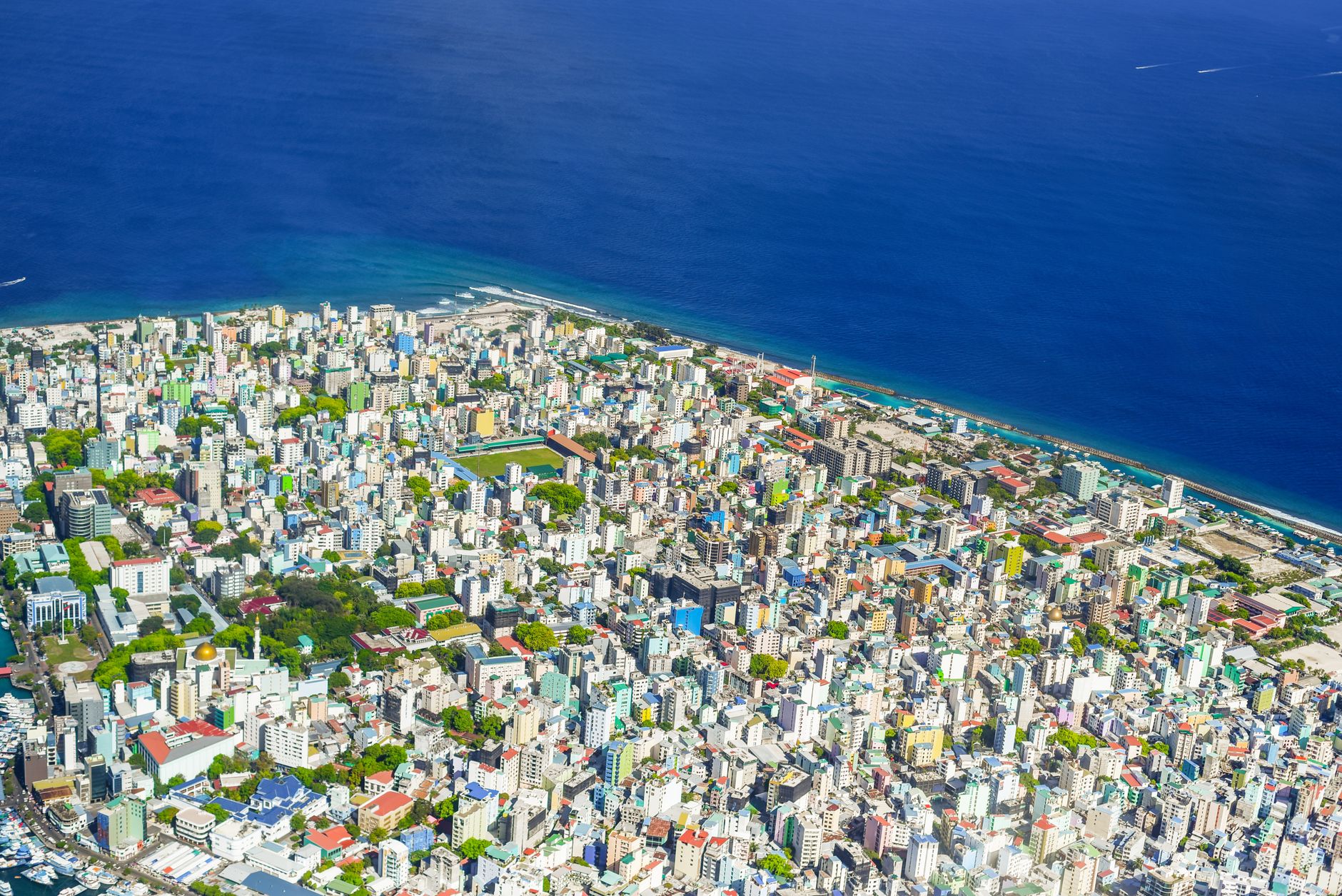
Serving as the political and economic heartbeat of the nation, Malé is a stark architectural contrast to the secluded resort atolls. Here, colorful residential towers rise tightly against the azure waterfront, lined with bustling fish markets, fruit stalls, and historic landmarks like the 17th-century Hukuru Miskiy (Old Friday Mosque) built from intricately carved coral stone.

Ari Atoll (Alif Atoll)

Best for: Scuba divers, luxury honeymooners, and underwater photography enthusiasts.

Vibe: Pristine, resort-dense, marine-rich lagoon paradise with world-class diving spots.

Divided into North and South Ari Atolls, this region is globally renowned for its exceptional marine life, featuring deep-water channels where pelagic species, manta rays, and whale sharks congregate year-round. It hosts a collection of ultra-luxury resorts offering iconic overwater villas, private sandbank dinners, and world-class house reefs.

Baa Atoll

Best for: Eco-conscious travelers, nature lovers, and snorkelers seeking untouched coral gardens.

Vibe: UNESCO Biosphere Reserve, tranquil, ecologically pristine, and breathtakingly secluded.

Designated as a UNESCO Biosphere Reserve, the Baa Atoll is a sanctuary of biodiversity. Its crown jewel, Hanifaru Bay, is famous for hosting the world's largest seasonal aggregations of reef manta rays and whale sharks, who gather to feed on dense plankton blooms trapped by the funnel-shaped reef.

Food & Drink Scene

What to Eat in Maldives

Mas Huni

The quintessential Maldivian breakfast dish consisting of finely shredded smoked tuna, freshly grated coconut, minced onions, and fiery chili peppers, seasoned with lime juice. It is traditionally eaten with warm, flaky flatbread known as roshi.

🍮 Top spot: Local tea houses (hotaa) throughout MalĂ© or local island cafes.

Garudhiya

A fragrant, crystal-clear fish broth simmered with fresh tuna chunks, onions, curry leaves, and chili, then seasoned with lime. This foundational Maldivian comfort food is served steaming hot alongside boiled yellowfin tuna and mounds of steamed rice.

🍮 Top spot: Traditional family-run eateries on local islands like Maafushi.

Boshi Mashuni

A vibrant, crunchy banana flower salad tossed with grated coconut, crisp onions, curry leaves, turmeric, cumin, and lime juice. It offers a refreshing, slightly bitter and spicy flavor profile that pairs wonderfully with rich curries.

🍮 Top spot: Authentic island restaurants in the South Ari Atoll.
Excursions

Best Day Trips from Maldives

Sandbank Picnic & Dolphin Cruise in South Male Atoll

30 to 45 minutes by speedboat from Malé

Board a traditional wooden dhoni to cruise the calm turquoise lagoons while pods of playful spinner dolphins leap alongside the bow. Anchor at an isolated, powdery white sandbank in the middle of the ocean for a private champagne picnic and leisurely snorkeling.

Villingili (Vilimalé) Eco-Walk

10 minutes by public ferry from Malé

Escape the hectic bustle of the capital city by taking a ten-minute public ferry to Villingili, a tranquil, vehicle-free neighborhood island. Enjoy a guided walking tour focusing on community sustainability, local fruit gardens, and quiet residential beach fronts.

When to Go

Best Time to Visit & Seasonality

Editor’s Pick: The dry season, spanning from November to April during the Northeast Monsoon (Iruvai), is the prime time to visit the Maldives. Skies are clear, rainfall is minimal, and the ocean is calm—ideal for diving, snorkeling, and seaplane transfers. December through March offers the absolute best visibility underwater. The wet season (May to October) brings tropical downpours and stronger winds, but attracts surfers for the southwest swells and offers lower prices.

Spring Overview

(March to May)
Moderate
Average Temperature & Climate28°C to 32°C

Warm, sunny transitioning into early pre-monsoon showers by late May.

Crowd & Travel ConditionsModerate Tourist Traffic

Fewer lines and better deals.

✹ Seasonal Highlights:Exceptional underwater visibility, calm seas, and excellent manta ray sightings in Hanifaru Bay.
Travel Smarter

Practical Travel Essentials

CurrencyMaldivian Rufiyaa (MVR), though US Dollars (USD) are universally accepted across resorts.
LanguageDhivehi (English is widely spoken in resorts and capital areas)
Time ZoneUTC+5

Visa & Entry

Tourist visas for 30 days are issued upon arrival free of charge for all nationalities, provided you possess a valid passport, a confirmed resort/hotel booking, and a return ticket.

Getting Around & Transit

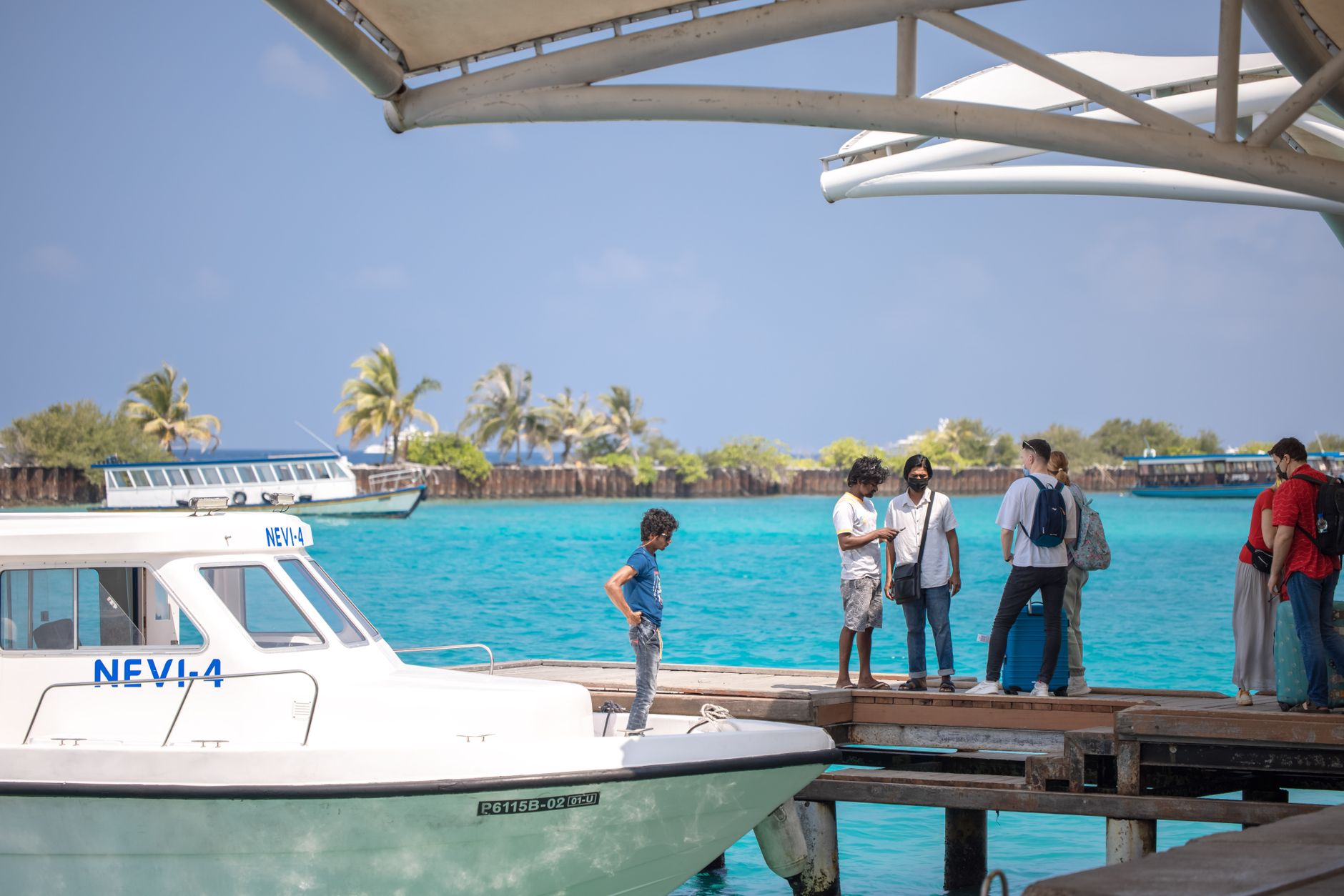
Transfers between Velana International Airport and resorts are conducted via domestic flights, seaplanes, or high-speed boats arranged directly through your accommodation. Public ferries and scheduled speedboats connect local inhabited islands.

Daily Budget Expectation

$300 to $1,500+ USD per day for luxury resort stays; budget travelers staying on local islands can manage on $80 to $150 USD per day.

Safety & Health

Very High. The Maldives is one of the safest destinations in the world for travelers, with very low rates of violent crime.

Local Etiquette & Customs

As an Islamic nation, public consumption of alcohol is restricted to resort islands and safari boats. Modest dress (shoulders and knees covered) is required on inhabited local islands. Bringing in pork, alcohol, or religious idols through customs is strictly prohibited.

Questions & Answers

Frequently Asked Questions about Maldives

Most travelers receive a 30-day tourist visa upon arrival at Velana International Airport at no extra cost, provided you have a valid passport, return ticket, and hotel reservation.