🌟 Best in Travel 2026 is here!
Malta
countryEurope
4.88 / 5.0

Malta

An ancient Mediterranean archipelago where golden limestone fortresses meet sapphire waters and timeless traditions.

Editorial Guide

About Malta

Suspended in the crystalline blue heart of the Mediterranean Sea between Sicily and the North African coast, the Maltese archipelago is a living museum of human history. For millennia, Phoenicians, Romans, Arabs, Normans, the Knights of St. John, and the British have left indelible stamps upon its sun-drenched landscape, creating a distinct culture that seamlessly merges Southern European vibrance with Levantine warmth. From the majestic bastion walls of Valletta to the prehistoric megaliths of Ġgantija—which predate the Egyptian pyramids—Malta offers an astonishing density of architectural and archaeological wonders packed into a surprisingly compact canvas.

Beneath the honey-colored baroque facades lies a daily life defined by sea breezes, church bells echoing across crowded piazzas, and an unhurried appreciation for Mediterranean gastronomy. The local character is fiercely proud yet deeply welcoming, shaped by centuries of seafaring heritage and island resilience. Maltese, a Semitic language written in the Latin alphabet peppered with Sicilian and Italian loanwords, serves as a daily reminder of the nation's unique crossroads identity, though English is spoken universally.

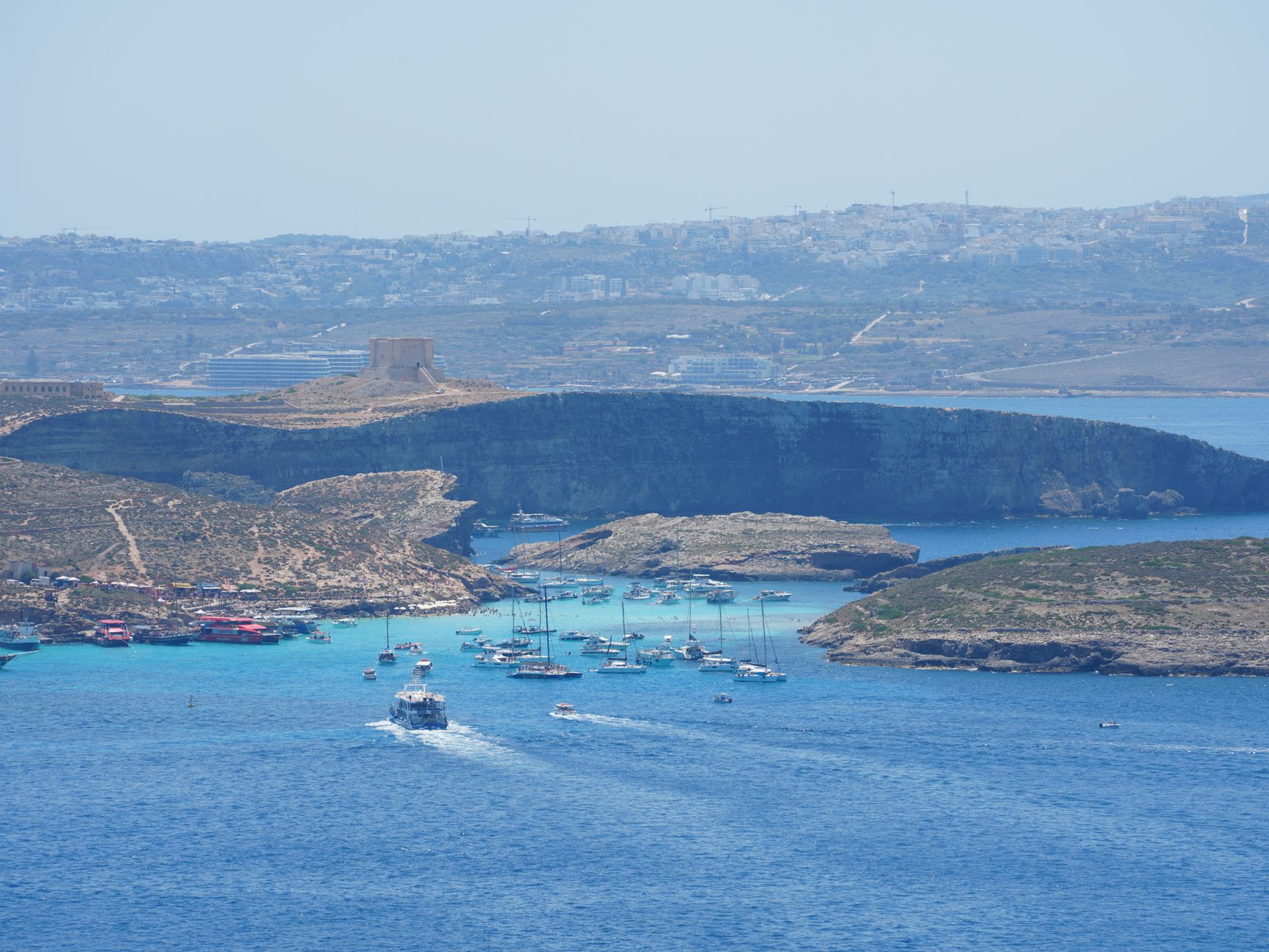
Geographically, Malta is a land of dramatic contrasts. The main island features rolling hills, terraced fields, and sprawling urban hubs that transition seamlessly into quiet cliffside lookouts. Meanwhile, sister island Gozo presents a slower, greener, and more pastoral alternative defined by jagged coastlines and baroque village cores. Further out, the uninhabited Comino hides the legendary Blue Lagoon, a slice of tropical paradise tucked within the European continent.

Navigating Malta feels like stepping through the pages of an epic chronicle where every winding alleyway reveals a hidden chapel, a colorful wooden balcony, or a panoramic view of the sea. Whether you are exploring underground catacombs, diving into WWII shipwrecks, or savoring flaky pastizzi at a neighborhood bakery, Malta delivers an intensely sensory travel experience that lingers long after you leave its shores.

Visual Impressions & Moments

Malta photo 1
Malta photo 2
Malta photo 3
Malta photo 4
Malta photo 5
Malta photo 6
Unmissable Moments

Top Things to Do in Malta

Must-Do

Explore the Grand Harbour on a Traditional Dgħajsa

Hiring a traditional wooden dgħajsa (Maltese gondola) from the Valletta waterfront to cross the Grand Harbour to the Three Cities offers an unmatched perspective of the world-class fortifications. Aim for late afternoon when the golden limestone glows brilliantly in the setting sun. Tip: Agree on the fare before boarding and ask the boatman for historical anecdotes about the Great Siege.

Adventure

Dive into the Submerged History of WWII Wrecks

Malta is widely regarded as one of the premier scuba diving destinations in Europe, featuring crystal-clear visibility exceeding 30 meters. Explore famous wrecks like the HMS Maori and underwater caverns teeming with marine life off the coast of Gozo. Tip: Book with a PADI-certified center in Ċirkewwa or Marsalforn for guided excursions tailored to your experience level.

Culture

Wander the Silent Streets of Mdina at Night

Once the medieval capital of Malta, Mdina transforms after dark when day-trippers depart and amber lanterns illuminate its silent, honey-colored alleys. Walking through its imposing gates feels like entering a time warp. Tip: Enjoy a quiet glass of Maltese wine at a courtyard café and listen to the haunting echoes of your footsteps on ancient cobblestones.

Scenic

Swim in the Azure Waters of the Blue Lagoon

Located off the coast of tiny Comino island, the Blue Lagoon boasts iridescent turquoise water that looks photoshopped. Take an early morning ferry to secure a prime spot before the day-cruises arrive. Tip: Bring water shoes to protect your feet from the rocky shelves surrounding the swimming areas.

Must-See Highlights

Top Places & Things to Do in Malta

Curated attractions and cultural landmarks with local insider advice.

St. John's Co-Cathedral
culture
4.9

St. John's Co-Cathedral

From the outside, St. John's Co-Cathedral appears as a formidable, austere fortress of honeyed stone built by the Knights of St. John. Step through the heavy doors, however, and you are immediately enveloped in an explosion of high baroque splendor, with every square inch of the vaulted ceiling, walls, and marble floor covered in intricate gold leaf and masterwork paintings. The cathedral floor is paved with nearly 400 resplendent marble tombstones belonging to fallen knights, each inlaid with colorful crests and allegorical skeletons. In the adjacent oratory hangs Caravaggio's undisputed masterpiece, 'The Beheading of Saint John the Baptist,' a dramatic study in light and shadow that leaves visitors spellbound.

Monday - Saturday: 9:00 AM - 4:45 PM
Admission: €15
Insider Tip: Book tickets online in advance to skip the main queue. Visitors are required to wear modest clothing covering shoulders and knees; avoid wearing stiletto heels as they can damage the historic marble floor.
Mdina Old City
attraction
4.85

Mdina Old City

Perched dramatically upon a hilltop in the center of Malta, Mdina is an ancient walled city that served as the capital until the arrival of the Knights in the 16th century. Nicknamed the 'Silent City,' it is a mesmerizing labyrinth of medieval and baroque architecture, where noble palaces, silent convent courtyards, and grand bastions overlook the surrounding countryside all the way to the sea. Wandering the winding, car-free streets feels like stepping onto a Hollywood movie set (indeed, it frequently is). The imposing Vilhena Palace and the soaring St. Paul's Cathedral dominate the skyline, while bastion viewpoints offer sweeping panoramas of the Maltese islands.

Open 24/7 (Palaces and museums have individual hours)
Admission: Free
Insider Tip: Visit either early in the morning before tour buses arrive or late in the evening when the gas lamps cast an ethereal glow on the stone facades.
The Blue Lagoon (Comino)
nature
4.75

The Blue Lagoon (Comino)

Situated in the narrow channel between the tiny island of Comino and the islet of Cominotto, the Blue Lagoon is a sheltered bay featuring shallow, crystal-clear cyan waters over white sand. It is arguably Malta's most breathtaking natural spectacle, drawing swimmers, snorkelers, and boaters from across the globe. While the main swimming shelf can become intensely crowded during peak summer months, exploring the surrounding limestone cliffs and walking trails across Comino reveals quiet coves and sweeping vistas of the open sea, offering a peaceful escape from the bustling lagoons below.

Accessible daily via boat
Admission: Free (Boat transfers from €15 - €25)
Insider Tip: Take one of the earliest morning ferries from Ċirkewwa or Gozo to enjoy the lagoon in relative tranquility before the large party catamarans arrive around 11:00 AM.
Upper Barrakka Gardens
nature
4.88

Upper Barrakka Gardens

Perched high atop the St. Peter and Paul Bastion in Valletta, the Upper Barrakka Gardens offer arguably the most magnificent panoramic view in the entire Mediterranean. Shaded by graceful colonnades and exotic trees, these terraced public gardens look down directly upon the Grand Harbour, Fort St. Angelo, and the historic Three Cities across the water. Every day at 12:00 PM and 4:00 PM, a crowd gathers along the neoclassical terrace to witness the ceremonial firing of the Saluting Battery, where historical cannons are discharged by gunners dressed in British artillery uniforms.

Daily: 7:00 AM - 10:00 PM
Admission: Free
Insider Tip: Arrive 15 minutes before noon to secure a prime spot against the railing for the cannon firing ceremony. Take the public glass elevator down to the Grand Harbour waterfront afterward.
Area Guide

Where to Stay & Best Neighborhoods

Valletta

Best for: History buffs, architecture lovers, museum-goers, and luxury boutique hotel stays.

Vibe: 16th-century baroque fortress city, grand grid system, bustling cafes, and dramatic sea views.

Built by the Knights of St. John, Valletta is a UNESCO World Heritage site densely packed with ornate palaces, imposing auberges, and steep staircases leading down to the sparkling blue sea. Walking through Republic Street and down the quiet side alleys reveals startling architectural details at every turn.

The Three Cities (Vittoriosa, Senglea, Cospicua)

Best for: Off-the-beaten-path explorers, authentic local dining, and maritime history enthusiasts.

Vibe: Authentic, maritime, deeply historic, residential, and refreshingly free of mass tourism.

Lying directly across the Grand Harbour from Valletta, the Three Cities played a pivotal role in Malta's military history. Vittoriosa (Birgu) boasts narrow medieval streets, the Inquisitor's Palace, and a picturesque marina lined with luxury yachts, offering a window into traditional Maltese life.

Sliema & St. Julian's

Best for: Shoppers, nightlife seekers, international cuisine fans, and upscale coastal resort stays.

Vibe: Cosmopolitan, energetic, modern commercial hubs with bustling promenades and nightlife.

Serving as the contemporary commercial and entertainment center of Malta, this coastline area features sprawling shopping malls, trendy cocktail bars, upscale seafood restaurants, and rocky beach lidos that buzz with activity from morning until late at night.

Food & Drink Scene

What to Eat in Malta

Fenek (Traditional Maltese Rabbit Stew)

Considered the national dish of Malta, rabbit is slow-cooked for hours with garlic, red wine, tomatoes, bay leaves, and root vegetables until the meat falls tenderly off the bone, offering a rich and comforting flavor profile.

🍴 Top spot: Ta' Doni in Rabat or Gululu in St. Julian's

Pastizzi

An iconic Maltese street food staple consisting of flaky, diamond-shaped phyllo pastry filled with either steaming hot ricotta cheese or mashed mushy peas. Crispy on the outside and savory on the inside.

🍴 Top spot: Crystal Palace (Is-Serkin) in Rabat

Lampuki Pie

A seasonal autumn specialty featuring dolphin fish (lampuki) baked inside a flaky pastry crust alongside spinach, cauliflower, capers, black olives, raisins, and walnuts—a delicious synthesis of sweet and savory Mediterranean flavors.

🍴 Top spot: Rubino in Valletta
Excursions

Best Day Trips from Malta

Gozo Island Pastoral Escape

25 mins by ferry from Ċirkewwa port

Hop on the 25-minute ferry from Ċirkewwa to discover Malta's greener, more relaxed sister island. Explore the imposing Citadel in Victoria, hike along rugged coastal cliffs at Wied il-Mielaħ, and sample local Gozitan cheese and honey.

The Prehistoric Temples of Ħaġar Qim & Mnajdra

40 mins by bus or car from Valletta

Journey to the dramatic southern cliffs of Malta to witness megalithic temple complexes constructed over 5,000 years ago. These massive limestone blocks aligned with celestial solstices offer a profound glimpse into Neolithic civilization.

When to Go

Best Time to Visit & Seasonality

Editor’s Pick: Spring (April to June) and Autumn (September to October) offer the most pleasant weather for exploring historical sites and hiking, with comfortable temperatures hovering between 20°C and 25°C. July and August are peak summer months, ideal for swimming and vibrant village festas, but bring intense heat and large crowds.

Spring Overview

(April - June)
Moderate
Average Temperature & Climate18°C - 24°C

Mild, sunny, and increasingly warm with blooming wildflowers across the countryside.

Crowd & Travel ConditionsModerate Tourist Traffic

Fewer lines and better deals.

✨ Seasonal Highlights:Ideal hiking conditions, the Valletta International Baroque Festival (early spring), and comfortable sightseeing before the summer rush.
Travel Smarter

Practical Travel Essentials

CurrencyEUR (€)
LanguageMaltese, English
Time ZoneCET (UTC+1), CEST (UTC+2 in summer)

Visa & Entry

Malta is part of the Schengen Area. Citizens of the EU, US, Canada, UK, and Australia do not require a visa for tourist stays up to 90 days within any 180-day period.

Getting Around & Transit

Malta has an extensive public bus network operated by Malta Public Transport, which is affordable and covers the entire island. Ferries operate between Valletta, the Three Cities, and Gozo. Taxis and ride-sharing apps like Bolt and eCabs are widely available and reliable.

Daily Budget Expectation

A comfortable daily budget ranges from €80 to €150 per person, covering a mix of public transport, casual dining (pastizzi and local tavernas), museum admissions, and mid-range accommodation.

Safety & Health

Malta is one of the safest countries in Europe, with extremely low rates of violent crime. Petty theft like pickpocketing can occur in crowded tourist areas or nightclubs, so standard vigilance is advised.

Local Etiquette & Customs

Maltese people are warm, polite, and deeply proud of their culture and Catholic heritage. When visiting churches, dress modestly (shoulders and knees covered). Greeting locals with a polite 'Bonġu' (Good morning) or 'Il-lejl it-tajjeb' goes a long way.

Questions & Answers

Frequently Asked Questions about Malta

Not necessarily. Malta has an extensive and inexpensive bus network that reaches almost every major attraction. However, driving gives you greater flexibility to explore remote rural areas and hidden beaches. Keep in mind that Malta drives on the left side of the road.