🌟 Best in Travel 2026 is here!
Marseille
cityEurope
4.80 / 5.0

Marseille

A gritty, sun-drenched Mediterranean mosaic of ancient history, salty sea air, and rebellious spirit.

Advertisement
Editorial Guide

About Marseille

Founded by Greek mariners from Phocaea in 600 BC, Marseille is France's oldest and most rebellious metropolis. Situated on the rugged, limestone-carved coast of Provence, this sprawling port city defies the conventional, manicured image of the French Riviera. It is a raw, sensory-rich melting pot where the scent of sea salt, wood-fired pizza, and North African spices mingle in the warm Mediterranean breeze. Here, grand 19th-century Haussmannian avenues run parallel to ancient, labyrinthine alleys draped in drying laundry and vibrant street murals, creating an urban fabric that is as complex as it is captivating.

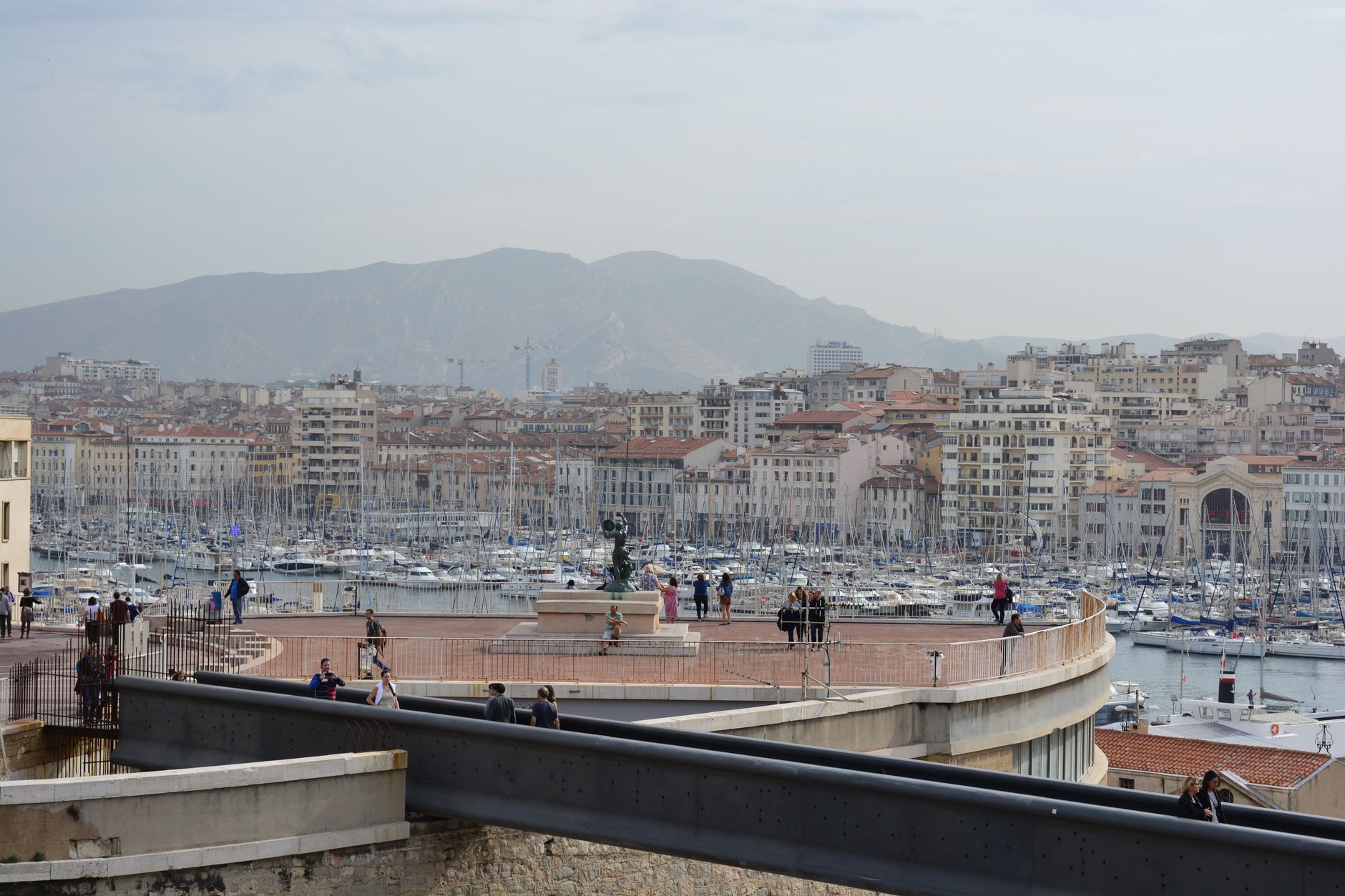
At the heart of Marseille's identity is the Vieux-Port (Old Port), a natural harbor around which local life has rotated for over two and a half millennia. Every morning, fishermen hawking their daily catch shout in thick, sing-song Provençal accents, while modern yachts bob in the background against a backdrop of historic limestone forts. Beyond the harbor, the city unfolds in a series of distinct, fiercely independent neighborhoods (quartiers), each functioning like a self-contained village. From the bohemian, graffiti-splattered plazas of Cours Julien to the sleepy, sea-splashed coves of Malmousque, Marseille offers a kaleidoscope of micro-cultures.

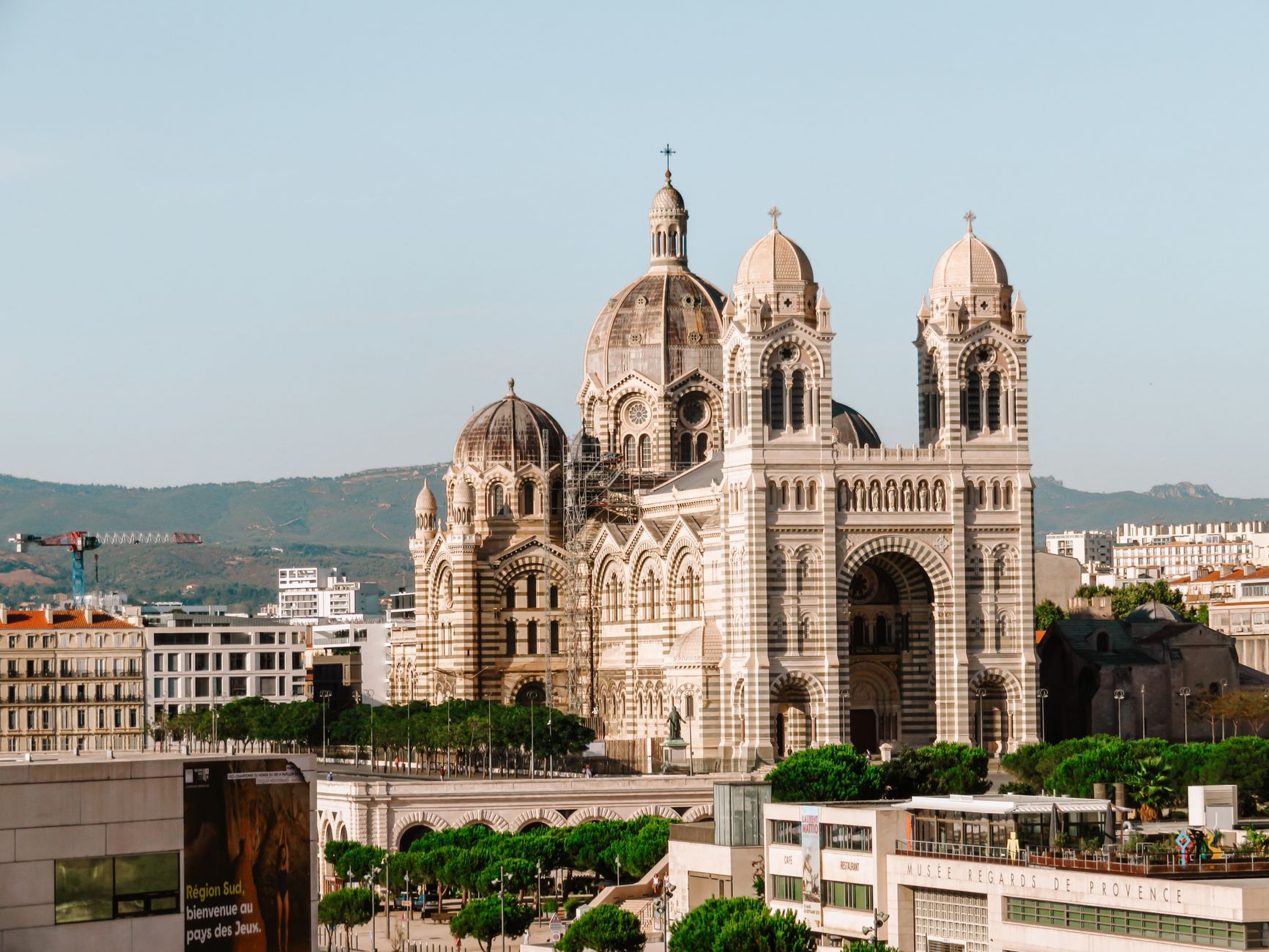
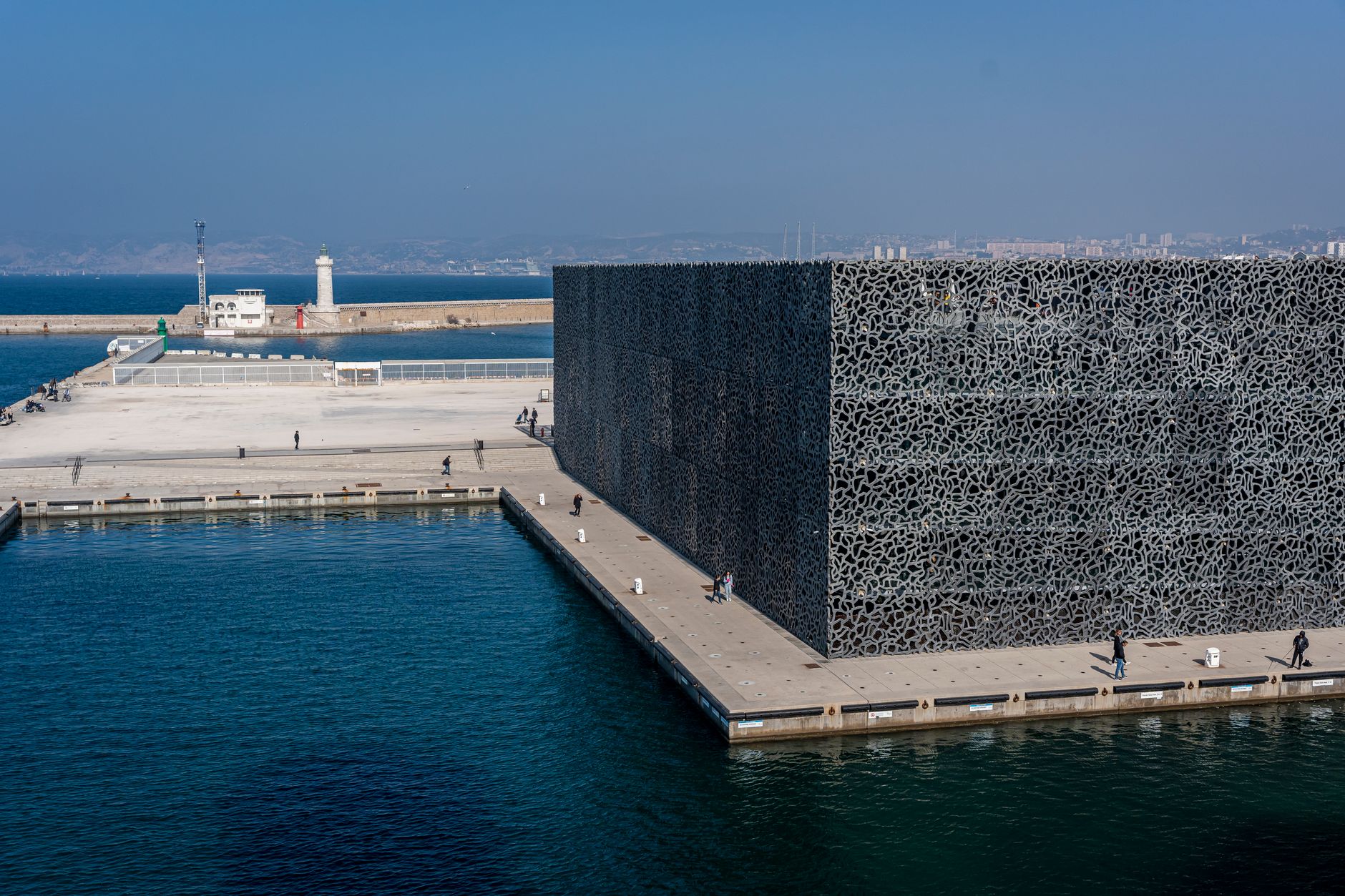
Marseille's modern renaissance is marked by a stunning architectural transformation, catalyzed by its tenure as the European Capital of Culture in 2013. Striking contemporary structures like the latticed MuCEM museum stand alongside historic landmarks, symbolizing a city that honors its past while boldly embracing the future. Yet, despite its rapid modernization and influx of global creatives, Marseille remains unapologetically working-class, fiercely proud, and fiercely authentic.

To truly understand Marseille is to embrace its contradictions. It is a city of blinding Mediterranean light and deep shadow, of chaotic traffic and tranquil coastal hikes in the nearby Calanques National Park. It is a place where lunch lasts for hours, where the local pastis flows freely at sunset, and where the fierce mistral wind regularly sweeps the sky clean, revealing a blue so intense it has inspired artists from Cézanne to Matisse for generations.

Visual Impressions & Moments
Marseille photo 1
Marseille photo 2
Marseille photo 3
Marseille photo 4
Marseille photo 5
Marseille photo 6
Unmissable Moments

Top Things to Do in Marseille

Culture

Wander the Pastel Labyrinth of Le Panier

Step back in time by exploring Marseille's oldest neighborhood, Le Panier. Rising up a hill just north of the Vieux-Port, this ancient quarter is a maze of steep, narrow staircases, pastel-hued facades, and laundry lines strung between shuttered windows. Once a rough-and-tumble immigrant enclave, it is now a thriving creative hub filled with artisan workshops, independent boutiques, and tiny terraced cafés. Spend a morning getting lost in its alleys, stopping to admire the vibrant street art, and visiting the Vieille Charité, a magnificent 17th-century former almshouse that now hosts cultural exhibitions.

Adventure

Hike the Limestone Fjords of Les Calanques

Escape the urban chaos by journeying into the Calanques National Park, a wild stretch of dramatic, white limestone cliffs that plunge vertically into the turquoise waters of the Mediterranean. Starting from the university suburb of Luminy or the fishing village of Cassis, hike down through fragrant pine forests and scrubby maquis to reach secluded, fjord-like inlets like Calanque de Sugiton or Calanque d'En-Vau. The reward is a swim in some of the clearest, most refreshing waters in Europe. Be sure to pack plenty of water, sturdy hiking shoes, and check fire safety restrictions before setting out.

Culinary

Dive into the Sensory Chaos of Noailles Market

Known affectionately as the 'belly of Marseille,' the vibrant neighborhood of Noailles is a sensory explosion that reflects the city's deep ties to North Africa and the Middle East. Wander through the bustling daily market along Rue d'Aubagne and the surrounding alleys, where the air is thick with the scent of roasting spices, fresh mint, harissa, and flatbreads. Explore legendary shops like Epicerie l'Idéal for gourmet local goods, or Joris, a historic herbalist shop operating since 1815. It is the ultimate place to experience Marseille's multicultural heartbeat and pick up unique culinary souvenirs.

Scenic

Watch the Sunset from Notre-Dame de la Garde

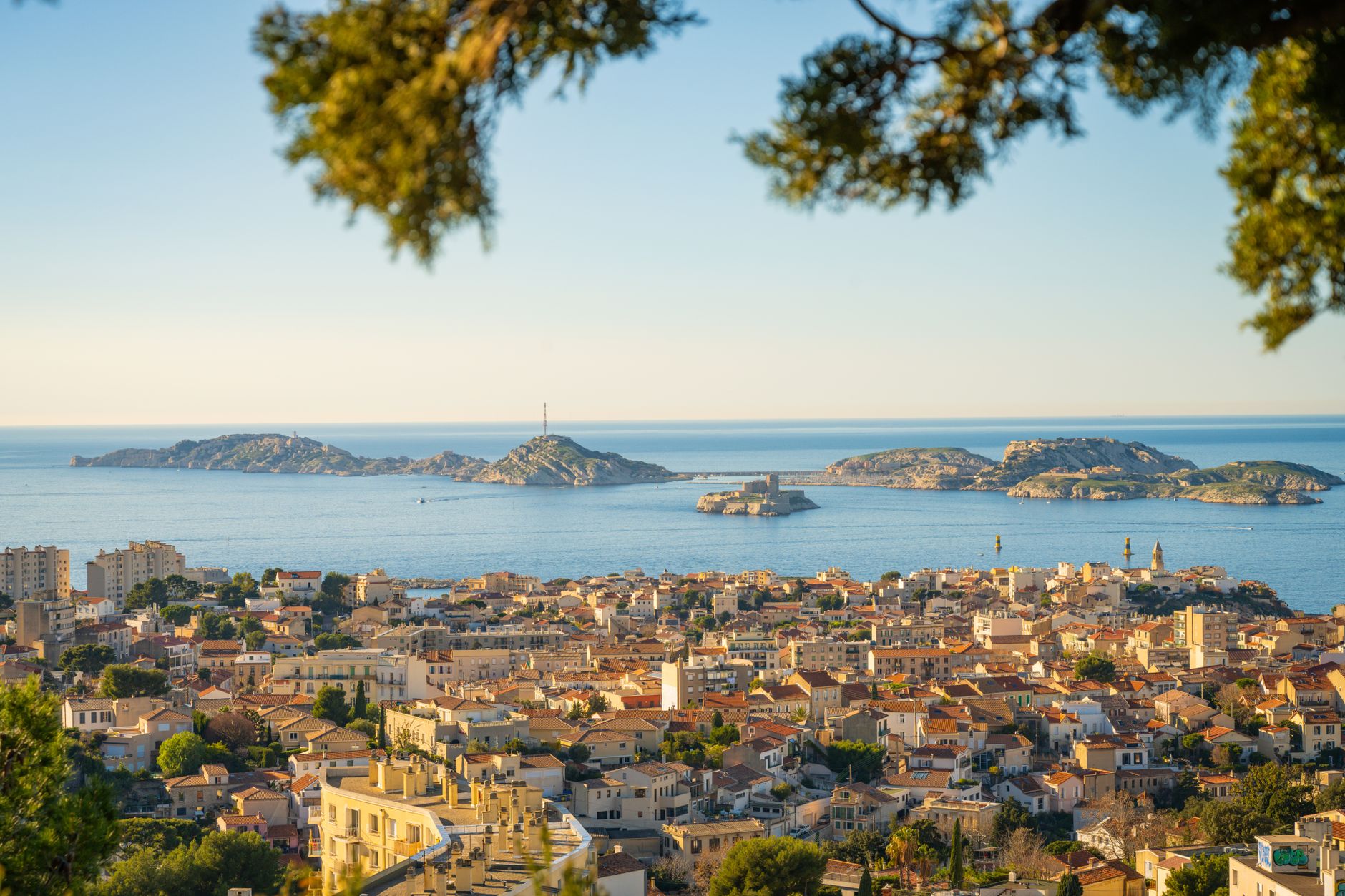
For the most breathtaking, 360-degree panoramic view of Marseille, the sea, and the surrounding mountains, ascend to the Neo-Byzantine basilica of Notre-Dame de la Garde. Perched on the city's highest natural point, this beloved landmark—affectionately called 'La Bonne Mère' (The Good Mother) by locals—has watched over sailors and citizens since the 19th century. Time your visit for late afternoon to explore the gilded mosaics and ex-voto ship models inside, then step out onto the terrace as the sun dips below the horizon, painting the city, the Frioul islands, and the Chateau d'If in shades of gold and deep violet.

Must-See Highlights

Top Places & Things to Do in Marseille

Curated attractions and cultural landmarks with local insider advice.

Basilica of Notre-Dame de la Garde
culture
4.9

Basilica of Notre-Dame de la Garde

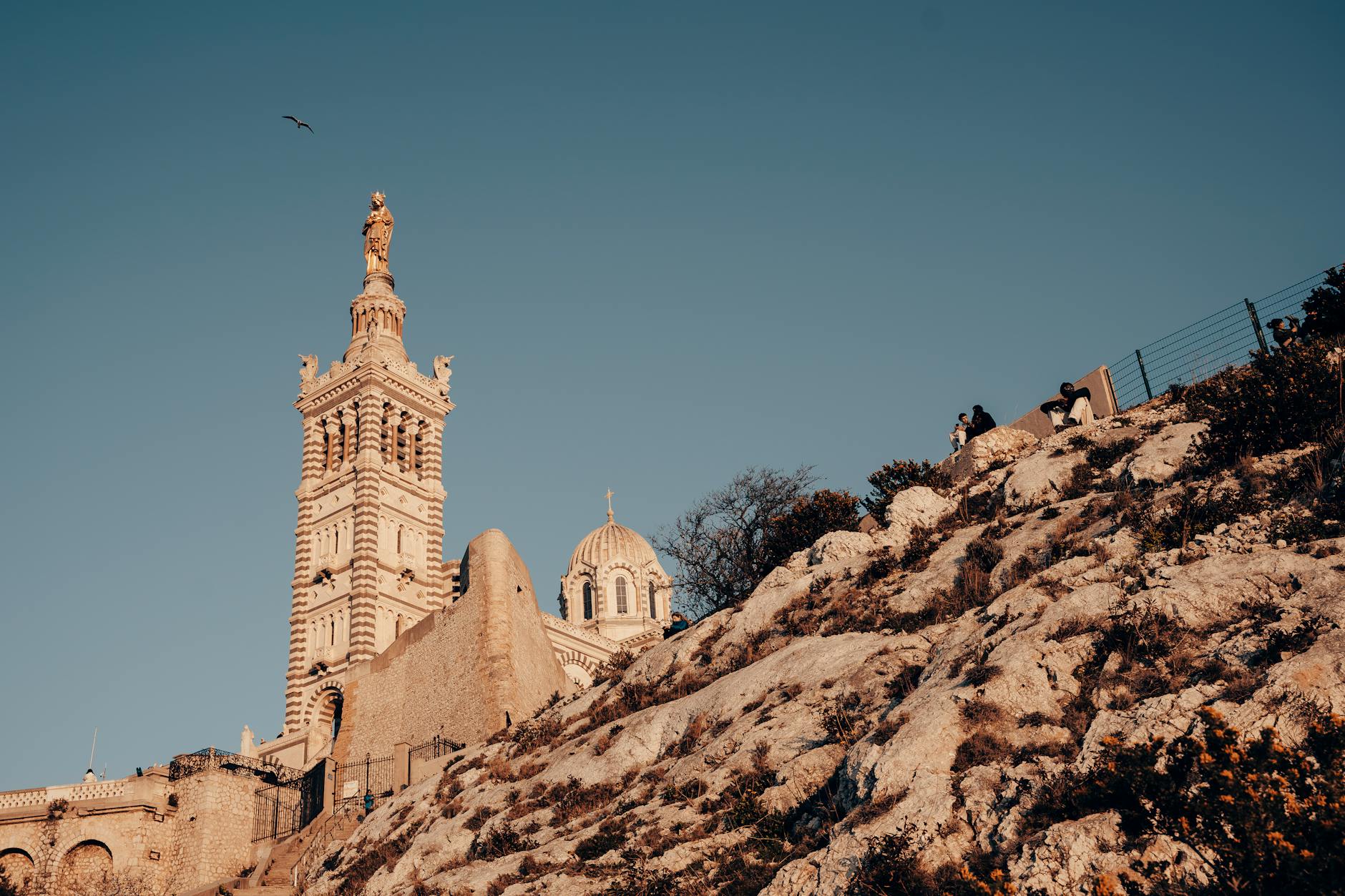
Perched majestically on a 150-meter-high limestone peak, the Basilica of Notre-Dame de la Garde is the iconic, spiritual heart of Marseille. Built between 1853 and 1864 in the striking Romano-Byzantine style, the basilica features alternating bands of green Florentine marble and white stone. Its crowning glory is a colossal, 11-meter-tall gilded bronze statue of the Virgin and Child (La Bonne Mère) atop the bell tower, which catches the Mediterranean sun and acts as a beacon for ships miles out at sea. The interior of the basilica is a breathtaking display of opulent gold leaf, intricate mosaics depicting biblical scenes, and multi-colored marble arches. Reflecting Marseille's deep maritime heritage, the nave is hung with dozens of ex-voto paintings, models of historical ships, and plaques left by sailors, soldiers, and citizens returning safely from long voyages or surviving illness. The outdoor terraces offer an unparalleled, 360-degree panorama of the city's red-tiled roofs, the blue expanse of the sea, the Frioul Islands, and the rugged hills of Provence.

7:00 AM - 6:00 PM daily
Admission: Free
Insider Tip: Avoid the steep, exhausting uphill walk by taking the scenic Bus #60 from the Vieux-Port directly to the basilica gates. Go in the late afternoon for spectacular sunset photography, but be prepared for strong, chilly winds on the viewing platform.
MuCEM (Museum of European and Mediterranean Civilisations)
attraction
4.7

MuCEM (Museum of European and Mediterranean Civilisations)

Designed by the acclaimed architect Rudy Ricciotti and inaugurated in 2013, MuCEM is a modern architectural masterpiece and a symbol of Marseille's 21st-century cultural renaissance. The main building, a stunning, dark concrete cube wrapped in a delicate, lace-like concrete lattice, sits at the water's edge, filtering the intense Mediterranean light onto the exhibition spaces inside. The museum is dedicated to the history, culture, and diverse civilizations of the Mediterranean basin, hosting rotating exhibitions that span archaeology, anthropology, art, and contemporary sociology. A dramatic, 130-meter-long suspended footbridge connects the roof of the modern MuCEM building to the historic, 17th-century Fort Saint-Jean. Visitors can stroll freely across this bridge, exploring the fort's ancient stone ramparts, vaulted chambers, and a lush Mediterranean garden showcasing local flora. The integration of cutting-edge contemporary design with historic military architecture makes it one of the most visually compelling public spaces in Europe.

10:00 AM - 6:00 PM (Closed Tuesdays)
Admission: €11
Insider Tip: Access to the outdoor walkways, the spectacular footbridge, and the gardens of Fort Saint-Jean is completely free of charge. You only need a ticket to enter the indoor exhibition galleries. Grab a coffee at the rooftop café for stunning harbor views.
Vallon des Auffes
nature
4.8

Vallon des Auffes

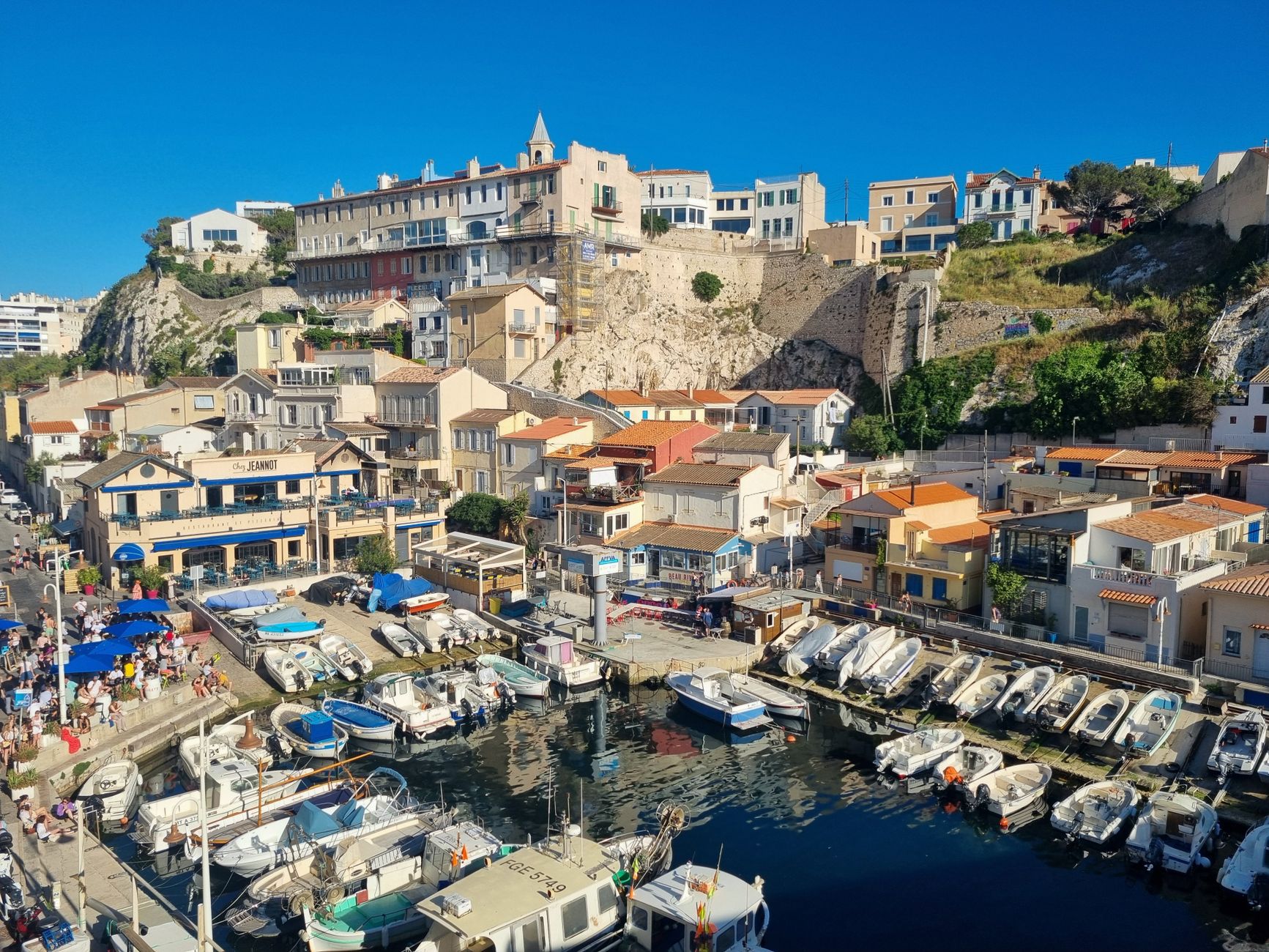
Tucked away beneath a massive stone arch of the Corniche Kennedy highway lies the Vallon des Auffes, a picturesque, postcard-perfect traditional fishing harbor. This tiny, narrow inlet is lined with charming, brightly painted fishermen's cottages (cabanons) and traditional wooden fishing boats called 'pointus.' Despite being located just a short distance from the bustling city center, the inlet feels like an isolated, sleepy Provençal coastal village where time has stood still. Named after the 'auffe' (a type of grass used to make ropes for ships), the harbor is a beloved local hangout. In the late afternoon, locals gather on the concrete quays to sunbathe, read, and dive into the cool, clear water. The harbor is also home to some of the city's most celebrated seafood restaurants, ranging from casual, wood-fired pizza spots to Michelin-starred establishments, making it a premier destination for a romantic waterfront dinner.

Open 24/7
Admission: Free
Insider Tip: Visit around sunset when the sky turns pastel pink and the lights of the harbor begin to twinkle. If you plan to dine at the famous L'Épuisette or Chez Fonfon, make sure to book your table weeks in advance as they are highly popular.
Les Calanques National Park
nature
4.9

Les Calanques National Park

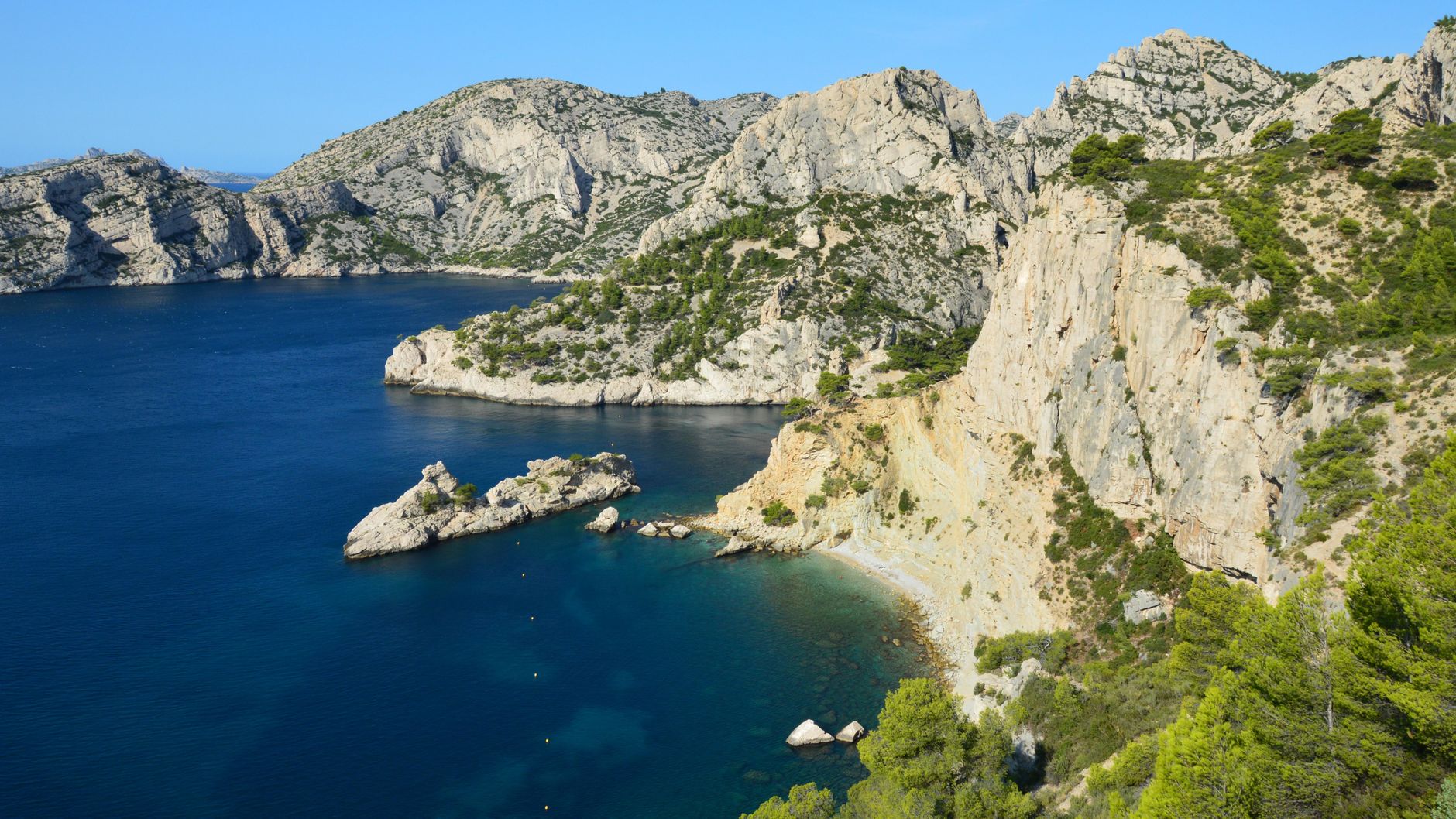
Stretching along the coast between Marseille and Cassis, Les Calanques National Park is a wild, breathtakingly beautiful natural sanctuary. It is characterized by dramatic, sheer limestone cliffs that plunge vertically into narrow, fjord-like inlets of brilliant turquoise water. The park is home to a rich variety of Mediterranean flora and fauna, including rare birds of prey, wild rosemary, and Aleppo pines that cling precariously to the rocky cliffs. Because of its fragile ecosystem and rugged terrain, the park is highly protected. There are no roads leading directly into the heart of the most spectacular calanques, meaning they can only be reached via strenuous hiking trails or by boat. Popular inlets like Calanque de Sugiton, Calanque de Sormiou, and Calanque d'En-Vau offer spectacular, rewarding swimming spots, dramatic viewpoints, and world-class rock climbing routes for outdoor enthusiasts.

Open 24/7 (Subject to summer fire closures)
Admission: Free
Insider Tip: During the hot summer months (June to September), access to the hiking trails is strictly regulated due to forest fire risks and can be closed entirely. Always check the official 'Mes Calanques' app before setting out. Bring at least 2 liters of water per person, sturdy hiking boots, and sunscreen, as there are no facilities inside the park.
Area Guide

Where to Stay & Best Neighborhoods

Le Panier

Best for: First-time visitors, photographers, history buffs, and boutique shoppers.

Vibe: Historic, bohemian, artistic, and village-like with pastel-colored alleys.

Le Panier is Marseille's oldest district, sitting on the site of the ancient Greek colony. Its narrow, steep streets and stairwells are lined with multi-story houses painted in warm ochres and terracottas, decorated with potted plants and eccentric street art. During the day, the neighborhood hums with the gentle chatter of locals and travelers browsing artisanal soap shops, ceramics studios, and small art galleries. At its center lies the Vieille Charité, a stunning Baroque architectural complex. Staying here offers an evocative, romantic slice of old-world Marseille, though the hilly terrain and lack of car access mean you will be doing plenty of walking.

La Plaine & Cours Julien

Best for: Young travelers, artists, musicians, and nightlife enthusiasts.

Vibe: Edgy, alternative, creative, and buzzing with nightlife and street art.

Situated on a hill east of the Old Port, the twin neighborhoods of La Plaine and Cours Julien form the creative epicenter of Marseille. Virtually every flat surface here—from shop shutters to entire building facades—is covered in high-quality street art and graffiti. The heart of the area is the sprawling pedestrian square of Cours Julien, which is lined with vintage clothing stores, indie bookstores, fair-trade coffee shops, and global restaurants. As night falls, the neighborhood comes alive as locals gather on outdoor terraces to sip craft beer, natural wine, and pastis, while live music spills out from underground venues and bars.

Vieux-Port & Noailles

Best for: Transit convenience, foodies, and those who want to be in the center of the action.

Vibe: Bustling, central, maritime, chaotic, and highly multicultural.

The Vieux-Port is the historic, geographic, and emotional heart of Marseille. Lined with grand cafes, seafood restaurants, and historic hotels, it is a bustling hub where tourists and locals mingle under the giant mirrored canopy designed by Norman Foster. Just a few blocks inland lies Noailles, a vibrant, chaotic neighborhood famous for its bustling Arab souk-style markets, historic spice shops, and affordable eateries. Staying in this central zone puts you within walking distance of major ferry terminals, metro lines, and historic sights, making it the ultimate base for exploring the wider city.

Endoume & Malmousque

Best for: Couples, luxury seekers, swimmers, and those wanting a peaceful seaside retreat.

Vibe: Tranquil, coastal, affluent, and reminiscent of a sleepy fishing village.

For a completely different side of Marseille, head west along the scenic coastal road, the Corniche Kennedy, to the upscale residential districts of Endoume and Malmousque. Here, the urban grit of the city center evaporates, replaced by quiet, winding lanes lined with whitewashed villas, hidden coves, and tiny fishing harbors like the picture-perfect Vallon des Auffes. Locals come here to sunbathe on flat limestone rocks, swim in the clear sea, and dine on fresh seafood at waterfront bistros. It is an idyllic, peaceful area that feels worlds away from the city, yet remains easily accessible by bus.

Food & Drink Scene

What to Eat in Marseille

Bouillabaisse

Once a humble stew made by Marseille fishermen using the bony rockfish they couldn't sell at market, Bouillabaisse has evolved into a highly refined, legendary culinary ritual. A true Bouillabaisse must contain at least four to six varieties of local, sustainably caught rockfish (such as scorpionfish, conger eel, and gurnard), simmered in a rich broth of saffron, fennel, garlic, and tomatoes. The dish is served in two stages: first, the fragrant broth is poured over croutons rubbed with raw garlic and slathered with 'rouille' (a spicy, garlicky saffron mayonnaise); then, the cooked fish is carved tableside and served in the remaining broth.

🍴 Top spot: Chez Michel (Rue des Catalans) or L'Épuisette (Vallon des Auffes) for the authentic, high-end ritual.

Navettes de Marseille

These dry, cylindrical, boat-shaped biscuits are a sweet Marseille tradition dating back to the late 18th century. Traditionally baked to commemorate the arrival of the Saintes Maries (the Holy Marys) on the shores of Provence, they are subtly flavored with orange blossom water, giving them a delicate, floral aroma. They are quite hard and crunchy, designed to be dipped into espresso, tea, or sweet wine, and are traditionally eaten during the feast of Candlemas (La Chandeleur) in February, though they are enjoyed year-round.

🍴 Top spot: Four des Navettes (Rue Sainte), the oldest bakery in Marseille, which has been using the same oven since 1781.

Panisse

A beloved local street food staple of Genoese origin, Panisse is made from chickpea flour, water, and salt. The mixture is cooked into a thick porridge, poured into cylindrical molds (or spread flat), allowed to cool and solidify, and then sliced into thick discs or batons. These are then deep-fried until they achieve a golden, shatteringly crisp exterior while remaining incredibly soft, creamy, and pillowy on the inside. Served piping hot with a simple dusting of sea salt and pepper, they are the ultimate accompaniment to a cold glass of pastis.

🍴 Top spot: L'Estaque harbor at one of the legendary kiosks like Chez Magali, or at local bistros around the Vieux-Port.
Excursions

Best Day Trips from Marseille

Cassis & the Route des Crêtes

30 mins by regional train (TER) from Marseille St-Charles, followed by a short shuttle bus to the port.

Cassis is a postcard-perfect fishing port nestled between dramatic white limestone cliffs and terraced vineyards. Spend the morning strolling along its yacht-filled harbor, sampling the famous Cassis white wine at a sun-drenched café, or taking a scenic boat tour of the three nearby Calanques (Port-Miou, Port-Pin, and En-Vau). For thrill-seekers, drive or cycle up the spectacular, winding Route des Crêtes, one of Europe's most dramatic coastal roads, which winds along the top of Cap Canaille—the highest maritime cliff in France—offering dizzying, panoramic views of the Mediterranean.

Aix-en-Provence: The City of Water and Art

35 mins by express shuttle bus (Car Treize) or 10 mins by TGV train from Marseille St-Charles.

For a complete contrast to Marseille's gritty, coastal energy, head inland to Aix-en-Provence, an elegant, aristocratic city of leafy boulevards, grand 17th-century mansions, and moss-covered stone fountains. Stroll down the majestic Cours Mirabeau under a canopy of plane trees, explore the narrow lanes of the old town, and visit the bustling daily produce and flower markets. Art lovers can visit the preserved atelier of Paul Cézanne, the father of modern art, who painted the nearby Montagne Sainte-Victoire hundreds of times, or explore the world-class collections at the Musée Granet.

When to Go

Best Time to Visit & Seasonality

Editor’s Pick: The absolute best times to visit Marseille are during the shoulder seasons of May to June and September to October. During these months, the intense, dry heat of the Mediterranean summer is mitigated by cooling sea breezes, and the city's outdoor terraces, beaches, and hiking trails in the Calanques are highly accessible without the overwhelming mid-summer crowds. May and June bring blooming wildflowers to the surrounding hills, while September and October offer sea temperatures warm enough for swimming alongside a lively cultural calendar as locals return from their summer holidays.

Spring Overview

(March - May)
Moderate
Average Temperature & Climate12°C - 20°C

Mild, sunny, and occasionally breezy with the mistral wind.

Crowd & Travel ConditionsModerate Tourist Traffic

Fewer lines and better deals.

✨ Seasonal Highlights:Hiking in the Calanques before the summer fire restrictions kick in, enjoying outdoor café culture in Le Panier, and witnessing the city shake off its quiet winter mantle.
Travel Smarter

Practical Travel Essentials

CurrencyEUR (€)
LanguageFrench
Time ZoneCentral European Time (CET) / GMT+1

Visa & Entry

Marseille is in France, a member of the European Union and the Schengen Area. Citizens of the US, Canada, Australia, and New Zealand require only a valid passport for stays up to 90 days for tourism.

Getting Around & Transit

Marseille has an extensive public transit system consisting of two metro lines (M1 and M2), three tram lines, and a vast bus network. The RTM app is excellent for route planning. For coastal exploration, the 'Batobus' (water taxi) operates during summer from the Vieux-Port to Pointe Rouge and Les Goudes. To explore the city center, walking is best, but be prepared for steep hills.

Daily Budget Expectation

Moderate travelers can expect to spend €100 - €180 per day. This covers a stay in a mid-range hotel or boutique guesthouse, meals featuring local street food (panisse, pizza) and a mid-range dinner, public transit tickets, and entry fees to one or two museums.

Safety & Health

Marseille has a reputation for crime, but for tourists, it is generally safe if you exercise common sense. Petty theft and pickpocketing are common in crowded areas like the Vieux-Port, Noailles, and Saint-Charles train station. Avoid walking alone at night in the northern districts (13th, 14th, 15th, and 16th arrondissements) and poorly lit areas of Noailles or Cours Julien.

Local Etiquette & Customs

A polite 'Bonjour' (daytime) or 'Bonsoir' (evening) is mandatory when entering shops, restaurants, or buses. When greeting locals, the southern French 'la bise' (cheek kisses) usually consists of two kisses, starting on the right cheek. Do not rush meals; dining is a leisurely, social affair. When drinking pastis, always dilute it with cold water and ice yourself to your preferred taste.

Questions & Answers

Frequently Asked Questions about Marseille

Yes, Marseille is generally safe for tourists, but it requires standard urban awareness. The city's rough reputation is largely tied to gang-related drug activity in the far northern suburbs (the 'Quartiers Nords'), which are far from tourist areas. In the city center, stick to well-traveled, well-lit streets at night, keep a close eye on your belongings in crowded areas like Noailles and the metro, and avoid flashing expensive jewelry or electronics.