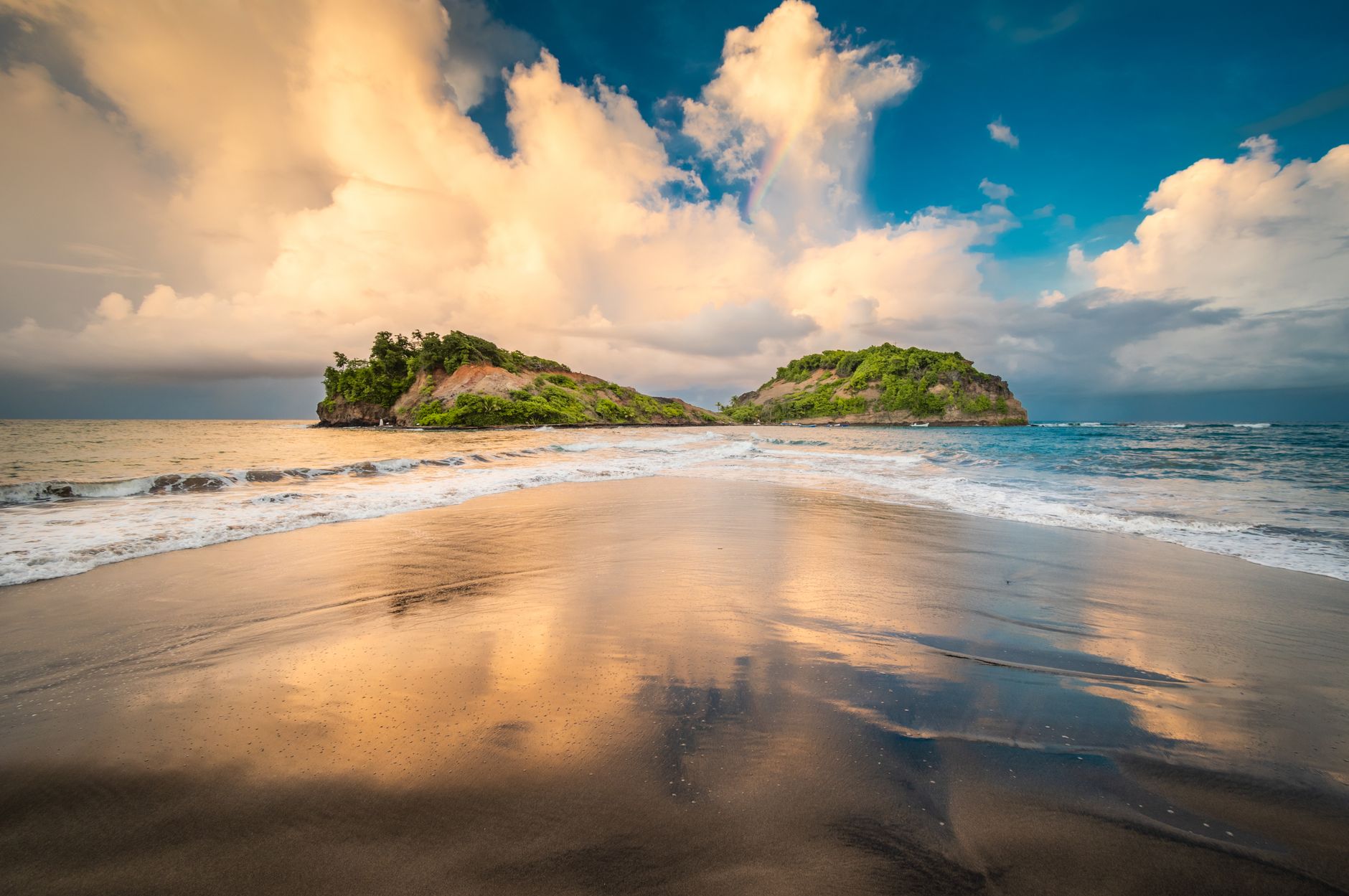
About Martinique
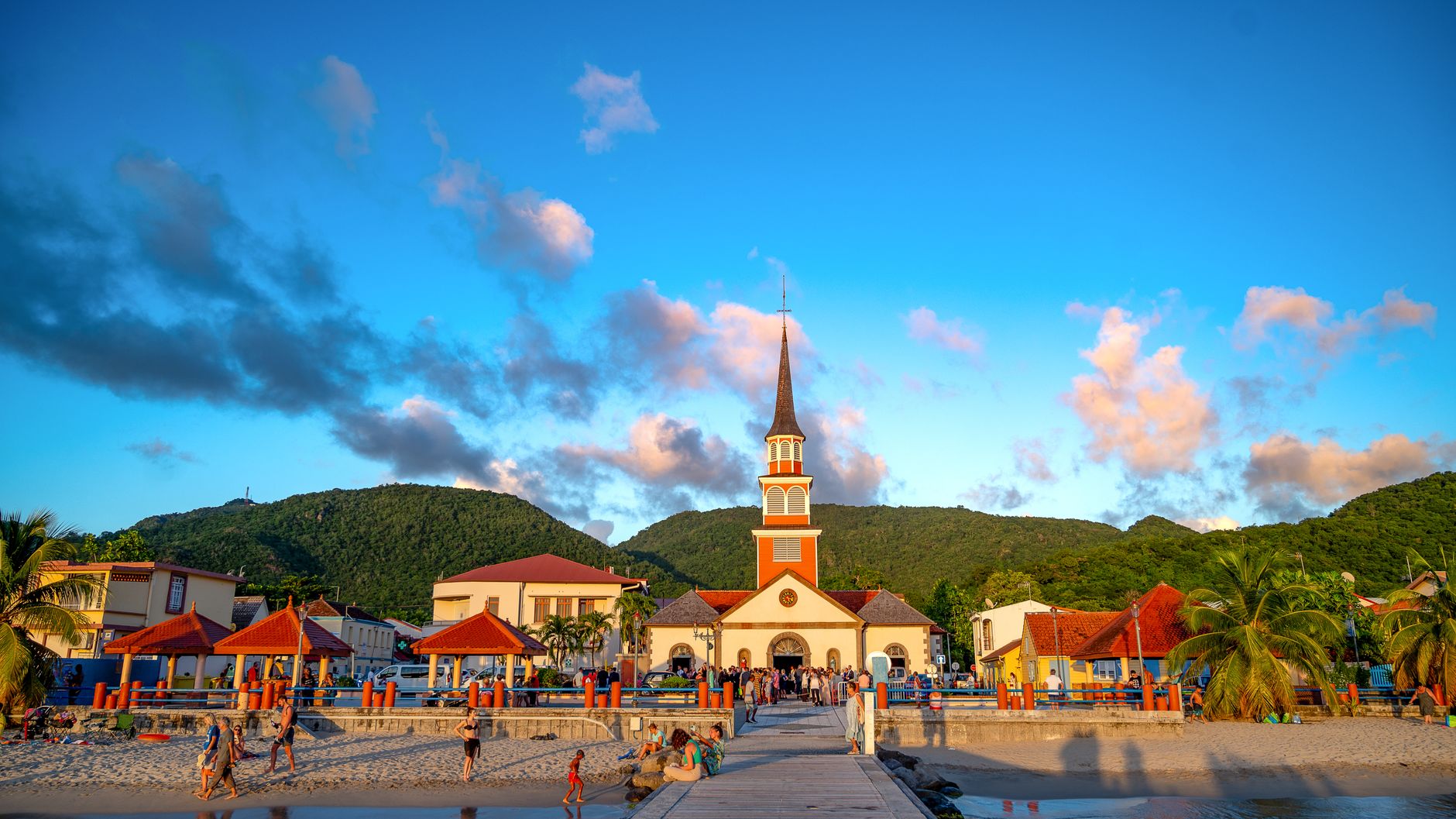
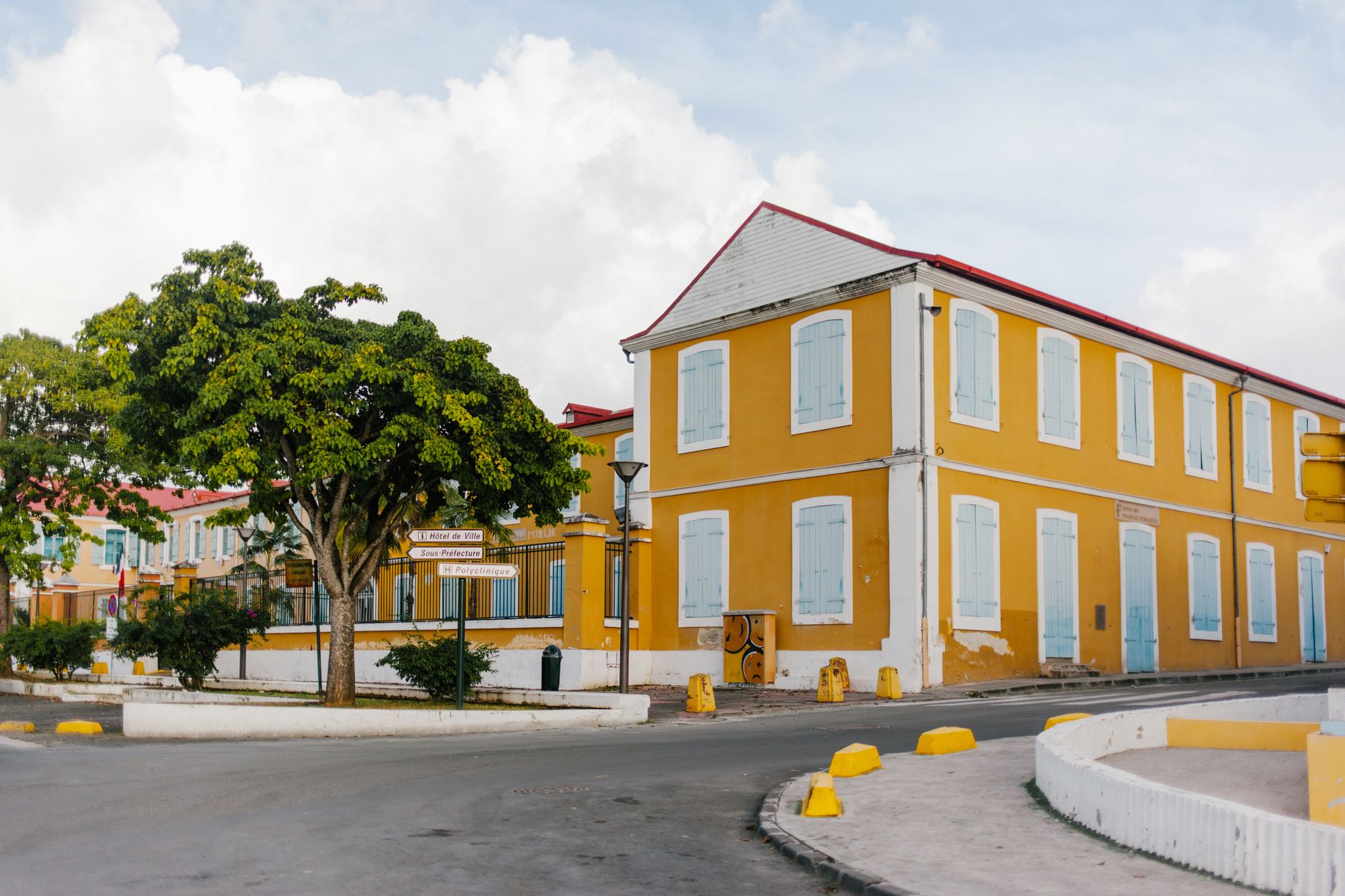
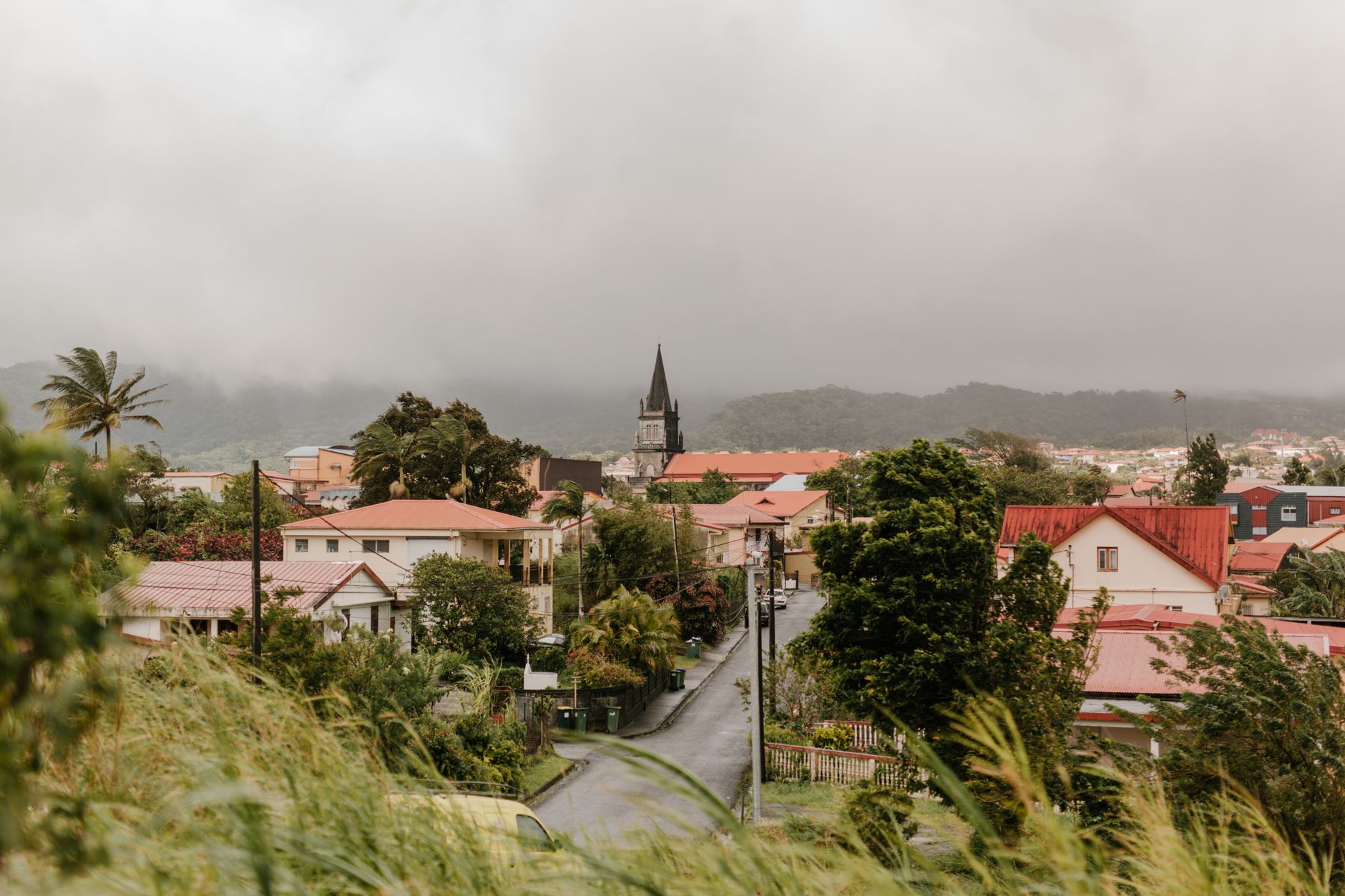
Rising dramatically from the cobalt waters of the Lesser Antilles, Martinique—the 'Isle of Flowers' (Madinina)—is a hypnotic collision of French sophistication and radiant Caribbean warmth. As an overseas region of France, the island balances the infrastructure of Western Europe with the indelible rhythm of the West Indies. Its topography is split between two distinct personalities: the mist-shrouded, jungle-clad volcanic north dominated by the brooding presence of Mount Pelée, and the sun-drenched southern coast, where coconut palms fringe crescents of powdery white sand and turquoise coves.
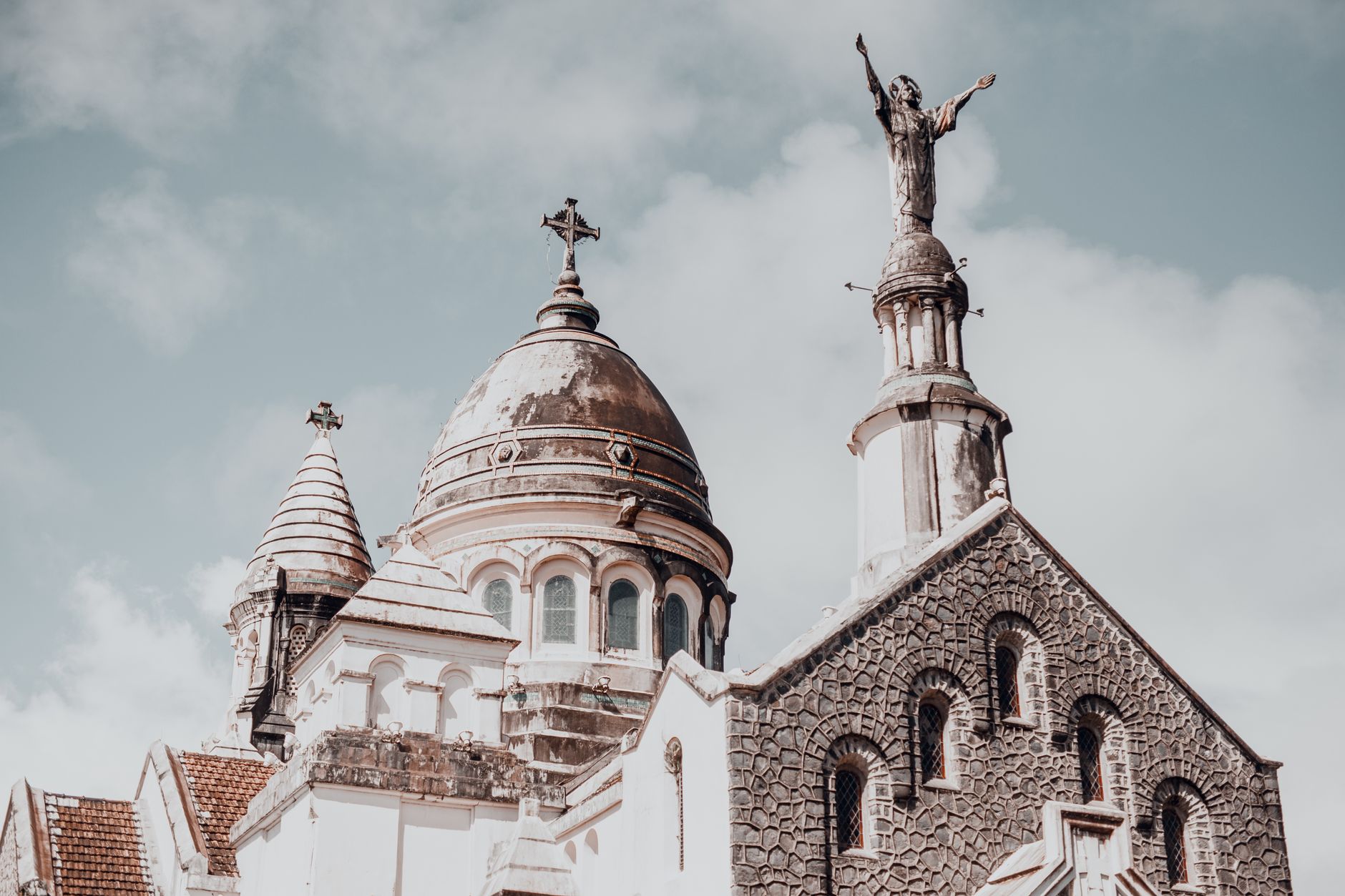
Martinique’s history is etched into its soil, defined by indigenous Kalinago roots, colonial sugarcane wealth, the brutal legacy of transatlantic slavery, and the catastrophic 1902 eruption of Mount Pelée that annihilated the former cultural capital of Saint-Pierre in mere minutes. Today, this complex past informs an extraordinarily rich intellectual and artistic heritage—this is the birthplace of Aimé Césaire and the foundational Negritude literary movement, whose philosophical currents still pulse through the open-air markets, museums, and community gatherings of Fort-de-France.
Gastronomy and agrarian craft reign supreme across the island. Martinique is the only place on Earth to hold the coveted Appellation d’Origine Contrôlée (AOC) for its Rhum Agricole, distilled directly from fresh-pressed sugarcane juice rather than industrial molasses. From historic distilleries hidden among emerald rolling fields to open-air beachside lolos serving freshly fried cod accras, the island’s culinary ethos elevates street-side Creole spice alongside refined French technique, punctuated by the ritualistic pour of a Ti' Punch.
Beyond the culinary and historical tapestry lies an adventure playground of raw natural diversity. Hikers traverse the razor-sharp ridges of the Pitons du Carbet, snorkelers glide over thriving coral gardens alongside green sea turtles in Anses d'Arlet, and surfers chase consistent Atlantic swells off the rugged Presqu'île de la Caravelle. Martinique refuses to be a generic tropical getaway; it is an enigmatic, layered territory that demands slow exploration, French conversational courtesy, and an open heart.
Visual Impressions & Moments