🌟 Best in Travel 2026 is here!
Morocco Cultural Routes Itinerary
countryAfrica
4.96 / 5.0

Morocco Cultural Routes Itinerary

Trace ancient caravan trails through imperial medinas, Saharan dunes, and Atlas mountain strongholds.

Editorial Guide

About Morocco Cultural Routes Itinerary

Morocco is a living tapestry woven from Berber indigenous roots, Arab-Islamic expansion, Andalusian exile, and French colonial heritage. From the labyrinthine alleys of Fes el-Bali—the world's largest contiguous medieval Islamic city—to the blue-washed slopes of Chefchaouen in the Rif Mountains, every region tells a distinct story of trade, faith, and architectural mastery. The country's geography acts as a natural crucible, trapping Atlantic breezes against towering snow-capped peaks while yielding abruptly to the expanding, star-dusted silence of the Sahara Desert.

Culturally, Morocco thrives in its sensory contradictions. The scent of roasted cumin, crushed mint, and burning cedarwood permeates the air, while the calls to prayer from minarets cascade over bustling souks where copper beaters and leather tanners ply crafts passed down through millennia. Local life revolves around hospitality, symbolized by the pouring of sweet Moroccan whisky (green tea infused with fresh mint) from heights that generate a frothy crown, welcoming travelers into private riads adorned with intricate zellige tilework.

Historically positioned at the crossroads of Africa, Europe, and the Middle East, Morocco served as the terminus for trans-Saharan gold and salt routes, enriching imperial capitals like Marrakech, Meknes, and Rabat. Dynasties rose and fell, leaving behind monumental mud-brick kasbahs in the Dades Valley and Roman ruins at Volubilis that speak to a profound, layered past. Today, this heritage is safeguarded not only in museums but in living traditions, from Gnawa trance music festivals to artisanal carpet-weaving cooperatives run by Amazigh women.

Navigating this cultural route requires an appreciation for slow travel and deep cultural immersion. Whether you are bargaining for hand-hammered lanterns in the Marrakech Medina, sharing a communal tagine with a nomadic family under a tent of woven camel hair, or tracing the coastal ramparts of Essaouira where Portuguese fortifications meet Atlantic rollers, Morocco offers an unforgettable journey into a timeless world of hospitality and architectural splendor.

Visual Impressions & Moments
Morocco Cultural Routes Itinerary photo 1
Morocco Cultural Routes Itinerary photo 2
Morocco Cultural Routes Itinerary photo 3
Morocco Cultural Routes Itinerary photo 4
Morocco Cultural Routes Itinerary photo 5
Morocco Cultural Routes Itinerary photo 6
Unmissable Moments

Top Things to Do in Morocco Cultural Routes Itinerary

Adventure

Sleep Under the Stars in the Erg Chebbi Dunes

Venturing deep into the shifting orange sands of the Sahara by camel or 4x4 leads to an unforgettable night at a luxury Bedouin camp. Dine on slow-cooked lamb tagine by the campfire while local musicians play hypnotic rhythms on traditional drums, then sleep beneath a canopy of stars untouched by light pollution. Tip: Wake up an hour before dawn to climb the highest dune for a transcendent sunrise.

Culture

Explore the Medieval Labyrinth of Fes el-Bali

Step back to the 9th century by losing yourself in the world's largest car-free urban area, home to over 9,000 winding alleys. Witness ancient trades operating side by side, from coppersmiths hammering brass trays to the iconic Chouara Tannery, where men dye hides in stone vats using natural pigments. Tip: Hire a licensed local guide for your first day to navigate the bewildering topography.

Scenic

Hike the High Atlas Valleys and Berber Villages

Trek along terraced agricultural slopes and remote stone villages nestled beneath the shadow of Mount Toubkal, North Africa's highest peak. Share mint tea with local Amazigh families in their traditional pisé homes and learn about enduring mountain customs. Tip: Stay in an eco-lodge in the Imlil Valley to support community-led tourism initiatives.

Culinary

Master Moroccan Spices in a Marrakech Cooking Class

Begin with a sensory-rich tour through local spice markets to source ras el hanout, preserved lemons, and fresh coriander before learning the secrets of balancing sweet and savory flavors in a traditional clay tagine. Tip: Choose a class held inside a restored riad courtyard for an authentic and atmospheric setting.

Must-See Highlights

Top Places & Things to Do in Morocco Cultural Routes Itinerary

Curated attractions and cultural landmarks with local insider advice.

Jemaa el-Fnaa
culture
4.8

Jemaa el-Fnaa

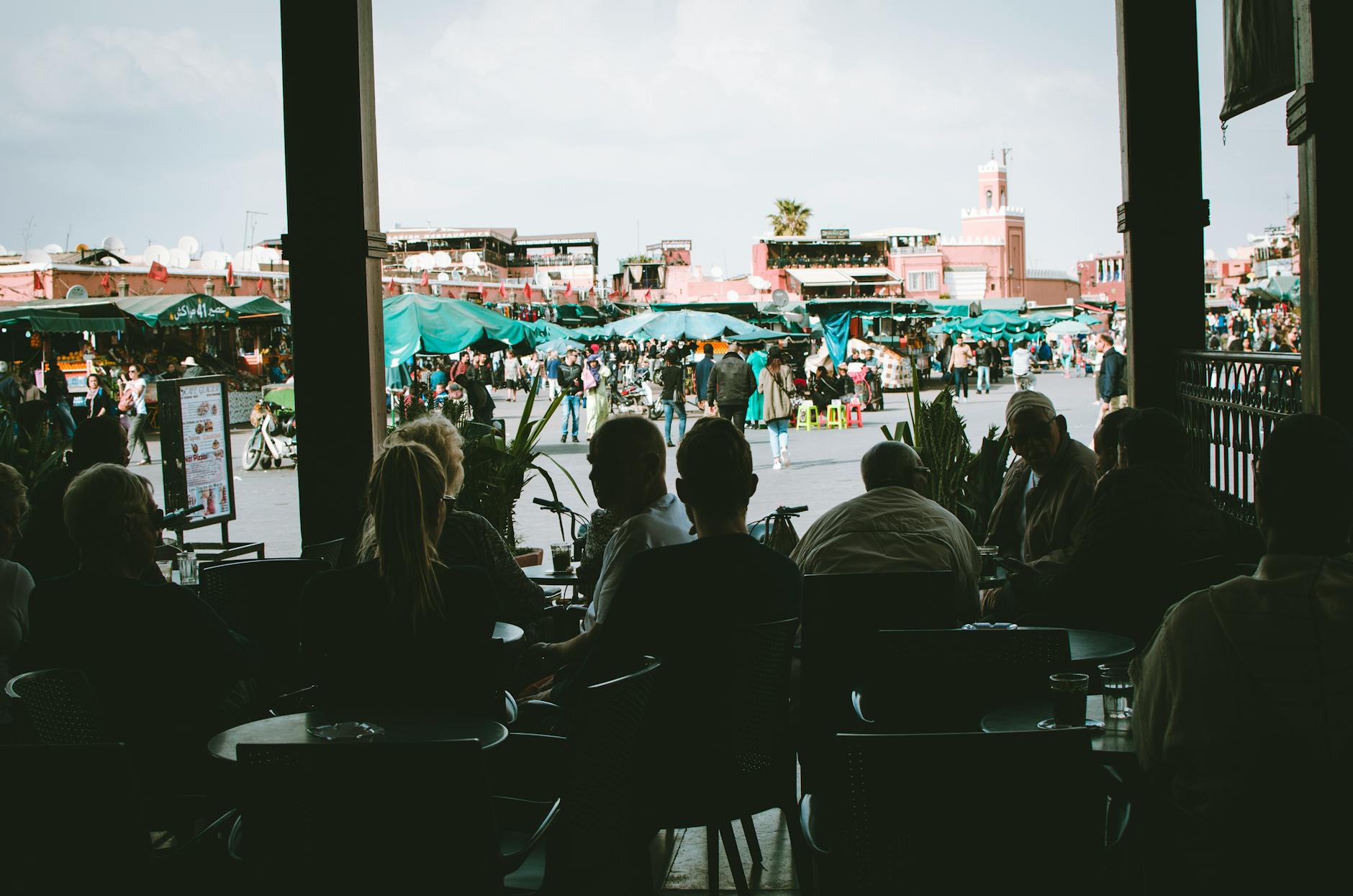
The beating heart of Marrakech, Jemaa el-Fnaa is a UNESCO Masterpiece of the Oral and Intangible Heritage of Humanity. From dawn until late into the night, this sprawling public square hosts an ever-shifting rotation of traditional performers, orange juice vendors, snake charmers, and traditional healers. As dusk falls, the square transforms into a massive open-air smoke-filled dining room where dozens of food stalls set up benches to serve steaming bowls of snail soup, grilled merguez sausages, and spiced sheep heads. Climbing to the terrace of a surrounding café for a fresh mint tea offers the ultimate panoramic vantage point to watch the chaotic, mesmerizing spectacle unfold below.

Open 24/7 (Stalls active from 10:00 AM to midnight)
Admission: Free
Insider Tip: Beware of henna artists and photo-seekers demanding high tips; always agree on a price before taking photos of performers or snake charmers.
Ait Benhaddou Ksar
attraction
4.8

Ait Benhaddou Ksar

Rising dramatically from the desert valley floor along the southern slopes of the High Atlas, Ait Benhaddou is an iconic earthen clay fortress (ksar) that has served as the backdrop for legendary films including *Gladiator*, *Lawrence of Arabia*, and *Game of Thrones*. Its densely stacked defensive towers and decorated residential quarters showcase traditional southern Moroccan defensive architecture at its finest. Crossing the footbridge over the Ounila River leads visitors into a labyrinth of narrow alleys winding upward to the old granary at the summit. Though only a handful of families still reside within the ancient walls, the site remains a testament to ancestral ingenuity in desert water management and mud-brick construction.

Open Daily 8:00 AM - 6:00 PM
Admission: Free (Small fee for specific interior houses)
Insider Tip: Wear sturdy footwear for climbing the uneven mud-brick steps to the top granary, and visit early in the morning to beat tour buses from Marrakech.
Majorelle Garden
nature
4.7

Majorelle Garden

Created over the course of forty years by French Orientalist painter Jacques Majorelle and later rescued and restored by fashion legend Yves Saint Laurent and Pierre Bergé, the Majorelle Garden is a botanical masterpiece. A vivid cobalt blue villa anchors the grounds, surrounded by an eclectic collection of towering cacti, exotic palms, bamboo groves, and shimmering water lily ponds. The garden provides a peaceful, shaded sanctuary from the bustling red city outside, punctuated by birdsong and the soothing sound of splashing fountains. Adjacent to the garden stands the world-class Yves Saint Laurent Museum, celebrating the designer's deep artistic connection to Moroccan colors and textiles.

Daily 8:30 AM - 6:30 PM
Admission: MAD 150 (approx. €14)
Insider Tip: Tickets must be booked online well in advance through their official website to secure your preferred entry time slot.
Area Guide

Where to Stay & Best Neighborhoods

The Medina of Marrakech

Best for: First-time visitors, shoppers, photographers, and luxury riad seekers.

Vibe: Sensory overload, bustling souks, snake charmers, and hidden riad sanctuaries.

A dizzying maze of pink-hued earthen walls centered around the pulsating Jemaa el-Fnaa square. By day, the medina is an artisan workshop of leather goods, lanterns, and textiles; by night, it transforms into an open-air theater of storytellers, musicians, and food stalls grilling skewers of spiced lamb.

The Blue City of Chefchaouen

Best for: Relaxed wanderers, hikers, artists, and aesthetic photography enthusiasts.

Vibe: Serene, Andalusian-influenced, washed in cobalt blues against steep mountain backdrops.

Tucked away in the Rif Mountains, Chefchaouen enchants visitors with its cascade of striking blue-painted alleys. Originally painted by Jewish refugees fleeing the Spanish Inquisition, the town offers a tranquil respite from the clamor of larger imperial cities, featuring artisanal wool weaving and breathtaking mountain panoramas.

The Kasbah District of Ait Benhaddou

Best for: History enthusiasts, film buffs, and road-trip adventurers.

Vibe: Epic cinematic landscapes, ancient earthen architecture, and fortress grandeur.

A UNESCO World Heritage fortified village (ksar) rising majestically out of the desert clay along the former caravan route from the Sahara to Marrakech. Walking through its narrow, fortified passages feels like stepping onto the set of a Hollywood epic, offering a stark glimpse into medieval tribal defense architecture.

Food & Drink Scene

What to Eat in Morocco Cultural Routes Itinerary

Traditional Clay Pot Tagine

Slow-cooked stews named after the conical earthenware vessels in which they are prepared. Combining meats like chicken with preserved lemons and olives, or beef with prunes and toasted almonds, the dish relies on a harmonious blend of ginger, saffron, turmeric, and cumin.

🍴 Top spot: Al Fassia, Marrakech

Fes-Style Pastilla (Bissara & Pigeonneau)

A magnificent sweet-and-savory pie made from whisper-thin layers of warqa pastry encasing spiced pigeon (or shredded chicken), almonds, sugar, and cinnamon, finished with a dusting of powdered sugar and cinnamon lattice work.

🍴 Top spot: The Ruined Garden, Fes

Mechoui (Pit-Roasted Lamb)

Whole lambs slow-roasted in underground pit ovens fueled by fragrant almond wood until the meat melts off the bone, traditionally seasoned simply with cumin and salt and eaten with hands using fresh flatbread.

🍴 Top spot: Mechoui Alley, Marrakech Medina
Excursions

Best Day Trips from Morocco Cultural Routes Itinerary

Volubilis Roman Ruins & Moulay Idriss

1 hour by taxi or guided tour from Fes or Meknes

Explore the remarkably preserved mosaics, triumphal arches, and basilicas of Morocco's largest ancient Roman city, set amidst fertile olive groves, followed by a stop at the holy pilgrimage town of Moulay Idriss.

Essaouira Coastal Ramparts & Port

2.5 hours by bus or private transfer from Marrakech

Escape the inland heat for the breezy Atlantic coast, exploring 18th-century Portuguese fortifications, vibrant blue-and-white medinas, and a bustling fishing harbor where you can taste freshly grilled catches of the day.

When to Go

Best Time to Visit & Seasonality

Editor’s Pick: Spring (March to May) and Autumn (September to November) offer the most pleasant weather for exploring cities and desert routes alike, avoiding the searing summer heat of the interior and Sahara.

Spring Overview

(March - May)
Peak Crowds
Average Temperature & Climate20°C - 28°C

Warm, sunny days with blooming valleys and comfortable desert temperatures.

Crowd & Travel ConditionsPeak Tourist Traffic

Book hotels 3-6 months ahead.

✨ Seasonal Highlights:Rose Festival in Kelaat M'gouna, comfortable trekking in the Atlas Mountains, ideal conditions for desert camping.
Travel Smarter

Practical Travel Essentials

CurrencyMAD (Moroccan Dirham)
LanguageArabic, Tamazight (Berber), French
Time ZoneGMT+1

Visa & Entry

Most Western passport holders (EU, US, UK, Canada, Australia) do not require a visa for stays up to 90 days. Passports must be valid for at least 6 months.

Getting Around & Transit

Trains connect major imperial cities (Marrakech, Casablanca, Rabat, Fes, Tangier) efficiently. For mountain passes and desert regions, renting a car or hiring a private driver with an air-conditioned vehicle is recommended.

Daily Budget Expectation

$60 - $150 USD per day for mid-range travelers staying in traditional riads and dining at local eateries.

Safety & Health

Morocco is generally very safe for travelers. Petty theft and over-enthusiastic unofficial guides ('faux guides') in medinas are the most common challenges; exercise standard urban vigilance.

Local Etiquette & Customs

Dress modestly, covering shoulders and knees out of respect for local Islamic traditions. Always ask permission before photographing local people, and use your right hand when eating from shared dishes.

Questions & Answers

Frequently Asked Questions about Morocco Cultural Routes Itinerary

While Moroccan Arabic (Darija) and Tamazight are native languages, French is widely spoken in commerce, hotels, and restaurants. In major tourist areas and desert camps, English is also common among guides and service staff.