🌟 Best in Travel 2026 is here!
Morocco
countryAfrica
4.88 / 5.0

Morocco

An intoxicating gateway of imperial medinas, Saharan dunes, and Atlantic winds.

Advertisement
Editorial Guide

About Morocco

Morocco stands at the crossroads of Africa, Europe, and the Middle East, a nation sculpted by centuries of Berber, Arab, Andalusian, and French influences. From the snow-dusted ridges of the High Atlas Mountains to the infinite golden expanses of the Sahara Desert, its geography is as dramatic as its culture. Its history breathes through the labyrinthine alleys of ancient imperial cities like Fez and Marrakech, where the air is heavy with the scent of toasted cumin, cedarwood smoke, and crushed mint.

The cultural fabric of Morocco is defined by vibrant traditions that remain fiercely preserved yet warmly shared. Artisans hammer brass lanterns in medieval souks, dyers steep colorful silks in stone vats, and musicians gather in public squares to strum the guembri long-neck lute. Daily life moves to the timeless rhythm of the call to prayer echoing across sun-baked rooftops, interspersed with the welcoming ritual of pouring sweet Moroccan whiskey—green tea infused with fresh mint—from a great height.

Atmospherically, Morocco is a sensory overload in the most magnificent sense. It is a land of vivid contrasts: the indigo robes of desert nomads against blazing terracotta sands; the cool, mosaic-tiled courtyards of traditional riads hidden behind unassuming mud-brick walls; and the crashing Atlantic surf against the ramparts of sleepy coastal fishing ports like Essaouira. Every corner reveals an intricate tile mosaic, a carved cedar lintel, or a sweeping panorama that feels plucked from an epic tale.

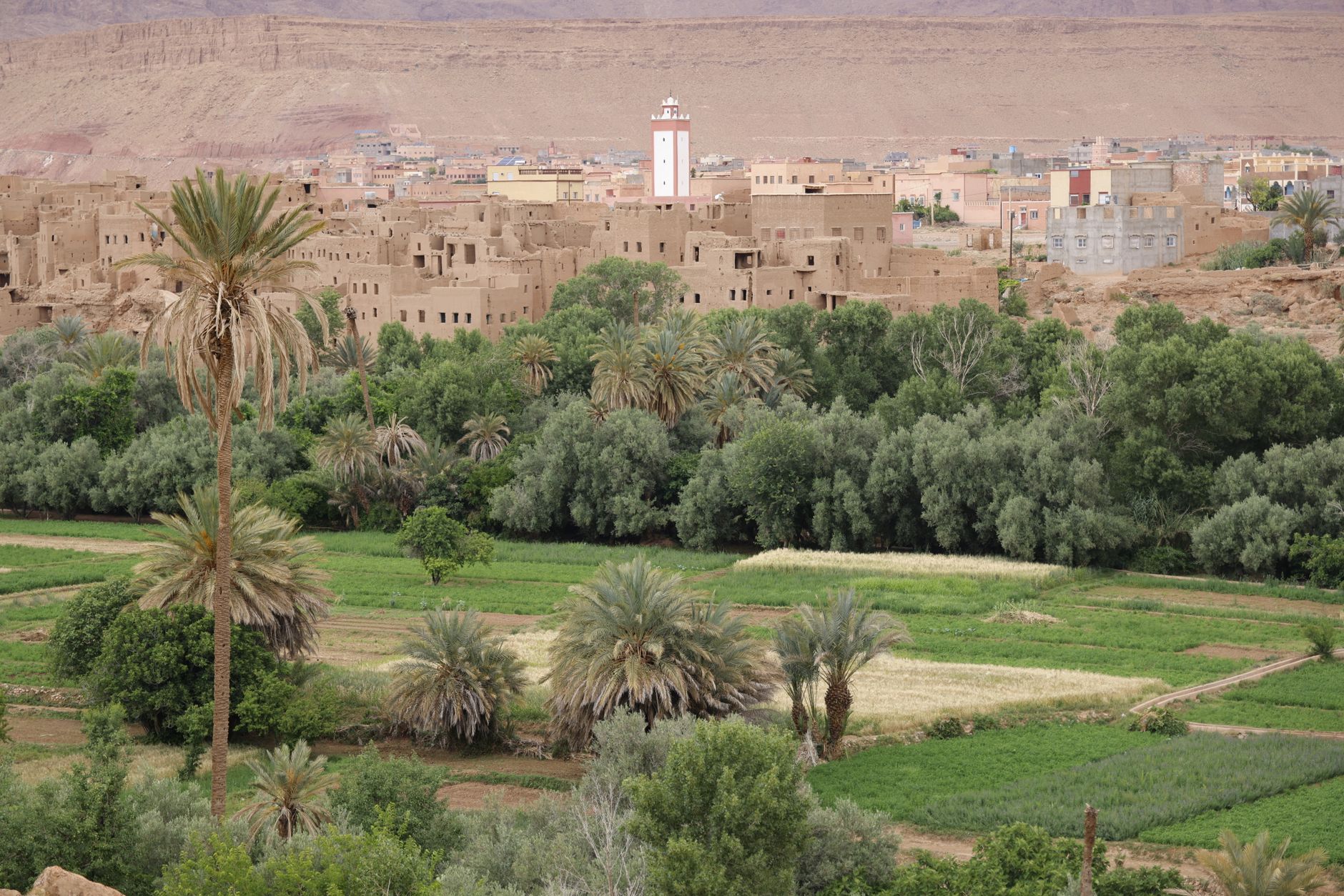
Geographically diverse, the country spans over 446,000 square kilometers, bordered by both the Mediterranean Sea and the Atlantic Ocean. The Rif Mountains roll across the north, while the massive spine of the Atlas range bisects the country, feeding fertile river valleys and dramatic gorges like Todra and Dades. Beyond lies the great Sahara, an ocean of dunes where silence reigns absolute under starry skies that have guided travelers for millennia.

Local life in Morocco is anchored in community, hospitality, and family. Whether you are bargaining for handmade Berber carpets in a bustling souk, sharing a communal tagine slow-cooked over coals, or walking through ancient olive groves with a local farmer, human connection is the heartbeat of the Moroccan journey. It is a destination that demands to be experienced with all five senses, leaving an indelible imprint on every traveler fortunate enough to cross its threshold.

Visual Impressions & Moments
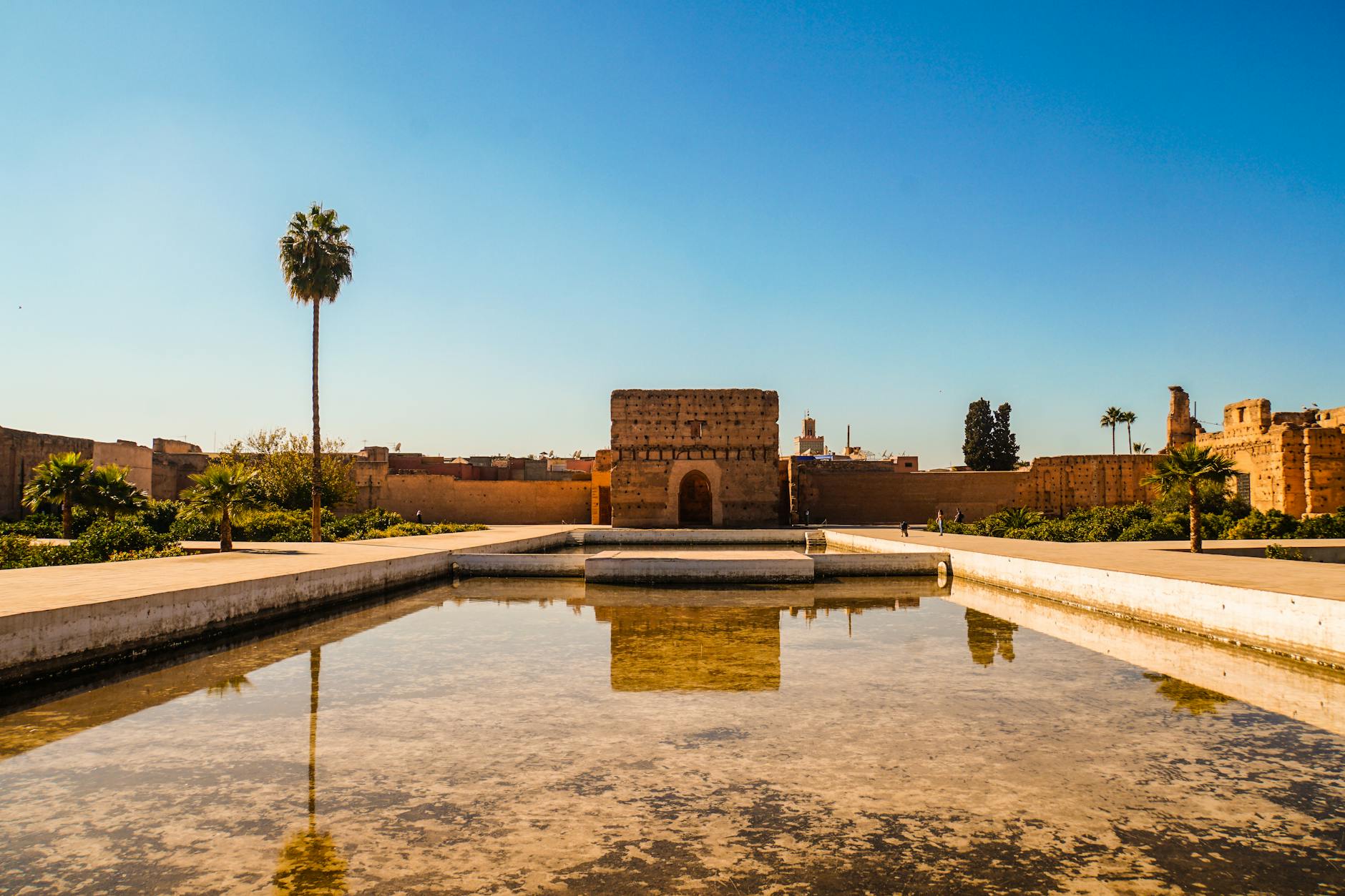
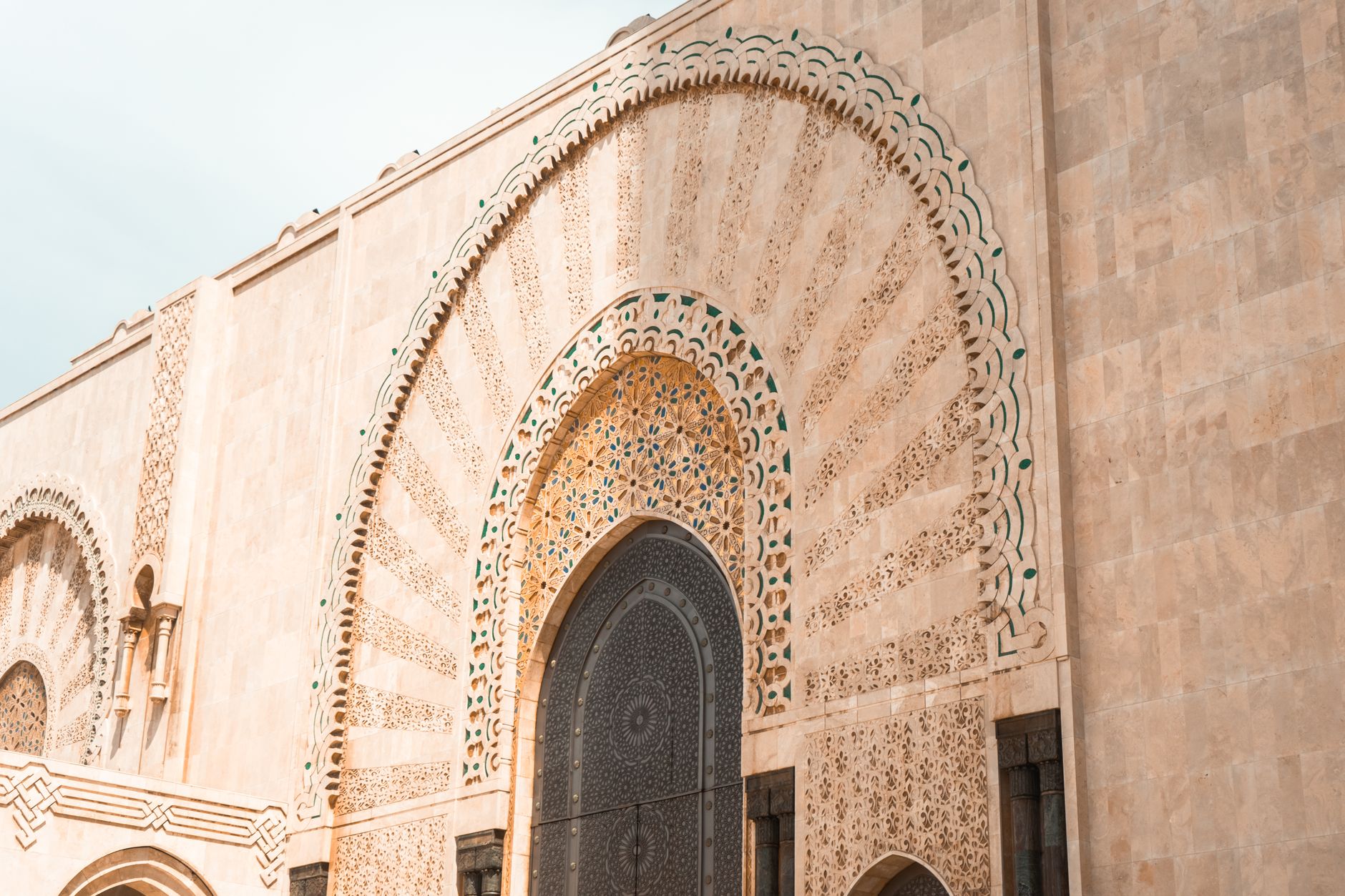
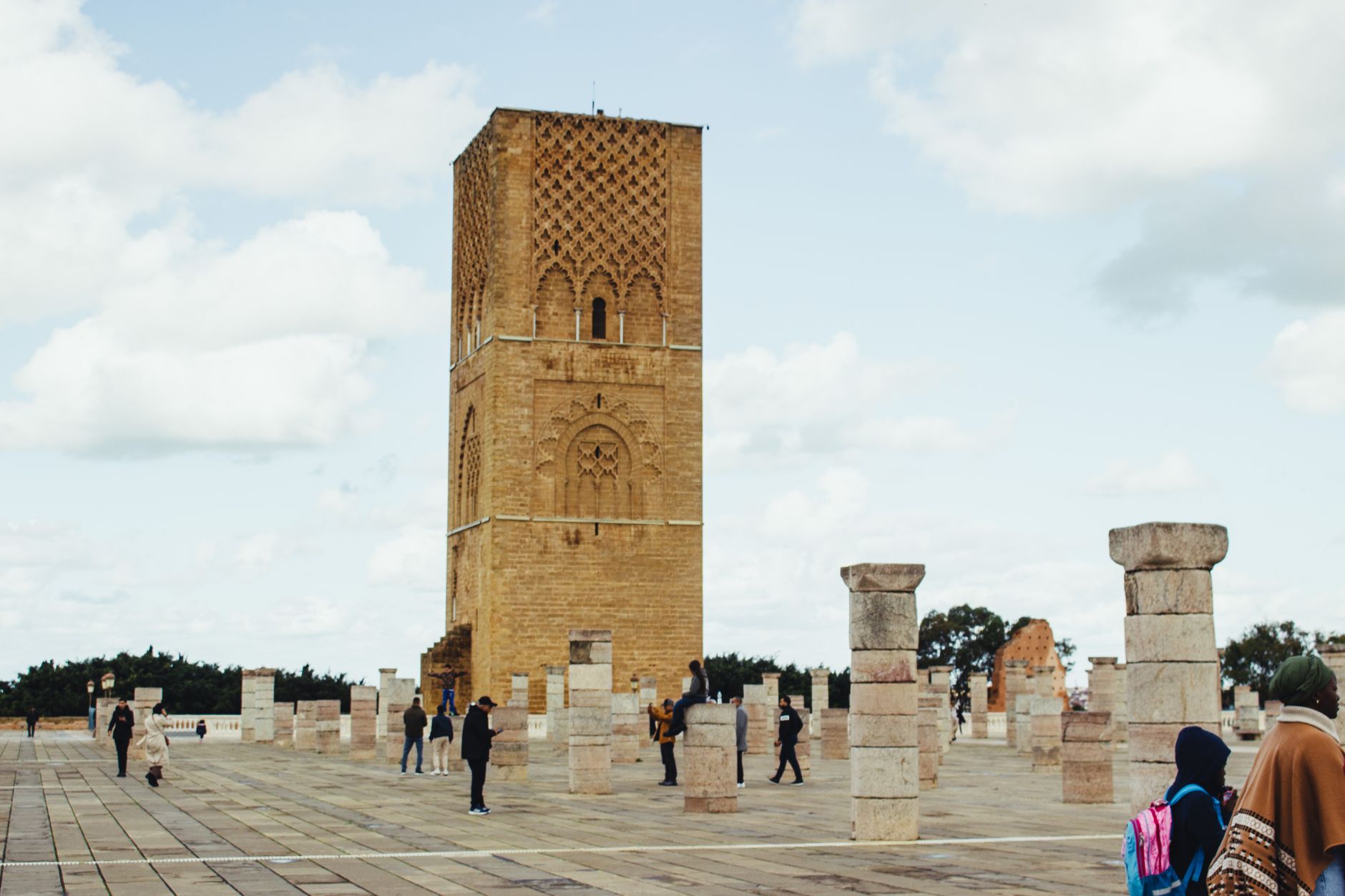
Morocco photo 1
Morocco photo 2
Morocco photo 3
Morocco photo 4
Morocco photo 5
Morocco photo 6
Unmissable Moments

Top Things to Do in Morocco

Must-Do

Spend a Night Under the Stars in the Sahara Desert

Journey deep into the Erg Chebbi or Erg Chigaga dunes by camel or 4x4, arriving at a Bedouin-style desert camp before sunset. Enjoy a traditional feast of tagine and couscous around the campfire while nomadic musicians play hypnotic rhythms on drums and iron castanets. Climb the towering dunes in absolute silence at dawn for an unforgettable sunrise.

Culture

Navigate the Medieval Labyrinth of Fez el-Bali

Step back to the 9th century in the world's largest living medieval Islamic city, containing over 9,000 winding, car-free alleys. Hire an official local guide to uncover hidden theological schools, vibrant souks, and the legendary Chouara Tannery, where men still dye leather in massive stone vats using centuries-old natural methods.

Adventure

Trek the Dramatic Valleys of the High Atlas Mountains

Lace up your hiking boots for a trek through the remote valleys and stone villages of the High Atlas. Walk past terraced walnut orchards and traditional Berber homes built into red earth cliffs. Stay overnight in a mountain guesthouse in Imlil or Toubkal National Park, sharing home-cooked meals with local families.

Culinary

Savor Artisanal Street Food in Marrakech's Jemaa el-Fnaa

As dusk falls, the sprawling main square of Marrakech transforms into an open-air theater filled with snake charmers, storytellers, and dozens of smoke-filled food stalls. Pull up a bench at Stall No. 14 for spicy merguez sausage, slow-roasted lamb shank dusted with cumin, and a piping hot cup of sweet mint tea.

Must-See Highlights

Top Places & Things to Do in Morocco

Curated attractions and cultural landmarks with local insider advice.

Aït Benhaddou
attraction
4.7

Aït Benhaddou

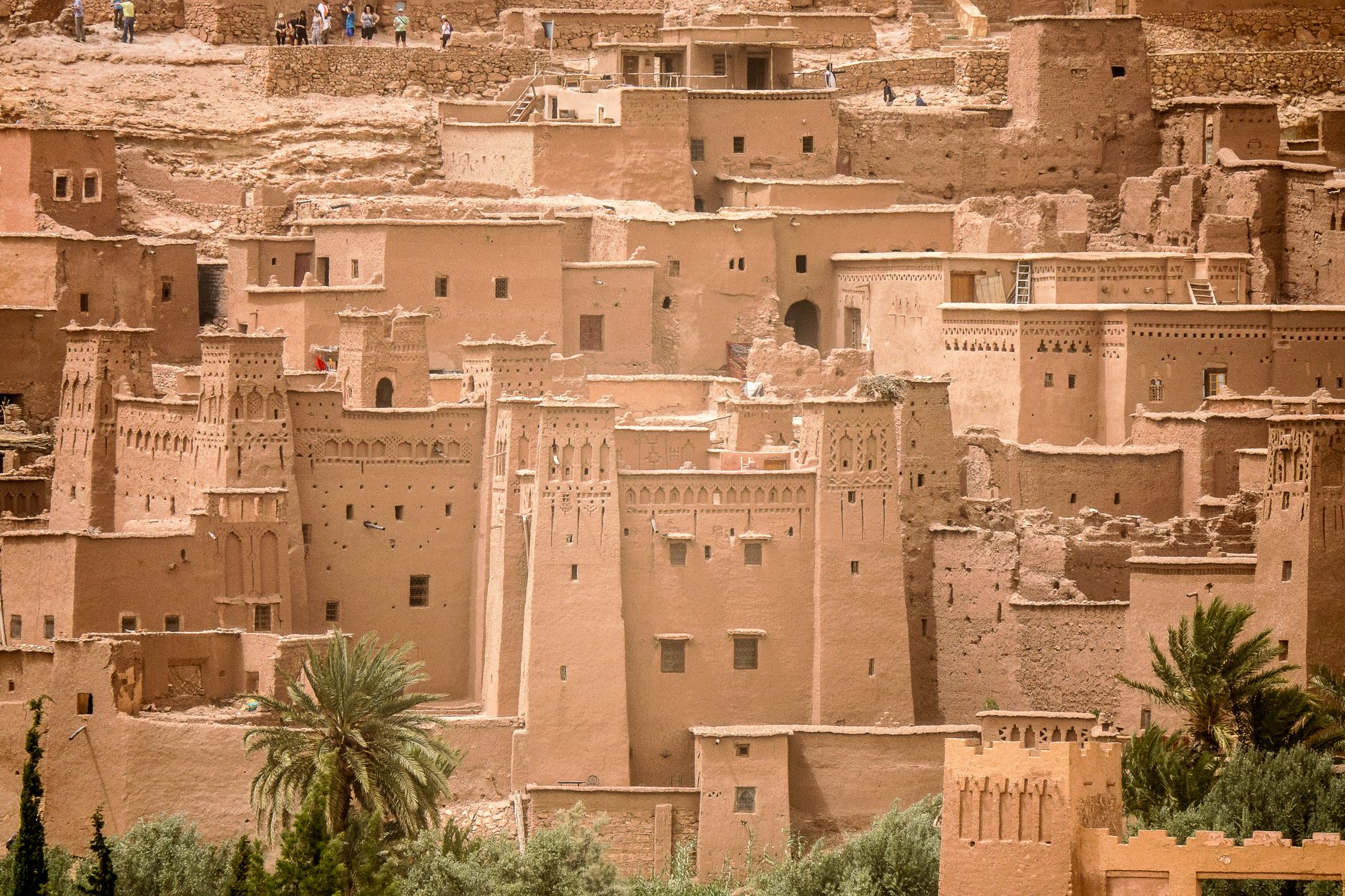
Rising majestically from the desert foothills along the ancient caravan route between the Sahara and Marrakech, Aït Benhaddou is a breathtaking fortified mud-brick ksar. Designated a UNESCO World Heritage site, its earthen architecture and crumbling defensive towers have served as the iconic backdrop for legendary cinematic epics including *Gladiator*, *Lawrence of Arabia*, and *Game of Thrones*. Visitors can cross the shallow riverbed via stepping stones or a pedestrian bridge to explore the deserted alleys of the upper village, where a few families still maintain traditional lifestyles amid stunning valley vistas.

Open 24/7
Admission: Free (small fee for interior houses)
Insider Tip: Stay overnight in the nearby village to watch the sunset turn the mud-brick walls deep amber and gold.
Area Guide

Where to Stay & Best Neighborhoods

The Medina of Marrakech (The Red City)

Best for: First-timers, shoppers, photographers, and lovers of vibrant nightlife and architecture.

Vibe: High-energy, sensory-rich maze of pink-clay walls, bustling souks, and hidden courtyard riads.

A chaotic yet captivating UNESCO World Heritage site where donkeys and motorbikes share narrow alleys with carpet merchants and spice vendors. Behind weathered wooden doors lie tranquil riads featuring bubbling fountains, orange trees, and mosaic tilework that offer a peaceful sanctuary from the bustling streets.

Fez el-Bali (Fez)

Best for: History buffs, architecture enthusiasts, and travelers seeking deep cultural immersion.

Vibe: Authentic, medieval, intellectual, and largely untouched by modern urban planning.

Fez el-Bali is the spiritual and cultural heart of Morocco. Walking its labyrinth feels like stepping onto a living film set, where craftsmen pound copperware, weavers operate wooden looms in dark alcoves, and donkeys serve as the sole delivery vehicles through passages too narrow for cars.

Essaouira Medina & Ramparts (The Wind City)

Best for: Artists, surfers, seafood lovers, and travelers looking to escape inland heat.

Vibe: Breezy, bohemian, artistic, and relaxed Atlantic coastal charm with blue-and-white architecture.

Enclosed by 18th-century seafront ramparts designed by European engineers, Essaouira combines Portuguese, French, and Berber history. The salty breeze sweeps through sunlit squares where artists display paintings, seagulls soar overhead, and bustling harbors overflow with freshly caught fish ready to be grilled on the spot.

Food & Drink Scene

What to Eat in Morocco

Traditional Moroccan Tagine

Named after the conical clay pot in which it is slowly cooked over hot coals, this staple dish combines tender meats (lamb, chicken, or beef) with root vegetables, preserved lemons, olives, and fragrant spices like saffron, ginger, and cinnamon. The slow simmering creates a deeply rich sauce meant to be scooped up using fresh khobz (flatbread).

🍴 Top spot: Al Fassia (Marrakech)

Fes-Style Bastilla

A magnificent sweet-and-savory masterpiece consisting of layers of delicate, paper-thin warqa pastry stuffed with spiced shredded pigeon or chicken, almonds, sugar, and cinnamon, baked to a golden crunch and dusted with powdered sugar and cinnamon patterns.

🍴 Top spot: The Ruined Garden (Fez)

Friday Couscous

Steamed semolina grains piled high and crowned with tender seven-vegetable stew, chickpeas, caramelized onions (tfaya), and succulent meat. Traditionally prepared and shared as a sacred family ritual every Friday after mosque prayers.

🍴 Top spot: Café Clock (Fez & Marrakech)
Excursions

Best Day Trips from Morocco

The Blue City of Chefchaouen

3.5 hours by bus/car from Fez

Wander through the breathtaking Rif Mountain town where nearly every building is washed in striking shades of azure and cobalt blue. Explore quiet alleys, shop for woven blankets, and hike up to the Spanish Mosque for a panoramic sunset view over the valley.

The Roman Ruins of Volubilis & Imperial Meknes

1 hour by car/taxi from Fez

Step back to the Roman Empire at Volubilis to admire remarkably preserved mosaic floors, triumphal arches, and basilicas nestled amidst rolling olive groves. Afterward, visit nearby Meknes, one of Morocco's grand imperial cities, featuring monumental gates like Bab el-Mansour and the subterranean royal granaries.

When to Go

Best Time to Visit & Seasonality

Editor’s Pick: Spring (March to May) and Autumn (September to November) offer the most pleasant weather across the country, with warm days and cool nights ideal for exploring cities, hiking the Atlas Mountains, and trekking into the Sahara without extreme summer heat.

Spring Overview

(March to May)
Peak Crowds
Average Temperature & Climate18°C - 26°C

Mild, sunny days with blooming wildflowers in the valleys and green mountain slopes.

Crowd & Travel ConditionsPeak Tourist Traffic

Book hotels 3-6 months ahead.

✨ Seasonal Highlights:Ideal for hiking the Atlas Mountains, exploring imperial medinas, and photography.
Travel Smarter

Practical Travel Essentials

CurrencyMAD (Moroccan Dirham)
LanguageArabic, Tamazight (Berber), French
Time ZoneGMT+1

Visa & Entry

Citizens of many countries (including US, EU, UK, Canada, Australia) do not require a visa for stays up to 90 days. Passports must be valid for at least 6 months.

Getting Around & Transit

Trains (ONCF) connect major cities like Marrakech, Casablanca, Rabat, and Fez efficiently. For remote areas, grand taxis (shared Mercedes sedans) or private car rentals are best.

Daily Budget Expectation

Budget: €30 - €50; Mid-range: €70 - €150; Luxury: €250+ per day.

Safety & Health

Morocco is generally very safe for travelers, though petty theft (pickpocketing) and aggressive street hustlers in tourist medinas require constant vigilance.

Local Etiquette & Customs

Dress modestly outside beach resorts (cover shoulders and knees). Always ask permission before photographing local people, especially elders and artisans.

Questions & Answers

Frequently Asked Questions about Morocco

Yes, haggling is an expected part of the shopping culture in Moroccan markets. Start at around 30-50% of the initial quoted price and negotiate with a friendly, smiling demeanor.