2026 GuideVoyage Roams Best in Travel: Top 10 Bucket List Destinations
Read Rankings
Namibia
countryAfrica
4.96 / 5.0

Namibia

An ancient, surreal landscape where colossal red dunes crash into the freezing Atlantic.

Advertisement
Editorial Guide

About Namibia

Namibia is a land of astonishing geographical contrasts and haunting, cinematic beauty. Shaped by the ancient Namib Desert—reputed to be the oldest desert on Earth—its vast interiors stretch from the skeletal coastlines of the Atlantic to the wildlife-rich savannahs of Etosha National Park and the dramatic canyons of the south. Culturally, Namibia is a mosaic of diverse heritages, blending Ovambo, Himba, Damara, Herero, and San traditions with distinct colonial-era European architectures and German-infused culinary inflections, particularly in coastal towns like Swakopmund.

The atmosphere is one of profound silence and utter isolation; it is a place where travelers can drive for hours across shimmering gravel plains without seeing another soul, beneath boundless sapphire skies that give way to some of the darkest, most star-studded night skies on the planet. Geography here dictates existence, from the fog-shrouded Skeleton Coast, littered with rusted shipwrecks and seal colonies, to the towering apricot-colored dunes of Sossusvlei that shift under the relentless African sun.

Life in Namibia moves at the pace of the desert wind and the seasonal rains. Local communities maintain deep connections to the land, whether through the semi-nomadic pastoralism of the Himba people in Kaokoland or the ancient tracking wisdom of the San people in the Kalahari. Conservation is woven into the very fabric of the nation, with community-based conservancies successfully protecting endangered desert-adapted black rhinos, elephants, and lions.

For the intrepid traveler, Namibia is the ultimate self-drive destination, demanding resilience, preparation, and an open spirit. It invites you to climb towering peaks of sand, sleep beneath canopies of blistering stars, and witness wildlife that has miraculously adapted to thrive in one of the most unforgiving environments on Earth.

Visual Impressions & Moments
Namibia photo 1
Namibia photo 2
Namibia photo 3
Namibia photo 4
Namibia photo 5
Namibia photo 6
Unmissable Moments

Top Things to Do in Namibia

Must-Do

Scale the Summit of Dune 45 at Sunrise

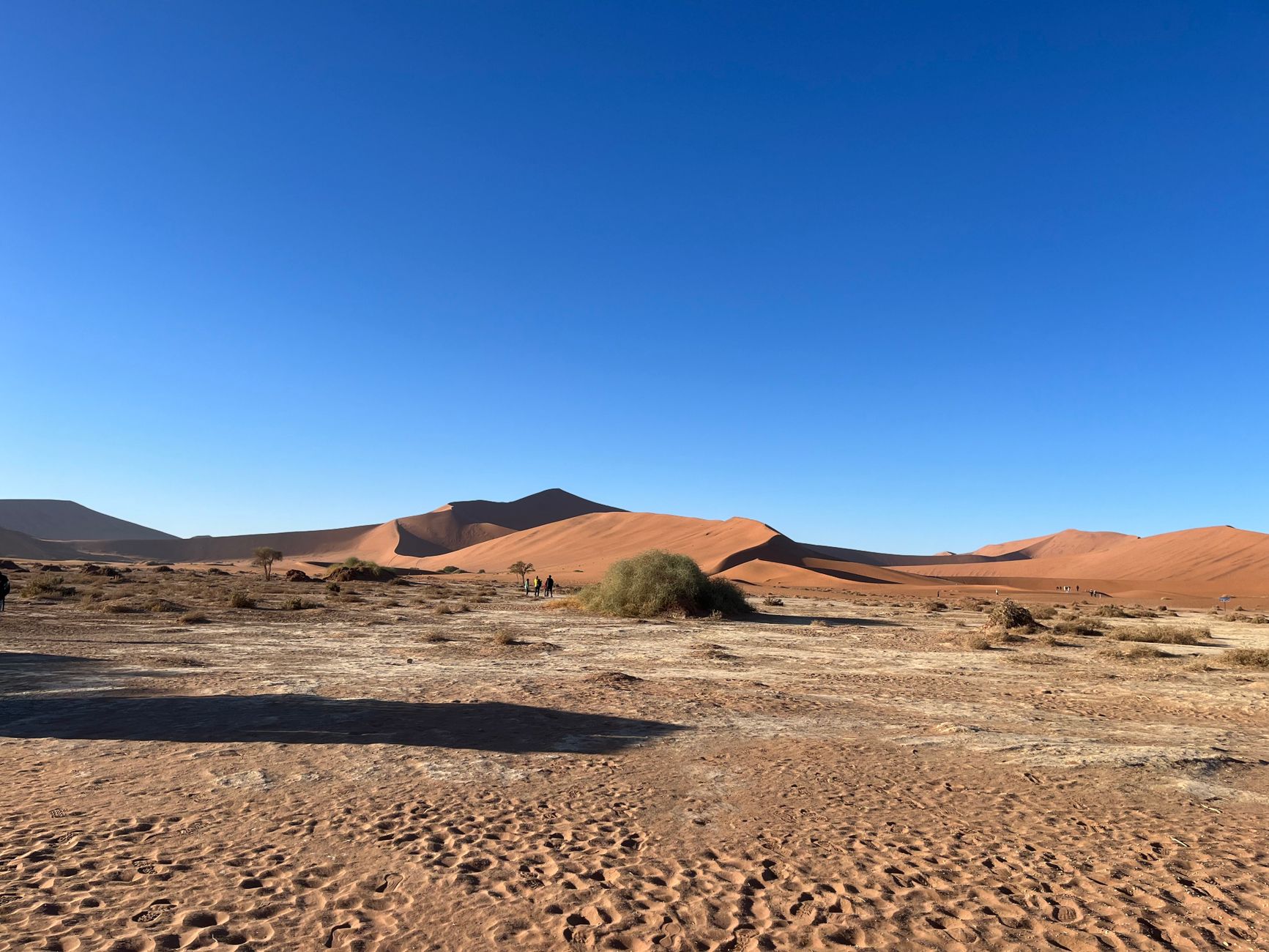
Climbing Dune 45 in the Namib-Naukluft National Park before dawn is a rite of passage. As the sun crests the horizon, the shifting shadows cast a mesmerizing two-tone contrast of fiery orange and deep charcoal across the ancient sand sea. Tip: Climb shoeless in the cool sand to gain better traction, and hike quickly to reach the ridge before the sun intensifies.

Adventure

Track Desert-Adapted Elephants in Damaraland

Venture into the dry, rugged riverbeds of Damaraland with expert local trackers to encounter elephants that have uniquely evolved to survive desert conditions by walking immense distances between water sources. This wild, untamed wilderness offers an intimate safari experience far removed from commercialized parks.

Scenic

Explore the Eerie Skeletons of the Skeleton Coast

Fly or drive along the hyper-arid Skeleton Coast, where the cold Atlantic swells crash against endless fog-shrouded dunes. Discover bleached whale bones, rusting shipwrecks half-swallowed by sand, and massive colonies of Cape fur seals barking along the surf.

Culture

Engage with Authentic Himba Culture in Kaokoland

Visit a traditional Himba settlement in the remote northern Kunene region to learn about the semi-nomadic lifestyle of this proud pastoralist people. Understand their intricate hairstyles, use of otjize paste (butterfat and red ochre), and ancient customs with the guidance of a respectful local translator.

Must-See Highlights

Top Places & Things to Do in Namibia

Curated attractions and cultural landmarks with local insider advice.

Deadvlei
nature
4.98

Deadvlei

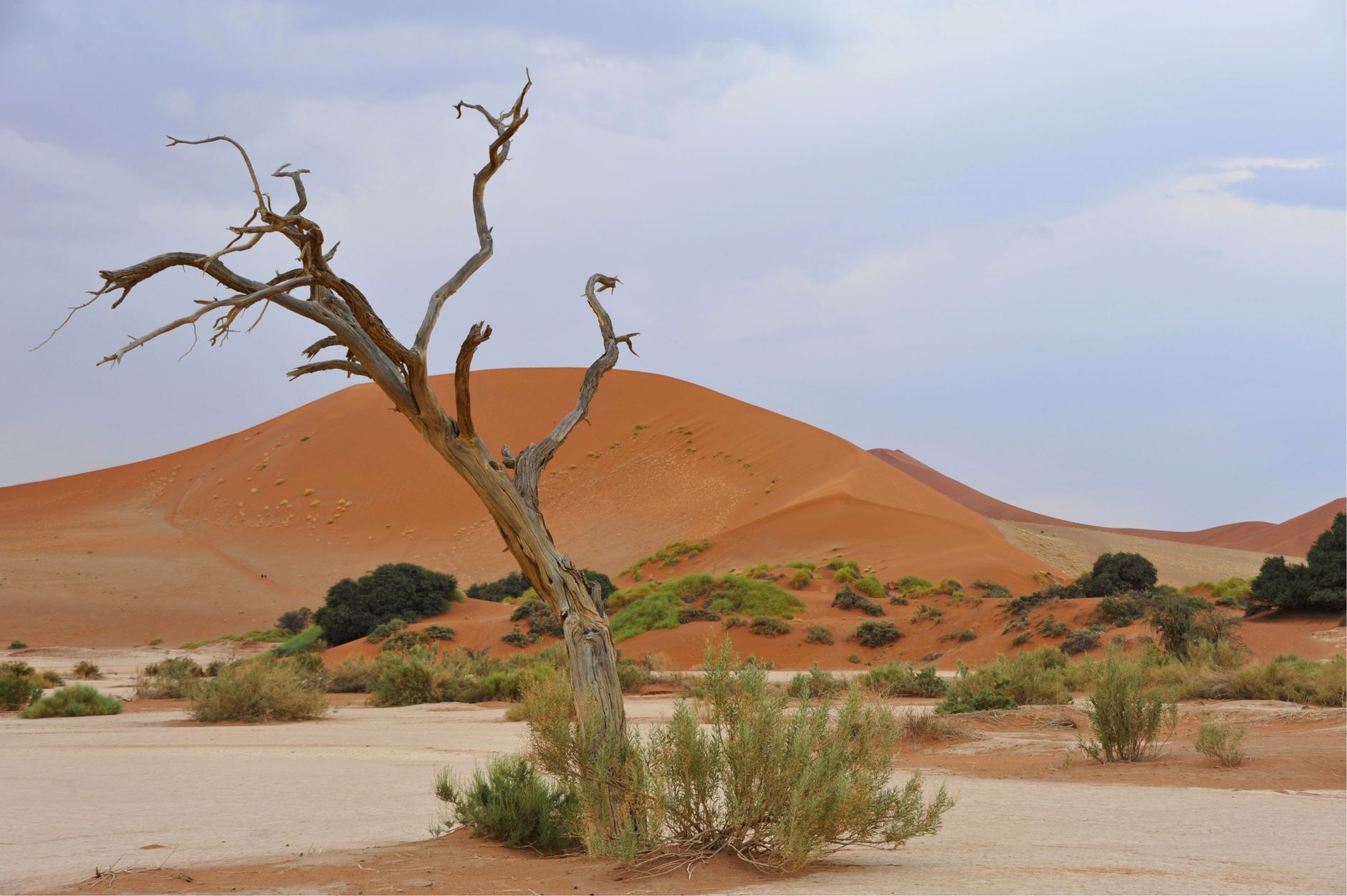
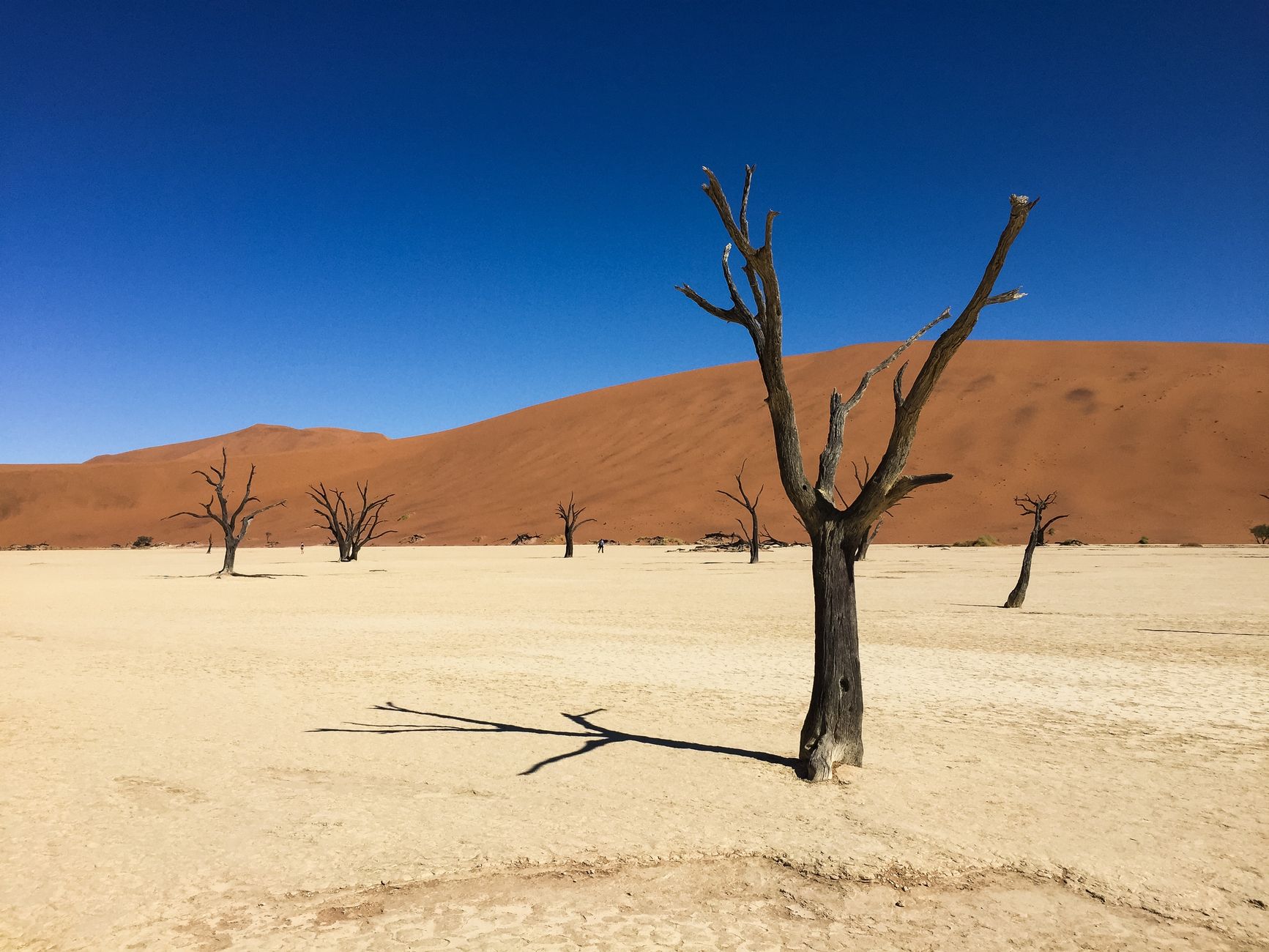
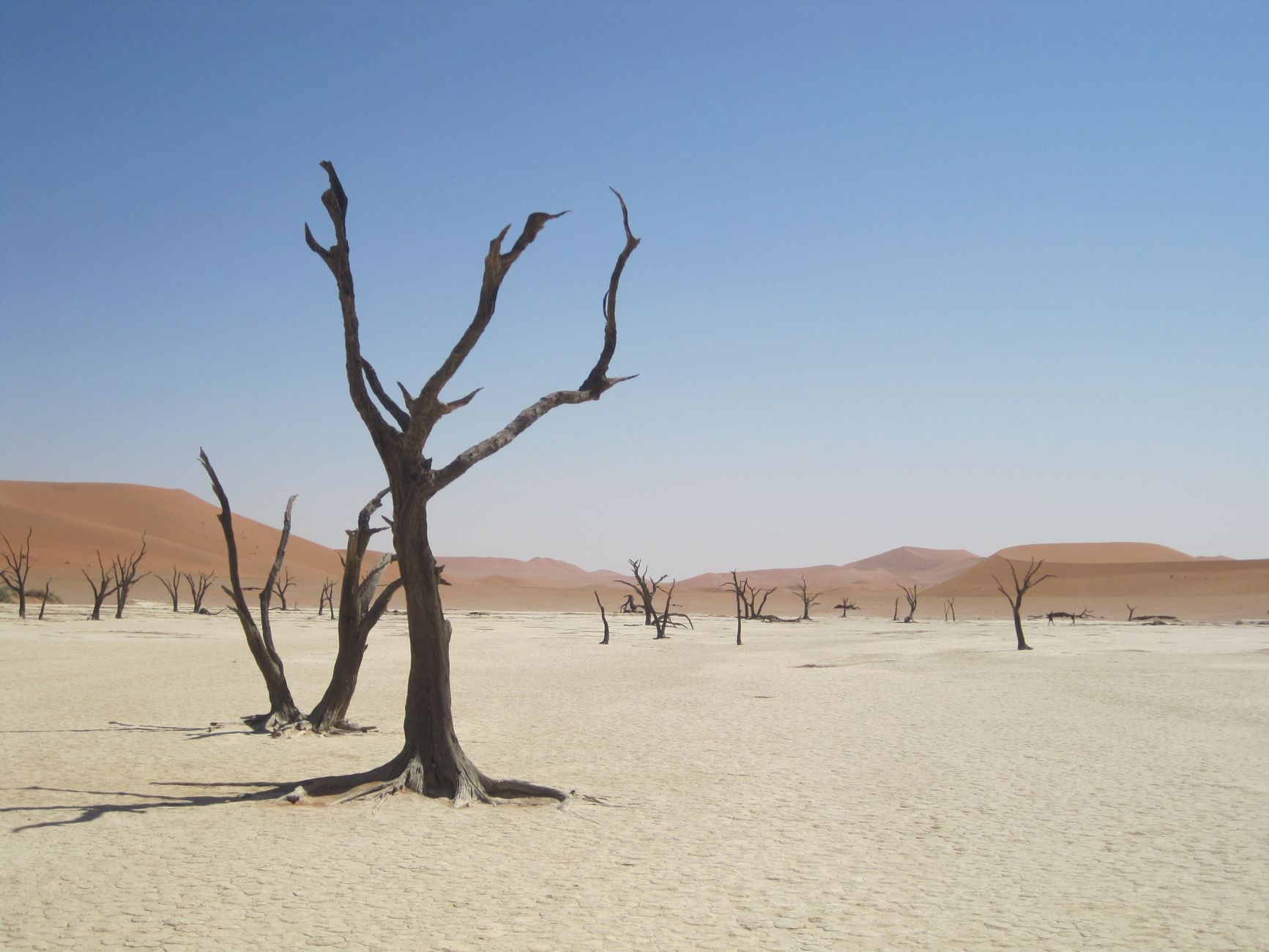
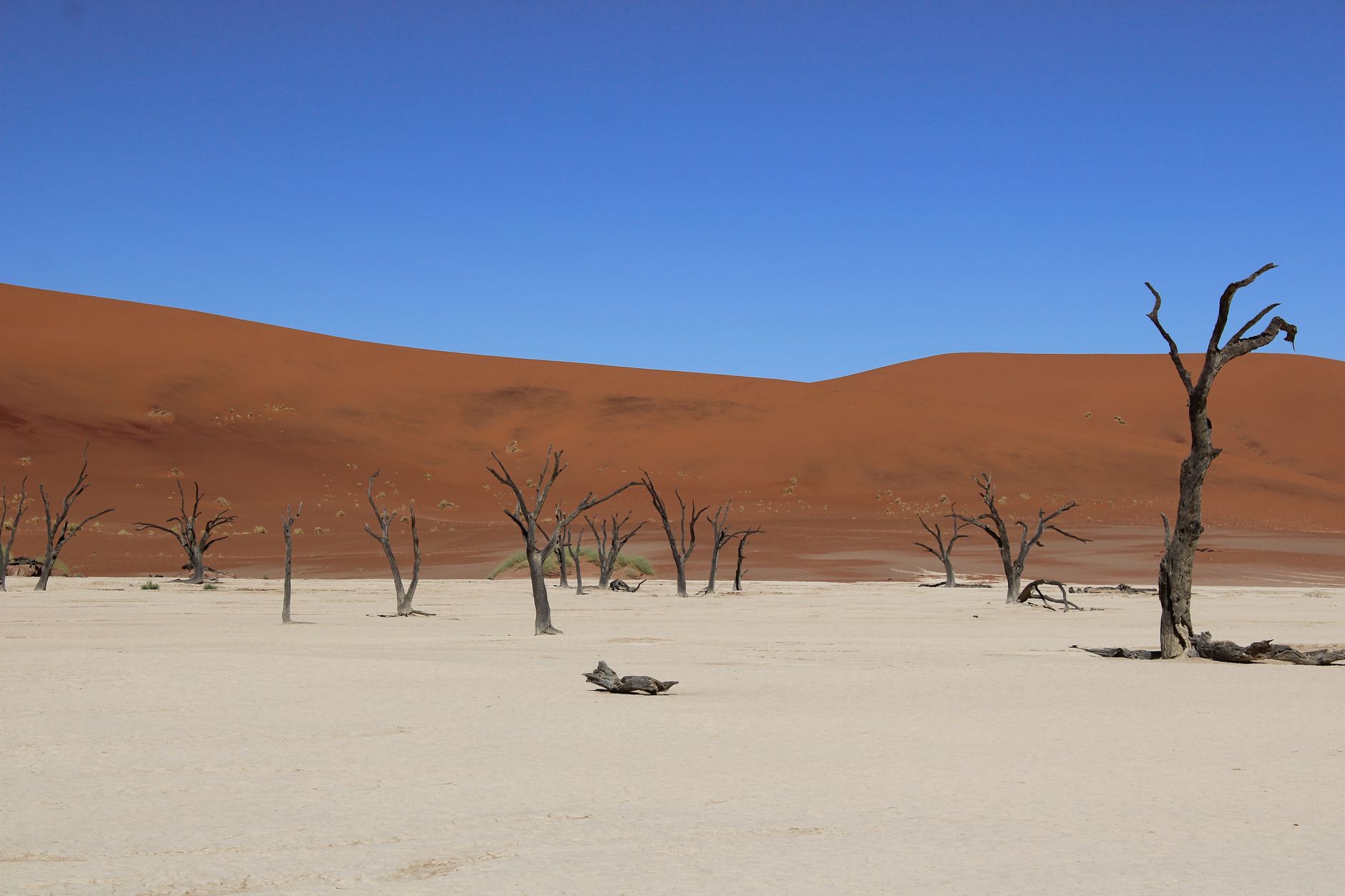
Deadvlei is a surreal white clay pan surrounded by some of the highest sand dunes in the world, most notably 'Big Daddy'. Dotted with scorched, black camel thorn trees that died over 900 years ago when the climate changed and rivers stopped flowing, the stark contrast between the white ground, black trees, orange dunes, and intense blue sky creates one of Earth's most breathtaking landscapes. Accessing Deadvlei requires a 4x4 transfer from the 2WD parking lot at Sossusvlei, followed by an invigorating walk across the shifting clay and sand. Photographers flock here at first light to capture the ethereal play of morning shadows across the ancient basin.

Sunrise to Sunset
Admission: Park Entry Fee (~$10 USD)
Insider Tip: Arrive at the park gates before dawn to be among the first at the pan before the midday heat becomes extreme.
Etosha National Park
nature
4.95

Etosha National Park

Centered around a massive, shimmering white salt pan so vast it can be seen from space, Etosha National Park is premier wildlife territory. The park's network of waterholes—both natural and artificial—draws immense concentrations of elephants, lions, giraffes, zebras, cheetahs, and the endangered black rhinoceros. Self-driving through Etosha is exceptionally rewarding, with well-maintained gravel roads and fenced rest camps featuring floodlit waterholes where visitors can watch nocturnal predators hunt well into the night without leaving camp.

Sunrise to Sunset
Admission: Park Entry Fee (~$10 USD per day)
Insider Tip: Stay at Okaukuejo Rest Camp and visit its famous floodlit waterhole after dark to witness black rhinos and elephants interacting.
Fish River Canyon
nature
4.92

Fish River Canyon

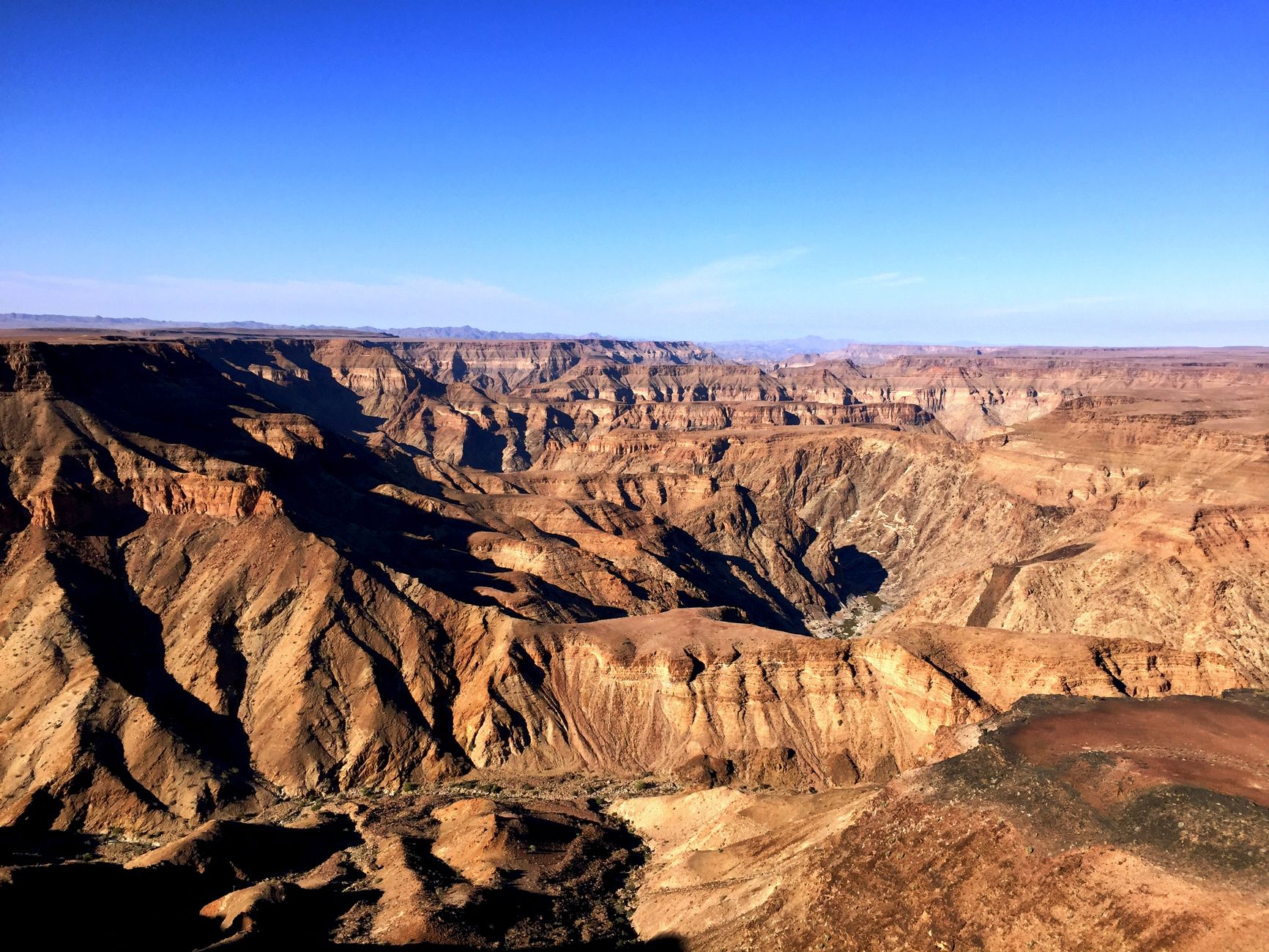
Plunging down to 550 meters deep, the Fish River Canyon is the largest canyon in Africa and a geological marvel carved over hundreds of millions of years. Its jagged, meandering rock formations create a breathtaking, monumental panorama that glows with fiery hues at sunrise and sunset. While the challenging 85-kilometer multi-day canyon hike is reserved for the cooler winter months for experienced trekkers, casual visitors can marvel at the sweeping vistas from the primary viewpoint near Hobas.

Sunrise to Sunset
Admission: Park Entry Fee (~$8 USD)
Insider Tip: Bring a wide-angle camera lens and sturdy hiking boots if you plan to explore the rim walking trails.
Kolmanskop Ghost Town
culture
4.88

Kolmanskop Ghost Town

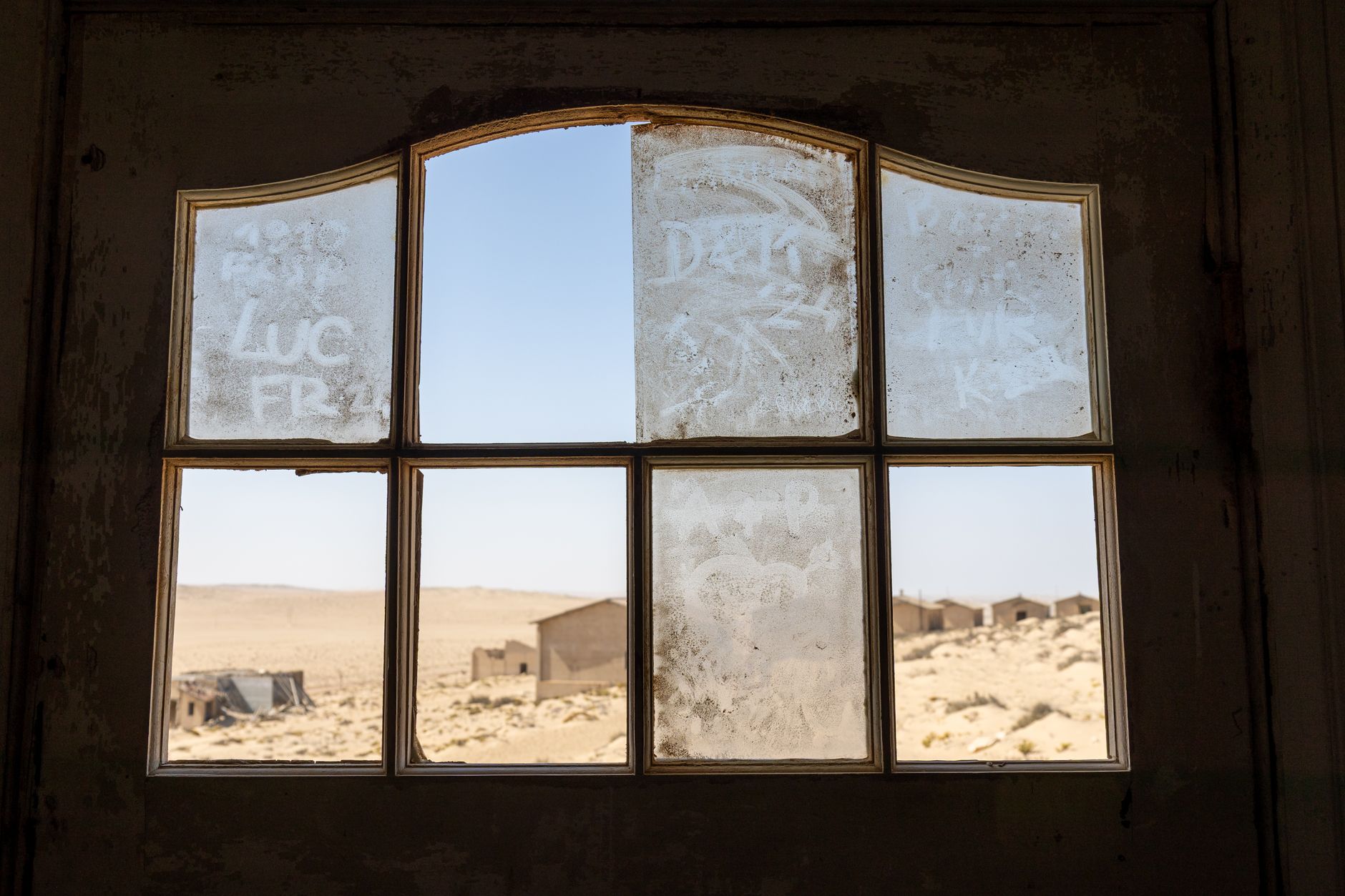
Once a booming diamond-mining boomtown filled with luxurious German architecture, hospital infrastructure, and ballrooms, Kolmanskop was abruptly abandoned in the mid-20th century as diamond discoveries shifted south. Today, the encroaching Namib Desert has reclaimed the town, filling decaying pastel-colored rooms with undulating dunes of soft sand. Photographers and history enthusiasts find endless fascination wandering through these skeleton buildings where nature is slowly erasing human ambition.

8:00 AM - 5:00 PM (Special sunrise photo permits available)
Admission: NAD 130 - 300 (~$8 - $18 USD)
Insider Tip: Book a morning permit to catch the ethereal morning light streaming through abandoned doorways before afternoon winds pick up.
Area Guide

Where to Stay & Best Neighborhoods

Windhoek Central & Klein Windhoek

Best for: First-time arrivals, culinary explorers, logistics preparation, and cultural museums.

Vibe: Charming colonial architecture, leafy suburbs, bustling African markets, and German-style bakeries.

Windhoek balances modern African urban life with distinct traces of its German colonial past. Stroll down Independence Avenue to hear street musicians, visit the historic Christuskirche, and enjoy a cold Tafel Lager on a sun-drenched café terrace before heading out into the wilderness.

Swakopmund Coastal Hub

Best for: Adrenaline junkies, seafood lovers, families, and architecture enthusiasts.

Vibe: Bavarian seaside resort town nestled between towering dunes and the churning Atlantic Ocean.

With its half-timbered German colonial buildings, palm-lined promenades, and crisp ocean air, Swakopmund feels like a displaced piece of Central Europe on the edge of the Namib Desert. It serves as the adventure capital for skydiving, quad biking, and marine cruises.

Sesriem & Sossusvlei Desert Gateway

Best for: Photographers, stargazers, hikers, and romantic getaways.

Vibe: Remote, minimalist desert luxury lodges and sprawling ancient dune fields under endless skies.

Serving as the threshold to the Namib Sand Sea, this area is characterized by rust-red dunes, ancient camel thorn trees preserved in white clay pans like Deadvlei, and deep sandstone canyons carved by the Tsauchab River over millions of years.

Food & Drink Scene

What to Eat in Namibia

Game Meats (Oryx, Kudu, Springbok)

Lean, flavorful, and organically free-range, game meat is a staple of Namibian cuisine. Prepared as tender steaks, slow-braised potjiekos stews, or dried as savory biltong, it offers a rich taste of the African bush.

🍴 Top spot: Joe's Beerhouse (Windhoek)

Swakopmund Spiced Seafood & Atlantic Oysters

Harvested from the cold, nutrient-rich Benguela Current off the Namibian coast, local oysters and line fish are exceptionally plump, briny, and fresh, often enjoyed with a squeeze of fresh lemon and a crisp white wine.

🍴 Top spot: The Tug Restaurant (Swakopmund)

Biltong & Droëwors

Namibia's beloved cured meat snacks. Seasoned with coriander, salt, and vinegar, then air-dried to perfection, biltong (sliced cured game) and droëwors (dried sausage) are essential road-trip companions.

🍴 Top spot: Cenored Butchery & Local Markets across Namibia
Excursions

Best Day Trips from Namibia

Sandwich Harbour 4x4 Dune Drive

1 hour from Swakopmund to Walvis Bay departure point

Embark on an exhilarating off-road excursion from Walvis Bay where massive desert dunes drop precipitously into the roaring Atlantic surf, creating one of the world's most unique coastal wetland ecosystems teeming with flamingos.

Twyfelfontein Ancient Rock Engravings

Full day excursion or multi-day stopover in Damaraland

Journey into the heart of Damaraland to explore a UNESCO World Heritage site featuring over 2,500 ancient rock carvings and paintings created by hunter-gatherers thousands of years ago.

When to Go

Best Time to Visit & Seasonality

Editor’s Pick: The dry winter months from May to October offer the premier window for travel, marked by cool, clear days, minimal rainfall, and optimal wildlife viewing as animals congregate around diminishing waterholes in Etosha. For dramatic desert photography and blooming desert flora, the shoulder months of April and November are exceptionally rewarding.

Spring Overview

(September - November)
Moderate
Average Temperature & Climate20°C to 32°C

Warming temperatures with increasing sunshine and occasional inland thunderstorms.

Crowd & Travel ConditionsModerate Tourist Traffic

Fewer lines and better deals.

✨ Seasonal Highlights:Baby animals in Etosha, migratory birds arriving, and blooming desert vegetation following rare spring rains.
Travel Smarter

Practical Travel Essentials

CurrencyNamibian Dollar (NAD) & South African Rand (ZAR)
LanguageEnglish (Official), Oshiwambo, Afrikaans, German, Otjiherero
Time ZoneCAT (UTC+2)

Visa & Entry

Many nationalities (including US, EU, UK, Canada, Australia) receive a 90-day tourist visa upon arrival at Hosea Kutako International Airport or land borders. Ensure your passport is valid for at least 6 months with two blank pages.

Getting Around & Transit

A 4x4 vehicle with high clearance and all-terrain tires is strongly recommended for self-drive itineraries, as many major routes consist of unpaved gravel roads. Distances are vast, so plan for long driving hours.

Daily Budget Expectation

$150 - $400 USD per day for mid-range travelers utilizing rental 4x4s with rooftop tents or comfortable lodges.

Safety & Health

Namibia is one of the safest and most politically stable countries in Africa. Standard precautions apply in urban areas like Windhoek regarding petty theft, while remote areas require preparedness for vehicle breakdowns.

Local Etiquette & Customs

Always ask permission before photographing local indigenous people, especially Himba or San communities. Tip service workers around 10% in restaurants and lodges.

Questions & Answers

Frequently Asked Questions about Namibia

While some main trunk roads are paved, the vast majority of gravel roads and access tracks to parks and dunes require a high-clearance 4x4 vehicle with spare tires.