🌟 Best in Travel 2026 is here!
New Orleans
cityNorth America
4.92 / 5.0

New Orleans

A sultry delta symphony of jazz, ghosts, Creole spice, and eternal celebration.

Editorial Guide

About New Orleans

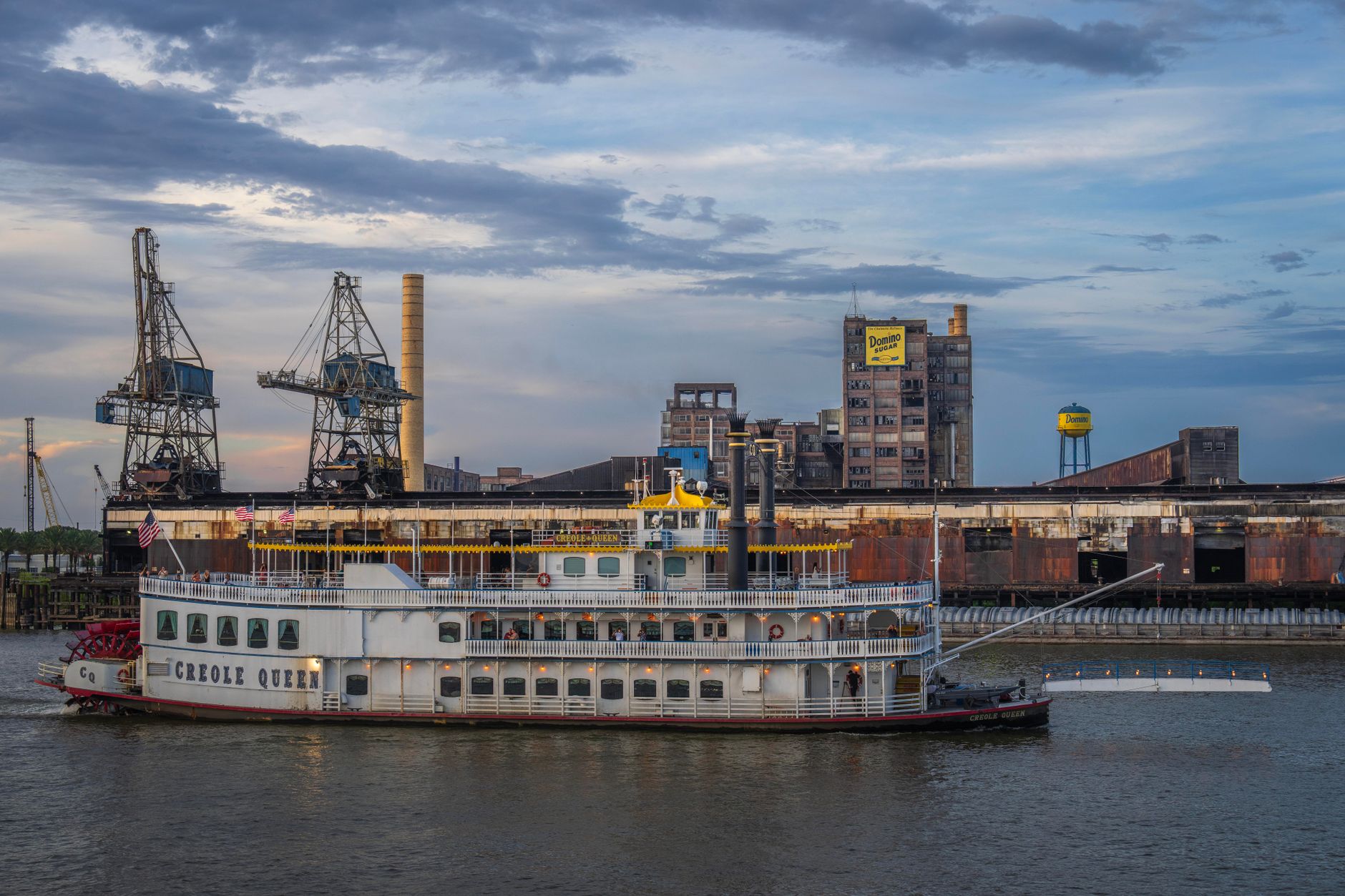
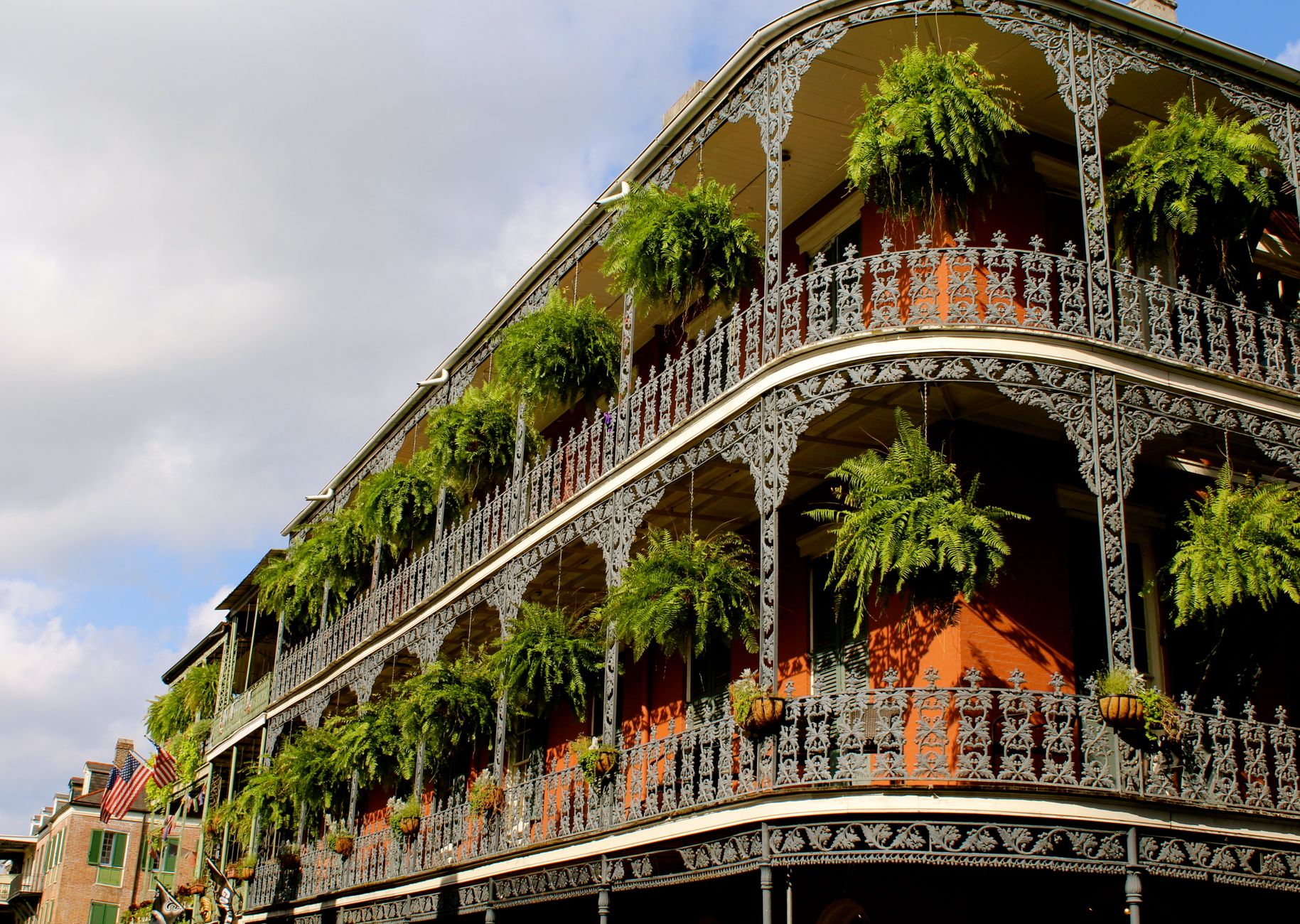
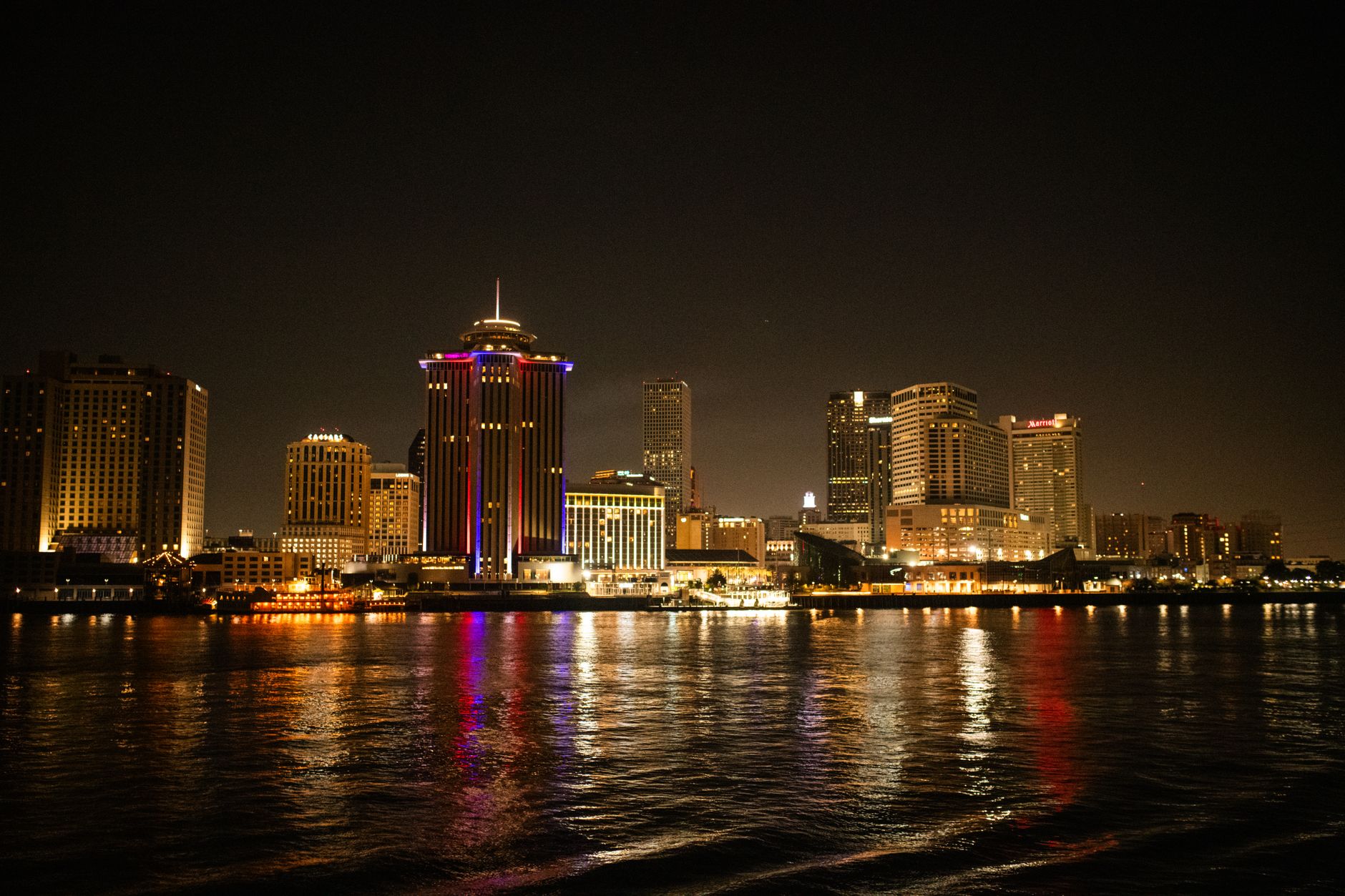
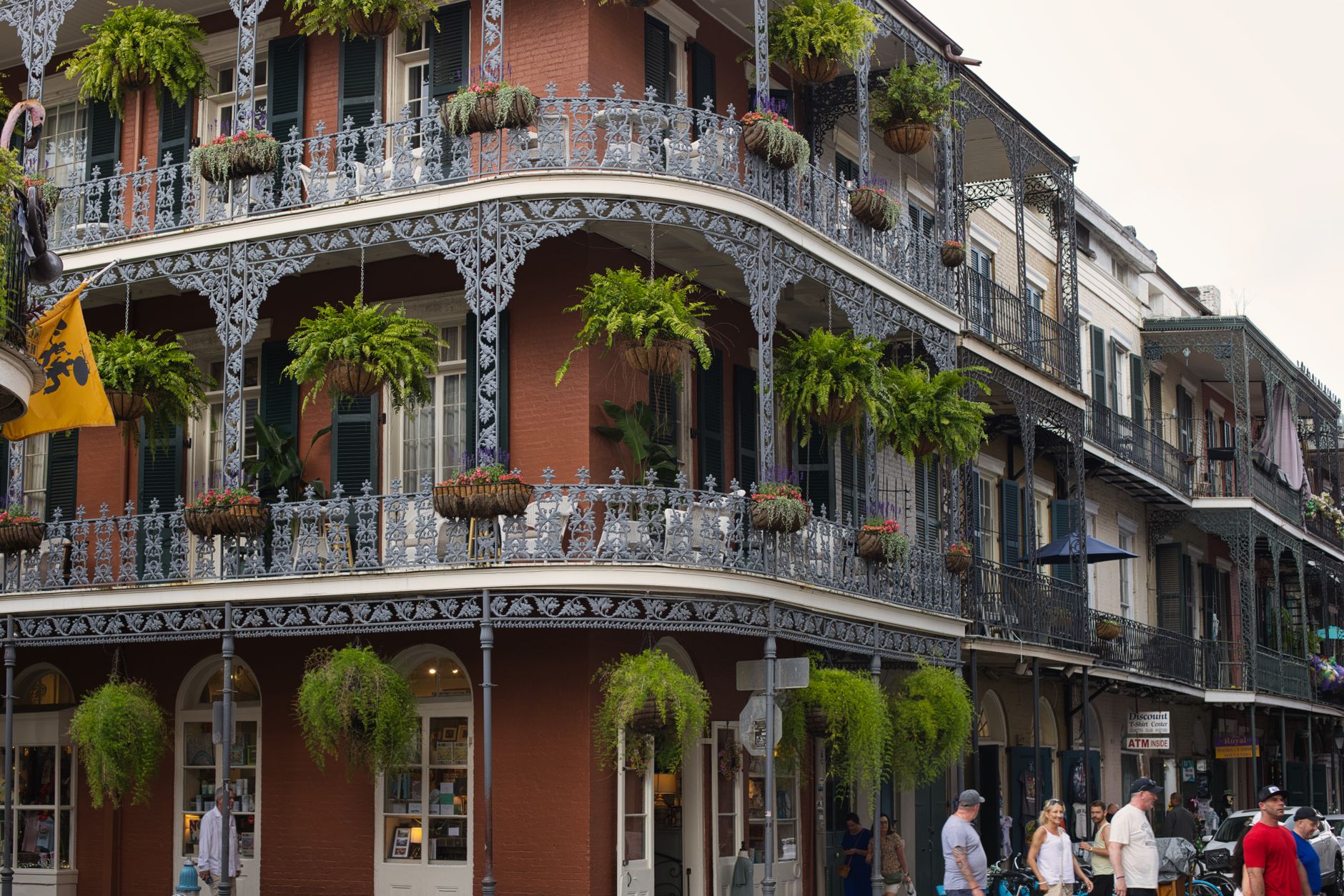
New Orleans does not merely exist; it vibrates. Nestled in a sharp crescent of the Mississippi River, this legendary Louisiana metropolis operates by its own climatic and cultural rules, far removed from the rest of the American landscape. Founded by the French in 1718, later shaped by Spanish rule, heavily influenced by Caribbean and West African diasporas, and eventually absorbed into the United States, the city became an ethnographic melting pot unlike any other. Its architecture—an ornate lace of wrought-iron balconies, pastel stucco facades, and towering Greek Revival columns—houses a society deeply reverent of its past yet entirely dedicated to the visceral pleasures of the present.

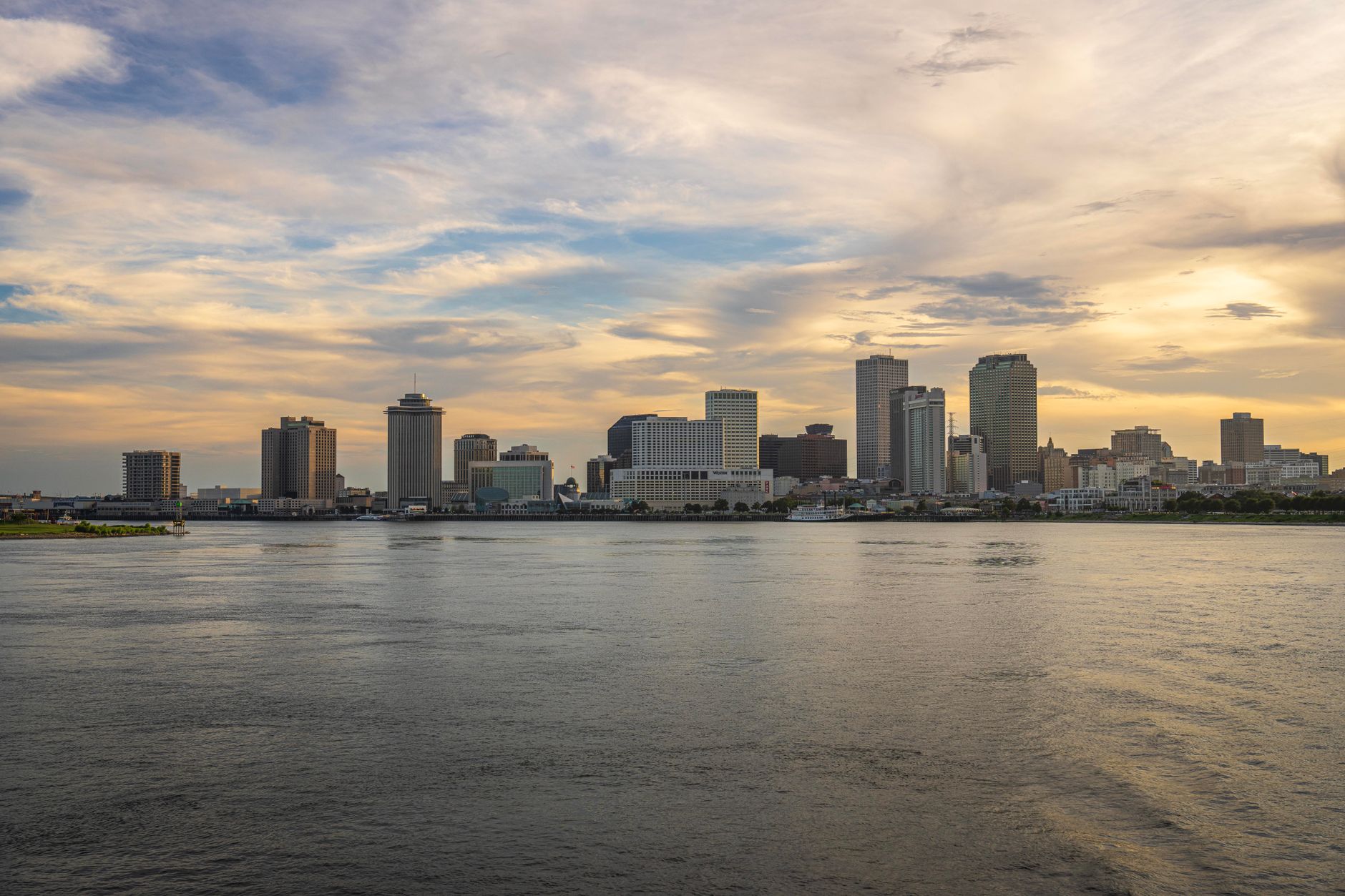
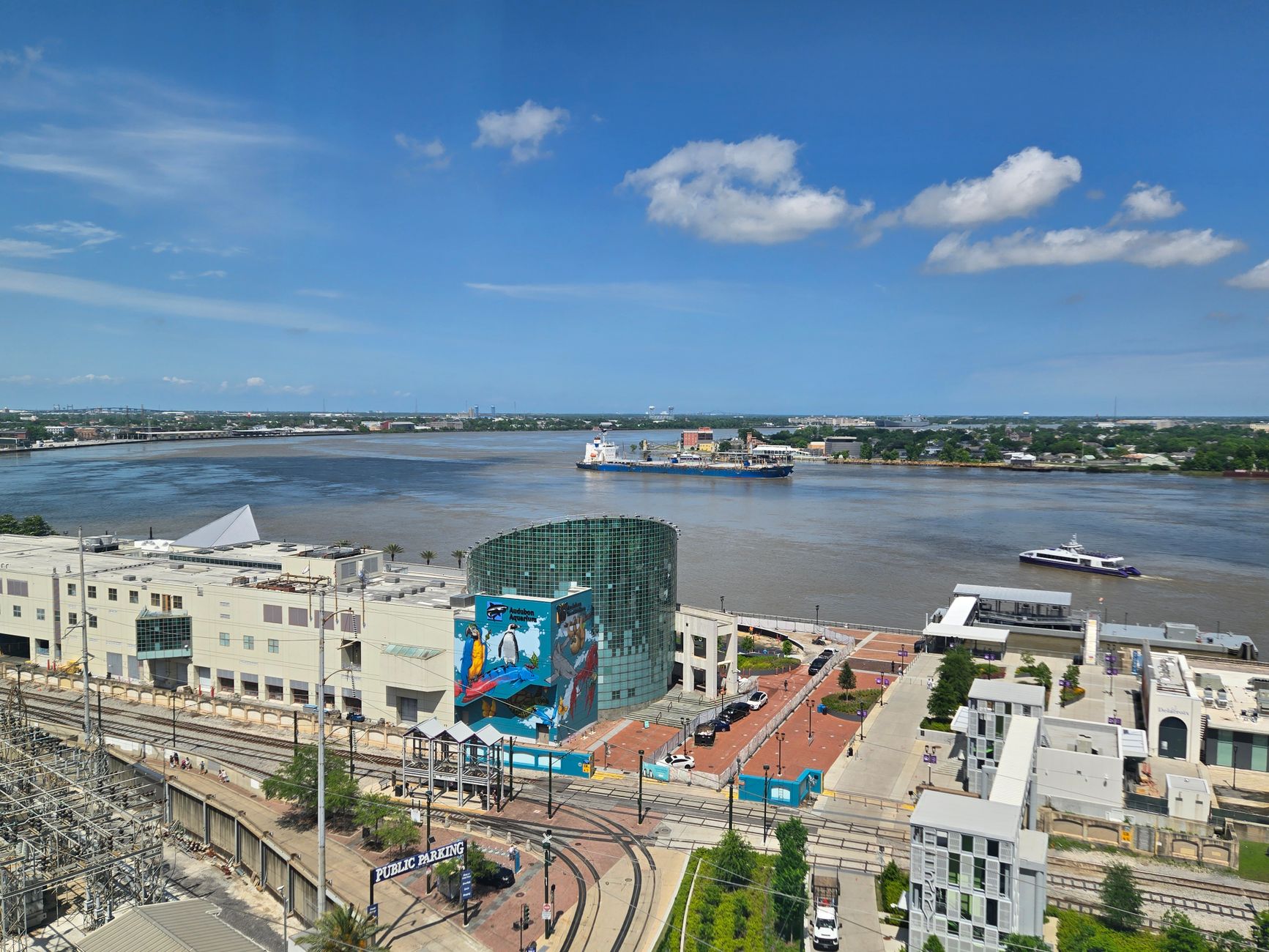
The geography of New Orleans is a delicate negotiation with water. Bounded by the mighty Mississippi to the south and Lake Pontchartrain to the north, the city sits largely below sea level, protected by a vast system of levees and pump stations. This bowl-like topography creates a heavy, tropical humidity that hangs in the air like a warm embrace, particularly during the languid summer months. Life here follows a distinct rhythm dictated by the seasons of festivity, ranging from the thunderous, beaded excess of Mardi Gras to the avant-garde sonic explosions of the New Orleans Jazz & Heritage Festival.

Culturally, the city’s heartbeat is syncopated. It is the birthplace of jazz, an American art form born from the collision of European marching band traditions and African rhythmic complexities in Congo Square. Music is not sequestered to ticketed concert halls here; it spills out from open doorways on Frenchmen Street, echoes from the bells of streetcars clanking down St. Charles Avenue, and rises up from the brass instruments of impromptu street corners performers. The air is permanently scented with a heady cocktail of magnolias, sweet olive, spilled Abita beer, and the unmistakable, roux-thickened aroma of gumbo simmering on neighborhood stoves.

Daily life in New Orleans is defined by a fierce local pride, a relentless pursuit of communal joy, and a philosophical acceptance of life's fleeting nature, forged through centuries of weathering yellow fever epidemics, hurricanes, and socio-economic shifts. Locals—known colloquially as Yat (derived from the classic greeting "Where y'at?")—possess an open-hearted hospitality that turns strangers into lifelong friends over a shared po'boy or a frozen Hurricane. To travel here is to surrender your itinerary to the serendipity of the streets, where every corner turned reveals a courtyard garden dripping with ferns or a brass band marching through a second-line parade.

Visual Impressions & Moments
New Orleans photo 1
New Orleans photo 2
New Orleans photo 3
New Orleans photo 4
New Orleans photo 5
New Orleans photo 6
Unmissable Moments

Top Things to Do in New Orleans

Must-Do

Savor Late-Night Live Jazz on Frenchmen Street

While Bourbon Street offers neon-lit chaos, Frenchmen Street in the Faubourg Marigny is where the city's living jazz tradition truly breathes. Hop between legendary venues like The Spotted Cat, Snug Harbor, and DBA, where world-class musicians squeeze onto intimate stages. Tip generously, order a local craft beer, and let the syncopated brass wash over you until the early hours of the morning. Insider tip: Arrive around 8 PM to secure a seat near the bandstand before the rooms pack out.

Culture

Uncover Voodoo and Mystery in St. Louis Cemetery No. 1

Delve into the city's complex relationship with mortality by touring its historic 'cities of the dead,' where elaborate above-ground tombs protect coffins from the high water table. St. Louis Cemetery No. 1, resting just outside the French Quarter, holds the remains of iconic historical figures, including the legendary Voodoo Queen Marie Laveau. Walking these narrow, historic alleyways offers a profound understanding of New Orleans' spiritual syncretism. Insider tip: By Louisiana law, you must book an authorized guided tour to enter.

Scenic

Board the Historic St. Charles Avenue Streetcar

For a mere $1.25, ride the oldest continuously operating streetcar system in the world. Dating back to 1835, the green St. Charles line rattles its way past opulent 19th-century mansions, sprawling live oaks draped in Spanish moss, and Tulane and Loyola universities. Grab a window seat on the wooden benches for an enchanting, cinematic journey through the historic Garden District straight up to Uptown. Insider tip: Keep exact change ready or use the RTA Le Pass app.

Culinary

Embark on an Authentic Creole and Cajun Culinary Crawl

New Orleans is a global dining capital defined by complex culinary genealogies. Spend a day tracing the edible history of the delta: start with a steaming cup of seafood gumbo rooted in dark roux, crunch into a crispy fried shrimp po'boy dressed heavily on Leidenheimer French bread, sample pillowy café au lait and powdered sugar beignets, and finish with a rich plate of crawfish étouffée. Insider tip: Venture off the beaten tourist path into neighborhood joints like Mid-City and Bywater for the most authentic renditions.

Must-See Highlights

Top Places & Things to Do in New Orleans

Curated attractions and cultural landmarks with local insider advice.

Jackson Square & St. Louis Cathedral
culture
4.88

Jackson Square & St. Louis Cathedral

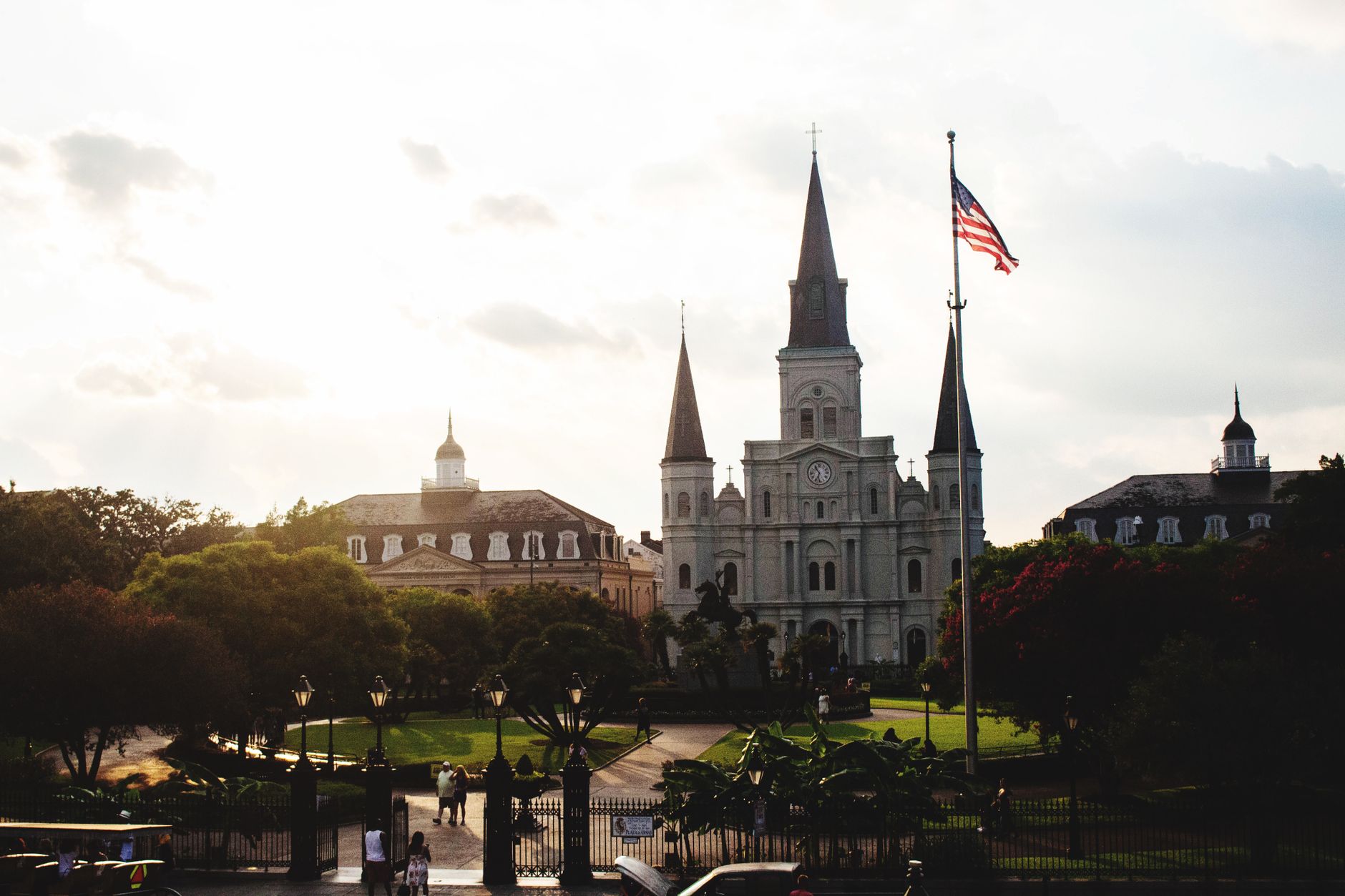
Overlooking the majestic Mississippi River, Jackson Square has served as the historic public plaza and focal point of New Orleans since the 1720s. Dominated by the soaring, triple-steepled facade of the St. Louis Cathedral—the oldest continuously active cathedral in the United States—the square buzzes with street musicians, fortune tellers, local painters displaying their canvases along the wrought-iron fence, and the constant clip-clop of horse-drawn carriages. The surrounding grounds are immaculately manicured around an equestrian statue of Andrew Jackson. Stepping inside the cathedral reveals stunning stained glass, religious art, and a profound sense of sacred historical continuity that has anchored the city through wars, fires, and changing empires.

Square open 24/7; Cathedral open daily 9 AM - 4 PM
Admission: Free
Insider Tip: Visit during the golden hour just before sunset when the afternoon light casts a magnificent warm glow on the cathedral facade.
Preservation Hall
culture
4.93

Preservation Hall

Tucked away in a weathered 18th-century building in the French Quarter, Preservation Hall was established in 1961 to protect, preserve, and perpetuate traditional New Orleans jazz. Stepping inside feels like walking backward in time: there is no air conditioning, minimal lighting, and no bar. Guests sit on wooden benches or crowd the floorboards of a simple, intimate room to experience acoustic jazz played by veteran masters and young prodigies alike. The sheer intimacy of the performance creates a sacred, transcendent musical communion. With no microphones or amplifiers, the raw, unfiltered blast of trumpets, clarinets, and tubas vibrates directly through the floorboards and into your chest, offering the most authentic jazz experience on earth.

Shows nightly at designated times (typically 5 PM, 6:15 PM, 7:30 PM, 8:45 PM)
Admission: $$$
Insider Tip: Buy tickets online well in advance, or queue up early for the limited daily general admission 'bench/standing' tickets available at the door.
National WWII Museum
attraction
4.96

National WWII Museum

Designated by Congress as America's official museum dedicated to World War II, this massive, world-class campus in the Warehouse District spans multiple immersive pavilions. Through extraordinarily detailed exhibits, oral histories, restored aircraft, amphibious vehicles, and multimedia cinematic experiences like Tom Hanks' 'Beyond All Boundaries,' the museum tells the monumental story of the American experience in the war that changed the world. The complex thoughtfully addresses both the home front and the global battlefronts in Europe and the Pacific. Plan to spend at least half a day here to fully absorb the scale and emotional depth of the exhibits, which are widely considered among the finest museum installations in the world.

Daily 9 AM - 5 PM
Admission: $$$(approx. $32 entry)
Insider Tip: Tickets are valid for two consecutive days if you find you cannot see everything in a single afternoon.
City Park & New Orleans Botanical Garden
nature
4.85

City Park & New Orleans Botanical Garden

Spanning 1,300 acres, New Orleans City Park is 50 percent larger than Central Park in New York and stands as one of the nation's oldest and most picturesque urban green spaces. It is home to the world's largest grove of mature live oaks, some of which date back nearly 800 years, draped heavily in shimmering veils of Spanish moss that sway in the southern breeze. Within the park grounds, visitors can explore the tranquil New Orleans Botanical Garden, paddle Duffy boats across Big Lake, ride the historic antique carousel at Carousel Gardens Amusement Park, or view world-class modern sculpture at the Sydney and Walda Besthoff Sculpture Garden.

Park open daily sunrise to sunset
Admission: $ (Park free; specific attractions vary)
Insider Tip: Rent a Swan Pedal Boat on Big Lake for a relaxing afternoon, and stop by Morning Call inside the park for beignets without the French Quarter crowds.
Area Guide

Where to Stay & Best Neighborhoods

The French Quarter (Vieux Carré)

Best for: First-time visitors, architecture enthusiasts, nightlife seekers, and history buffs.

Vibe: Historic, bustling, bohemian, and perpetually romantic with Spanish-French architecture.

The historic beating heart of New Orleans, the French Quarter is a National Historic Landmark district where every block whispers tales of pirates, poets, and aristocrats. Though parts of Bourbon Street cater heavily to rowdy partygoers, wandering just a block or two away reveals tranquil, flower-draped courtyards, antique shops tucked into 18th-century townhouses, and the grandeur of Jackson Square standing sentinel before the St. Louis Cathedral.

The Garden District

Best for: Architecture lovers, leisurely walkers, and travelers seeking refined neighborhood charm.

Vibe: Opulent, leafy, serene, and lined with jaw-dropping antebellum mansions.

Developed in the 1830s by wealthy Americans who preferred to keep their distance from the Creole population in the French Quarter, the Garden District is a showcase of grand architectural ambition. Huge Greek Revival and Italianate mansions sit behind immaculate wrought-iron fences, shaded by a majestic canopy of ancient live oak trees. Lafayette Cemetery No. 1 and the bustling boutiques of Magazine Street anchor this stunning neighborhood.

Faubourg Marigny & Bywater

Best for: Live music lovers, foodies, street art enthusiasts, and off-the-beaten-path explorers.

Vibe: Eclectic, artistic, fiercely independent, and effortlessly bohemian.

Just downriver from the French Quarter lies the Marigny and its quirkier sibling, the Bywater. These historic working-class neighborhoods have transformed into the creative epicenters of modern New Orleans. Colorful Creole cottages house neighborhood dive bars, avant-garde art spaces, and world-class innovative restaurants. It’s an unpretentious, highly walkable enclave where the local community gathers on corner stoops to chat under the hum of ceiling fans.

Food & Drink Scene

What to Eat in New Orleans

Gumbo (Seafood or Chicken & Andouille)

The ultimate culinary expression of Louisiana, gumbo is a thick, deeply savory soup rooted in a dark, nut-brown roux cooked slowly from flour and fat or file powder. Packed with regional ingredients like the 'holy trinity' (onions, celery, bell peppers), local seafood or smoked sausage, and served over a mound of white rice, it reflects a complex heritage blending French, African, and Choctaw traditions.

🍮 Top spot: Dooky Chase's Restaurant (Mid-City)

Po'Boy Sandwich

Born during a 1929 streetcar strike to feed striking workers ('poor boys'), this iconic sandwich features crusty, flaky Leidenheimer French bread stuffed with crispy fried oysters, shrimp, roast beef dripping in rich gravy, or soft-shell crab. It is traditionally ordered 'dressed' with shredded lettuce, tomatoes, pickles, and mayonnaise.

🍮 Top spot: Parkway Bakery & Tavern (Mid-City)

Beignets and Café Au Lait

Square pieces of heavy yeast dough, deep-fried to a golden crisp and buried under an aggressive avalanche of powdered sugar, served alongside a bitter, chicory-infused coffee cut with hot milk. This classic breakfast and late-night ritual is a sweet testament to the city's Acadian and French colonial roots.

🍮 Top spot: CafĂ© Du Monde (French Market)
Excursions

Best Day Trips from New Orleans

Cajun Country & Swamp Boat Tours in the Atchafalaya Basin

1.5 to 2 hours west by car via I-10

Venturing west into Cajun country immerses you in a totally distinct wetlands culture where French is still spoken. Board an airboat or flat-bottomed swamp boat to glide through eerie, moss-draped cypress swamps populated by alligators, herons, and wild boars, followed by a hearty lunch of crawfish étouffée or boudin sausage in Breaux Bridge.

Historic River Road Plantations (Oak Alley & Whitney)

1 hour west by car

Journey upriver along the Mississippi to bear witness to the monumental and harrowing history of the antebellum sugar plantations. While Oak Alley offers iconic visual grandeur with its sweeping quarter-mile arch of 300-year-old live oaks, the Whitney Plantation provides an essential, unflinching museum experience dedicated entirely to understanding the lives of the enslaved people who built the region's wealth.

When to Go

Best Time to Visit & Seasonality

Editor’s Pick: The optimal time to visit New Orleans is from February to May, when the weather is pleasantly mild and the city's festival calendar reaches its fever pitch with Mardi Gras, French Quarter Fest, and Jazz Fest. Autumn (October to November) also offers glorious, cooler weather and fewer crowds, making it ideal for leisurely neighborhood explorations.

Spring Overview

(March - May)
Peak Crowds
Average Temperature & Climate18°C to 28°C (64°F to 82°F)

Warm, balmy, and predominantly clear with occasional spring showers.

Crowd & Travel ConditionsPeak Tourist Traffic

Book hotels 3-6 months ahead.

✹ Seasonal Highlights:Peak festival season including French Quarter Festival, New Orleans Jazz & Heritage Festival, and St. Patrick's Day parades.
Travel Smarter

Practical Travel Essentials

CurrencyUSD ($)
LanguageEnglish (with distinct regional dialects and Cajun/Creole influences)
Time ZoneCentral Standard Time (CST / UTC-6), Central Daylight Time (CDT / UTC-5)

Visa & Entry

Visitors from outside the United States must possess a valid passport and an approved ESTA (Visa Waiver Program) or a standard U.S. tourist visa.

Getting Around & Transit

The historic core of the French Quarter and Garden District is best explored on foot. For longer distances, the historic streetcars and RTA buses are exceptionally cheap ($1.25 per ride), while rideshares (Uber/Lyft) and taxis are readily available.

Daily Budget Expectation

$120 - $250 USD per day for a comfortable traveler staying in a boutique hotel, eating at casual-to-mid-range Creole restaurants, and enjoying local live music.

Safety & Health

Moderate. Like any major American city, property crime and petty theft occur. Exercise standard urban awareness, avoid walking alone down unlit or deserted streets late at night, and keep a close eye on your belongings in crowded festival areas.

Local Etiquette & Customs

New Orleans is exceptionally friendly. Greet bartenders, servers, and strangers with a warm 'Hello' or 'How y'at?'. Tipping is customary and expected (18-20% for food and drink, $1-$2 per drink at busy bars, and generous tips for street musicians and tour guides).

Questions & Answers

Frequently Asked Questions about New Orleans

Yes! New Orleans has famously relaxed open-container laws. You can walk the streets with alcoholic drinks, provided they are in plastic cups rather than glass containers or cans.