🌟 Best in Travel 2026 is here!
Nova Scotia Travel Guide
regionNorth America
4.92 / 5.0

Nova Scotia Travel Guide

Maritime magic where dramatic ocean cliffs meet soulful Celtic fiddles and culinary brilliance.

Editorial Guide

About Nova Scotia Travel Guide

Shaped like a giant lobster thrusting into the roaring North Atlantic, Nova Scotia is a peninsula of striking contrasts, maritime grit, and breathtaking natural beauty. Its dramatic coastline is etched with sheltered fishing coves, world-class surf breaks, and sheer granite cliffs that have weathered millennia of Atlantic gales. Culturally, the province beats with a distinct heart born of Mi'kmaq ancestry, early French Acadian resilience, and Scottish Highland heritage, all of which echo through lively pub sessions, bilingual road signs, and hauntingly beautiful folk music.

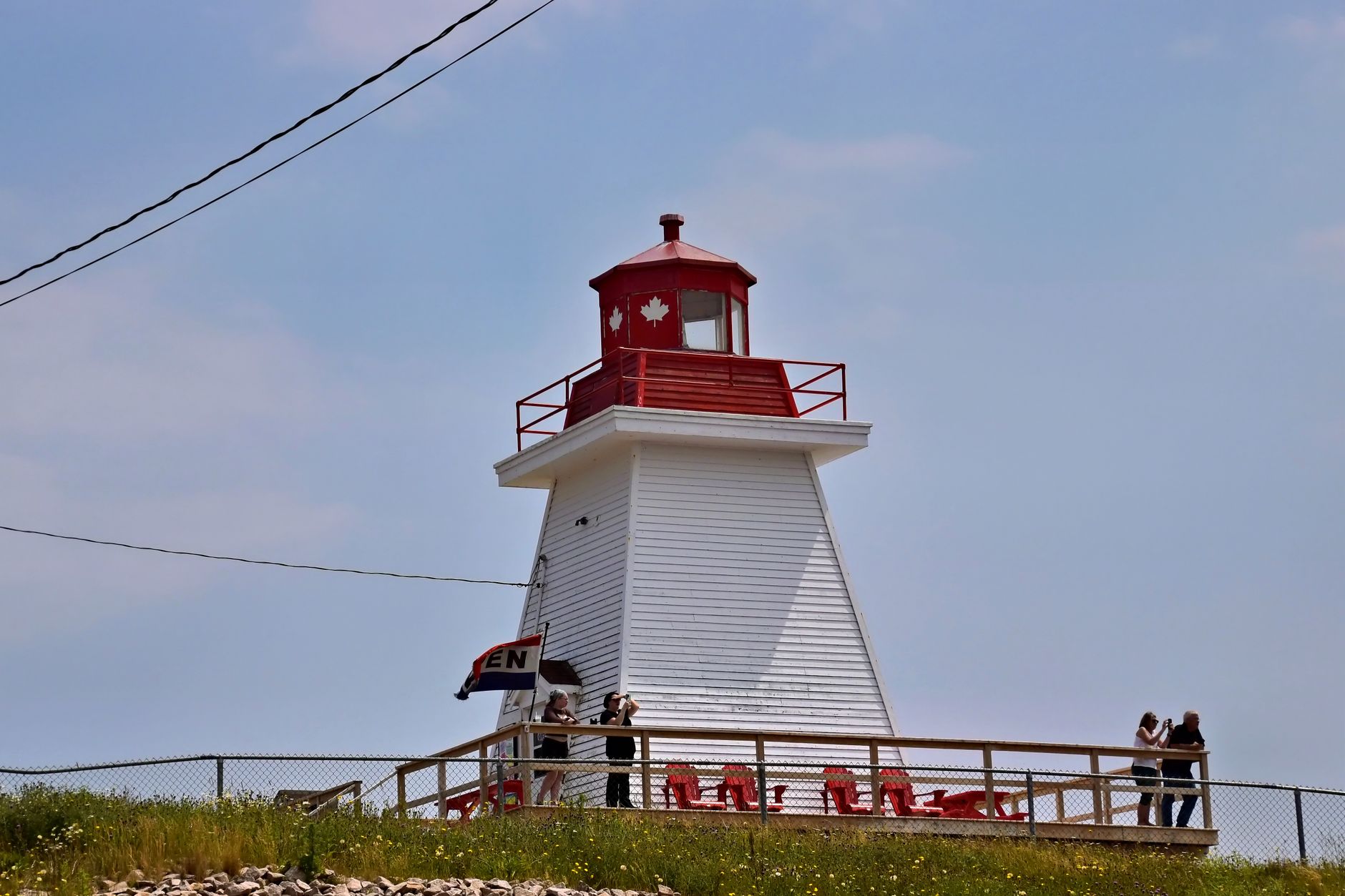
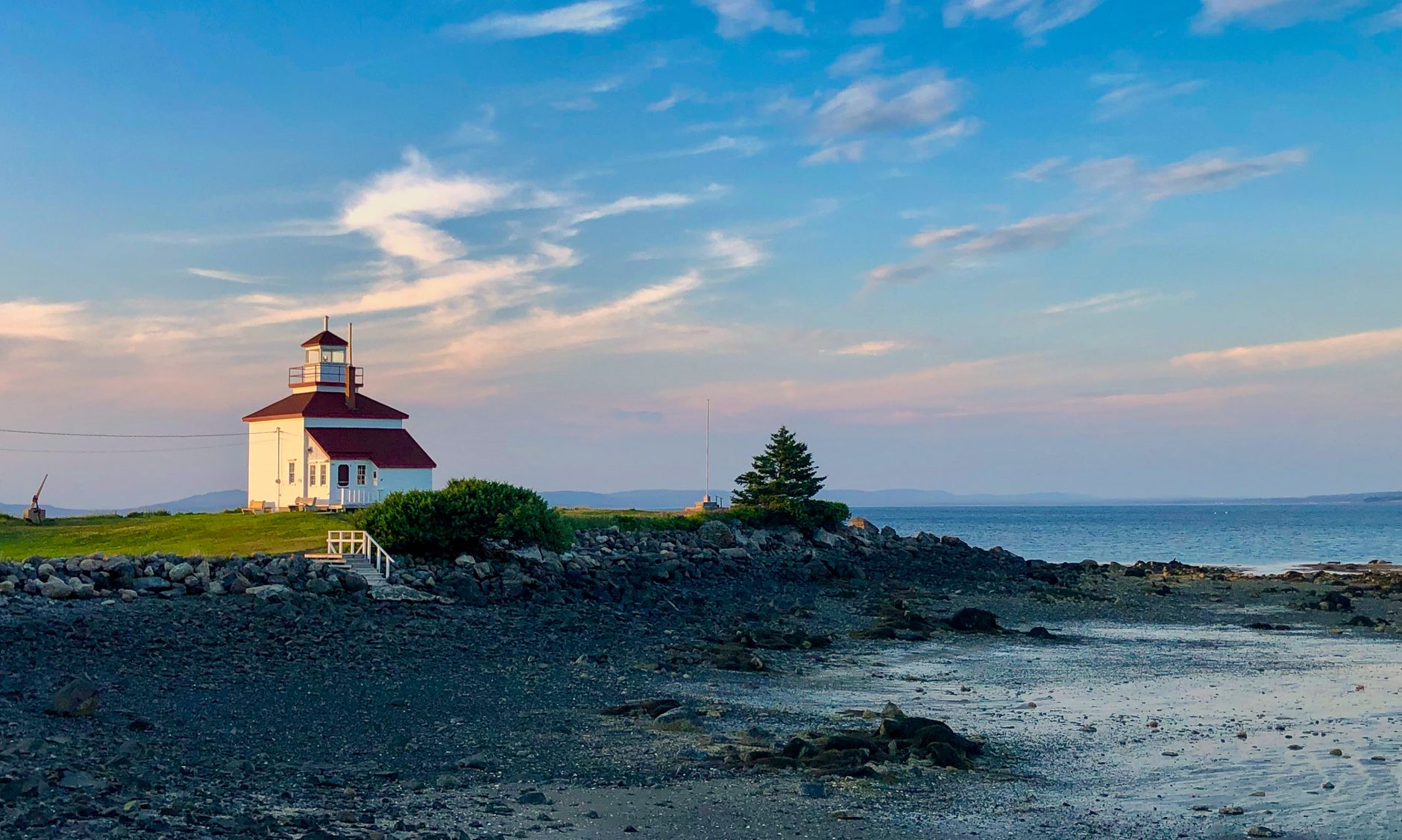
Historically, Nova Scotia has long served as Canada’s ocean gateway. From the deepwater port of Halifax—where majestic naval vessels and historic immigration piers tell stories of a bygone era—to the lonely lighthouses standing sentinel on remote headlands, the province is steeped in maritime lore. Lighthouses such as the iconic beacon at Peggy’s Cove symbolize a rugged isolation that has captivated artists, writers, and travelers for generations. Yet, beneath the weathered exterior lies a surprisingly sophisticated destination celebrated for burgeoning vineyards, farm-to-table gastronomy, and a deeply welcoming local populace.

Geographically compact yet wonderfully diverse, Nova Scotia invites slow travel and scenic road trips. The legendary Cabot Trail loops dramatically through Cape Breton Highlands National Park, where forested mountains plunge violently into the sea and moose graze lazily in early morning mists. Meanwhile, the fertile Annapolis Valley offers rolling orchards, award-winning Tidal Bay white wines, and rich agricultural heritage tucked between two mountain ranges. Whether you are chasing the highest tides in the world in the Bay of Fundy or walking along the endless white-sand beaches of the South Shore, Nova Scotia delivers an unforgettable sensory immersion.

Life here moves to the rhythm of the tides and the changing seasons. Summers bring long, sun-drenched days filled with outdoor music festivals, whale watching expeditions, and legendary lobster suppers served on wooden picnic tables. Autumn paints the interior highlands in fiery shades of crimson and gold, drawing leaf-peepers from across the globe. Through it all, the enduring spirit of the Maritimes shines brightest in the simple pleasures: a shared yarn with a local lobsterman, the screech of bagpipes on a foggy headland, and the incomparable taste of fresh-shucked oysters paired with a crisp local brew.

Visual Impressions & Moments
Nova Scotia Travel Guide photo 1
Nova Scotia Travel Guide photo 2
Nova Scotia Travel Guide photo 3
Nova Scotia Travel Guide photo 4
Nova Scotia Travel Guide photo 5
Nova Scotia Travel Guide photo 6
Unmissable Moments

Top Things to Do in Nova Scotia Travel Guide

Adventure

Drive and Hike the Legendary Cabot Trail

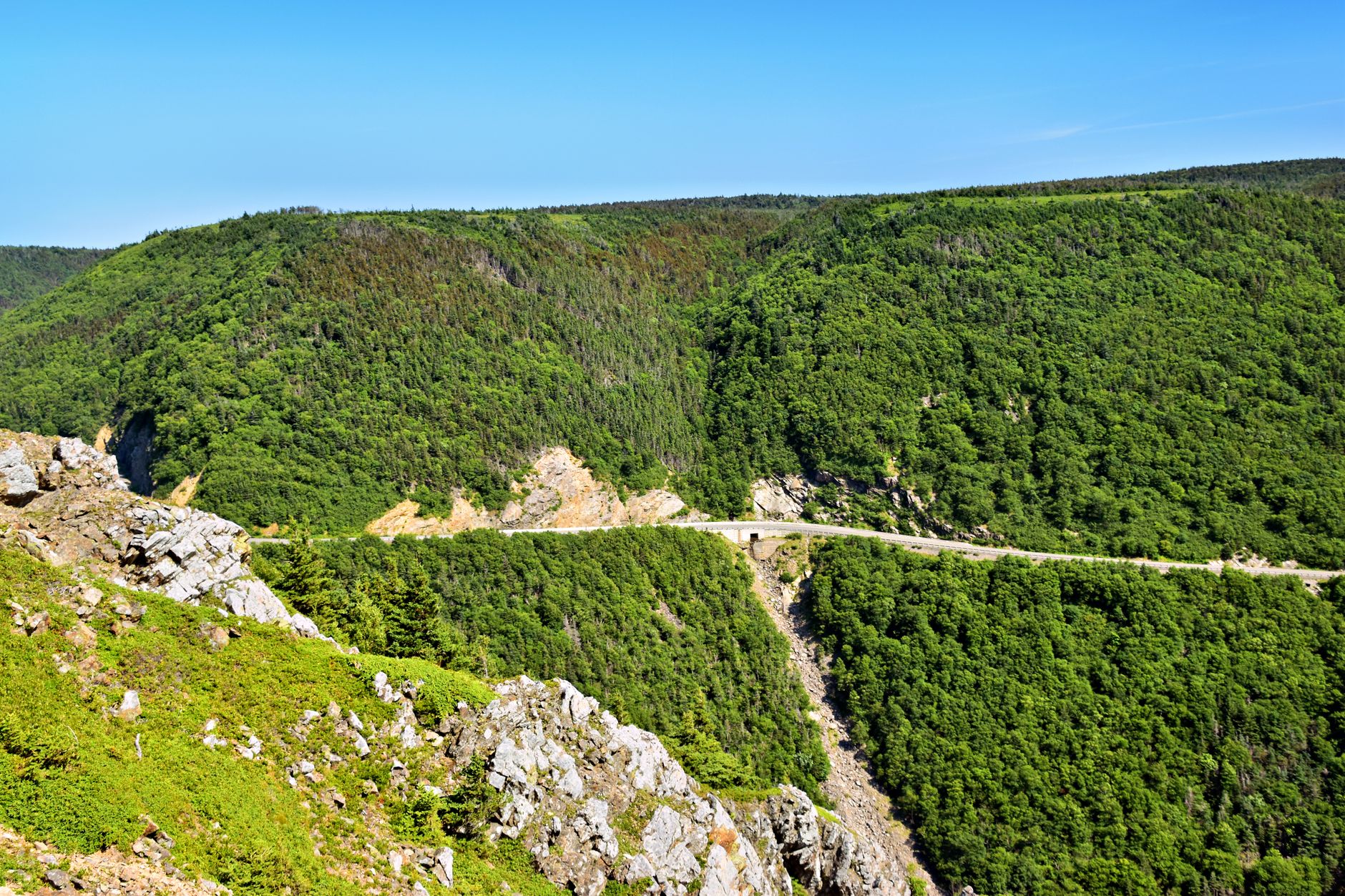
Looping around the northern tip of Cape Breton Island, the Cabot Trail is widely regarded as one of the world's most breathtaking coastal drives. Carved into the sides of ancient highlands, the highway offers panoramic lookoffs where bald eagles soar over the vast Gulf of St. Lawrence. Tackle the Skyline Trail hike just before sunset to watch the golden light wash over the headlands while minke whales breach in the waters below. Insider tip: Drive the loop counter-clockwise to keep the ocean lanes directly adjacent to your vehicle for unobstructed coastal views.

Must-Do

Witness the Extreme Tides of the Bay of Fundy

Home to the highest tides on Earth, the Bay of Fundy moves over 100 billion tons of water twice daily. Experience this natural marvel by walking on the ocean floor at Burntcoat Head Park during low tide, then returning a few hours later to kayak among the same towering flowerpot rocks now submerged under fathoms of water. For an extra thrill, book a tidal bore rafting excursion where surging ocean tides reverse the flow of inland rivers into chaotic, exhilarating rapids.

Culinary

Indulge in a Traditional Nova Scotian Lobster Supper

No trip to Nova Scotia is complete without partaking in a community lobster supper, a time-honored maritime tradition. Visit rustic community halls or high-end waterfront eateries where freshly caught crustaceans are boiled in massive saltwater pots. Learn the art of cracking shells with a nutcracker and picking sweet, tender meat while dining on melted butter, potato salad, and homemade seafood chowder.

Culture

Explore the UNESCO History of Lunenburg

Step back in time in the picturesque UNESCO World Heritage town of Lunenburg, renowned for its remarkably preserved 18th- and 19th-century British colonial architecture. Stroll past brightly painted wooden Victorian homes with distinctive 'Lunenburg Bump' dormers, visit working shipyards, and learn about seafaring legends aboard a replica of the famous racing schooner, the Bluenose II. Grab a coffee at a local artisan bakery and soak in the salt-salted breeze blowing off the harbor.

Must-See Highlights

Top Places & Things to Do in Nova Scotia Travel Guide

Curated attractions and cultural landmarks with local insider advice.

Peggy's Point Lighthouse
attraction
4.85

Peggy's Point Lighthouse

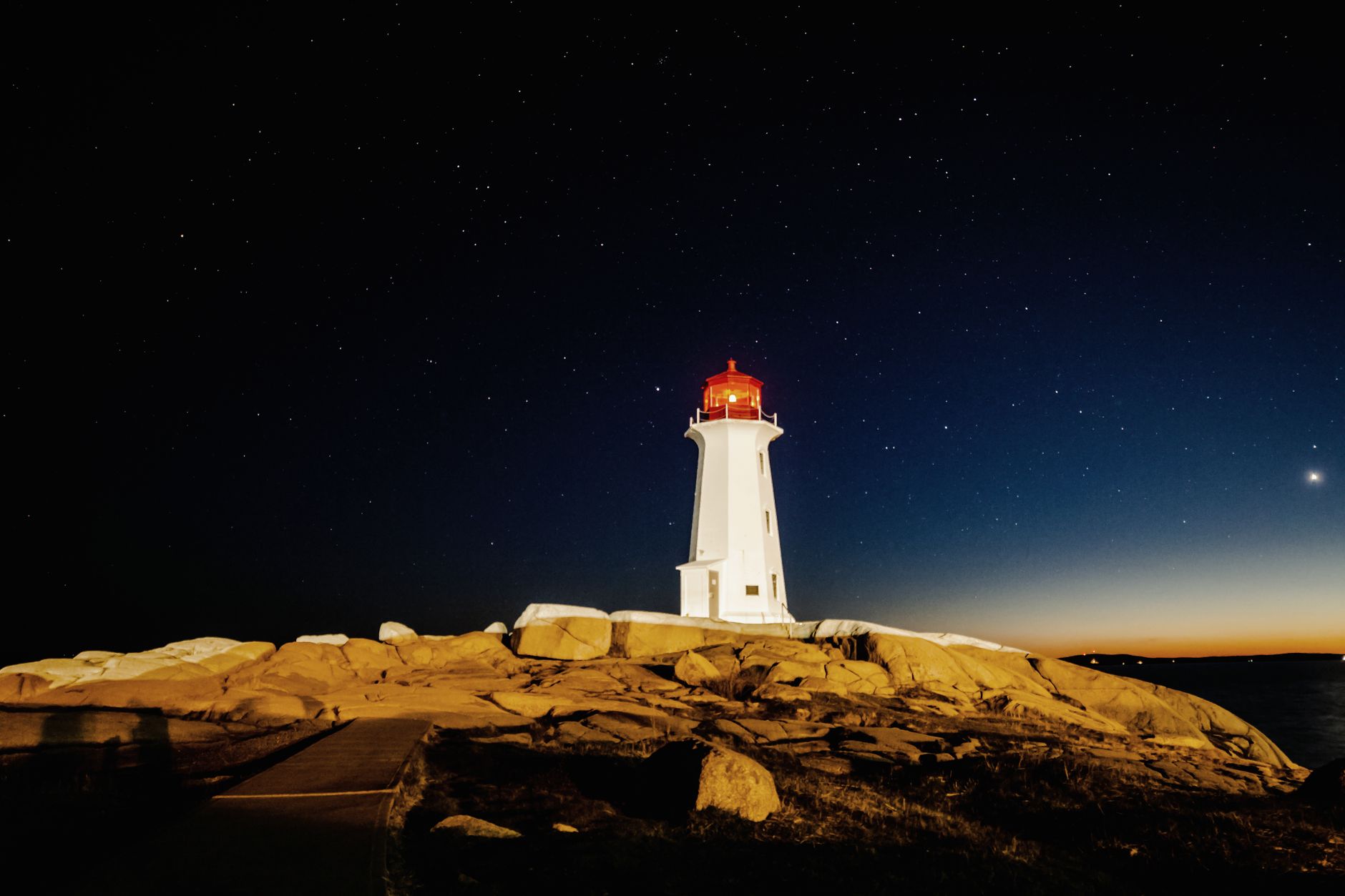
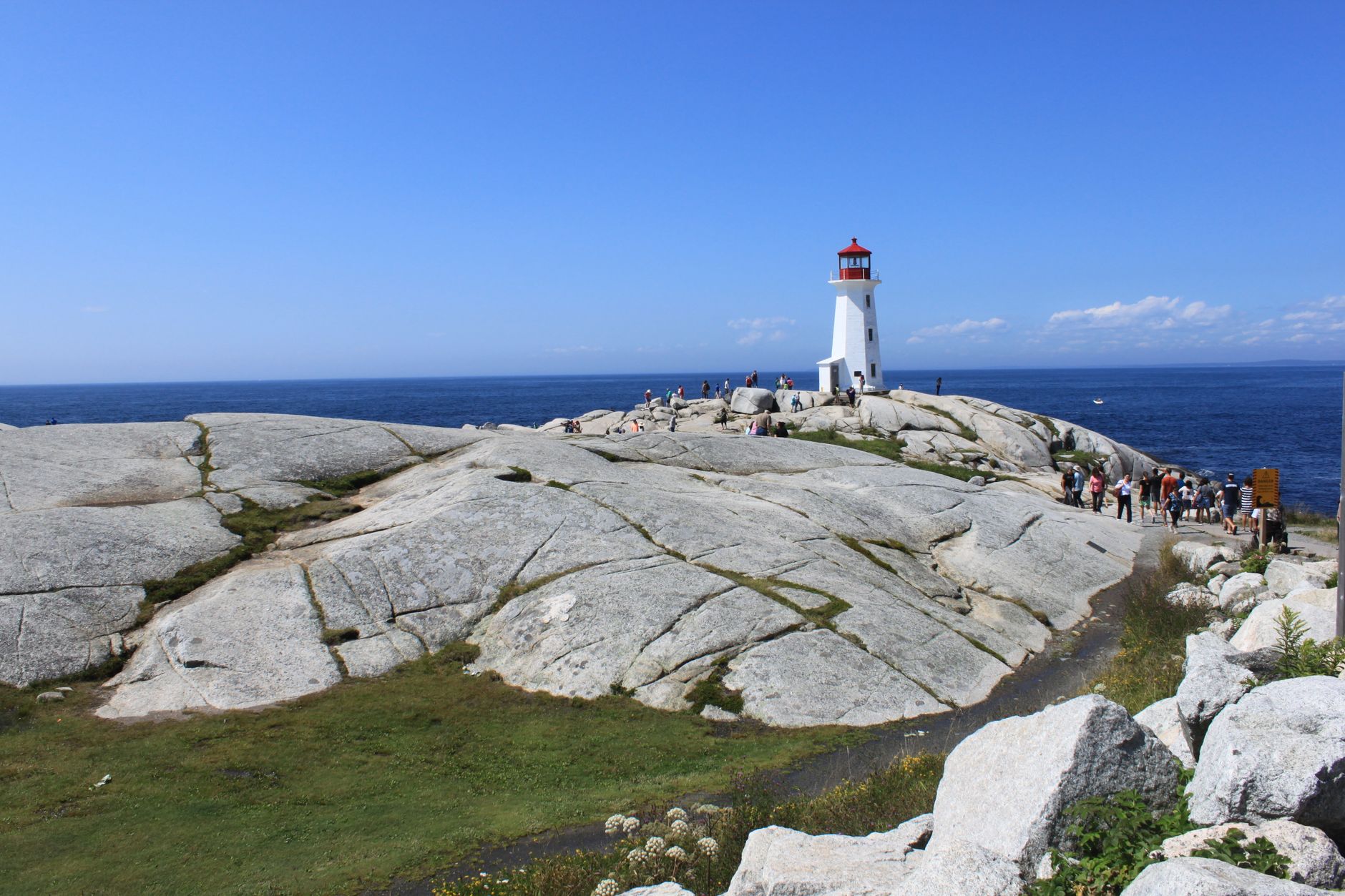
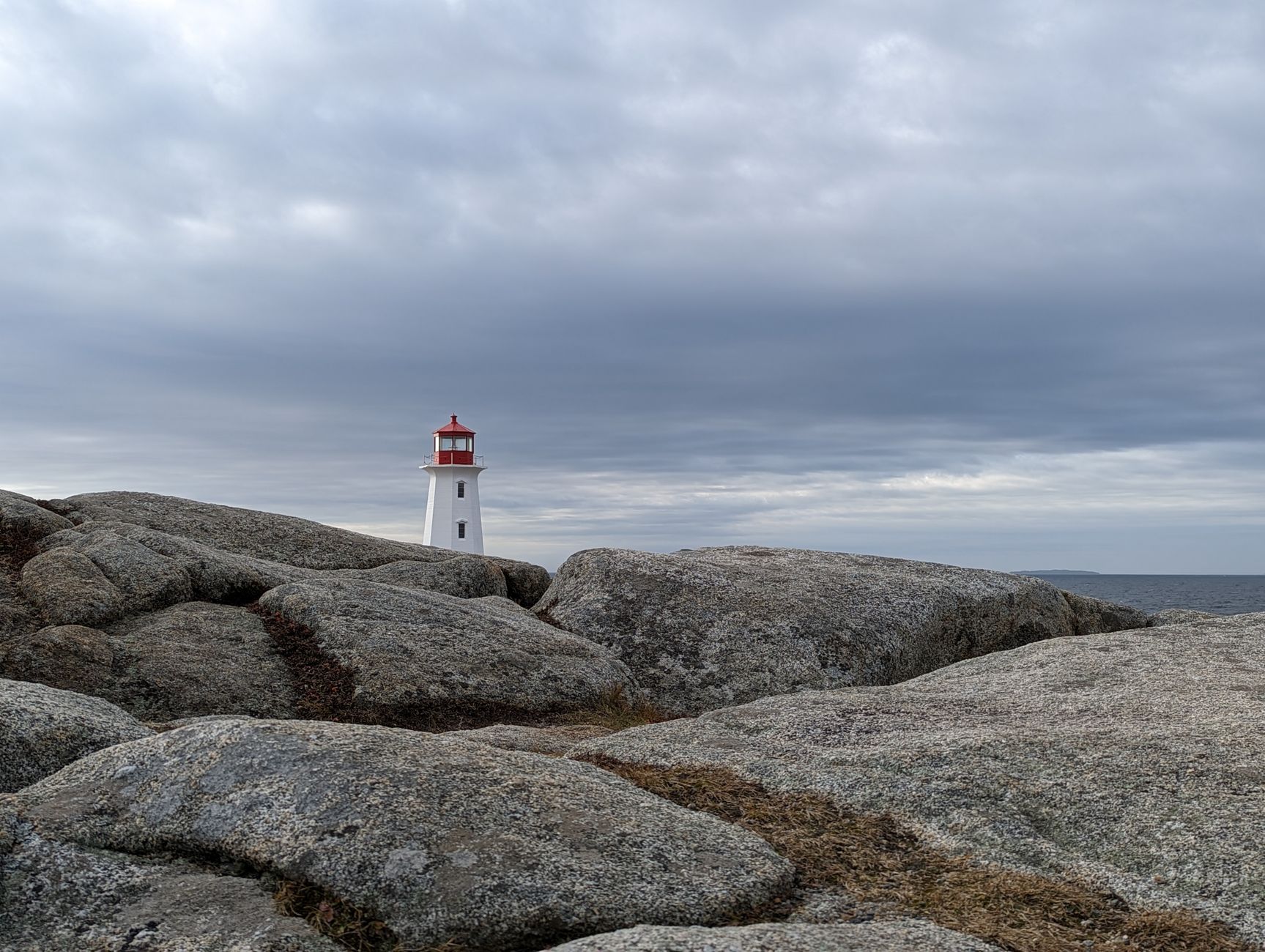
Perched dramatically on massive, wave-polished granite rocks overlooking the crashing Atlantic surf, Peggy’s Point Lighthouse is an enduring global icon of maritime Canada. Built in 1915, this red-and-white beacon still functions as a guiding light for local fishermen while drawing millions of mesmerized visitors to its rugged shores. Surrounding the lighthouse is a picturesque fishing village dotted with weathered boathouses, art galleries, and lobster pounds. Walking the ancient rock formations requires caution due to unpredictable sneaker waves, but the reward is an unforgettable panorama of untamed coastal wilderness where land and ocean engage in an eternal, roaring dance.

Open 24/7 (Visitor center seasonally)
Admission: Free
Insider Tip: Arrive at sunrise or late evening to beat the tour bus crowds and capture the golden hour light reflecting off the wet granite.
Cape Breton Highlands National Park
nature
4.93

Cape Breton Highlands National Park

Spanning the northernmost expanse of Cape Breton Island, this national park is where majestic forested mountains meet the infinite blue of the Gulf of St. Lawrence and the Atlantic Ocean. Encompassing one-third of the famous Cabot Trail, the park protects a stunning landscape of deep river canyons, cascading waterfalls, and highland plateaus. Wildlife abounds here, with moose frequently spotted grazing in roadside bogs and bald eagles soaring thermals above the cliffs. With over 26 hiking trails ranging from gentle valley strolls to the cliff-clinging Skyline Trail boardwalk, it offers some of the most exhilarating outdoor adventures in eastern North America.

Park open 24/7 year-round; visitor facilities open May–October
Admission: CAD $8.50 (Parks Canada daily entry fee)
Insider Tip: Hike the Skyline Trail an hour before sunset for breathtaking ocean vistas and a high probability of spotting moose.
Lunenburg Waterfront
attraction
4.88

Lunenburg Waterfront

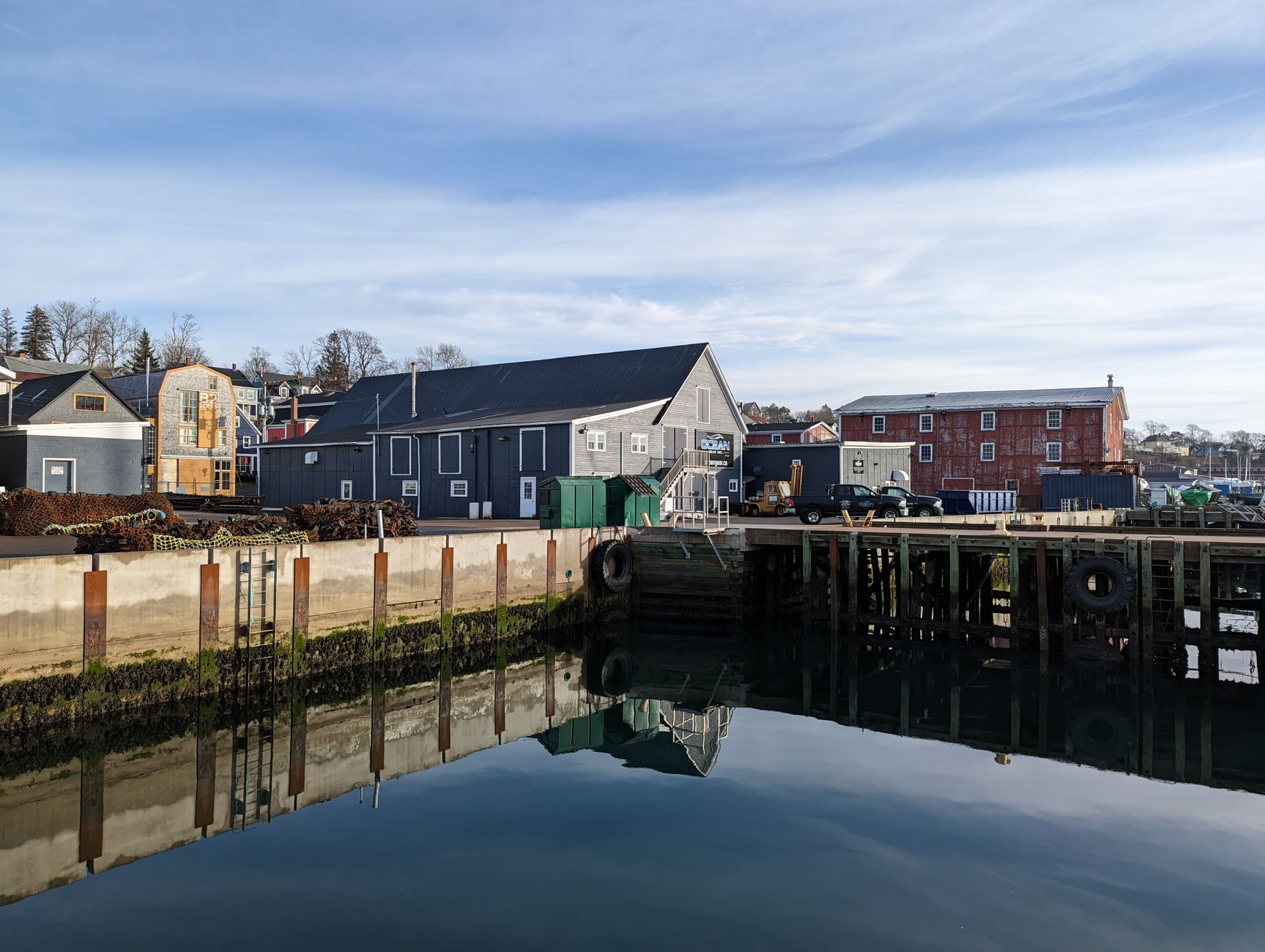
The colorful, impeccably preserved waterfront of Old Town Lunenburg stands as a testament to British colonial architecture and deep-seated maritime trades. Designated a UNESCO World Heritage site, the town features a vibrant grid of 18th- and 19th-century wooden buildings painted in cheerful maritime hues, anchored by working shipyards and bustling docks. Visitors can stroll along the historic wharves where salt-cod was once traded across the globe, visit the Fisheries Museum of the Atlantic, and catch sight of the legendary Bluenose II schooner when she is docked in port. It is a living, breathing museum community that retains its authentic working-harbor soul.

Open 24/7
Admission: Free
Insider Tip: Take a harbor cruise on a traditional wooden vessel to appreciate the town's stunning amphitheater-like layout from the water.
Halifax Citadel National Historic Site
culture
4.65

Halifax Citadel National Historic Site

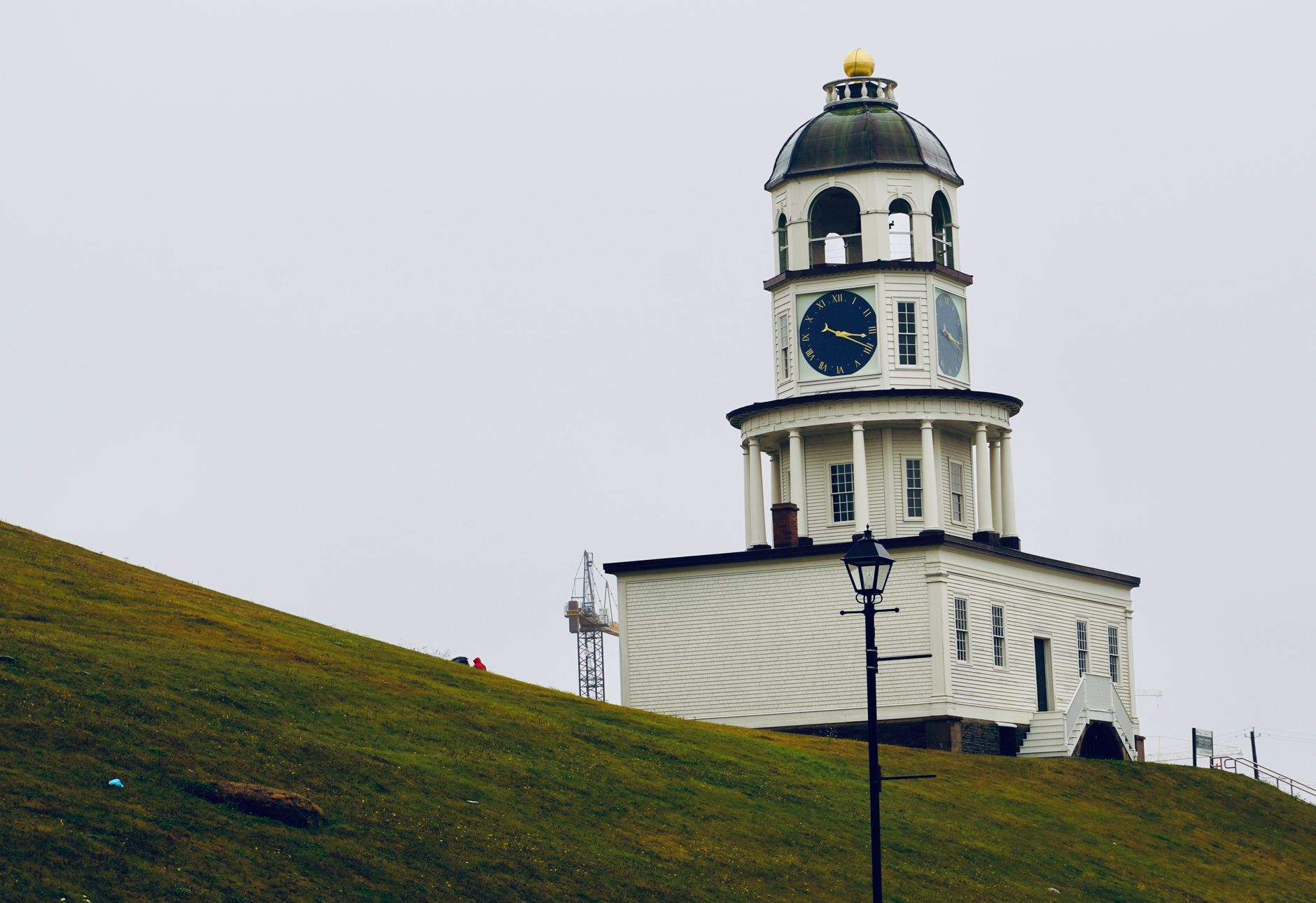
Dominating the city skyline from its strategic hilltop perch, the Halifax Citadel—known formally as Fort George—is a star-shaped fortress that has protected the city since 1749. Constructed by the British military to defend their primary North American naval station, the fortress showcases the evolution of military engineering and colonial history. Today, costumed historical interpreters bring the garrison to life, conducting musket drills, piping traditional tunes, and maintaining the tradition of firing the historic noon gun. Visitors can explore deep underground powder magazines, damp ramparts, and comprehensive museum exhibits detailing Halifax's rich naval and military heritage.

9:00 AM – 5:00 PM daily (Seasonally adjusted)
Admission: CAD $13.50
Insider Tip: Be standing near the parade square promptly at 12:00 PM to experience the loud roar of the daily noon gun firing.
Area Guide

Where to Stay & Best Neighborhoods

Downtown & Waterfront Halifax

Best for: History buffs, live music lovers, and foodies seeking vibrant nightlife.

Vibe: Buzzing historic harbor, energetic pubs, and modern cultural spaces.

Sprawling along the edge of North America's deepest natural harbor, downtown Halifax seamlessly blends 18th-century stone fortifications with gleaming modern architecture. Walking the wooden boardwalk reveals bustling patios, floating maritime museums, and the unmistakable scent of sea salt and roasted coffee. From this urban hub, you can easily access world-class craft breweries, the historic Halifax Citadel, and a thriving culinary scene driven by the bounty of nearby Atlantic waters.

The South Shore (Mahone Bay & Lunenburg)

Best for: Slow travel, photographers, couples, and heritage exploration.

Vibe: Idyllic pastel fishing villages, artisan galleries, and maritime romance.

Stretching along the dramatic Atlantic coastline southwest of Halifax, the South Shore is a treasure trove of picturesque hamlets and rocky coves. Mahone Bay welcomes visitors with its iconic trio of historic churches reflected calmly in the harbor waters, while nearby Lunenburg offers a masterclass in colonial maritime preservation. The region is peppered with hidden sandy coves, artisan studios, and quiet seaside inns where relaxation is practically guaranteed.

Cape Breton Highlands

Best for: Hikers, road trippers, nature photographers, and music enthusiasts.

Vibe: Rugged Gaelic culture, dramatic mountain peaks, and wild coastal barrens.

Occupying the northern third of the province, Cape Breton feels like a world apart—a Gaelic stronghold where Celtic music drifts out of rugged coastal pubs and winding mountain roads meet the infinite blue ocean. The region is dominated by Cape Breton Highlands National Park, a sanctuary of deep river canyons, cascading waterfalls, and misty plateaus. It is a place of profound wilderness beauty where you can spot moose, eagles, and whales all in a single afternoon.

Food & Drink Scene

What to Eat in Nova Scotia Travel Guide

Nova Scotia Lobster

Considered by many to be the finest in the world due to the cold, pristine waters of the Atlantic, Nova Scotia lobster is prized for its exceptionally sweet and tender meat. Prepared simply—boiled in salted seawater and served with drawn butter—it represents the gold standard of East Coast cuisine.

🍴 Top spot: The Shore Club in Hubbards

Digby Scallops

Harvested from the nutrient-rich currents of the Bay of Fundy, Digby scallops are legendary for their large size, buttery texture, and naturally sweet flavor profile. Whether pan-seared to golden perfection or eaten raw straight from the shell on a fishing wharf, they are a true maritime delicacy.

🍴 Top spot: The Sou'Wester Restaurant at Peggy's Cove

Acadian Rappie Pie (Râpure)

A deeply comforting traditional Acadian casserole made from grated potatoes from which the liquid has been squeezed out, then re-infused with rich chicken broth and layered with chicken, onions, and pork. It yields a uniquely gelatinous yet savory texture that has sustained local families for centuries.

🍴 Top spot: The Red Cap Motel & Restaurant in Pubnico
Excursions

Best Day Trips from Nova Scotia Travel Guide

Peggy's Cove & The Lighthouse Route

45 minutes from Halifax

Journey along the winding coastal highway to the most photographed lighthouse in Canada, perched precariously on smooth, wave-sculpted granite rocks. Stop along the way at historic fishing villages like Tancook Island ferry ports and quaint artisanal gift shops.

Annapolis Valley Vineyards & Grand PrĂŠ

1 hour 15 minutes from Halifax

Head inland to Nova Scotia's burgeoning wine country, touring world-class vineyards producing crisp Tidal Bay whites and sparkling wines. Explore the UNESCO Landscape of Grand PrĂŠ, learning the poignant history of the 18th-century Acadian expulsion.

When to Go

Best Time to Visit & Seasonality

Editor’s Pick: June through October offers the most reliable weather, open attractions, and vibrant festivals. July and August bring peak summer warmth, ideal for swimming and coastal exploration, though crowds are at their highest. September and October are exceptionally magical, featuring brilliant fall foliage along the Cabot Trail, comfortable hiking temperatures, and the annual Celtic Colours International Festival.

Spring Overview

(April to May)
Quiet / Low Season
Average Temperature & Climate5°C to 15°C (41°F to 59°F)

Crisp and changing; coastal fog is common as ocean ice melts.

Crowd & Travel ConditionsLow Tourist Traffic

Fewer lines and better deals.

✨ Seasonal Highlights:Maple syrup season, migrating seabirds, fewer crowds at major historic sites, and blooming apple orchards in the Annapolis Valley.
Travel Smarter

Practical Travel Essentials

CurrencyCAD ($)
LanguageEnglish (French and Mi'kmaq also spoken)
Time ZoneAtlantic Standard Time (AST / ADT, UTC-4/-3)

Visa & Entry

Visitors from visa-exempt countries traveling to Canada by air require an Electronic Travel Authorization (eTA). US citizens require a valid passport. Check current federal entry regulations before departure.

Getting Around & Transit

Renting a car is essential for exploring Nova Scotia's rural peninsulas, coastal routes, and national parks. Public transit outside of Halifax is extremely limited.

Daily Budget Expectation

CAD $150 – $350 per day, depending on accommodation style, car rental, and dining choices (higher if indulging daily in fresh lobster and wine tours).

Safety & Health

Very high. Nova Scotia is one of the safest regions in North America, with low crime rates and welcoming local communities. Coastal safety requires caution around strong ocean currents and slippery rocks.

Local Etiquette & Customs

Maritimers are famously warm, polite, and conversational. Greeting locals with a friendly 'hello' is customary. Tipping 15% to 20% in restaurants and pubs is standard practice.

Questions & Answers

Frequently Asked Questions about Nova Scotia Travel Guide

Yes. While Halifax has great public transit and walkability, exploring the scenic coastal drives, Cape Breton Highlands, and rural fishing villages requires a rental car.