🌟 Best in Travel 2026 is here!
Osaka
cityAsia
4.90 / 5.0

Osaka

Japan's neon-lit culinary capital where vibrant street life meets deep historical roots.

Advertisement
Editorial Guide

About Osaka

Osaka stands proudly as Japan's spirited counter-weight to Tokyo, a sprawling metropolis defined by a fiercely independent culture, sharp humor, and an unquenchable obsession with food. Historically known as the 'Nation's Kitchen' (Tenka no Daidokoro) due to its centuries-old role as a bustling feudal trade hub for rice and commodities, the city has evolved into an urban wonderland of soaring skyscrapers, narrow alleyways, and glowing neon kanji signs. The geographical heart of Osaka is pierced by the pristine Yodogawa River system and anchored by the majestic Osaka Castle, a testament to the city's critical role in Japan's samurai unification eras.

Culturally, Osakans are renowned across Japan for their warmth, friendliness, and direct, fast-paced colloquial dialect known as Osaka-ben. Unlike the more reserved atmosphere of Tokyo or the monastic solemnity of neighboring Kyoto, Osaka pulses with a loud, unapologetic joie de vivre. The local philosophy of 'kuidaore'—meaning to eat until you drop—summarizes the city's daily rhythm, where grand shopping boulevards effortlessly bleed into smoky, lantern-lit alleys dripping with the aroma of sizzling batter and simmering dashi broth.

Geography plays a distinct role in dividing Osaka's charm into two major cultural poles: Kita (the North, centered around Umeda) and Minami (the South, anchored by Namba, Dotonbori, and Shinsaibashi). Kita represents the sleek, corporate, futuristic face of the city with its dizzying vertical complexes, while Minami is the gritty, flamboyant entertainment district where the true pulse of local nightlife beats. From retro neighborhoods like Shinsekai that retain a 1910s nostalgic Showa-era charm to cutting-edge harbor developments like the Tempozan district, Osaka presents an irresistible collision of past and future.

Daily life in Osaka is an immersive sensory masterclass. Morning commutes on the impeccably punctual Osaka Metro give way to bustling midday markets like Kuromon Ichiba, where fishmongers grill massive scallops and sea urchin over open flames. By evening, the neon reflections on the Dotonbori canal ripple beneath the iconic Glico Man sign as millions of locals and travelers spill out of izakayas, ramen shops, and standing takoyaki bars. To travel through Osaka is to experience the beating, unfiltered heart of modern urban Japan, wrapped in hospitality and served with a side of laughter.

Visual Impressions & Moments
Osaka photo 1
Osaka photo 2
Osaka photo 3
Osaka photo 4
Osaka photo 5
Osaka photo 6
Unmissable Moments

Top Things to Do in Osaka

Culinary

Feast on Street Food Along the Neon-Lit Dotonbori Canal

Dive headfirst into Osaka's culinary soul by navigating the dazzling, neon-drenched alleyways flanking the Dotonbori canal. Secure a piping-hot paper boat of freshly fried takoyaki (octopus balls) oozing with savory batter, sweet brown sauce, and dancing bonito flakes, followed by a crisp skewer of kushikatsu. For the ultimate insider experience, slip away from the main canal into Hozenji Yokocho, a narrow cobblestone alley lit by paper lanterns where time seems to stand still.

Culture

Explore the Resplendent Grandeur of Osaka Castle

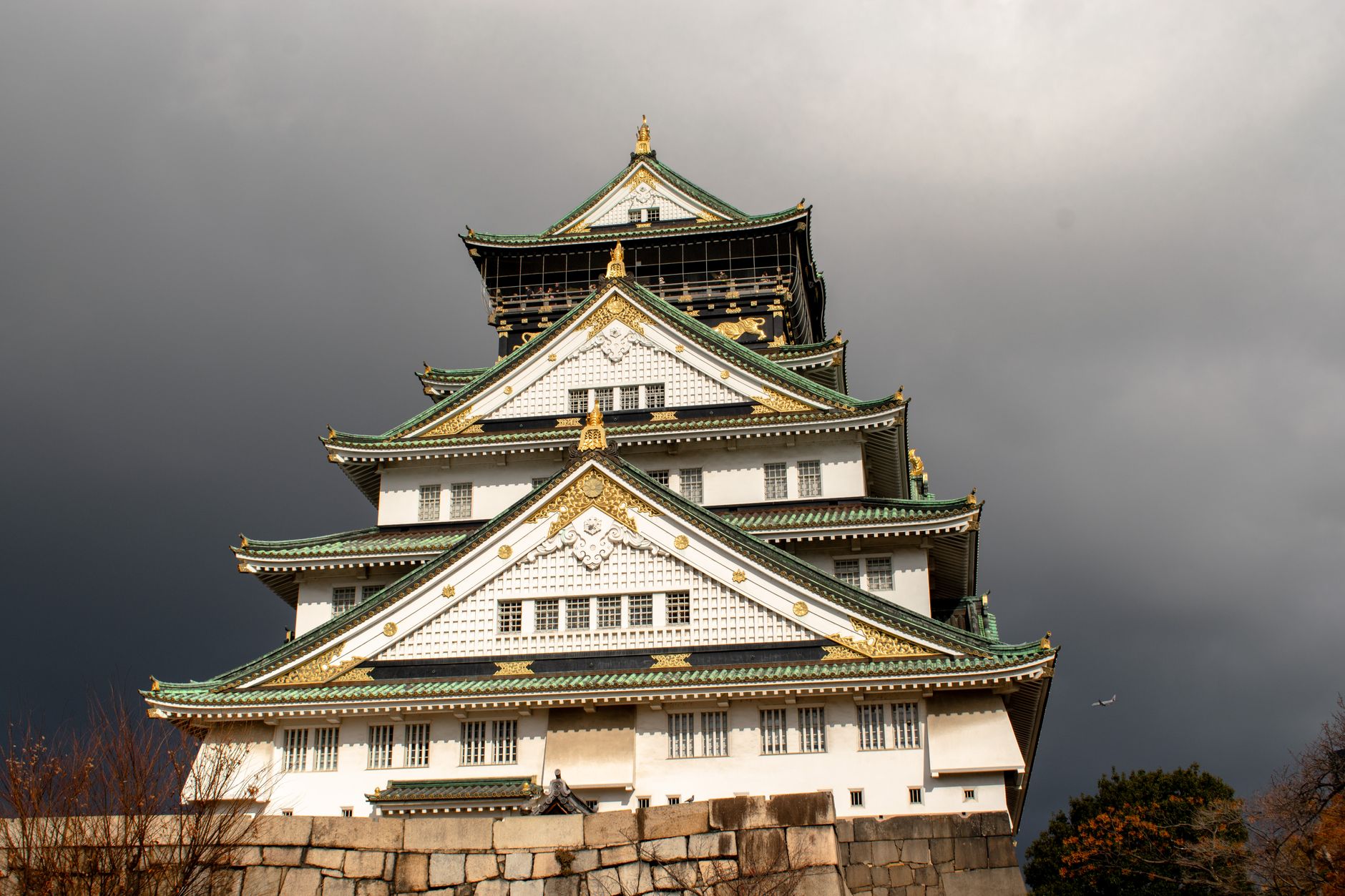
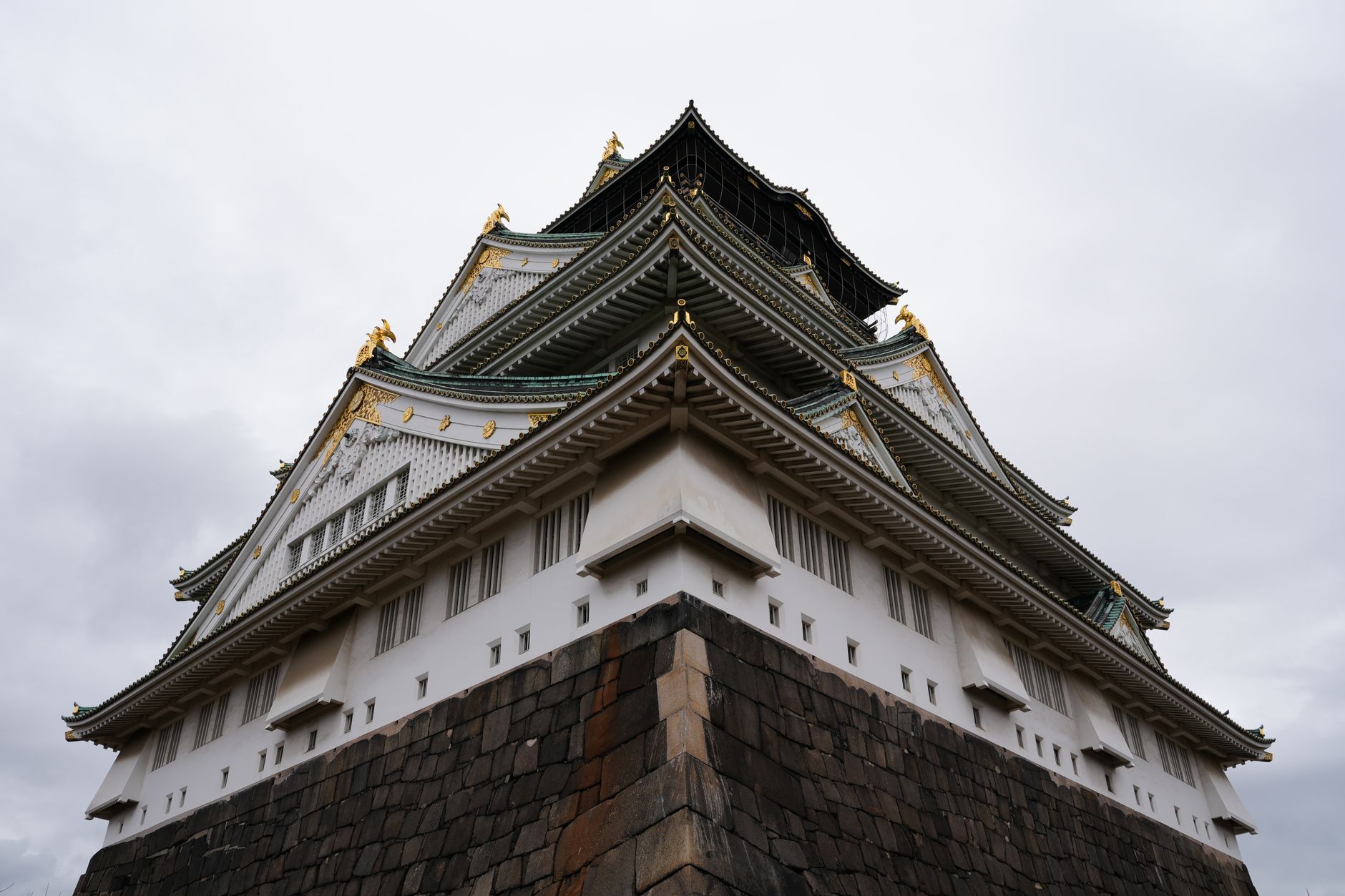
Step back into the turbulent Sengoku period with a visit to Osaka Castle, originally constructed in 1583 by Toyotomi Hideyoshi. While the towering exterior replicates the magnificent architecture of the 16th century, the interior houses a state-of-the-art museum detailing Japan's samurai history. Insider tip: Visit at dusk when the evening lights illuminate the massive megalithic stone walls and the surrounding moat, creating an unforgettable cinematic atmosphere.

Must-Do

Time Travel to the Showa Era in Retro Shinsekai

Wander south into Shinsekai, a quirky neighborhood built in 1912 with an urban layout inspired half by Paris and half by New York's Coney Island. Though development stalled for decades, the area has retained a wonderfully gritty, nostalgic Showa-era charm that feels worlds away from Tokyo's polished skyscrapers. Admire the iconic Tsutenkaku Tower, play retro games in local arcades, and dine on local kushikatsu under the watchful eye of Billiken, the golden god of things as they ought to be.

Adventure

Hunt for Rare Vintage and Streetwear in Amerikamura and Orange Street

Discover why Osaka is a premier fashion capital of Japan by exploring Amerikamura (Amemura), the epicenter of youth culture since the 1970s. Brimming with vintage boutiques, independent record stores, and vibrant street art, it offers a stark contrast to the luxury department stores of Umeda. Just a short walk away, Orange Street (Tachibana-dori) shifts into high-end interior design, artisanal coffee shops, and ultra-stylish minimalist apparel stores.

Must-See Highlights

Top Places & Things to Do in Osaka

Curated attractions and cultural landmarks with local insider advice.

Osaka Castle
culture
4.6

Osaka Castle

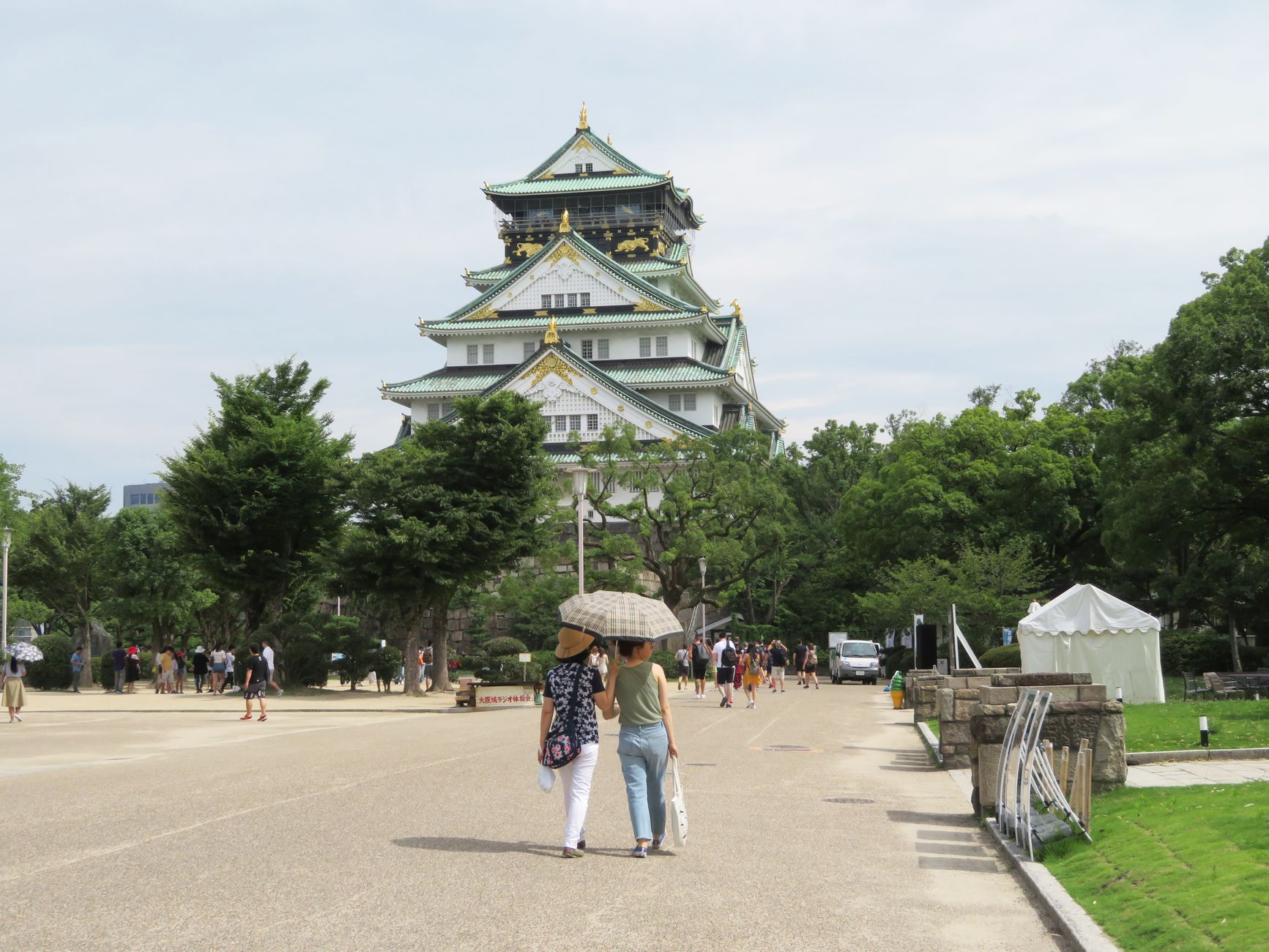
Rising majestically above its multi-tiered stone walls and tranquil moats, Osaka Castle is an unmissable symbol of samurai power and architectural ambition. Originally built by Toyotomi Hideyoshi in the late 16th century, the castle has endured numerous sieges, fires, and rebuilds, standing today as a gleaming museum dedicated to the unification of Japan. Inside, visitors can explore artifact-rich exhibition floors detailing samurai armor, folding screens, and Hideyoshi's legendary life. Surrounding the keep is the expansive Osaka Castle Park, a sprawling green oasis encompassing plum groves, peach orchards, and thousands of cherry trees that explode into pink color during spring. Walking the perimeter stone walls reveals the sheer engineering prowess of feudal Japan, constructed from massive granite boulders hauled from distant quarries. It is an ideal spot to balance deep historical exploration with tranquil strolls away from the high-energy neon bustle of the city center.

9:00 AM - 5:00 PM daily
Admission: „600 (Museum entry)
Insider Tip: Arrive right at opening time to beat the tour bus crowds inside the main keep, and don't miss the panoramic views from the top observation deck.
Dotonbori
attraction
4.7

Dotonbori

Dotonbori is the electric pulse of Osaka's entertainment and culinary culture, stretching along the banks of the Dotonbori Canal. Famous for its sensory overload of flashing neon advertisements—most notably the iconic Glico Running Man sign—this pedestrian corridor is a vibrant collision of restaurants, street food stalls, and theaters that has been drawing crowds since the 1600s. By night, the canal reflects a kaleidoscope of neon lights while thousands of travelers and locals queue for takoyaki, ramen, and giant crab legs dangling from storefronts. Taking a Tombori River Cruise offers a unique perspective from the water, while slipping into the narrow laneway of Hozenji Yokocho provides a peaceful, lantern-lit contrast to the glittering madness just steps away.

Open 24/7 (Stores vary)
Admission: Free
Insider Tip: Visit around twilight as the neon lights flicker on for the most dramatic photographs, and come with an empty stomach ready for street-side snacking.
Kuromon Ichiba Market
food
4.4

Kuromon Ichiba Market

Known affectionately as 'Osaka's Kitchen,' Kuromon Ichiba Market is a bustling 600-meter covered arcade housing roughly 150 shops specializing in fresh seafood, premium wagyu beef, exotic fruits, and traditional Japanese kitchenware. For over 190 years, chefs and home cooks alike have sourced their daily ingredients from these tight, vibrant alleyways. Today, the market has evolved into a premier destination for travelers seeking immediate culinary gratification. Stalls line the corridors grilling massive tiger prawns, slicing fatty otoro tuna sashimi to order, and blow-torching fresh sea urchin served right in its spiny shell. It is a loud, fragrant, and deeply authentic immersion into local gastronomy.

9:00 AM - 6:00 PM (Individual stall hours vary)
Admission: Variable (Free entry)
Insider Tip: Go around 10:00 AM to avoid peak lunch congestion, and be prepared to eat your snacks standing up near the stall as walking while eating is traditionally discouraged.
Shinsekai
culture
4.3

Shinsekai

Shinsekai is a remarkable architectural time capsule built in 1912, featuring a street grid modeled after Paris surrounding a central tower inspired by the Eiffel Tower (Tsutenkaku). Though it suffered decades of economic decline following World War II, the neighborhood has preserved its gritty, nostalgic Showa-era charm, offering a fascinating peek into early 20th-century Japanese urban planning. Today, Shinsekai is famous for its retro game arcades, lively shogi (Japanese chess) parlors, and dense concentration of kushikatsu restaurants. The streets are lined with flamboyant, oversized 3D signage including giant blowfish and grinning Billiken statues. It offers an unpolished, highly charismatic alternative to Tokyo's sterile modern developments.

Open 24/7
Admission: Free (Tsutenkaku Tower entry ~„1,000)
Insider Tip: While generally safe and welcoming during the day, exercise normal urban awareness if wandering deep into the residential alleys late at night.
Area Guide

Where to Stay & Best Neighborhoods

Minami (Namba & Dotonbori)

Best for: First-time visitors, foodies, night owls, and shoppers.

Vibe: High-octane neon entertainment, bustling shopping arcades, and endless street food aromas.

Minami is the beating heart of Osaka's leisure and culinary obsession. Centered around the iconic Dotonbori canal, this sprawling district encompasses Shinsaibashi's endless covered shopping arcades and the quirky backstreets of Amerika-mura. By day, it is a shopper's paradise; by night, it transforms into a dazzling sensory overload of glowing LED billboards, giant mechanical crabs, and the hum of thousands of diners moving between izakayas and ramen stalls.

Kita (Umeda)

Best for: Business travelers, luxury shoppers, architecture enthusiasts, and transit convenience.

Vibe: Sleek, futuristic skyscrapers, high-end commerce, and major transportation hubs.

Kita—anchored by the massive Osaka and Umeda Station complexes—represents the modern financial and commercial muscle of the city. Dominated by architectural marvels like the Umeda Sky Building and Grand Front Osaka, this district features multi-level underground shopping labyrinths (such as Whity Umeda) that rival the surface streets in scale. It is an impeccably organized urban core offering world-class dining, rooftop observation decks, and luxury department stores.

Shinsekai & Tennoji

Best for: Budget travelers, photography enthusiasts, history buffs, and off-the-beaten-path explorers.

Vibe: Nostalgic retro-Showa atmosphere, gritty charm, and vast tranquil temple grounds.

Southern Osaka's Shinsekai and Tennoji districts offer a profound glimpse into the city's working-class roots and spiritual history. Shinsekai retains an early 20th-century retro aesthetic, complete with retro shogi parlors and specialized kushikatsu eateries. Directly adjacent, Tennoji is home to Shitenno-ji, Japan's oldest officially established Buddhist temple, alongside Tennoji Park and the soaring Abeno Harukas skyscraper, blending ancient sacred spaces with modern urban heights.

Food & Drink Scene

What to Eat in Osaka

Takoyaki (Octopus Balls)

Quintessential Osakan street food invented in 1935, consisting of wheat-flour-based batter cooked in a special molded pan, filled with minced or diced octopus, tempura scraps, pickled ginger, and green onion. Crispy on the outside and molten-hot and creamy on the inside, they are brushed with savory savory sauce and Japanese mayonnaise.

🍮 Top spot: Aizuya (Tamade main store) or Wanaka in Namba.

Kushikatsu (Deep-Fried Skewers)

Originating from the working-class Shinsekai district, kushikatsu features bite-sized meat, seafood, and vegetables skewered on bamboo sticks, battered in fine panko breadcrumbs, and deep-fried to golden perfection. Traditionally served with a communal metal container of tangy Worcestershire-style dipping sauce—with a strict 'no double-dipping' rule.

🍮 Top spot: Kushikatsu Daruma in Shinsekai or Dotonbori.

Okonomiyaki (Savory Japanese Pancake)

Often translated as 'cooked as you like it,' this thick, savory pan-fried pancake mixes flour, grated yam, shredded cabbage, eggs, and various proteins like pork belly or squid. Cooked on a teppan griddle right at your table, it is slathered with rich brown sauce, Japanese mayo, aonori (seaweed powder), and bonito flakes.

🍮 Top spot: Mizuno in Dotonbori or Chobo-yaki stalls across Minami.
Excursions

Best Day Trips from Osaka

Nara Ancient Temples & Sacred Deer

40 minutes by Kintetsu Limited Express from Namba Station

Step back into the dawn of Japanese civilization in Nara, Japan's first permanent capital established in 710 AD. Wander through the ethereal forested paths of Nara Park, where hundreds of sacred free-roaming sika deer bow for crackers. Marvel at Todai-ji Temple, one of the world's largest wooden buildings, housing a colossal 15-meter-tall bronze Buddha.

Kyoto Imperial Palaces and Zen Sanctuaries

30 minutes by JR Special Rapid Service from Osaka Station

Discover Japan's cultural capital, located just a short train ride away. Immerse yourself in the preserved wooden machiya architecture of Higashiyama, walk beneath the vermilion torii gates of Fushimi Inari Taisha, or find inner peace in the minimalist rock gardens of Ryoan-ji and the golden pavilion of Kinkaku-ji.

When to Go

Best Time to Visit & Seasonality

Editor’s Pick: Spring (March to May) and Autumn (September to November) offer the most pleasant weather conditions, with comfortable temperatures ideal for walking the city's expansive neighborhoods. Spring brings the ethereal beauty of cherry blossoms (sakura) peaking typically in late March or early April, transforming parks like Osaka Castle Park into pink wonderlands. Autumn showcases brilliant red and gold foliage (koyo) peaking through November, particularly stunning around Minoh Park and the sprawling gardens of the city. While summers can be intensely hot and humid, and winters crisp and chilly, Osaka's indoor arcades, underground shopping malls, and rich culinary culture ensure it remains a dynamic year-round destination.

Spring Overview

(March - May)
Peak Crowds
Average Temperature & Climate12°C to 22°C

Mild, sunny, with occasional spring showers and blooming flora.

Crowd & Travel ConditionsPeak Tourist Traffic

Book hotels 3-6 months ahead.

✹ Seasonal Highlights:Cherry blossom viewing (hanami) at Osaka Castle Park and Kema Sakuranomiya Park.
Travel Smarter

Practical Travel Essentials

CurrencyJPY („)
LanguageJapanese (Osaka dialect widely spoken)
Time ZoneGMT+9

Visa & Entry

Visitors from over 60 countries, including the US, EU, UK, Canada, and Australia, can enter Japan visa-free for tourism stays up to 90 days. Ensure your passport is valid for the duration of your stay.

Getting Around & Transit

Osaka boasts an exceptionally efficient subway and rail network managed by Osaka Metro and JR West. Purchase an IC card (ICOCA, Suica, or Pasmo) at any station ticket machine for seamless tap-and-go travel across all subways, buses, and private railways.

Daily Budget Expectation

A comfortable daily budget ranges from „10,000 to „20,000 ($65 - $130 USD), covering comfortable mid-range accommodation, casual dining on ramen, takoyaki, and conveyor belt sushi, public transit, and attraction entry fees.

Safety & Health

Osaka is exceptionally safe, boasting one of the lowest violent crime rates in the world. Standard urban precautions regarding pickpocketing in crowded nightlife zones like Dotonbori are recommended.

Local Etiquette & Customs

Tipping is non-existent and can cause confusion or offense. Avoid walking while eating street food; finish your snack near the stall where you bought it. Always place cash or cards on the small tray provided at cash registers rather than handing money directly to the cashier.

Questions & Answers

Frequently Asked Questions about Osaka

Plan for at least 3 to 4 full days to experience Osaka's core neighborhoods, culinary scenes, and major historic sites like Osaka Castle. This also leaves ample time for seamless day trips to Kyoto or Nara.