🌟 Best in Travel 2026 is here!
Palma de Mallorca
cityEurope
4.85 / 5.0

Palma de Mallorca

Gothic grandeur meets sun-drenched Mediterranean soul in the Balearic crown jewel.

Advertisement
Editorial Guide

About Palma de Mallorca

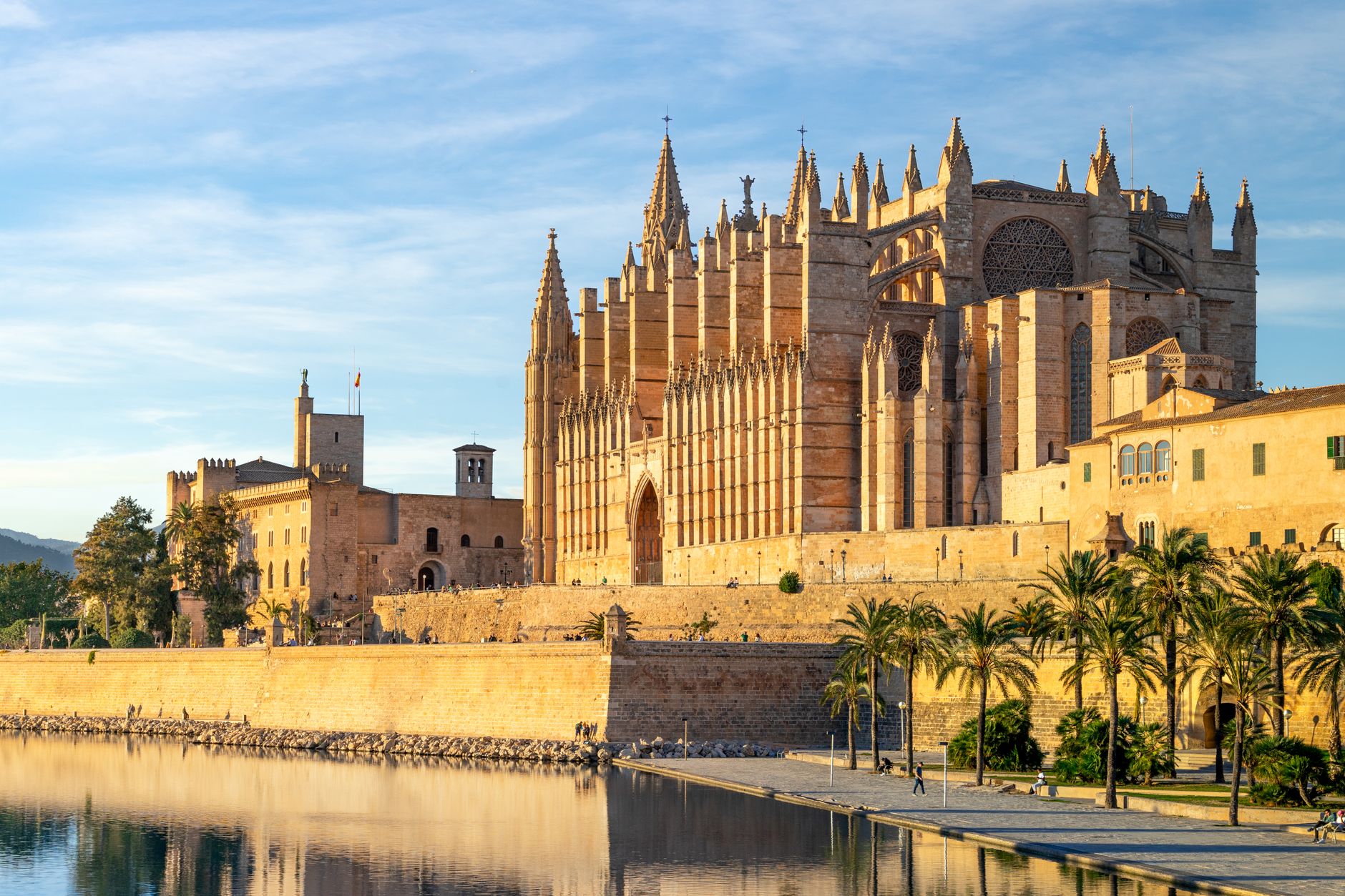
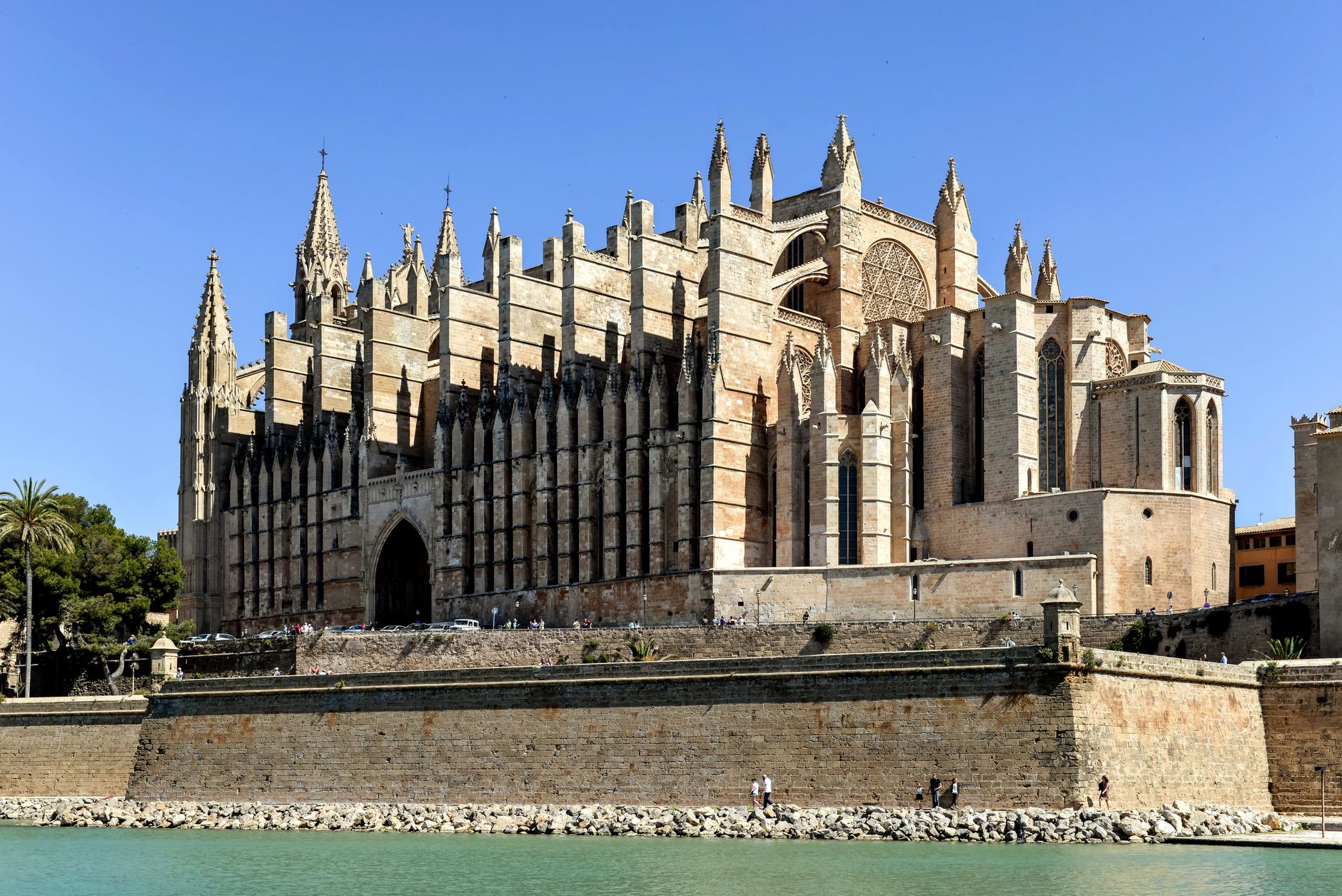
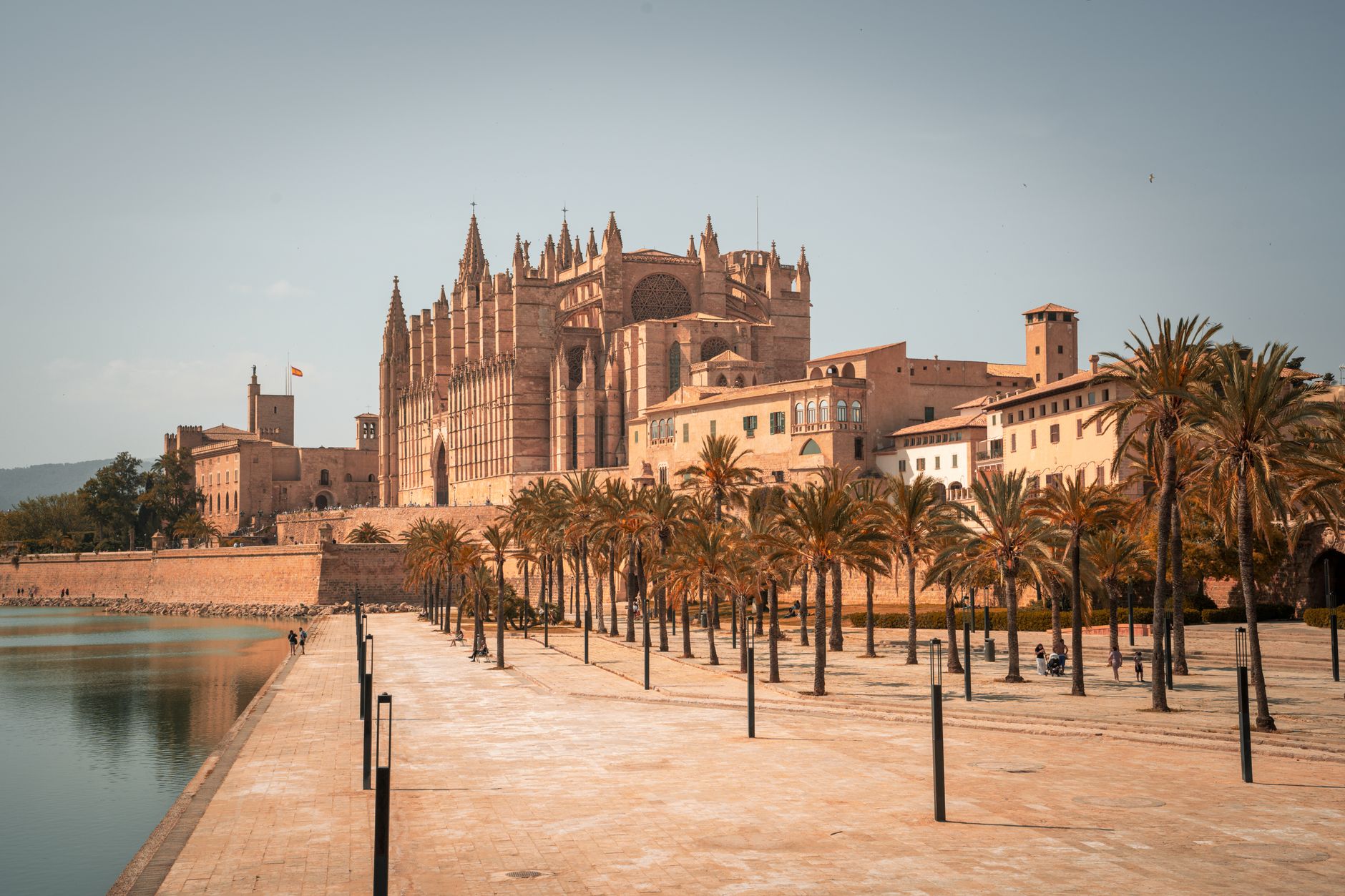
Rising dramatically from the turquoise waters of the Mediterranean, Palma de Mallorca is a city where centuries of layered history whisper through honey-colored limestone alleys and sun-bleached plazas. Founded by the Romans and heavily shaped by Moorish rule before James I of Aragon conquered it in 1229, Palma has evolved into a sophisticated cosmopolitan hub without ever losing its deeply rooted Balearic identity. The city’s architectural skyline is famously anchored by La Seu, the magnificent Gothic cathedral whose flying buttresses cast dramatic shadows over the Palma Bay, perfectly harmonizing with the adjacent Almudaina Palace and the intricate network of medieval courtyards hidden behind grand aristocratic facades.

Beyond its monumental landmarks, Palma’s cultural fabric thrives in its vibrant neighborhoods, where traditional artisan bakeries sit comfortably alongside contemporary art galleries and high-end design boutiques. The historic old town—known locally as El Casco Antiguo—is a labyrinth of narrow, car-free streets designed for meandering, revealing sunlit squares shaded by ancient olive trees and bustling local markets brimming with the island's finest produce. Life here moves to the rhythm of the Mediterranean: mornings begin with a steaming café con leche and an enswell pastry at a corner terrace, afternoons dissolve into long, leisurely seaside lunches featuring fresh catch and local wines, and evenings culminate in the vibrant social ritual of the paseo along the maritime promenade.

Geographically blessed, Palma occupies a sweeping natural bay on the island's southern coast, serving as both an international gateway and an urban sanctuary. The surrounding Tramuntana mountain range frames the city to the north, while pristine white-sand beaches and secluded rocky coves lie just a short drive or bus ride away. The local populace balances a proud Mallorquin heritage with a welcoming, worldly perspective, creating an atmosphere that feels simultaneously historic and effortlessly modern. Whether you are exploring centuries-old Jewish quarter lanes, sampling hyper-local culinary innovations, or simply watching the golden hour paint the cathedral's rose window, Palma offers an endlessly captivating sensory journey.

Today, Palma is experiencing a renaissance as a capital of sustainable tourism, design, and culinary excellence. Traditional neighborhood bodegas where locals have gathered for decades now share streets with Michelin-starred dining rooms redefining Balearic gastronomy using hyper-local foraged ingredients and organic produce from the island's fertile interior. This seamless blending of old and new makes Palma de Mallorca not merely a transit point for beach-bound travelers, but a deeply rewarding, stand-alone cultural destination that demands unhurried exploration.

Visual Impressions & Moments
Palma de Mallorca photo 1
Palma de Mallorca photo 2
Palma de Mallorca photo 3
Palma de Mallorca photo 4
Palma de Mallorca photo 5
Palma de Mallorca photo 6
Unmissable Moments

Top Things to Do in Palma de Mallorca

Must-Do

Admire Gaudí's Alterations inside La Seu Cathedral at Sunrise

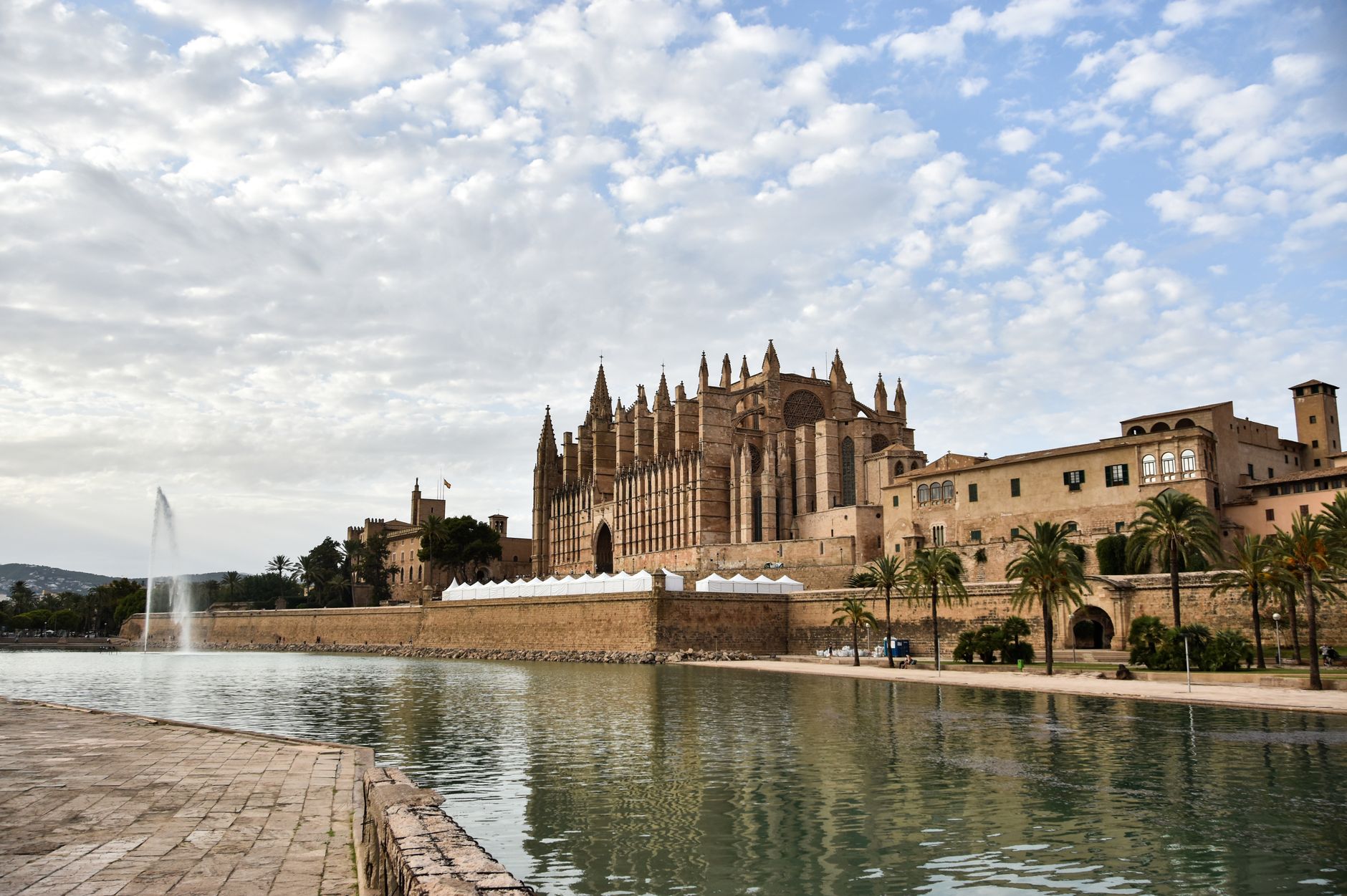
Witness the breathtaking play of light as the morning sun streams through the world's largest Gothic rose window, projecting a kaleidoscope of colored light across the massive stone interior. Antoni Gaudí oversaw controversial yet brilliant renovations here in the early 20th century. Arrive right when doors open at 10:00 AM to experience the sacred silence before the crowds arrive. Insider tip: Walk around to the Parc de la Mar reflection pool afterward for the iconic postcard photograph.

Culture

Meander Through the Historic Patios of La Lonja and Casco Antiguo

Unlock the architectural secrets of Palma's historic nobility by peeking into the majestic interior courtyards (patios) of 16th-century townhouses along Calle Morey and Calle Portella. These hidden semi-public spaces feature graceful arches, carved stone columns, and lush citrus trees. Take a slow, self-guided walking tour in the late afternoon when the golden light accentuates the honey-toned sandstone facades.

Culinary

Feast on Tapas and Local Seafood at Santa Catalina Market

Immerse yourself in the bustling, sensory-overload environment of Palma’s oldest continually operating food market. Stroll past stalls piled high with silvery anchovies, glistening red prawns from Sóller, and local cheeses before claiming a stool at one of the bustling food bars. Order a glass of crisp Binissalem white wine paired with freshly shucked oysters or gourmet montaditos.

Scenic

Ride the Historic Wooden Train to Sóller through the Tramuntana Mountains

Step back in time at Palma's vintage Ferrocarril de Sóller station and board a lovingly polished mahogany and brass train that has been traversing the island since 1912. The route climbs steadily through thirteen tunnels, across dizzying viaducts, and through terraced valley slopes blanketed in ancient olive groves and orange orchards, terminating in the idyllic mountain town of Sóller.

Must-See Highlights

Top Places & Things to Do in Palma de Mallorca

Curated attractions and cultural landmarks with local insider advice.

Palau de la Almudaina
culture
4.6

Palau de la Almudaina

Originally built as an Islamic fortress (alcazar) for the Wali of Mayrit, this majestic royal palace was transformed following the Christian conquest into the official residence of the monarchs of Mallorca. Perched directly opposite the cathedral, the fortress seamlessly merges Islamic architectural elements with medieval European Gothic design, featuring imposing defensive towers, vaulted reception halls, and private royal chambers. Visitors can wander through stately rooms adorned with Flemish tapestries, antique furnishings, and intricate coffered ceilings, while taking in sweeping panoramic views over the Bay of Palma from the ramparts. The palace still functions as an official residence for the Spanish Royal Family when hosting official ceremonies in the Balearic Islands, adding a living layer of contemporary royalty to its deep historical weight.

Tuesday to Sunday 10:00 AM – 6:00 PM
Admission: €7
Insider Tip: Check in advance for free admission days for EU citizens and avoid visiting during mid-day when cruise ship excursion groups peak.
Es Baluard Museu d'Art Modern i Contemporani
culture
4.5

Es Baluard Museu d'Art Modern i Contemporani

Nestled seamlessly into the historic Renaissance-era perimeter walls of Palma, Es Baluard is a striking architectural dialogue between ancient military fortification and sleek, minimalist contemporary museum design. Opened in 2004, the museum houses an exceptional permanent collection of over 500 modern and contemporary artworks by legendary masters including Pablo Picasso, Joan Miró, Maria Girona, and Barceló, alongside cutting-edge temporary exhibitions. The museum’s expansive outdoor terraces offer some of the most dramatic elevated views of Palma's harbor, the cathedral, and the bustling Paseo Marítimo below. Visitors can easily spend hours exploring the galleries before enjoying a leisurely coffee or lunch at the museum's design-forward restaurant.

Tuesday to Saturday 10:00 AM – 8:00 PM, Sunday 10:00 AM – 3:00 PM
Admission: €6
Insider Tip: Do not miss walking along the historic rampart walkway on the upper level, which provides fantastic photographic angles of the harbor.
Castell de Bellver
attraction
4.7

Castell de Bellver

Perched on a pine-clad hill 112 meters above sea level, Castell de Bellver is a remarkable 14th-century royal fortress entirely unique in Spain due to its rare, perfectly circular ground plan. Commissioned by King James II of Majorca, the castle served variously as a royal residence, a military prison during turbulent political eras, and now as the city's historical museum. The central courtyard is encircled by a magnificent double-story arched gallery, reflecting classic Gothic elegance and supreme defensive engineering. Surrounding the fortress is a tranquil wooded park crisscrossed by walking trails, making it a favorite retreat for locals seeking fresh air and sweeping 360-degree vistas of Palma's bay, cathedral, and the distant mountain ranges.

Tuesday to Saturday 10:00 AM – 7:00 PM, Sunday 10:00 AM – 3:00 PM
Admission: €4
Insider Tip: Admission is free on Sundays. Wear comfortable walking shoes if you plan to walk up through the pine forest from the Paseo Marítimo.
Banys Àrabs (Arab Baths)
nature
4.2

Banys Àrabs (Arab Baths)

Tucked away behind high stone walls on a quiet lane in the old town, the Arab Baths are one of the rare surviving architectural testaments to the period of Islamic rule in Medina Mayurqa (Palma's medieval Arabic name). Dating likely from the 10th or 11th century, this intimate archaeological site features a remarkably preserved steam bath chamber supported by twelve horseshoe arches and columns salvaged from earlier Roman structures. The adjacent walled garden is an oasis of calm within the dense city, filled with lush ferns, towering cacti, orange trees, and fragrant bougainvillea. It is a peaceful, meditative spot to escape the midday hustle and bustle of the surrounding shopping streets.

Daily 9:30 AM – 7:00 PM
Admission: €3
Insider Tip: The site is very small and can feel crowded quickly; visit right at opening time in the morning for a tranquil, unhurried experience.
Area Guide

Where to Stay & Best Neighborhoods

La Lonja & El Casco Antiguo

Best for: History buffs, architecture lovers, boutique shopping, and atmospheric dining.

Vibe: Medieval labyrinth of limestone alleys, grand aristocratic mansions, and hidden plazas.

The historical beating heart of Palma, this district is characterized by a dense grid of pedestrianized streets where towering stone walls conceal leafy interior courtyards. Lined with independent designer boutiques, historic cafes, and magnificent Gothic churches, it is a neighborhood best explored entirely on foot without a map, allowing yourself to get wonderfully lost.

Santa Catalina

Best for: Foodies, night-life seekers, digital nomads, and design enthusiasts.

Vibe: Bohemian, artistic, culinary-forward, and buzzing with energetic nightlife.

Originally a modest fishermen's and sailors' quarter featuring colorful low-rise houses with wooden shutter windows, Santa Catalina has transformed into Palma's trendiest enclave. It boasts an eclectic dining scene ranging from vegan brunch spots to high-end cocktail bars, all centered around its vibrant daily produce market.

Portixol & El Molinar

Best for: Cyclists, beach lovers, relaxed seaside dining, and sunset walks.

Vibe: Charming old fishing village atmosphere right on the seafront promenade.

Located just a short walk or cycle east along the coastal bike path from central Palma, Portixol retains the serene, laid-back vibe of a bygone era. Low-slung whitewashed houses face directly onto small sandy coves where wooden fishing skiffs bob on the water, complemented by trendy seaside cafes and upscale fish restaurants.

Food & Drink Scene

What to Eat in Palma de Mallorca

Ensaimada de Mallorca

An iconic coiled pastry made from fermented sweet dough, strong flour, water, sugar, eggs, and traditional pork lard (saïm), which gives it its legendary flaky, melt-in-the-mouth texture. It is traditionally dusted heavily with icing sugar and can be enjoyed plain or filled with angel hair pumpkin jam (cabell d'àngel) or chocolate.

🍴 Top spot: Forn Fondo (Carrer dels Desemparats, 9)

Sobrassada de Mallorca

A raw, curing spreadable cured sausage made from selected pork meats, seasoned with salt, paprika, and black pepper, which imparts its signature vibrant orange-red hue and smoky, spiced flavor profile. It is often lightly grilled and drizzled with local honey on toasted artisanal bread.

🍴 Top spot: Mercat de l'Olivar (Plaça de l'Olivar)

Arrós Brut

Literally translating to 'dirty rice', this deeply savory, traditional Mallorcan soupy rice dish is cooked in a traditional earthenware pot with a seasonal bounty of meats such as pork, rabbit, and chicken, alongside local vegetables, wild mushrooms, and a complex blend of aromatic spices including cinnamon, saffron, and sweet paprika.

🍴 Top spot: Celler Sa Premsa (Plaça Bisbe Berenguer de Palou, 8)
Excursions

Best Day Trips from Palma de Mallorca

Valldemossa & The Tramuntana Coast

30 mins by car or bus from Palma

Journey into the dramatic peaks of the Serra de Tramuntana to discover Valldemossa, a picturesque mountain village of cobbled streets lined with potted plants and stone houses adorned with ceramic tiles depicting Saint Catalina Thomas. Visit the historic Carthusian Monastery (Real Cartuja) where Frédéric Chopin and George Sand spent a notoriously stormy winter, and sample traditional potato coca pastries.

The Pristine Sands of Es Trenc

45 mins by car from Palma

Escape to the island's southern coast to experience Es Trenc, often celebrated as Mallorca’s most famous natural beach. Free from large concrete hotel developments, this protected stretch of coastline boasts over two kilometers of powdery white sand and shallow, crystal-clear turquoise waters backed by low sand dunes and pine trees.

When to Go

Best Time to Visit & Seasonality

Editor’s Pick: May to June and September to October offer the ultimate sweet spot, combining warm, beach-friendly sunshine with comfortable temperatures for exploring the city's historic streets without the intense mid-summer heat and massive crowds of July and August.

Spring Overview

(March to May)
Moderate
Average Temperature & Climate15°C to 23°C

Mild, increasingly sunny, with pleasant afternoon breezes.

Crowd & Travel ConditionsModerate Tourist Traffic

Fewer lines and better deals.

✨ Seasonal Highlights:Almond blossoms in the countryside, fewer crowds, pleasant walking weather, and Holy Week (Semana Santa) processions.
Travel Smarter

Practical Travel Essentials

CurrencyEUR (€)
LanguageSpanish, Catalan (Mallorquí)
Time ZoneCentral European Time (CET, UTC+1)

Visa & Entry

Spain is part of the Schengen Area. Travelers from the US, Canada, UK, and Australia do not need a visa for tourist stays up to 90 days within any 180-day period.

Getting Around & Transit

Palma is exceptionally walkable, particularly in the historic center. The EMT municipal bus network is efficient and cheap (accepts contactless card payments), and the Palma Metro connects the center to the university. Taxis are readily available at designated stands.

Daily Budget Expectation

€100 - €250 per day depending on accommodation choices, dining at local tapas bars versus upscale restaurants, and museum entries.

Safety & Health

Palma is a very safe city with low rates of violent crime. However, travelers should remain vigilant against pickpocketing, particularly in crowded tourist areas like La Seu, Mercat de l'Olivar, and along the Paseo Marítimo.

Local Etiquette & Customs

Greetings are polite and courteous; always say 'Bon dia' (Catalan) or 'Buenos días' (Spanish) when entering shops or cafes. Tipping is not obligatory, but rounding up the bill or leaving 5-10% for exceptional table service is appreciated.

Questions & Answers

Frequently Asked Questions about Palma de Mallorca

No. If you are staying strictly within Palma de Mallorca, you do not need a car. The city is fully walkable, and public buses and taxis handle transportation easily. A car is only recommended if you plan to explore remote mountain villages and hidden coves outside the city.