🌟 Best in Travel 2026 is here!
Patagonia
regionSouth America
4.96 / 5.0

Patagonia

Where the edge of the world meets untamed wilderness and eternal wind.

Editorial Guide

About Patagonia

Stretching across the southernmost tip of South America, Patagonia is a realm of colossal granite towers, ancient blue glaciers, and endless windswept steppes. Shared by Argentina and Chile, this legendary expanse has long captured the imagination of explorers, writers, and wanderers seeking absolute solitude. Its dramatic topography has been carved by relentless ice ages, leaving behind a surreal landscape of jagged mountain ranges, turquoise glacial lakes, and dense temperate rainforests that defy easy classification.

The human history of Patagonia is as rugged as its terrain, marked by the ancient footprints of nomadic indigenous peoples such as the Tehuelche, Selk'nam, and Yámana, who adapted ingeniously to its fierce climates. European contact brought Basque and Welsh settlers, gaucho culture, and frontier towns that still echo with tales of outlaws and maritime conquest. Today, local life blends traditional estancias (cattle ranches) with world-class eco-tourism, where modern adventurers mingle with descendants of hardy pioneers over fires fueled by lenga wood.

The atmosphere here is one of profound scale and humbling isolation; weather patterns shift in minutes, turning bright sunshine into roaring gales or sudden snow squalls. This meteorological volatility only heightens the region's raw, cinematic beauty, making every sunrise over the Paine massif or sunset across the Strait of Magellan an unforgettable spectacle. It is a place where nature reigns absolute, demanding respect, resilience, and a willingness to be entirely untethered from the frantic pace of modern civilization.

Geographically, the region is sharply divided by the crest of the Andes. The Chilean side drops steeply into a labyrinth of deep fjords, glacial channels, and rainforests soaked by Pacific moisture, while the Argentine side unfurls into vast, arid plateaus and dramatic steppelands. Together, they form one of the planet's last true wilderness frontiers, offering sanctuary to Andean condors, guanacos, pumas, and countless other species that roam free across boundaries drawn only by geography.

Visual Impressions & Moments
Patagonia photo 1
Patagonia photo 2
Patagonia photo 3
Patagonia photo 4
Patagonia photo 5
Patagonia photo 6
Unmissable Moments

Top Things to Do in Patagonia

Must-Do

Trek the Base of the Torres del Paine Towers at Sunrise

Embark on the iconic, challenging day hike up through the Ascencio Valley and boulder field to witness the three iconic granite towers glow in brilliant shades of pink and fiery orange at dawn. This strenuous trek demands physical readiness and early morning determination, but standing before the glacial lagoon beneath the monumental spires is a defining moment of any South American journey. Tip: Start your hike well before dawn with a certified headlamp and a windproof shell, as weather conditions at the Mirador can change from calm to gale-force in a matter of minutes.

Adventure

Ice Trek Across the Facade of Perito Moreno Glacier

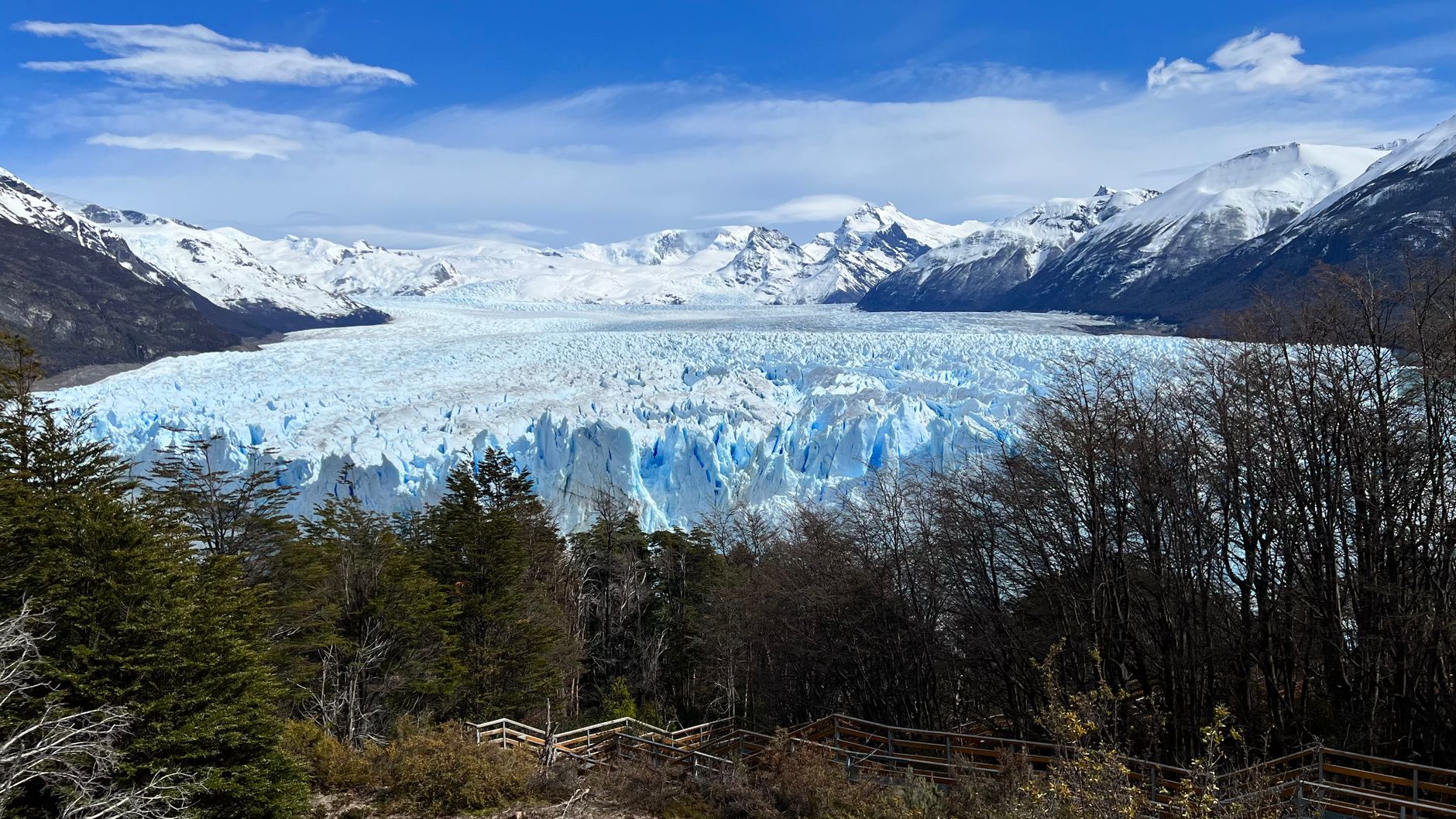
Knit your boots with crampons and step onto the vast, surreal expanse of the Perito Moreno Glacier in Los Glaciares National Park, one of the few advancing glaciers on earth. Traverse deep blue crevasses, crystal-clear subterranean streams, and towering ice pinnacles while listening to the thunderous crack of calving ice echoing across Lake Argentino. Tip: Book the 'Big Ice' trek months in advance, and bring sturdy sunglasses and sunscreen to combat the intense UV glare reflected off the ancient ice.

Scenic

Navigate the Marble Caves of General Carrera Lake

Sail by small boat through a labyrinth of ethereal, water-carved calcium carbonate caverns that reflect mesmerizing azure and turquoise hues from the mineral-rich glacial waters of Chile's largest lake. The interplay of sunlight and shifting wave patterns creates an ever-changing cathedral of stone that feels entirely otherworldly. Tip: Visit in the early morning when the wind is calmest and the water surface acts like a mirror, enhancing the vivid blue reflections.

Culinary

Feast on Traditional Patagonian Asado at a Historic Estancia

Immerse yourself in authentic gaucho culture by visiting a working sheep and cattle ranch for a traditional whole-lamb asado slow-roasted over an open wood fire for hours. Enjoy the smoky, tender meat paired with local Malbec wine, traditional folk music, and stories of frontier life from multi-generational ranchers. Tip: Reserve your ranch experience in advance through regional outfitters in El Calafate or Puerto Natales to ensure an intimate, authentic gathering rather than a mass-tourist dinner.

Must-See Highlights

Top Places & Things to Do in Patagonia

Curated attractions and cultural landmarks with local insider advice.

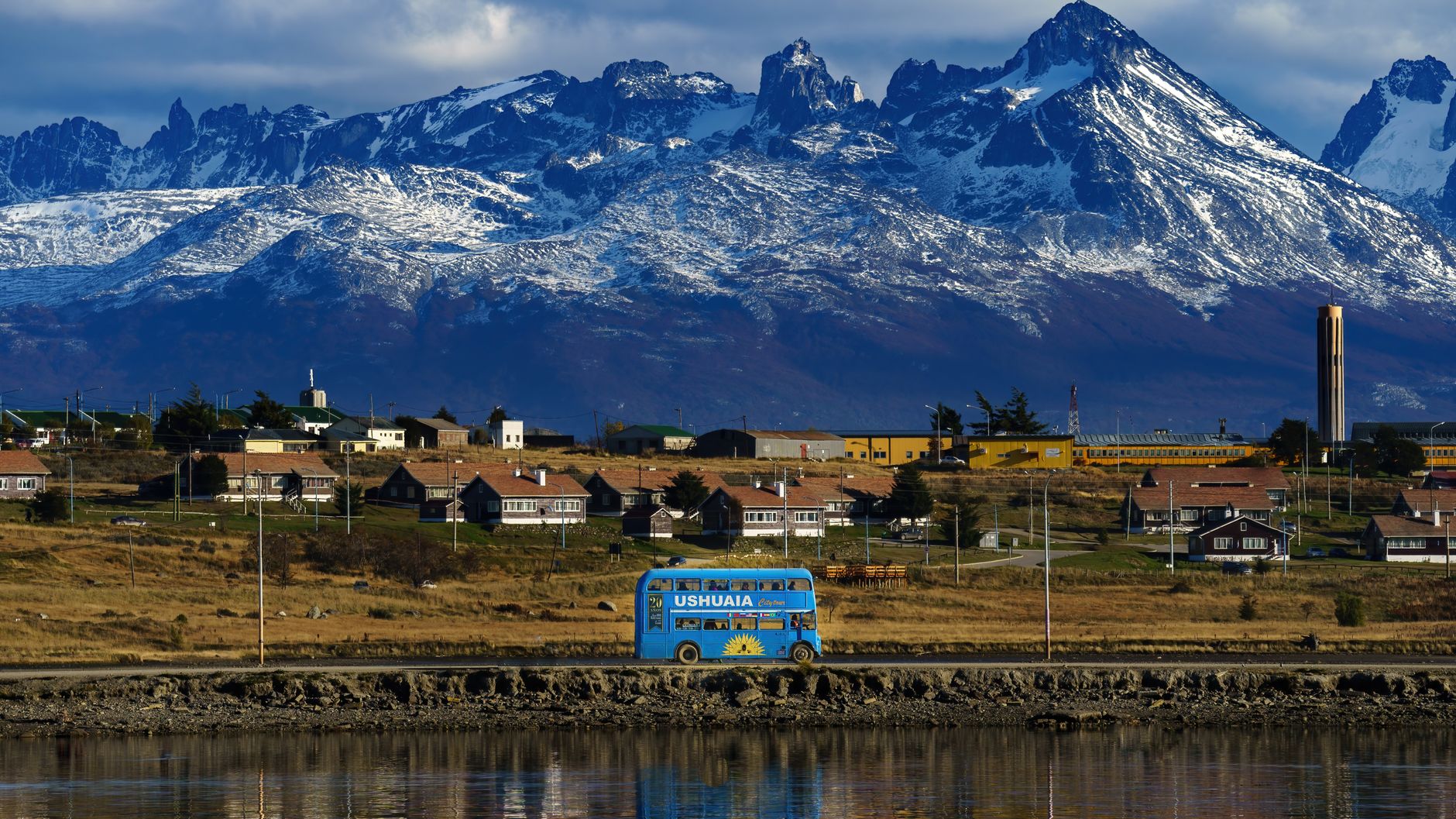
Ushuaia & Tierra del Fuego National Park
nature
4.88

Ushuaia & Tierra del Fuego National Park

At the absolute southern terminus of the American continent lies Ushuaia, famously known as the southernmost city in the world. Framed by the Martial Mountains and the Beagle Channel, it serves as the final frontier and departure point for expeditions to Antarctica. Just outside the city, Tierra del Fuego National Park protects a dramatic sub-polar forest ecosystem where snow-dusted mountains meet peat bogs and saltwater bays. The park offers serene coastal hikes along Lapataia Bay—the end of the famous Pan-American Highway—where beaver dams, wild foxes, and sea birds create a tranquil landscape at the edge of the world. Exploring this remote environment provides a deep sense of geographical closure and maritime history.

Open daily 8:00 AM - 8:00 PM
Admission: ARS 15,000 park entry
Insider Tip: Take the historic End of the World Train (Tren del Fin del Mundo) for an atmospheric historical introduction to the park's convict-labor heritage.
Mount Fitz Roy & Laguna de los Tres
nature
4.96

Mount Fitz Roy & Laguna de los Tres

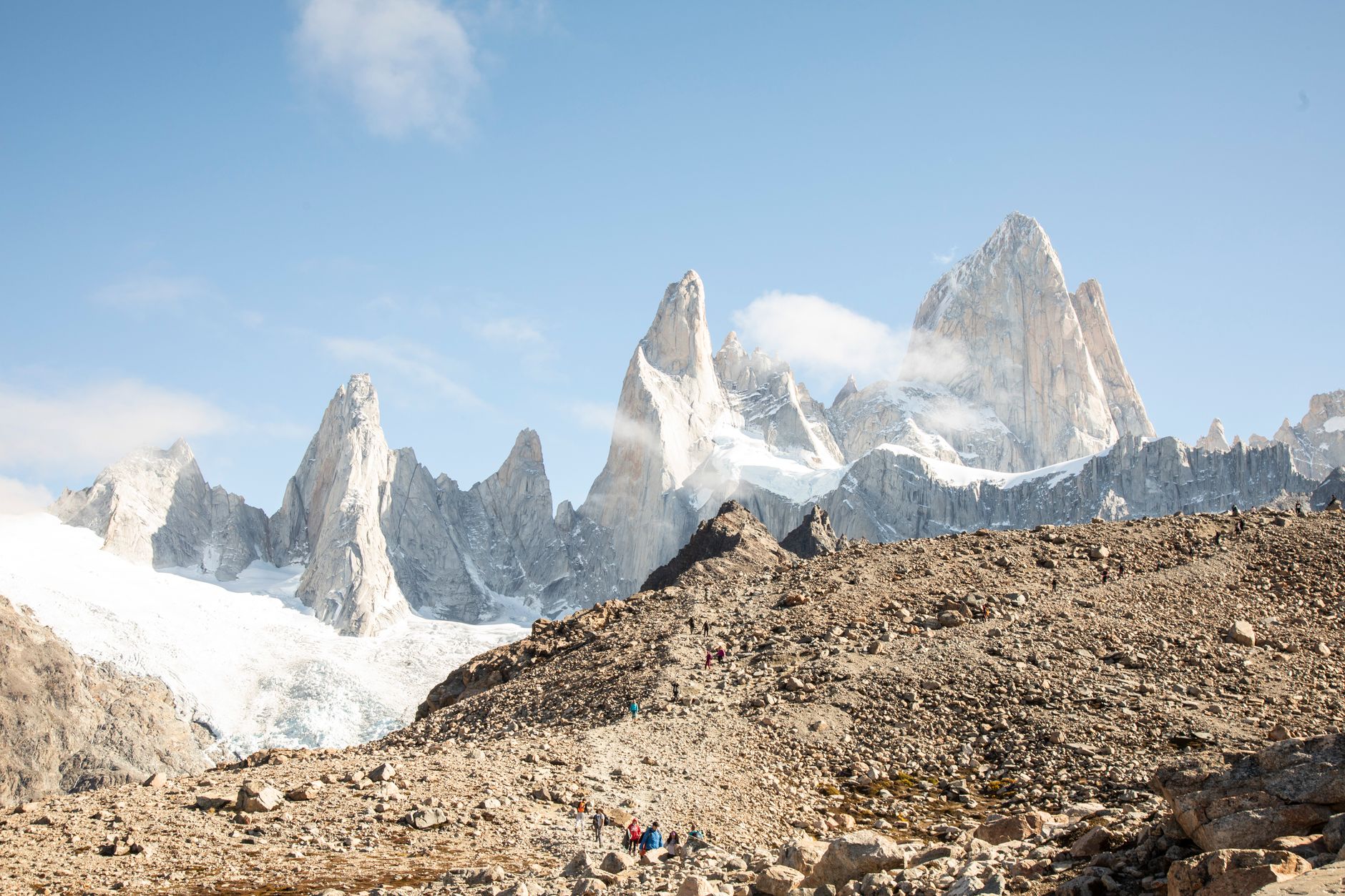
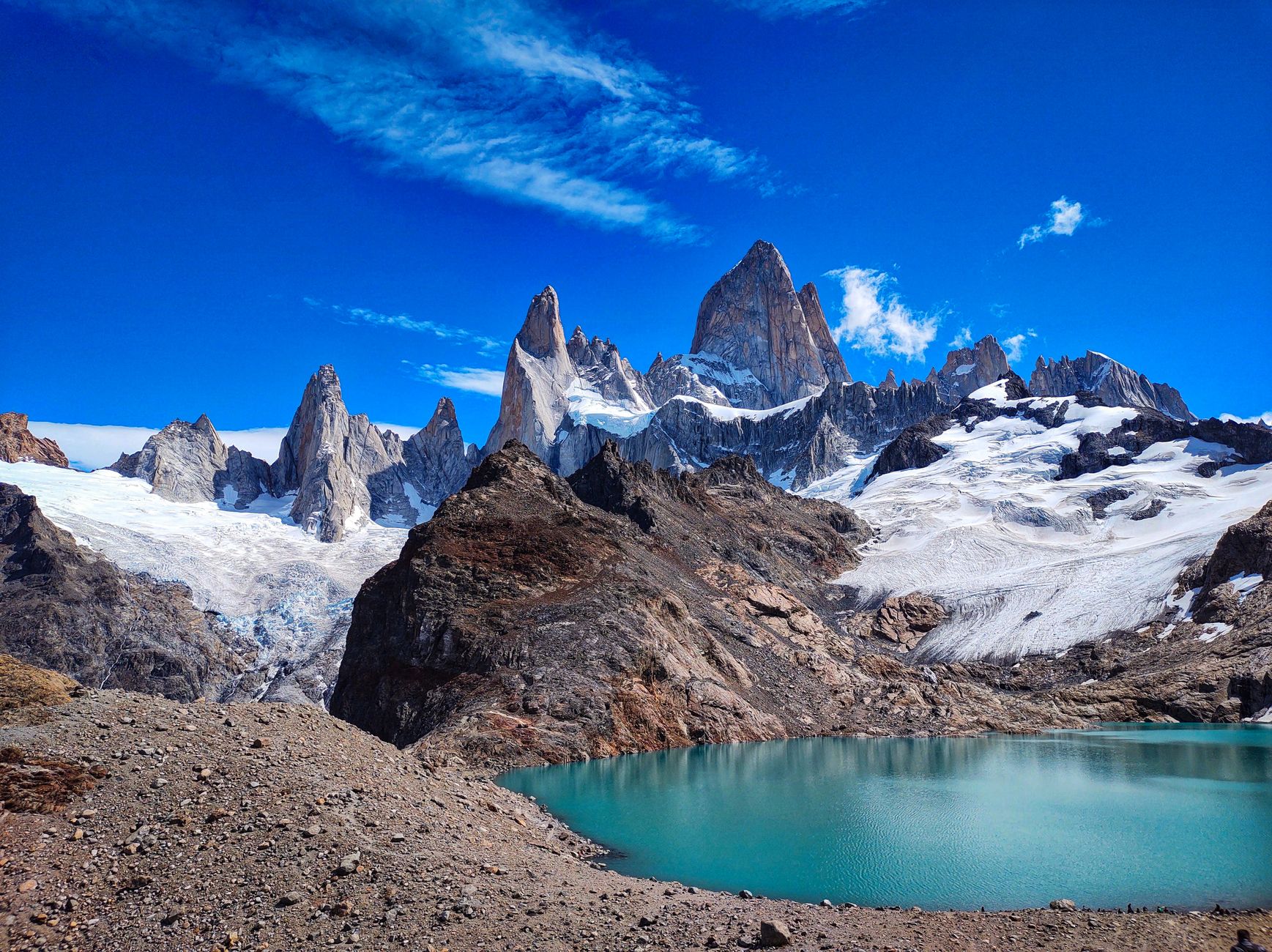
Mount Fitz Roy is an iconic jagged granite monolith whose silhouette is recognized worldwide, serving as the logo for the famous outdoor clothing brand. Rising abruptly above the Patagonian steppe, its cloud-wreathed summit is a holy grail for elite mountaineers and day-hikers alike who tackle the trail leading to Laguna de los Tres. The trek winds through ancient lenga forests and glacial moraines, culminating at a turquoise alpine lagoon directly beneath the massive rock wall. When weather permits, the reflection of Fitz Roy in the icy waters below creates one of the most sublime landscape compositions in the world.

Open 24/7 (Recommended during daylight hours)
Admission: Free
Insider Tip: Check the local mountain weather forecast at the Centro de Visitantes Ceides before setting out, and always carry layers even on sunny mornings.
Area Guide

Where to Stay & Best Neighborhoods

El Chaltén Village Hub

Best for: Trekkers, mountaineers, landscape photographers, and independent backpackers.

Vibe: Bohemian, outdoorsy, frontier-town energy filled with hikers, craft breweries, and cozy mountain lodges.

Nestled at the foot of Mount Fitz Roy, El Chaltén feels like the ultimate basecamp for alpine exploration. Wooden clapboard buildings line gravel streets where dust and mountain air mix, and every establishment caters to those returning from the trails. The atmosphere is intensely communal, with hikers trading trail reports over artisanal IPAs and steaming plates of local lamb stew as the evening alpenglow hits the surrounding peaks.

Puerto Natales Waterfront

Best for: Travelers preparing for Torres del Paine, food lovers, and cultural explorers.

Vibe: Maritime charm meeting corrugated-iron architecture, lively cafes, and stunning fjord vistas.

Stretching along the calm waters of the Señoret Sound, Puerto Natales serves as the vibrant gateway to Chilean Patagonia. Colorful tin-roofed houses, historic sheep-processing ruins like Frigorífico Bories, and excellent culinary spots define its streets. Walking along the waterfront, you can watch black-necked swans glide past while snow-capped peaks tower in the distance, offering a peaceful prelude to the rugged wilderness ahead.

Bariloche Lake District

Best for: Families, foodies, winter skiers, and summer lake explorers.

Vibe: Alpine Swiss-style architecture, chocolate shops, pristine lakes, and bustling resort energy.

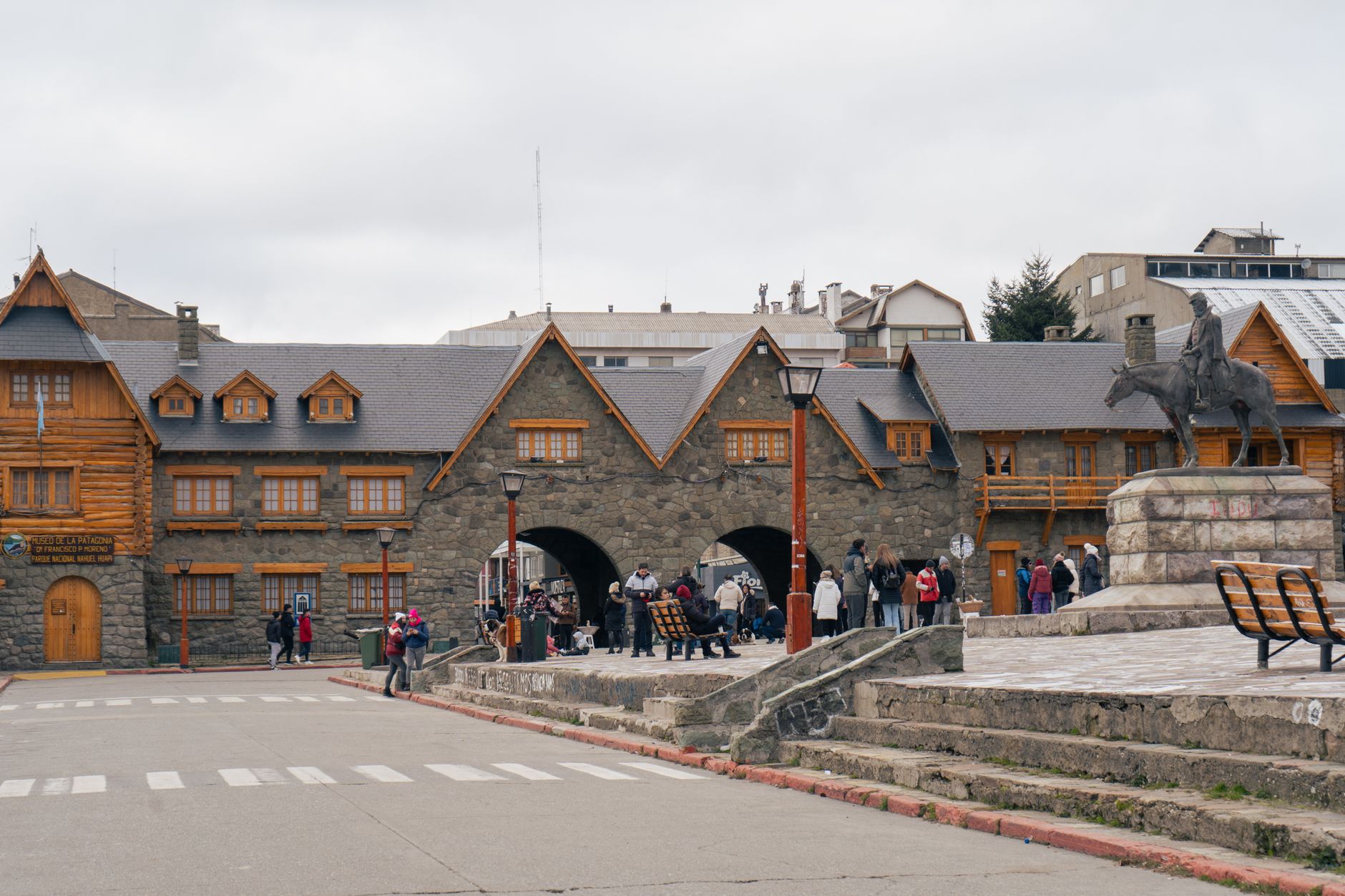
Often called the Switzerland of South America, San Carlos de Bariloche blends traditional Andean topography with European chocolate-making heritage and alpine chalet design. The town buzzes with energy year-round, flanked by the sprawling waters of Nahuel Huapi Lake and dramatic mountains. Strolling down Mitre Street reveals artisanal chocolatiers, craft brewpubs, and stunning viewpoints that overlook deep blue fjords and ancient forests.

Food & Drink Scene

What to Eat in Patagonia

Cordero Patagónico al Asador (Patagonian Lamb)

A legendary culinary tradition where an entire local lamb is splayed on an iron cross and slow-roasted vertically over an open wood fire of lenga or ñire for up to six hours. This method renders the fat perfectly, creating skin that is exceptionally crisp and meat that is meltingly tender and infused with subtle woodsmoke flavor.

🍴 Top spot: La Tablita in El Calafate or Asador El Cordero in Puerto Natales

Centolla (Patagonian King Crab)

Harvested from the icy, nutrient-rich deep fjords of southern Chile and Argentina, King Crab is prized for its sweet, delicate white meat and succulent texture. Typically served simply steamed with lemon, mayonnaise, or baked with cheese in a gratin, it represents the absolute pinnacle of Patagonian seafood.

🍴 Top spot: Mesón Austral in Punta Arenas or Cormorán las Heras in Ushuaia

Calafate Berry Desserts and Artisanal Chocolates

Native to the Patagonian steppe, the dark blue calafate berry is famous for a local legend stating that anyone who eats it is destined to return to Patagonia. It is celebrated in artisanal ice creams, jams, cheesecakes, and craft gins, often paired with world-class chocolate confections found throughout Bariloche.

🍴 Top spot: Rapa Nui in San Carlos de Bariloche or local tea houses in El Chaltén
Excursions

Best Day Trips from Patagonia

Nuestra Señora de los Pozones & Balmaceda Glacier Boat Excursion

Full-day boat excursion from Puerto Natales

Board a catamaran from Puerto Natales to navigate the Ultima Esperanza Sound, witnessing towering ice walls calving into the sea, cascading waterfalls, and colonies of imperial cormorants and sea lions, followed by a traditional Patagonian lunch at a remote estancia.

Península Valdés Wildlife Safari

Full-day tour or overnight trip from Trelew/Puerto Madryn

Journey from Puerto Madryn onto this UNESCO World Heritage nature reserve to observe massive colonies of southern elephant seals, sea lions, Magellanic penguins, and—depending on the season—orcas beaching to hunt or majestic southern right whales breaching in the calm gulf waters.

When to Go

Best Time to Visit & Seasonality

Editor’s Pick: The optimal window to visit Patagonia is during the Southern Hemisphere's summer, from November through March. During these months, days are longest, temperatures are mildest, and trails are generally free of deep snow, though winds can still be ferocious. Shoulder months like October and April offer stunning autumn foliage and fewer crowds, but require preparedness for unpredictable weather.

Spring Overview

(September to November)
Quiet / Low Season
Average Temperature & Climate5°C to 15°C (41°F to 59°F)

Blustery with frequent sudden weather shifts, blooming wildflowers, and newborn wildlife.

Crowd & Travel ConditionsLow Tourist Traffic

Fewer lines and better deals.

✨ Seasonal Highlights:Guanaco calving season, blooming wildflowers on the steppe, and lower visitor numbers.
Travel Smarter

Practical Travel Essentials

CurrencyARS ($) & CLP ($)
LanguageSpanish
Time ZoneART (UTC-3) / CLT (UTC-4)

Visa & Entry

Most passport holders (US, EU, UK, Canada, Australia) do not require a visa for tourist stays up to 90 days in either Argentina or Chile. Ensure your passport is valid for at least 6 months beyond your arrival date.

Getting Around & Transit

Public buses connect major hubs (Bariloche, El Chaltén, El Calafate, Puerto Natales, Punta Arenas), but renting a 4x4 vehicle provides the ultimate flexibility for exploring remote gravel routes like Chile's Carretera Austral.

Daily Budget Expectation

$120 - $300 USD per person per day depending on accommodation style, park excursions, and dining choices (camping and self-catering on the lower end, luxury lodges and guided ice-treks on the higher end).

Safety & Health

Extremely high regarding violent crime, which is virtually non-existent in national parks and small towns. Petty theft can occur in crowded bus stations in larger cities like Punta Arenas or Bariloche. The primary hazard is environmental: extreme weather, strong winds, and remote terrain.

Local Etiquette & Customs

Greet locals with a warm 'Hola' and a gentle handshake. Tipping 10% in restaurants is standard practice in both Chile and Argentina. Always respect park regulations: pack out all trash, stay on marked trails, and never build unauthorized campfires.

Questions & Answers

Frequently Asked Questions about Patagonia

While you can experience world-class wilderness in either country, combining both sides gives you the ultimate Patagonian experience. Argentina offers Perito Moreno Glacier and Mount Fitz Roy, while Chile offers Torres del Paine and the deep fjords of the Carretera Austral.