🌟 Best in Travel 2026 is here!
Philadelphia
cityNorth America
4.85 / 5.0

Philadelphia

The cradle of American liberty wrapped in a gritty, soulful modern masterpiece.

Editorial Guide

About Philadelphia

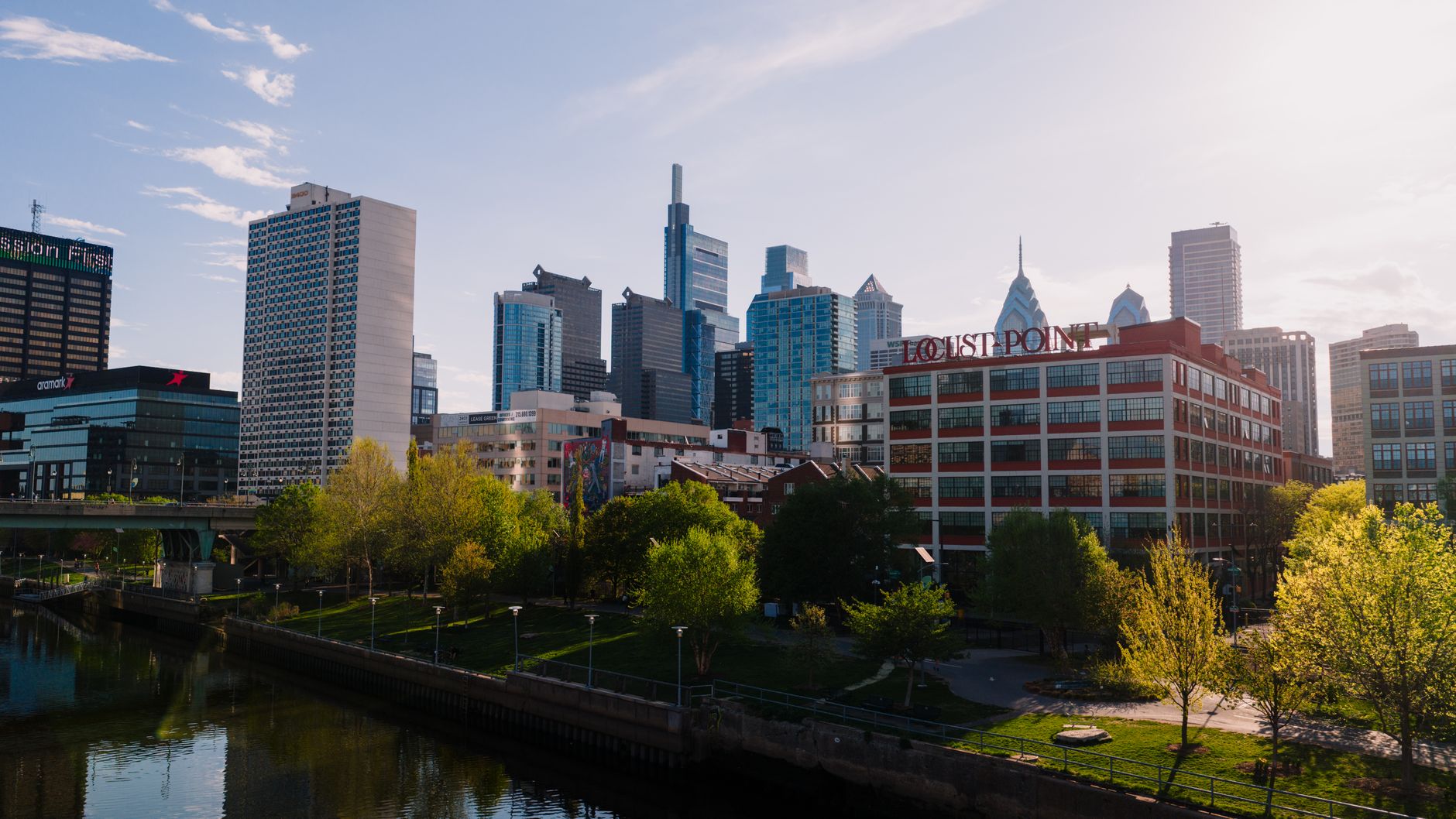
Founded in 1682 by William Penn as a utopian haven of religious tolerance, Philadelphia stands as one of America's most historically significant and culturally unapologetic cities. It was here, amidst the red-brick Georgian architecture of Old City, that the United States was conceived, debated, and born through the signing of the Declaration of Independence and the Constitution. Today, the city’s historic fabric is seamlessly interwoven with a raw, modern energy. From the towering skyscrapers of Center City to the cobblestone alleyways of Society Hill, Philadelphia's urban landscape is a living museum of American architectural evolution.

Beyond its revolutionary pedigree, Philadelphia—affectionately known as 'Philly'—is a city defined by its fiercely loyal neighborhoods and distinct working-class grit. This is a place where community is paramount, expressed through a passionate sports culture, neighborhood-specific block parties, and an unparalleled public art scene. As the mural capital of the United States, Philly boasts thousands of outdoor canvases that tell the diverse stories of its residents, transforming ordinary brick row homes into extraordinary community monuments.

Culinary innovation thrives in Philadelphia, far transcending its legendary cheesesteak reputation. The city’s dining landscape is a dynamic mix of historic food halls, generations-old Italian market stalls, and cutting-edge, James Beard Award-winning establishments that push the boundaries of modern gastronomy. Fueling this culinary renaissance is an abundance of fertile Pennsylvania farmland just outside the city limits, ensuring a steady stream of pristine, hyper-local ingredients to its innovative kitchens.

Geographically bounded by the Delaware River to the east and the Schuylkill River to the west, Philadelphia is remarkably compact and laid out on an intuitive grid system designed by Penn himself. This makes it one of the most walkable cities in North America. Vast green lungs like Fairmount Park flank the city, offering miles of forested escape, historic mansions, and waterfront trails just minutes from the bustling downtown core. It is this unique juxtaposition of deep heritage, urban edge, and natural accessibility that makes Philadelphia endlessly captivating.

Visual Impressions & Moments

Philadelphia photo 1
Philadelphia photo 2
Philadelphia photo 3
Philadelphia photo 4
Philadelphia photo 5
Philadelphia photo 6
Unmissable Moments

Top Things to Do in Philadelphia

Must-Do

Step Back in Time at Independence National Historical Park

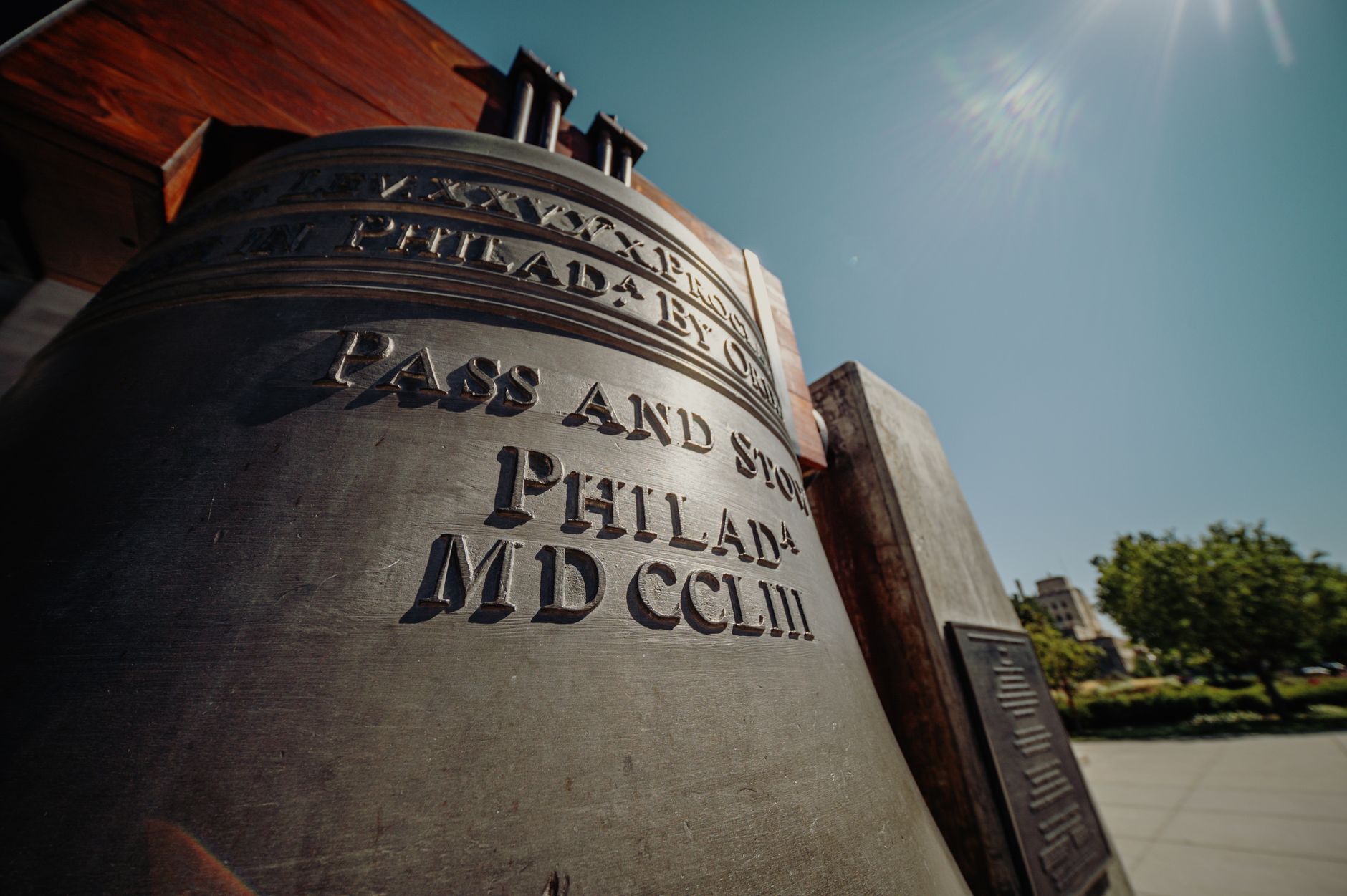
Walk the cobblestone paths of America's most historic square mile. Standing in the shadows of Independence Hall, where the Declaration of Independence and the U.S. Constitution were signed, offers an incomparable connection to the birth of a nation. Be sure to view the iconic Liberty Bell and explore the beautifully preserved Georgian buildings. To fully appreciate the site, book an early morning tour to avoid the school groups and experience the quiet, reverent atmosphere of the park as the morning sun hits the red brick.

Culinary

Embark on a Culinary Odyssey through Reading Terminal Market

Indulge your senses in one of America's oldest and largest public markets, operating continuously since 1893. Underneath a historic train shed, you will find over 80 merchants selling everything from fresh Pennsylvania Dutch baked goods and artisanal cheeses to international delicacies. The sensory overload of sizzling grills, sweet aromas of warm Amish donuts, and shouting vendors is a quintessential Philly experience. Arrive hungry around 10:30 AM to beat the chaotic lunch rush and grab a seat at one of the counter-service stalls.

Culture

Scale the 'Rocky Steps' and Explore the Philadelphia Museum of Art

Recreate one of cinema's most famous moments by running up the 72 stone steps leading to the Philadelphia Museum of Art, then turn around to soak in the sweeping views of the Benjamin Franklin Parkway. Once inside, you will discover a world-class collection spanning thousands of years, including spectacular Renaissance masterpieces, an unparalleled collection of works by Marcel Duchamp, and an entire reconstructed 14th-century Buddhist temple hall. Spend at least half a day wandering its vast galleries, and don't miss the sculpture garden overlooking the Schuylkill River.

Scenic

Wander the Shimmering Labyrinth of Philadelphia Magic Gardens

Immerse yourself in the kaleidoscopic, visionary world of mosaic artist Isaiah Zagar on South Street. This unique indoor/outdoor art environment covers half a block with intricate murals made of broken mirrors, colorful ceramic tiles, glass bottles, bicycle wheels, and found objects. Walking through the multi-level outdoor labyrinth feels like stepping inside a glittering, hand-crafted dreamscape that celebrates community art. Book your tickets online well in advance, as entry is timed and slots sell out quickly, particularly on sunny weekends.

Must-See Highlights

Top Places & Things to Do in Philadelphia

Curated attractions and cultural landmarks with local insider advice.

Independence Hall
culture
4.9

Independence Hall

Independence Hall is the revered birthplace of the United States, a UNESCO World Heritage site where both the Declaration of Independence and the United States Constitution were passionately debated and signed. Built between 1732 and 1753 as the Pennsylvania State House, this red-brick Georgian masterpiece stands as a monument to the ideals of self-governance and liberty. Walking through the Assembly Room, arranged precisely as it was during the Constitutional Convention with George Washington's original 'Rising Sun' chair, offers an incredibly visceral connection to history. The building is surrounded by the peaceful, leafy grounds of Independence Square, which served as the public forum for the first public reading of the Declaration of Independence on July 8, 1776. Visitors must pass through a security screening, and entry is strictly via guided tours led by National Park Service Rangers. These rangers provide exceptional, narrative-rich context that goes far beyond textbook history, bringing the complex personalities of the Founding Fathers to life.

9:00 AM - 5:00 PM daily
Admission: Free (Requires $1 reservation fee online)
Insider Tip: Tickets are mandatory from March through December and sell out weeks in advance. Book your timed-entry tickets online at Recreation.gov exactly at 10:00 AM EST the day before your visit if you miss the advance booking window.
Reading Terminal Market
food
4.8

Reading Terminal Market

Operating beneath a massive historic train shed since 1893, Reading Terminal Market is a sensory explosion and the culinary heart of Philadelphia. As one of America's largest and oldest public markets, it serves as a bustling crossroads where locals and travelers mingle. The air is thick with the aromas of roasting meats, freshly baked soft pretzels, exotic spices, and sweet pastries. Over 80 independent merchants offer a mind-boggling array of foods, ranging from fresh local produce, seafood, and meats to prepared foods representing Philly's diverse immigrant communities. A significant portion of the market is run by Pennsylvania Dutch (Amish) merchants from nearby Lancaster County, who bring incredibly fresh dairy, meats, and legendary scratch-made baked goods to the city. From classic Philly roast pork and cheesesteaks to Cajun, Middle Eastern, and Southeast Asian specialties, the market is a testament to the city's rich culinary tapestry. It is a vibrant, noisy, and deliciously chaotic experience that encapsulates the soul of Philadelphia.

8:00 AM - 6:00 PM daily
Admission: Varies by vendor ($ - $$)
Insider Tip: Amish-run merchants are closed on Sundays and Mondays, so visit Wednesday through Saturday for the full market experience. For a legendary lunch, head straight to Tommy DiNic's for a Roast Pork sandwich with broccoli rabe and sharp provolone.
Philadelphia Museum of Art
attraction
4.8

Philadelphia Museum of Art

Commanding the western end of the Benjamin Franklin Parkway, the Philadelphia Museum of Art is one of the most comprehensive and prestigious art museums in the world. Housed in a monumental, neoclassical yellow-limestone building reminiscent of a Greek temple, the museum contains over 240,000 works of art spanning 2,000 years. Its vast galleries showcase masterpieces of French Impressionism, early modern art, American decorative arts, and spectacular architectural walk-through installations, including an authentic Japanese teahouse and a medieval French cloister. While millions of visitors recognize the museum's exterior steps from the 'Rocky' film franchise, the treasures inside are the true draw. From works by Marcel Duchamp, Salvador DalĂ­, and Vincent van Gogh to monumental tapestries and armor collections, the museum offers an overwhelming feast of visual culture. The recent multi-million dollar 'Core Project' renovation, designed by legendary architect Frank Gehry, has opened up spectacular new public spaces, vaulted underground walkways, and enhanced sightlines within the building.

Thursday - Monday: 10:00 AM - 5:00 PM (Extended to 8:45 PM on Fridays)
Admission: $30 Adults, Children 18 and under Free
Insider Tip: Admission is 'Pay-What-You-Wish' on the first Sunday of every month and every Friday evening from 5:00 PM to 8:45 PM. Don't miss the spectacular views of the Schuylkill River and the historic Fairmount Water Works from the back terrace.
Wissahickon Valley Park
nature
4.9

Wissahickon Valley Park

Wissahickon Valley Park is a breathtaking, 1,800-acre gorge of dense woodland, rushing waters, and rugged schist cliffs located entirely within Philadelphia's city limits. Preserved in its natural state, the park offers a dramatic contrast to the surrounding urban environment, featuring over 50 miles of hiking, biking, and equestrian trails that wind through deep forest canopies. The Wissahickon Creek flows through the center of the gorge, creating a tranquil soundscape that has inspired artists and writers, including Edgar Allan Poe, for centuries. The spine of the park is Forbidden Drive, a wide, gravel pathway closed to motorized vehicles that hugs the creek. Along this trail, visitors can discover historic stone bridges, the historic Valley Green Inn (which still operates as a restaurant), and the only remaining covered bridge in a major US city. It is a sanctuary for local wildlife, including white-tailed deer, foxes, and over 100 species of birds, making it a paradise for outdoor enthusiasts seeking a wilderness escape without leaving the city.

6:00 AM - 10:00 PM daily
Admission: Free
Insider Tip: Park at the Valley Green Inn trailhead for easy access to the most scenic sections of Forbidden Drive. Wear sturdy shoes if you plan to tackle the rugged trails on the upper ridges, which can be steep and rocky.
Area Guide

Where to Stay & Best Neighborhoods

Old City

Best for: History enthusiasts, first-time visitors, art gallery hoppers, and boutique shopping.

Vibe: Historic charm meets contemporary art scene, with cobblestone streets and gas lamps.

Old City is the historic heart of Philadelphia, where the preservation of 18th-century architecture meets a trendy, modern lifestyle. Walking down Elfreth's Alley—the nation’s oldest continuously inhabited residential street—transports you directly to colonial America. Today, the historic brick warehouses and storefronts house chic independent fashion boutiques, cutting-edge design studios, and a high concentration of contemporary art galleries. On the first Friday of every month, the neighborhood comes alive as galleries open their doors to the public with free wine and exhibitions, creating a festive, block-party atmosphere.

Fishtown

Best for: Foodies, music lovers, craft beer aficionados, and nightlife seekers.

Vibe: Industrial-chic, hipster haven filled with craft breweries, indie music venues, and trendy eateries.

Once a working-class hub for the shad fishing industry, Fishtown has evolved into Philadelphia's epicenter of cool. Centered around the intersection of Frankford and Girard Avenues, this neighborhood is defined by its converted brick warehouses, colorful street art, and culinary innovation. Here, you'll find award-winning artisanal bakeries, experimental coffee shops, natural wine bars, and some of the city's most acclaimed restaurants. At night, the neighborhood hums with energy as locals flock to indie concert venues like Johnny Brenda's, retro arcade bars, and outdoor craft beer gardens.

East Passyunk

Best for: Authentic local culture, world-class dining, and quirky independent shopping.

Vibe: Old-school South Philly Italian heritage blended with a vibrant, modern culinary corridor.

East Passyunk is a diagonal avenue cutting through the heart of South Philadelphia, where multi-generational Italian bakeries and social clubs sit side-by-side with avant-garde boutiques and critically acclaimed bistros. The neighborhood revolves around its singing fountain, a central gathering place where neighbors chat and listen to music. East Passyunk is widely regarded as one of the best foodie streets in America, offering everything from classic red-sauce Italian joints and iconic cheesesteak stands to inventive French gastronomy and modern Mexican fare. It retains a warm, tight-knit neighborhood feel that is proudly and authentically Philadelphian.

Food & Drink Scene

What to Eat in Philadelphia

The Philly Cheesesteak

The city's signature sandwich consists of thinly sliced, griddled ribeye beef nestled in a long, crusty, freshly baked roll (ideally from Amoroso's or Liscio's). It is typically topped with melted Provolone, American cheese, or Cheez Whiz, along with optional sautĂŠed onions ('wit' or 'witout'). The magic lies in the crust-to-crumb ratio of the roll, which must absorb the savory juices of the beef without becoming soggy.

🍴 Top spot: Angelo's Pizzeria South Philly (for an artisanal take on seeded bread) or John's Roast Pork.

The Roast Pork Sandwich

Often considered by culinary insiders to be the true, superior signature sandwich of Philadelphia. It features succulent, slow-roasted pork shoulder infused with garlic and rosemary, shredded and topped with sharp, pungent provolone cheese and bitter, sautĂŠed broccoli rabe, all served on a crusty Italian roll. The combination of savory meat, melted sharp cheese, and bitter greens is absolute perfection.

🍴 Top spot: Tommy DiNic's inside Reading Terminal Market.

Philly Soft Pretzels

Distinct from their Bavarian counterparts, Philadelphia-style soft pretzels are baked in connected rows, forming a dense, chewy, elongated figure-eight shape. They are freshly baked, brushed with water, generously salted, and traditionally eaten cold or warm with a generous smear of spicy brown mustard. They are a staple of local morning routines and quick street-side snacking.

🍴 Top spot: Miller's Twist in Reading Terminal Market or the Philadelphia Pretzel Factory.
Excursions

Best Day Trips from Philadelphia

Valley Forge National Historical Park

35 minutes by car or 45 minutes via SEPTA Bus Route 125

Step onto the sacred ground where General George Washington and the Continental Army survived the grueling winter encampment of 1777-1778. Today, the 3,500-acre park is a scenic, rolling landscape of woodlands and meadows dotted with reconstructed log huts, historic monuments, and Washington's original stone headquarters. Visitors can explore the park via a self-guided driving tour, rent bikes to ride along the multi-use trails, or participate in ranger-led history walks that bring the struggles of the Revolutionary War to life.

Longwood Gardens & The Brandywine Valley

50 minutes by car southwest of Center City

Escape to one of the world's premier horticultural display gardens, established by industrialist Pierre S. du Pont. Longwood Gardens boasts over 1,000 acres of meticulously manicured outdoor gardens, majestic old-growth woodlands, dramatic dancing fountains, and a colossal, 4-acre historic conservatory filled with exotic plants, orchids, and indoor waterfalls. Pair your visit with a drive through the scenic Brandywine Valley, filled with historic stone barns, rolling vineyards, and the Brandywine River Museum of Art.

When to Go

Best Time to Visit & Seasonality

Editor’s Pick: The absolute best times to visit Philadelphia are from March to May (Spring) and September to November (Autumn). During these shoulder seasons, the weather is exceptionally pleasant, with crisp air and mild temperatures that are perfect for exploring the city's highly walkable streets. Spring brings the spectacular blooming of cherry blossoms along Kelly Drive and the Schuylkill River, while Autumn paints the historic brick neighborhoods and Fairmount Park in brilliant shades of amber, rust, and gold. Additionally, these periods avoid the intense, sticky humidity of the mid-Atlantic summer and the biting winds of winter, while also offering a packed calendar of local street festivals and cultural events.

Spring Overview

(March - May)
Moderate
Average Temperature & Climate45°F - 70°F (7°C - 21°C)

Crisp mornings transitioning into warm, sunny afternoons with occasional light rain.

Crowd & Travel ConditionsModerate Tourist Traffic

Fewer lines and better deals.

✨ Seasonal Highlights:The Subaru Cherry Blossom Festival, South Street Spring Festival, and the opening of vibrant outdoor beer gardens.
Travel Smarter

Practical Travel Essentials

CurrencyUSD ($)
LanguageEnglish
Time ZoneEST (UTC-5 / EDT UTC-4)

Visa & Entry

Visitors from outside the United States must possess a valid passport. Citizens of countries participating in the Visa Waiver Program (VWP) can enter visa-free for up to 90 days by obtaining an approved Electronic System for Travel Authorization (ESTA) online at least 72 hours prior to departure.

Getting Around & Transit

Philadelphia is highly walkable, laid out on an easy-to-navigate grid. For public transit, the Southeastern Pennsylvania Transportation Authority (SEPTA) operates an extensive network of subways, buses, and historic trolleys. Purchase a reloadable SEPTA Key Card for discounted fares. Ride-share services (Uber and Lyft) are ubiquitous, and the Indego bike-share program offers easy point-to-point bike rentals.

Daily Budget Expectation

$150 - $250 USD per day for mid-range travelers, covering comfortable hotel accommodations, meals at mid-tier restaurants, public transit, and paid admissions to major attractions.

Safety & Health

Philadelphia is generally safe for tourists, particularly in heavily trafficked areas like Center City, Old City, Rittenhouse Square, and University City. Like any major city, exercise standard urban awareness: stay alert, stick to well-lit streets at night, keep your belongings secure, and avoid walking alone in unfamiliar neighborhoods outside the tourist core.

Local Etiquette & Customs

Philadelphians are famously direct, passionate, and fiercely proud of their city. When ordering a cheesesteak, keep the line moving by using the local lingo: specify the cheese (Whiz, American, or Provolone) and whether you want onions ('wit') or not ('witout')—for example, 'One Whiz, wit.' Don't stand on the left side of escalators on transit; keep left for walking and right for standing.

Questions & Answers

Frequently Asked Questions about Philadelphia

Yes, the vast majority of tourist areas, including Old City, Center City, Rittenhouse, and Parkway Museums District, are safe and heavily policed. As with any large city, use common sense, be aware of your surroundings, especially at night, and keep your valuables secure.