🌟 Best in Travel 2026 is here!
Philippines
countryAsia
4.92 / 5.0

Philippines

An emerald archipelago of 7,641 islands, boundless smiles, and pristine seas.

Editorial Guide

About Philippines

Rising dramatically from the neon-blue depths of the Pacific Ocean, the Philippine archipelago is a sprawling constellation of over 7,000 islands. It bridges the gap between mainland Southeast Asia and the vast marine expanses of Oceania, offering an astonishing diversity of ecosystems. Here, limestone karsts tower over hidden lagoons in Palawan, while centuries-old, hand-carved rice terraces carpet the misty cordilleras of Northern Luzon. It is a land shaped by fire and water, where smoking volcanoes watch over dense tropical rainforests and some of the richest coral reefs on Earth.

The nation's cultural identity is a complex, beautiful tapestry woven from pre-colonial tribal traditions, three centuries of Spanish Catholic rule, and a half-century of American influence. This syncretic heritage is visible in the baroque stone churches standing alongside modern glass skyscrapers, and in the vibrant local fiestas where indigenous rhythms blend seamlessly with Iberian-inspired pageantry. This unique history has forged a deeply spiritual, artistic, and resilient society that celebrates life at every turn.

At the core of the Philippine experience is the concept of 'bayanihan' (communal unity) and the legendary warmth of the Filipino people. English is an official language and is spoken with fluent ease across the islands, dissolving the barriers that often separate travelers from locals. Life here is lived out loud, sound-tracked by karaoke echoing from beachfront shanties, children laughing on their way to school, and the unmistakable, rhythmic rumble of colorful jeepneys navigating bustling city streets.

As part of the Coral Triangle, the Philippines is a global epicenter of marine biodiversity. Divers plunge into deep trenches to swim alongside prehistoric thresher sharks, float above sunken WWII Japanese warships, and glide over kaleidoscopic coral gardens teeming with life. On land, rare species like the saucer-eyed tarsier and the majestic Philippine eagle find refuge in ancient jungles, offering wildlife enthusiasts a glimpse into an untouched evolutionary wonderland.

Visual Impressions & Moments

Philippines photo 1
Philippines photo 2
Philippines photo 3
Philippines photo 4
Philippines photo 5
Philippines photo 6
Unmissable Moments

Top Things to Do in Philippines

Must-Do

Island Hopping in El Nido's Bacuit Archipelago

Embark on an outrigger boat (banca) journey through a labyrinth of towering limestone karsts rising from turquoise waters. You will swim through secret cave openings to discover hidden lagoons, sunbathe on empty powdery sandbars, and snorkel over vibrant coral reefs. Opt for an early morning private charter to beat the tour crowds and experience the Big Lagoon in serene silence.

Adventure

Ride the Legendary Cloud 9 Swells in Siargao

Siargao is the undisputed surfing capital of the Philippines, characterized by its laidback bohemian atmosphere and endless groves of coconut palms. Whether you are a seasoned pro tackling the thick, hollow tubes of Cloud 9 or a beginner learning in the gentler breaks of Jacking Horse, the island's surf culture is incredibly welcoming. Sunset viewing from the iconic Cloud 9 wooden boardwalk is an essential daily ritual.

Culture

Trek the Ancient Rice Terraces of Batad

Step back in time by hiking into the amphitheater-like stone-walled rice terraces of Batad, hand-carved into the mountains of Ifugao over 2,000 years ago. Unlike mud-walled terraces elsewhere, these structures are lined with stone and fed by an ancient, gravity-defying irrigation system. The trek down to the cascading Tappiya Falls offers a grueling but deeply rewarding mountain adventure.

Scenic

Dive the Pristine Walls of Tubbataha Reefs

Located in the middle of the Sulu Sea, this UNESCO World Heritage site is accessible only via liveaboard vessels between March and June. Tubbataha is home to half of the world's coral species, massive schools of hammerhead sharks, manta rays, nesting sea turtles, and pristine vertical coral walls that drop into the deep blue abyss. It is widely considered one of the premier dive spots on the planet.

Must-See Highlights

Top Places & Things to Do in Philippines

Curated attractions and cultural landmarks with local insider advice.

Kayangan Lake
nature
4.9

Kayangan Lake

Often referred to as the cleanest lake in Asia, Kayangan Lake is nestled amidst towering limestone cliffs on Coron Island. To reach this hidden gem, visitors must climb a steep, 150-step wooden staircase that leads to an iconic viewing platform. From this vantage point, you can capture the postcard-perfect view of the dramatic, emerald-green cove below, where traditional outrigger boats rest on crystal-clear waters. Once over the ridge, you descend into a tranquil basin of brackish water that is incredibly clear, offering visibility up to 10 meters deep. Snorkelers can marvel at the underwater rock formations that resemble jagged moonscapes. The lake is considered sacred ancestral domain by the indigenous Tagbanwa tribe, who carefully manage the area to preserve its pristine natural beauty and spiritual serenity.

8:00 AM - 4:00 PM
Admission: ₱300 (approx. $5.50 USD)
Insider Tip: Arrive as early as 7:30 AM by hiring a private boat to experience the lake before the large group tour boats arrive. Wearing a life jacket is strictly enforced while swimming in the lake.
Intramuros (The Walled City)
culture
4.75

Intramuros (The Walled City)

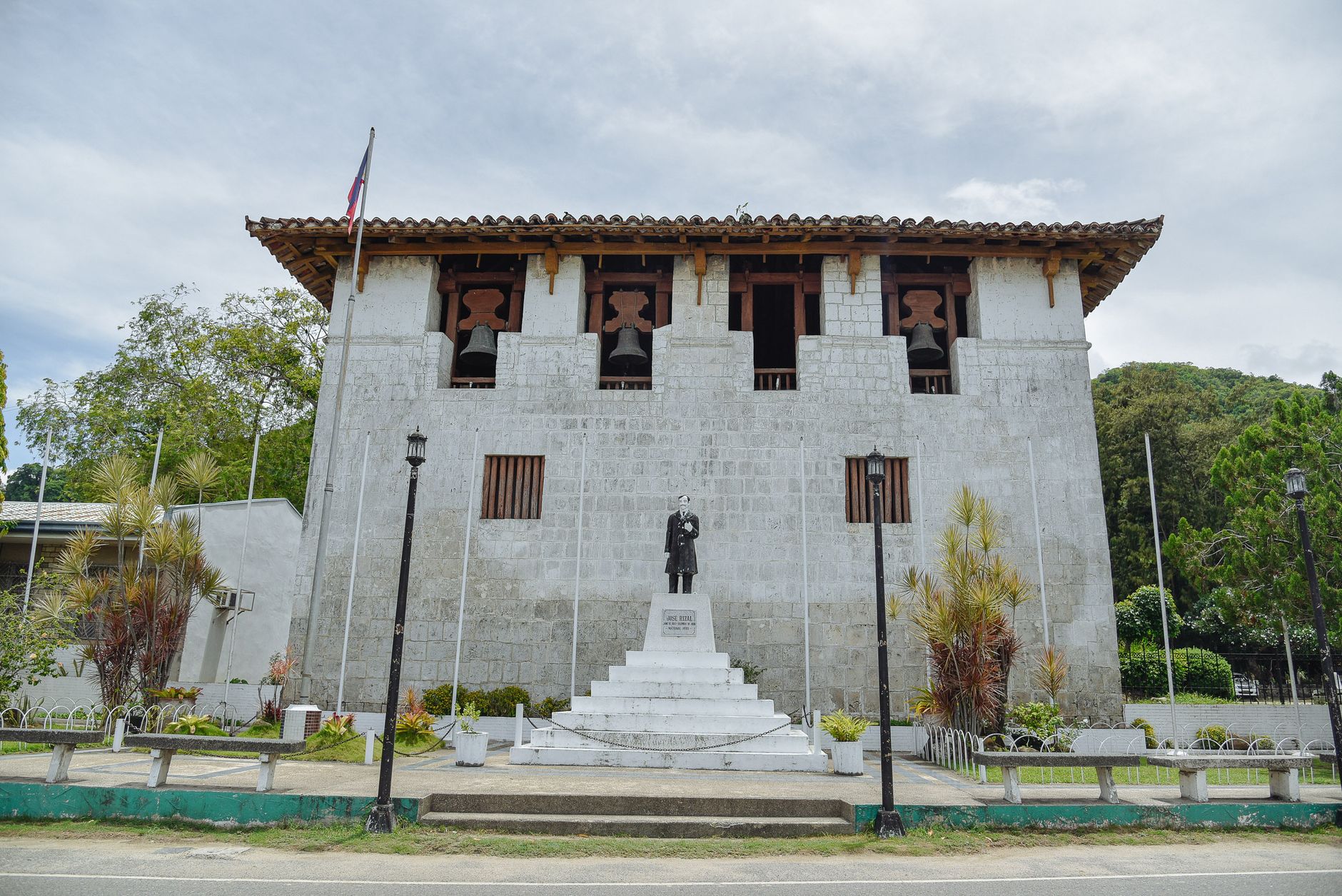
Constructed by the Spanish colonial government in the late 16th century, Intramuros is the historic heart of Manila. This massive stone fortress, surrounded by thick defensive walls and moats, survived centuries of natural disasters, foreign invasions, and the near-total destruction of World War II. Walking through its stone gates feels like stepping into a bygone era of cobblestone streets, leafy plazas, and elegant Spanish-baroque architecture. Key landmarks within the walls include Fort Santiago, where the national hero Jose Rizal was imprisoned before his execution, and the magnificent San Agustin Church, a UNESCO World Heritage site that has stood since 1607. Visitors can explore the area on foot, via a traditional horse-drawn carriage (kalesa), or on eco-friendly bamboo bicycles, soaking in the rich historical narratives that shaped modern Philippine society.

8:00 AM - 9:00 PM
Admission: Free (individual sites inside charge ₱75-₱200)
Insider Tip: Book a guided tour with a local historian to truly appreciate the depth of the stories here. Avoid horse-drawn carriages that do not display an official, fixed rate sheet to prevent overcharging.
Batad Rice Terraces
nature
4.88

Batad Rice Terraces

The Batad Rice Terraces are a spectacular engineering marvel carved into the steep slopes of the Cordillera mountains by the Ifugao people over two millennia ago. Resembling a giant green amphitheater, these terraces are unique because of their stone-walled construction, which differs from the mud-walled structures found in neighboring towns. The terraces showcase a harmonious relationship between humans and the environment, utilizing an intricate gravity-fed irrigation system that channels water from mountaintop rainforests. Visiting Batad is an active, immersive adventure. There are no roads leading directly into the village; travelers must hike down a steep mountain trail to reach the settlement. Once inside, you can walk along the narrow stone ledges of the terraces, interact with the local Ifugao community who still cultivate heirloom rice varieties, and hike further down to the thundering, 70-meter-high Tappiya Falls for a refreshing dip.

Open 24/7
Admission: ₱50 environmental fee
Insider Tip: Hire a local guide at the saddle point. Wear sturdy hiking boots with excellent grip, as the narrow stone walls of the terraces can become extremely slippery and narrow when wet.
Apo Island Marine Sanctuary
nature
4.91

Apo Island Marine Sanctuary

Apo Island is a small, volcanic island located off the southern coast of Negros Island, celebrated globally as a community-led marine conservation success story. The island is surrounded by a protected marine reserve that hosts a spectacular array of hard and soft corals, hundreds of fish species, and a thriving resident population of green sea and hawksbill turtles. The water is exceptionally clear, making it a world-class destination for snorkeling and scuba diving. What makes Apo Island truly special is the ease of viewing marine life. Just a few meters from the volcanic black sand beach, snorkelers can swim alongside giant, gentle sea turtles feeding in the shallow seagrass beds. The local community strictly regulates tourism, ensuring that visitors maintain a respectful distance from the animals and that the fragile coral reef ecosystem remains protected for future generations.

6:00 AM - 5:00 PM (Day trips)
Admission: ₱100 environmental fee + guide fees
Insider Tip: You must hire a local guide (1 guide for up to 4 people) to swim in the turtle sanctuary area. Touching, feeding, or crowding the sea turtles is strictly prohibited and subject to heavy fines.
Area Guide

Where to Stay & Best Neighborhoods

Palawan (The Last Frontier)

Best for: Nature enthusiasts, scuba divers, and luxury resort seekers.

Vibe: Eco-luxury, dramatic limestone formations, and pristine marine sanctuaries.

Palawan is a long, narrow island province stretching toward Borneo. It is world-renowned for its dramatic geological formations, particularly in El Nido and Coron, where black limestone cliffs contrast with neon-green lagoons. Further south lies the Puerto Princesa Underground River, while the northern tip is dotted with private-island luxury resorts. Exploring Palawan feels like entering a prehistoric, untouched paradise where conservation is deeply woven into daily life.

Siargao Island

Best for: Surfers, digital nomads, and wellness travelers.

Vibe: Bohemian surf culture, coconut-fringed roads, and eco-conscious living.

Shaped like a teardrop in the Philippine Sea, Siargao has evolved from a secret surf spot into a thriving haven for creative travelers. The main hub of General Luna is packed with rustic-chic cafes, vegan restaurants, and surf shops. Beyond the waves, the island offers emerald tide pools, mangrove forests perfect for paddleboarding, and the breathtaking, palm-fringed Maasin River. The vibe here is slow, mindful, and deeply connected to nature.

Metro Manila

Best for: Foodies, history buffs, and luxury shoppers.

Vibe: High-octane contrast of colonial history, chaotic traffic, and sleek modern skyscrapers.

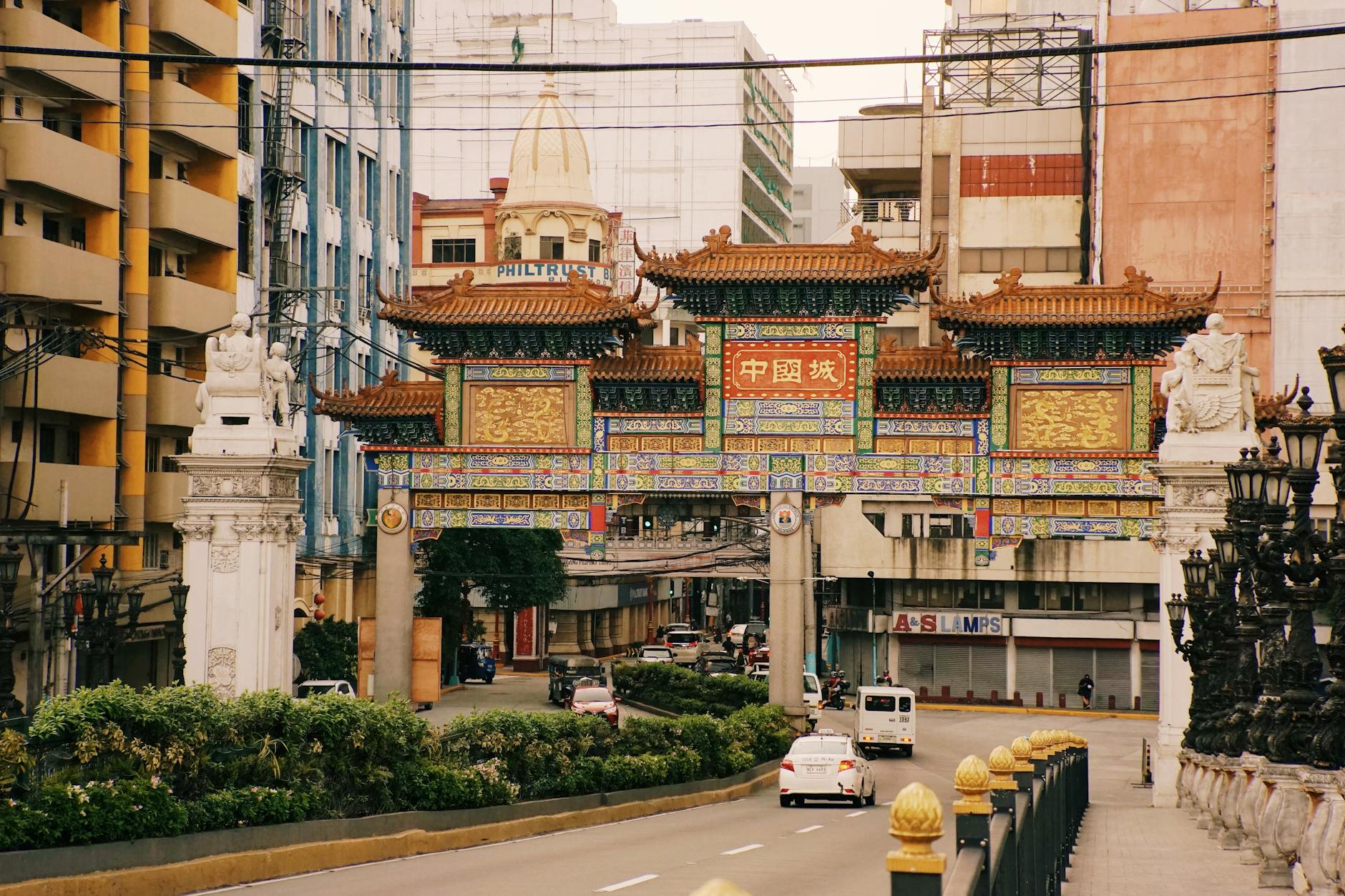
Metro Manila is a massive, pulsating megalopolis made up of 16 cities. At its heart lies Intramuros, a Spanish-era walled city filled with cobblestone streets and stone churches. Just across the river, Binondo stands as the world's oldest Chinatown, offering a legendary street food scene. In stark contrast, neighborhoods like Bonifacio Global City (BGC) and Makati feature manicured parks, high-end culinary establishments, contemporary art galleries, and a soaring skyline.

Food & Drink Scene

What to Eat in Philippines

Cebu Lechon

A whole pig stuffed with a secret blend of local herbs, lemongrass, garlic, scallions, and sea salt, then slow-roasted over open charcoal pits. The result is incredibly tender, juicy meat infused with aromatics, topped with a glass-like, shatteringly crisp golden skin. Anthony Bourdain famously declared it 'the best pig, period.'

🍴 Top spot: House of Lechon or Rico's Lechon, Cebu City

Adobong Pusit (Squid Adobo)

A classic variation of the national dish, 'adobo'. Fresh squid is simmered in a rich, savory, and tangy reduction of its own ink, native coconut vinegar, soy sauce, crushed garlic, bay leaves, and black peppercorns. It is a deeply comforting dish that perfectly balances sour, salty, and umami flavors, best eaten over hot garlic rice.

🍴 Top spot: Sentro 1771, Greenbelt, Makati

Kinilaw na Tanigue

The Filipino precursor to ceviche, featuring fresh, raw cubes of Spanish mackerel cured quickly in local coconut vinegar (sukang tuba) and calamansi juice. The fish is tossed with minced ginger, red onions, bird's eye chilies (siling labuyo), and occasionally finished with a splash of fresh coconut cream to soften the sharp acidity.

🍴 Top spot: Dampa Seaside Market, Macapagal Boulevard, Pasay
Excursions

Best Day Trips from Philippines

Coron Island Ultimate Expedition

30 to 45 minutes by outrigger boat from Coron Town

Depart from Coron Town on a traditional motorized banca to explore the jaw-dropping limestone lakes of Coron Island. Climb the wooden steps for the iconic view of Kayangan Lake, plunge into the thermal waters of Twin Lagoon where salt and fresh water meet, and snorkel over the coral-covered remains of the Skeleton Wreck, a Japanese supply ship sunk during WWII.

Bohol Countryside & Tarsier Sanctuary

1 to 2 hours by private car or van from Panglao Island

Explore the geological wonders of Bohol by visiting the famous Chocolate Hills—over 1,200 symmetrical, cone-shaped hills that turn cocoa-brown during the dry season. Afterward, visit the Philippine Tarsier Sanctuary in Corella to catch a glimpse of one of the world's smallest primates, before winding down with a lunch cruise along the emerald-green Loboc River.

When to Go

Best Time to Visit & Seasonality

Editor’s Pick: The absolute prime months to visit the Philippines are from December to April, during the dry winter and spring monsoon (known locally as 'Amihan'). During this window, skies are consistently clear, seas are calm, and temperatures are comfortably warm, making it the perfect time for island hopping, diving, and mountain trekking. January and February are particularly pleasant, offering cooler breezes before the intense heat of the dry season peaks in March and April.

Spring Overview

(March - May)
Peak Crowds
Average Temperature & Climate28°C - 36°C

Hot, dry, and sunny with minimal rainfall.

Crowd & Travel ConditionsPeak Tourist Traffic

Book hotels 3-6 months ahead.

✨ Seasonal Highlights:Perfect conditions for beach activities, deep-sea diving, and island hopping. This is the peak of the local summer, coinciding with Holy Week (Semana Santa) festivals.
Travel Smarter

Practical Travel Essentials

CurrencyPhilippine Peso (PHP / ₱)
LanguageFilipino (Tagalog) and English
Time ZoneUTC+8 (PST)

Visa & Entry

Citizens from 157 countries can enter the Philippines visa-free for tourist stays of up to 30 days, provided they hold a passport valid for at least 6 months and a return or onward ticket. All travelers must register for the digital 'eTravel' card online within 72 hours before arrival.

Getting Around & Transit

Domestic flights operated by Cebu Pacific and Philippine Airlines are the fastest way to travel between island groups. For shorter distances, local ferries (like OceanJet) connect adjacent islands. On land, utilize the Grab app in major cities, and experience local tricycles or colorful jeepneys for short, authentic island journeys.

Daily Budget Expectation

$45 - $85 USD (Backpacker to mid-range island hopper, including food, local transport, and budget boutique stays)

Safety & Health

The Philippines is generally safe and incredibly welcoming for tourists, especially in popular hubs like Palawan, Visayas, and Siargao. Exercise standard precautions against pickpocketing in crowded Manila areas. It is recommended to avoid non-essential travel to the far southwestern region of Mindanao due to localized security issues.

Local Etiquette & Customs

Filipinos are exceptionally polite and hospitable. Respect elders by using the words 'po' and 'opo' at the end of sentences. Always ask permission before taking photos of people, especially in indigenous communities. Dress modestly when entering churches, covering shoulders and knees.

Questions & Answers

Frequently Asked Questions about Philippines

Yes, English is one of the official languages of the Philippines. It is taught in schools, used in government and business, and spoken fluently by a vast majority of the population, making travel exceptionally easy for English speakers.