2026 GuideVoyage Roams Best in Travel: Top 10 Bucket List Destinations
Read Rankings
Iceland
countryEurope
4.96 / 5.0

Iceland

A primordial realm of elemental fire, ancient glaciers, and perpetual wonder.

Advertisement
Editorial Guide

About Iceland

Iceland exists on a geological knife-edge where the North American and Eurasian tectonic plates slowly tear apart, giving birth to a landscape unlike anywhere else on Earth. Fire and ice are locked in an eternal, breathtaking dance across this volcanic island, shaping black sand beaches, thundering waterfalls, and bubbling geothermal fields that steam against crisp Arctic winds. From the bustling, creative harbor of Reykjavík to the remote, moon-like expanses of the interior highlands, the country is a masterclass in raw, unfiltered natural beauty.

Culturally, Icelanders are fiercely independent storytellers, shaped by centuries of isolation, harsh maritime winters, and an unbroken literary tradition stretching back to the medieval sagas. The modern society seamlessly blends deeply rooted folklore—where elves and hidden people are still spoken of with quiet respect—with a cutting-edge design scene, renewable energy innovation, and a burgeoning culinary movement. This duality creates a travel experience that feels simultaneously ancient and hyper-modern.

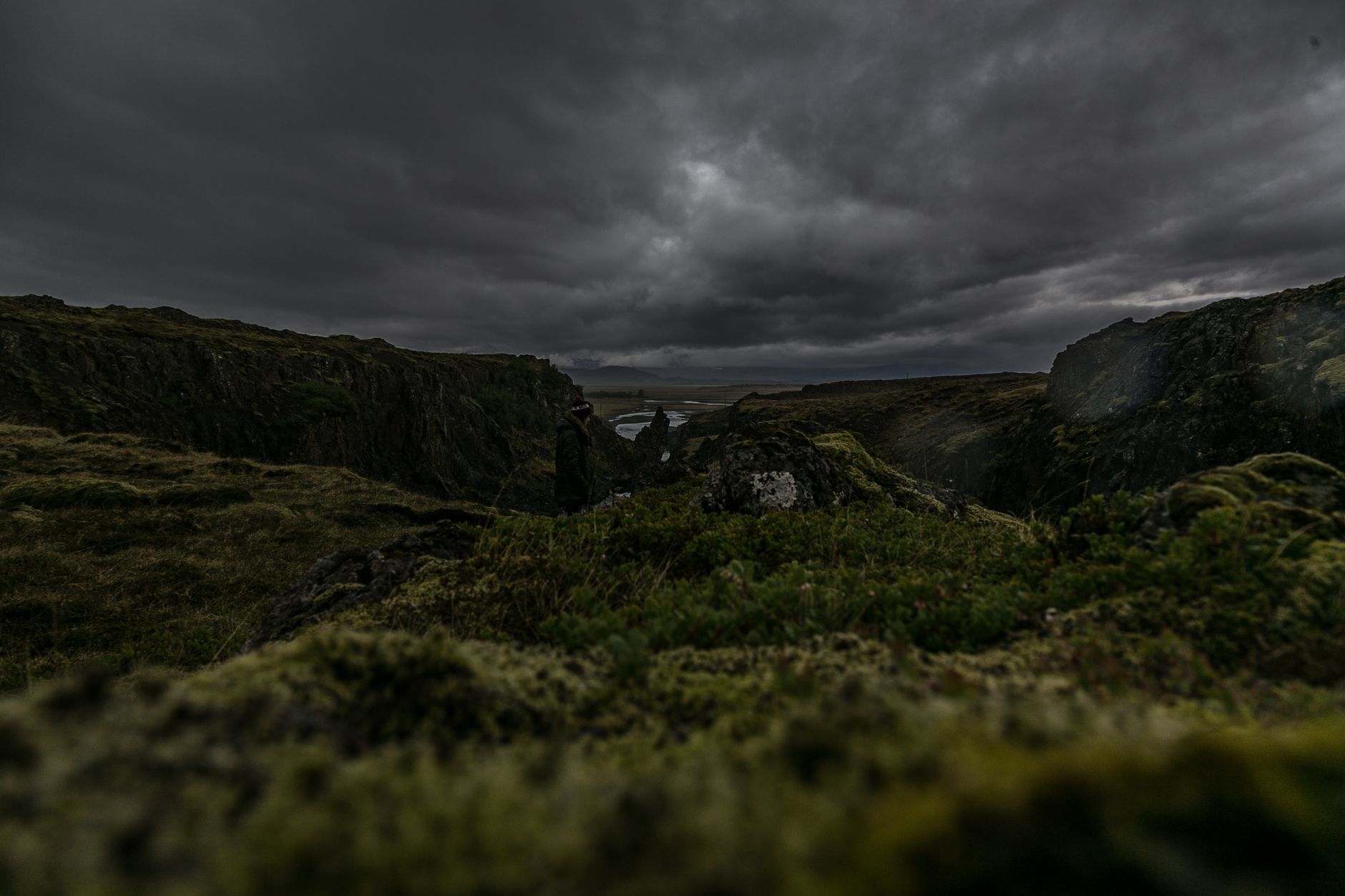
Geographically, Iceland is an open-air geological museum. Colossal ice caps like Vatnajökull calve immense, luminous blue icebergs into silent lagoons, while active volcanoes silently bide their time beneath meters of snow and ash. The coastline is jagged with dramatic fjords carved by prehistoric glaciers, and every turn of the road reveals another cascade plunging off a moss-draped basalt cliff. It is a place of profound scale, where human presence feels remarkably small against the majesty of the elements.

Local life revolves around community, outdoor exploration, and a deep-seated connection to nature that borders on the spiritual. Whether gathering in neighborhood geothermal swimming pools to discuss politics and weather, or chasing the elusive dance of the Northern Lights across a star-studded winter sky, Icelanders live in harmony with their volatile environment. For travelers willing to embrace its unpredictable weather and vast open spaces, Iceland offers a transformative journey into the very heart of planetary creation.

Visual Impressions & Moments
Iceland photo 1
Iceland photo 2
Iceland photo 3
Iceland photo 4
Iceland photo 5
Iceland photo 6
Unmissable Moments

Top Things to Do in Iceland

Adventure

Kayak Among Glacial Bergs in Jökulsárlón

Paddle through a surreal, silent lagoon choked with ancient icebergs that have calved off the retreating Breiðamerkurjökull glacier. Floating among these sculpted, luminous blue crystal formations offers an intimate scale that viewing from the shore simply cannot match. Timing your paddle for the golden hour illuminates the ice with surreal pinks and oranges.

Must-Do

Soak in Remote Geothermal Waters at Landmannalaugar

Tucked deep within the volcanic interior highlands, Landmannalaugar is famous for its multicolored rhyolite mountains and natural hot springs. After a challenging hike across obsidian fields, sinking into the steaming natural river is an unmatched restorative ritual. Visit in late July when the surrounding alpine flora is fully awake.

Scenic

Chase the Aurora Borealis in the Snæfellsnes Peninsula

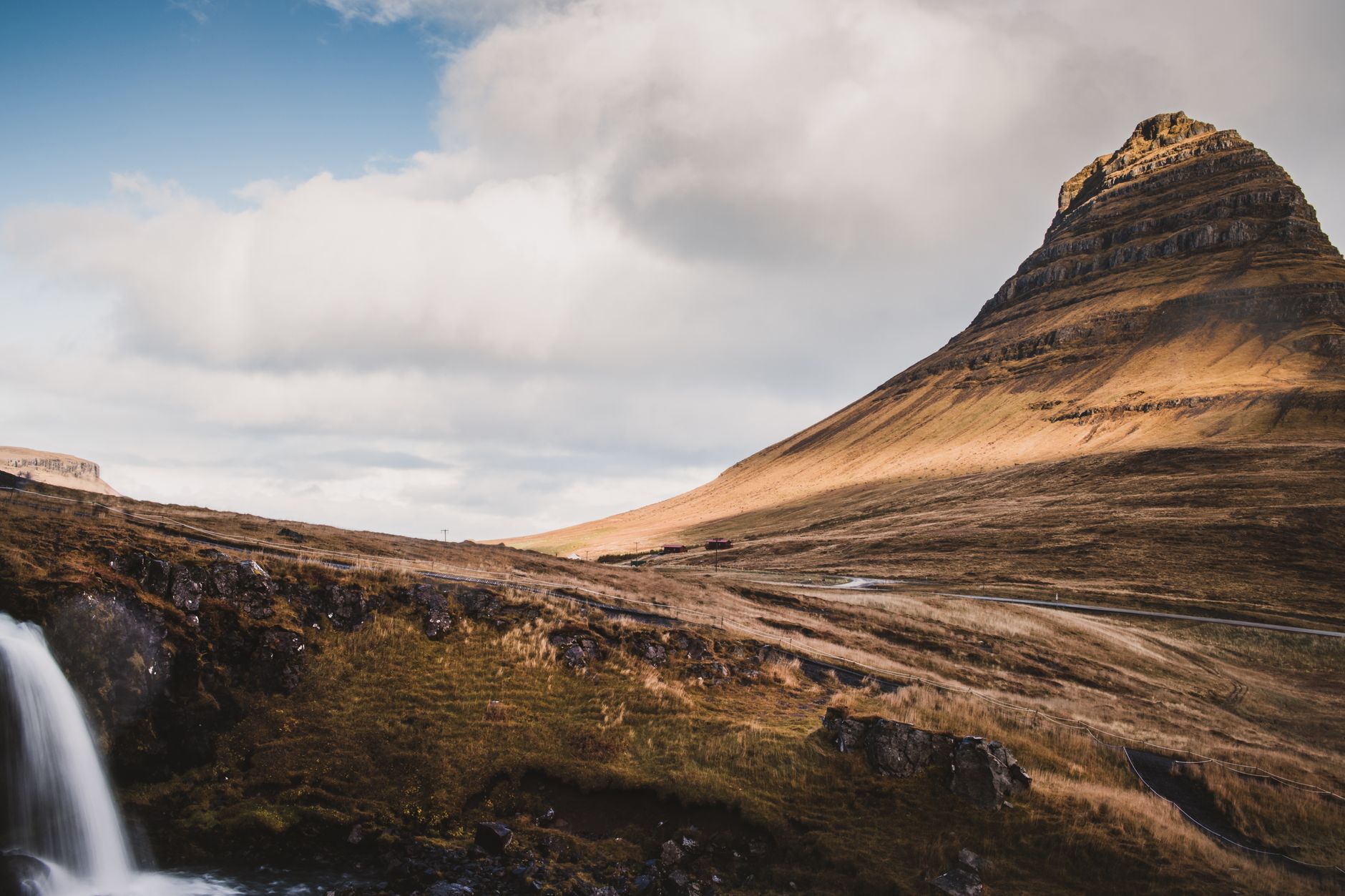
With dramatic coastal peaks like Kirkjufell framing the northern sky, the Snæfellsnes Peninsula provides a majestic canvas for the Northern Lights. The low light pollution and sweeping ocean vistas create an ideal theater for green ribbons of light dancing overhead. Dress in heavy thermal layers, as ocean winds can be fierce.

Adventure

Explore Crystal Blue Caves Inside Vatnajökull Glacier

When winter temperatures plunge, meltwater carves ethereal, sapphire-blue tunnels deep beneath Europe's largest glacier. Accompanied by a certified local guide, strap on crampons and step into a cavern of compressed ancient ice that glows like stained glass. Early morning tours provide the most dramatic, uncrowded lighting.

Must-See Highlights

Top Places & Things to Do in Iceland

Curated attractions and cultural landmarks with local insider advice.

Skógafoss Waterfall
nature
4.9

Skógafoss Waterfall

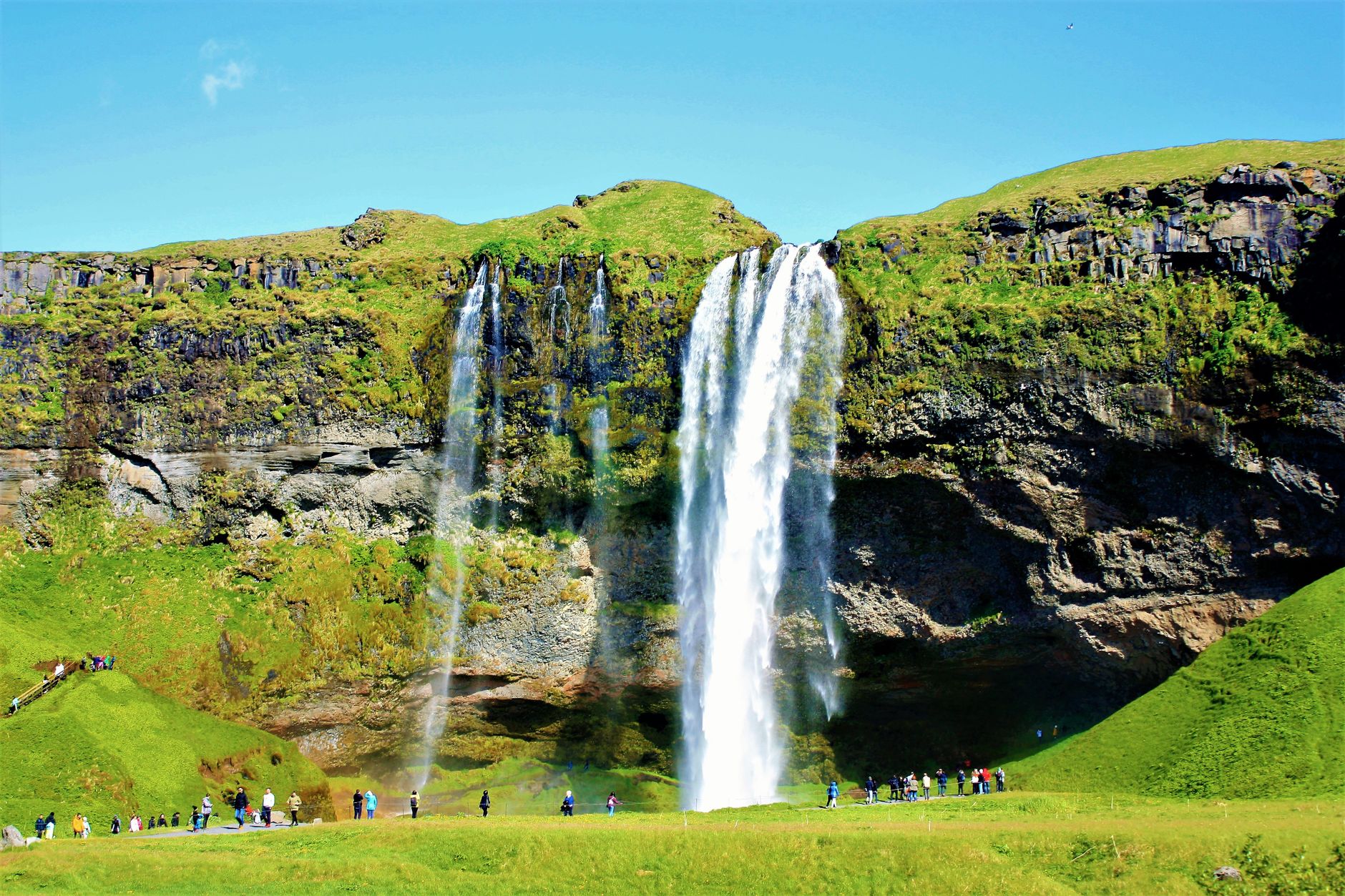
Plunging 60 meters with a width of 25 meters, Skógafoss is one of Iceland's biggest and most majestic waterfalls. The sheer volume of water creates a perpetual, roaring mist that frequently catches the sunlight to produce vibrant, double rainbows. Visitors can approach the roaring wall of water right up to the base, feeling the raw atmospheric power of the glacial river. A steep wooden staircase to the right of the cascade leads to the top, where hikers can embark on the breathtaking Fimmvörðuháls trail into the interior highlands.

Open 24/7
Admission: Free
Insider Tip: Wear full waterproof gear if you plan to walk up close to the base, as the mist will soak you in seconds. Visit early in the morning before tour buses arrive.
Area Guide

Where to Stay & Best Neighborhoods

Miðbær (Downtown Reykjavík)

Best for: First-time visitors, foodies, nightlife seekers, and culture enthusiasts.

Vibe: Colorful corrugated iron houses, vibrant street art, bustling cafés, and eclectic boutiques.

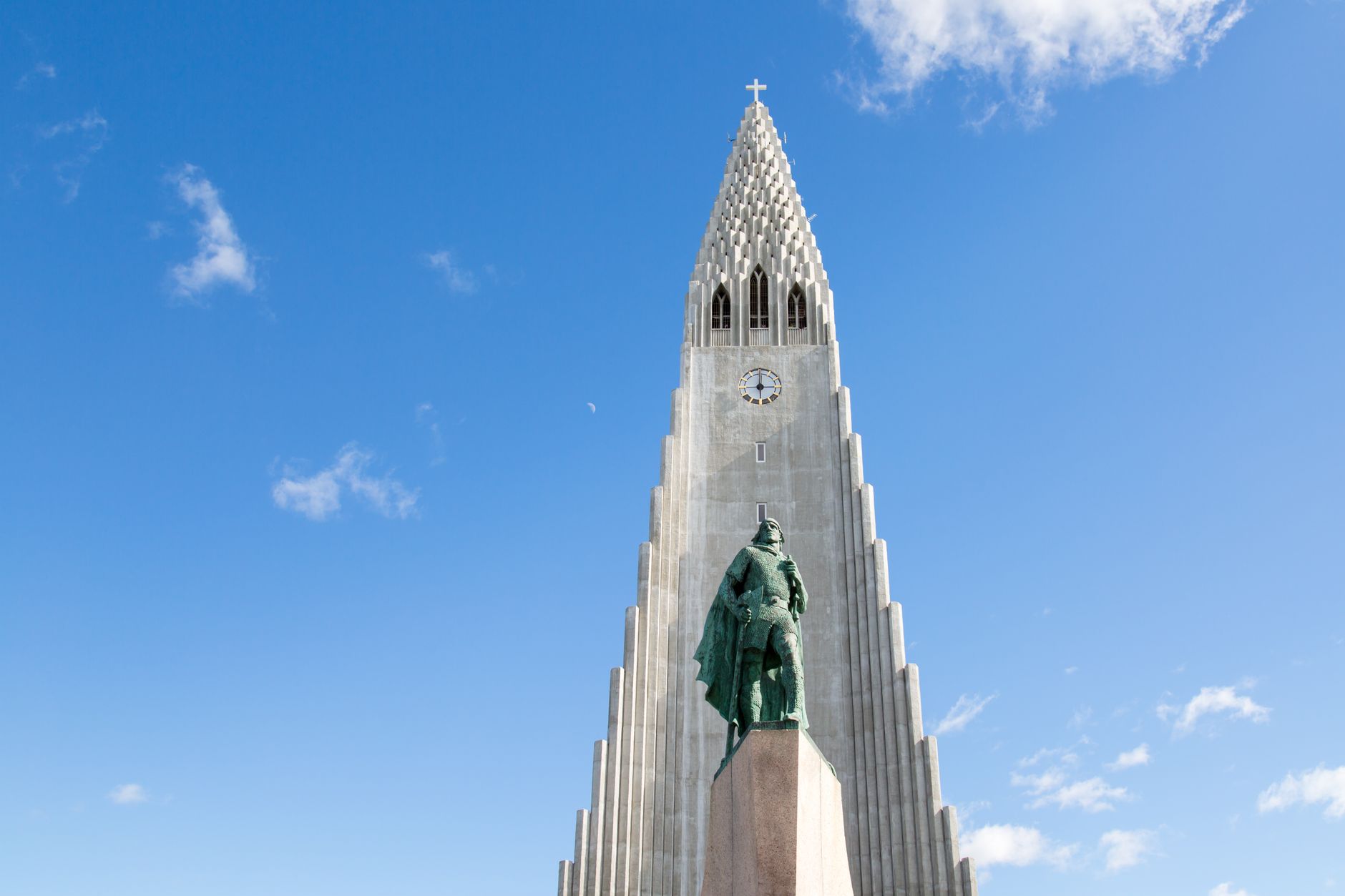
A walkable, creative core where every street corner reveals a cozy coffee shop, a design store showcasing Icelandic wool, or a legendary hot dog stand. Laugavegur and Skólavörðustígur serve as the pulsing arteries, leading gracefully up to the iconic Hallgrímskirkja church.

Vesturbær

Best for: Slow travelers, families, and those seeking authentic local neighborhood life.

Vibe: Historic residential charm meets hipster calm, home to universities and local geothermal pools.

Quiet, leafy streets lined with charming mid-century homes define this neighborhood west of downtown. It centers around Vesturbæingarlaug, a beloved neighborhood swimming pool where locals gather daily to gossip in the hot tubs regardless of the weather outside.

Grandagarður & Old Harbor

Best for: Art lovers, maritime history buffs, and culinary adventurers.

Vibe: Industrial maritime converted into cutting-edge museums, microbreweries, and seafood eateries.

Once the domain of salt fish warehouses and ship repair docks, the Old Harbor district has transformed into Reykjavík's trendiest cultural quarter. Warehouses now house innovative galleries, whale-watching vessels, and artisan ice cream shops facing the restless North Atlantic.

Food & Drink Scene

What to Eat in Iceland

Plokkfiskur (Traditional Fish Stew)

A comforting, soul-warming staple made by mashing fresh white fish (typically cod or haddock) with potatoes, onions, butter, and milk, often gratinéed with cheese. It represents the resourcefulness of traditional Icelandic home cooking, yielding a rich and deeply savory flavor.

🍴 Top spot: Café Loki (Reykjavík)

Icelandic Lamb Soup (Kjötsúpa)

Slow-cooked for hours with free-roaming, mountain-grazed lamb, root vegetables like rutabagas and potatoes, and fragrant herbs. The meat is exceptionally tender and gamey, infused with the clean, wild botanicals of the pastures.

🍴 Top spot: Svarta Kaffið (Reykjavík)

Skyr with Wild Berries

A traditional dairy product that resembles thick yogurt but is technically a fresh sour milk cheese, dating back to the Viking age. Velvety, protein-rich, and tart, it is traditionally served with fresh cream, wild crowberries, and sugar.

🍴 Top spot: Grandi Mathöll (Reykjavík)
Excursions

Best Day Trips from Iceland

The Golden Circle: Geysir, Gullfoss, and Þingvellir

Full day loop from Reykjavík (approx. 3 hours total driving)

Marvel at the roaring double cascade of Gullfoss, watch Strokkur shoot boiling water skyward every few minutes, and walk through the dramatic tectonic rift valley where Iceland's ancient parliament was founded in 930 AD.

Reykjanes Peninsula Geothermal Wonders

45 mins to 1.5 hours from Reykjavík

Explore bubbling mud pools at Seltún, walk across the 'Bridge Between Continents' spanning the Mid-Atlantic Ridge, and unwind in the milky-blue silica waters of world-renowned geothermal lagoons.

When to Go

Best Time to Visit & Seasonality

Editor’s Pick: June through August offers midnight sun and accessible F-roads into the interior highlands, while September to March is ideal for hunting the Northern Lights and exploring crystal ice caves.

Spring Overview

(April to May)
Quiet / Low Season
Average Temperature & Climate0°C to 10°C (32°F to 50°F)

Transitioning from winter snow to crisp, clear days with melting waterfalls.

Crowd & Travel ConditionsLow Tourist Traffic

Fewer lines and better deals.

✨ Seasonal Highlights:Puffins returning to coastal cliffs, fewer crowds, and blooming wildflowers.
Travel Smarter

Practical Travel Essentials

CurrencyISK (kr)
LanguageIcelandic
Time ZoneGMT (UTC+0)

Visa & Entry

Iceland is part of the Schengen Area. Citizens from the EU/EEA, US, Canada, UK, and Australia do not need a visa for stays up to 90 days.

Getting Around & Transit

Renting a 4x4 vehicle is the best way to explore the Ring Road and interior highlands. Public buses are limited outside the capital region.

Daily Budget Expectation

€150 - €350+ per day depending on accommodation style, dining out, and booked excursions.

Safety & Health

Extremely safe with very low crime rates. The primary dangers are environmental: volatile weather, high winds, icy roads, and dangerous ocean tides.

Local Etiquette & Customs

Always shower thoroughly without a swimsuit before entering public geothermal pools. Tipping is not expected or practiced in Iceland.

Questions & Answers

Frequently Asked Questions about Iceland

If you are traveling strictly along the Ring Road (Route 1) during summer, a standard 2WD vehicle is generally sufficient. However, a 4x4 is strongly recommended for winter travel and mandatory if you plan to venture onto the interior F-roads.