🌟 Best in Travel 2026 is here!
Bolivia
countrySouth America
4.88 / 5.0

Bolivia

The raw, beating heart of the Andes where ancient cultures thrive above the clouds.

Advertisement
Editorial Guide

About Bolivia

Bolivia is a mesmerizing land of superlatives, cradled by the majestic Andes and spilling over into the Amazonian basin. As South America’s most indigenous nation, its cultural fabric is intensely woven with centuries-old traditions, where Aymara, Quechua, and Guaraní communities keep ancient cosmic worldviews alive in colorful textiles, vibrant festivals, and daily rituals. Geographically, it is a realm of dramatic extremes, hosting the staggering blinding white expanse of the Salar de Uyuni salt flat, the high-altitude sapphire depths of Lake Titicaca, and the dizzying mountain passes of the Cordillera Real.

Historically shaped by pre-Incan civilizations, the Tiwanaku empire, and the Spanish colonial silver trade centered around Potosí, Bolivia’s cities and towns retain a profound architectural and narrative depth. La Paz, the world’s highest de facto capital, plunges dramatically into a canyon, knitted together by an innovative cable car network that floats past snow-capped Illimani. Below the altiplano, the landscape plummets into the verdant Yungas and the biodiverse wilderness of Madidi National Park, completing a country that rewards the intrepid traveler with unfiltered authenticity and breathtaking landscapes untouched by mass tourism.

Visual Impressions & Moments
Bolivia photo 1
Bolivia photo 2
Bolivia photo 3
Bolivia photo 4
Bolivia photo 5
Bolivia photo 6
Unmissable Moments

Top Things to Do in Bolivia

Must-Do

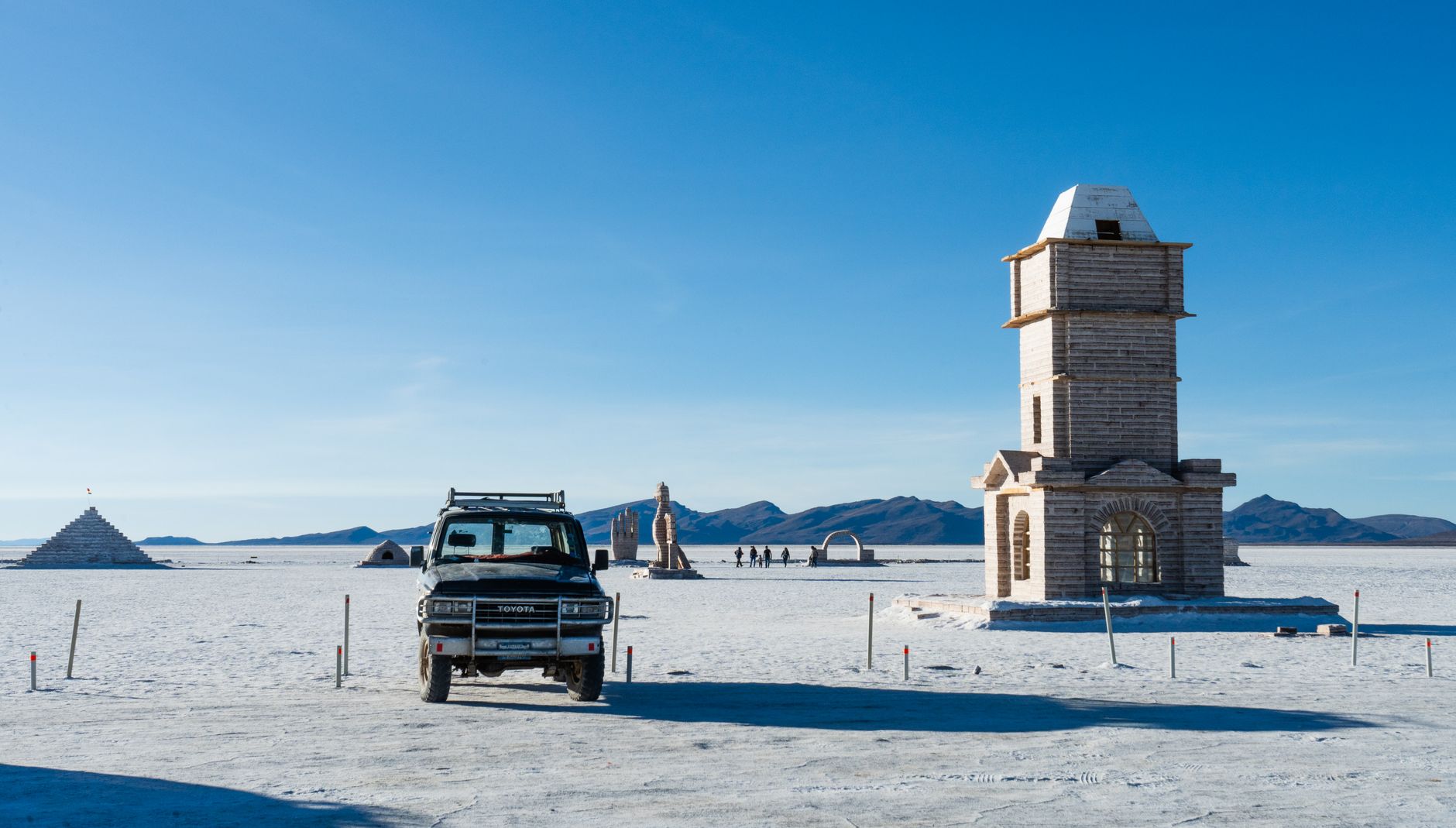
Drive Across the Infinite Mirror of Salar de Uyuni

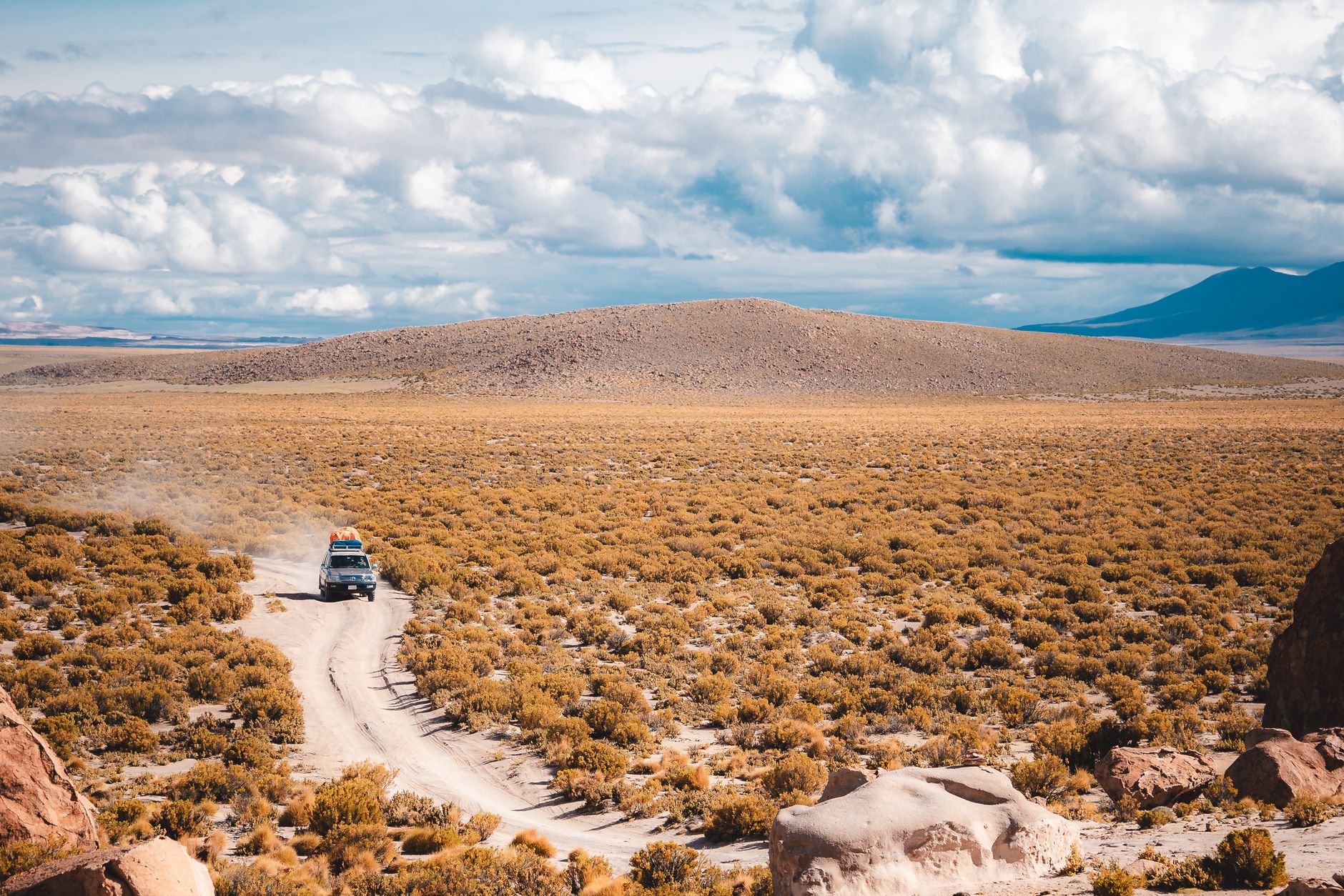
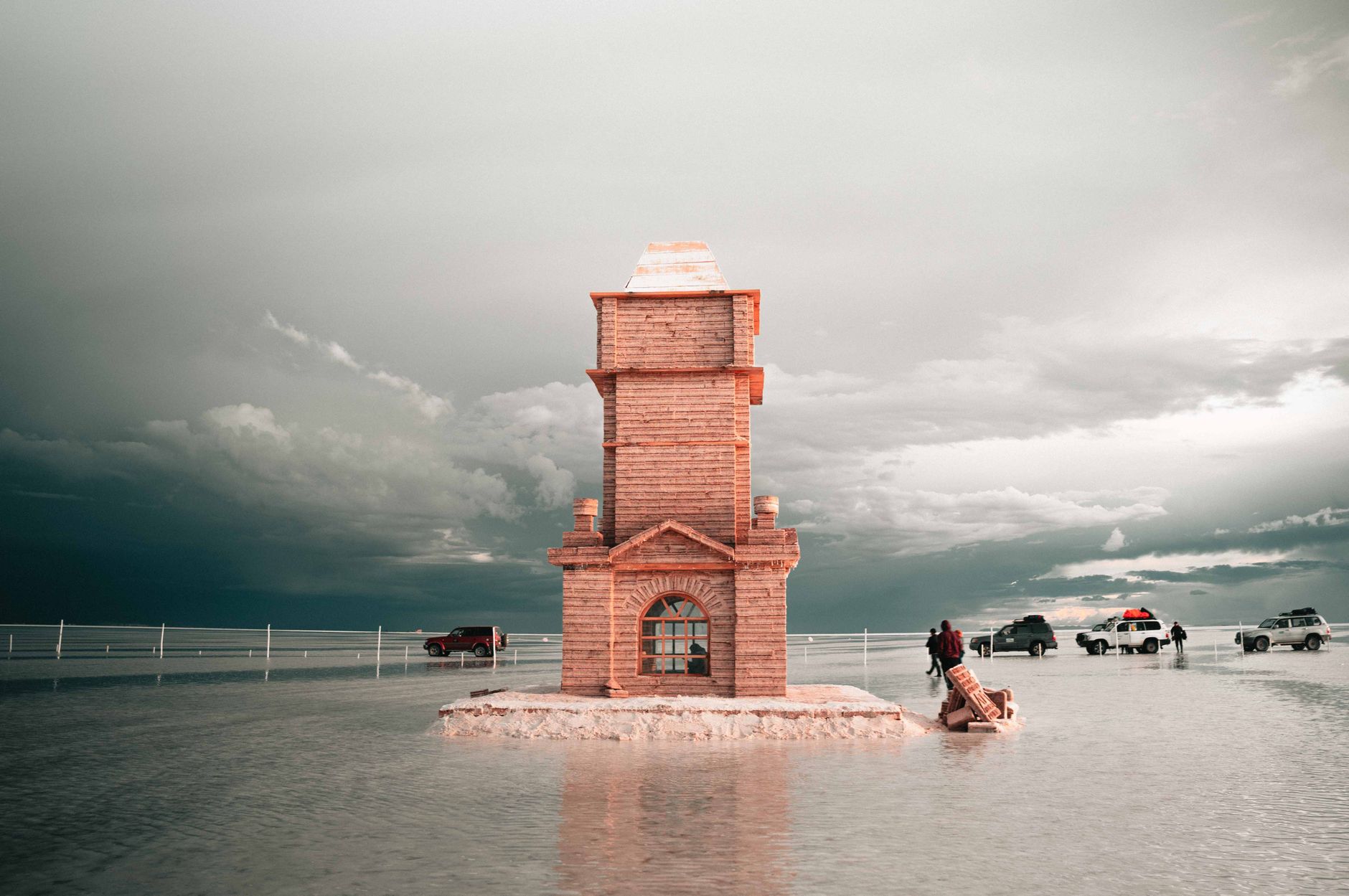
Embark on a multi-day 4x4 expedition across the world's largest salt flat, where the earth merges seamlessly with the sky. Witness sunrise paint the hexagonal salt crust in pastel pinks and golds, and sleep in hotels constructed entirely of salt blocks. Insider tip: Visit during the rainy season for the mirror effect, but book a trusted operator with well-maintained oxygen-equipped vehicles for safety.

Scenic

Navigate the World's Highest Navigable Waters on Lake Titicaca

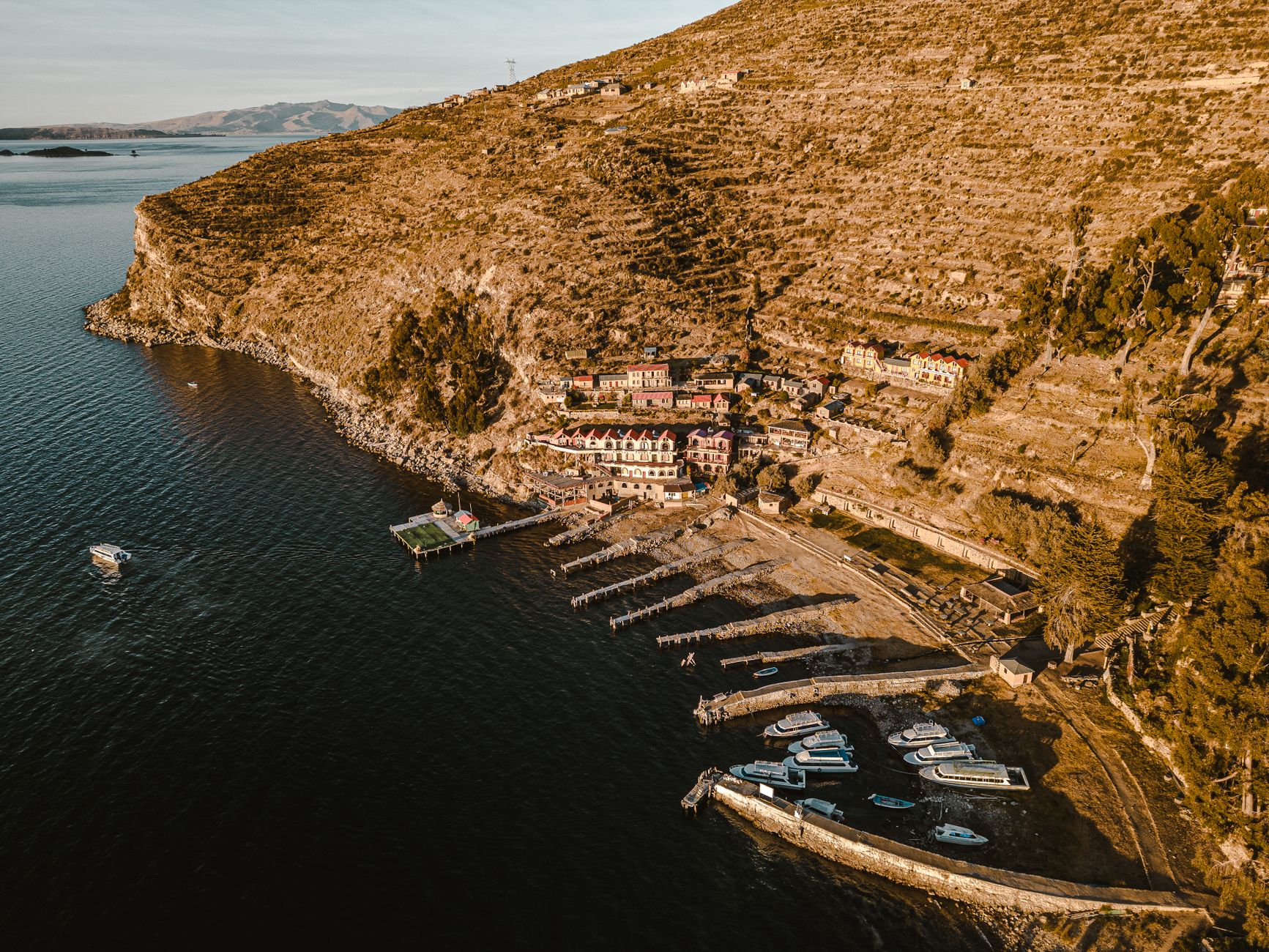
Sail across the deep blue expanse of Lake Titicaca to Isla del Sol, the mythological birthplace of the Incas. Hike the ancient ridges connecting local indigenous farming communities, taking in sweeping views of the Cordillera Real. Insider tip: Stay overnight in the tranquil village of Ecolodge La Estancia to experience absolute silence under a brilliant canopy of stars.

Adventure

Fly Above the Canyons on the Mi Teleférico in La Paz

Utilize La Paz’s revolutionary cable car network as a practical transit system and a world-class scenic ride. Soar silently over terracotta rooftops, bustling street markets, and dramatic mountain ravines while watching the city life unfold below. Insider tip: Take the red and purple lines at sunset for golden-hour views of snow-capped Mt. Illimani.

Culture

Descend into the Agony and Echoes of the Potosí Silver Mines

Venture deep into the bowels of Cerro Rico, the mountain that once fueled the Spanish Empire's economy at an unimaginable human cost. Accompanied by former miners, witness the harsh underground working conditions and pay respects to El Tío, the subterranean lord of the underworld. Insider tip: Purchase gifts of dynamite, coca leaves, or soft drinks for the miners as a token of respect at the miners' market before entering.

Must-See Highlights

Top Places & Things to Do in Bolivia

Curated attractions and cultural landmarks with local insider advice.

Salar de Uyuni
nature
4.95

Salar de Uyuni

Covering over 10,500 square kilometers, the Salar de Uyuni is the world's largest salt flat, formed by the evaporation of prehistoric lakes. Its blindingly white, hexagonal salt crust stretches to the horizon, creating an otherworldly landscape that plays endlessly with perspective and scale. Rising out of the salt are dramatic island oases like Isla Incahuasi, bristling with giant cacti and ancient coral formations. Beyond its visual wonder, the salt flat contains massive lithium reserves and serves as a vital navigational landmark visible from space. Whether explored during the dry season for endless white expanses or the wet season for mirror-like reflections, Uyuni offers one of the most sublime and surreal wilderness experiences on the planet.

Open 24/7 (Guided tours recommended)
Admission: $$ - $$$ (Tour dependent)
Insider Tip: Wear polarized sunglasses and heavy-duty sunscreen to combat the intense UV glare reflecting off the white salt.
Isla del Sol (Lake Titicaca)
culture
4.85

Isla del Sol (Lake Titicaca)

Floating in the deep sapphire waters of Lake Titicaca, Isla del Sol is rugged, tranquil, and steeped in Inca mythology as the birthplace of the sun god Inti. Devoid of motorized vehicles, the island is crisscrossed by ancient walking trails connecting terraced agricultural fields, sacred stone ruins like Pilkin Kaina, and traditional fishing communities. Visitors can hike the panoramic ridge trail from south to north, taking in uninterrupted vistas of the snow-crowned Cordillera Real shimmering across the lake. The island operates at a slower, meditative pace, offering spectacular sunsets and a glimpse into rural Aymara life.

Daylight hours
Admission: Free entry (boat ticket ~50 BOB)
Insider Tip: Stay overnight in Yumani to watch the sunrise over the lake without day-tripper crowds.
Madidi National Park
nature
4.9

Madidi National Park

Spanning from the high Andes down into the Amazon basin, Madidi National Park is one of the most biologically diverse protected areas on Earth. The park encompasses snow-capped peaks, cloud forests, rushing rivers, and dense lowland jungle, providing sanctuary for jaguars, spectacled bears, tapirs, and hundreds of bird species. Accessing the park via a thrilling boat ride up the Tuichi River from Rurrenabaque brings travelers into pristine wilderness. Community-run eco-lodges provide immersive jungle treks, night safaris, and educational exchanges with indigenous Tacana and Chimane guides.

Open daily (Permit required via tour operator)
Admission: $$$ (Multi-day lodge packages)
Insider Tip: Bring high-DEET insect repellent, lightweight long sleeves, and prepare for high humidity and frequent rainfall.
Historic City of Sucre
culture
4.82

Historic City of Sucre

Sucre, Bolivia’s constitutional capital, is celebrated for its pristine 16th-century Spanish colonial architecture and relaxed, intellectual atmosphere. Known as the 'White City,' its historic center is characterized by whitewashed facades, monumental churches like San Felipe Neri, and serene interior courtyards draped in bougainvillea. As a UNESCO World Heritage site, Sucre offers a gentle introduction to Bolivia's history, excellent Spanish language schools, and nearby indigenous textile markets like Tarabuco. The city's agreeable climate and slower pace make it a favorite resting point for travelers journeying across the high-altitude altiplano.

Open daily
Admission: Free to explore
Insider Tip: Climb to the roof of the Recoleta monastery at sunset for panoramic views over the white city and surrounding hills.
Area Guide

Where to Stay & Best Neighborhoods

Zona Sur (La Paz)

Best for: Fine dining, boutique hotels, upscale shopping, and relaxed cafes.

Vibe: Affluent, leafy, modern, and sheltered from the chaotic downtown hustle.

Nestled further down the canyon where the air is noticeably warmer and oxygen richer, Zona Sur represents the contemporary, cosmopolitan side of La Paz. Tree-lined avenues in neighborhoods like San Miguel and Montenegro house avant-garde restaurants, artisan coffee shops, and contemporary art galleries.

Historic Center (Sucre)

Best for: History enthusiasts, architecture lovers, and slow-paced cultural immersion.

Vibe: Pristine white colonial architecture, tranquil plazas, and academic heritage.

Bolivia’s constitutional capital is a UNESCO World Heritage site defined by whitewashed mansions, red-tiled roofs, and sun-drenched courtyards. Walking through the center feels like stepping back into the 18th century, punctuated by the chime of historic church bells and the gentle chatter of university students.

Central Market District (La Paz)

Best for: Curious travelers, market explorers, and photography enthusiasts.

Vibe: Sensory overload, bustling indigenous commerce, and mystical folklore.

Centered around the famous Witches' Market (Mercado de las Brujas), this dense network of sloping streets is packed with traditional vendors selling dried llama fetuses, medicinal herbs, intricate textiles, and artisanal crafts. The atmosphere is vibrant, chaotic, and deeply rooted in ancestral Andean cosmology.

Food & Drink Scene

What to Eat in Bolivia

Salteñas

A uniquely Bolivian baked empanada filled with a juicy, savory stew of beef or chicken, potatoes, peas, olives, and a touch of gelatinous broth, flavored with ají peppers. Eaten strictly in the morning, the challenge is consuming the rich soup inside without spilling it on your clothes.

🍴 Top spot: Cade Algarete or local morning street carts in La Paz and Sucre

Pique Macho

A hearty, robust comfort food dish originating from Cochabamba, consisting of chopped chunks of beef, hot locoto peppers, onions, hard-boiled eggs, and french fries, all smothered in ketchup, mayonnaise, and mustard. Traditionally served in large portions meant to be shared with ice-cold beer.

🍴 Top spot: El Salón de Té Munich in Cochabamba or traditional restaurants in La Paz

Thimpu de Cordero

A deeply comforting Andean lamb stew slow-cooked with local herbs, potatoes, corn, chuño (freeze-dried dehydrated potatoes), and topped with a spicy sauce known as llajwa. It is a masterclass in high-altitude comfort cuisine, designed to warm the body against the mountain chill.

🍴 Top spot: Traditional fondas in Sucre and Potosí markets
Excursions

Best Day Trips from Bolivia

Tiwanaku Archaeological Complex

1.5 to 2 hours by bus or private car from La Paz

Explore the monumental ruins of one of the most important pre-Incan civilizations, featuring the iconic Gateway of the Sun, massive monolithic temples, and intricate stone carvings. Located on the high plateau near Lake Titicaca, this site offers profound insights into ancient Andean engineering and astronomy.

Coroico and the Yungas Valley

2.5 to 3 hours by bus or taxi via the scenic mountain route from La Paz

Descend from the freezing high-altitude plateau into the lush, subtropical cloud forest of the Yungas. Hike through coffee plantations, spot cascading waterfalls, and experience the dramatic shift in climate and biodiversity.

When to Go

Best Time to Visit & Seasonality

Editor’s Pick: The dry season, running from May to October, is widely considered the best time to visit Bolivia. During these months, skies are predominantly clear, rainfall is minimal, and daytime temperatures are pleasant, making it ideal for trekking in the Cordillera Real and exploring the Salar de Uyuni. Specifically, January to April offers the rare spectacle of the 'mirror effect' on the salt flats, when a thin layer of rainwater transforms the desert into a giant reflective surface, though certain remote tracks may become impassable.

Spring Overview

(September to November)
Moderate
Average Temperature & Climate12°C to 22°C (54°F to 72°F) in the highlands

Mild, warming up with increasing cloud cover and occasional afternoon storms toward late spring.

Crowd & Travel ConditionsModerate Tourist Traffic

Fewer lines and better deals.

✨ Seasonal Highlights:Blooming highland flora, clear mornings for photography, and shoulder-season crowd thinning.
Travel Smarter

Practical Travel Essentials

CurrencyBoliviano (BOB)
LanguageSpanish, Quechua, Aymara, Guaraní
Time ZoneUTC-4

Visa & Entry

Many nationalities (including US, EU, UK, and Canadian citizens) do not require a tourist visa for stays up to 90 days, though passport validity must exceed six months. Verify entry requirements well in advance as regulations can change.

Getting Around & Transit

Long-distance buses (flotas) connect major cities, though night buses require caution due to winding mountain roads. Domestic flights via Boliviana de Aviación (BoA) are efficient for covering long distances, while La Paz's cable car network and local minibuses (trufis) handle urban transport.

Daily Budget Expectation

$30 - $70 USD per day for budget-to-midrange travelers, covering hostel or guesthouse lodging, local market meals, and public transport.

Safety & Health

Moderate. Violent crime is relatively low, but petty theft, pickpocketing, and luggage scams (especially fake police scams targeting tourists) require constant vigilance in crowded markets and bus terminals.

Local Etiquette & Customs

Always ask permission before photographing indigenous people, especially elderly women in traditional bowler hats (cholitas). Greet locals with a polite 'Buenos días' or 'Buenas tardes,' and chew coca leaves or drink mate de coca to show respect for local customs while combating altitude sickness.

Questions & Answers

Frequently Asked Questions about Bolivia

La Paz sits at over 3,600 meters (11,900 feet). Acclimatize slowly, drink plenty of water, avoid heavy meals and alcohol on your first day, and consume coca tea (mate de coca) or chew coca leaves. Consult a doctor about prescription preventative medications like acetazolamide.