🌟 Best in Travel 2026 is here!
Raja Ampat
regionAsia
4.98 / 5.0

Raja Ampat

The ultimate crown jewel of marine biodiversity at the edge of the world.

Advertisement
Editorial Guide

About Raja Ampat

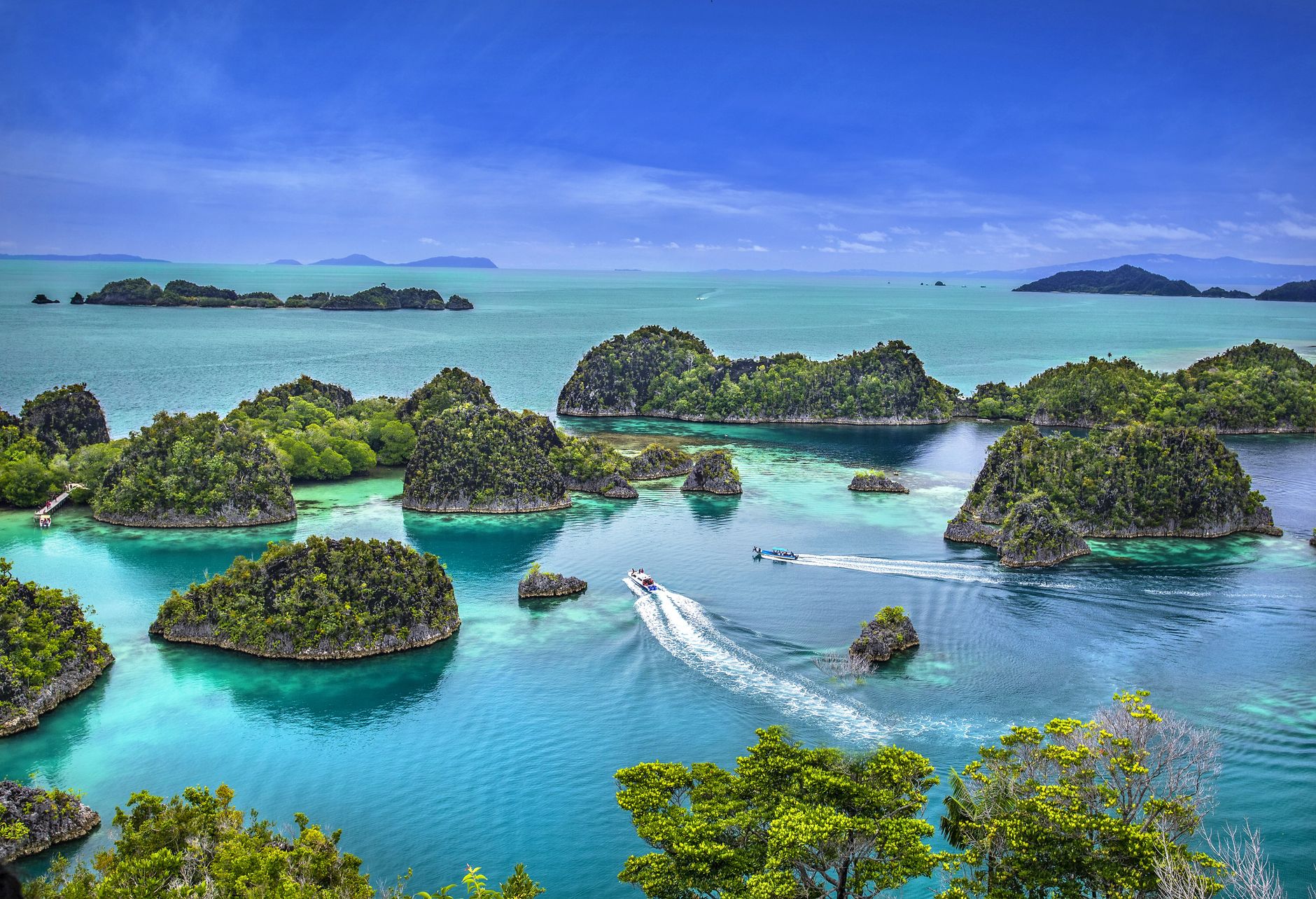
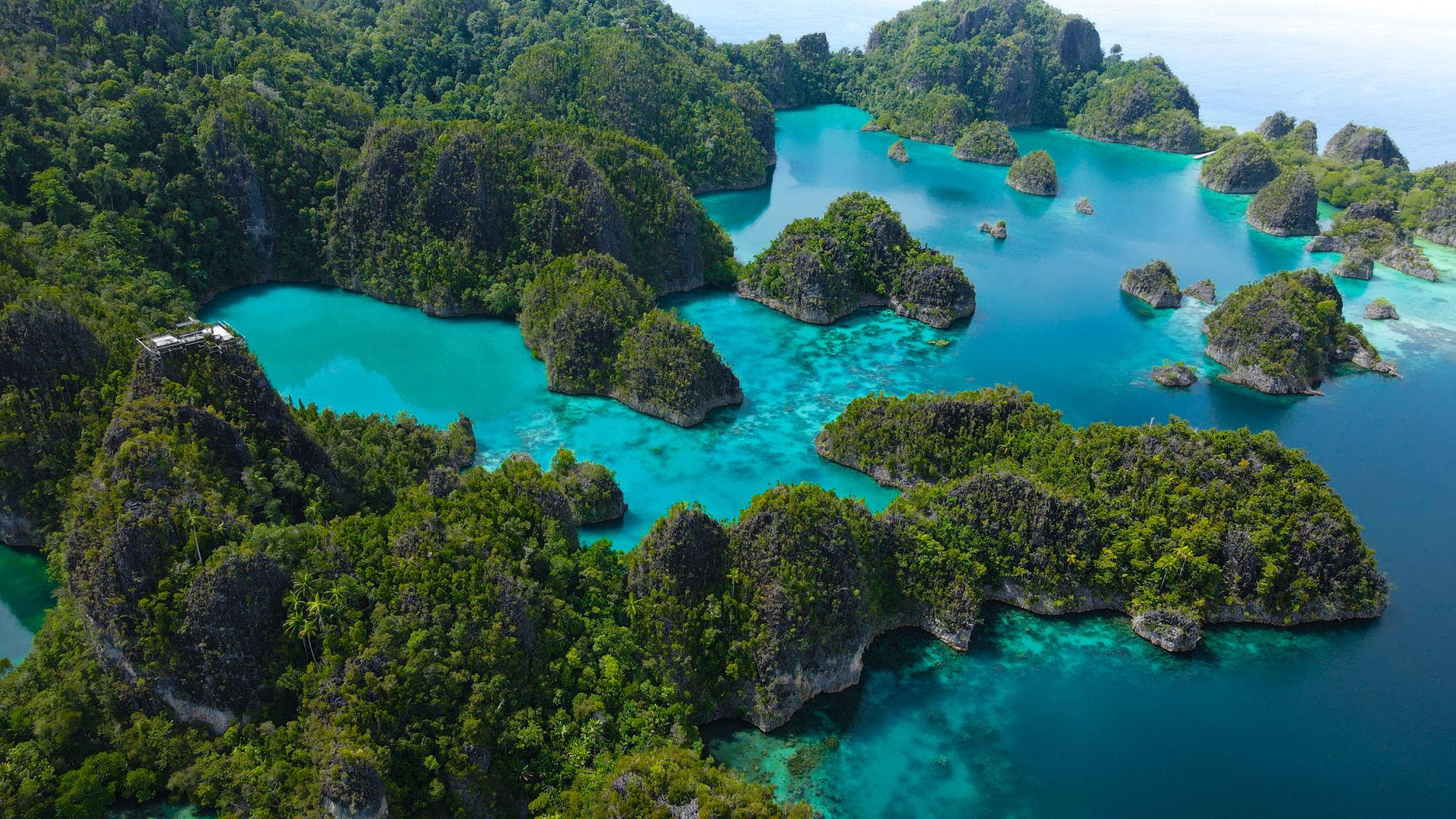
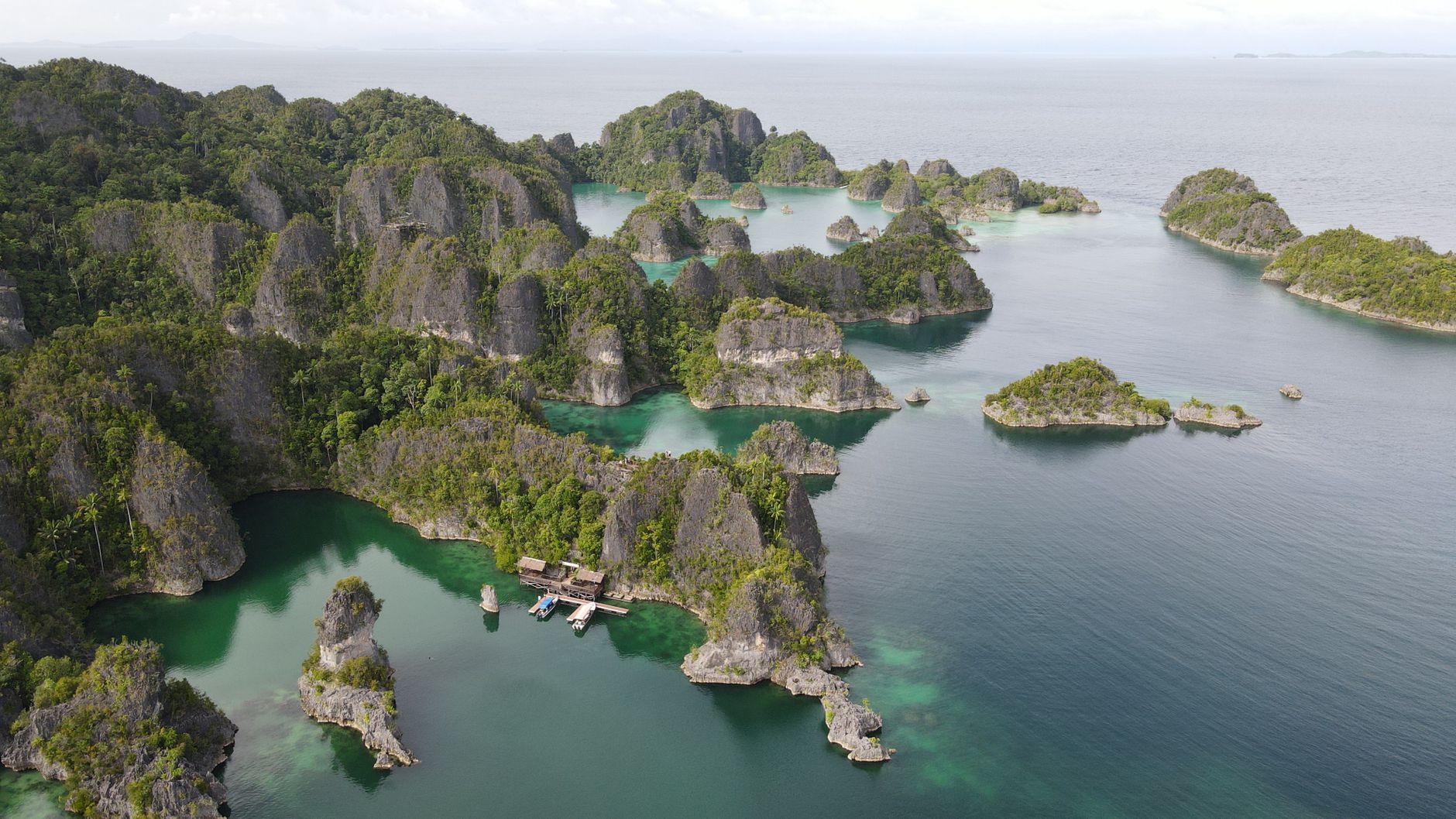
Raja Ampat, translating to 'Four Kings,' is an astonishing archipelago comprising over 1,500 small islands, cays, and shoals surrounding the four main islands of Waigeo, Batanta, Salawati, and Misool. Situated off the northwest tip of Bird's Head Peninsula on the island of New Guinea, this remote oceanic paradise represents the epicenter of marine life on Earth, harboring nearly 75% of all known coral species and over a thousand species of reef fish. Historically home to traditional Papuan communities whose ancestral ties to the land and sea remain profoundly intact, Raja Ampat has operated largely outside the frantic pace of modern mass tourism, preserving its pristine mangrove forests, hidden lagoons, and jagged limestone karst formations.

The atmosphere here is one of absolute disconnection and humbling natural grandeur. Mornings break with the haunting, ethereal calls of birds of paradise echoing through dense, emerald rainforests, while glassy turquoise waters mirror towering mushroom-shaped islets sculpted by millennia of tidal erosion. Local village life revolves around community-based ecotourism, traditional fishing, and a deeply ingrained respect for 'sasi'—an ancient customary moratorium that forbids the harvesting of specific marine resources to allow fish stocks and coral reefs to regenerate. Navigating the labyrinthine waterways demands a sense of adventurous patience, as wooden speedboats and traditional longboats serve as the primary lifelines between remote homestays and world-class dive sites.

Geographically, Raja Ampat sits within the Coral Triangle, a marine area recognized as the global nursery of ocean life. The convergence of powerful Pacific and Indian Ocean currents floods the reefs with nutrient-rich upwellings, creating an explosion of underwater color that stuns even the most seasoned underwater naturalists. From swirling schools of barracuda and majestic oceanic manta rays to the elusive wobbegong shark resting beneath table corals, every submerged pinnacle and drift dive reveals an ecosystem functioning in its purest, most undisturbed state. Ashore, hidden freshwater lakes teeming with non-stinging jellyfish and jagged limestone labyrinths challenge trekkers and kayakers to explore realms untouched by concrete.

Culturally, the indigenous Papuan people welcome visitors with a warmth that matches the tropical climate. Traditional stilt houses perched above crystalline shallows offer a front-row seat to spectacular tropical sunsets and star-filled skies unpolluted by artificial light. While luxury eco-resorts have carved out discreet niches on private islands, the authentic Raja Ampat experience is best found living alongside local families in community-run homestays, sharing meals of freshly caught reef fish, sago, and fried bananas while listening to stories passed down through generations. It is a destination that requires commitment to reach, yet rewards the traveler with memories of a planet as it once was—wild, vibrant, and infinitely breathtaking.

Visual Impressions & Moments
Raja Ampat photo 1
Raja Ampat photo 2
Raja Ampat photo 3
Raja Ampat photo 4
Raja Ampat photo 5
Raja Ampat photo 6
Unmissable Moments

Top Things to Do in Raja Ampat

Adventure

Drift Dive Across Cape Kri's Biodiverse Pinnacle

Immerse yourself in the world-record-breaking marine ecosystem of Cape Kri, where marine biologist Gerald Allen famously recorded 372 fish species in a single dive. Drift effortlessly on powerful currents alongside swirling schools of trevally, bumphead parrotfish, and reef sharks while surrounded by vibrant, untouched hard and soft corals. Aim for an early morning slack tide for optimal visibility and maximum pelagic activity.

Must-Do

Ascend Wayag Viewpoint for Iconic Karst Panorama

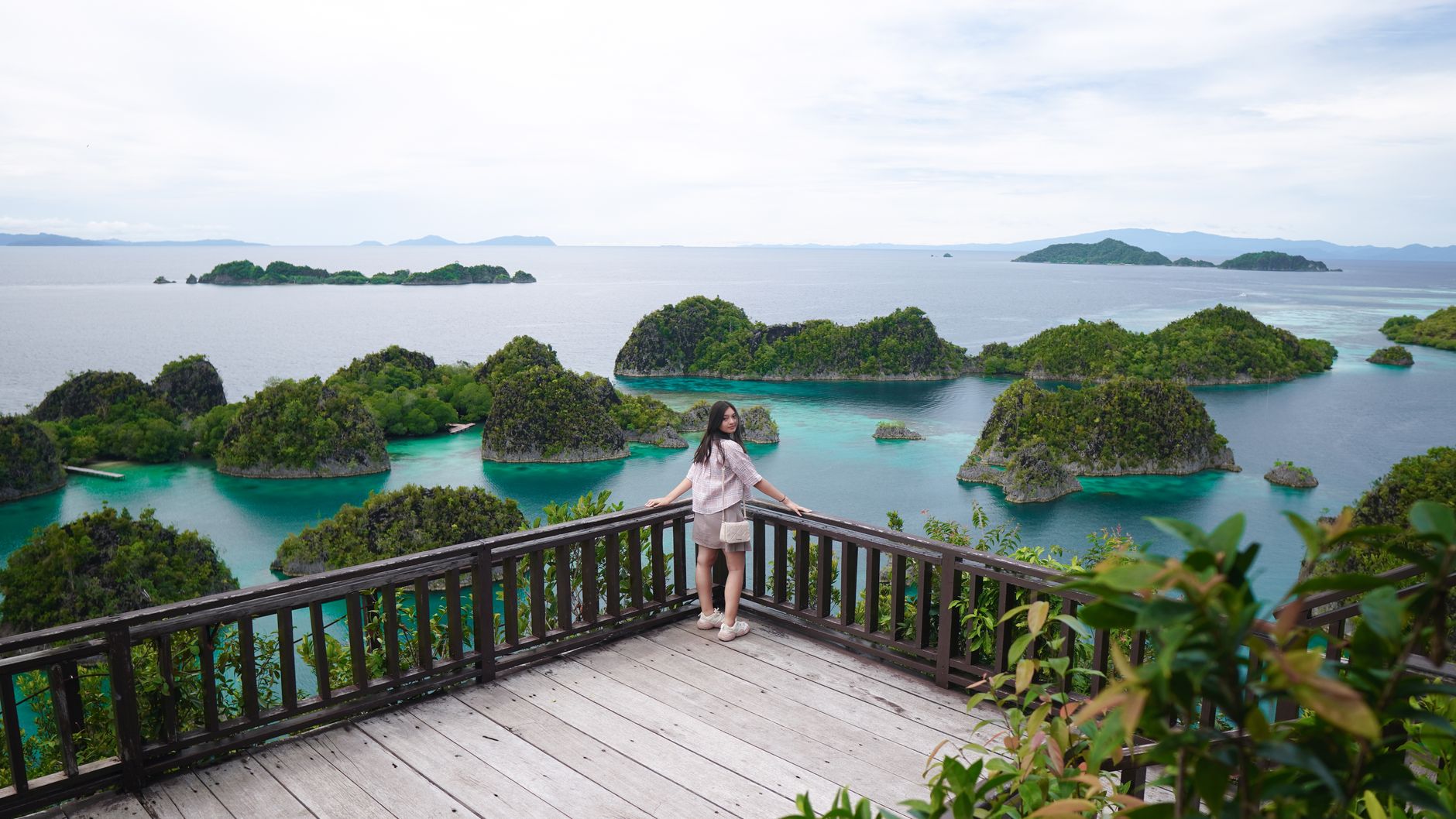
Trek up the steep, jagged limestone cliffs of Wayag Island to witness one of the most famous vistas on the planet: a breathtaking maze of mushroom-shaped green islets rising dramatically from hyper-turquoise lagoons. Wear sturdy footwear with good grip as the limestone is razor-sharp. Visit at sunrise to beat the heat and watch the early morning mist lift off the hidden bays.

Scenic

Swim with Oceanic Manta Rays at Manta Sandy

Float quietly at a designated cleaning station in Manta Sandy, where majestic oceanic manta rays with wingspan widths exceeding four meters glide gracefully overhead to be serviced by cleaner fish. Maintain strict buoyancy control, remain stationary on the sandy bottom, and avoid touching or chasing the rays to ensure these gentle giants remain comfortable.

Culture

Witness the Elusive Red Bird of Paradise at Sawai

Embark on a pre-dawn jungle trek on Gam Island to observe the mesmerizing courtship dance of the endemic Red Bird of Paradise. Guided by local Papuan villagers who know the exact lekking trees, sit quietly in the forest canopy as males display their brilliant crimson plumage and intricate tail feathers against the rising tropical sun.

Area Guide

Where to Stay & Best Neighborhoods

Waigeo Island

Best for: First-time visitors, bird watchers, and budget-to-midrange travelers.

Vibe: The administrative heart, featuring rugged jungles, mangrove channels, and diverse homestays.

Waigeo serves as the primary gateway to Raja Ampat through the bustling port town of Waisai. Beyond the capital, the island boasts sprawling mangrove waterways, inland rivers, and incredible jungle trekking opportunities where birders can spot rare endemic species. It offers the widest range of accommodations, from simple overwater village homestays to comfortable dive resorts.

Misool Island

Best for: Dedicated divers, luxury eco-resorts seekers, and landscape photographers.

Vibe: Remote, mystical, and dominated by labyrinthine limestone labyrinths and pristine lagoons.

Located in the southern extreme of Raja Ampat, Misool is characterized by dramatic karst formations that plunge straight down into crystal-clear waters harboring ancient rock art sites. The area is fiercely protected by private marine reserves, resulting in some of the healthiest soft coral gardens and shark sanctuaries found anywhere on earth.

Batanta & Salawati Islands

Best for: Off-the-beaten-path adventurers and cultural immersion enthusiasts.

Vibe: Wild, untamed, and deeply traditional with cascading jungle waterfalls.

Batanta and Salawati offer a glimpse into traditional Papuan daily life far removed from commercial tourism. Featuring dense equatorial rainforests, hidden waterfalls, and quiet coastal villages, these islands are ideal for travelers seeking authentic cultural exchange, jungle expeditions, and undisturbed muck-diving sites.

Food & Drink Scene

What to Eat in Raja Ampat

Papeda with Kuah Kuning

The quintessential staple dish of Eastern Indonesia, papeda is a sticky, gelatinous porridge made from sago palm starch, served alongside kuah kuning—a fragrant, turmeric-infused yellow fish soup typically made with snapper or mackerel. It is traditionally eaten by rolling the papeda around bamboo sticks and dipping it into the savory, sour broth.

🍴 Top spot: Local village homestays across Waigeo and Gam islands.

Ikan Bakar Manokwari

Freshly caught reef fish—often grouper or snapper—scored, heavily seasoned with a fiery sambal made from raw bird's eye chilies, shallots, and lime juice, then char-grilled over coconut husks. The smoky exterior combined with the tongue-tingling, fresh chili paste creates an unforgettable burst of coastal flavor.

🍴 Top spot: Waisai waterfront night food stalls or local eco-resort dining rooms.

Pisang Goreng with Sambal

Slices of locally grown plantains dipped in a light rice-flour batter and fried until golden and crispy. Unlike the sweet versions found in Westernized restaurants, Papuan fried bananas are frequently served warm alongside a side of spicy tomato sambal, offering a savory-sweet snack beloved by locals.

🍴 Top spot: Village coffee shacks and island rest stops.
Excursions

Best Day Trips from Raja Ampat

Wayag Karst Islands & Shark Nursery

2.5 to 3.5 hours each way by speedboat from Waisai

Take a high-speed boat expedition to the remote Wayag cluster to climb the famous viewpoint, swim through pristine hidden lagoons, and visit a known baby shark nursery in the shallows.

Piaynemo & Star Lagoon Excursion

1.5 to 2 hours each way by speedboat from Waisai

Journey to Fam Islands for a shorter, highly accessible karst viewpoint climb at Piaynemo, followed by a drone-perspective swim through the breathtaking labyrinth of Star Lagoon.

When to Go

Best Time to Visit & Seasonality

Editor’s Pick: October to April is widely considered the prime window to visit Raja Ampat. During these months, the seas are generally calmest, offering exceptional underwater visibility and ideal conditions for diving, snorkeling, and island hopping. While Raja Ampat experiences a tropical climate with rain possible year-round, the southwest monsoon from July to September brings rough seas and high winds, prompting many liveaboards and resorts to temporarily suspend operations.

Spring Overview

(March - May)
Moderate
Average Temperature & Climate27°C - 31°C

Warm and humid with occasional tropical downpours, transitioning into calmer seas.

Crowd & Travel ConditionsModerate Tourist Traffic

Fewer lines and better deals.

✨ Seasonal Highlights:Excellent manta ray activity and calm waters for island exploration.
Travel Smarter

Practical Travel Essentials

CurrencyIDR (Rp)
LanguageIndonesian, local Papuan languages
Time ZoneWIT (UTC+9)

Visa & Entry

Most nationalities can enter Indonesia visa-free for 30 days (tourism) or obtain a 30-day Visa on Arrival (VoA) for USD $35 at major international airports like Jakarta or Bali before catching domestic connections to Sorong.

Getting Around & Transit

Travel within Raja Ampat requires water transport. Visitors fly into Sorong (SOQ), take a ferry or speedboat to Waisai (Waigeo), and then rely on resort speedboats, liveaboards, or chartered wooden longboats to navigate between islands.

Daily Budget Expectation

$150 - $400+ per day depending on travel style. Basic homestays cost $50-$100/day including meals, while luxury dive resorts and liveaboards range from $400 to over $1,000+ per day.

Safety & Health

Very safe regarding violent crime. The primary hazards are natural: strong ocean currents, tropical sun exposure, malaria risks, and sharp coral reef cuts. Comprehensive travel insurance with emergency medical evacuation is mandatory.

Local Etiquette & Customs

Dress modestly when visiting local Papuan villages (cover shoulders and knees). Always request permission before taking photos of individuals, respect local 'sasi' fishing prohibitions, and minimize single-use plastic waste.

Questions & Answers

Frequently Asked Questions about Raja Ampat

Yes, all visitors must purchase a Raja Ampat Environmental Services Fee tag (often called the Marine Park Entry Permit) upon arrival in Waisai or Sorong. The fee is Rp 1,000,000 for international visitors (valid for one calendar year).