🌟 Best in Travel 2026 is here!
Reykjavik
cityEurope
4.88 / 5.0

Reykjavik

Where vibrant Nordic urban culture meets raw, untamed volcanic wilderness.

Editorial Guide

About Reykjavik

Reykjavík, the world's northernmost capital, is a city of striking contrasts where colorful corrugated-iron houses sit shoulder-to-shoulder with cutting-edge modern architecture, all framed by the jagged peaks of Mount Esja and the moody North Atlantic. Founded according to Norse sagas in 874 AD by Ingólfur Arnarson, who cast his high seat pillars into the sea and settled where they drifted ashore, the city has evolved from a humble fishing and farming hamlet into a sophisticated cosmopolitan hub. Yet, despite its worldly galleries, booming culinary scene, and legendary nightlife, Reykjavík maintains an intimate, village-like charm where clean geothermal heat warms the streets and the untamed wilderness is never more than a glance away.

Culturally, Iceland’s capital punches wildly above its weight class. It is a legendary crucible for literature, music, and the arts, boasting one of the highest per-capita book publications in the world and producing boundary-pushing artists like Björk and Sigur Rós. The city's beating heart revolves around Laugavegur and Skólavörðustígur, pedestrian-friendly thoroughfares lined with independent boutiques, cozy cafés roasting artisanal coffee, and vibrant street murals that brighten the long, dark winter days. Locals, known for their fierce independence, warmth, and quirky sense of humor, approach life with the philosophical ease of islanders who have historically thrived against the harsh whims of nature.

Geographically, Reykjavík serves as the ultimate basecamp for planetary exploration while remaining a fascinating destination in its own right. The city's coastline is dotted with striking landmarks, from the soaring, basalt-column-inspired Hallgrímskirkja church to the luminous steel and glass of the Harpa Concert Hall, which reflects the ever-changing subarctic light. Geothermally blessed, Reykjavík is built over natural hot springs, a subterranean wealth that powers its iconic public swimming pools—the true social epicenters of Icelandic life where locals gather year-round regardless of wind, rain, or snow.

Life here is deeply intertwined with the rhythms of the natural world. In the depths of winter, the city plunges into extended twilight, creating a magical backdrop for hunting the elusive Northern Lights, while summer brings the surreal, unending glow of the Midnight Sun, transforming the capital into a 24-hour playground of festivals, outdoor dining, and coastal walks. Whether you are seeking the stark poetry of black sand beaches and glacial lagoons just hours away, or simply looking to slow down over a bowl of hearty lamb soup and a craft beer in a bohemian pub, Reykjavík offers an unforgettable encounter with the elemental forces of the earth.

Visual Impressions & Moments
Reykjavik photo 1
Reykjavik photo 2
Reykjavik photo 3
Reykjavik photo 4
Reykjavik photo 5
Reykjavik photo 6
Unmissable Moments

Top Things to Do in Reykjavik

Must-Do

Soak in the Geothermal Waters of Sky Lagoon

Perched dramatically on the edge of the Atlantic Ocean just minutes from downtown, this oceanside geothermal lagoon features a stunning 70-meter infinity edge blending seamlessly with the sea. Follow the signature 7-step ritual—including a cold plunge, a sauna with panoramic ocean views, and a marine scrub—to achieve total Nordic rejuvenation. Insider tip: Book the twilight slot to watch the sunset paint the horizon in pastel shades of pink and gold.

Adventure

Hunt for the Aurora Borealis in Capital-Edge Wilderness

When solar activity peaks during the dark winter months, escape the city lights to nearby dark-sky locations like Grótta Lighthouse or Mount Esja foothills. Watching curtains of emerald green and violet dance across the Arctic sky is a transcendent, life-changing spectacle. Insider tip: Check the official Icelandic Met Office aurora forecast alongside cloud cover maps before heading out.

Culture

Embark on a Historic Walking Tour of Old Reykjavík

Stray off the main drag to wander the narrow lanes of Þingholt and the Old Harbor district, where colorful timber homes whisper stories of early settlers and maritime heritage. Discover hidden courtyards, historic statues, and local folklore with an expert guide. Insider tip: Stop by Brauð & Co for a piping-hot, cinnamon-drenched roll straight from the oven.

Scenic

Sail into Faxaflói Bay for Whale and Puffin Watching

Departing directly from the Old Harbor, venture into the nutrient-rich waters of Faxaflói Bay to spot majestic minke whales, playful white-beaked dolphins, and lumbering humpbacks. During the summer months, neighboring islands teem with nesting Atlantic puffins. Insider tip: Dress in the complimentary thermal overalls provided by tour operators, as the ocean breeze is biting even in July.

Must-See Highlights

Top Places & Things to Do in Reykjavik

Curated attractions and cultural landmarks with local insider advice.

Grótta Lighthouse and Geothermal Footbath
nature
4.6

Grótta Lighthouse and Geothermal Footbath

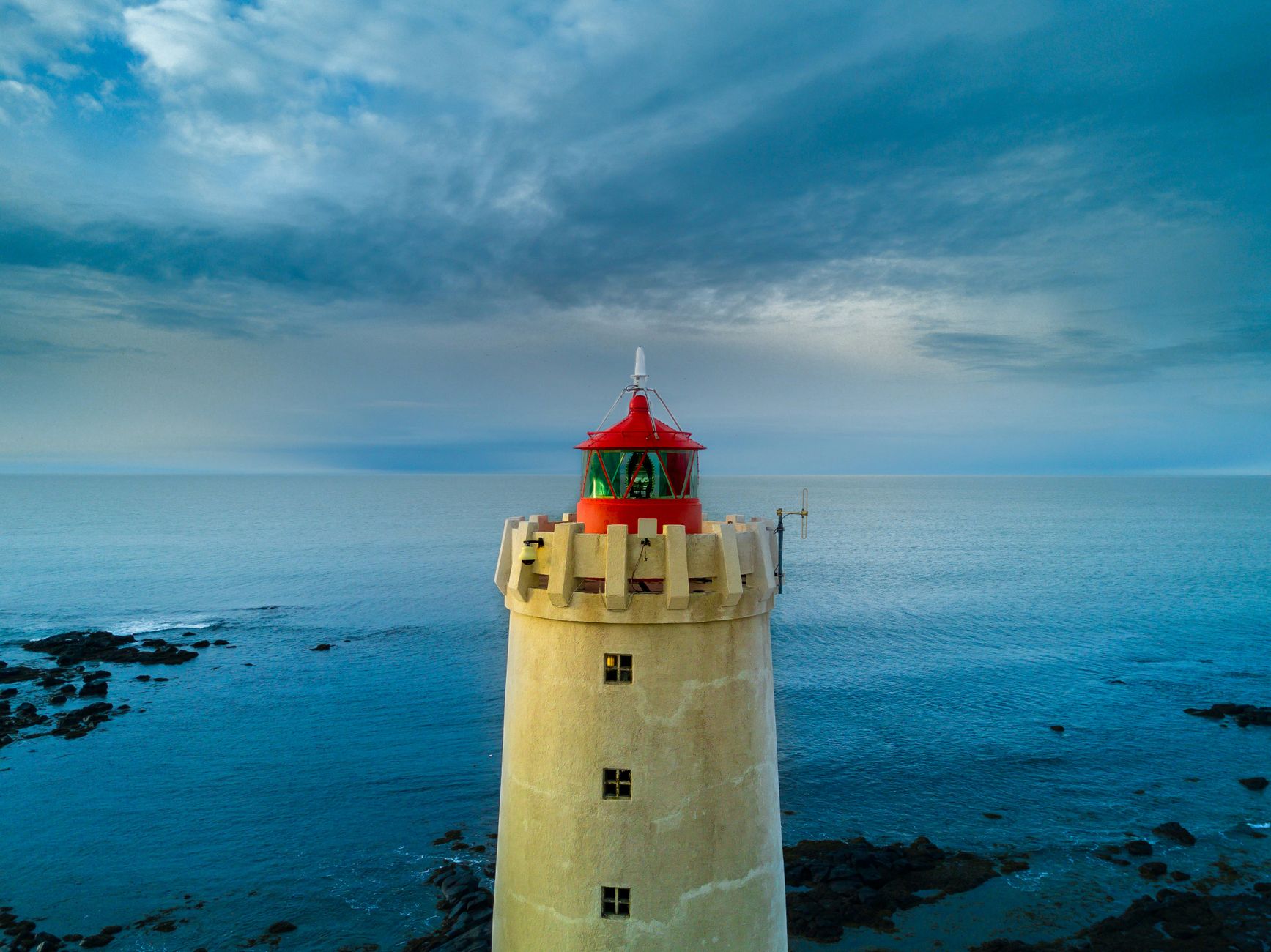
Located at the dramatic northwestern tip of the Seltjarnarnes peninsula, Grótta Lighthouse offers a windswept sanctuary of crashing waves, rich birdlife, and wide-open oceanic skies just minutes from downtown. Built in 1897, the picturesque lighthouse stands sentinel over a tidal island that is accessible on foot only during low tide. At the edge of the parking area lies Kvika, a small art installation featuring a soothing geothermal footbath designed by artist Ólöf Nordal. Soaking your feet here while watching the sunset or hunting for the Northern Lights with the ocean spray in the air is an unforgettable quintessential Reykjavík experience.

Open 24/7 (Check tide tables before walking to the island)
Admission: Free
Insider Tip: Always check local tide tables before attempting to walk across the sandbar to the lighthouse to avoid getting stranded by the incoming tide.
Harpa Concert Hall and Conference Centre
culture
4.8

Harpa Concert Hall and Conference Centre

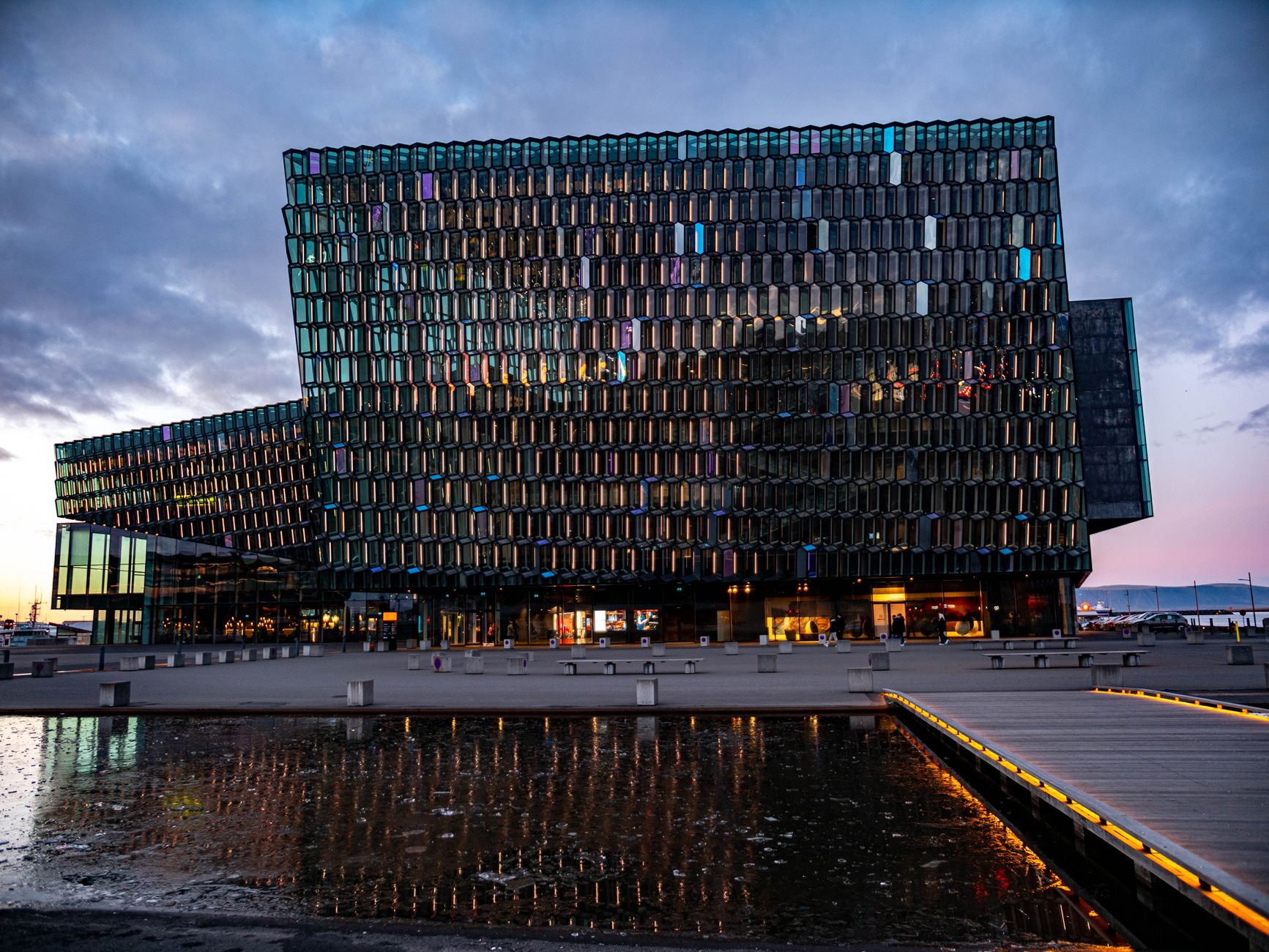
Nestled on the glistening harbor front, Harpa is a dazzling architectural triumph that mirrors the natural beauty and light of Iceland. Conceived in collaboration with world-renowned artist Olafur Eliasson and Henning Larsen Architects, the building is encased in a mesmerizing honeycomb glass facade that shimmers in shades of green, blue, and amber, reflecting the sky, ocean, and bustling city life. Beyond its striking exterior, Harpa is the cultural beating heart of Reykjavík, hosting the Iceland Symphony Orchestra, operas, jazz concerts, and major international festivals. Wander freely through its cavernous public foyers, admire the innovative structural engineering from the inside, or enjoy gourmet dining with panoramic harbor views.

Daily 10:00 AM - 6:00 PM (Extended for evening events)
Admission: Free to enter (Event tickets vary)
Insider Tip: Walk up to the upper balconies on the harbor side for phenomenal, unobstructed views of fishing boats and Mount Esja framed through the geometric glass panels.
Hallgrímskirkja
architecture
4.7

Hallgrímskirkja

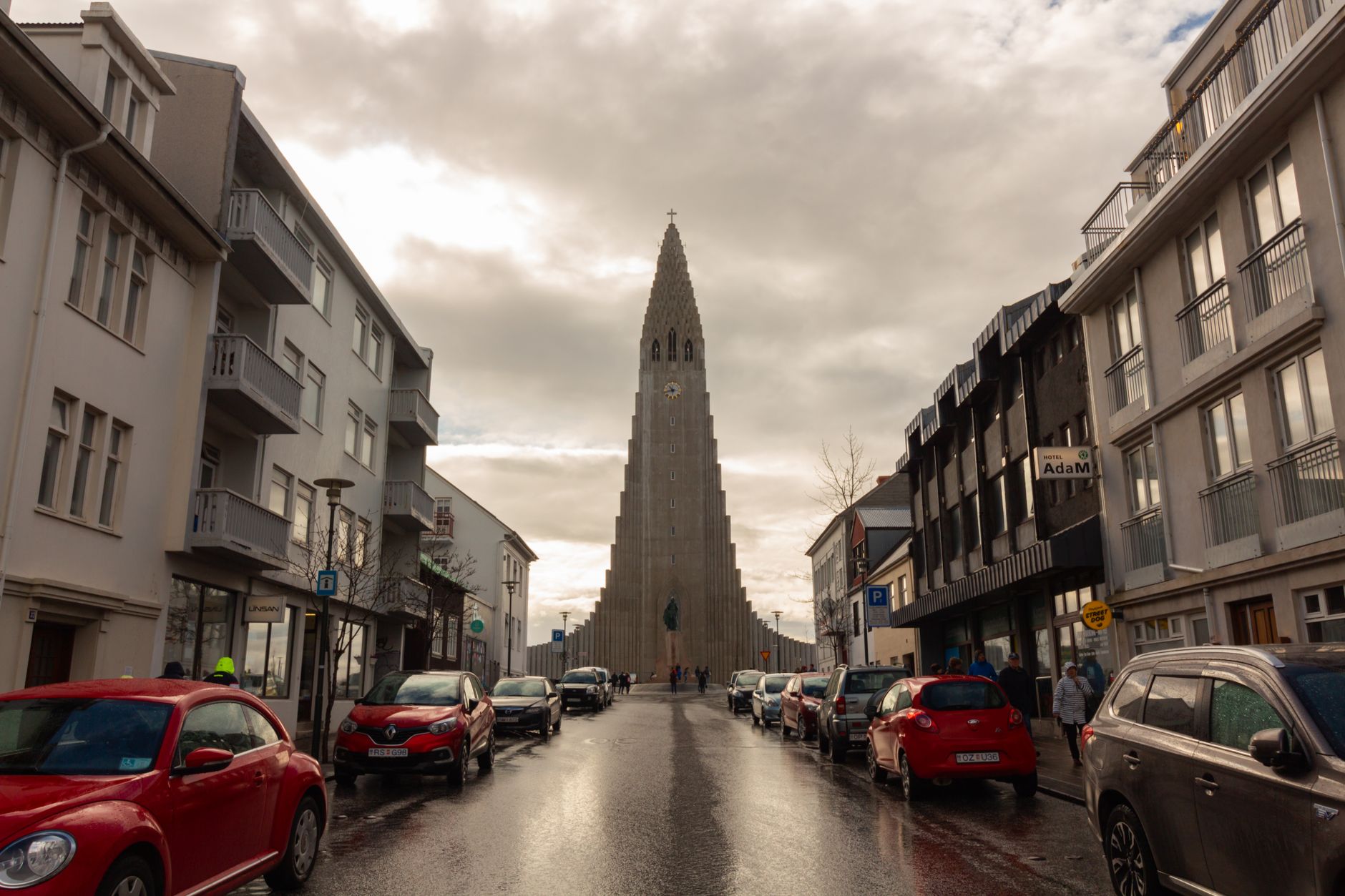
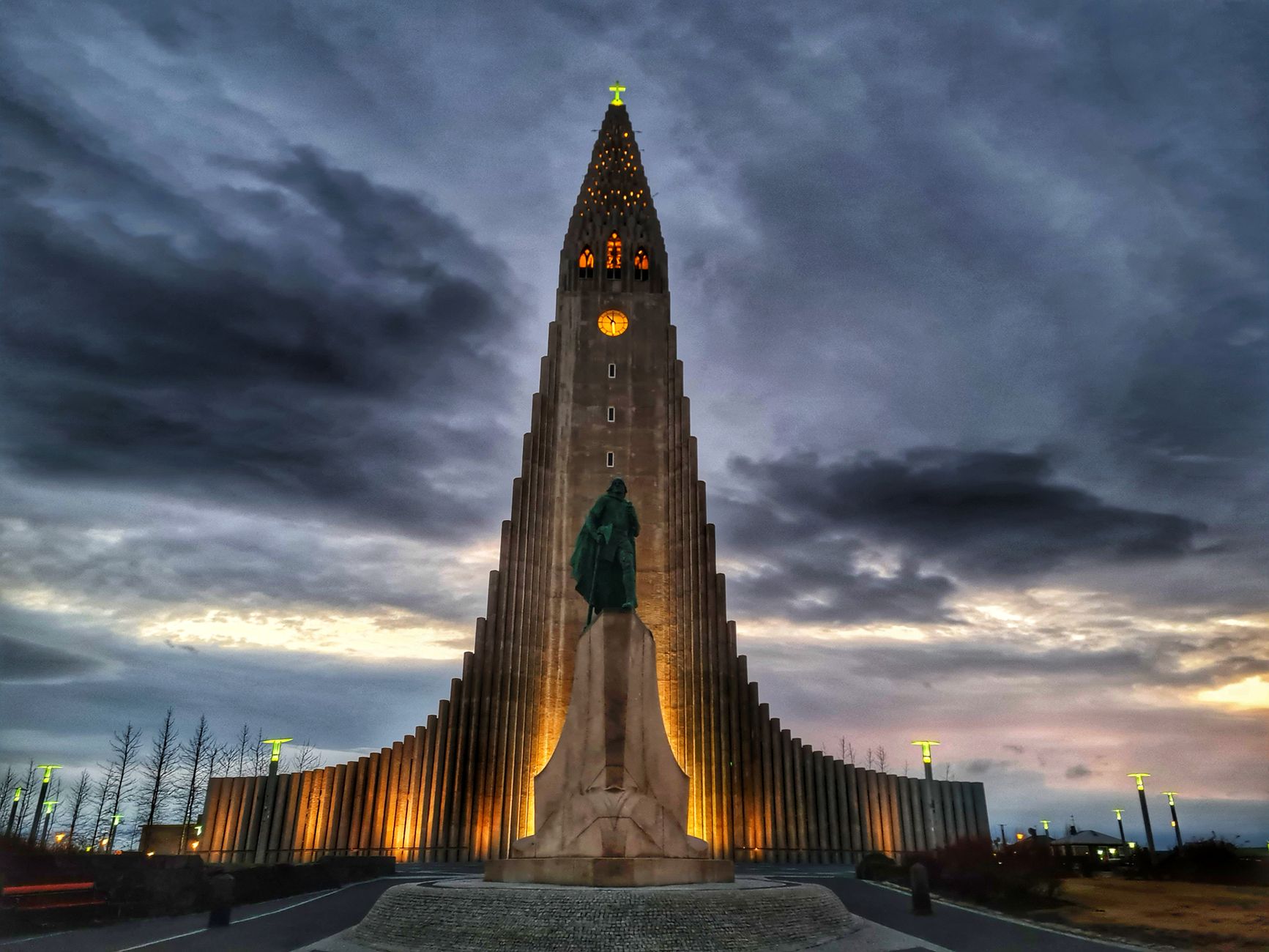
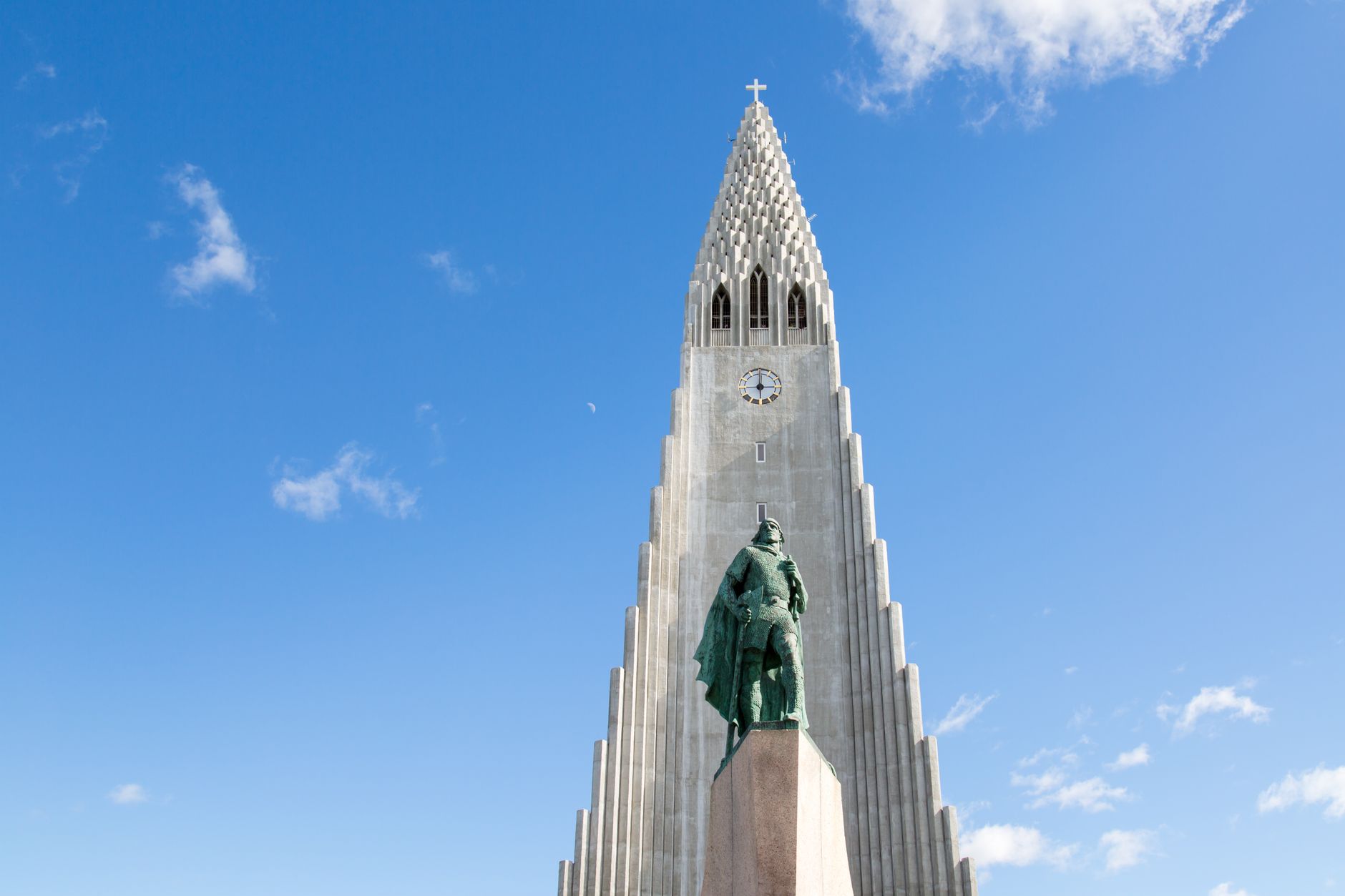
Towering over the city skyline at 74.5 meters, Hallgrímskirkja is Reykjavík’s most famous landmark and an undisputed masterpiece of expressionist architecture. Designed by state architect Guðjón Samúelsson in 1937, its dramatic stepped concrete facade and soaring spire were inspired by the basalt lava columns formed when cooling volcanic magma contracts. Inside, the cavernous sanctuary echoes with the majestic roar of a massive 5,275-pipe organ. Take the elevator to the top of the observation tower for a breathtaking, 360-degree panoramic view of Reykjavík’s colorful tin-roofed houses, the blue sweep of Faxaflói Bay, and the surrounding mountain ranges. In front of the church stands a proud statue of Leif Erikson, gifted by the United States in 1930 to commemorate the millennium of Iceland's parliament.

Daily 9:00 AM - 5:00 PM (Tower closes earlier)
Admission: Free (Tower admission: 1,300 ISK)
Insider Tip: Visit early in the morning right when it opens to enjoy the soaring interior architecture in quiet tranquility before tour buses arrive.
National Museum of Iceland
culture
4.6

National Museum of Iceland

The National Museum of Iceland offers an immersive, beautifully curated journey through over a millennium of Icelandic history, beginning with the Age of Settlement in the 9th century and tracing the nation's evolution through medieval sagas, foreign rule, and modern independence. The museum's permanent exhibition, 'Making of a Nation,' houses priceless archaeological treasures, including the famous Valþjófsstaður church door adorned with medieval knight carvings, exquisite Viking swords, and intricate silver jewelry. It provides crucial historical context for understanding the resilient spirit of the Icelandic people.

Tuesday - Sunday 10:00 AM - 5:00 PM (Closed Mondays in winter)
Admission: 2,500 ISK
Insider Tip: Pick up the audio guide for deep, engaging storytelling that brings the ancient artifacts and historical periods vividly to life.
Area Guide

Where to Stay & Best Neighborhoods

Miðbær (Downtown & Old Harbor)

Best for: First-time visitors, dining out, museum lovers, and nightlife

Vibe: Eclectic, bustling, colorful, and historic

Spanning the pedestrianized commercial spines of Laugavegur and Bankastræti down to the bustling Old Harbor, this is the energetic heartbeat of Reykjavík. Lined with independent fashion boutiques, vinyl record stores, cozy cafes, and world-class seafood restaurants, it is best explored entirely on foot. Here, historic wooden houses from the 19th century sit side-by-side with daring contemporary structures like the Harpa Concert Hall, creating a visually rich urban tapestry.

Vesturbær (The West District)

Best for: Quiet neighborhood walks, local cafe culture, and swimming pool immersion

Vibe: Residential, bohemian, artistic, and peaceful

A favorite among local artists, academics, and families, Vesturbær offers a serene glimpse into authentic neighborhood life in Reykjavík. Tree-lined streets feature charming mid-century homes and quiet residential squares. The district is anchored by the beloved Vesturbæjarlaug swimming pool—a legendary local gathering spot—and hip neighborhood hangouts serving world-class sourdough and pour-over coffee.

Hlíðar & Laugardalur

Best for: Families, outdoor enthusiasts, botanic gardens, and sports fans

Vibe: Green, family-friendly, recreational, and expansive

Stretching eastward from downtown, Hlíðar and Laugardalur offer a greener, more spacious facet of the capital. Laugardalur, in particular, functions as Reykjavík's ultimate recreational playground, housing the sprawling Laugardalslaug thermal pool complex, the Reykjavík Botanic Garden, a family zoo, and extensive walking trails through pine-forested parklands.

Food & Drink Scene

What to Eat in Reykjavik

Icelandic Lamb & Seafood Soup (Kjötsúpa / Sjávarréttarsúpa)

A deeply comforting staple of Icelandic cuisine, featuring free-roaming mountain lamb simmered with root vegetables and wild herbs, or freshly caught arctic char, cod, and langoustine in a rich, creamy broth. It is the ultimate antidote to chilly Nordic weather.

🍴 Top spot: Café Loki

Fermented Shark (Hákarl) & Brennivín

A legendary Viking delicacy made from Greenlandic shark that has been fermented and cured for months. It boasts an intensely pungent aroma and flavor, traditionally chased down with a shot of 'Black Death' (Brennivín), a caraway-infused unsweetened schnapps.

🍴 Top spot: Íslenski Barinn

Artisanal Skyr & Icelandic Fish of the Day

Skyr is a thick, protein-rich cultured dairy product somewhere between yogurt and cheese, enjoyed for over a thousand years. Paired with modern Icelandic seafood creations featuring pan-seared cod or ling with browned butter and local sea salt, it showcases the purity of local ingredients.

🍴 Top spot: Grillmarkaðurinn
Excursions

Best Day Trips from Reykjavik

The Golden Circle: Geysir, Gullfoss, and Þingvellir

45 minutes to 1.5 hours by car

Explore Iceland's most iconic scenic route. Walk through the dramatic tectonic rift valley at Þingvellir National Park where two continents meet, witness the explosive power of the Strokkur geysir erupting every few minutes, and stand in awe before the thundering double cascades of Gullfoss waterfall.

The South Coast: Black Sand Beaches & Glaciers

1.5 to 2.5 hours by car

Drive down the dramatic southern coastline to marvel at the haunting black basalt sands of Reynisfjara, framed by towering columnar jointing and the roaring waves of the Atlantic. Catch glimpses of majestic glaciers like Eyjafjallajökull and walk behind the roaring curtain of water at Seljalandsfoss waterfall.

When to Go

Best Time to Visit & Seasonality

Editor’s Pick: June through August offers the best weather, endless daylight (Midnight Sun), and full access to the interior highlands, while September to March is ideal for chasing the Northern Lights and experiencing the magical winter snowscape.

Spring Overview

(April - May)
Quiet / Low Season
Average Temperature & Climate0°C to 10°C (32°F to 50°F)

Crisp and rapidly changing, with melting snow and blooming lupine shoots starting late.

Crowd & Travel ConditionsLow Tourist Traffic

Fewer lines and better deals.

✨ Seasonal Highlights:Puffin arrivals along the coast, longer daylight hours, and far fewer crowds than summer.
Travel Smarter

Practical Travel Essentials

CurrencyISK (kr)
LanguageIcelandic
Time ZoneGMT (UTC+0)

Visa & Entry

Iceland is part of the Schengen Area. Citizens from the EU, US, Canada, UK, and Australia do not require a visa for tourist stays under 90 days.

Getting Around & Transit

Reykjavík is exceptionally walkable downtown. For longer distances or heading out into the capital region, the Strætó public bus network is reliable, though renting a car is strongly recommended for day trips.

Daily Budget Expectation

Expect to spend between $150–$350 USD per day depending on dining choices, accommodation, and guided excursion bookings.

Safety & Health

Extremely high. Iceland consistently ranks as one of the safest countries in the world with very low crime rates.

Local Etiquette & Customs

Always shower thoroughly without a swimsuit before entering public swimming pools (attendants take this rule very seriously). Tipping is not expected or required in restaurants.

Questions & Answers

Frequently Asked Questions about Reykjavik

If you only plan to explore downtown Reykjavík, you can easily get around on foot. However, to visit waterfalls, geysers, and glaciers on day trips, renting a car or booking guided tours is essential.