🌟 Best in Travel 2026 is here!
Sapa
regionAsia
4.88 / 5.0

Sapa

Misty mountain peaks, cascading emerald rice terraces, and vibrant ethnic minority cultures.

Advertisement
Editorial Guide

About Sapa

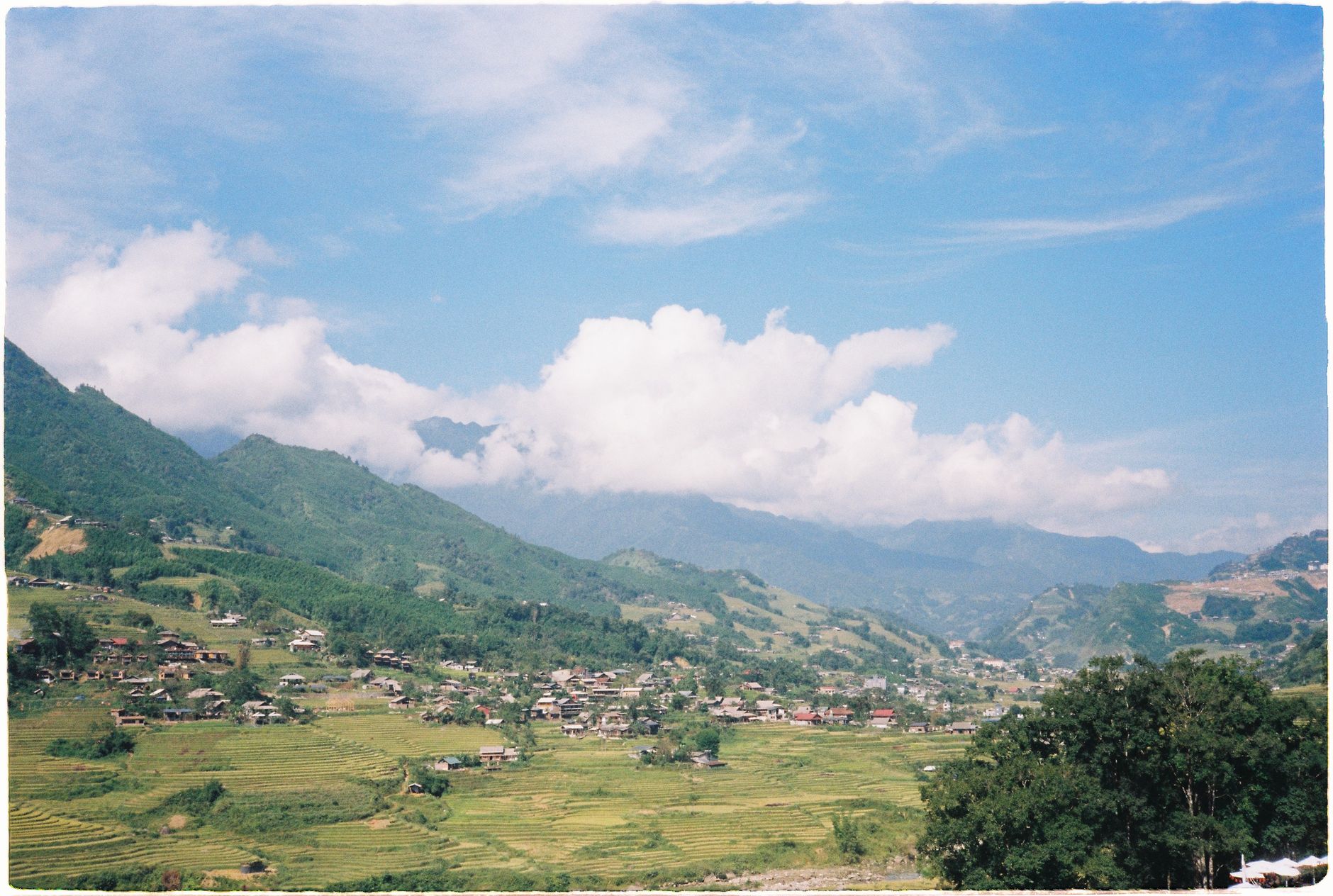
Perched high in the Hoang Lien Son mountain range of northwestern Vietnam, Sapa is a landscape of profound vertical drama. Deep plunging valleys carved by ancient rivers meet soaring mist-shrouded summits, anchored by Fansipan, the highest peak in Indochina. For generations, this rugged frontier has been home to diverse ethnic minority groups—predominantly the Black H'mong and Red Dzao—who have sculpted the steep mountain slopes into breathtaking amphitheaters of tiered rice paddies. Their rich cultural heritage, expressed through intricate traditional textiles and time-honored agrarian lifestyles, infuses the mountain air with a distinct, timeless authenticity.

Historically established as a remote French hill station in the early 20th century, Sapa was designed as a cool-climate sanctuary from the oppressive summer heat of the Red River Delta. Remnants of this colonial era still linger in the fading architecture of the town center, though Sapa has since evolved into Vietnam's premier trekking capital. The atmosphere shifts dramatically depending on the weather and season; on most mornings, thick fog rolls through the valleys, shrouding the pine forests and wooden stilt houses in ethereal mystery before midday sun burns through to reveal jaw-dropping panoramas.

Life here moves to the rhythm of the monsoons and agricultural cycles. Water buffalo graze lazily along narrow earthen paths, while local women in vibrant indigo and crimson garments navigate precipitous mountain trails with effortless grace. The local markets serve as bustling social hubs where highland communities converge to trade goods, socialize, and preserve ancestral traditions that have largely vanished elsewhere in rapidly modernizing Southeast Asia.

Exploring Sapa requires a willingness to venture beyond the bustling tourist core of Sapa Town. Descending into the Muong Hoa Valley or trekking toward remote villages like Ta Van and Ban Ho reveals a pastoral world of rushing waterfalls, suspension bridges, and warm homestay hospitality. It is a destination that rewards slow travel, demanding that visitors immerse themselves fully in the physical exertion of mountain trekking and the quiet contemplation of nature's raw majesty.

Visual Impressions & Moments
Sapa photo 1
Sapa photo 2
Sapa photo 3
Sapa photo 4
Sapa photo 5
Sapa photo 6
Unmissable Moments

Top Things to Do in Sapa

Adventure

Trek Through the Muong Hoa Valley

Embark on a multi-day or day-long trekking expedition descending from Sapa Town down into the breathtaking Muong Hoa Valley. Walk along narrow irrigation ridges separating towering tiers of emerald or golden rice paddies, cross rushing streams via swinging bamboo bridges, and pass through traditional Black H'mong and Giay settlements. Insider tip: Hire a local H'mong woman as your private guide rather than booking through a large agency; you will gain intimate cultural insights and directly support the local community.

Must-Do

Conquer Fansipan Peak via Cable Car or Summit Trek

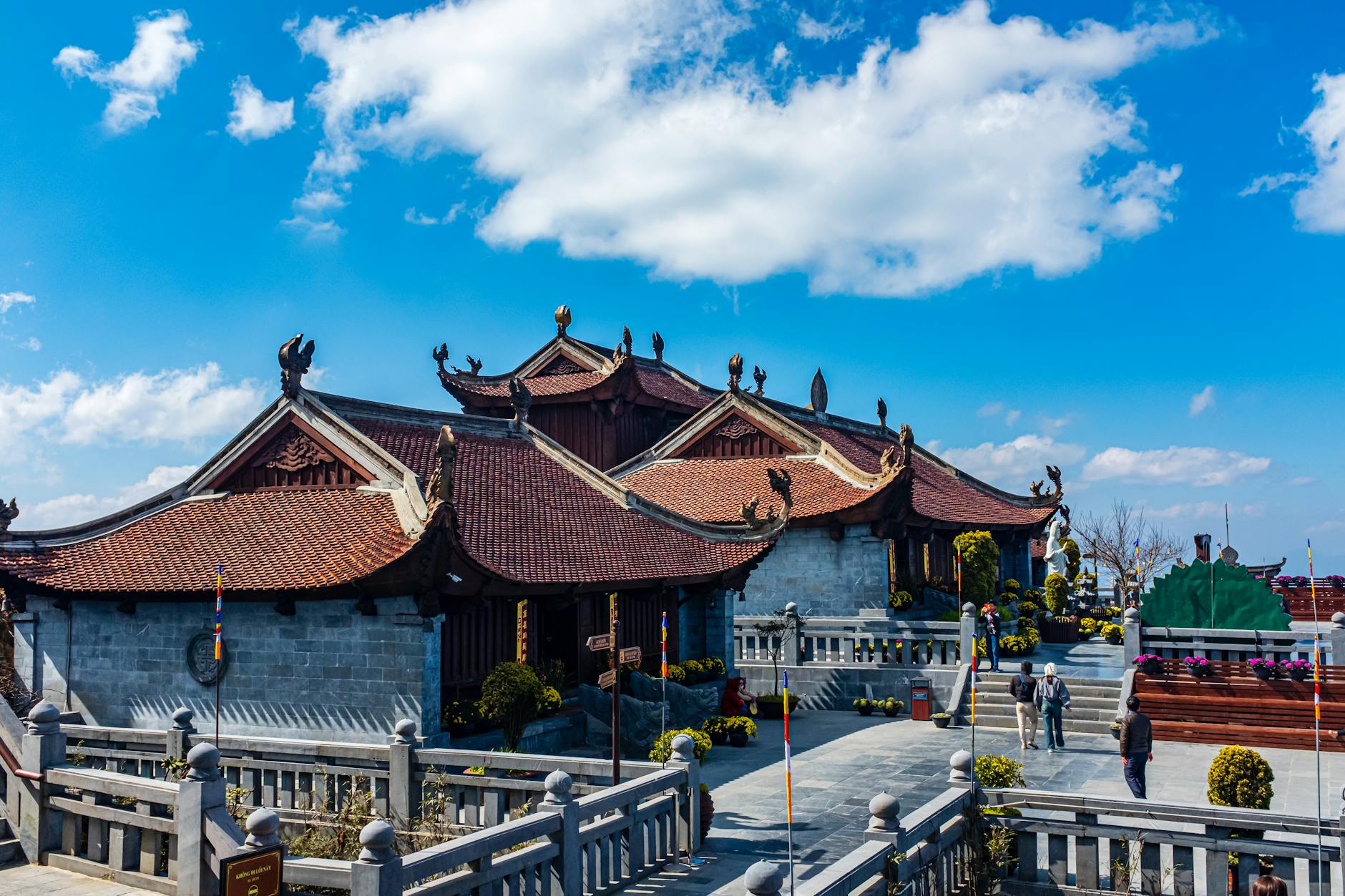
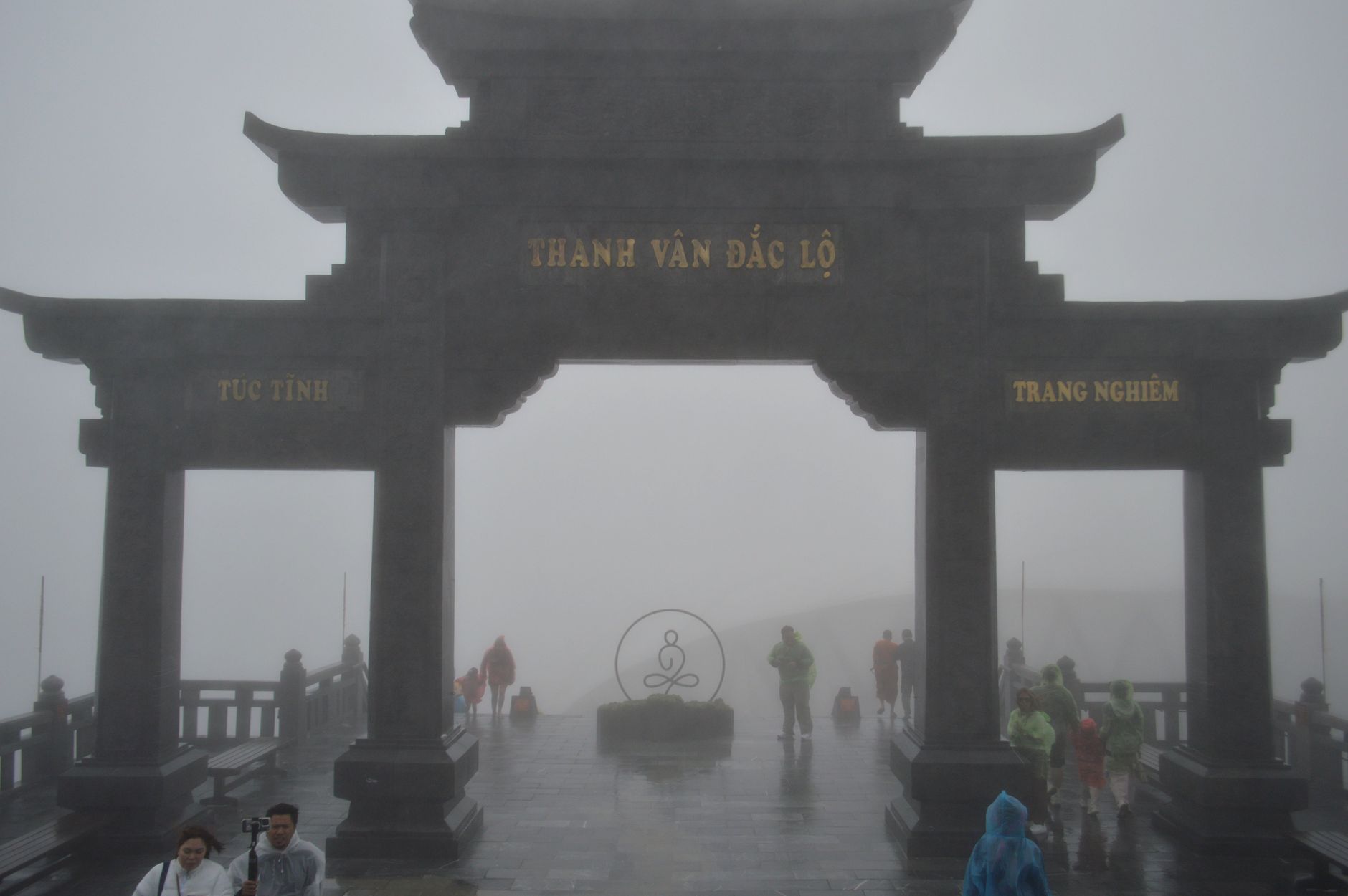
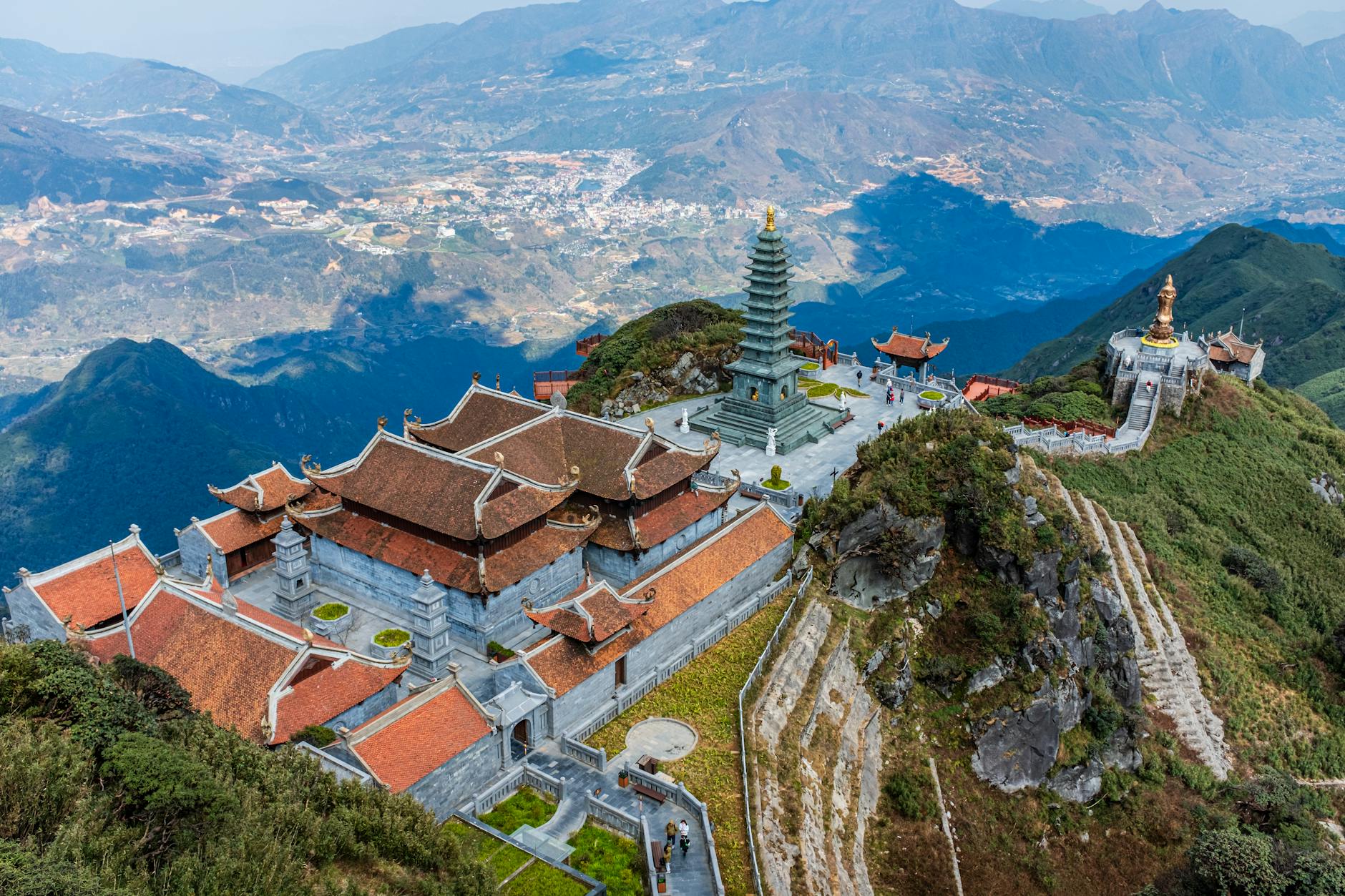
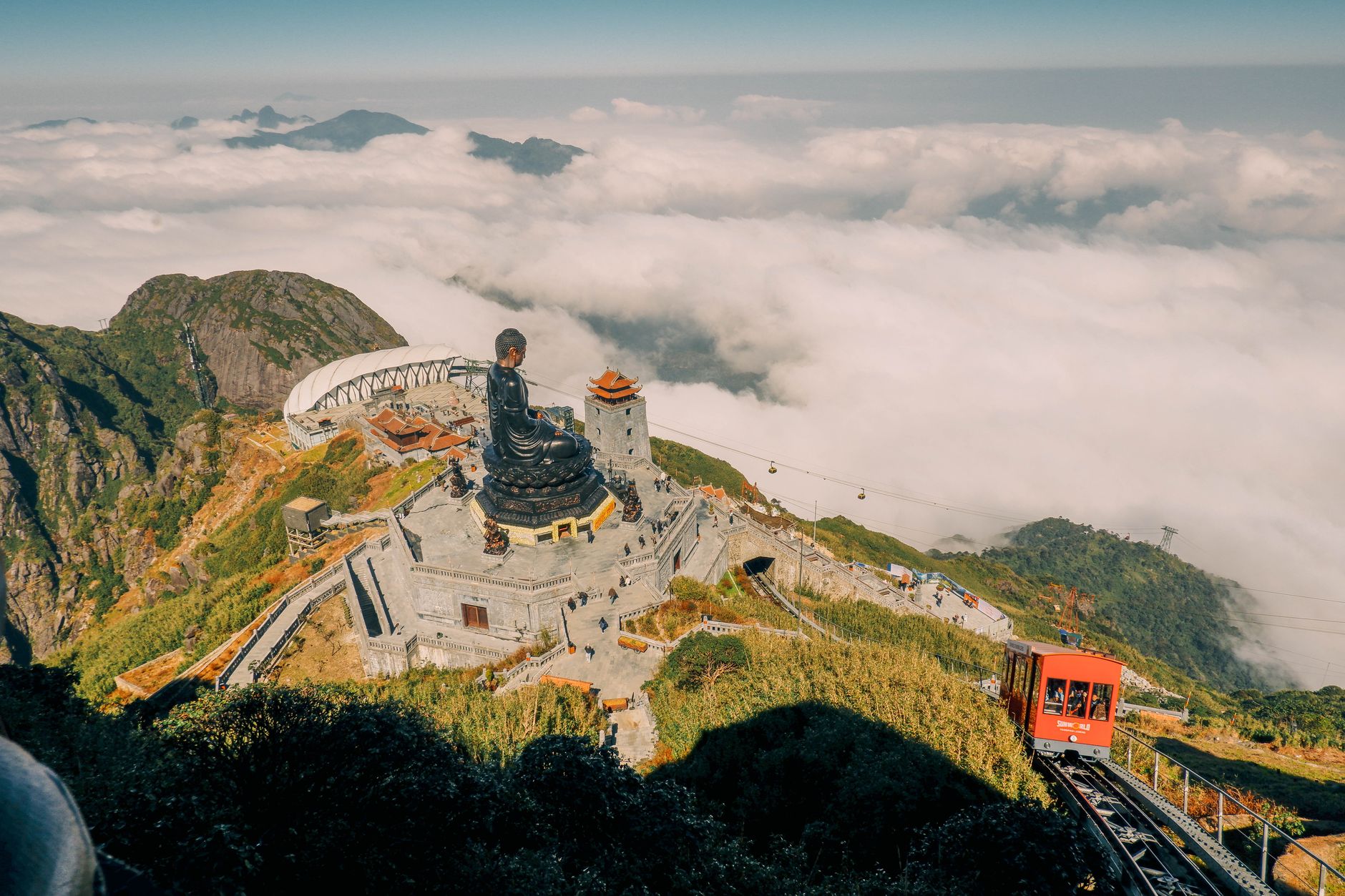
Stand on the 'Roof of Indochina' at 3,143 meters above sea level. While the modern three-rope cable car whisks travelers to the summit complex in a dizzying 15 minutes, adventurous purists can book a multi-day mountaineering trek through the Hoàng Liên National Park. The summit features stunning Buddhist shrines, dramatic staircases carved into stone, and—on clear days—oceanic views of infinite mountain ridges stretching into China. Tip: Check the weather forecast meticulously before going; summit visibility can vanish into thick fog in minutes.

Culture

Experience an Authentic Village Homestay

Leave the concrete hotels of Sapa Town behind and spend a night in a traditional wooden stilt house in villages like Ta Van or Lao Chai. Share a family-style dinner cooked over an open hearth, sip homemade corn wine (ruou ngo) with your hosts, and fall asleep to the symphony of crickets and mountain streams. Insider tip: Bring earplugs as village roosters tend to start crowing well before dawn.

Scenic

Wander the Bac Ha Sunday Market

Venture two hours outside Sapa to attend the vibrant Sunday market in Bac Ha, where diverse ethnic groups—including the Flower H'mong, Phu La, and Black Dzao—gather in a riot of colorful traditional garments. It's a sensory overload of hand-woven textiles, silver jewelry, agricultural tools, and local livestock trading. Tip: Arrive early in the morning before tourist tour buses arrive from Lao Cai to witness the authentic morning trading atmosphere.

Area Guide

Where to Stay & Best Neighborhoods

Sapa Town Center

Best for: First-time visitors, dining out, booking tours, and convenient hotel access.

Vibe: Bustling, commercial, colonial-inflected mountain hub filled with cafes, hotels, and restaurants.

Anchored by the stone Sapa Church and a central lake, the town center is the undisputed logistical heart of the region. While it has experienced rapid development with high-rise hotels and bustling streets, it remains a lively basecamp where mountain trekkers refuel with artisanal coffee, hot pot, and French-Vietnamese pastries before heading out to the trails.

Ta Van Village

Best for: Travelers seeking tranquil homestays, slow living, and deep cultural immersion.

Vibe: Serene, pastoral, rustic valley floor dotted with wooden stilt houses and terraced fields.

Located about 8 kilometers from Sapa Town in the heart of the Muong Hoa Valley, Ta Van is primarily inhabited by the Dzay and H'mong ethnic minorities. Life here is dictated by the seasons and agriculture. The village offers an idyllic rural sanctuary away from the town's noise, featuring bohemian cafes, cozy riverside lodges, and immediate access to scenic hiking trails.

Cat Cat Village

Best for: Quick cultural snapshots, waterfall photography, and easy afternoon strolls.

Vibe: Scenic, heavily touristed cultural village nestled in a lush valley close to town.

Positioned in a deep valley right near Sapa Town, Cat Cat is the most accessible traditional Black H'mong village. Stepped stone pathways wind down past rushing mountain streams, traditional wooden waterwheels, and handicraft stalls selling woven indigo clothing. While commercialized, its dramatic gorge setting and tumbling waterfalls make it visually captivating.

Food & Drink Scene

What to Eat in Sapa

Salmon Hot Pot (Lẩu Cá Hồi)

Surprising to many, Sapa's cool mountain climate and glacial spring water provide ideal conditions for aquaculture, making it a major hub for fresh cold-water salmon and sturgeon. The salmon is typically served in a steaming, aromatic hot pot brimming with mountain herbs, wild mushrooms, bamboo shoots, and tart local greens, perfect for chilly highland evenings.

🍴 Top spot: A Chu Salmon Restaurant, Sapa Town

Thắng Cố (Ethnic Horse Meat Stew)

A traditional, legendary delicacy of the H'mong people, Thắng Cố is a rich and intensely aromatic stew made from horse meat, offal, and bones, simmered slowly for hours with up to twelve secret highland spices including cardamom, cinnamon, and lemongrass. It possesses a deeply earthy, robust flavor profile traditionally enjoyed with a warm cup of corn wine.

🍴 Top spot: Sapa Central Market Food Stalls

Grilled Skewers (Đồ Nướng Sapa)

When evening temperatures plunge in Sapa Town, the streets come alive with open-air charcoal grills. Vendors skewer everything from marinated pork belly and beef wrapped in lolot leaves to mushrooms, sweet potatoes, and quail eggs. Diners sit on low plastic stools wrapped in wool blankets, dipping smoky skewers into spicy chili salt.

🍴 Top spot: Sapa Night Market / Cau May Street
Excursions

Best Day Trips from Sapa

Bac Ha Sunday Market & Hill Tribe Villages

2 to 2.5 hours each way by private car or tour van

Journey through breathtaking mountain passes to the border region of Bac Ha to witness the most vibrant weekly gathering of hill tribe minorities in northern Vietnam. Explore the historic Hoang A Tuong Palace, a French-colonial mansion with distinctive Asian architectural influences, and hike to nearby Flower H'mong settlements.

O Quy Ho Pass & Silver Waterfall (Thác Bạc)

30 to 45 minutes by motorbike or taxi from Sapa Town

Drive up one of Vietnam's 'Four Great Mountain Passes,' traversing the dramatic O Quy Ho Pass (Heaven's Gate) at nearly 2,000 meters elevation. Stop to admire the roaring 200-meter-high Silver Waterfall before crossing into Lai Chau province for otherworldly cloud-forest vistas and sweeping valley drops.

When to Go

Best Time to Visit & Seasonality

Editor’s Pick: The absolute best time to visit Sapa is from September to November, when the rice terraces turn a brilliant, glowing gold just before harvest, and the weather is crisp and clear. Springtime, from March to May, offers blooming wildflowers, comfortable temperatures, and vibrant green shoots across the paddies.

Spring Overview

(March to May)
Moderate
Average Temperature & Climate15°C to 25°C

Pleasantly warm days, clear blue skies, and occasional morning mist.

Crowd & Travel ConditionsModerate Tourist Traffic

Fewer lines and better deals.

✨ Seasonal Highlights:Blooming peach and plum blossoms covering the hillsides; lush green rice shoots appearing in the flooded paddies.
Travel Smarter

Practical Travel Essentials

CurrencyVND (₫)
LanguageVietnamese, H'mong, Dzao
Time ZoneICT (Indochina Time, UTC+7)

Visa & Entry

Most international visitors require a visa or e-visa to enter Vietnam. Check current requirements well in advance of travel.

Getting Around & Transit

Sapa Town is easily walkable on foot. To reach surrounding valleys and villages, hire a local motorbike taxi (xe om), rent a scooter (if experienced on steep mountain roads), or book private car transfers and guided treks.

Daily Budget Expectation

$45 - $100 USD per day, covering comfortable mid-range accommodation, local meals, and guided trekking excursions.

Safety & Health

High. Sapa is very safe for travelers, though petty theft and scams in crowded market areas can occur. Exercise caution on winding mountain roads.

Local Etiquette & Customs

Always ask permission before photographing local ethnic minority people, especially children and elders. Dress modestly when visiting sacred sites and remote villages.

Questions & Answers

Frequently Asked Questions about Sapa

You can take an overnight sleeper train from Hanoi to Lao Cai railway station (about 8 hours), followed by a 1-hour bus or taxi up to Sapa Town. Alternatively, luxury sleeper buses or direct limousines run on the modern highway directly from Hanoi to Sapa in about 5.5 to 6 hours.